MPP Capacitor Price Guide: Understanding Costs & Factors

2025.01.01

In our ever-connected world, capacitors are ubiquitous components in electronic devices, playing crucial roles in energy storage and circuit stability. Metalized Polypropylene (MPP) capacitors, renowned for their reliability and performance, are a key player in this field. But how much do they cost? This article dives deep into the world of MPP capacitor prices, exploring the various factors affecting them and helping you understand where to find the best deals. From their use in simple household appliances to complex industrial machinery, we'll uncover the pricing landscape for these essential electronic components.
Understanding MPP Capacitors: What Makes Them Unique?

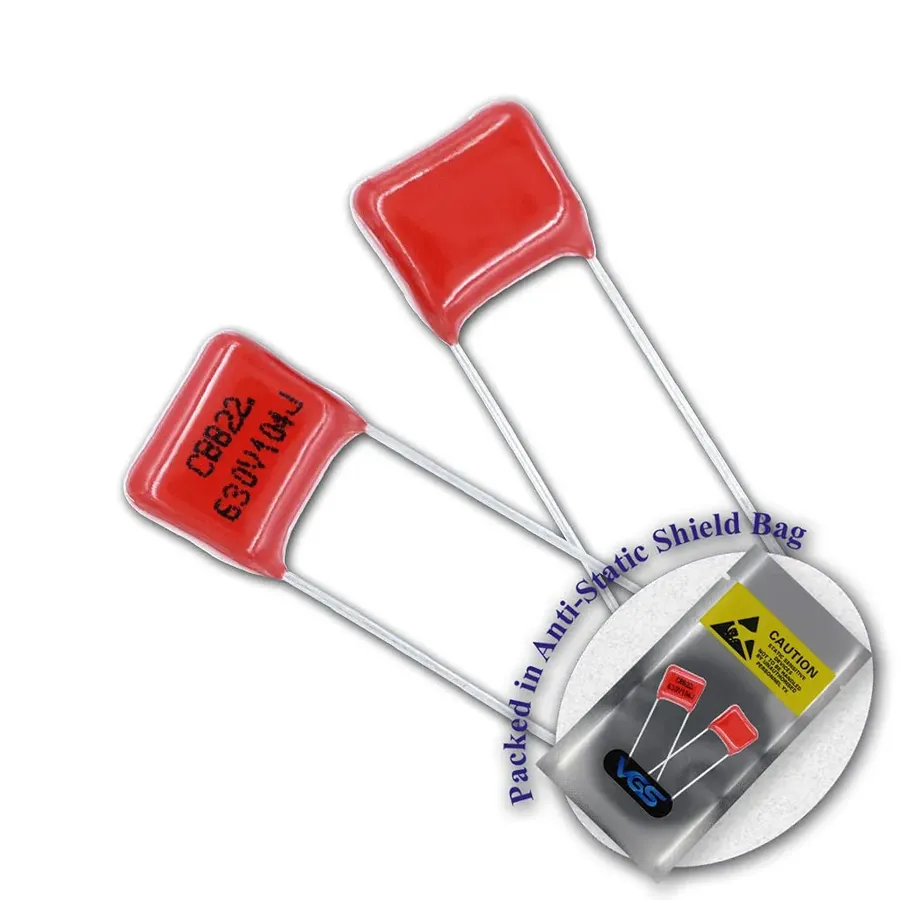
A close up view of a metallized film capacitor.
Metallized Film Capacitor

Metallized Polypropylene (MPP) capacitors are a type of film capacitor renowned for their exceptional stability, low loss characteristics, and high reliability. These capacitors are constructed using a thin layer of metallized polypropylene film as the dielectric material, which is then wound into a cylindrical or flattened structure, and housed within a protective case. The metallization process, typically involving aluminum or zinc, directly deposits a conductive layer onto the dielectric film, forming the electrodes of the capacitor.

The unique construction of MPP capacitors contributes to several key performance advantages:
  • High Stability
    MPP capacitors exhibit excellent capacitance stability over a wide range of temperatures and frequencies, making them ideal for applications requiring precise and consistent performance.
  • Low Losses
    The inherent low dissipation factor (tan δ) of polypropylene and metallized electrodes results in minimal energy loss during operation, reducing heat generation and improving efficiency.
  • High Reliability
    The robust construction and high-quality materials used in MPP capacitors contribute to their long service life and ability to withstand harsh operating conditions, including high voltages and transient surges. The self-healing property of metallized film further enhances the reliability of MPP capacitors by clearing small defects in the dielectric layer, which prevents catastrophic failures and prolongs capacitor lifespan.
  • Self-Healing Property
    The metallized layer is very thin, and when a voltage breakdown occurs, the high energy of the breakdown can vaporize the metal layer around the point of failure. The fault is cleared and the capacitor continues working. This is self-healing.
  • Excellent Insulation Resistance
    They have high insulation resistance, which results in very low leakage current, which is important to maintain the charged stored within the capacitor.

Factors Influencing MPP Capacitor Prices

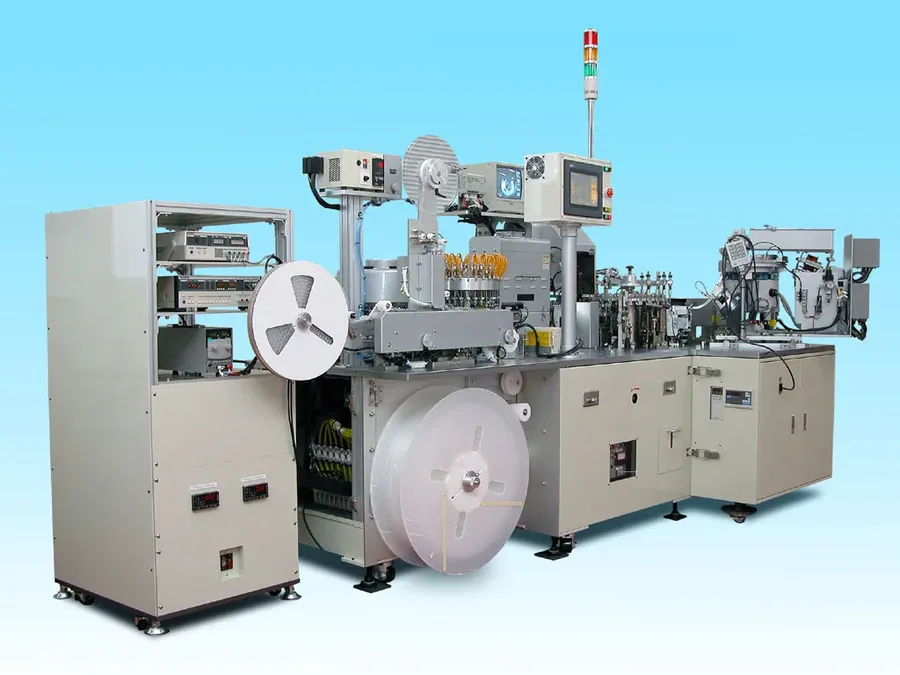
A view of a capacitor production line in a factory.
Capacitor Production Line

The price of a Metallized Polypropylene (MPP) capacitor is not fixed; it fluctuates based on a multitude of factors encompassing its technical specifications, raw material costs, manufacturing processes, and market conditions. Understanding these factors is crucial for both purchasers and engineers to make informed decisions.

FactorDescriptionImpact on Price
Capacitance ValueThe amount of electrical charge the capacitor can store, measured in Farads.Higher capacitance typically results in higher prices due to the increased amount of materials needed.
Voltage RatingThe maximum voltage the capacitor can safely withstand.Capacitors rated for higher voltages generally cost more due to the need for thicker dielectric layers and robust construction.
ToleranceThe permissible deviation of the actual capacitance value from its nominal value.Tighter tolerance requirements lead to higher precision manufacturing, increasing costs.
Operating Temperature RangeThe range of temperatures within which the capacitor can operate reliably.Capacitors designed for wider temperature ranges, especially high temperatures, often require specialized materials and manufacturing techniques, which increases costs.
Physical Size and ConstructionThe dimensions and design of the capacitor.Larger physical size generally requires more materials, leading to higher prices. Specialized construction techniques (e.g., encapsulated for harsh environments) further increase costs.
Raw Materials CostsThe cost of polypropylene film and metal used in the capacitor.Fluctuations in the market prices of raw materials, such as polypropylene and metallization materials, directly impact the overall capacitor cost.
Manufacturing ComplexityThe intricacy of the manufacturing process, including precision winding and metallization.Advanced manufacturing techniques and stringent quality control add to the cost.
Market DemandCurrent market trends and demand for specific capacitor types.High market demand can drive up prices, while low demand may result in reduced prices.

MPP Capacitor Price Range: A Comprehensive Overview

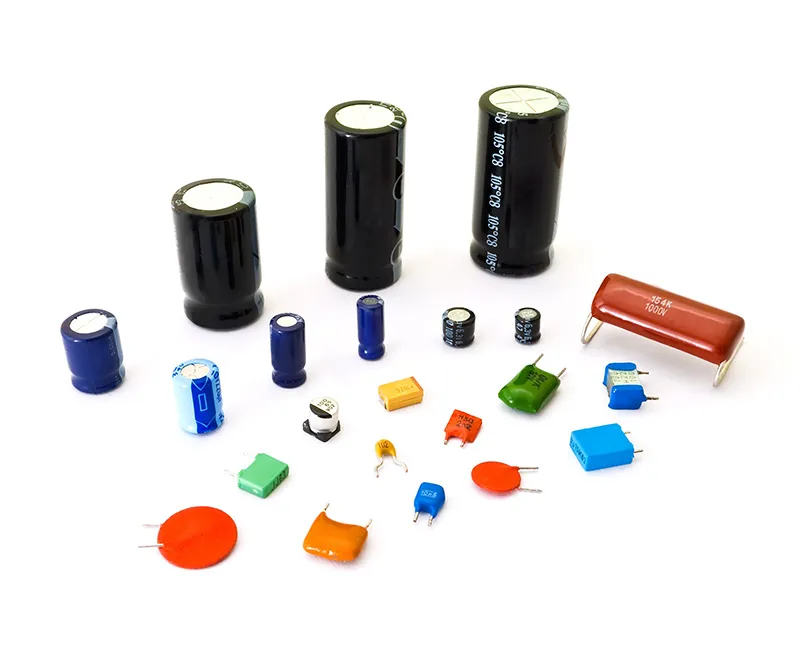
Various sizes of capacitors arranged on a table
Capacitor Sizes

The price of MPP (Metallized Polypropylene) capacitors varies significantly based on several factors, including type, specifications, and quantity. This section offers a comprehensive overview of typical price ranges, providing insights for both small and large-scale procurement.

Broadly, MPP capacitors can be categorized into three main types, each with distinct pricing structures:

  • General Purpose MPP Capacitors
    These capacitors are designed for standard applications and are the most cost-effective. Prices generally range from a few cents to a few dollars per unit for small quantities, depending on capacitance, voltage, and tolerance ratings. Large bulk orders can further reduce the price per capacitor.
  • AC Motor Run Capacitors
    Specifically designed for AC motor applications, these capacitors are more robust and often include safety features, typically ranging from a few dollars to tens of dollars per unit. Prices increase with higher voltage and capacitance ratings, and also vary depending on whether they are designed for single or three-phase motor applications.
  • Specialized High-Performance MPP Capacitors
    These capacitors are designed for high-performance, high-frequency, or specialized applications, and will usually cost more. Factors such as low ESR (Equivalent Series Resistance) or high temperature ratings drive up the price, with prices ranging from several dollars to hundreds of dollars per unit depending on requirements.

Quantity also plays a crucial role in determining the price per unit:

  • Small Orders
    For small orders (e.g., 1-100 units), prices are typically higher due to the lack of economy of scale. Retail prices may be prevalent. Distributors are usually the source for this type of order and usually have a higher markup.
  • Medium Orders
    Medium-sized orders (e.g., 100-1000 units) offer some cost reduction, especially if purchased directly from a manufacturer or an authorized reseller. Volume discounts can apply.
  • Bulk Orders
    Large bulk orders (e.g., 1000+ units) usually get the best per unit price as the manufacturer can optimize their production efficiency. Negotiated pricing is common in these types of transactions.
MPP Capacitor TypeTypical Price Range (USD per unit)Typical Applications
General Purpose$0.05 - $5 (Small Quantity)General electronics, filtering, coupling
AC Motor Run$2 - $50 (Small Quantity)AC motor start and run circuits
High-Performance$5 - $500+ (Small Quantity)High-frequency circuits, high-temperature operation

It is important to note that these price ranges are approximate and can fluctuate based on current market conditions, material costs, and specific supplier policies. Consulting with various suppliers and obtaining multiple quotes is always best to make an informed purchasing decision.
MPP Capacitor Applications and Their Typical Price Points

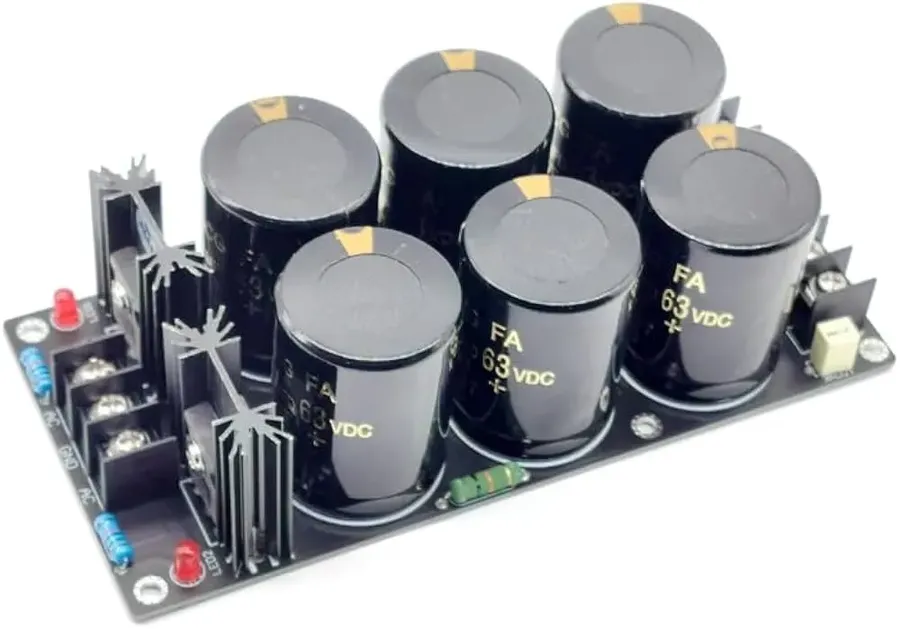
A section of a power circuit board showing installed capacitors.
Power Circuit Board

MPP (Metallized Polypropylene) capacitors are integral components across diverse applications, each with distinct performance requirements and corresponding price points. The specific use case largely dictates the necessary capacitor characteristics, and thus, the final cost. This section explores key application areas and their influence on MPP capacitor pricing.

Application AreaTypical MPP Capacitor RequirementsPrice Point FactorsExample Price Range (USD, per unit, indicative)
AC Motor Start/RunHigh AC voltage rating, specific capacitance values, robust construction for continuous operationHigh voltage requirements, safety certifications, operational life0.50 - 15 (depending on voltage and capacitance)
Power Electronics (Inverters, Converters)High ripple current handling, low ESR (Equivalent Series Resistance), high reliability at elevated temperaturesSpecialized film materials, low inductance designs, thermal management1 - 20 (depending on size and performance)
Lighting BallastsHigh pulse current capability, tolerance to voltage transients, specific capacitance values based on lamp typeSpecific industry certifications, volume of production0.20 - 5 (depending on ballast type and specs)
Automotive (Electric Vehicles, Hybrid Systems)High temperature resistance, vibration and shock resilience, long operational life, high reliability and small form factorAutomotive grade material standards, stringent quality controls, size constraints2 - 30 (depending on specific application and requirements)
General PurposeBasic requirements, general operation conditions, standard sizes.Bulk manufacturing efficiency, basic materials0.10 - 3 (depending on capacitance)

The price ranges provided are indicative and can vary widely based on manufacturer, order quantity, and specific technical specifications. For instance, automotive-grade capacitors must meet higher performance and reliability standards, leading to increased cost compared to similar components for general purpose applications.
Where to Buy MPP Capacitors: Online and Offline Options

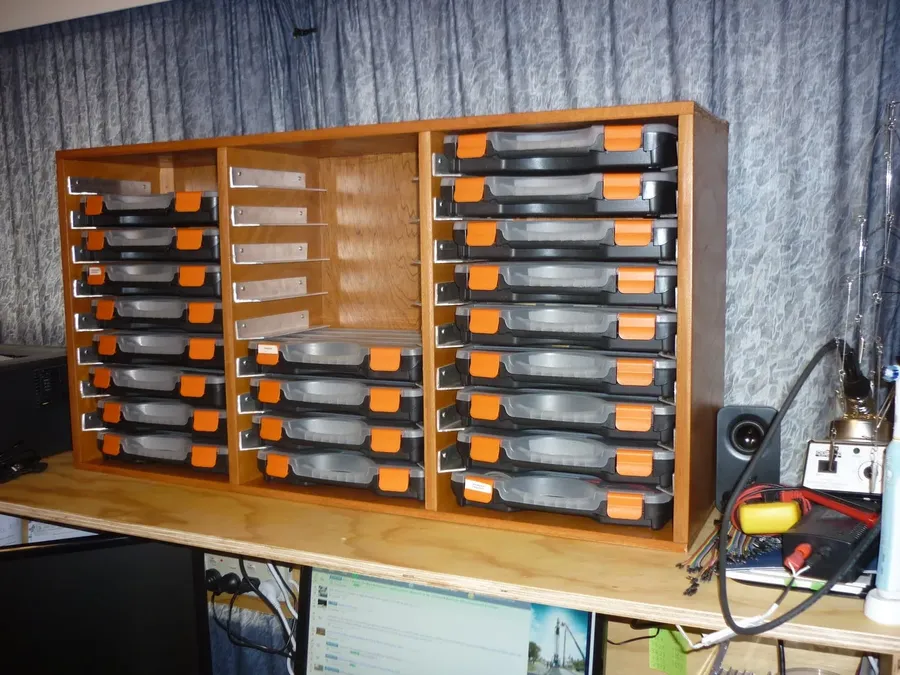
A shelf in an electronics component store with various capacitors on display.
Component Store Shelf

The procurement of MPP capacitors involves navigating a landscape of online marketplaces, industrial distributors, and direct manufacturer channels. Each avenue presents unique advantages and disadvantages regarding price, availability, and support. Understanding these differences is crucial for making informed purchasing decisions.

Online marketplaces such as Alibaba, Made-in-China, Amazon, and eBay offer a wide selection of MPP capacitors from numerous suppliers. These platforms often provide competitive pricing due to the large number of vendors, but this can also lead to quality variations and potential uncertainties regarding product authenticity. Conversely, industrial distributors like Zoro typically offer higher quality products with greater reliability, but may come at a premium price. Direct manufacturer channels, while potentially providing the most reliable and specialized options, may require larger order quantities and involve longer lead times.

Purchasing OptionAdvantagesDisadvantagesConsiderations
Online Marketplaces (Alibaba, Made-in-China, Amazon, eBay)Wide selection, potentially lower prices, convenient purchasing process.Quality inconsistency, potential for counterfeit products, less reliable after-sales support.Careful vetting of suppliers, reading reviews, verifying product specifications.
Industrial Distributors (e.g., Zoro)Higher quality products, more reliable, better after-sales support.Generally higher prices, potentially limited product selection compared to marketplaces.Balance between quality and cost, ensuring the distributor specializes in your required types.
Manufacturer DirectMost reliable quality, direct technical support, specialized or custom options available.Higher minimum order quantities, potentially longer lead times, less price flexibility.Suitable for bulk purchases, specific performance requirements, and long-term projects.

When purchasing MPP capacitors, it's vital to consider shipping costs, warranty terms, and the availability of after-sales support. Online marketplaces may offer lower product costs but often have higher shipping fees and less robust warranty provisions, while distributors may include shipping or have better warranty packages. Direct manufacturers frequently have the best support, but their minimum quantities and potentially lengthy lead times might not suit every need.
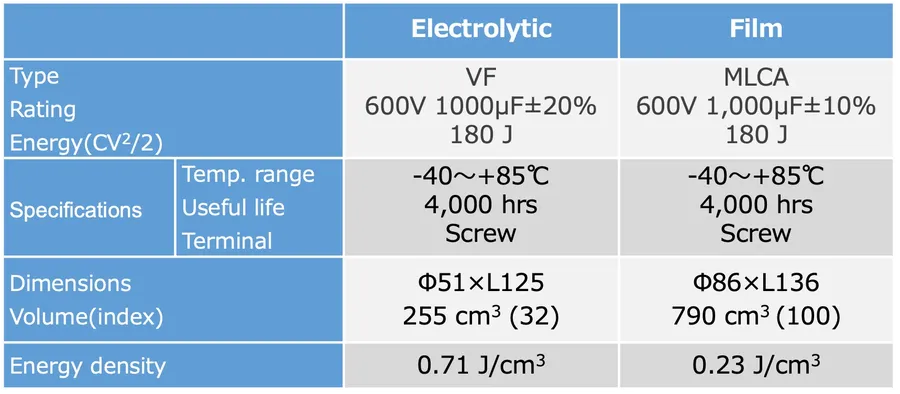
Comparing MPP Capacitors vs. Other Capacitor Types (CBB, Electrolytic)

A side-by-side view of a film capacitor and an electrolytic capacitor.
Capacitor Comparison

MPP capacitors, while offering excellent performance characteristics, are not the only option for circuit design. Understanding how they compare to other common capacitor types like CBB (polypropylene film) and electrolytic capacitors is crucial for selecting the optimal component for a given application. This section provides a comparative analysis of these capacitor types.

Frequently Asked Questions About MPP Capacitors

This section addresses common inquiries regarding Metallized Polypropylene (MPP) capacitors, aiming to provide clear and concise answers to help understand their characteristics, applications, and pricing.

  • What does MPP stand for in the context of capacitors?
    MPP stands for Metallized Polypropylene. It refers to the construction of the capacitor where a thin layer of metal, typically aluminum or zinc, is deposited directly onto a polypropylene film. This metallization serves as the electrode, offering a compact and efficient capacitor design.
  • What is the typical price range for an MPP capacitor?
    The price of an MPP capacitor varies significantly based on factors such as capacitance, voltage rating, tolerance, and quantity purchased. Generally, prices can range from a few cents for small, general-purpose capacitors to several dollars for high-voltage or high-performance units. Bulk purchases usually offer lower per-unit costs.
  • How does an MPP capacitor differ from a CBB capacitor?
    Both MPP and CBB capacitors use polypropylene film as the dielectric material. The key difference lies in the electrode construction. MPP capacitors have electrodes directly metallized onto the film, whereas CBB capacitors use a separate metal foil as the electrode. CBB capacitors are typically more robust for high current applications, while MPP capacitors offer a more compact design. CBB Capacitors are generally more robust for high current applications, whereas MPP capacitors offer a more compact design.
  • What is the price of a parallel plate capacitor and how does it relate to MPP capacitors?
    The term 'parallel plate capacitor' refers to the fundamental structure of a capacitor, consisting of two conductive plates separated by a dielectric. While both CBB and MPP capacitors are manufactured using this basic principle, the price of a parallel plate capacitor is usually considered within the realm of educational examples. In practice, MPP capacitors use metallized films rather than discrete plates to achieve specific performance characteristics, such as reduced size and increased capacitance per volume. The actual price of a real-world capacitor will deviate from that of an academic example and depend on the specific construction and characteristics of the device.
  • Are MPP capacitors suitable for high-frequency applications?
    Yes, MPP capacitors are often suitable for high-frequency applications due to their low equivalent series resistance (ESR) and low losses. The metallized construction can, however, cause issues with parasitic inductance which can be a problem at extremely high frequencies. For higher frequency operations, CBB may sometimes be preferred.
  • What are the main advantages of using MPP capacitors?
    MPP capacitors offer several advantages, including high stability, low losses, high reliability, good self-healing properties, and a compact form factor. These characteristics make them suitable for a wide range of applications. However, their main disadvantages are lower current handling compared to CBB and a lower operating temperature range compared to ceramic capacitors.
  • How do capacitance tolerance and voltage rating affect the price of MPP capacitors?
    Capacitance tolerance and voltage rating are critical factors influencing the price of MPP capacitors. Tighter tolerances (e.g., ±1% vs. ±10%) require more precise manufacturing processes and quality control, leading to higher costs. Similarly, capacitors with higher voltage ratings typically cost more due to the increased material and construction requirements to withstand higher electrical stresses.

Tips for Getting the Best MPP Capacitor Price

Securing the most favorable pricing for MPP capacitors requires a strategic approach that goes beyond simply accepting the first quote. By leveraging bulk purchasing, skillful negotiation, thorough vendor comparisons, and exploring alternative specifications, significant cost savings can be achieved.

  • Buy in Bulk
    Purchasing larger quantities of MPP capacitors generally leads to a lower per-unit cost due to economies of scale. Manufacturers and distributors often provide discounted rates for bulk orders, reflecting reduced handling and transaction costs.
  • Negotiate with Suppliers
    Do not hesitate to negotiate pricing with suppliers, especially for significant orders. Building a long-term relationship with a supplier can also provide opportunities for better pricing and service. Leverage competitive quotes from other vendors as leverage during negotiation.
  • Compare Quotes from Multiple Vendors
    Obtain quotes from several different suppliers before committing to a purchase. This allows for direct price comparisons and helps you identify the most competitive offer. Pay attention not only to price but also to lead times, shipping costs, and return policies.
  • Consider Alternative Brands and Specifications
    Explore options from different brands and evaluate if slightly different specifications can still meet your application requirements. Sometimes, less known brands or minor changes in specifications can lead to significant cost reductions without compromising performance.
  • Plan Ahead and Forecast Demand
    Accurately forecasting your capacitor needs enables you to plan purchases strategically. This proactive approach can reduce the urgency of orders, allowing you to avoid premium prices often associated with rushed procurement and helps to establish purchasing patterns that suppliers can offer discounts on.
  • Explore Direct Manufacturer Purchases
    If your volume requirements justify it, consider buying directly from the capacitor manufacturer. This will often eliminate intermediary markups, but it may require direct contact and understanding of the manufacturer's order and payment procedures.
  • Evaluate Total Cost of Ownership
    Consider the total cost of ownership, including factors such as failure rates, reliability, energy efficiency, and lifespan in addition to purchase price to ensure long-term value and efficiency of a purchase.

The future of MPP capacitor pricing and technology is poised for significant evolution, driven by escalating demand, breakthroughs in materials science, and advancements in manufacturing processes. These factors are expected to shape both the cost and performance characteristics of MPP capacitors in the years to come.

Several key trends are likely to influence the trajectory of MPP capacitors:

  • Increased Demand
    The rising adoption of electric vehicles (EVs), renewable energy systems, and advanced power electronics is driving up demand for high-performance capacitors, including MPP types. This increased demand may lead to economies of scale in production, potentially reducing costs. However, it could also strain raw material supply chains, causing price fluctuations.
  • Material Science Innovations
    Ongoing research into new dielectric materials, such as enhanced polymer films and nanocomposites, has the potential to improve the performance and reduce the size of MPP capacitors. These advancements might lead to capacitors with higher energy density, lower losses, and improved thermal stability. The cost-effectiveness of these new materials will also influence overall pricing.
  • Manufacturing Efficiency Improvements
    Advances in manufacturing processes, like automated production lines and optimized film deposition techniques, could increase production efficiency and lower manufacturing costs for MPP capacitors. This includes minimizing waste in the manufacturing process and implementing advanced testing and inspection technologies to reduce defects.
  • Standardization and Certification
    As the technology matures, increased standardization of MPP capacitor specifications, along with international certification protocols, will promote greater market competition and could lead to lower overall costs by making the technology more accessible to a wider variety of manufacturers and users.
  • Integration with Smart Technologies
    The incorporation of integrated sensing and diagnostic capabilities within MPP capacitors is becoming more prevalent, enabling condition monitoring and predictive maintenance. This may lead to increased costs for these specialized parts but may yield cost savings over the lifecycle of systems in which they are integrated.
  • Sustainability and Environmental Regulations
    Increased environmental awareness and stricter regulations regarding the disposal of electronic waste will likely spur the development of more eco-friendly MPP capacitor designs, including the use of recyclable or biodegradable materials. These approaches could bring with them both increased costs and increased lifecycle value.

While it is difficult to make precise predictions, these trends suggest that while the prices of standard MPP capacitors might decrease due to increased production efficiency and competition, new and specialized high performance versions might see an increase due to complexity and the cost of advanced materials. A balance of cost-efficiency and performance will guide future developments.

Understanding MPP capacitor prices involves considering multiple factors like capacitance, voltage, application, and sourcing. The current market offers a wide range of options, from budget-friendly options to high-performance components, each suitable for different needs. Whether you're looking for a simple motor run capacitor or a specialized capacitor for power electronics, knowing where to look, understanding the price determinants, and making informed decisions can ensure you get the best value. With the continuous evolution of technology, and with the constant development of material science, the price of [mpp capacitor price] will continue to be influenced by the market dynamic, and choosing suitable components based on your project's unique requirements remains key.


Anypcba