In today's fast-paced world, electronics play a crucial role in our daily lives. From smartphones to sophisticated medical devices, printed circuit boards (PCBs) form the backbone of almost all electronic gadgets. The ability to order PCB online has revolutionized prototyping and manufacturing processes, making it easier and faster to bring innovative designs to life. This article dives into the essential aspects of how to successfully order pcb online, ensuring you get quality boards tailored to your needs. Whether you're a hobbyist or a seasoned engineer, this guide will streamline your PCB ordering process.
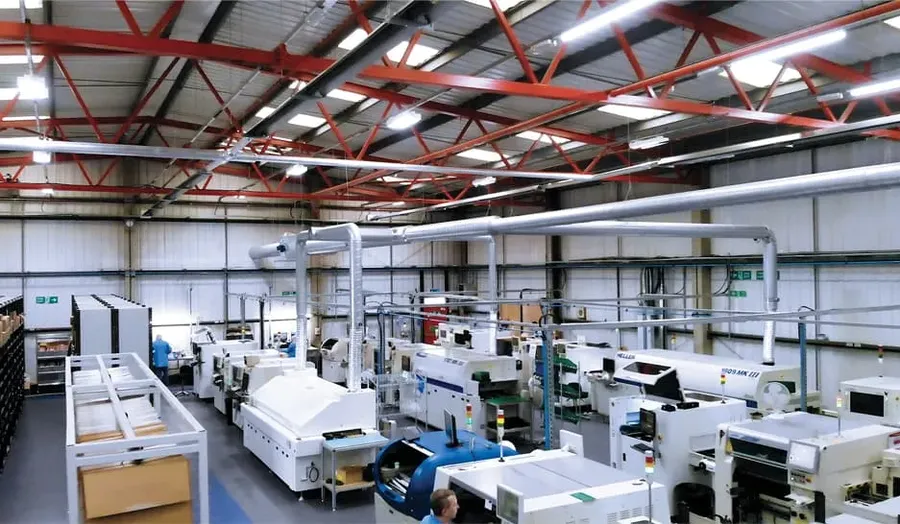
Selecting a suitable PCB manufacturer is paramount to the success of any electronics project, as the quality and reliability of the printed circuit boards directly impact the performance and durability of the final product. This section will explore the key factors you should consider when choosing a PCB manufacturer.
| Factor | Description | Impact |
|---|---|---|
| Experience | Years in business, number of projects completed | Quality and reliability, ability to handle complex designs |
| Production Capabilities | Layer count, board size, materials, surface finishes | Ability to meet project specifications and complexity |
| Lead Times | Production and shipping times | Project timelines, ability to meet deadlines |
| Customer Support | Responsiveness and clarity of communication | Smooth order processing and issue resolution |
| Cost | Pricing per unit and order size | Budget adherence and overall project expense |
| Geographic Location | Proximity to your project location | Shipping costs and time, communication ease |
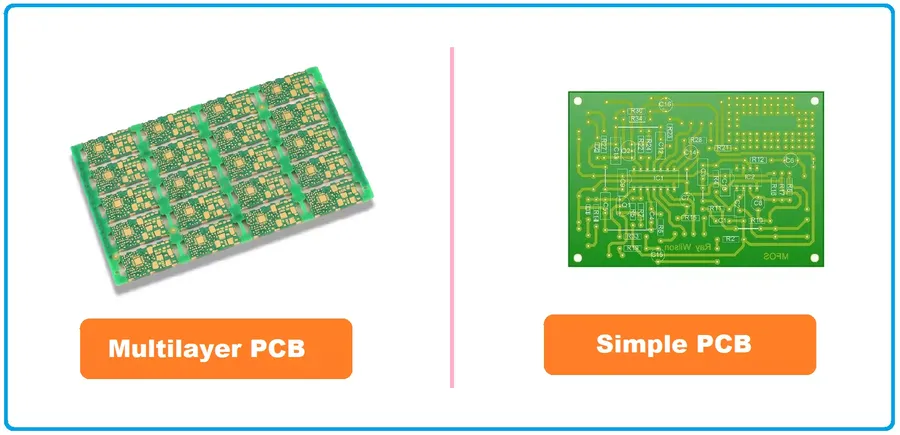
Accurately estimating PCB fabrication costs is essential for effective project planning and budget management. Several key factors influence the final price of your printed circuit boards, and understanding these components allows for informed decision-making and potential cost optimization. By analyzing these factors, designers can make strategic choices to meet both performance requirements and financial constraints.
| Factor | Impact on Cost | Considerations for Cost Optimization |
|---|---|---|
| Board Size | Larger boards generally cost more due to increased material usage and processing time. | Optimize board size to fit within standard panel sizes to reduce material waste. |
| Layer Count | More layers increase manufacturing complexity and cost, as it involves additional processing and material. | Use the minimum number of layers necessary for the design complexity. Evaluate if signal routing can be achieved with fewer layers. |
| Material | Different materials have varying costs based on their performance characteristics, such as FR-4, aluminum, or polyimide. | Select materials that meet the performance criteria but are not excessively expensive for the application. |
| Surface Finish | Surface finishes like ENIG (Electroless Nickel Immersion Gold) add cost compared to HASL (Hot Air Solder Leveling). | Use HASL for cost-sensitive projects or where a gold finish is not essential for performance. |
| Quantity | Higher order quantities reduce the per-unit cost due to economies of scale. | Optimize order quantity to achieve lower unit prices. Consider demand planning to avoid excessive inventory. |
| Drill Hole Size and Count | Smaller and higher quantity of drill holes can increase cost due to the increased precision in the manufacturing process. | Design PCBs with larger drill holes where possible. Consider via size and aspect ratios to minimize costs. |
| Special Features | Features like controlled impedance, blind/buried vias, and specific tolerances can significantly increase costs. | Use special features only if necessary, and adhere to standard design rules to minimize complexity and cost. |
Engaging with multiple PCB manufacturers to compare quotes is a critical step in controlling fabrication costs. Vendors vary in their pricing structures and cost drivers. Understanding your needs and project requirements, and adjusting the design accordingly, is the key to cost-effective PCB manufacturing. Always consider the long-term implications of costs, particularly if you anticipate needing multiple production runs.
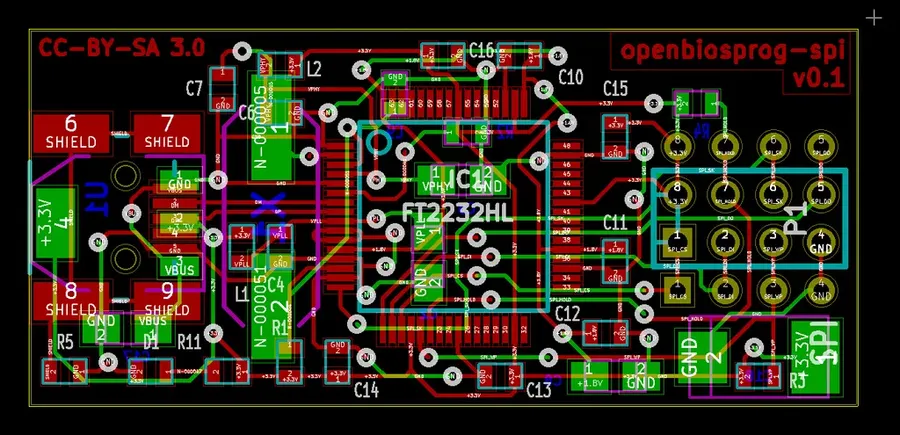
Gerber files are the cornerstone of PCB manufacturing, serving as the industry-standard format for transferring design specifications to fabrication equipment. Accuracy and completeness of these files are paramount to prevent delays and ensure that the manufactured PCB aligns precisely with your design intentions. Prior to uploading, a meticulous review of your Gerber files is essential.
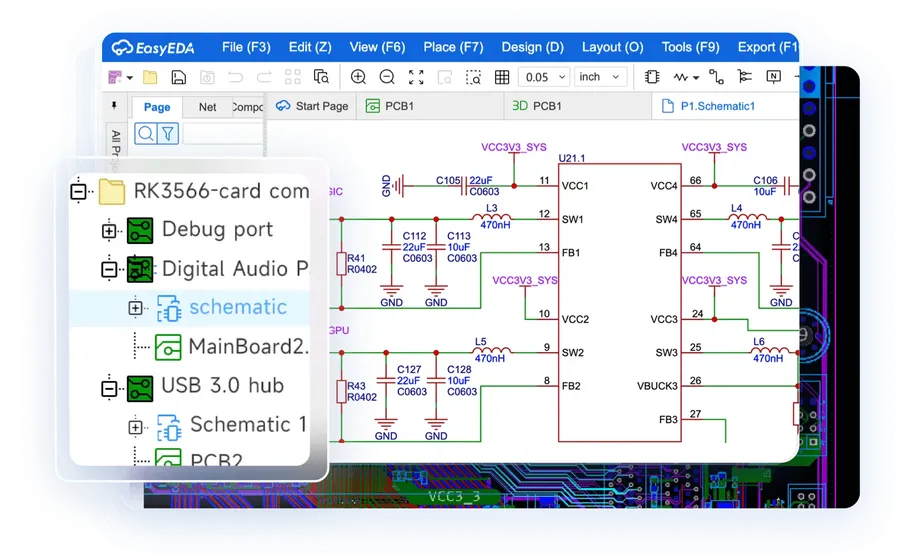
The online PCB ordering process typically involves a user-friendly interface that guides you from initial specification to final purchase. This section details the essential steps and considerations for ensuring a smooth and successful online PCB order.
By understanding and carefully following each of these steps, you can streamline your online PCB ordering experience. Taking your time and paying close attention to detail will reduce the possibility of errors in production
When ordering PCBs online, secure payment processing is critical for a smooth and safe transaction. Reputable online PCB manufacturers offer various payment methods, ensuring flexibility while prioritizing the security of your financial information. Understanding these methods and their associated security features allows you to choose the most appropriate option for your needs.
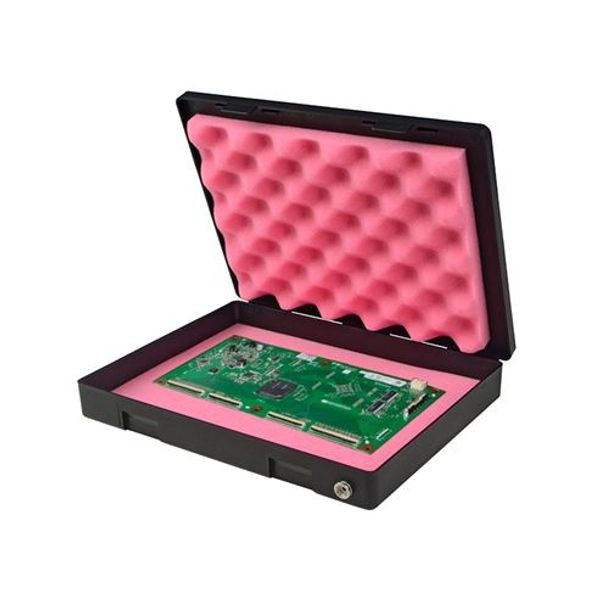
Understanding production lead times and shipping options is critical when ordering PCBs online. These factors directly impact project timelines, so a careful evaluation of manufacturer capabilities and shipping choices is essential.
Production time, also known as lead time, is the duration required for a manufacturer to fabricate your printed circuit boards. This timeframe begins after you've submitted your order and ends when your boards are ready for shipment. Different manufacturers and the complexity of the design will impact this duration. Shipping options vary significantly in cost and delivery times, so choosing a balanced approach is important to meet the project's constraints.
| Factor | Description | Considerations |
|---|---|---|
| Production Lead Time | Time from order placement to board fabrication completion. | Varies based on complexity, layer count, and manufacturer workload. Standard lead times are typically around 2-7 days, while complex orders could be longer. |
| Shipping Options | Methods for transporting PCBs from the manufacturer to the customer. | Includes standard, expedited, and express shipping. Consider cost and transit times. Expedited options may be necessary for urgent projects but come at a premium. |
| Manufacturer Location | Geographical location of the manufacturer. | Affects shipping times and potential customs delays. Consider time zone differences when coordinating with manufacturers across different regions. |
When evaluating manufacturers, always inquire about their typical lead times and available shipping options. Some suppliers offer expedited options for faster turnaround. Comparing available options and associated costs allows you to select the optimal solution for your project requirements. Some manufacturers provide a lead time estimator that you can use prior to order placement. Some may offer a 'rush service' for an additional fee. Also, be sure to take into consideration any potential transit delays or unexpected challenges with shipping. Having a buffer time is a recommended best practice. Finally, if the manufacturer is overseas, consider customs clearance time and procedures.
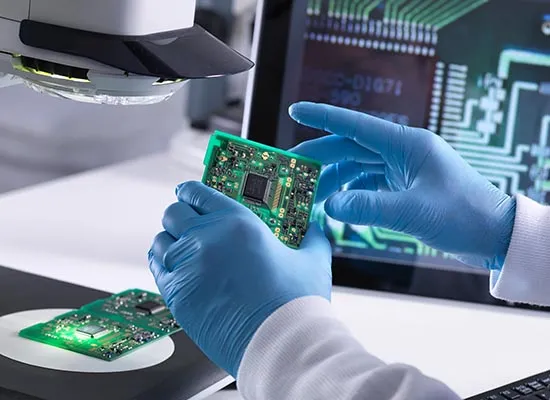
Ensuring the quality of your printed circuit boards (PCBs) is paramount for the success of any electronic project. Online PCB manufacturers employ various quality control measures to minimize defects and ensure that the final product meets the required specifications. Understanding these measures allows you to make informed choices when selecting a manufacturing partner.
It's crucial to verify the manufacturer's quality standards and processes. This is not only about the final product but also how they handle your Gerber files and the information you provide.
Beyond automated checks, manual inspection by skilled technicians should also be part of the quality control process at reputable manufacturers.
This section addresses common questions regarding ordering PCBs online, providing clear and concise answers to help streamline your PCB manufacturing process.
Beyond standard printed circuit board (PCB) fabrication, numerous advanced features and options cater to complex design requirements. These options, often available through online PCB manufacturers, enable engineers to realize more intricate and high-performance electronic devices. Understanding these options is crucial for pushing the boundaries of electronic design.
| Feature | Description | Typical Application | Considerations |
|---|---|---|---|
| Multi-layer Boards | PCBs with more than two conductive layers, enabling greater routing density and signal integrity. | Complex digital systems, high-speed interfaces, and miniaturized electronics. | Increased manufacturing cost and complexity; requires precise alignment. |
| Blind and Buried Vias | Vias that connect to specific layers without penetrating all the way through, saving space and improving routing. | High-density boards, multi-layer designs with space constraints. | More expensive than through-hole vias; requires advanced manufacturing techniques. |
| Controlled Impedance | Maintaining a specific impedance throughout a trace to prevent signal reflections and ensure signal integrity. | High-speed digital and analog circuits, RF applications. | Requires careful trace width and spacing calculations; often specified with manufacturer. |
| Surface Finishes | Various metallic coatings on pads that protect copper and provide a solderable surface (e.g., HASL, ENIG, Immersion Silver). | Wide range of applications; choice depends on solderability, reliability, and cost. | Each finish has its own pros and cons; consider shelf life and cost. |
| Via-in-Pad (VIP) | Placing vias directly on the surface mount pads, saving valuable space and enhancing thermal dissipation. | High-density and thermal management applications. | Requires a high degree of manufacturing precision. |
Ordering PCBs online has transformed the way prototypes and final products are brought to life. By understanding the process, from choosing the right manufacturer to preparing your files, you can ensure a seamless experience and high-quality PCBs. Remember to always consider the various factors that may affect the cost of your board. As you embark on your next project, consider using these insights for a smooth order pcb online process and successful fabrication. Embrace the convenience and efficiency of online PCB ordering to bring your electronic innovations to market faster and more efficiently.

