Navigating Cheap PCB Fabrication: A Comprehensive Guide
2025.01.07
In today's rapidly evolving electronics world, printed circuit boards (PCBs) are the backbone of countless devices. Whether you're a hobbyist, student, or professional engineer, the cost of PCB fabrication can be a significant factor in your project's budget. This article will guide you through the landscape of cheap PCB fabrication, exploring various manufacturers, their strengths, weaknesses, and strategies to optimize your spending. We'll delve into real-world comparisons and practical tips to help you make informed decisions on your next project, enabling you to bring your creative ideas to life without breaking the bank. Let's embark on this journey to uncover the secrets to affordable and quality PCB fabrication.
Understanding Your PCB Fabrication Needs
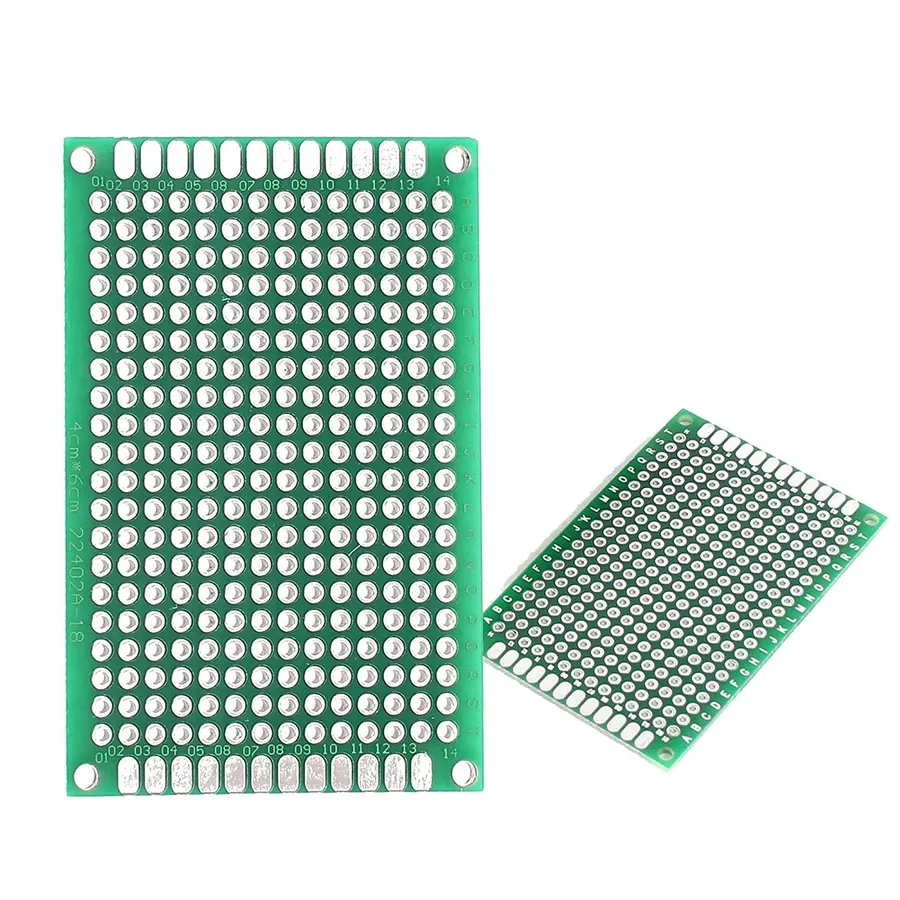
Bare PCB
Prior to selecting a PCB manufacturer, a precise understanding of your project’s requirements is crucial as these specifications directly influence the cost of cheap PCB fabrication. Key considerations include the physical dimensions of the board, the number of layers required, the type of substrate material, and the acceptable manufacturing tolerances.
Board Size The overall dimensions of your PCB directly impact material usage and thus cost. Standard sizes may be more economical. Specify dimensions in millimeters or inches to ensure precise quotes.
Layer Count The number of copper layers in your PCB affects complexity and cost. Single-layer PCBs are the simplest and least expensive, while multilayer PCBs (e.g., 4-layer, 6-layer) add to the expense due to increased complexity and material.
Material Type The substrate material affects performance and cost. FR-4 is the most common and cost-effective. Other options include aluminum-backed, Rogers, and other specialty materials. Select the material that meets your electrical and mechanical needs, but consider the material cost when choosing a PCB manufacturer.
Tolerances Manufacturing tolerances specify the acceptable variations in dimensions and features. Tighter tolerances often increase fabrication costs. Standard tolerances are adequate for many projects, but high-precision applications may require tighter tolerances, driving costs up. Carefully consider which parts of your design require tighter tolerances and which can be more relaxed.
Surface Finish The surface finish is essential for ensuring solderability and preventing oxidation. Common options include HASL (Hot Air Solder Leveling), ENIG (Electroless Nickel Immersion Gold), and OSP (Organic Solderability Preservative). The finish affects cost and its intended usage. Choose a finish that suits your requirements for both manufacturability and longevity.
Specification
Impact on Cost
Example Considerations
Board Size
Directly proportional to material usage
Using standard panel sizes can be more economical
Layer Count
Increases with complexity
Multilayer PCBs (e.g., 4-layer, 6-layer) are more expensive
Material Type
Varies based on substrate cost
FR-4 is the most cost-effective option, but other materials may be better suited to your project
Tolerances
Tighter tolerances increase cost
Standard tolerances are acceptable for many projects
Top Cheap PCB Fabrication Manufacturers: A Comparative Analysis
PCB Factory
Selecting the right manufacturer is pivotal for cost-effective PCB fabrication. This section provides a comparative analysis of leading manufacturers, focusing on key factors like pricing, turnaround time, and capabilities, essential for making an informed decision when seeking cheap PCB fabrication. We will highlight the strengths and weaknesses of each, to aid you in choosing the best fit for your needs.
Manufacturer
Starting Price (USD)
Turnaround Time (Days)
Capabilities
Minimum Order Quantity
Shipping Costs
JLCPCB
Varies (~$2-5)
2-7
Standard FR-4, basic multilayer, assembly services
When evaluating these cheap PCB fabrication options, consider the minimum order quantity (MOQ) which can impact the total cost, especially for smaller projects. Shipping costs can also vary significantly and affect the overall budget. Furthermore, production tolerances, while generally standard, should be considered if precision is critical for your application. JLCPCB is well regarded for its low-cost, high-volume capabilities; PCBWay is known for its range of materials and advanced manufacturing options, while OSH Park is a popular option for hobbyists with very small projects, offering smaller quantities of high-quality PCBs. Understanding these key differences allows you to optimize your choice, balancing cost, time, and technical specifications when sourcing your cheap PCB fabrication needs.
The China Factor: Cost-Effective PCB Manufacturing
Chinese PCB Line
A significant portion of the most affordable PCB fabrication services originate from manufacturers based in China, primarily due to lower production costs and economies of scale. While this presents an opportunity for reduced expenses, it also introduces distinct considerations regarding shipping logistics, communication nuances, and quality control, requiring careful navigation to ensure a balance between cost and project requirements.
Choosing a Chinese manufacturer for PCB fabrication offers potential cost savings, but also entails several factors that need careful assessment:
Shipping Time Shipping times from China can range from a few days to several weeks, depending on the chosen shipping method and the manufacturer's location. Standard shipping is generally the least expensive but can take longer, while express options are faster but more costly. It's crucial to factor this into your project timeline. Delays due to customs clearance can also impact project timelines, requiring buffer time to avoid bottlenecks.
Communication Barriers Language differences and cultural nuances can sometimes lead to miscommunications. To mitigate this, providing very detailed specifications, using clear and concise language, and double-checking all documents are critical, utilizing technical drawings and clear product descriptions will avoid ambiguity. Utilizing communication tools and translation services can ensure more accuracy and avoid project delays.
Quality Control While many Chinese manufacturers offer high-quality PCB fabrication, quality can vary. To manage this, request samples before placing large orders, and clearly specify quality expectations for each of your product requirements. Establish regular monitoring of production quality, which helps to avoid large quantities of nonconforming products and maintains a higher level of overall product quality.
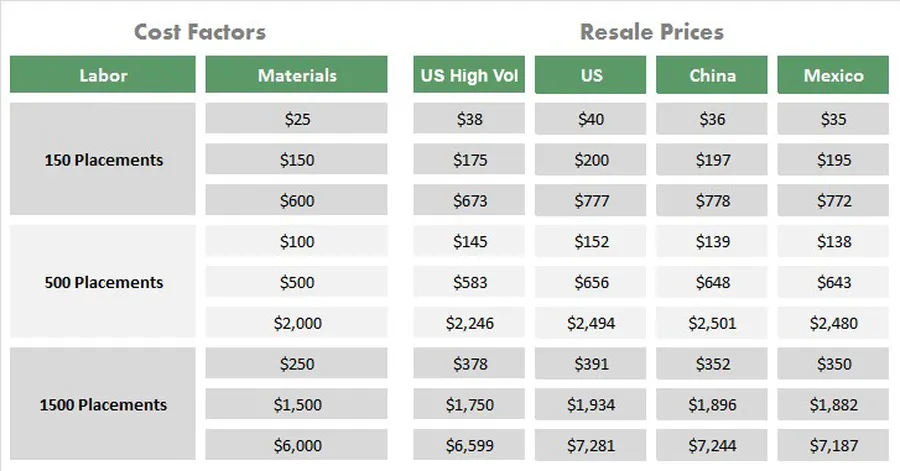
Cost-Effectiveness Tradeoffs The cost-effectiveness of Chinese PCB fabrication is a major draw, especially for prototypes and smaller runs. However, it’s crucial to account for potential added costs such as expedited shipping for projects, the costs of rework, and any costs associated with communication barriers. Comparing the overall cost, not just the board price, helps you to determine the best option for your budget and quality requirements.
Despite these considerations, many hobbyists and professional engineers have successfully utilized Chinese manufacturers for their PCB fabrication needs, by taking proactive measures to address possible challenges. By understanding the nuances of working with international suppliers, and by clearly establishing expectations, you can achieve both cost-effectiveness and quality.
Price Comparison: Breaking Down the Costs of PCB Fabrication
PCB Cost Breakdown
Understanding the cost drivers in PCB fabrication is crucial for budget-conscious projects. The overall price is not just a single number, but rather the sum of several contributing factors. By analyzing these elements, you can make informed decisions to optimize your designs for cost-effectiveness.
Factor
Description
Impact on Cost
Board Dimensions
The overall size of the PCB panel.
Directly proportional to cost; larger boards require more material and processing time.
Layer Count
Number of conductive layers in the PCB.
Higher layer counts increase complexity and cost significantly due to extra processing.
Material Thickness
The thickness of the core material and copper layers.
Standard thicknesses are cheaper, while non-standard thickness may increase costs and lead times. Thicker copper will also increase cost.
Material Type
Standard FR-4 is the least expensive; advanced materials increase costs.
Advanced materials with better thermal and electrical properties can increase the cost significantly.
Special Finishes
Surface finishes like ENIG (Electroless Nickel Immersion Gold) vs HASL (Hot Air Solder Leveling)
ENIG provides better planarity and oxidation resistance but it more costly than HASL.
Minimum Trace/Space Width
The narrowest track or gap between traces.
Smaller trace widths and spacing require more precise fabrication and can significantly raise the cost.
Minimum Hole Size
The smallest diameter of drilled holes.
Smaller holes demand more precision and specialized equipment resulting in increased cost.
Quantity
Number of boards ordered.
Unit costs typically decrease with higher quantities; often expressed as a unit price break.
Turnaround Time
The speed of production (i.e., standard vs. expedited)
Faster turnaround times generally result in higher manufacturing costs.
Shipping Cost
Fees associated with delivering the boards.
Costs can vary greatly depending on location and speed of delivery.
Testing Requirements
Electrical testing and inspection
Specialized electrical tests or other inspection types can increase overall price.
It's important to note that these factors interact, and minimizing one factor may impact another. For example, using a standard FR-4 material is economical but may not be suitable for all applications. Careful consideration of your design requirements and component selection in relation to the manufacturing process is essential for achieving a cost-effective and functional PCB.
Design Considerations for Cheaper PCB Fabrication
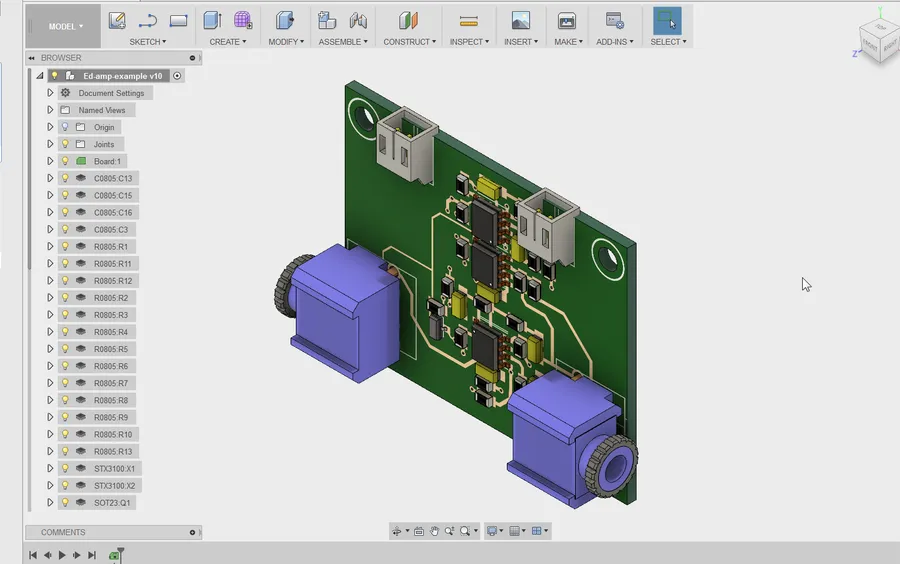
PCB Software
Optimizing PCB design is paramount to minimizing fabrication expenses. By strategically addressing design choices, significant cost reductions can be achieved without compromising functionality. This section focuses on design strategies that directly impact the price of cheap PCB fabrication.
Reduce Board Size The overall area of the PCB is a primary cost driver. Minimizing board dimensions through component placement optimization, integration, and efficient layout can significantly reduce costs. Consider the final application and avoid overly generous board dimensions.
Minimize Layer Count Multi-layer PCBs are more expensive to fabricate. For simpler circuits, a single or double-layer board will be the most cost-effective option. Evaluate if your design can be implemented with fewer layers. If multilayer is required, evaluate if vias can be minimized.
Use Standard Component Sizes Selecting commonly available component sizes for surface mount (SMT) such as 0805, 0603, or 1206, etc, reduces cost. These are typically more affordable due to higher production volumes. Avoid obscure or hard-to-source components that may incur additional costs.
Optimize Track Width and Spacing Adhering to manufacturer's recommended minimum track width and spacing reduces the need for specialized fabrication processes and ensures yield. Avoid excessively fine traces and use as wide traces as possible and spacing as large as possible as this can reduce cost.
Avoid complex PCB features Avoid complex shapes, non-standard drill sizes, or blind/buried vias as these often incur extra charges. Keep the design as simple as possible while meeting the functionality requirements. Standard thru-hole vias are typically cheaper to implement than micro vias, and blind and buried vias.
Panelization Strategy If you require multiple boards, consider optimizing their placement on a panelized array to minimize material wastage during fabrication and potentially reduce manufacturing cost. Efficient panelization can reduce cost.
Use Standard Materials Stick with common materials like FR-4, as it is widely available and has well-established manufacturing processes. Specialty materials can be cost prohibitive.
Balancing Quality and Cost: What to Expect
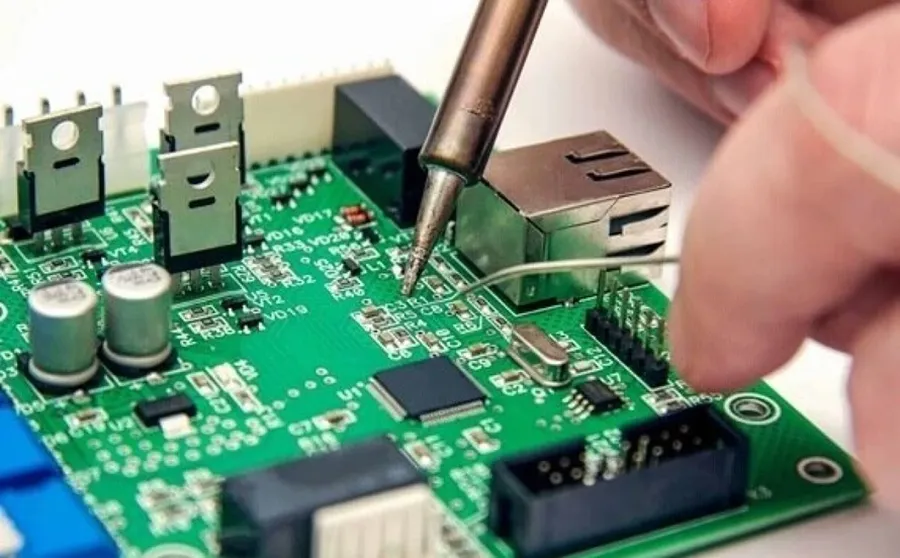
Assembled PCB
In the pursuit of cheap PCB fabrication, a critical balance must be struck between cost and quality. While the allure of the lowest price is strong, it's essential to understand that rock-bottom costs can sometimes compromise the performance and reliability of the final product. A pragmatic approach involves identifying 'acceptable' quality levels for specific project needs, ensuring that cost reductions do not lead to unacceptable functional compromises.
The trade-off between cost and quality is influenced by several factors, including material selection, manufacturing tolerances, and the capabilities of the fabrication house. A manufacturer offering extremely low prices may cut corners in areas such as material quality or adherence to design specifications.
Acceptable Tolerances: Define the necessary precision for your project. For non-critical applications, slightly relaxed tolerances can significantly lower costs without affecting functionality. However, circuits requiring high precision need tighter tolerances which may be more expensive.
Material Selection: Standard FR-4 is a cost-effective base material, but other materials with superior thermal or electrical characteristics may be necessary for specific applications. Assess whether standard materials will meet the functional needs of your project to avoid unnecessary expenses.
Quality Control: Ensure the manufacturer has a sound quality control process. This includes both in-process and final inspections of the fabricated boards. Inquire about their quality control procedures and what steps they take to resolve any discrepancies.
Manufacturer Reputation: Research the reputation and customer feedback of the manufacturer under consideration. Look for online reviews and testimonials that discuss the experiences of other users regarding the consistency and quality of their printed circuit boards. A slightly higher cost manufacturer with a consistent history of quality boards might be a better option than going with the cheapest option.
Selecting the right manufacturer requires balancing these aspects. Focus on finding providers that can meet the minimum standards required for the successful function of your device or circuit, while simultaneously being within your project's budget. A well-informed selection process should prevent you from being caught in the pitfalls of opting for the lowest bidder who is not able to meet your technical requirements. It is essential to choose a fabrication service that provides a harmonious balance between performance and economic feasibility, ensuring both the functionality and the financial success of your project.
Frequently Asked Questions About Cheap PCB Fabrication
This section addresses common inquiries surrounding cheap PCB fabrication, providing clarity on manufacturer selection, design optimization for cost reduction, and navigating potential fabrication challenges.
What is the best cheap PCB fabrication service for hobbyists? For hobbyists, the 'best' service often balances cost with ease of use and acceptable quality. Manufacturers like JLCPCB and PCBWay are frequently recommended due to their low prices, user-friendly ordering interfaces, and generally reliable fabrication processes. Consider the specific needs of your project (complexity, volume) when making a choice.
How can I get cheap PCB fabrication with good quality? Achieving both affordability and good quality involves careful design optimization and smart manufacturer selection. To get cheap pcb fabrication without significant quality loss, optimize your PCB design by reducing board size and layer count, adhering to manufacturer's design rules to avoid extra fees, using standard component footprints, and ensuring sufficient spacing between traces, and choosing reliable manufacturers known for consistency, even within budget options. It's crucial to review manufacturer specs and, if possible, test with smaller orders before committing to larger quantities.
Is ordering cheap PCB fabrication from China reliable? Yes, ordering from Chinese manufacturers is generally reliable, especially with established companies like JLCPCB and PCBWay. However, it's essential to recognize that communication can sometimes be more challenging due to language and time zone differences. Reviewing user feedback and selecting manufacturers with a strong track record and clear quality control processes is recommended. For critical applications, always consider ordering prototypes for evaluation before committing to mass production.
What are the key design aspects that influence the cost of PCB fabrication? Several design factors significantly impact PCB fabrication costs, including board dimensions, number of layers, material thickness, trace width and spacing, hole sizes, use of non-standard board shapes, and surface finishes. Simplifying your design, reducing layer count, using standard materials, and ensuring compliance with manufacturer's design rules can lead to significant cost reductions. It is crucial to design with manufacturability in mind to avoid extra charges for rework and adjustments.
How do I choose between different cheap PCB fabrication manufacturers? Selecting a suitable manufacturer requires a careful comparison of several factors. Begin by evaluating their pricing structure, paying attention to minimum order quantities, setup fees, and shipping costs. Consider their lead times to meet your project deadlines and assess their capabilities with the type of design that you need (e.g., layer counts, material options, and tolerances). Reading reviews from other users will provide insight into manufacturer's reliability, communication, and the final product's quality. Start with smaller prototype orders to test and verify the process.
What is the typical turnaround time for cheap PCB fabrication? Turnaround time for cheap PCB fabrication can vary based on the manufacturer, complexity of the board, and shipping method. Generally, it takes anywhere from 24 hours to 1 week for fabrication, plus 1 to 3 weeks for international shipping. Chinese manufacturers often offer faster fabrication options, whereas domestic suppliers might have quicker shipping but potentially longer initial production lead times. Always confirm processing and delivery times, and check if a manufacturer offers accelerated production or faster shipping options for an additional cost.
Tips for First-Time PCB Orders
PCB Prototypes
Ordering PCBs for the first time can be daunting, but with careful preparation and attention to detail, the process can be smooth and cost-effective. This section provides a guide for first-time PCB orders focusing on optimizing your approach for cheap PCB fabrication.
Gerber File Preparation Ensure your Gerber files are generated correctly, with all necessary layers (copper, solder mask, silkscreen, drill files etc.). Use a reliable CAM tool to verify the files before submitting them to the manufacturer. Incorrect Gerber files are a common cause of production delays and errors and potentially increase the price for cheap pcb fabrication.
Selecting Fabrication Options Choose the correct parameters for your board, such as layer count, board thickness, copper weight, and surface finish. Cheaper options include standard 1.6mm thick FR-4 boards with HASL (Hot Air Solder Leveling) surface finish, while more complex specifications will increase costs.
Communication with Manufacturers Clearly communicate your project's specifications with the manufacturer. Ask questions about their processes, tolerances, and capabilities. If using a Chinese manufacturer, verify language barriers and confirm that all requirements are understood to guarantee the best price on cheap pcb fabrication.
Avoid Common Mistakes Double check your design files for DRC (Design Rule Check) violations to avoid common mistakes that could lead to additional costs, delays, or unusable boards. Common mistakes include incorrect hole sizes, missing traces, or incorrect layer definitions that can drastically increase costs for cheap pcb fabrication.
Panelization Strategies For smaller boards, consider panelizing your design. This allows the manufacturer to produce multiple boards in a single run, often reducing the per-board cost. However, ensure the panelization is compatible with the manufacturer's capabilities.
Check for Shipping Costs Always take shipping costs into account because it is a common hidden cost, and check the shipping cost against each manufacturer, particularly when ordering cheap pcb fabrication from overseas.
Order a Small Batch First When working with a new manufacturer, it is wise to order a small batch of boards first to check the quality and ensure they meet your requirements before committing to a larger order.
The Future of Affordable PCB Fabrication
The landscape of PCB fabrication is continuously evolving, driven by the demand for more affordable and accessible solutions. Emerging trends in materials, manufacturing processes, and automation are paving the way for significant cost reductions and increased accessibility in the future of cheap PCB fabrication.
Several factors contribute to the decrease in PCB manufacturing costs, including:
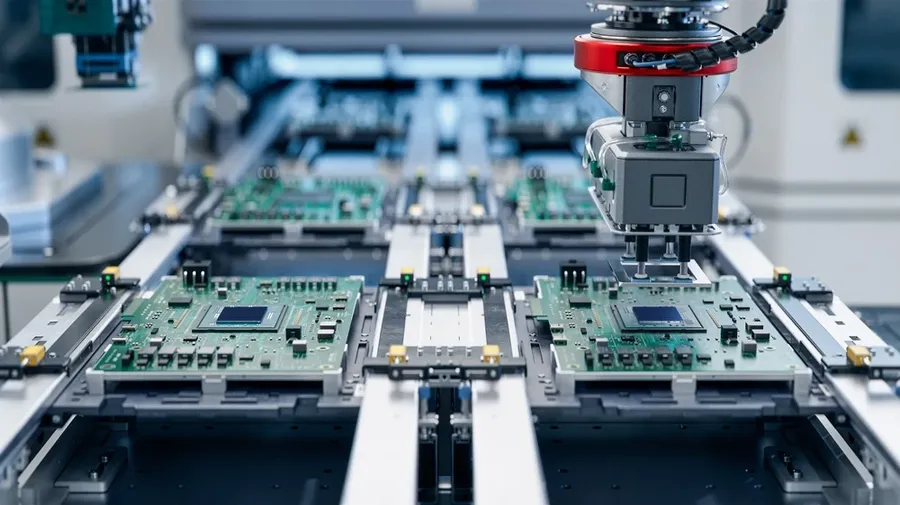
Advanced Automation and Robotics The integration of sophisticated robotics and automation in PCB assembly lines minimizes human intervention, consequently reducing labor costs and improving production efficiency, thereby contributing to lower prices per board. This trend also improves precision and reduces error rates.
New Materials Research into alternative materials is crucial. Novel substrates like flexible polymers and composites are being explored, which can be cheaper than traditional FR-4 while also expanding PCB applications. Moreover, development of alternative conductive inks for printed electronics holds great potential for further cost reduction and simplified fabrication.
Additive Manufacturing Additive manufacturing, or 3D printing, of PCBs is gaining traction. This technology offers a more streamlined approach, avoiding some of the costly steps of traditional methods. It allows for on-demand production, reducing waste and time-to-market for prototypes and small production runs. It is anticipated that this technology will further reduce costs as it becomes more efficient and readily available.
Standardization of Design and Manufacturing Increased adoption of standardized design rules, file formats, and manufacturing processes simplifies the communication and interoperability between designers and fabricators. Standardized designs lead to better predictability in cost and lead times, contributing to more affordable production.
Improved Supply Chain Management The optimization of global supply chains also contributes significantly to affordability. Better logistics, reduced material costs due to bulk purchasing and efficient inventory management help keep production costs down. These advancements mean lower overall pricing for end users of PCBs.
These trends indicate a move towards a future where PCB fabrication is more accessible, faster, and cost-effective, empowering not just large corporations but also small businesses, hobbyists, and educational institutions.
Finding the right partner for cheap PCB fabrication is crucial for any electronics project. By understanding your project's needs, comparing various manufacturers, and optimizing your design, you can significantly reduce costs without compromising quality. Remember to thoroughly research your options, balance cost and quality, and leverage the tips provided in this guide to ensure a smooth and successful manufacturing experience. With careful planning and the right resources, cheap pcb fabrication can be easily accessible to make your designs into real products.