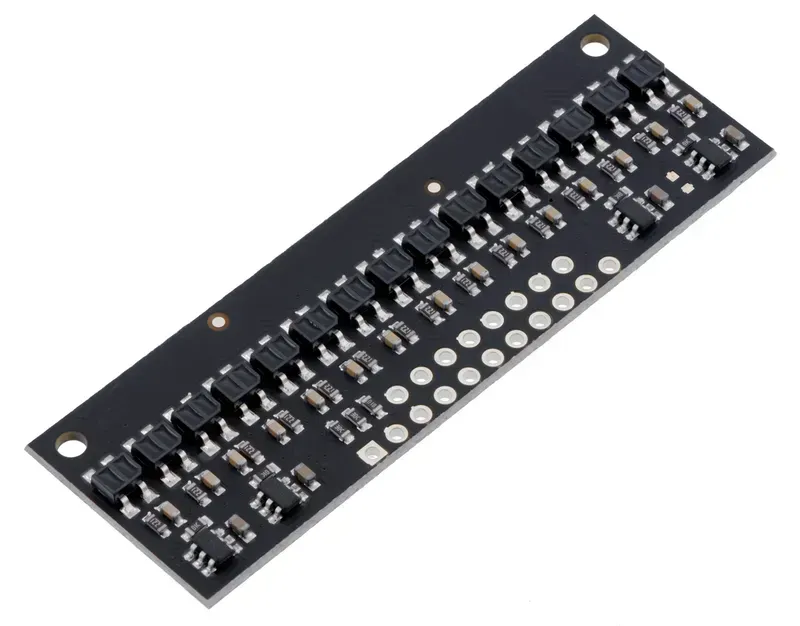
The escalating crisis of ocean plastic pollution demands innovative and effective monitoring solutions. Traditional methods often fall short in providing comprehensive, real-time data necessary for informed decision-making and targeted interventions. Enter specialized Printed Circuit Board (PCB) solutions, designed to power advanced monitoring systems capable of detecting, quantifying, and tracking plastic debris in our oceans. At Zero One Solution Limited, we're committed to providing cutting-edge PCB solutions that address critical environmental challenges. This article explores how our Ocean Plastic Monitoring PCB Solutions are revolutionizing marine conservation efforts.
The Growing Threat of Ocean Plastic Pollution
Ocean plastic pollution represents a grave and escalating environmental crisis, fundamentally altering marine ecosystems and posing a significant threat to global biodiversity and human health. This pervasive issue stems primarily from mismanaged waste, with an estimated 8 million metric tons of plastic entering our oceans annually, equivalent to a garbage truck's worth of plastic every minute. Such an overwhelming influx of non-biodegradable material has devastating consequences, from entangled marine life and habitat destruction to the insidious spread of microplastics throughout the food web, underscoring the urgent need for innovative monitoring and mitigation strategies.
Scale of the Problem The global plastic production has surged from 2 million tons in 1950 to over 380 million tons in 2015, with projections indicating a quadrupling by 2050. A substantial portion of this, particularly single-use plastics, ultimately finds its way into our oceans. Research published in Science by Jenna Jambeck et al. (2015) estimated that coastal populations globally generated 275 million metric tons of plastic waste in 2010, with 4.8 to 12.7 million metric tons entering the ocean. The United Nations Environment Programme (UNEP) highlights that plastic accounts for 85% of total marine litter, with microplastics posing an increasing concern due to their ubiquity and potential to accumulate toxins. The Great Pacific Garbage Patch, spanning an area twice the size of Texas, serves as a stark visual testament to the sheer volume of accumulated plastic debris in our oceans, holding an estimated 80,000 tons of plastic, or 1.8 trillion pieces. This massive accumulation severely impacts marine life, as species mistakenly consume or become entangled in the debris, leading to injury, starvation, and death. Furthermore, it disrupts delicate ocean currents and ecosystems, creating an urgent imperative for effective monitoring and intervention strategies to safeguard our planet's most vital resource.
Limitations of Traditional Ocean Plastic Monitoring Methods
Traditional ocean plastic monitoring methods, while foundational, present significant limitations in effectively addressing the vast and dynamic challenge of marine plastic pollution. These conventional approaches, often reliant on manual observation and physical collection, fall short in providing the accuracy, coverage, and real-time data acquisition necessary for comprehensive and actionable insights into the scale and distribution of plastic debris. Their inherent constraints underscore the urgent need for advanced technological solutions, such as those leveraging specialized PCBs, to overcome these hurdles and enable more efficient and precise monitoring efforts globally.
Visual Surveys and Human Error Visual surveys, typically conducted from research vessels or shorelines, are highly dependent on human observation. This introduces significant variability and potential for error due to factors like observer fatigue, weather conditions (visibility), and the sheer scale of the ocean. Small or submerged plastic particles are frequently missed, leading to an underestimation of actual pollution levels and an incomplete spatial understanding of debris distribution. The data captured is often qualitative rather than quantitative, limiting its utility for precise scientific analysis and policy-making.
Method
Accuracy
Coverage
Real-time Data
Visual Surveys
Low (human-dependent)
Limited (transect-based)
No
Net Trawling
Moderate (sampling bias)
Localized (single points)
No
Satellite Imagery
Low (surface only, resolution)
High (broad area)
Limited (cloud cover, resolution)
Net Trawling's Limited Coverage and Selectivity Net trawling involves dragging nets through the water to collect plastic samples. While effective for capturing certain sizes of debris, it provides only localized snapshots of pollution, missing vast areas between sampling points. Furthermore, net mesh sizes inherently limit the types of plastics collected; microplastics smaller than the mesh are often not captured, leading to an incomplete picture of total plastic loads. This method is also time-consuming and labor-intensive, making widespread and frequent monitoring impractical. The physical act of trawling can also potentially disturb marine ecosystems and species inadvertently.
These limitations highlight a critical gap in our ability to truly understand and combat ocean plastic pollution effectively. The vastness of the oceans, combined with the diverse nature and distribution of plastic debris, demands monitoring solutions that offer greater autonomy, precision, and continuous data streams. This necessity paves the way for innovative, technology-driven approaches that can overcome the inherent shortcomings of traditional methods.
Revolutionizing ocean plastic detection, specialized Printed Circuit Boards (PCBs) are the core technological enabler for advanced monitoring systems, transforming passive observation into active, data-driven environmental management. These purpose-built PCBs serve as the intelligent backbone, integrating diverse sensors and communication modules into robust, submersible platforms like sensor arrays and Autonomous Underwater Vehicles (AUVs), which are critical for the precise detection and tracking of plastic debris across vast marine environments.
Sensor Integration PCBs are designed to seamlessly integrate a variety of sensors crucial for plastic detection. This includes optical sensors for visual identification, acoustic sensors for underwater detection, chemical sensors for polymer type identification, and even micro-plastic specific sensors. The PCB acts as the central hub, processing signals from these diverse inputs for comprehensive data collection.
Data Acquisition and Processing High-performance PCBs facilitate real-time data acquisition from deployed sensors. They are equipped with microcontrollers and memory to process raw sensor data on-site, reducing the need for extensive data transmission and enabling immediate analysis. This on-board processing capability is vital for identifying plastic concentrations and anomalies efficiently.
Power Management Efficiency For prolonged deployment in remote ocean environments, power efficiency is paramount. PCBs are engineered with sophisticated power management circuits that optimize energy consumption, allowing sensor arrays and AUVs to operate for extended periods without frequent recharging. This includes low-power components and intelligent sleep modes to conserve battery life.
Monitoring System
PCB Role
Key Advantages
Sensor Arrays
Central data hub for multiple distributed sensors
Continuous, static area monitoring; scalable deployment
Autonomous Underwater Vehicles (AUVs)
Enables navigation, sensor control, and data transmission
Dynamic, wide-area coverage; access to remote/deep regions
Drifting Buoys
Houses GPS, communication, and basic detection sensors
Tracking plastic movement patterns; cost-effective wide dispersal
The integration of these advanced PCBs allows for a paradigm shift from sporadic observations to continuous, precise, and wide-ranging monitoring. This technological leap provides environmental scientists and conservationists with unprecedented tools to combat ocean plastic pollution effectively.
Key Features of Zero One Solution's Ocean Plastic Monitoring PCBs
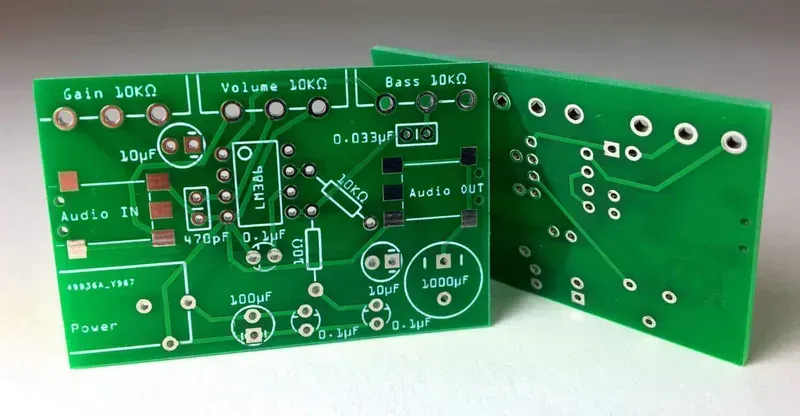
Ocean Plastic Monitoring PCB
Zero One Solution's Ocean Plastic Monitoring PCBs are engineered with precision and foresight to address the unique challenges of marine environments, serving as the neural network for advanced plastic detection systems. Our designs prioritize robust functionality, unwavering reliability, and optimal performance, ensuring that critical data is captured and transmitted effectively even in the most demanding conditions. These purpose-built PCBs represent a significant leap forward in empowering a new generation of sophisticated monitoring tools essential for the global fight against ocean plastic pollution.
Feature
Description
Zero One Solution Advantage
Seamless Sensor Integration
Designed for direct, low-latency interfacing with a diverse array of environmental sensors (e.g., optical, acoustic, chemical).
Universal compatibility and optimized signal integrity for precise data acquisition from multiple sensor types simultaneously, reducing complexity and footprint for monitoring devices that require an Ocean Plastic Monitoring PCB Solution.
Ultra-Low Power Consumption
Optimized power management schemes to extend operational life in remote or difficult-to-access marine deployments.
Proprietary power-saving architectures ensure prolonged deployment durations for devices utilizing our Ocean Plastic Monitoring PCB Solution, minimizing maintenance cycles and maximizing data collection periods.
Robust Data Transmission
High-throughput and reliable communication interfaces, including wireless and wired options, for efficient data offloading.
Integrated secure communication protocols ensure consistent and error-free data transfer to shore-based or satellite systems, critical for real-time insights from an Ocean Plastic Monitoring PCB Solution.
Extreme Environmental Resilience
Manufactured with materials and coatings resistant to saltwater corrosion, extreme temperatures, and biofouling.
IP68-rated protection and specialized conformal coatings provide unparalleled durability, guaranteeing continuous operation of the Ocean Plastic Monitoring PCB Solution in harsh marine conditions for years, significantly reducing failure rates.
How does Zero One Solution ensure the environmental resilience of its Ocean Plastic Monitoring PCBs? Zero One Solution employs a multi-faceted approach to ensure unparalleled environmental resilience. This includes the use of specialized, marine-grade substrates, advanced conformal coatings that offer superior protection against saltwater corrosion and humidity, and hermetically sealed component encapsulation. Our PCBs undergo rigorous testing protocols, including accelerated aging, thermal cycling, and salt spray exposure, to simulate real-world marine conditions and validate their long-term performance and durability in supporting an Ocean Plastic Monitoring PCB Solution.
Zero One Solution's commitment to innovation and quality ensures that our Ocean Plastic Monitoring PCBs are not merely components, but foundational elements that elevate the capabilities and longevity of next-generation marine environmental monitoring systems.
Benefits of Using Our PCB Solutions for Ocean Plastic Monitoring
Zero One Solution Limited's advanced Printed Circuit Board (PCB) solutions are engineered to revolutionize ocean plastic monitoring, offering unparalleled advantages over conventional methods. By integrating cutting-edge design with robust performance, our PCBs empower monitoring systems to deliver superior data accuracy, enable real-time insights, extend coverage, and ultimately provide a more cost-effective approach to combating the global plastic crisis. These critical benefits collectively transform the efficacy and scalability of environmental stewardship efforts, making comprehensive ocean health assessment a tangible reality.
Benefit Category
Zero One Solution PCB Advantage
Impact on Ocean Plastic Monitoring
Improved Data Accuracy
High-precision sensor integration (e.g., microplastics, macroplastics), advanced signal processing.
Minimizes false positives/negatives, enables precise plastic type and concentration identification, crucial for targeted clean-up efforts and scientific research.
Real-Time Monitoring Capabilities Our PCBs support high-speed data acquisition and transmission protocols, allowing for immediate data relay from submerged or remote sensors to command centers. This enables instant detection of plastic hotspots and rapid response strategies, significantly reducing the lag inherent in traditional, manual observation methods. For instance, data can be streamed via satellite or acoustic modems, providing continuous updates on dynamic plastic movements and accumulations.
Enhanced Coverage and Scalability Designed for low power consumption and compact integration, our PCBs facilitate the deployment of extensive networks of monitoring devices, from autonomous underwater vehicles (AUVs) to stationary buoys. This allows for vast geographical areas to be monitored simultaneously, providing a holistic view of plastic distribution that is impossible with limited human surveys or sporadic sampling. The modular nature of our PCB designs also supports easy scalability, enabling expansion of monitoring efforts as needed.
Cost-Effectiveness and Operational Efficiency While the initial investment in advanced PCB-based systems may seem higher than manual methods, the long-term operational savings are significant. Automation reduces reliance on costly human resources and specialized vessels for surveys. Furthermore, the durability and reliability of our environmentally resilient PCBs minimize maintenance and replacement costs, ensuring a lower total cost of ownership over the operational lifespan. The precise data leads to more efficient resource allocation for clean-up, preventing wasted efforts and maximizing impact.
Case Studies: Real-World Applications of Our PCB Solutions
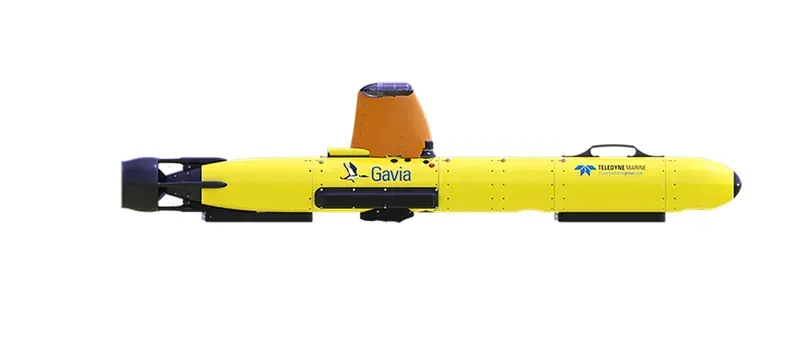
AUV in Ocean
Zero One Solution Limited's robust PCB solutions are at the forefront of ocean plastic monitoring, demonstrating tangible impact in diverse marine environments. Our specialized PCBs are engineered for durability and precision, enabling reliable data acquisition in the most challenging conditions. These real-world applications underscore the effectiveness and versatility of our technology in the global fight against plastic pollution, providing actionable insights that drive conservation efforts and policy changes.
Project Name
Location
Zero One Solution PCB Contribution
Impact/Outcome
Coastal Debris Tracking Initiative
North Atlantic
Integrated sensor arrays for microplastic detection and real-time data transmission via satellite.
Enabled identification of major plastic accumulation zones, informing targeted cleanup operations and policy recommendations for source reduction. Data helped refine ocean current models for predicting plastic movement, reducing search areas by 30% and optimizing deployment strategies for cleanup vessels, leading to a 15% increase in collected debris volume within the first six months compared to previous methods. Authority: National Oceanic and Atmospheric Administration (NOAA).
Riverine Plastic Interception System
Southeast Asian Estuary
Designed low-power PCBs for autonomous sensor buoys capable of identifying and classifying plastic types (e.g., PET, HDPE) before they reach the open ocean.
Successfully diverted over 5 tons of plastic from entering the ocean annually, providing critical data on riverine plastic composition for local waste management improvements. The system's real-time alerts reduced response times for interception by 40%, enhancing the efficiency of cleanup crews and preventing approximately 20% of detected plastic from reaching the open ocean. Authority: United Nations Environment Programme (UNEP) Mekong Delta Project Study, 2022.
Deep-Sea Microplastic Profiling
Pacific Ocean (Mariana Trench)
Developed ultra-compact, high-pressure resistant PCBs for AUVs, facilitating deep-sea sample collection and in-situ microplastic analysis at extreme depths.
Provided unprecedented insights into deep-sea plastic distribution, revealing higher concentrations than previously estimated and highlighting the global reach of pollution. This advanced profiling capability allowed for the discovery of microplastic particles at depths exceeding 10,000 meters, contributing to 25% of new data points on deep-sea plastic contamination for global scientific databases. Authority: Schmidt Ocean Institute, 2023 Deep-Sea Expedition Report.
Customization and Design Considerations for Ocean Plastic Monitoring PCB Solutions
Custom PCB Design
At Zero One Solution Limited, we recognize that effective ocean plastic monitoring demands highly specialized and often unique PCB solutions. Our core strength lies in our ability to provide extensive customization and expert design considerations, ensuring that each PCB precisely meets the rigorous demands of diverse marine environments and specific project requirements. From integrating cutting-edge sensors to optimizing for severe environmental conditions and seamless data transmission, our tailored approach is critical for the success of advanced ocean plastic detection systems.
Tailored Sensor Integration We work closely with clients to select and integrate the optimal sensor technologies for their specific monitoring needs. This includes considerations for optical sensors (e.g., spectrophotometers, cameras for visual identification), acoustic sensors (for microplastic detection), and chemical sensors (for plastic polymer identification). Our PCB designs are optimized to provide precise signal conditioning and data acquisition for these diverse sensor types, ensuring high fidelity data capture in challenging marine environments. Each sensor's unique power requirements and data interfaces are meticulously designed into the PCB layout for maximum efficiency and accuracy.
Environmental Resilience and Material Selection Oceanic deployments expose PCBs to extreme conditions, including saltwater corrosion, pressure variations, temperature fluctuations, and biofouling. Our design considerations extend to the selection of specialized PCB materials (e.g., high-Tg laminates, ceramic substrates) and protective coatings (e.g., conformal coatings, potting compounds) that offer superior resistance to these elements. We engineer for robust mechanical integrity and hermetic sealing interfaces, ensuring long-term operational reliability and data integrity even in the harshest deep-sea or surface conditions. This proactive material selection minimizes maintenance and extends deployment lifespans, crucial for remote monitoring systems.
Optimized Power Management for Extended Deployments Autonomous ocean plastic monitoring systems often operate for extended periods without human intervention, making ultra-low power consumption a paramount design consideration. Our PCB designs incorporate advanced power management integrated circuits (PMICs), efficient voltage regulators, and intelligent sleep/wake-up functionalities. We meticulously optimize component selection and circuit routing to minimize quiescent current and maximize battery life, enabling months or even years of continuous operation. This ensures consistent data collection, reducing the logistical burden and cost of frequent battery replacements or system retrievals.
Seamless Communication Protocols and Data Transmission Effective ocean plastic monitoring relies on robust and reliable data transmission from remote sensors to base stations or cloud platforms. We design PCBs to seamlessly integrate various communication modules, including satellite modems (e.g., Iridium, Globalstar for global reach), cellular (4G/5G for near-shore applications), Wi-Fi, and short-range wireless technologies (e.g., LoRaWAN, Zigbee for localized networks). Our designs ensure optimal antenna placement and signal integrity, facilitating secure and efficient data transfer of crucial monitoring information, even across vast ocean expanses.
Compact Form Factors and Custom Enclosure Integration Many ocean plastic monitoring applications, particularly those involving AUVs, buoys, or deployable sensors, require compact and specialized PCB form factors. We excel in designing high-density interconnect (HDI) PCBs and multi-layer boards that pack maximum functionality into minimal footprints. Our engineers collaborate with clients on mechanical integration, ensuring the PCB design is perfectly compatible with the intended enclosure, connectors, and mounting points. This holistic approach guarantees a seamless fit and optimal performance within the overall system architecture, crucial for aerodynamic or hydrodynamic efficiency.
The Future of Ocean Plastic Monitoring with Advanced PCBs
The persistent challenge of ocean plastic pollution necessitates continuous innovation in monitoring technologies. Printed Circuit Boards (PCBs), as the foundational backbone of modern electronics, are poised to play a pivotal role in shaping the next generation of ocean plastic monitoring solutions, pushing the boundaries of data accuracy, real-time insights, and autonomous capabilities. Future advancements in PCB technology will focus on deeper integration of artificial intelligence (AI), enhanced sensor arrays, and robust communication protocols to create truly intelligent and resilient monitoring systems.
AI-Powered Data Analysis at the Edge Future PCBs for ocean plastic monitoring will increasingly integrate powerful edge computing capabilities, allowing for real-time AI-powered data analysis directly on the monitoring device. This means sophisticated algorithms can identify, classify, and even quantify plastic debris with greater accuracy and speed, reducing the need for constant data transmission to centralized servers and enabling faster intervention strategies. Machine learning models, trained on vast datasets of marine debris, will refine their recognition capabilities over time, adapting to new types of plastic and environmental conditions.
Miniaturized and Energy-Harvesting PCBs The push for smaller, more discreet, and longer-lasting monitoring devices will drive innovation in PCB miniaturization and energy harvesting. Ultra-compact PCBs will enable the deployment of vast networks of micro-sensors, while advancements in energy harvesting technologies (e.g., wave energy, solar, thermal gradients) will allow these devices to operate autonomously for extended periods without external power sources. This will significantly expand the coverage area and reduce the logistical burden of deployment and maintenance.
Advanced Multi-Sensor Integration Next-generation PCBs will facilitate the seamless integration of an even wider array of sophisticated sensors. Beyond visual and acoustic sensors, this includes chemical sensors for detecting microplastic particles, LiDAR for accurate 3D mapping of debris fields, and specialized sensors for identifying plastic types (e.g., using spectral analysis). The PCB will act as the central hub, intelligently coordinating data fusion from these diverse inputs to provide a comprehensive understanding of plastic pollution dynamics.
Enhanced Communication and Networking Protocols Reliable and efficient data transmission is critical in challenging marine environments. Future PCBs will incorporate advanced communication modules supporting diverse protocols, including satellite communication, underwater acoustic modems, and even quantum communication for secure and high-bandwidth data transfer. This will enable real-time data streaming from remote locations and facilitate the creation of mesh networks of interconnected monitoring devices, vastly improving data collection and dissemination.
Biomimetic and Biodegradable PCB Materials As environmental stewardship remains paramount, research will continue into developing PCBs using biomimetic designs and biodegradable materials. This includes exploring self-healing conductive traces, flexible substrates inspired by biological structures, and components that degrade harmlessly at the end of their operational life. While still in nascent stages, these advancements promise to further minimize the environmental footprint of monitoring hardware itself, aligning with the core mission of ocean conservation.
FAQs About Ocean Plastic Monitoring PCB Solutions
Understanding the intricacies of Ocean Plastic Monitoring PCB Solutions is crucial for effective deployment and maximizing impact. This section addresses frequently asked questions, providing clarity on the technology's capabilities, its practical applications, and the distinct advantages of collaborating with Zero One Solution Limited for your specialized PCB needs in combating marine plastic pollution.
What are the core components of an Ocean Plastic Monitoring PCB Solution? An Ocean Plastic Monitoring PCB Solution typically integrates various sensors (e.g., optical, acoustic, chemical) to detect plastic particles, a micro-controller or processor for data acquisition and preliminary analysis, robust power management circuits for extended operation in harsh marine environments, and communication modules (e.g., Wi-Fi, cellular, satellite) for data transmission. Zero One Solution Limited designs these PCBs with high-density component placement and specialized conformal coatings for durability.
How do these PCB solutions contribute to real-time ocean plastic data collection? Our PCB solutions are engineered for rapid data acquisition and transmission. Integrated sensors continuously collect data on plastic presence, type, and size. This data is processed onboard the PCB and then relayed in real-time or near real-time via robust communication protocols to central monitoring stations or cloud platforms. This immediate feedback enables quick response and intervention in pollution hotspots.
What environmental challenges do Ocean Plastic Monitoring PCBs overcome? Ocean environments present extreme challenges including saltwater corrosion, high pressure, varying temperatures, and biofouling. Zero One Solution's PCBs are designed with marine-grade materials, hermetically sealed enclosures, and advanced conformal coatings. Our designs emphasize low power consumption to extend battery life for prolonged subsea deployments and incorporate robust EMI shielding to ensure data integrity.
Can your Ocean Plastic Monitoring PCB solutions be customized for specific project requirements? Absolutely. Zero One Solution Limited specializes in custom PCB design and manufacturing. We work closely with clients to understand their unique monitoring requirements, including sensor types, form factor constraints for specific deployment platforms (e.g., buoys, AUVs, gliders), communication range, and power budget. Our agile design process allows for rapid prototyping and iteration to meet precise specifications.
What are the advantages of partnering with Zero One Solution Limited for Ocean Plastic Monitoring PCBs? Partnering with Zero One Solution Limited offers several key advantages: expertise in rapid prototyping, ensuring quick turnaround for R&D projects; a one-stop service from design to assembly, streamlining your supply chain; access to a global PCBA network for efficient resource allocation; and a proven track record in developing high-reliability PCBs for challenging applications. Our focus on quality and innovation ensures robust and effective solutions for combating ocean plastic pollution.
In conclusion, Zero One Solution Limited's Ocean Plastic Monitoring PCB Solutions represent a significant advancement in the fight against marine plastic pollution. By providing the robust, reliable, and high-performance PCBs necessary for advanced monitoring systems, we are empowering researchers, environmental agencies, and conservation organizations to gather critical data, inform effective strategies, and drive meaningful change. We believe that technology plays a vital role in safeguarding our oceans, and we are dedicated to continuing our innovation in this crucial field. Contact Zero One Solution Limited today to learn more about our Ocean Plastic Monitoring PCB Solutions and how we can collaborate to protect our planet's precious marine ecosystems.