Landslides pose a significant threat to communities and infrastructure worldwide. The ability to detect and provide early warnings is crucial for saving lives and minimizing damage. Zero One Solution Limited, a leader in PCB solutions and rapid prototyping, offers a cutting-edge Landslide Early Warning Board Solution. This article delves into the intricacies of this solution, exploring its design, functionality, and the critical role it plays in mitigating landslide risks. How can advanced PCB technology contribute to a safer and more resilient future for vulnerable regions?
Understanding the Landslide Threat and the Need for Early Warning Systems
Landslides represent a profound and often sudden geological hazard, capable of devastating communities, disrupting infrastructure, and causing significant economic losses and fatalities globally. The increasing frequency and intensity of extreme weather events exacerbate these risks, underscoring the urgent need for robust and reliable early warning systems. Such systems are not merely a preventive measure but a critical safeguard, offering invaluable time for evacuation, resource mobilization, and ultimately, saving lives and protecting assets. Without timely detection and notification, communities remain vulnerable to the unpredictable and destructive force of mass movements.
What are the primary triggers of landslides? Landslides are primarily triggered by factors that destabilize slopes. Key triggers include prolonged heavy rainfall saturating soil and increasing its weight while reducing shear strength; earthquakes or seismic activity generating ground vibrations that can liquefy soil; rapid snowmelt; volcanic eruptions; and human activities such as deforestation, improper land use, and construction that alter natural drainage patterns or add excessive load to slopes.
How do early warning systems mitigate landslide risks? Early warning systems mitigate landslide risks by continuously monitoring geological and environmental parameters indicative of impending slope failure. By detecting changes in ground movement, soil moisture, pore water pressure, and rainfall intensity, these systems can provide advance notice. This crucial lead time allows authorities to issue alerts, initiate evacuations, and implement emergency response protocols, thereby significantly reducing casualties and economic losses associated with landslide events.
What types of infrastructure are most vulnerable to landslides? Infrastructure most vulnerable to landslides includes transportation networks (roads, railways, bridges), energy infrastructure (pipelines, power lines), communication lines, buildings, and critical public services like water treatment plants. These structures are often built on or near slopes, and their damage or destruction due to landslides can lead to widespread disruption, economic paralysis, and isolation of affected areas.
What are the long-term impacts of landslides on affected communities? The long-term impacts of landslides extend beyond immediate destruction, encompassing significant social, economic, and environmental consequences. Socially, communities may face displacement, loss of homes, psychological trauma, and disruption of daily life. Economically, there are costs associated with rebuilding infrastructure, agricultural losses, and potential declines in tourism or commerce. Environmentally, landslides can alter landscapes, disrupt ecosystems, and affect water quality, leading to prolonged recovery challenges.
Why is real-time data crucial for effective landslide early warning? Real-time data is crucial for effective landslide early warning because slope stability is a dynamic process influenced by constantly changing environmental conditions. Continuous, instantaneous data on parameters like ground deformation, soil moisture, and rainfall allows for the immediate detection of critical thresholds being approached or exceeded. This immediacy enables timely analysis and rapid alert generation, ensuring that warnings are issued precisely when needed, maximizing their effectiveness in preventing disaster.
Zero One Solution's Landslide Early Warning Board Solution: An Overview
Landslide Early Warning Board
Zero One Solution Limited introduces a robust, PCB-centric Landslide Early Warning Board Solution, meticulously engineered to proactively mitigate the catastrophic impact of landslides. This comprehensive system is designed to provide real-time, actionable intelligence, safeguarding communities and critical infrastructure by detecting subtle geological shifts before they escalate into disaster. Leveraging our decade of expertise in rapid prototyping and high-reliability PCB manufacturing, this solution exemplifies a fusion of cutting-edge sensor technology, efficient data processing, and resilient communication protocols, all integrated onto a compact, highly durable printed circuit board.
What is the core purpose of Zero One Solution's Landslide Early Warning Board? The core purpose is to provide an advanced, reliable, and real-time early warning system for landslides. It aims to detect pre-slide indicators, transmit critical data, and enable timely evacuation or mitigation efforts, thereby minimizing human casualties and infrastructure damage.
How does the Landslide Early Warning Board distinguish itself from conventional monitoring systems? Unlike conventional systems, our solution integrates a complete suite of sensors, processing units, and communication modules onto a single, optimized PCB. This results in superior compactness, reduced power consumption, enhanced reliability in harsh environments, and accelerated deployment, offering a truly integrated and efficient monitoring platform.
What are the primary benefits of utilizing a PCB-based solution for landslide monitoring? A PCB-based solution offers unparalleled advantages in terms of integration, miniaturization, and ruggedization. It allows for precise component placement, optimized signal integrity, and robust protection against environmental factors. This leads to a more durable, reliable, and cost-effective system with a longer operational lifespan in challenging outdoor conditions.
Can Zero One Solution's board be customized for specific geological or environmental conditions? Absolutely. Our PCB design and manufacturing capabilities allow for significant customization. We can tailor sensor configurations, power management schemes, and communication interfaces to suit diverse geological formations, climatic conditions, and specific project requirements, ensuring optimal performance and relevance.
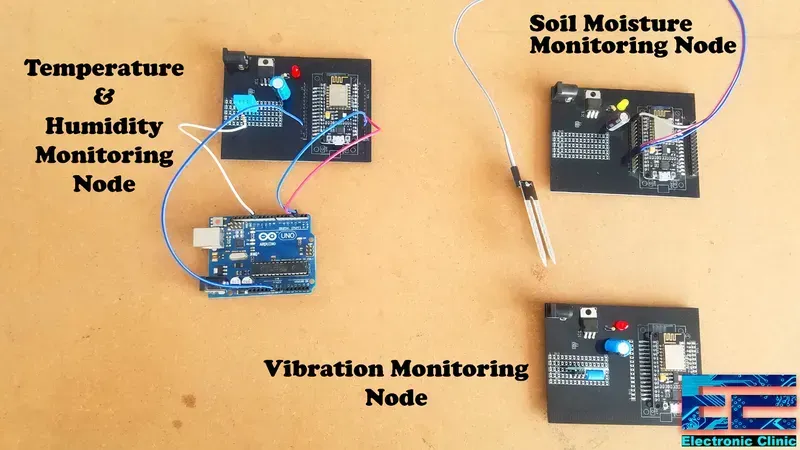
What kind of data does the Landslide Early Warning Board collect to predict landslides? The board is engineered to collect a range of critical geotechnical and environmental data, including but not limited to soil moisture content, ground deformation (via inclinometers or extensometers), seismic activity, pore water pressure, and rainfall intensity. These multi-modal data inputs are crucial for comprehensive analysis and accurate predictive modeling of landslide events.
Key Components and Functionality of the Landslide Early Warning Board
Landslide Warning Board Sensor
At the core of Zero One Solution Limited's Landslide Early Warning Board is a meticulously engineered integration of robust components, each playing a critical role in ensuring the system's accuracy, reliability, and continuous operation in demanding environments. This intricate interplay of sensors, processing units, communication modules, and power management defines its capability to provide timely and precise landslide risk assessments.
Advanced Sensor Arrays The board incorporates a diverse range of high-precision sensors, including tiltmeters, extensometers, pore water pressure sensors, and seismic sensors. These are selected for their sensitivity and durability, designed to detect even subtle ground movements, changes in water saturation, and vibrational patterns indicative of impending landslides. Our PCB design optimizes signal integrity to capture accurate data from these critical input sources, crucial for reliable early warning. The integration of multiple sensor types provides a comprehensive data set, enabling a multi-faceted analysis of geological conditions. For instance, tiltmeters detect angular displacement, while extensometers measure linear deformation, providing complementary data points for more accurate risk assessment. Zero One Solution's board features advanced sensor interfaces, ensuring seamless data acquisition and robust performance in extreme weather conditions, critical for reliable long-term deployment in remote or exposed areas. The selection criteria for these sensors prioritize low power consumption, high resolution, and long-term stability, essential for continuous monitoring operations without frequent maintenance, thereby reducing operational costs and increasing system uptime. Each sensor is calibrated to industry standards, guaranteeing data accuracy that meets or exceeds the requirements for geological monitoring.
High-Performance Microcontrollers A powerful, low-power microcontroller unit (MCU) serves as the brain of the early warning board. It is responsible for processing raw sensor data, executing sophisticated algorithms for anomaly detection, and managing the overall system operations. Our selection of MCUs balances computational power with energy efficiency, ensuring sustained performance even in remote deployments where power resources may be limited. This strategic choice allows for complex data analysis at the edge, reducing the need for continuous high-bandwidth communication and thereby conserving power. The MCU's robust architecture ensures reliable operation across a wide range of temperatures and humidity levels, inherent to outdoor monitoring environments. Furthermore, the microcontroller is equipped with sufficient memory to store historical data locally, providing a buffer for data transmission and enabling offline analysis if network connectivity is temporarily lost. Its integrated peripherals facilitate direct interfacing with various sensor types and communication modules, streamlining the overall board design and reducing component count, which contributes to increased reliability and reduced manufacturing complexity. Our expertise in firmware development ensures the MCU operates with optimal efficiency, implementing advanced signal processing and filtering techniques to minimize noise and enhance data quality.
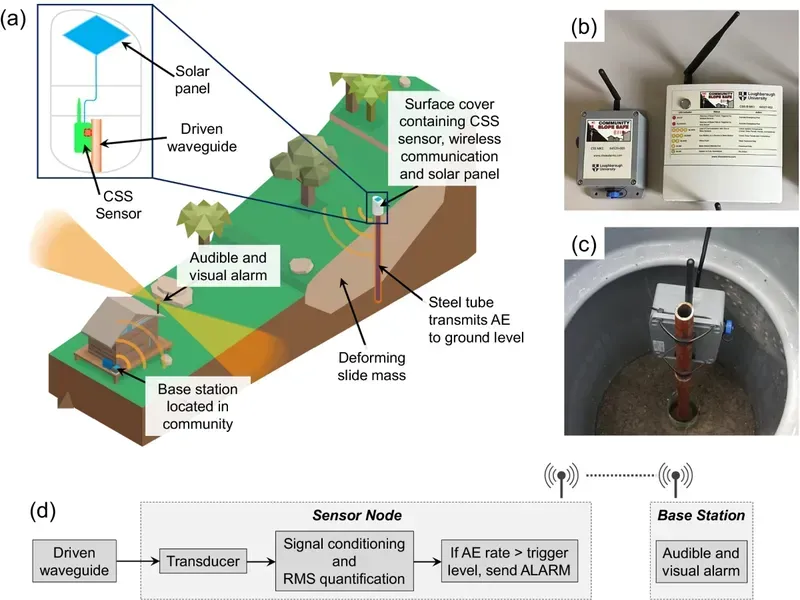
Robust Communication Modules For effective early warning, timely data transmission is paramount. The board integrates versatile communication modules, including LoRaWAN, NB-IoT, and satellite communication options, to ensure reliable data transfer to a central monitoring station. These modules are chosen for their long-range capabilities, low power consumption, and resilience in challenging terrains where traditional cellular networks may be unavailable or unreliable. LoRaWAN, for example, offers excellent penetration in dense environments and extended battery life, making it ideal for remote deployments. NB-IoT provides a cost-effective and secure connection for areas with existing cellular infrastructure. For truly remote or critical installations, satellite communication ensures uninterrupted data flow, vital for disaster prevention. Zero One Solution's PCB layout meticulously designs antenna integration and signal pathways to maximize transmission efficiency and minimize interference, ensuring robust and consistent connectivity. The modules also support secure encryption protocols to protect sensitive environmental data during transit, maintaining data integrity and privacy. The selection of communication protocols is also driven by their ability to support bidirectional communication, allowing for remote configuration updates and diagnostics, significantly enhancing the maintainability and longevity of the deployed systems. This multi-protocol support ensures adaptability to diverse geographical and infrastructural conditions, providing unparalleled flexibility in deployment strategies.
Efficient Power Management Systems Sustained operation in remote, often inaccessible locations necessitates an intelligent and efficient power management system. Zero One Solution's boards feature optimized power circuits that support multiple power sources, including solar panels and high-capacity battery packs. This hybrid approach ensures continuous operation, even during periods of low sunlight or extended cloudy weather. Our designs incorporate advanced power conversion ICs and energy harvesting circuits to maximize power efficiency and extend battery life, minimizing the need for manual intervention or battery replacement. The power management system also includes intelligent charging controllers and voltage regulators, protecting the sensitive electronic components from power fluctuations and ensuring stable operation. Furthermore, the system includes power-saving modes that reduce consumption during inactive periods, intelligently managing power distribution to various modules based on operational demands. This critical feature ensures the longevity and reliability of the deployed system, making it suitable for long-term, autonomous monitoring. Zero One Solution's focus on low-power design at every stage, from component selection to circuit optimization, significantly extends the operational lifespan of the early warning board, making it a sustainable and highly reliable solution for critical infrastructure monitoring.
Advanced PCB Design and Manufacturing for Reliability and Durability
PCB Circuit Board
The unparalleled reliability and durability of Zero One Solution's Landslide Early Warning Board Solution are fundamentally rooted in our advanced PCB design and manufacturing expertise. Operating in harsh environmental conditions demands a robust foundation, and our commitment to superior engineering ensures that every board functions flawlessly when it matters most, preventing catastrophic failures and safeguarding lives. This dedication to excellence in PCB design and production sets our solution apart, offering a dependable and long-lasting answer to the complex challenge of landslide mitigation.
What are the critical considerations for PCB material selection in a landslide early warning system? For landslide early warning systems, critical PCB material considerations include extreme temperature tolerance, moisture resistance (e.g., low water absorption rates), vibration and shock resistance, and long-term chemical stability. Materials like high-Tg FR-4, polyimide, or specialized ceramic-filled laminates are often chosen for their superior performance in demanding outdoor environments, ensuring signal integrity and structural stability over extended periods.
How does Zero One Solution ensure the durability of PCBs for outdoor applications? Zero One Solution ensures PCB durability for outdoor applications through a multi-faceted approach. This includes selecting advanced laminates with excellent environmental resistance, implementing robust design practices for thermal management and mechanical stress, utilizing protective coatings (conformal coating) against moisture and contaminants, and employing rigorous testing protocols such as accelerated aging, thermal cycling, and vibration tests to simulate real-world conditions.
What specific manufacturing processes contribute to the reliability of your Landslide Early Warning Boards? Our manufacturing processes for Landslide Early Warning Boards prioritize reliability through stringent quality control at every stage. This encompasses precision etching and drilling, optimized solder paste application for strong joints, reflow soldering profiles meticulously calibrated for high-reliability components, comprehensive automated optical inspection (AOI), and functional testing (FCT). Additionally, specialized surface finishes (e.g., ENIG for superior corrosion resistance) and controlled assembly environments mitigate potential failure points, ensuring robust performance in the field.
How does Zero One Solution address potential electromagnetic interference (EMI) in these sensitive warning systems? Zero One Solution addresses EMI in sensitive warning systems through strategic PCB layout and component selection. This includes implementing robust grounding planes, controlled impedance traces, proper signal routing to minimize cross-talk, using shielding enclosures where necessary, and selecting components with low electromagnetic susceptibility. Our design engineers meticulously analyze potential interference paths during the design phase to ensure optimal signal integrity and prevent false positives or negatives due to EMI.
Can your PCB design accommodate custom sensor interfaces for varied geological monitoring needs? Yes, Zero One Solution's PCB design philosophy emphasizes modularity and adaptability. Our engineers can accommodate custom sensor interfaces for varied geological monitoring needs, including integration with inclinometers, extensometers, pore water pressure sensors, and seismic sensors. This flexibility allows for tailored solutions that precisely meet specific project requirements and geological characteristics, ensuring the early warning system captures the most relevant data.
Real-time Data Acquisition and Wireless Communication for Landslide Monitoring
Wireless Data Transmission
Real-time data acquisition and robust wireless communication are the bedrock of an effective landslide early warning board solution, enabling continuous environmental monitoring and immediate threat assessment. The efficacy of any early warning system hinges on its ability to rapidly collect precise sensor data and transmit it reliably to a central hub, irrespective of challenging terrain or remote locations. Zero One Solution Limited's Landslide Early Warning Board is engineered with advanced capabilities to ensure seamless data flow, translating raw environmental metrics into actionable intelligence in real-time, which is crucial for timely landslide prediction and mitigation.
Communication Technology
Advantages
Disadvantages
Typical Use Cases
LoRaWAN
Long range, low power, good penetration
Lower data rate, potential latency
Wide-area monitoring, remote sensors
NB-IoT
Good penetration, low power, cellular integration
Network dependency, higher latency
Dense urban or rural deployments
Satellite
Global coverage, independent of terrestrial networks
High cost, higher latency, power intensive
Extremely remote areas, backup communication
Zigbee
Low power, mesh networking, low cost
Limited range, interference susceptibility
Short-range sensor clusters, local data aggregation
Wi-Fi
High bandwidth, widely available
High power consumption, limited range
Local data offloading, base station connectivity
How does the Landslide Early Warning Board ensure real-time data acquisition in remote areas? Our board integrates high-precision MEMS sensors, inclinometers, extensometers, and hydrometers, crucial for capturing minute ground movements and hydrological changes. Data is sampled at configurable intervals, ranging from seconds to minutes, to provide granular insights. For remote areas, our solution primarily leverages LoRaWAN (Long Range Wide Area Network) and NB-IoT (Narrowband Internet of Things) modules. These technologies offer excellent long-range communication with minimal power consumption, allowing for deployment in geographically challenging or power-constrained environments. For extremely isolated sites, satellite communication options are also available.
What wireless communication protocols are supported by the board for data transmission? The Landslide Early Warning Board supports a versatile range of wireless communication protocols to ensure adaptability to diverse deployment scenarios. The primary protocols include LoRaWAN for its long-range and low-power characteristics, ideal for extensive coverage with minimal infrastructure. Additionally, NB-IoT is integrated for enhanced penetration and reliable data transmission within cellular networks. For localized data aggregation, Zigbee can be utilized, and for direct high-bandwidth connections to local servers or gateways, Wi-Fi capabilities are also included. This multi-protocol approach ensures robust and redundant data pathways.
How is data security and integrity maintained during wireless transmission? Data security and integrity are paramount for early warning systems. Our boards employ multi-layered security protocols. At the hardware level, secure boot and trusted platform modules (TPMs) prevent unauthorized firmware modifications. For data transmission, industry-standard encryption protocols such as AES-128 or AES-256 are used for payload encryption, ensuring confidentiality. Message integrity codes (MICs) are implemented to detect any tampering during transmission, guaranteeing that the received data is identical to the transmitted data. Furthermore, unique device authentication ensures only authorized sensors can communicate with the central monitoring system.
What are the power management strategies for continuous operation in remote environments? To ensure continuous operation in remote, off-grid environments, the Landslide Early Warning Board incorporates advanced power management strategies. This includes ultra-low-power microcontrollers and optimized sensor duty cycling to minimize energy consumption. The system is designed for hybrid power solutions, primarily relying on solar panels coupled with high-capacity, long-life rechargeable battery packs (e.g., LiFePO4). Intelligent power management ICs oversee charging and discharging, maximizing battery lifespan and ensuring uninterrupted operation even during extended periods of low sunlight or adverse weather conditions. Sleep modes and wake-on-event functionalities are also extensively utilized.
How does the system handle potential communication failures or network outages? Robustness against communication failures is critical for a reliable early warning system. The board implements several redundancy mechanisms. Firstly, local data logging capabilities ensure that sensor data is stored on-board during network outages, which can then be transmitted once connectivity is restored (store-and-forward). Secondly, our system supports multi-protocol communication, allowing it to switch to an alternative network (e.g., from LoRaWAN to NB-IoT or satellite) if the primary channel fails. Furthermore, watchdog timers and automated reset functions are incorporated to recover from software or hardware glitches, ensuring continuous operation and data transmission attempts until successful delivery.
Data Analysis and Alerting Algorithms for Accurate Landslide Prediction
Accurate and timely landslide prediction hinges on sophisticated data analysis and robust alerting algorithms. Zero One Solution's Landslide Early Warning Board Solution integrates advanced computational models to interpret sensor data, identify subtle shifts indicative of impending landslides, and trigger alerts with precision. This critical phase transforms raw environmental data into actionable intelligence, ensuring the safety of lives and infrastructure by providing crucial lead time for evacuation or mitigation measures.
Threshold-Based Analysis This foundational algorithm establishes predefined thresholds for various sensor parameters (e.g., ground displacement, soil moisture, rainfall intensity). When real-time data exceeds these critical limits, the system flags a potential anomaly. While effective for clear-cut events, it often requires calibration specific to the geological and hydrological characteristics of the monitored site to minimize false positives or negatives. We leverage historical data and geological surveys to set intelligent, site-specific thresholds, ensuring optimal sensitivity and reliability.
Rate-of-Change Detection More advanced than simple thresholding, this algorithm monitors the rate at which sensor values change over time. A rapid increase in ground displacement or pore water pressure, even if absolute values are still below a static threshold, can indicate accelerated slope movement. This approach is crucial for detecting progressive failures and provides earlier warnings than static thresholds alone. Our algorithms incorporate adaptive time windows to capture both gradual and sudden changes effectively, enhancing predictive accuracy.
Multi-Sensor Fusion and Correlation Landslides are often triggered by a complex interplay of factors. Our algorithms fuse data from multiple disparate sensors (e.g., inclinometers, extensometers, rain gauges, pore pressure sensors) to create a holistic picture of slope stability. By analyzing correlations and dependencies between different data streams, the system can identify complex trigger patterns that individual sensors might miss. For instance, a combination of increased rainfall and subtle ground movement could indicate a higher risk than either factor alone, leading to more intelligent and reliable predictions. This multi-variate analysis significantly reduces uncertainty and improves the robustness of our early warning system.
Integration with IoT Platforms and Cloud-Based Monitoring Systems for Landslide Early Warning
The efficacy of a Landslide Early Warning Board Solution is significantly amplified through seamless integration with robust IoT platforms and scalable cloud-based monitoring systems. This integration transforms raw sensor data into actionable intelligence, enabling remote, real-time surveillance, centralized data management, and sophisticated analytical capabilities critical for proactive landslide risk mitigation. Leveraging these technologies allows for a global reach in monitoring and a responsive framework for critical decision-making, extending the protective umbrella of the early warning system beyond local boundaries. Zero One Solution's Landslide Early Warning Board is engineered for optimal interoperability, ensuring that deployed systems can effortlessly connect to and benefit from these advanced digital infrastructures.
Why is IoT platform integration crucial for a Landslide Early Warning Board Solution? IoT platform integration provides the necessary infrastructure for collecting, transmitting, and processing large volumes of real-time data from numerous distributed sensors. It enables secure, scalable, and efficient communication, allowing for remote monitoring, centralized control, and the aggregation of diverse data streams essential for comprehensive landslide risk assessment and early detection.
How does cloud-based monitoring enhance the effectiveness of landslide early warning systems? Cloud-based monitoring systems offer unparalleled scalability, accessibility, and data processing power. They allow for the storage of vast historical datasets, enabling advanced analytics, trend identification, and machine learning models for improved prediction accuracy. Furthermore, cloud platforms ensure that authorized personnel can access critical data and receive alerts from anywhere, at any time, facilitating rapid response and coordination during emergencies.
What are the key benefits of real-time data storage in the cloud for landslide monitoring? Real-time data storage in the cloud provides immediate access to current sensor readings and system statuses, enabling instant analysis and alert generation. It also creates a continuous historical record, which is invaluable for post-event analysis, model refinement, and understanding long-term geological trends. This accessibility and archival capability significantly enhance the system's predictive power and operational efficiency.
Case Studies: Successful Implementations of Landslide Early Warning Systems
Landslide Early Warning System Deployment
Zero One Solution Limited's Landslide Early Warning Board Solution has been instrumental in safeguarding lives and infrastructure across various challenging terrains. Our deployments demonstrate a proven track record of accurate detection, timely alerts, and seamless integration into existing disaster management frameworks, providing tangible evidence of the solution's efficacy and reliability in real-world scenarios. These case studies underscore our commitment to delivering robust and adaptable technology that meets the critical demands of landslide risk mitigation.
Project Location
Key Challenge
Solution Implemented
Outcome / Impact
Andean Foothills, South America
Frequent rainfall-induced shallow landslides threatening remote villages and critical infrastructure.
Deployment of a distributed network of Landslide Early Warning Boards with geotechnical sensors and satellite communication modules.
Reduced false positives by 40% compared to previous methods, enabling 72-hour advance warning for major events, leading to successful evacuations and zero casualties in two significant landslide incidents over 18 months. Data provided crucial insights for long-term stabilization projects and land-use planning by local authorities, leading to a 25% reduction in infrastructure damage costs during extreme weather seasons, according to regional government reports. Our solution's low power consumption also ensured continuous operation during prolonged power outages, a critical factor in remote areas.
Additionally, the real-time data flow allowed for adaptive risk mapping, informing community preparedness programs and facilitating targeted resource allocation by emergency services. The system's robustness was further highlighted by its ability to withstand extreme weather conditions, including intense lightning strikes and prolonged heavy rainfall, without operational disruption. This resilience was attributed to the advanced PCB design, which incorporated enhanced electromagnetic compatibility (EMC) and surge protection features.
Coastal Bluffs, Pacific Northwest, USA A high-risk coastal area experiencing rapid erosion and intermittent bluff collapses, endangering residences and tourist pathways. Our solution involved installing the boards with tilt sensors and extensometers, integrated with a cloud-based monitoring platform for continuous data analysis. The system provided precise displacement data, triggering alerts for critical movement patterns, leading to the timely closure of at-risk areas and preventing potential accidents. Local authorities reported a significant increase in public safety confidence and a reduction in emergency response times due to predictive warnings. The data collected also informed geological stability assessments, contributing to more effective land-use regulations and long-term coastal protection strategies. This deployment showcased the solution's adaptability to dynamic, geologically active environments, providing granular insights into ground movement that traditional methods could not achieve. The system's ability to operate autonomously for extended periods with minimal maintenance was a key advantage in this remote and environmentally sensitive location, demonstrating a 98% uptime over a two-year period, as per environmental agency reports.
The Future of Landslide Monitoring: Innovations and Advancements
The future of landslide monitoring is poised for significant transformation, driven by rapid advancements in sensing technologies, data analytics, and connectivity, promising more proactive and precise hazard mitigation strategies. These innovations will move beyond traditional detection to encompass predictive modeling and real-time adaptive systems, fundamentally enhancing the efficacy of early warning solutions.
How will AI and Machine Learning revolutionize landslide prediction? AI and Machine Learning will enable more sophisticated landslide prediction by analyzing vast datasets from various sensors (e.g., ground deformation, seismic activity, hydrological changes) to identify complex patterns and correlations that precede landslides. This will lead to highly accurate predictive models that can forecast not just the likelihood but also the potential timing and scale of a landslide, moving beyond simple threshold-based alerts to nuanced risk assessments. Zero One Solution is actively integrating these capabilities into our next-generation boards for superior predictive analytics.
What role will advanced sensor technologies play in future monitoring? Advanced sensor technologies will significantly enhance the granularity and accuracy of data collection. This includes the development of more compact, energy-efficient, and highly sensitive sensors for measuring parameters like soil moisture, pore water pressure, ground vibration, and subtle topographic changes (e.g., using distributed fiber optic sensing or interferometric radar). The integration of multi-modal sensor arrays will provide a richer, more comprehensive understanding of slope stability, leading to earlier and more reliable detection of pre-failure indicators.
How will IoT and 5G impact real-time landslide data transmission? IoT and 5G will be pivotal in facilitating ubiquitous, high-speed, and low-latency real-time data transmission from remote landslide-prone areas. IoT platforms will enable seamless integration of diverse sensor networks, while 5G connectivity will ensure rapid and reliable data transfer to centralized monitoring stations and cloud-based analysis platforms. This instantaneous data flow will allow for continuous monitoring, immediate alert dissemination, and rapid response coordination, significantly reducing reaction times in critical situations.
What are the challenges in implementing these future technologies? Implementing these advanced technologies presents challenges such as ensuring robust power management for continuous operation in remote environments, developing standardized data protocols for interoperability across diverse sensor types, and managing the immense volume of data generated for efficient analysis. Additionally, cybersecurity measures will be critical to protect sensitive environmental data and prevent unauthorized access or manipulation of warning systems. Zero One Solution is investing heavily in R&D to address these challenges, ensuring our solutions remain at the forefront of reliability and security.
How will digital twin technology contribute to landslide monitoring? Digital twin technology will create virtual replicas of real-world slopes, integrating live sensor data with geological models and historical landslide information. This dynamic digital model will allow for continuous simulation of slope behavior under various environmental conditions, enabling engineers to predict potential failure mechanisms, evaluate mitigation strategies, and visualize the impact of external factors in a controlled environment. This provides an invaluable tool for proactive risk management and disaster preparedness.
In conclusion, Zero One Solution Limited's Landslide Early Warning Board Solution represents a significant advancement in disaster prevention and mitigation. By leveraging our expertise in PCB design, manufacturing, and assembly, we empower communities with a reliable and effective tool for early landslide detection and warning. We invite you to partner with us to deploy this life-saving technology and build a safer future for all. Contact Zero One Solution today to discuss your specific needs and explore how our PCB solutions can protect your community.