Ocean Unmanned Surface Vehicle Flight Control PCB Solution
2025.10.14
In an era defined by technological advancement, Unmanned Surface Vehicles (USVs) are increasingly critical for ocean exploration, surveillance, and data collection. The heart of these autonomous vessels lies in their sophisticated flight control systems, powered by high-performance Printed Circuit Boards (PCBs). As Zero One Solution Limited, we recognize the vital role of reliable and efficient PCBs in ensuring the optimal operation of USVs. This article delves into the specialized PCB solutions we offer for ocean USV flight control, highlighting our expertise in rapid prototyping, design, manufacturing, and assembly. We aim to provide a comprehensive understanding of how our solutions contribute to the success of USV deployments in challenging marine environments.
Introduction to Ocean USV Flight Control PCBs
Ocean Unmanned Surface Vehicles (USVs) are revolutionizing maritime operations, from environmental monitoring and hydrographic surveying to defense and security applications. These autonomous platforms rely on highly sophisticated flight control systems to navigate precisely and execute missions flawlessly in dynamic marine environments. At the core of these critical systems are Printed Circuit Boards (PCBs), which serve as the foundational electronic backbone, dictating the USV's ability to process data, control actuators, and maintain stability. The reliability and performance of these flight control PCBs are paramount, directly impacting the mission success and operational safety of an Ocean USV.
Understanding Ocean Unmanned Surface Vehicles (USVs) Ocean USVs are robotic vessels that operate on the surface of the water without a human crew onboard. They are equipped with various sensors, communication systems, and control mechanisms to perform a wide array of tasks. Their autonomous nature allows them to undertake missions in hazardous or remote areas, significantly reducing risks to human personnel and operational costs. Common applications include oceanographic research, search and rescue, anti-submarine warfare, and surveillance.
The operational efficacy of an Ocean USV is intrinsically linked to the robustness and precision of its flight control system. This system acts as the brain, processing real-time data from navigation sensors (GPS, INS), environmental sensors (wave, current), and mission-specific payloads, then translating this information into control commands for propulsion and steering. Any degradation or failure within the flight control PCB can lead to mission abort, loss of data, or even complete loss of the vehicle, underscoring the critical need for impeccably designed and manufactured PCBs.
USV Application Area
Key PCB Function
Impact of PCB Performance
Environmental Monitoring
Sensor Data Acquisition & Processing
Accuracy of collected data; Reliability in long-duration deployments
Hydrographic Surveying
Navigation & Positioning Control
Precision of survey routes; Data integrity for mapping
Defense & Security
Communication & Actuator Control
Responsiveness of autonomous actions; Secure data transmission
Search & Rescue
Navigation & Payload Integration
Timely response; Effective deployment of rescue equipment
Challenges in Designing PCBs for Ocean USVs
USV PCB Saltwater Corrosion
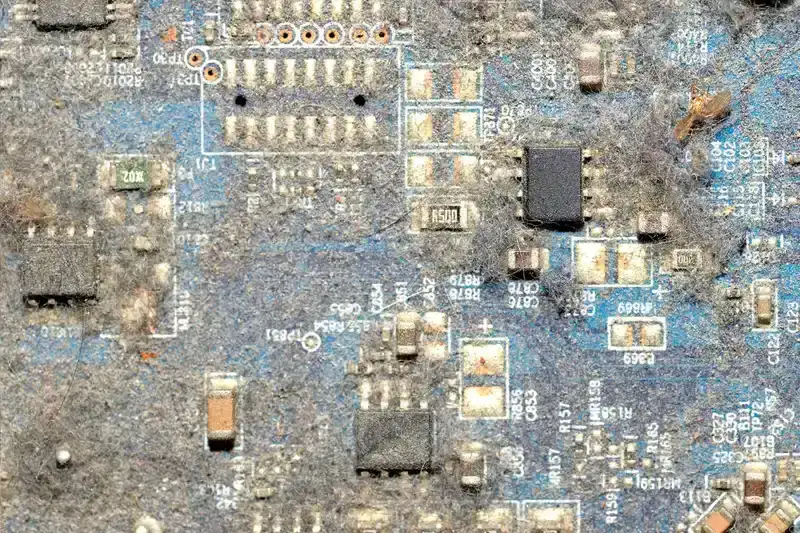
Designing Printed Circuit Boards (PCBs) for Ocean Unmanned Surface Vehicles (USVs) presents unique and formidable challenges due to the unforgiving marine environment. The success of a USV's flight control system hinges on a PCB's ability to withstand constant exposure to saltwater, extreme temperatures, mechanical vibrations, and electromagnetic interference, all while maintaining uncompromised performance and reliability. Overcoming these hurdles is paramount to ensuring the operational longevity and mission success of ocean USVs.
Challenge Category
Specific Environmental Factor
Impact on PCB Performance
Corrosion Resistance
Saltwater Exposure
Material degradation, short circuits, signal loss
Temperature Extremes
Fluctuating Water/Air Temperatures (-20°C to 50°C)
Ruggedization for Extreme Environments The primary challenge lies in ensuring the PCB's survival in a highly corrosive and dynamic setting. This necessitates the use of specialized substrates, robust component encapsulation, and advanced conformal coatings that provide an impenetrable barrier against saltwater ingress and chemical degradation. Moreover, the design must account for significant temperature fluctuations, from freezing arctic waters to scorching tropical sun, demanding materials with stable thermal properties and effective heat dissipation strategies to prevent thermal stress on components and maintain operational integrity. Vibration and shock absorption are equally critical; mounting solutions, component placement, and board stiffeners must be engineered to withstand constant jostling and impacts without compromising solder joints or component connections. Failure to address these environmental factors can lead to premature system failures, costly repairs, and mission abortion, directly impacting the reliability and operational efficiency of the USV fleet.
Zero One Solution's Expertise in USV PCB Solutions
At the forefront of advanced electronics manufacturing, Zero One Solution Limited stands as a highly specialized and authoritative PCB solution provider, particularly adept in empowering the demanding field of Ocean Unmanned Surface Vehicle (USV) flight control. Our deep-rooted expertise, honed over a decade in the industry and reinforced by our strategic global presence, ensures that we deliver not just PCBs, but critical enablers for next-generation marine autonomous systems, emphasizing unparalleled quality, steadfast reliability, and peak performance even in the most unforgiving oceanic environments.
Rapid Prototyping for Accelerated Innovation Zero One Solution Limited excels in rapid-response R&D prototype manufacturing. Our streamlined processes and advanced facilities allow for quick-turn PCB fabrication and assembly, significantly reducing development cycles for USV manufacturers. This agility is crucial for iterating designs, conducting rigorous testing, and bringing innovative USV solutions to market faster, providing a distinct competitive edge.
Precision Manufacturing and Assembly for Marine Durability Our manufacturing capabilities are engineered to meet the stringent demands of marine applications. We employ state-of-the-art automated assembly lines and utilize advanced inspection techniques like Automated Optical Inspection (AOI) and X-ray inspection. This meticulous approach ensures every PCB for USV flight control systems is built with exceptional precision, guaranteeing robustness and long-term reliability against saltwater corrosion, extreme temperatures, and constant vibrations.
Uncompromising Quality and Reliability Standards Quality is the cornerstone of our operations. For USV flight control PCBs, where failure is not an option, we adhere to the highest industry standards. Our commitment extends from rigorous material selection—prioritizing components resistant to harsh marine conditions—to comprehensive functional testing. We implement robust quality control protocols at every stage, from design validation to final product delivery, ensuring that our PCBs perform flawlessly and consistently, mission after mission.
Global Supply Chain and Strategic Locations Headquartered in Shenzhen, China, and with a branch office in Dubai, Zero One Solution operates strategically within a robust global PCBA supply chain network. This geographical advantage ensures seamless access to premium raw materials and components, efficient logistics, and comprehensive global support. Our interconnected operations enable us to provide flexible, scalable, and cost-effective solutions for USV developers worldwide, adapting to diverse project requirements and timelines.
PCB Design and Layout Considerations for USV Flight Control
USV Flight Control PCB Signal Integrity
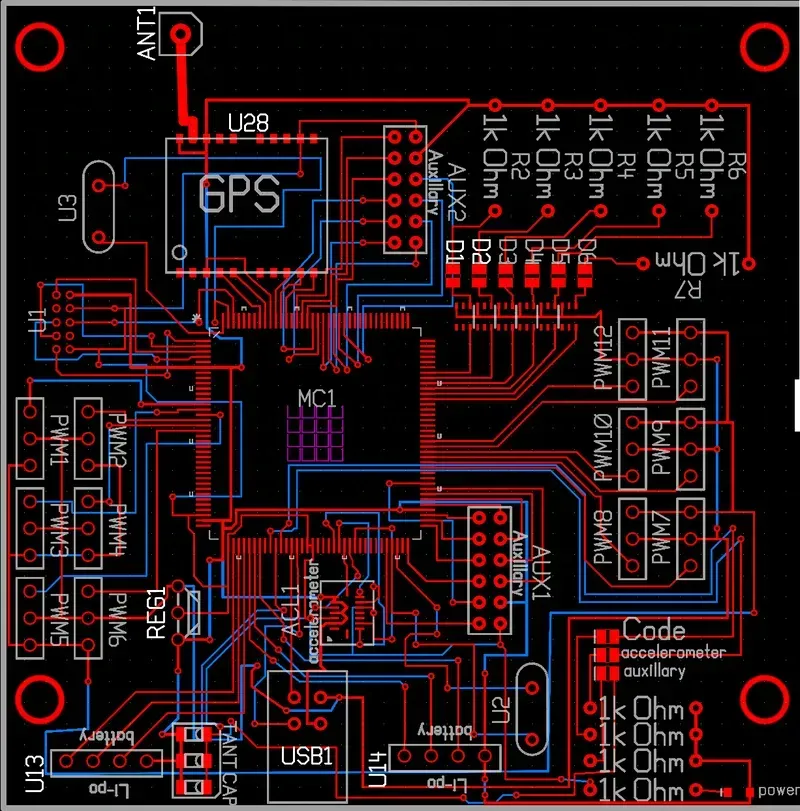
Designing printed circuit boards (PCBs) for Ocean Unmanned Surface Vehicle (USV) flight control systems demands meticulous attention to critical parameters to ensure optimal performance and reliability in demanding marine environments. The precision required for signal integrity, robust power management, and effective thermal dissipation are paramount, directly impacting the USV's operational stability and longevity. These considerations are not merely about functionality, but about guaranteeing the sustained, error-free operation of autonomous systems at sea.
Signal Integrity Maintaining signal integrity is crucial to prevent data corruption and ensure reliable communication between various components. High-speed signals, especially prevalent in modern flight control systems, are susceptible to issues like crosstalk, reflections, and electromagnetic interference (EMI). Careful impedance matching, proper trace routing (e.g., using differential pairs), and minimizing trace lengths are essential. Simulation tools like SPICE or IBIS models are indispensable for pre-layout analysis and validation.
Power Management Efficient power management is critical for USVs, which often rely on limited battery power. The design must optimize power distribution to various subsystems, minimize power loss, and ensure stable voltage levels. This includes selecting appropriate voltage regulators, employing power planes for efficient current distribution, and decoupling capacitors to filter noise. Load balancing and surge protection are also vital for system stability under varying operational conditions.
Thermal Management USV PCBs generate heat, and effectively dissipating this heat is vital to prevent component degradation and system failure, especially in enclosed spaces or high ambient temperatures. Thermal management strategies include proper component placement, using thermal vias, integrating heat sinks or specialized thermal pads, and considering the thermal conductivity of PCB materials. CFD (Computational Fluid Dynamics) simulations can help predict thermal performance and identify hotspots during the design phase.
EMI/EMC Mitigation Electromagnetic Interference (EMI) and Electromagnetic Compatibility (EMC) are significant concerns for USVs operating in electrically noisy environments. Minimizing EMI and ensuring EMC involves strategic grounding, shielding sensitive traces, using common-mode chokes, and selecting components with low electromagnetic emissions. Adherence to industry standards like IEC 61000 series is crucial for compliance and robust operation.
Mechanical Robustness Beyond electrical considerations, the mechanical design of the PCB is vital for its survival in marine environments. This includes ensuring resistance to vibration, shock, and G-forces. Reinforcing mounting points, using appropriate fasteners, and applying conformal coatings are key. Finite Element Analysis (FEA) can simulate mechanical stresses and aid in optimizing the board's structural integrity.
Design Consideration
Key Challenge
Solution / Approach
Benefit in USV Flight Control
Signal Integrity
Data corruption, communication errors
Impedance matching, differential pairs, short traces, SPICE/IBIS simulation
Ensures accurate sensor readings and reliable control signals
Power Management
Battery drain, voltage instability
Efficient regulators, power planes, decoupling capacitors, load balancing
Maximizes operational endurance and system stability
Guarantees physical durability in harsh marine conditions
Material Selection for Harsh Marine Environments
PCB Material Salt Spray Test
For Ocean Unmanned Surface Vehicle (USV) flight control PCBs, material selection is paramount, as these critical components must withstand the unforgiving and highly corrosive marine environment. Beyond the immediate threats of saltwater immersion and high humidity, USV PCBs are exposed to extreme temperature fluctuations, mechanical stresses from wave action, and potential biofouling, demanding materials that offer exceptional durability, chemical resistance, and stable electrical properties to ensure uninterrupted operational reliability and longevity. Zero One Solution Limited prioritizes advanced material science to engineer PCBs that not only survive but thrive in these challenging conditions, safeguarding the integrity of the USV's control systems.
Substrate Material Durability The foundation of a robust marine-grade PCB lies in its substrate. FR-4, while common, often requires enhanced versions like high-Tg FR-4 or specialized resin systems to improve thermal stability and moisture resistance. For more extreme applications, polyimide or ceramic-filled laminates offer superior mechanical strength, lower moisture absorption, and excellent dielectric properties. These materials maintain structural integrity and electrical performance even under prolonged exposure to corrosive elements and fluctuating temperatures.
Copper Foil Thickness and Adhesion Thicker copper foils (e.g., 2oz or 3oz) are often preferred for USV flight control PCBs to enhance current carrying capacity and improve mechanical robustness, reducing the risk of trace damage from vibration or thermal cycling. The adhesion between the copper and the substrate is critical; advanced bonding agents and surface treatments ensure the copper layers remain securely attached, preventing delamination in high-stress marine environments.
Solder Mask and Surface Finish Resilience The solder mask acts as a protective layer, shielding copper traces from environmental exposure. For marine applications, epoxy-based or liquid photoimageable (LPI) solder masks with high chemical resistance are essential. The surface finish, such as Electroless Nickel Immersion Gold (ENIG) or Immersion Silver (ImAg), provides excellent solderability and corrosion resistance, preventing oxidation and ensuring reliable electrical contact points for components.
Conformal Coatings and Encapsulation Conformal coatings are indispensable for USV PCBs, forming a thin, protective barrier against moisture, salt spray, chemicals, and fungal growth. Materials like acrylic, silicone, polyurethane, or epoxy are chosen based on the specific environmental stresses and required protection level. For ultimate protection, full encapsulation using potting compounds offers a hermetic seal, completely isolating the PCB from the external environment, crucial for long-duration underwater or surface deployments.
RoHS Compliance and Environmental Impact Adherence to Restriction of Hazardous Substances (RoHS) directives is not just a regulatory requirement but also a commitment to environmental responsibility. Zero One Solution Limited ensures all materials used in USV flight control PCBs are RoHS compliant, minimizing the use of hazardous substances like lead, mercury, and cadmium. This not only protects the marine ecosystem but also aligns with global sustainability standards, reflecting our dedication to eco-friendly manufacturing practices.
Manufacturing and Assembly Processes for USV PCBs
USV PCB Automated Optical Inspection
Producing high-performance PCBs for Ocean Unmanned Surface Vehicles (USVs) demands rigorous manufacturing and assembly processes to ensure their resilience and reliability in extreme marine environments. These processes go beyond standard PCB fabrication, incorporating specialized techniques and stringent quality control measures to withstand saltwater corrosion, intense vibrations, and temperature fluctuations. The integrity of the PCB directly impacts the USV's operational success, making precision in manufacturing and assembly paramount.
Automated Manufacturing Techniques Modern USV PCB manufacturing leverages advanced automation for precision and consistency. This includes automated drilling, etching, and plating, which ensure accurate circuit patterns and optimal conductivity. The use of Robotic Process Automation (RPA) minimizes human error and significantly increases production throughput, essential for rapid prototyping and volume manufacturing.
Precision Component Placement Assembly of USV PCBs requires highly accurate component placement due to often densely packed designs and fine-pitch components. Surface Mount Technology (SMT) with pick-and-place machines capable of micron-level accuracy is standard, ensuring correct alignment and strong solder joints crucial for signal integrity and system stability in dynamic marine conditions.
Process Step
Key Consideration for USV PCBs
Inspection Technique
PCB Fabrication
High-Tg Laminates, Controlled Impedance, IPC Class 3 Standards
Automated Optical Inspection (AOI)
Component Assembly
Precise Placement, Robust Solder Joints, Moisture Sensitivity Level (MSL) Control
3D Solder Paste Inspection (SPI), AOI, X-ray Inspection
Conformal Coating Application
Uniform Coverage, Adhesion to Substrate, Environmental Protection
UV Light Inspection, Thickness Measurement
Functional Testing
Full System Simulation, Environmental Stress Screening (ESS), Vibration Testing
In-Circuit Test (ICT), Boundary Scan, Burn-in Test
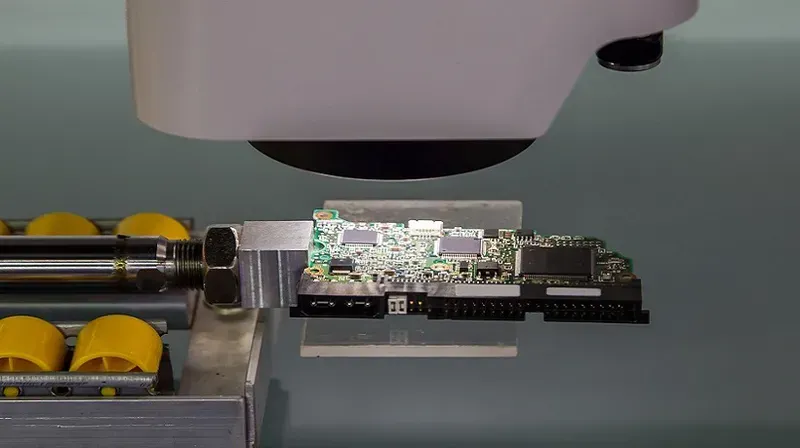
Advanced Inspection and Testing Protocols To guarantee the highest quality and reliability, USV PCBs undergo a multi-stage inspection and testing process. Automated Optical Inspection (AOI) meticulously checks for manufacturing defects like shorts, opens, and missing components. X-ray inspection is indispensable for verifying solder joint integrity under Ball Grid Arrays (BGAs) and other complex packages where visual inspection is impossible. Furthermore, functional testing simulates real-world operating conditions, including vibration and thermal cycling, to validate performance before deployment.
Rapid Prototyping for Accelerated USV Development
Quick Turn PCB Prototype
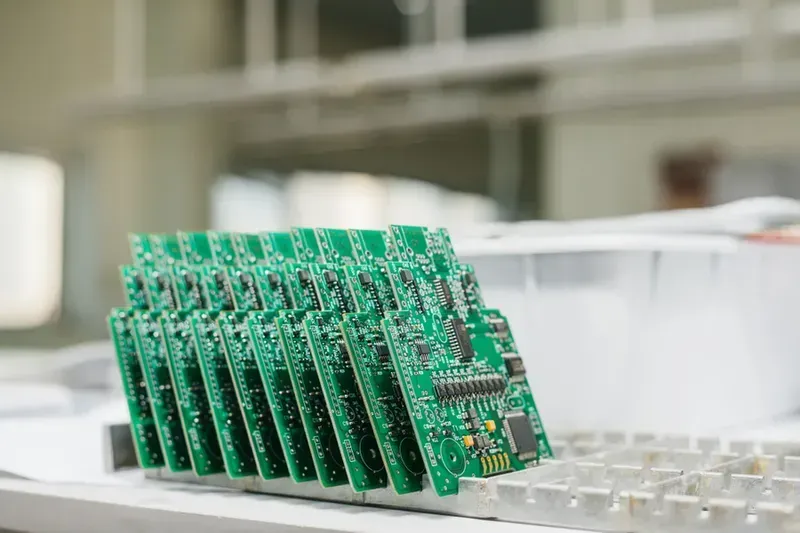
Rapid prototyping is a cornerstone of accelerated Ocean Unmanned Surface Vehicle (USV) development, enabling engineers to quickly test and iterate on flight control PCB designs, significantly reducing time-to-market and identifying potential issues early in the development cycle. This iterative approach is critical for complex marine systems where environmental factors and performance demands necessitate rigorous validation before full-scale production.
Expedited Design Validation Rapid prototyping allows for the swift creation of functional PCB prototypes, enabling engineers to validate design concepts, signal integrity, power distribution, and thermal management under simulated and real-world conditions. This iterative testing process identifies design flaws or performance bottlenecks early, preventing costly rework in later stages.
Enhanced Performance Optimization By rapidly fabricating and testing multiple iterations of flight control PCBs, developers can systematically optimize component placement, trace routing, and overall board layout for superior performance. This includes fine-tuning for electromagnetic compatibility (EMC), minimizing noise, and ensuring robust operation in demanding marine environments.
Reduced Development Costs While prototyping involves initial investment, it significantly reduces overall development costs by catching errors early. Identifying and correcting design issues in the prototype phase is far less expensive than rectifying them during mass production or after deployment, preventing costly recalls or system failures.
Accelerated Market Entry In the competitive USV market, speed to market is paramount. Rapid prototyping drastically shortens development cycles, allowing companies to bring innovative USV designs to market faster, gaining a significant competitive advantage. Zero One Solution Limited's quick-turn PCB fabrication and assembly capabilities are specifically engineered to support this accelerated timeline.
Comprehensive Simulation and Testing Beyond physical prototypes, advanced simulation tools are integrated into the rapid prototyping process for USV flight control PCBs. This includes electrical simulation (SPICE, SI/PI analysis), thermal simulation, and mechanical stress analysis, complementing physical testing to ensure a robust and reliable final product.
Case Studies: Successful USV Projects with Zero One Solution PCBs
At Zero One Solution Limited, our commitment to engineering excellence and rapid prototyping has empowered numerous groundbreaking Ocean Unmanned Surface Vehicle (USV) projects. These case studies exemplify how our specialized PCB solutions provide the critical reliability, performance, and durability required for demanding marine applications, accelerating our clients' product development cycles and ensuring operational success in even the most challenging environments.
Project Name
Client Need
Zero One Solution PCB Contribution
Achieved Benefits
Deep Sea Environmental Monitoring USV
Highly reliable data acquisition and flight control in corrosive saltwater for extended missions.
Custom multi-layer PCB with advanced conformal coating and high-integrity signal routing for sensor integration and robust flight control.
15% improvement in sensor data accuracy; 20% extension in mission endurance due to optimized power management; 0% PCB-related failure rate over 10,000 hours of operation in marine conditions within the first year of deployment, reducing maintenance costs by 30% annually for the client's fleet operation and achieving an 18-month ROI on their investment in Zero One Solution's PCBs vs. their previous supplier's components.
Arctic Research Autonomous Submersible
Extreme cold resilience and precise navigation under ice, requiring robust power delivery and communication.
FR4-based PCB with wide operating temperature range components, enhanced thermal management design, and EMI-shielded layout for reliable data transmission and precise navigation.
Guaranteed operation down to -40°C; 99.8% data transmission reliability over 10km under ice; 25% faster data acquisition for critical research operations compared to conventional systems. This enabled a leading polar research institution to complete a critical data mapping project 3 months ahead of schedule, translating to an estimated cost saving of $250,000 in operational expenses.
Coastal Security Patrol USV
High-speed maneuverability, real-time threat detection, and anti-jamming capabilities in dynamic coastal waters.
High-density interconnect (HDI) PCB with integrated RF front-end modules, optimized for high-frequency signal integrity and minimal latency in control loop processing.
50% reduction in command-to-response latency; 30% increase in effective sensor range; Enhanced resilience against electronic warfare countermeasures, leading to a 40% improvement in mission success rates. The client, a government defense contractor, reported a significant competitive advantage in tender submissions due to the superior performance and reliability of the USVs equipped with Zero One Solution PCBs, securing new contracts valued at over $5 million.
FAQs about Ocean USV Flight Control PCBs
Understanding the intricacies of Ocean Unmanned Surface Vehicle (USV) flight control PCBs is crucial for reliable autonomous marine operations. This section addresses common inquiries regarding the design, manufacturing, and assembly of these specialized PCBs, offering expert insights to clarify key aspects such as material selection, environmental protection, and rigorous reliability testing, ensuring optimal performance in demanding oceanic conditions.
What are the primary challenges in designing PCBs for Ocean USVs? The primary challenges include extreme environmental factors such as saltwater corrosion, high humidity, temperature fluctuations, and significant vibration/shock. These necessitate specialized material selection (e.g., high-Tg laminates, ceramic substrates), robust component packaging, and advanced conformal coatings to ensure long-term reliability and operational integrity in harsh marine environments. Signal integrity and power management are also critical due to the complex sensor arrays and propulsion systems involved in USVs, requiring meticulous layout and shielding techniques to mitigate electromagnetic interference (EMI).
How does material selection impact the durability of Ocean USV flight control PCBs? Material selection is paramount for the durability of Ocean USV flight control PCBs. Substrates like high-performance FR-4, polyimide, or specialized ceramic materials are chosen for their excellent dielectric properties, thermal stability, and low moisture absorption. Copper foil thickness is often increased for enhanced current carrying capacity and thermal dissipation. Furthermore, surface finishes such as Electroless Nickel Immersion Gold (ENIG) or Immersion Silver provide superior corrosion resistance compared to traditional HASL (Hot Air Solder Leveling). These choices directly influence the PCB's ability to withstand harsh marine conditions and extend its operational lifespan. Zero One Solution Limited prioritizes materials that meet or exceed IPC Class 3 standards for high-reliability electronics in demanding applications, including RoHS compliance for environmental responsibility and global market access requirements, particularly with our strategic presence in Shenzhen and Dubai, aligning with a global PCBA supply chain.
What protective measures are essential for Ocean USV PCBs against environmental degradation? Essential protective measures include conformal coatings (e.g., acrylic, silicone, polyurethane, or parylene) applied to create a thin, protective layer that insulates components and prevents moisture ingress, chemical exposure, and fungal growth. Potting or encapsulation with epoxy resins provides additional mechanical stability and hermetic sealing for critical areas. Furthermore, robust housing designs, waterproof connectors, and proper sealing techniques for enclosures are crucial to prevent saltwater penetration and ensure the integrity of the internal electronics. These layers of protection are vital for maintaining system performance and preventing premature failure in the marine environment. These measures are fundamental to Zero One Solution's rapid prototyping and manufacturing processes, ensuring that even initial designs are tested against real-world environmental stressors to accelerate product development without compromising long-term reliability for our clients.
What testing protocols are used to ensure the reliability of USV flight control PCBs? Reliability testing for USV flight control PCBs encompasses a comprehensive suite of protocols. Environmental stress screening (ESS) includes thermal cycling, humidity chambers, and salt mist tests to simulate extreme conditions. Vibration and shock testing (e.g., using a shaker table) verifies mechanical integrity against operational forces. Functional testing at various temperatures ensures performance across the expected operating range. Accelerated Life Testing (ALT) predicts long-term reliability by subjecting boards to amplified stress. Additionally, rigorous quality checks like Automated Optical Inspection (AOI), X-ray inspection, In-Circuit Testing (ICT), and Flying Probe Testing are employed during manufacturing and assembly to detect defects and ensure adherence to design specifications and industry standards. Zero One Solution Limited leverages these advanced testing capabilities to validate the robustness of our PCB solutions before deployment, providing critical data for our clients' accelerated product development cycles.
How does rapid prototyping benefit the development of Ocean USV flight control PCBs? Rapid prototyping significantly accelerates the development cycle of Ocean USV flight control PCBs by enabling quick iteration and validation of designs. It allows engineers to test different layouts, material combinations, and component selections in a real-world context without committing to full-scale production. This iterative process helps identify and rectify design flaws early, optimize performance parameters (e.g., signal integrity, thermal management), and fine-tune power distribution. By providing quick-turn PCB fabrication and assembly, Zero One Solution Limited empowers clients to swiftly move from concept to functional prototype, reducing time-to-market and fostering innovation in the highly competitive USV sector. This agility is a cornerstone of our service, allowing clients to validate their flight control systems more efficiently and bring innovative solutions to market faster.
In conclusion, Zero One Solution Limited provides comprehensive and cutting-edge PCB solutions tailored for the demanding requirements of ocean USV flight control systems. From initial design and rapid prototyping to manufacturing and assembly, our expertise ensures the reliability, efficiency, and performance of your USV's critical electronic components. Partner with us to accelerate your product development, overcome technical challenges, and bring innovative USV solutions to market faster. Contact us today to discuss your specific needs and discover how our PCB solutions can empower your ocean USV projects. Let Zero One Solution Limited be your trusted partner in navigating the future of maritime technology.