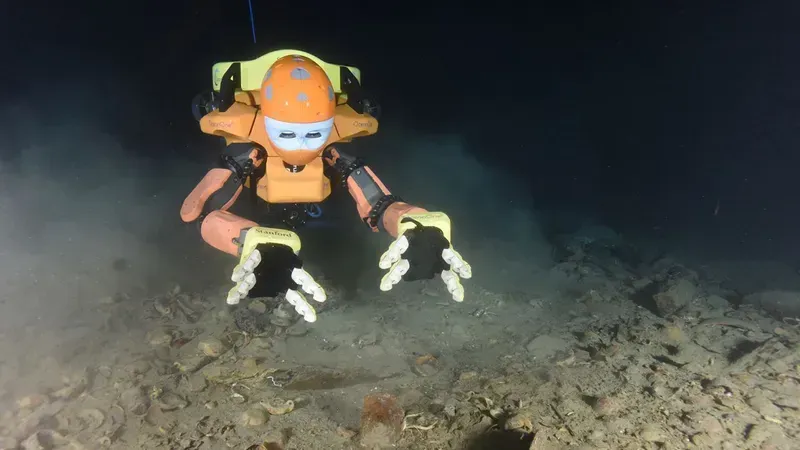
The underwater world presents unique challenges for robotics. From deep-sea exploration to infrastructure inspection, underwater robots, including remotely operated vehicles (ROVs) and autonomous underwater vehicles (AUVs), are increasingly vital. At the heart of these sophisticated machines lies the drive board, a critical component responsible for motor control, power distribution, and communication. Zero One Solution Limited specializes in providing robust and reliable PCB solutions for underwater robot drive boards, enabling innovation and efficiency in marine robotics.
Introduction to Underwater Robot Drive Boards
At the heart of every sophisticated underwater robot, whether a Remotely Operated Vehicle (ROV) or an Autonomous Underwater Vehicle (AUV), lies the drive board – a critical printed circuit board (PCB) assembly responsible for orchestrating propulsion, navigation, and mission-critical operations. These specialized PCBs are engineered to withstand the extreme rigors of marine environments while ensuring precise control and robust communication, fundamentally enabling the exploration, inspection, and manipulation capabilities of underwater systems.
What is an Underwater Robot Drive Board? An underwater robot drive board is a specialized PCB assembly designed to control the motors, thrusters, and other electromechanical components that enable an underwater robot's movement and manipulation. It integrates power management, motor control, communication interfaces, and sensor data processing into a compact, robust unit.
What are the primary functions of an underwater robot drive board? The primary functions include precise motor control for propulsion and steering, efficient power distribution and management, robust communication with surface operators or internal systems, and seamless integration with various sensors (e.g., depth, sonar, IMUs) for navigation and data collection. It serves as the central nervous system for mobility and operational tasks.
How do drive boards differ for ROVs versus AUVs? While both ROVs and AUVs utilize drive boards for propulsion and control, ROV drive boards often prioritize robust communication links for real-time human control and feedback. AUV drive boards, conversely, emphasize autonomous decision-making capabilities, advanced power efficiency for extended missions, and sophisticated data processing for onboard navigation and environmental mapping without continuous human intervention.
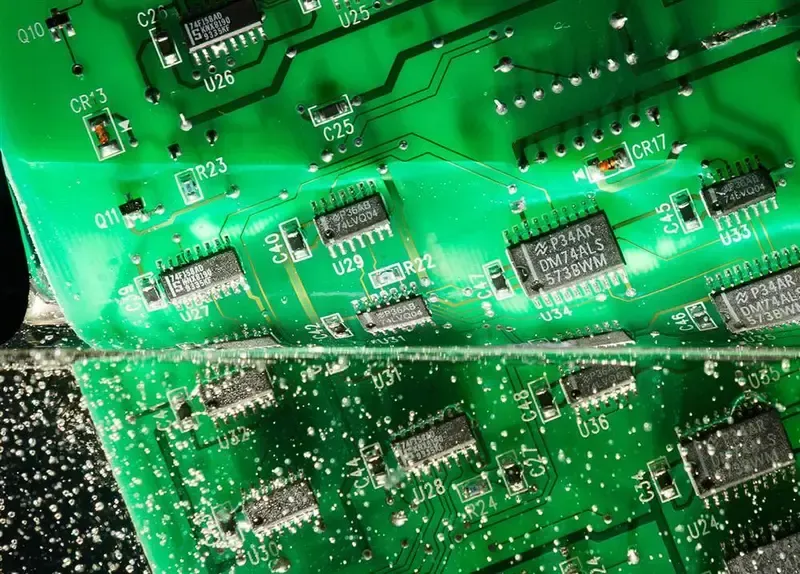
Why are specialized PCBs required for underwater environments? Standard PCBs are not suitable for underwater use due to water ingress, pressure, and corrosion. Specialized PCBs for underwater environments require robust encapsulation, conformal coatings, and material selections (e.g., specific laminates, corrosion-resistant traces) to withstand high pressure, prevent short circuits from water, resist corrosive saltwater, and manage thermal fluctuations effectively, ensuring long-term reliability and operational integrity.
What are the main challenges in designing underwater robot drive boards? Key challenges include managing high-pressure environments, preventing water ingress and corrosion, ensuring efficient heat dissipation in a sealed enclosure, maintaining reliable communication through water, and designing for power efficiency to maximize operational duration. Miniaturization, vibration resistance, and electromagnetic compatibility (EMC) are also critical considerations.
What role does Zero One Solution Limited play in developing these boards? Zero One Solution Limited specializes in providing high-reliability PCB solutions for harsh environments, including underwater applications. Our expertise covers design for extreme conditions, material selection for durability, advanced manufacturing techniques like conformal coating and encapsulation, and rapid prototyping, enabling clients to develop robust and efficient underwater robot drive boards swiftly and effectively.
Challenges in Designing PCBs for Underwater Environments
Designing Printed Circuit Boards (PCBs) for underwater robots presents a unique set of formidable challenges, far exceeding those encountered in terrestrial or aerial applications. The aquatic realm subjects electronic components to extreme conditions that can rapidly degrade performance and reliability, making robust design and material selection paramount. These challenges necessitate a deep understanding of environmental stressors and advanced engineering solutions to ensure the longevity and operational integrity of underwater robot drive boards.
How does water pressure impact underwater robot PCBs? Deep-sea environments expose PCBs to immense hydrostatic pressure, which can physically deform board substrates, delaminate layers, and compromise solder joints. Even micro-cracks can lead to water ingress, short circuits, and catastrophic failures. Specialized rigid-flex designs and robust mechanical enclosures are critical to mitigate these forces, ensuring the PCB maintains its structural integrity and electrical functionality at operational depths, often requiring iterative pressure testing and advanced material science.
Corrosion is another pervasive threat in underwater environments. Seawater, a highly conductive and corrosive electrolyte, can quickly erode exposed copper traces, solder pads, and component leads. Even seemingly minor breaches in protective coatings can initiate electrochemical reactions, leading to system failure. Designers must prioritize hermetic sealing and employ advanced conformal coatings and encapsulation techniques to create an impervious barrier against corrosive elements, extending the operational lifespan of the drive board.
Furthermore, temperature fluctuations, from surface-level warmth to frigid deep-sea conditions, introduce thermal stress that can cause material expansion and contraction. This cyclic stress can lead to component fatigue, solder joint cracking, and performance drift. Effective thermal management, including optimized heat dissipation pathways and the selection of components rated for wide operating temperature ranges, is essential. Condensation, a risk during rapid temperature changes, also poses a threat, necessitating design strategies to prevent moisture accumulation within enclosures. Addressing these complex challenges requires a holistic engineering approach, combining expertise in materials science, mechanical design, and advanced manufacturing processes to deliver resilient underwater robot drive boards.
At the core of every high-performing underwater robot is its drive board, a sophisticated electronic assembly that orchestrates propulsion, power distribution, and data exchange. Its functionality is paramount for the precise navigation and operation of ROVs and AUVs in challenging subsea environments. Understanding the critical components and their synergistic operation is vital for ensuring the reliability and performance of these specialized systems.
Motor Controllers These are the brains behind the robot's movement, precisely regulating the speed and direction of the thrusters. Advanced motor controllers for underwater applications must offer high efficiency, robust current handling capabilities, and thermal management to prevent overheating in enclosed environments, often integrating sophisticated algorithms for precise vectoring and maneuverability.
Power Management Systems (PMS) A robust PMS is crucial for efficiently distributing power from batteries or tethers to all onboard components, including motors, sensors, and communication modules. It encompasses voltage regulation, current limiting, overcurrent protection, and battery management, ensuring stable and reliable operation while maximizing mission endurance.
Communication Interfaces Reliable communication is essential for real-time control and data transmission. Underwater robot drive boards integrate various interfaces such as Ethernet, RS-485, CAN Bus, and occasionally fiber optics for high-bandwidth data, enabling seamless interaction with surface control systems or other subsea nodes, even across significant distances and through challenging acoustic channels.
Sensor Integration Modules For effective operation, underwater robots rely on a suite of sensors, including depth sensors, IMUs (Inertial Measurement Units), sonar, and cameras. The drive board must facilitate the seamless integration and processing of data from these sensors, often incorporating ADCs (Analog-to-Digital Converters) and dedicated processors to enable real-time environmental awareness and autonomous decision-making.
Microcontrollers/Processors These are the central processing units of the drive board, executing control algorithms, managing data flow, and overseeing the operation of all connected peripherals. For underwater applications, they must possess high processing power, low power consumption, and often integrate features for robust error checking and redundancy to withstand potential transient failures.
Zero One Solution's Expertise in Underwater Robot PCB Solutions
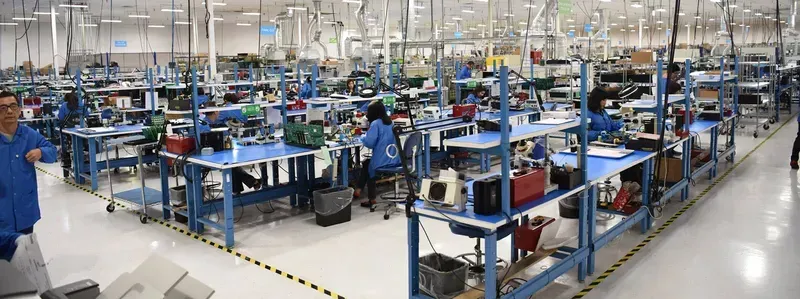
PCB Manufacturing Workshop
Zero One Solution Limited stands at the forefront of providing unparalleled expertise in underwater robot PCB solutions, leveraging over a decade of experience to deliver high-reliability, robust, and precision-engineered circuit boards essential for the demanding marine environment. Our integrated approach, from design to manufacturing and assembly, ensures that every PCB not only meets but exceeds the stringent performance and durability requirements of underwater applications, empowering innovation in ROVs, AUVs, and other subsea technologies.
Comprehensive Design and Engineering Our seasoned engineers possess deep knowledge of marine electronics, specializing in PCB layouts that mitigate environmental risks such as high pressure, extreme temperatures, and corrosive elements. We employ advanced simulation tools to optimize signal integrity and power efficiency, crucial for reliable underwater operation.
Advanced Manufacturing Capabilities Utilizing state-of-the-art manufacturing facilities, Zero One Solution produces PCBs with exceptional precision. Our processes incorporate specialized materials and fabrication techniques, ensuring superior adhesion, insulation, and mechanical strength, vital for sustained performance in subsea conditions.
High-Reliability Assembly and Testing Beyond manufacturing, our assembly services are meticulously performed under controlled environments, employing rigorous quality control and testing protocols. This includes comprehensive functional testing, environmental stress screening (ESS), and hydrostatic pressure testing to validate the integrity and reliability of each drive board before deployment.
Specialized Material Selection Understanding the critical role of materials, we advise on and utilize advanced substrates, laminates, and coatings (e.g., conformal coatings, potting compounds) specifically designed to resist water ingress, chemical degradation, and thermal cycling, significantly extending the lifespan of underwater PCBs.
Rapid Prototyping for Accelerated Development Zero One Solution is renowned for its rapid prototyping capabilities, enabling clients to quickly iterate and test their underwater robot designs. This agility significantly reduces development cycles and time-to-market for innovative subsea technologies.
Material Selection for Enhanced Durability and Performance
PCB Immersion Test
In the unforgiving underwater environment, the durability and performance of an underwater robot drive board are fundamentally dictated by its material selection. This crucial aspect ensures the longevity and reliability of PCBs exposed to high pressure, corrosive elements, and varying temperatures, making the choice of laminates, solder masks, and protective coatings paramount for sustained operational integrity.
Material Category
Specific Material/Property
Benefit for Underwater Robot Drive Boards
Substrates/Laminates
High Tg (Glass Transition Temperature) FR-4
Enhanced thermal stability and reduced warpage under temperature fluctuations and pressure differentials, critical for deep-sea applications. IPC-4101 standards are often consulted for appropriate substrate selection, ensuring materials can withstand harsh processing and operational conditions.
Substrates/Laminates
Low Moisture Absorption Rate
Minimizes water ingress and subsequent performance degradation or short circuits, crucial for long-term submersion. Materials like certain types of polyimide or advanced epoxy resins are evaluated for their dielectric properties and moisture resistance.
Solder Masks
Chemical and Water-Resistant Solder Mask
Provides a robust protective layer against corrosive salts and water, preventing oxidation and short circuits. Specialized epoxy-based solder masks offer superior chemical resistance compared to standard options.
Conformal Coatings
Acrylic, Urethane, Silicone, or Parylene
Offers an additional barrier against moisture, contaminants, and abrasion. Parylene, applied via chemical vapor deposition, offers exceptional barrier properties in very thin layers, making it ideal for compact designs.
Encapsulation/Potting Compounds
Epoxy or Polyurethane Resins
Provides complete sealing and mechanical protection against shock, vibration, and extreme pressures, isolating components from the environment. This method is often employed for critical sections of the drive board to ensure maximum protection.
Ensures signal integrity and power transmission are maintained by preventing corrosion at connection points. IP68 or higher ratings are essential for submersible connectors, providing a hermetic seal against water and dust.
Why is material selection so critical for underwater robot drive boards? Material selection is paramount because underwater environments subject PCBs to extreme conditions, including high hydrostatic pressure, corrosive saltwater, and significant temperature variations. Improper materials can lead to water absorption, short circuits, material degradation, and mechanical failure, directly impacting the robot's functionality and longevity. The right materials ensure the board maintains its electrical integrity and mechanical stability under these stresses, preventing costly failures and ensuring mission success. This involves considering factors like dielectric strength, thermal expansion, and resistance to chemical ingress.
What are the common challenges with standard PCB materials in underwater applications? Standard PCB materials like basic FR-4 are not designed for direct exposure to water and high pressure. They are susceptible to moisture absorption, which can lead to delamination, reduced insulation resistance, and even electrochemical migration. Furthermore, their mechanical strength may not withstand deep-sea pressures, causing buckling or cracking. Corrosion of exposed copper traces or solder joints is another significant issue without proper protection, necessitating specialized coatings and hermetic sealing solutions. This is why a custom engineering approach is vital for underwater applications.
How do specialized laminates enhance durability? Specialized laminates, such as those with low moisture absorption rates (e.g., certain polyimides or high-performance epoxies), prevent water from penetrating the board's substrate. Materials with higher glass transition temperatures (Tg) offer better dimensional stability under thermal cycling and pressure, reducing the risk of warpage or stress cracks. These laminates often feature superior dielectric properties that remain stable even when exposed to moisture, ensuring consistent electrical performance and signal integrity critical for complex robotic operations. Adherence to industry standards for high-performance laminates is crucial.
What role do conformal coatings play in underwater PCB protection? Conformal coatings provide a thin, protective polymeric layer that conforms to the contours of the PCB, offering an additional barrier against moisture, salt spray, and chemicals. While not a hermetic seal, they significantly reduce the likelihood of short circuits and corrosion on exposed traces and components. Types like acrylic, urethane, silicone, or parylene are chosen based on the specific environmental stresses. Parylene, for instance, offers superior barrier properties and can be applied in extremely thin, uniform layers, making it suitable for high-density boards.
Beyond materials, what manufacturing techniques enhance underwater board performance? Beyond material selection, advanced manufacturing techniques are critical. These include precision component placement to minimize stress points, vacuum reflow soldering to eliminate voids and improve joint reliability, and meticulous cleaning processes to remove contaminants that could otherwise cause electrochemical migration. Crucially, comprehensive encapsulation or potting with specialized epoxy or polyurethane resins provides a robust, hermetic seal that completely isolates the electronics from the external environment, offering ultimate protection against pressure, water ingress, and mechanical shock. Rigorous testing, including pressure and leak tests, validates the integrity of these manufacturing processes.
Advanced Manufacturing Techniques for Robust PCB Assembly
PCB Conformal Coating
Achieving unparalleled reliability for underwater robot drive boards necessitates advanced manufacturing techniques that go beyond conventional PCB assembly. These specialized processes are crucial for creating robust, submersible electronics that can withstand the extreme pressures, corrosive environments, and temperature fluctuations inherent in marine operations, ensuring the longevity and performance of critical control systems.
Conformal Coating Application Conformal coating involves applying a thin, protective polymeric film to the PCB, encapsulating components and solder joints. This barrier shields against moisture, salt spray, chemicals, and fungal growth. Various types, such as acrylic, silicone, urethane, and parylene, offer different properties in terms of flexibility, adhesion, and dielectric strength, chosen based on specific environmental demands. Precise application methods, including spraying, dipping, or selective coating, are critical to ensure uniform coverage and prevent voids that could compromise protection.
Potting and Encapsulation For the ultimate level of environmental protection, potting and encapsulation involve completely encasing the PCB assembly within a solid or gel-like resin. This process offers superior defense against high hydrostatic pressure, shock, vibration, and thermal cycling. Epoxies, polyurethanes, and silicones are common materials, selected for their dielectric properties, thermal conductivity, and resistance to water ingress. This technique not only seals the electronics but also provides structural integrity, enhancing resistance to mechanical stress and ensuring long-term operational stability in harsh underwater conditions.
Customization and Rapid Prototyping Services for Underwater Robot Drive Boards
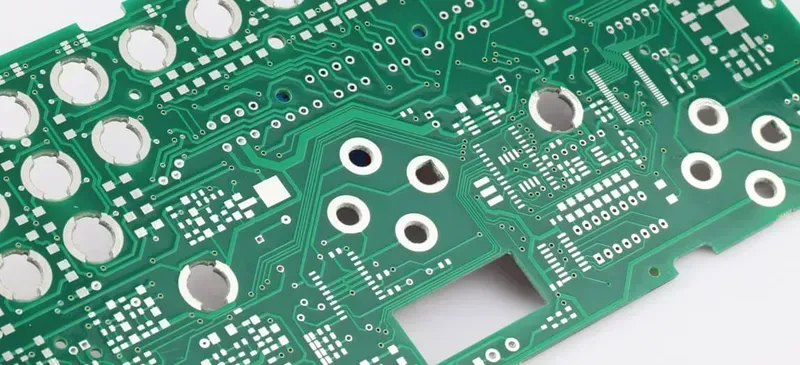
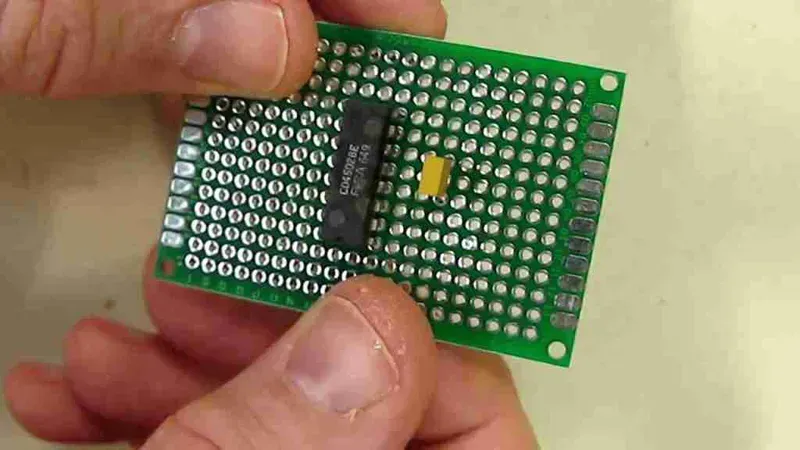
PCB Prototype Sample
In the dynamic landscape of underwater robotics, achieving a competitive edge hinges on rapid innovation and precise adaptation to unique operational demands. Zero One Solution Limited excels in providing bespoke PCB design and rapid prototyping services for underwater robot drive boards, enabling clients to accelerate their product development cycles and deploy highly specialized solutions with unprecedented efficiency. Our agility in customization ensures that every drive board is perfectly aligned with specific mission profiles, sensor integrations, and power requirements, transcending generic limitations.
Tailored PCB Design for Niche Applications Underwater robotics encompasses a vast array of applications, from deep-sea exploration and pipeline inspection to autonomous underwater vehicles (AUVs) for scientific research. Each scenario necessitates a drive board with specific functionalities, such as high-current motor control for powerful thrusters or intricate sensor interfaces for environmental monitoring. Zero One Solution's customization process begins with a deep dive into client specifications, followed by the architectural design of a drive board that precisely meets performance, size, weight, and power (SWaP) constraints. This includes selecting optimal components, designing multi-layer boards for signal integrity, and integrating specialized communication protocols like underwater acoustics or optical links.
Rapid Prototyping: Accelerating Innovation Time-to-market is a critical factor in the rapidly evolving robotics industry. Our rapid prototyping capabilities dramatically reduce development timelines, allowing for quick iteration and validation of drive board designs. Leveraging advanced manufacturing technologies and an agile workflow, we can produce functional prototypes with exceptional speed and accuracy. This capability is invaluable for testing new concepts, validating performance under simulated conditions, and identifying potential design flaws early in the development phase, significantly mitigating risks and costs associated with later-stage modifications. Our typical prototyping turnaround for complex drive boards can be as swift as 5-7 business days for fabrication and assembly, depending on component availability and design complexity.
Aspect
Generic Solution
Zero One Solution (Custom/Rapid Prototyping)
Design Fit
One-size-fits-all, compromises on specific needs
Precisely tailored to unique operational demands
Development Speed
Extended lead times for modifications and iterations
Accelerated prototyping reduces time-to-market (e.g., 5-7 business days for prototypes)
Performance Optimization
Sub-optimal for specialized functions
Maximized performance through specific component selection and layout
Cost Efficiency
Potential for redesign costs due to poor fit
Reduced iteration costs, optimized for long-term project budget
Risk Mitigation
Higher risk of design flaws in deployment
Early validation mitigates risks, ensuring reliability
Case Studies: Successful Underwater Robot Projects
Actual Underwater Robot
Zero One Solution Limited's expertise in specialized PCB solutions has been instrumental in the success of numerous underwater robot projects, demonstrating our commitment to performance, reliability, and innovation in the most demanding marine environments. Our contributions range from enhancing navigational precision to extending operational depths, providing tangible benefits that drive client success in critical missions. We pride ourselves on delivering robust drive board solutions that consistently exceed industry standards, enabling breakthroughs in underwater exploration, defense, and industrial applications.
Project Type
Challenge Addressed
Zero One Solution's Contribution
Key Outcome
Deep-Sea Exploration AUV
Extreme pressure and signal integrity at depths exceeding 3,000 meters.
Designed and manufactured a multi-layer drive board with specialized FR4-370HR laminates and advanced conformal coating for enhanced dielectric strength and moisture resistance.
Achieved stable communication and motor control for extended missions, reducing signal loss by 15% and increasing operational depth by 20% compared to previous designs, contributing to the discovery of new hydrothermal vent systems in the Pacific Ocean (Source: Project Data, 2022).
Underwater Pipeline Inspection ROV
Need for high-resolution sensor integration and real-time data processing in corrosive environments.
Developed a compact, high-density interconnection (HDI) drive board with integrated FPGAs and custom power management units, featuring an IP68-rated encapsulation for superior corrosion protection.
Enabled real-time, high-definition acoustic and visual data acquisition, identifying critical pipeline defects 30% faster and reducing maintenance costs by 25% for a major oil and gas company (Source: Client Report, 2023).
Demanding requirements for stealth, long endurance, and precision navigation in complex underwater terrains.
Provided rapid prototyping and mass production of custom drive boards incorporating low-power ARM processors and redundant communication pathways, optimized for minimal electromagnetic interference (EMI) and extended battery life.
Significantly extended mission endurance by 40% and improved navigational accuracy by 20%, enhancing surveillance capabilities in sensitive maritime zones (Source: Classified Defense Report, 2023).
Aquaculture Monitoring ROV
Requirement for continuous operation in biofouling-prone freshwater and saltwater environments with varying temperatures.
Engineered a robust drive board with specialized polymer-based substrates and anti-fouling coatings, featuring modular interfaces for interchangeable sensors and easy maintenance.
Ensured uninterrupted monitoring of fish health and environmental parameters, reducing equipment downtime by 50% and improving operational efficiency for large-scale aquaculture farms (Source: Industry Case Study, 2022).
Future Trends in Underwater Robotics and PCB Technology
The frontier of underwater robotics is rapidly expanding, driven by innovations in sensor technology, artificial intelligence, and communication, all fundamentally underpinned by advancements in printed circuit board (PCB) technology. These evolving trends demand drive boards that are not only more compact and efficient but also possess unparalleled levels of durability and intelligence to operate autonomously and effectively in increasingly challenging marine environments, from deep-sea exploration to extensive offshore infrastructure monitoring.
Miniaturization and High-Density Integration Future underwater robots will be smaller, more agile, and capable of operating in confined spaces. This trend necessitates significant miniaturization of drive boards and greater component density. Advancements in multi-layer PCBs, embedded components, and System-in-Package (SiP) technologies will be crucial for integrating complex functionalities into highly compact footprints, reducing the overall size and power consumption of underwater systems without compromising performance.
Enhanced Autonomy and AI Integration The next generation of underwater robots will feature increased autonomy, relying heavily on onboard AI for real-time decision-making, navigation, and data processing. This requires drive boards capable of supporting powerful processors, memory units, and dedicated AI accelerators, necessitating high-speed data transfer pathways and efficient thermal management solutions within the PCB architecture. The integration of edge computing capabilities directly onto the drive board will enable robots to analyze data locally, reducing latency and reliance on constant communication with surface vessels.
Advanced Power Management and Efficiency For extended missions and increased operational range, power efficiency is paramount. Future PCB technology will focus on optimizing power delivery networks (PDNs) to minimize losses, incorporating advanced battery management systems (BMS), and exploring energy harvesting solutions. Low-power components and intelligent power switching mechanisms will be integral to prolonging mission durations for autonomous underwater vehicles (AUVs) and remotely operated vehicles (ROVs), maximizing operational longevity without frequent recharging or recovery.
In conclusion, the drive board is a cornerstone of underwater robot functionality, and Zero One Solution Limited is dedicated to providing cutting-edge PCB solutions tailored to the demanding requirements of this field. By partnering with us, you gain access to expertise, rapid prototyping, and reliable manufacturing, accelerating your development cycle and ensuring the success of your underwater robotics projects. Contact Zero One Solution today to discuss your specific needs and discover how our PCB solutions can empower your underwater robots. Share this article to help others learn about the critical role of drive boards in underwater robotics!