PCB in AC: Understanding Its Crucial Role and Functionality
2025.01.20
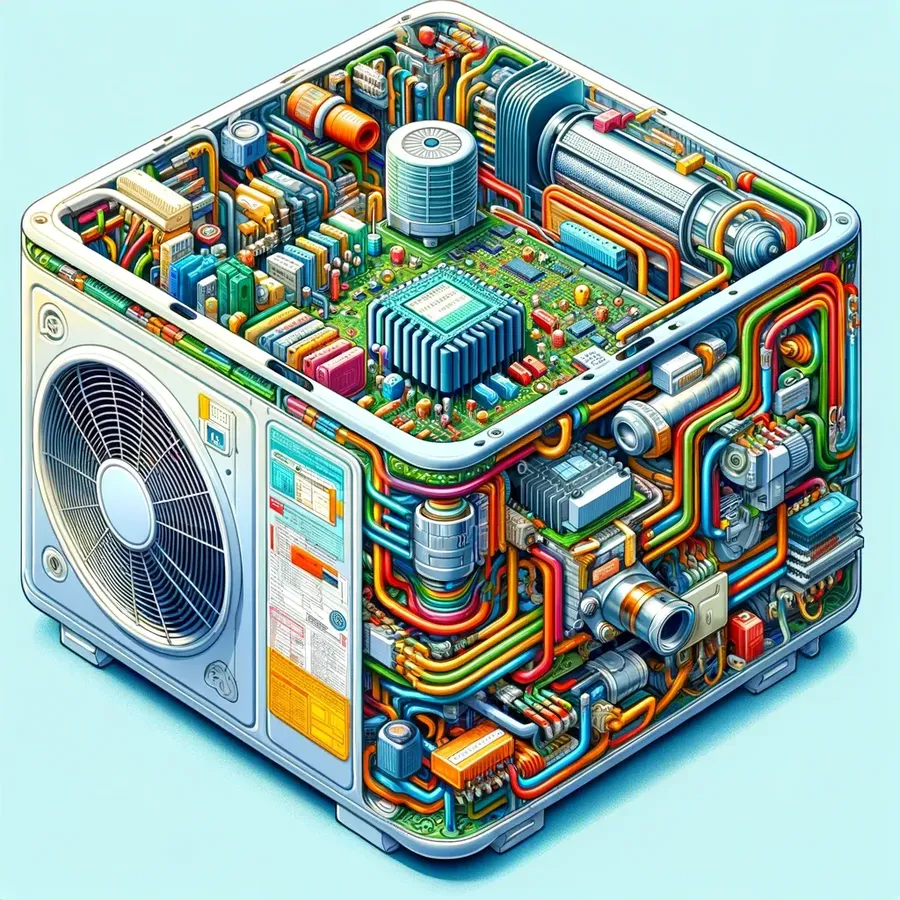
From the comfort of our homes to the complex systems of modern machinery, Printed Circuit Boards (PCBs) are at the heart of electronic control. In air conditioners (ACs), PCBs serve as the brain of the unit, managing everything from temperature regulation to fan speed. This article delves into the intricacies of AC PCBs, their function, and their role in ensuring smooth, efficient operation of your cooling system.
What is a PCB in an AC?
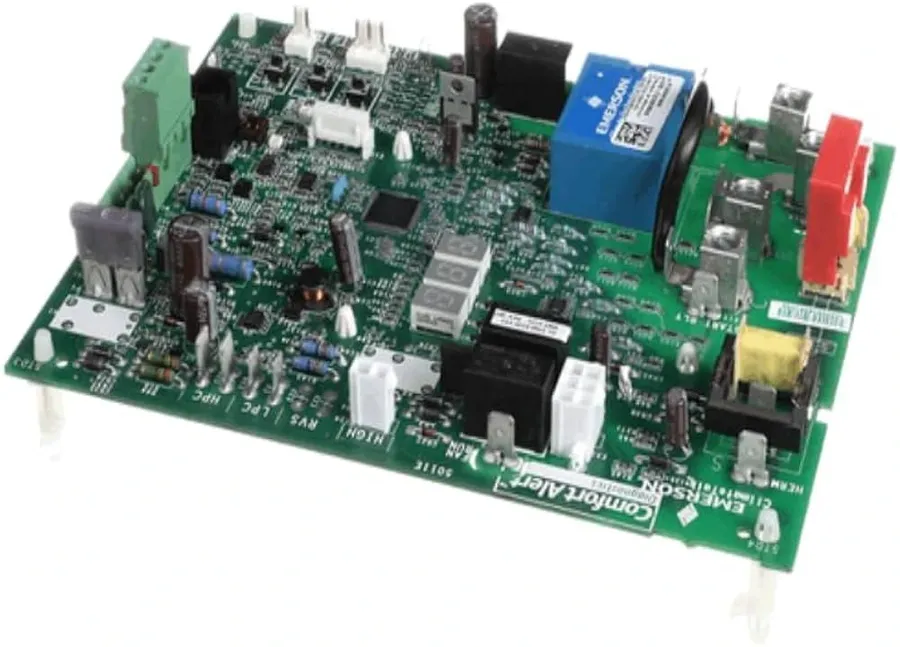
Air Conditioner PCB
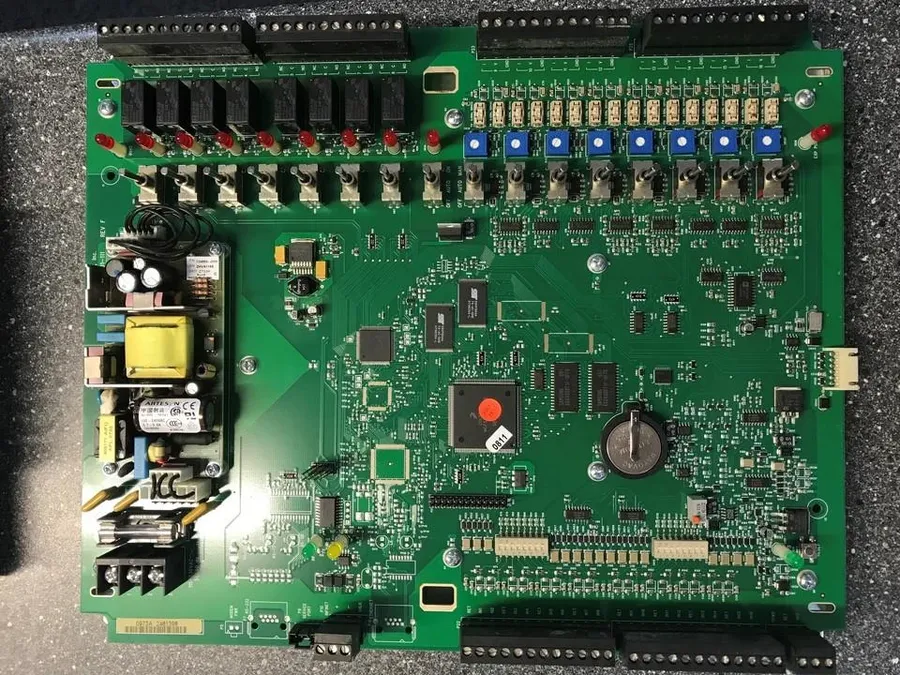
A Printed Circuit Board (PCB) within an Air Conditioner (AC) is the foundational element upon which all electronic components are mounted and interconnected. Composed of an insulating substrate, typically fiberglass or composite material, with conductive pathways etched onto its surface, the PCB acts as the central nervous system of the AC unit, orchestrating its numerous functions.
Key Functions of an AC PCB
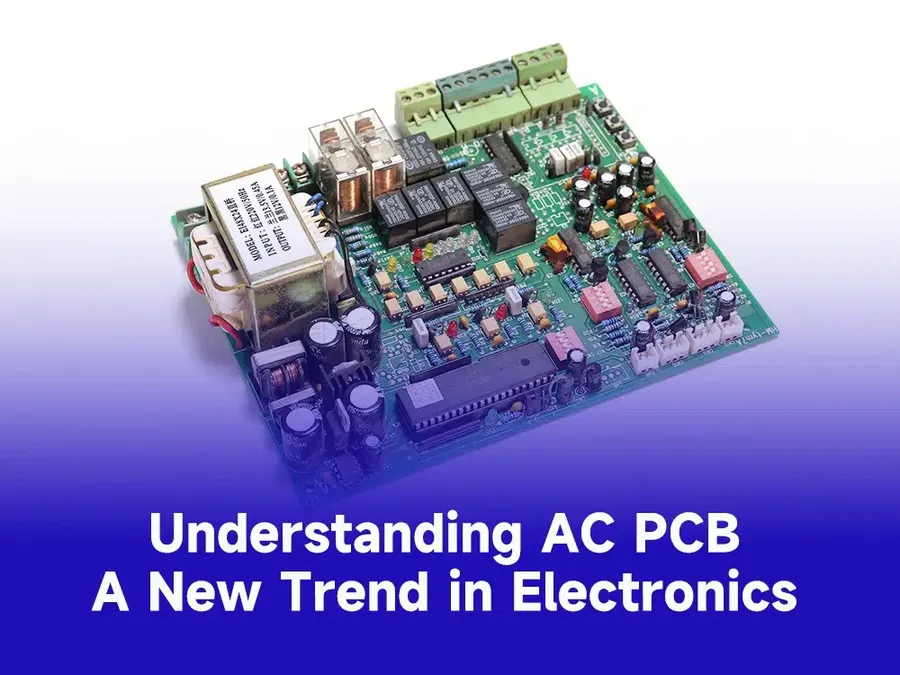
AC Main Control Board
The AC Printed Circuit Board (PCB) serves as the central processing unit of an air conditioning system, orchestrating its various operations. Its primary functions revolve around interpreting user commands, regulating hardware components, and ensuring efficient energy consumption, essentially acting as the ‘brain’ of the AC unit.
Compressor Management The PCB controls the compressor's operation, regulating its start-up, speed, and shut-down sequences based on the set temperature and cooling demands. Proper compressor management is vital for both cooling efficiency and the lifespan of the compressor.
Fan Speed Regulation The PCB regulates the fan speeds of both the indoor and outdoor units. It adjusts fan speeds based on cooling requirements and user preferences, ensuring optimal air circulation and heat exchange.
Temperature Control The PCB reads signals from temperature sensors to accurately determine the indoor temperature and adjusts the compressor and fan speeds accordingly to meet the desired set temperature. This ensures the AC maintains a consistent and comfortable environment.
Cooling Cycle Management The PCB manages the overall cooling cycle, including the opening and closing of valves, operation of expansion devices, and other relevant components to ensure seamless heat exchange, thereby facilitating efficient cooling of the desired space.
User Interface Interaction The PCB interprets commands from the user via the remote control or the AC's interface panel. It translates these user inputs (such as temperature settings, fan speeds, mode selections) into appropriate actions of the AC's hardware.
Protection and Safety Mechanisms The PCB also monitors for fault conditions, such as overcurrents, overheating, or low refrigerant levels. It will trigger safety mechanisms, and can shut down the AC to prevent damage to the system.
Components on an AC PCB
AC PCB Components
An AC Printed Circuit Board (PCB) is populated with various electronic components that work in concert to manage the air conditioning system. These components, including microcontrollers, relays, transistors, capacitors, and resistors, each perform specific control, monitoring, and power management functions essential for optimal AC performance.
Component
Function
Importance
Microcontrollers
Central processing unit that executes instructions and manages overall AC operations.
Crucial for system logic, sensor interpretation, and control signals.
Relays
Electrically operated switches that control high-power circuits, such as the compressor and fan motors.
Essential for switching power to different parts of the AC based on demand.
Transistors
Semiconductor devices used for switching and amplification of electronic signals.
Critical for precise current and voltage control within the circuits.
Capacitors
Energy storage components that filter and regulate voltage and current fluctuations.
Vital for maintaining stable power supplies and circuit timing.
Resistors
Components that oppose the flow of current, used for setting current levels and voltage division.
Essential for circuit protection, signal conditioning, and proper component function.
AC PCB Types: AC vs DC Circuits
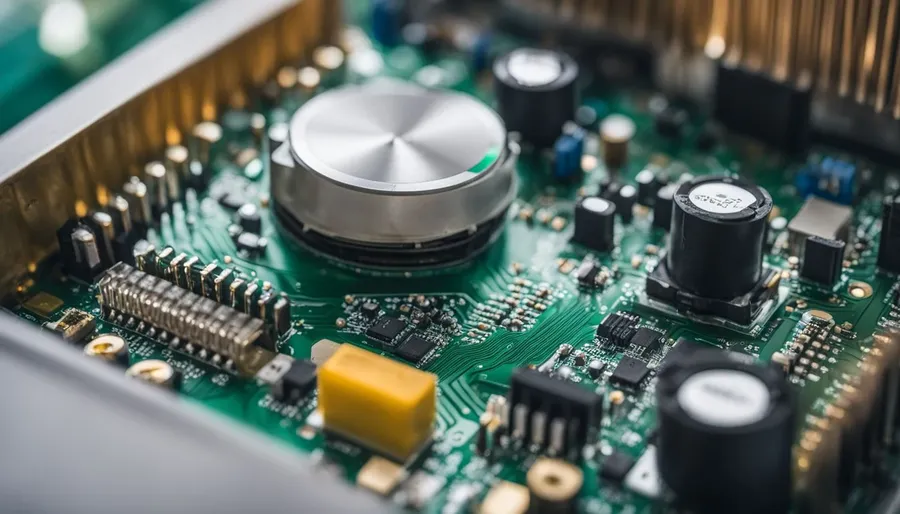
AC PCB Close-up
Air conditioner PCBs manage both alternating current (AC) and direct current (DC) power. The primary function of the PCB is to interface with the AC mains power supply, converting it to appropriate voltages for different components and internal control systems. Understanding the distinction between AC and DC circuits within the PCB is crucial for effective troubleshooting and maintenance.
Circuit Type
Description
Typical Components
Function in AC PCB
AC Circuits
Circuits utilizing alternating current, where the direction of current flow reverses periodically.
Transformers, relays, some filter components.
Primarily involved in power input and distribution from the mains supply. Often involves stepping down the high AC voltage to lower levels.
DC Circuits
Circuits using direct current, where the flow of current is unidirectional.
Used for control logic, signal processing, and powering sensitive electronic components. AC power is rectified and converted to DC for these circuits.
Most AC PCBs will include a rectifier circuit which uses diodes to convert the incoming AC to DC. This is often used to power the control circuitry and the microcontroller responsible for controlling the overall operation of the AC system.
Common AC PCB Faults
Damaged AC PCB
AC PCBs, vital for the operation of air conditioning systems, are susceptible to various failures stemming from power fluctuations, environmental conditions, component degradation, and even physical damage. These faults can manifest in a range of operational issues, highlighting the importance of understanding potential failure modes.
Power Surges Sudden increases in electrical voltage can overwhelm the delicate electronic components on the PCB, leading to component failure, such as blown capacitors or damaged integrated circuits. This is a common cause of AC PCB damage. Implementing surge protection can mitigate this.
Environmental Factors High humidity can cause corrosion on PCB tracks and components, leading to short circuits or open circuits. In addition, temperature extremes can cause component failure or solder joint cracks which can cause intermittent operation.
Component Aging Over time, electronic components such as capacitors and relays can degrade due to normal use and exposure to heat. This degradation can lead to performance issues or complete component failure. Regular maintenance and replacement of key components can prevent issues.
Insect Infestation Insects, like ants or cockroaches, can enter the AC unit and cause shorts by moving between conductive parts of the PCB or causing damage to the PCB’s tracks and components. Moreover, their remains can also cause corrosion and conductivity issues. Regular cleaning and pest control can help avoid this problem.
Relay Failures Relays, used to switch electrical circuits, are subject to wear and tear due to repetitive switching. Failure can result in an AC that won't turn on or that has issues with fan speed or compressor operation. Relays can sometimes be repaired, but replacement may be necessary.
Burnt Components Overheating, often a result of power surges or component failures, can lead to visible burning of PCB components, including resistors, capacitors, and ICs. These components often require replacement and a diagnosis of the root cause to avoid recurrence.
Microcontroller Malfunctions The microcontroller acts as the brains of the AC system. If the microcontroller malfunctions the AC may stop responding to commands, operate erratically, or stop entirely. Diagnosis and repair of a microcontroller can be quite technical, and replacement is often necessary.
Troubleshooting a Faulty AC PCB
Diagnosing a malfunctioning AC PCB requires a systematic approach, often involving technical expertise. The process typically starts with a visual inspection and may progress to component-level testing using specialized equipment. Accurate troubleshooting is vital to determine if a repair is feasible or if a complete replacement of the PCB is necessary.
Initial Visual Inspection Begin by carefully examining the PCB for any signs of physical damage. Look for burnt components, discolored areas, bulging capacitors, or broken tracks. These are often indicators of specific failures and can provide initial clues about the nature of the fault.
Component Testing Use a multimeter to measure voltages, resistances, and continuity across various components. Focus on critical components like relays, transistors, diodes, and capacitors. Compare readings against known good values or schematics if available. This step is crucial for pinpointing the failing components and if they are within the specifications.
Schematic Analysis If available, consult the schematic diagram of the PCB. Schematics detail the interconnections and functions of each component on the board. Following this diagram can assist in understanding complex circuit functions and help to identify the path of the signals to isolate a fault.
Environmental Assessment Evaluate the operational environment in which the AC unit and its PCB were exposed to. High humidity, excessive temperatures, and pest infestations can contribute to PCB failures, potentially indicating that external factors may be the primary issue or be a contributing factor
Professional Consultation If troubleshooting is beyond your technical capabilities, seek assistance from a qualified technician or AC repair service. Attempting repairs without the right skills can lead to further damage and higher costs.
Repairing vs. Replacing an AC PCB
The decision to repair or replace an air conditioner's Printed Circuit Board (PCB) hinges on several factors, including the severity of the damage, the availability of replacement components, and the associated costs. A thorough assessment is necessary to determine the most economically and practically viable solution.
Factor
Repair
Replace
Extent of Damage
Suitable for minor issues (e.g., component replacement, soldering repairs)
Required for extensive damage (e.g., burnt traces, microcontroller failure)
Cost
Generally less expensive than replacement
More expensive due to the cost of a new PCB
Availability of Parts
Dependent on availability of specific components; may be difficult for older models
Easier if the PCB is readily available
Labor Cost
May involve complex troubleshooting and skilled labor
Potentially higher if professional installation is required
Time
Can be time-consuming due to troubleshooting and component level repair
Faster, as it involves swapping out components
Warranty
Repairs may not come with a warranty
New PCBs typically come with a warranty
Longevity
The lifespan of repaired PCB might be less than a new one
New PCB should provide a similar lifespan to original
Overall Unit Age
May not be worth the cost if the unit is very old
May be a better option if the unit is still relatively new
A detailed cost-benefit analysis is essential, considering both the immediate expense and the potential long-term reliability of the air conditioner unit post-repair or replacement. Furthermore, when considering the environmental impact of electronic waste, repairing a PCB can be more sustainable than replacing it if possible, particularly for non-critical damage. When deciding between the two, it is important to ensure you choose a certified technician who has extensive experience with AC repair to ensure that the proper assessment and repair can be done.
Frequently Asked Questions About AC PCBs
This section addresses common questions regarding Printed Circuit Boards (PCBs) in air conditioning (AC) units, providing clear and concise answers to aid understanding and troubleshooting.
What does PCB stand for in the context of air conditioners? PCB stands for Printed Circuit Board. In an AC, it's the foundational component that houses the electronic circuitry, acting as the central control system.
How can I check my air conditioner's PCB for issues? Visual inspection is the first step. Look for burnt components, bulging capacitors, or any signs of physical damage. Advanced checks involve using a multimeter to test individual components, which may require technical skills. If you are unsure, it is best to consult with a professional.
What is the typical cost to repair an AC PCB? Repair costs vary widely depending on the damage's extent, the specific components needing replacement, and labor costs. It can range from a small fee for simple component replacement to a significant amount for extensive repairs. In many cases, a complete replacement may be more cost-effective than repair, especially with older or heavily damaged boards.
What are common problems that affect AC PCBs? Common issues include relay failures, which cause the AC to cycle erratically or not turn on, capacitor failures, resulting in decreased performance or complete failure and microcontroller malfunctions, leading to random or unresponsive behavior. Additionally, power surges, moisture damage, and insect infestations can cause various failures.
Why is my AC PCB not working? A non-working PCB could be due to several reasons including blown fuses, component failures (like capacitors, transistors, or relays), issues with the microcontroller, or damage caused by power surges, moisture, or pests. A systematic troubleshooting approach is necessary to pinpoint the root cause. If the board shows visible damage, it may need to be replaced.
Can a damaged AC PCB cause other AC components to fail? Yes, a malfunctioning PCB can absolutely impact other AC components. For example, a faulty relay on the PCB might cause the compressor to start or stop improperly, which can lead to compressor damage. Similarly, unstable voltage output from a damaged PCB can harm other connected electronic components.
Are there preventive measures to protect my AC's PCB? Yes, using a surge protector helps shield the PCB from power spikes. Regular maintenance, such as cleaning and ensuring adequate ventilation for your AC, minimizes the risk of moisture buildup and overheating, and therefore prolong the life of the PCB. You can also take additional care to keep pests away from the unit, as they can sometimes damage the circuit board.
Best Practices for Maintaining AC PCBs
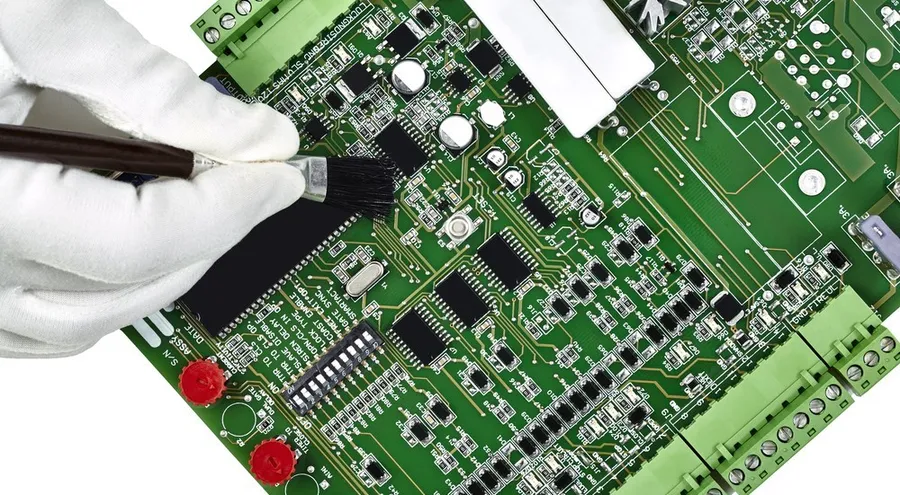
Cleaning AC PCB
To maximize the lifespan and reliability of your AC's Printed Circuit Board (PCB), adopting proactive maintenance practices is crucial. These practices focus on mitigating common risk factors that can lead to PCB failure, thereby ensuring the long-term optimal performance of your air conditioning system.
Utilize Surge Protection Power surges are a significant threat to sensitive electronic components on the PCB. Investing in a high-quality surge protector can effectively shield the PCB from voltage spikes, preventing potential damage and extending its life.
Regular AC Maintenance and Cleaning Regular cleaning of your AC unit, both internal and external, is essential. This helps in preventing the accumulation of dust, dirt, and moisture, which can corrode the PCB and its components. Pay particular attention to areas where moisture may condense.
Ensure Proper Ventilation Adequate ventilation around the AC unit is vital for heat dissipation. Overheating can cause the PCB components to degrade prematurely, leading to failures. Ensure there is sufficient airflow around the unit and that vents are not blocked.
Professional Inspections Scheduling regular professional inspections of your AC unit, including the PCB, allows for early detection of potential issues. A trained technician can identify problems like loose connections, worn components, or signs of corrosion, enabling preventative maintenance.
Avoid Liquid Contact Keep the PCB and surrounding areas away from liquids, including cleaners. Liquid spills can cause shorts and corrosion on circuit board which can lead to the failure of your AC unit.
Control Humidity Levels High humidity can lead to moisture condensation on the PCB. Consider using dehumidifiers to help control the humidity levels and protect the PCB from moisture-related damage.
The PCB is integral to the functionality of your air conditioner, serving as the control center for all its processes. Understanding how the PCB operates, diagnosing common problems, and knowing when to repair versus replace it can ensure your AC system continues to function efficiently. By practicing good maintenance, you can prevent premature PCB failures, save on costly repairs, and ensure the longevity of your AC unit.