In today's energy-conscious world, efficient power monitoring is no longer a luxury but a necessity. From smart homes to industrial complexes, the ability to track and manage energy consumption is critical for reducing costs, improving reliability, and promoting sustainability. At the heart of these systems lies the power monitoring communication board, a sophisticated piece of hardware that acts as the central nervous system for energy data acquisition and transmission. Zero One Solution Limited, a leading PCB solution provider specializing in rapid prototyping, offers cutting-edge solutions for power monitoring communication boards, enabling businesses to optimize their energy usage and gain a competitive edge. How can a well-designed communication board revolutionize your power monitoring capabilities? Let's delve into the intricacies of this technology and explore the benefits it unlocks.
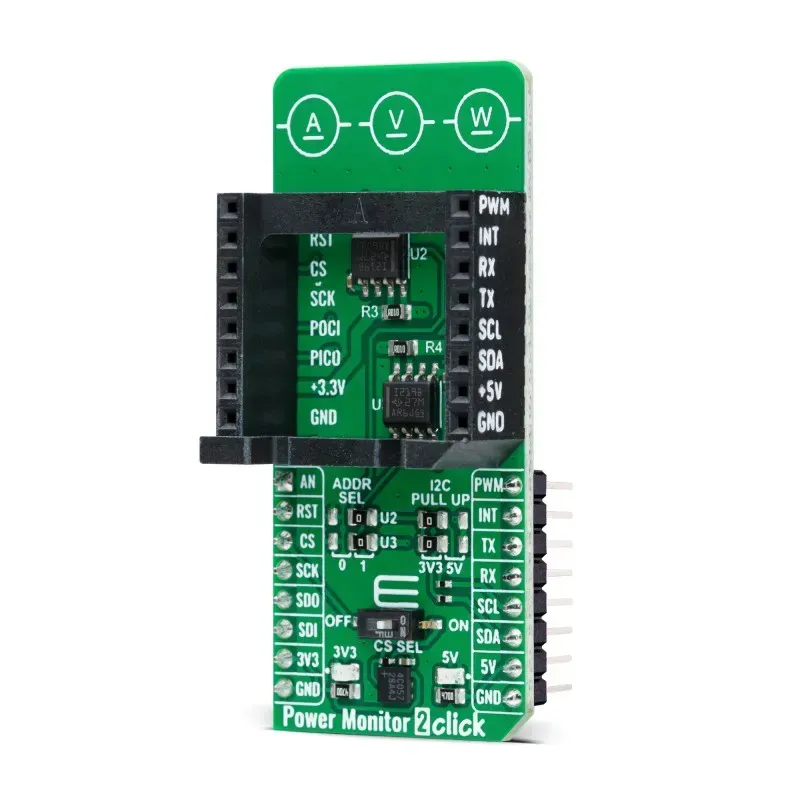
Power monitoring communication boards are pivotal components in modern energy management systems, serving as the intelligent nexus for data acquisition, processing, and transmission. At their core, these boards are engineered to provide real-time visibility into electrical parameters, enabling precise control, optimization, and fault detection within diverse power infrastructures. They are indispensable for achieving energy efficiency, ensuring system reliability, and facilitating smart grid functionalities by bridging the gap between physical electrical systems and digital monitoring platforms.
| Core Function | Key Benefit | Typical Application |
|---|---|---|
| Real-time Data Acquisition | Instant visibility into electrical parameters | Industrial Automation, Smart Buildings |
| Data Processing & Analysis | Actionable insights for optimization | Renewable Energy Systems, Data Centers |
| Reliable Data Transmission | Seamless integration with control systems | Utility Grids, Critical Infrastructure |
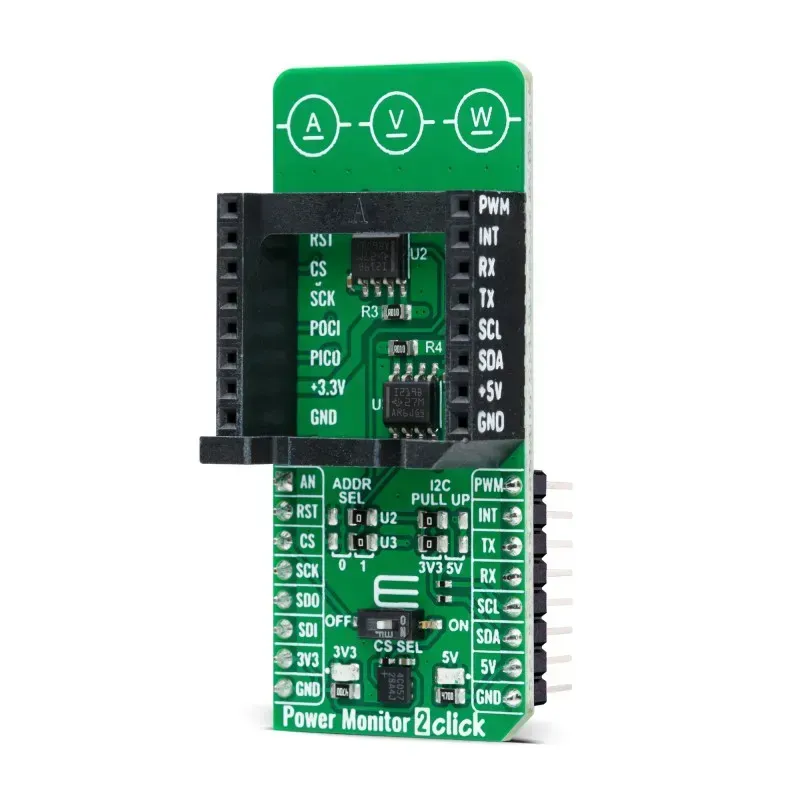
A robust power monitoring communication board is a complex interplay of specialized components, each meticulously selected and integrated to ensure accurate data acquisition, reliable processing, and seamless transmission. Understanding these foundational elements is critical for designing and deploying effective energy management solutions. From the central processing unit to the sophisticated communication modules, every component plays a pivotal role in delivering the precision and efficiency required for modern power monitoring applications.
Effective power monitoring relies critically on robust communication protocols, acting as the universal language that enables seamless data exchange between diverse devices and the central monitoring system. Without standardized protocols, the integration of sensors, meters, and control units would be chaotic and inefficient, hindering real-time insights and proactive energy management. These protocols are the backbone, ensuring data integrity, interoperability, and the timely flow of information essential for optimizing energy consumption and preventing costly disruptions.
| Protocol | Description | Key Advantages | Typical Use Cases in Power Monitoring |
|---|---|---|---|
| Modbus | A serial communication protocol commonly used for connecting industrial electronic devices. | Simplicity, widely adopted, low overhead. | Legacy equipment integration, small to medium-scale industrial control, simple data acquisition from sensors and RTUs. |
| TCP/IP | A suite of communication protocols used to interconnect network devices on the internet. Provides end-to-end data communication. | Scalability, routability over networks, widely supported, robust error handling. | Large-scale building management systems, smart grids, remote monitoring over IP networks, cloud connectivity. |
| MQTT | A lightweight messaging protocol for small sensors and mobile devices, optimized for high-latency or unreliable networks. | Extremely lightweight, efficient for constrained devices, publish-subscribe model, ideal for IoT. | Smart metering, distributed renewable energy systems, edge device communication, condition monitoring of remote assets. |
Selecting the appropriate communication protocol is paramount for the success of any power monitoring solution, influencing factors such as system scalability, data latency, security, and overall cost. For instance, while Modbus remains a workhorse for many industrial applications due to its simplicity, TCP/IP offers the foundational robustness for complex network architectures, and MQTT shines in resource-constrained IoT environments where bandwidth is at a premium. Zero One Solution Limited meticulously considers these factors during PCB design to ensure that the communication board is optimized for the intended protocol, guaranteeing reliable and efficient data flow within your power monitoring ecosystem.
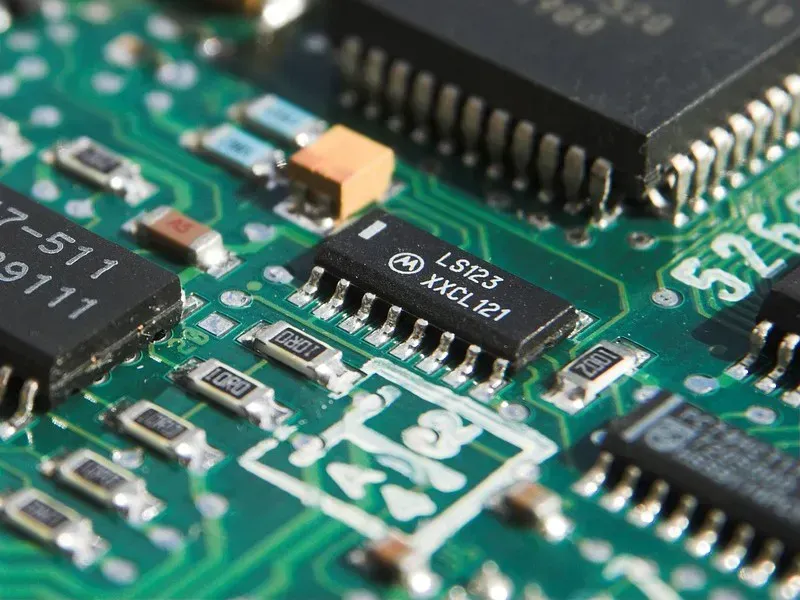
Zero One Solution Limited stands at the forefront of PCB design for advanced power monitoring applications, offering unparalleled expertise that ensures high-performance, reliability, and precision. Our deep understanding of the intricate demands of energy management systems allows us to craft PCBs that are not just components, but critical enablers for accurate data acquisition and robust communication. We meticulously focus on three pillars: signal integrity, thermal management, and optimal component selection, which are paramount in developing cutting-edge power monitoring communication boards.
| Key Design Aspect | Zero One Solution's Approach | Benefits for Power Monitoring Boards |
|---|---|---|
| Signal Integrity | Advanced routing techniques, impedance control, and crosstalk mitigation for clean signal transmission. | Minimizes data loss and ensures accurate power readings, crucial for precise energy management. |
| Thermal Management | Strategic component placement, optimized copper pours, and thermal vias to dissipate heat effectively. | Enhances board longevity and stability, preventing performance degradation due to overheating in continuous operation. |
| Component Selection | Rigorous evaluation and selection of industrial-grade components for reliability, accuracy, and longevity. | Guarantees robust performance in demanding environments, reducing maintenance and replacement costs. |
Our commitment extends beyond design, encompassing DFM (Design for Manufacturability) principles to ensure seamless transition from concept to production. This holistic approach significantly reduces development cycles and manufacturing costs, solidifying Zero One Solution's position as a trusted partner in the power monitoring sector.
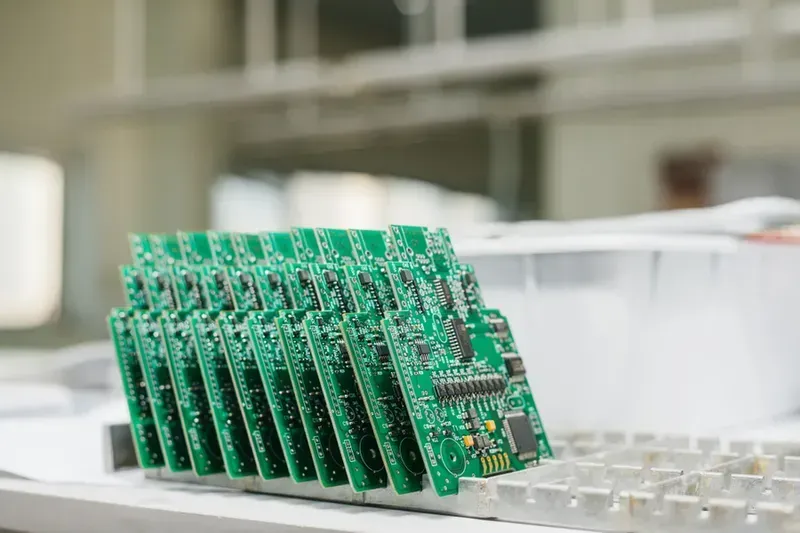
In the fast-evolving landscape of power monitoring, the ability to rapidly iterate and deploy new communication board designs is paramount. Zero One Solution Limited's rapid prototyping services offer a critical advantage, significantly accelerating the development cycle and enabling businesses to bring innovative power monitoring solutions to market with unprecedented speed. This agile approach minimizes lead times, reduces development costs, and ensures that cutting-edge technology can be swiftly integrated and validated.
| Benefit | Description | Impact on Power Monitoring Board Development |
|---|---|---|
| Speed to Market | Significantly reduces the time from design conception to product launch. | Enables quick deployment of advanced power monitoring features, gaining a competitive edge and addressing urgent market needs more effectively. Businesses can capitalize on market opportunities faster, enhancing their responsiveness to evolving energy management demands. |
| Benefit | Description | Impact on Power Monitoring Board Development |
|---|---|---|
| Cost Efficiency | Minimizes financial expenditure on early-stage design flaws and re-spins. | By identifying and rectifying design issues early through rapid prototyping, costly retooling and production delays are avoided, leading to substantial savings. This is particularly crucial for complex power monitoring boards where even minor errors can have significant financial implications. |
| Benefit | Description | Impact on Power Monitoring Board Development |
|---|---|---|
| Risk Mitigation | Reduces technical and financial risks associated with new product introduction. | Early detection of design flaws and performance issues through prototyping minimizes the risk of product failure in the field or expensive recalls. This ensures a more stable and reliable power monitoring solution is delivered, safeguarding investments and reputation. For instance, detecting EMI issues early prevents costly redesigns post-production. |
For power monitoring communication boards, achieving unwavering reliability and strict compliance with industry standards is not merely a benchmark but a fundamental necessity. These boards operate in critical environments where accurate and uninterrupted data flow is paramount for effective energy management and operational safety. Rigorous testing protocols and adherence to global certifications like UL and CE are indispensable, guaranteeing that the boards perform consistently under diverse conditions while meeting stringent safety and environmental mandates. This proactive approach minimizes risks, enhances system longevity, and fosters confidence in the entire power monitoring infrastructure.
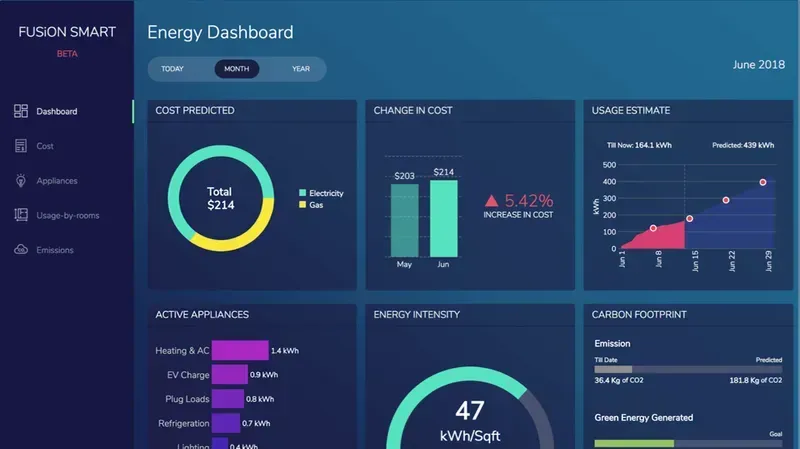
Power Monitoring Communication Boards are pivotal in numerous sectors, serving as the neural network for real-time energy insights. Their versatility enables precise control, optimization, and fault detection across a wide array of applications, fundamentally transforming how industries manage their energy consumption and distribution.
| Industry Sector | Key Application | Benefits Achieved |
|---|---|---|
| Smart Grids | Demand-side management, grid stabilization, fault detection | Improved grid reliability, reduced energy waste, enhanced load balancing |
| Industrial Automation | Machine energy consumption tracking, predictive maintenance, process optimization | Lower operational costs, increased equipment lifespan, optimized production efficiency |
| Renewable Energy Systems | Solar panel and wind turbine performance monitoring, energy storage management | Maximized energy generation, efficient battery utilization, proactive maintenance of assets |
| Building Management Systems (BMS) | HVAC energy optimization, lighting control, occupancy-based power adjustments | Significant energy savings, enhanced occupant comfort, compliance with energy efficiency standards |
| Data Centers | Rack power monitoring, server load balancing, cooling optimization | Prevention of power overloads, improved uptime, reduction in cooling energy consumption |
| Electric Vehicle (EV) Charging Infrastructure | Real-time charger status, energy billing, load management | Optimized charging schedules, accurate cost allocation, grid impact mitigation |
The pervasive utility of power monitoring communication boards underscores their essential role in modern energy management. From ensuring the stability of smart grids to optimizing the operational efficiency of industrial complexes and facilitating sustainable practices in renewable energy, these boards are critical enablers of informed decision-making and resource optimization. Zero One Solution Limited's expertise in designing robust and reliable PCBs for these applications ensures that our clients can confidently deploy solutions that meet the stringent demands of these diverse environments.
The landscape of power monitoring is rapidly evolving, driven by advancements in digital technologies and the increasing demand for energy efficiency and grid stability. Key innovations such as wireless sensor networks, edge computing, and AI-powered analytics are poised to redefine how power is monitored, managed, and optimized, profoundly impacting the design and functionality of communication boards.
| Trend | Impact on Communication Board Design | Benefit for Power Monitoring |
|---|---|---|
| Wireless Sensor Networks (WSN) | Integrated low-power wireless modules (LoRa, Zigbee), enhanced power management, robust security protocols | Reduced cabling, flexible deployment, pervasive data collection, lower installation costs |
| Edge Computing | More powerful MCUs, dedicated co-processors, local data storage | Real-time analytics, reduced latency, localized decision-making, enhanced responsiveness |
| AI-Powered Analytics | Hardware acceleration for AI/ML algorithms, larger memory for models | Predictive maintenance, anomaly detection, optimized energy consumption, improved efficiency |
| 5G Connectivity | High-speed modems, advanced antenna design, increased bandwidth | High-throughput data transmission, ultra-reliable low-latency communication, support for massive IoT deployments |
| Cybersecurity Focus | Hardware-based security modules, secure boot, encryption accelerators | Data integrity, system resilience against cyber threats, regulatory compliance |
Understanding common questions about Power Monitoring Communication Boards is crucial for effective implementation and optimization. This section addresses frequently asked questions, offering practical insights and expert guidance to navigate the complexities of these vital components in energy management systems. Zero One Solution Limited, with its deep expertise in PCB solutions, aims to clarify key aspects and alleviate concerns related to their design, functionality, and application.
For more detailed insights or specific queries regarding your power monitoring communication board requirements, feel free to connect with Zero One Solution Limited's expert team.
In conclusion, a robust power monitoring communication board solution is indispensable for organizations striving for energy efficiency, reliability, and sustainability. Zero One Solution Limited provides comprehensive PCB solutions, from design to manufacturing and assembly, tailored to meet the specific needs of your power monitoring applications. By partnering with us, you gain access to cutting-edge technology, rapid prototyping services, and a team of experts dedicated to optimizing your energy management systems. Contact Zero One Solution today to discuss your power monitoring communication board requirements and embark on a journey towards a more sustainable and cost-effective future. Share your thoughts and experiences with power monitoring solutions in the comments below!

