In our daily lives, electronic devices have become indispensable, seamlessly integrating into the very fabric of modern existence. At the heart of these technological marvels lie active electronic components, the dynamic conductors that control and amplify electrical currents to power and regulate electronic circuits. This article dives deep into understanding what constitutes active electronic components, how they differ from passive components, and what key roles they perform in contemporary electronic devices.
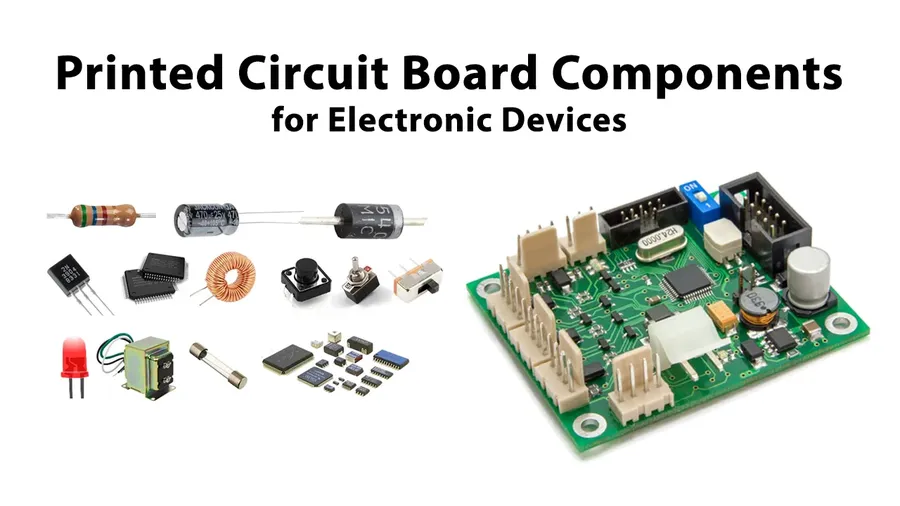
Active electronic components are the fundamental elements within electronic circuits that exhibit the capability to control electrical current flow, often utilizing an external power source to perform actions such as amplification, switching, or power conversion; they are not merely passive conduits of electrical energy but rather dynamic elements that shape circuit behavior.
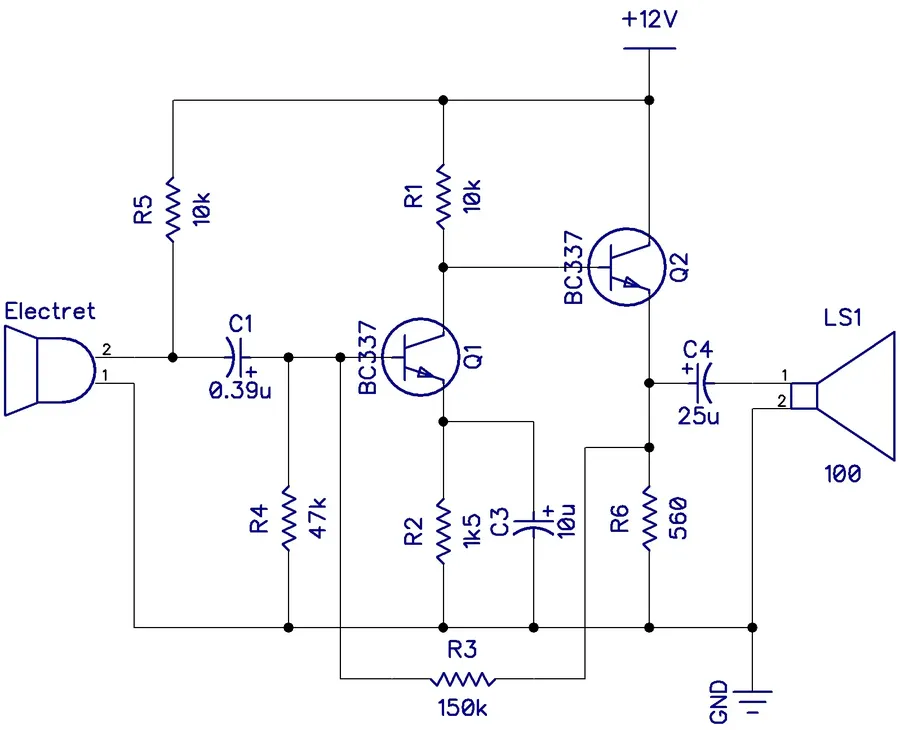
Active electronic components fundamentally differ from passive components by their ability to actively manipulate electrical energy. Rather than simply reacting to the current, active components can inject power into a circuit, amplify existing signals, and control current flow using an external power source. This capability transforms them from static circuit elements into dynamic control devices.
This active manipulation is crucial for complex electronic functions. For example, a transistor can boost a weak signal, enabling it to be processed effectively by subsequent stages of the circuit. Similarly, a diode can control the direction of current flow, which is essential for converting AC to DC power. This functionality is not available in passive components, which only store or dissipate energy.
The ability to control power levels also allows for the creation of more sophisticated electronic devices. Active components can switch signals on and off, enabling the development of complex logic circuits used in computers and microcontrollers. Furthermore, this power control ensures signal integrity by compensating for losses within the system and maintaining the appropriate voltage and current levels for different circuit stages, allowing circuits to operate in a reliable and stable way.
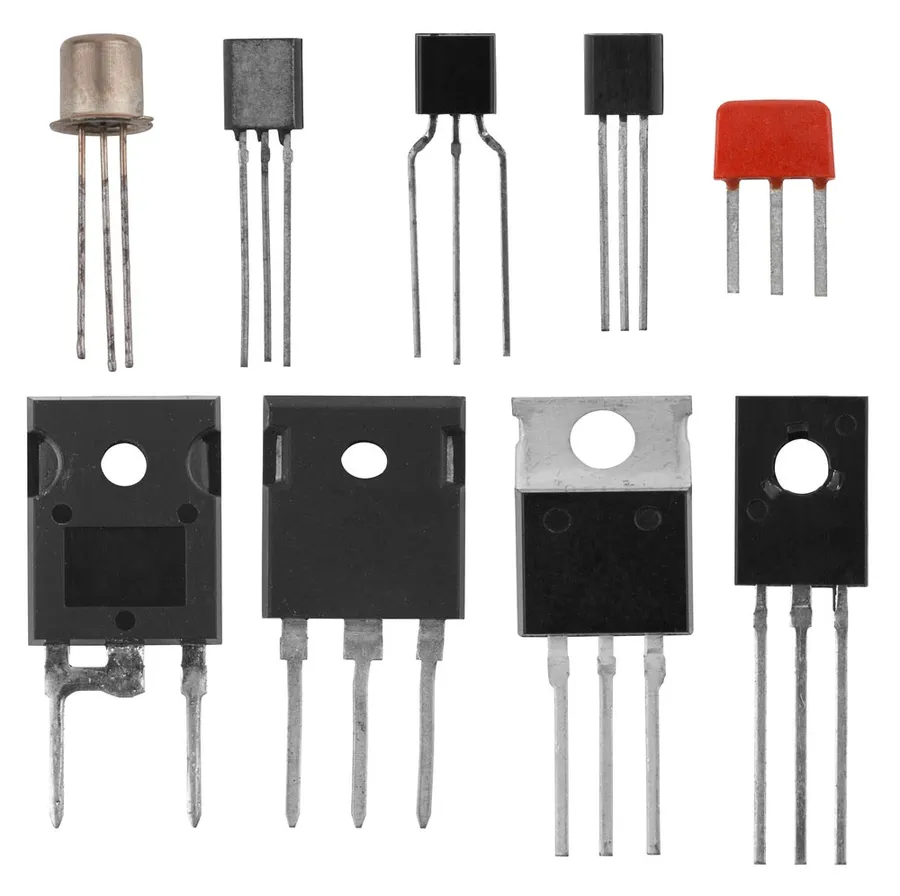
Transistors are fundamental active components in modern electronics, serving as the cornerstone for amplifying or switching electronic signals and electrical power. Their ability to control current flow makes complex circuits and electronic devices possible, forming the basis of nearly all electronic devices today. These devices operate by modulating the current between two terminals (collector and emitter in bipolar transistors, or drain and source in field-effect transistors) by applying a control signal at a third terminal (base or gate). This control enables both amplification, where a weak signal is made stronger, and switching, where the transistor acts like an electronic switch, turning current on or off.
There are two main types of transistors: Bipolar Junction Transistors (BJTs) and Field-Effect Transistors (FETs). Each type has its unique advantages and characteristics.
| Feature | Bipolar Junction Transistor (BJT) | Field-Effect Transistor (FET) |
|---|---|---|
| Control Mechanism | Current-controlled (base current controls collector current) | Voltage-controlled (gate voltage controls drain current) |
| Input Impedance | Lower input impedance | High input impedance |
| Polarity | NPN or PNP | N-channel or P-channel (MOSFETs can also be enhancement or depletion mode) |
| Applications | Amplifiers, switches, and digital logic circuits | Amplifiers, switches, digital logic, and power management circuits |
| Gain | Generally high current gain | Generally high voltage gain |
Within these types, various specific implementations exist such as NPN and PNP BJTs, and MOSFETs (Metal-Oxide-Semiconductor FETs), JFETs (Junction FETs). MOSFETs are by far the most common transistors in modern integrated circuits. Understanding these fundamental differences is essential for designing and troubleshooting electronic circuits.
Transistors are essential to modern electronics, allowing circuits to perform calculations, store data, and control complex systems, their diverse applications ranging from simple amplifiers to intricate microprocessors.
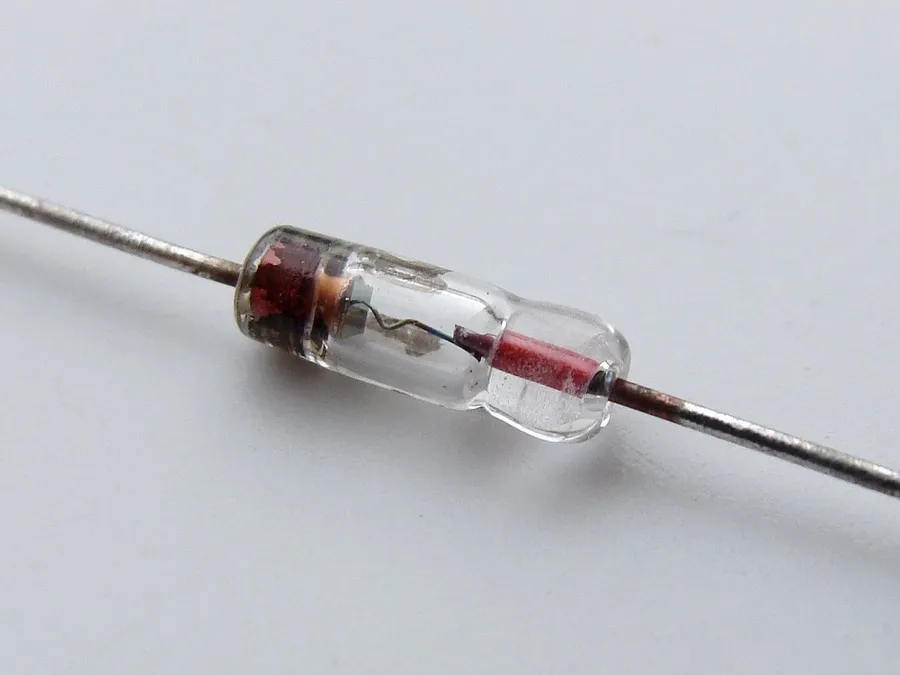
Diodes are fundamental active electronic components that act as one-way electrical valves, selectively permitting current flow in a single direction while impeding it in the opposite direction. This unidirectional conductivity is crucial for various circuit functions, including rectification, signal modulation, and voltage regulation. Their non-linear behavior makes them indispensable in modern electronics.
The core function of a diode is facilitated by a p-n junction, which is formed when a p-type semiconductor (with an excess of holes) is joined with an n-type semiconductor (with an excess of free electrons). This junction creates a depletion region that acts as a barrier to current flow, but only in one direction.
| Diode Type | Function | Key Characteristics | Applications |
|---|---|---|---|
| Rectifier Diode | Converts AC to DC | High forward current capacity, moderate reverse breakdown voltage | Power supplies, battery chargers |
| Zener Diode | Regulates voltage at a specific level | Operates in the reverse breakdown region to provide a stable reference voltage | Voltage regulation, surge protection |
| Schottky Diode | Fast switching, low forward voltage drop | Metal-semiconductor junction with minimal charge storage | High-speed switching circuits, RF applications |
| Light Emitting Diode (LED) | Emits light when current passes through it | Forward voltage dependent on emission color, high efficiency | Displays, lighting, optical communication |
| Photodiode | Converts light into electrical current | Current flow increases with incident light intensity | Light sensing, optical communication, solar cells |
| Varactor Diode | Variable capacitance based on reverse voltage | Capacitance changes with applied voltage | Tuning circuits, voltage-controlled oscillators |
Diodes are not just simple on-off switches; their diverse types offer specialized functionalities, demonstrating their vital role in manipulating electrical current for various electronic applications.
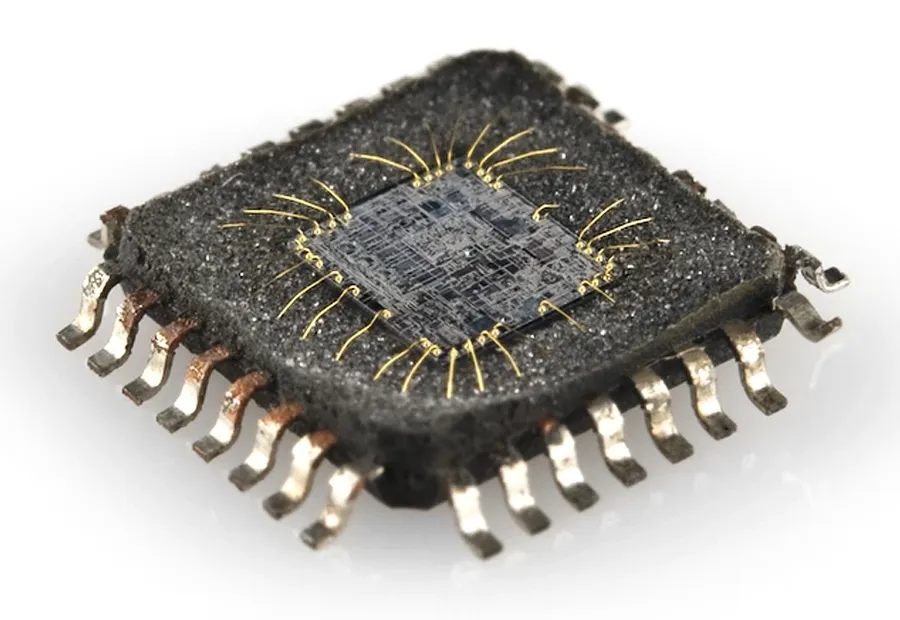
Integrated Circuits (ICs) represent a pinnacle of electronic miniaturization and complexity, integrating numerous electronic circuits onto a single, small semiconductor chip. This innovation has revolutionized electronics by enabling more functionality in smaller packages, drastically reducing size, cost, and power consumption while simultaneously boosting the performance of electronic devices.
ICs are the foundation of modern electronics, ranging from simple logic gates to complex microprocessors. Their capability to integrate various circuit functions makes them versatile and integral to a wide array of applications.
| IC Type | Description | Common Applications |
|---|---|---|
| Operational Amplifiers (Op-Amps) | High-gain voltage amplifiers used in signal conditioning and amplification. | Amplifiers, filters, comparators |
| Microcontrollers (MCUs) | Small, programmable computers on a chip that control various electronic devices. | Embedded systems, industrial control, consumer electronics |
| Logic Gates (AND, OR, NOT) | Basic digital building blocks used to perform logical operations. | Digital circuits, processors, memory devices |
| Memory ICs (RAM, ROM) | ICs that store digital information. | Computers, embedded systems, data storage |
| Power Management ICs (PMICs) | ICs that regulate power supply. | Smartphones, laptops, battery-powered devices |
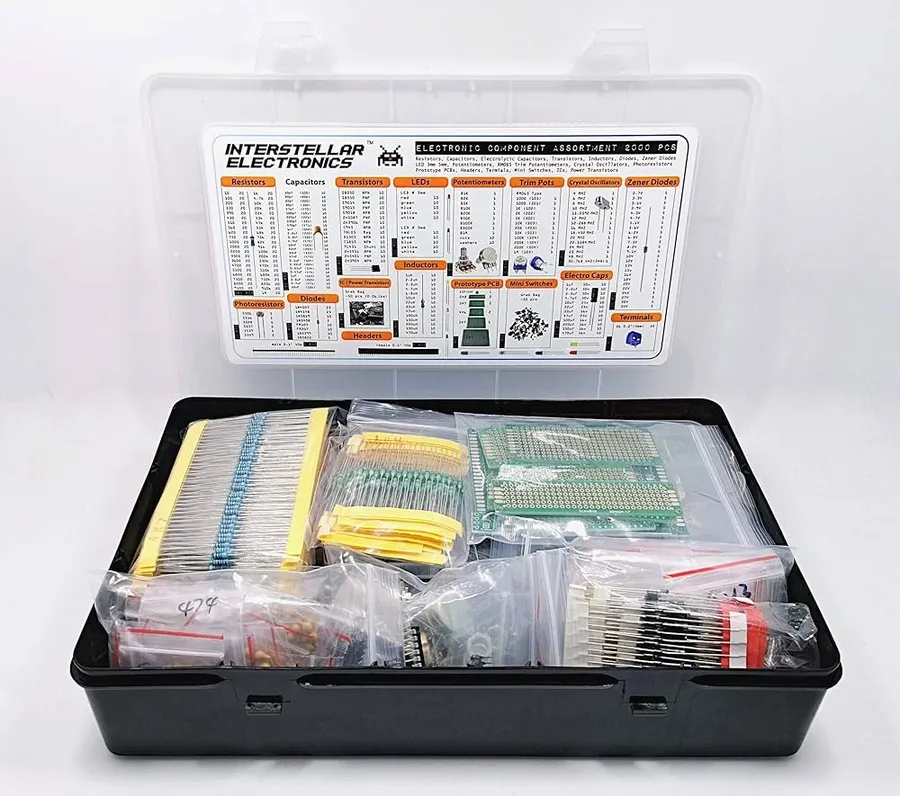
Beyond transistors, diodes, and integrated circuits, several other active components play crucial roles in specific electronic applications. These include vacuum tubes, optoelectronic devices, and displays, each leveraging unique physical phenomena to control or manipulate electrical signals.
Understanding the fundamental differences between active and passive electronic components is crucial for effective circuit design. Active components, unlike their passive counterparts, can control current flow, amplify signals, and introduce energy into a circuit, exhibiting dynamic behavior that is essential for complex electronic functions. Passive components, on the other hand, primarily manage energy without providing gain or control.
| Feature | Active Components | Passive Components |
|---|---|---|
| Function | Control current flow, amplify signals, provide power gain | Store, dissipate, or manage energy without gain |
| Power Source | Requires an external power source for operation | Does not require an external power source to function |
| Energy Manipulation | Can introduce energy into a circuit | Cannot introduce energy into a circuit |
| Circuit Role | Dynamic elements; control and shape electrical signals | Static elements; influence current and voltage characteristics |
| Examples | Transistors, diodes, integrated circuits (ICs), vacuum tubes | Resistors, capacitors, inductors, transformers |
This section addresses common inquiries about active electronic components, providing clear and concise answers to enhance understanding and dispel common misconceptions.
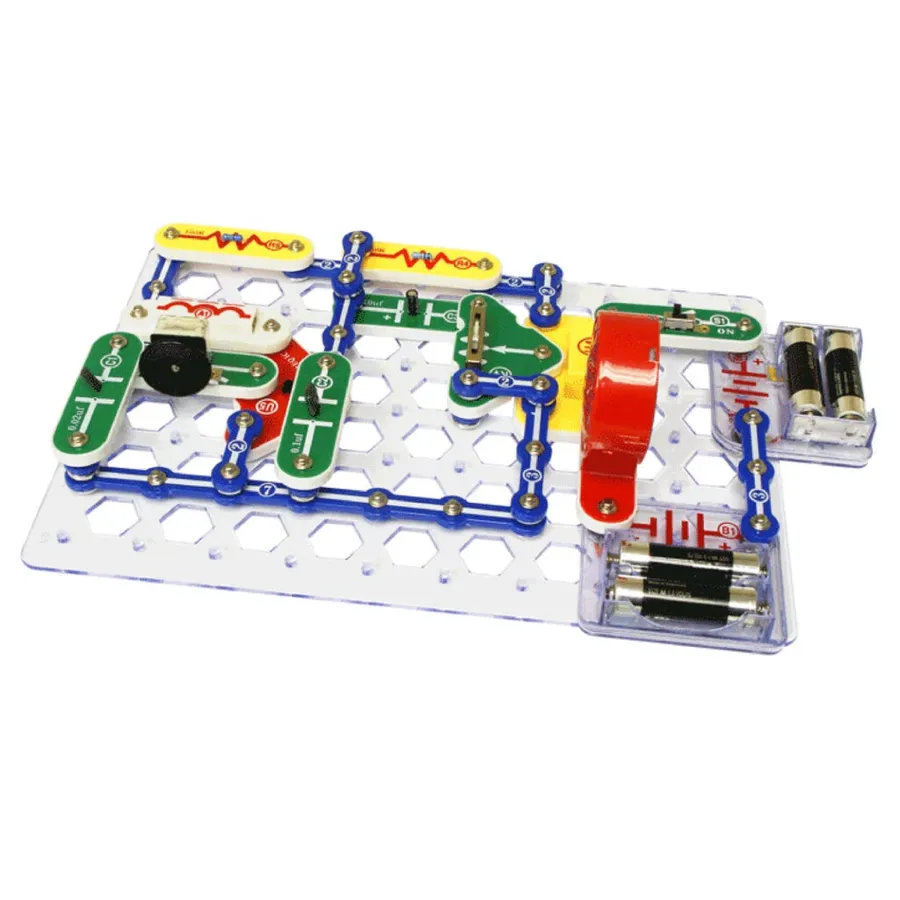
Selecting appropriate active electronic components is crucial for the success of any electronics project. The ideal choice hinges on a careful analysis of the project's specific requirements, including power needs, signal characteristics, and the desired functionality. This section serves as a practical guide to navigating these considerations, ensuring a well-matched selection of components for optimal project performance.
Active electronic components are the driving force behind all electronic devices, and with a clear understanding of transistors, diodes, and integrated circuits, one can unlock the potential to create the next generation of devices. From power management to signal processing, these dynamic elements offer a world of opportunities and are crucial for anyone seeking to advance their knowledge in electrical engineering and electronics.

