
In today's global electronics landscape, the shift toward sustainability is no longer just a corporate social responsibility initiative—it is a critical business strategy. As halogenated flame retardants face increasing scrutiny from global regulators, manufacturers are re-evaluating their material choices. This article explores how halogen-free laminates offer a measurable return on investment through superior thermal performance, reduced regulatory exposure, and long-term cost optimization.
The Evolution of PCB Material Standards
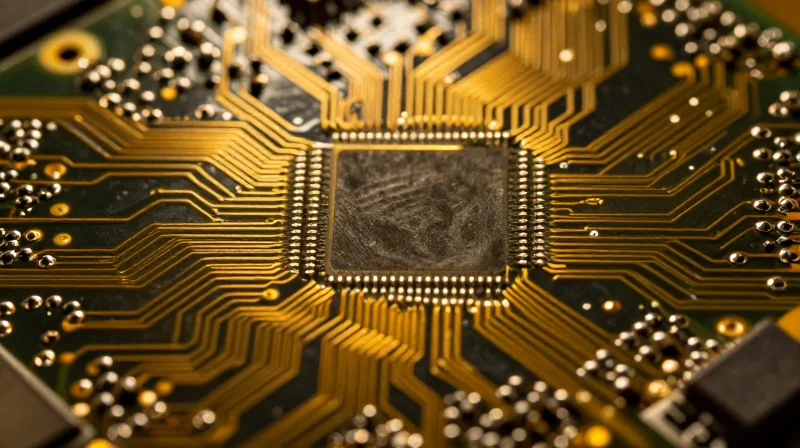
The Historical Context of Halogenated Flame Retardants
For decades, brominated flame retardants (BFRs), such as Tetrabromobisphenol A (TBBPA), served as the industry standard for achieving the necessary UL 94 V-0 flammability ratings. These materials provided excellent thermal stability and fire resistance at a relatively low cost, facilitating the rapid growth of high-density consumer electronics. However, the legacy of these chemicals—specifically the potential for toxic byproduct formation during incineration or thermal degradation—eventually brought them under intense scrutiny from environmental agencies and global health organizations.
Regulatory Drivers and Market Transition
The shift toward halogen-free standards was not purely voluntary. Legislative frameworks, such as the EU's REACH (Registration, Evaluation, Authorisation and Restriction of Chemicals) and the RoHS (Restriction of Hazardous Substances) Directive, served as the catalysts for innovation. Companies began seeking phosphorus-based or nitrogen-based flame retardants that could deliver comparable performance without the environmental risks associated with halogens.
| Feature | Halogenated Materials (e.g., FR-4) | Halogen-Free Materials |
|---|---|---|
| Flame Retardant Type | Bromine/Chlorine-based | Phosphorus/Nitrogen-based |
| Thermal Stability | High | Very High |
| Regulatory Risk | High (Subject to restriction) | Low (Standard compliant) |
| Processing Difficulty | Low | Moderate (Requires process adjustment) |
Key Considerations for Industry Adoption
- Why is the industry moving away from TBBPA?
Beyond regulatory bans, there is increased demand for a 'greener' supply chain, as OEMs aim to reduce their overall environmental impact to meet ESG reporting standards. - Do halogen-free PCBs compromise board performance?
Modern halogen-free laminates have evolved to match or exceed the glass transition temperature (Tg) and peel strength of traditional FR-4, often offering better reliability for lead-free assembly cycles. - How do legislative trends influence material selection?
As international standards tighten, choosing halogen-free materials protects manufacturers against the risk of future product recalls or sudden market access restrictions.
Quantifying the Environmental Liability Risk
The Financial Burden of Environmental Non-Compliance
The use of halogenated flame retardants, such as tetrabromobisphenol A (TBBPA), is increasingly viewed as a legacy liability. Beyond the direct material cost, the environmental footprint creates a compounding risk profile through regulatory fines, market access barriers, and potential cleanup liabilities. Quantifying this risk requires shifting from a simple procurement perspective to a Total Cost of Risk (TCoR) model that accounts for the volatility of environmental legislation in regions like the EU, China, and North America.
| Risk Category | Financial Impact | Strategic Implication |
|---|---|---|
| Regulatory Penalties | High | Fines and forced product recalls |
| Supply Chain Disruption | Medium | Dependency on non-compliant suppliers |
| Brand Reputation | Very High | Loss of ESG-focused institutional capital |
| End-of-Life Liability | High | Extended Producer Responsibility (EPR) fees |
Navigating International Regulatory Exposure
International environmental mandates are pivoting toward strict restriction of halogenated substances. Companies failing to transition to halogen-free PCBs face 'stranded assets' where existing inventory becomes legally unsellable in major markets. This legal exposure is best quantified as a depreciation of inventory value based on the velocity of legislative change.
- What defines the cost of legal non-compliance?
It comprises direct regulatory fines, administrative overhead for certification reporting, and the catastrophic cost of forced market withdrawals due to hazardous waste classification. - How do halogenated materials impact ESG scores?
Institutional investors use the presence of restricted substances as a negative indicator for corporate sustainability, which can lead to higher cost of capital and reduced stock valuations. - Does switching to halogen-free mitigate long-term litigation risk?
Yes, it creates a 'compliance buffer' that isolates the company from retroactive environmental liability claims and shifts the supply chain toward circular economy standards.
Enhancing Thermal Reliability and Performance
Thermal Integrity in Lead-Free Assembly
Transitioning to halogen-free laminates significantly improves the thermal footprint of modern electronics by offering superior glass transition temperature (Tg) and decomposition temperature (Td) profiles. These materials are engineered to withstand the higher peak temperatures necessitated by lead-free soldering processes, such as SAC305, which typically require reflow temperatures exceeding 245°C. By mitigating delamination and pad lifting, halogen-free substrates protect the structural integrity of high-density interconnects.
| Parameter | Standard FR-4 (Halogenated) | Halogen-Free Laminate |
|---|---|---|
| Glass Transition (Tg) | 130°C - 150°C | 170°C - 180°C |
| Decomposition Temp (Td) | 300°C - 310°C | 340°C - 360°C |
| CTE (Z-axis) Performance | Moderate/High | Low (Superior) |
Addressing Thermal Stress and Reliability
Thermal fatigue often manifests as via cracking or conductive anodic filament (CAF) growth. Halogen-free resins often exhibit a lower Coefficient of Thermal Expansion (CTE) in the Z-axis, which is critical for complex multi-layer boards. By reducing the expansion mismatch between the copper barrel and the resin matrix, engineers can achieve significantly higher reliability in thermal cycling tests, directly translating to fewer field returns and higher lifecycle ROI.
- How do halogen-free materials handle reflow heat?
They generally feature a higher Td (Decomposition Temperature), allowing the board to maintain structural rigidity during multiple high-heat lead-free reflow cycles. - Does halogen-free mean better CAF resistance?
Yes, many halogen-free resin systems are specifically formulated with enhanced ionic purity, which significantly increases resistance to Conductive Anodic Filament growth in high-humidity, high-bias environments. - Is the thermal performance worth the higher raw material cost?
When calculated against the cost of field failures, rework, and potential liability, the superior thermal stability of halogen-free materials provides a positive ROI through extended product lifespan and reduced RMA rates.
Streamlining Global Regulatory Compliance
Reducing Administrative Overhead in Compliance
The transition to halogen-free materials is not merely a technical upgrade; it is a strategic maneuver to decouple supply chain operations from the compounding costs of environmental oversight. Manufacturers utilizing halogen-based flame retardants often face rigorous documentation requirements, including substance-of-concern declarations and complex supply chain audits to prove compliance with global mandates like RoHS and REACH.
| Requirement Type | Halogenated PCB Impact | Halogen-Free PCB Impact |
|---|---|---|
| Material Testing | Frequent high-cost lab verification | Minimal testing required |
| Compliance Audits | Extensive trace-back documentation | Streamlined, automated compliance |
| Market Access | Regional regulatory hurdles | Global regulatory alignment |
Navigating International Environmental Directives
As regional environmental agencies strengthen their definitions of 'hazardous,' halogen-free boards serve as a future-proofing mechanism. By proactively moving beyond legacy standards, firms avoid the 'compliance lag' that occurs when new legislation—such as updates to the EU's REACH Annex XVII—renders existing halogenated designs non-compliant, forcing expensive, emergency supply chain re-engineering.
Frequently Asked Questions on Regulatory Compliance
- Do halogen-free PCBs guarantee total compliance?
While they significantly simplify compliance with flame retardancy mandates, they must still meet other criteria, such as lead-free (Pb-free) requirements under RoHS, to be fully compliant. - How does this reduce audit costs?
By utilizing verified halogen-free materials, manufacturers can significantly reduce the frequency and scope of chemical testing required to certify finished goods for shipment to restricted markets. - Does this simplify REACH reporting?
Yes, it eliminates the need for tracking specific brominated flame retardants in your bill of materials, which are frequent targets for ongoing regulatory scrutiny and restriction under REACH.
Supply Chain Stability and Future-Proofing

Mitigating Regulatory and Geopolitical Volatility
The electronics industry is increasingly sensitive to sudden shifts in environmental legislation. As global bodies tighten restrictions on brominated flame retardants, companies relying on legacy halogenated materials face the constant risk of unplanned product redesigns and sudden market exclusion. By standardizing on halogen-free PCBs, manufacturers effectively decouple their production cycles from the threat of retroactive bans, ensuring uninterrupted access to major markets such as the EU and parts of Asia.
Supply Chain Continuity Comparison
| Risk Factor | Halogenated PCB Strategy | Halogen-Free PCB Strategy |
|---|---|---|
| Regulatory Shift | High risk of forced redesigns | Future-proofed compliance |
| Supplier Availability | Subject to legacy phase-outs | Growing ecosystem of suppliers |
| Audit Complexity | High administrative burden | Streamlined certification |
Strategic Future-Proofing FAQs
- Does switching to halogen-free materials disrupt existing assembly lines?
No, most modern halogen-free laminates are designed for drop-in compatibility, requiring minimal adjustments to thermal profiles or chemical processing. - How does this choice impact long-term procurement reliability?
Halogen-free materials are becoming the industry standard, meaning that sourcing from a wider range of global suppliers is increasingly easier and more stable than maintaining niche halogenated supplies. - Is the transition to halogen-free materials purely for environmental compliance?
While environmental compliance is the driver, the true value lies in operational continuity and the elimination of 'compliance debt' that often plagues companies forced to pivot during a crisis.
Cost-Benefit Analysis: Total Cost of Ownership
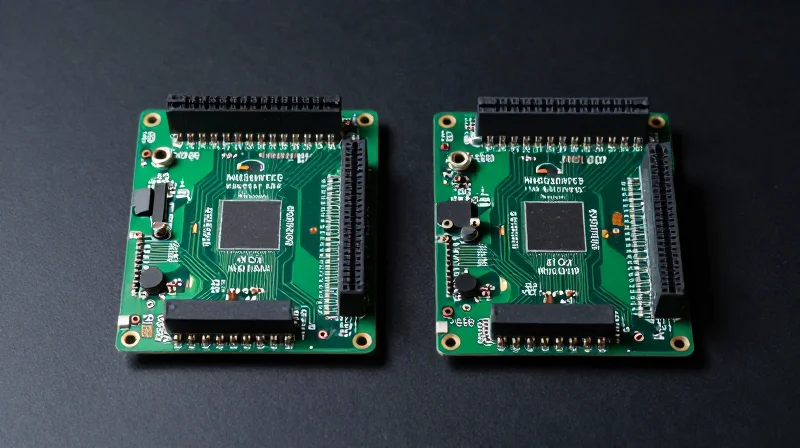
Beyond Unit Price: The True Cost of Ownership
While halogen-free laminates often carry a 5-15% price premium over traditional brominated FR-4 boards, this upfront differential is frequently offset by significant gains in manufacturing throughput and decreased liability. Total Cost of Ownership (TCO) analysis shifts the focus from simple procurement costs to the lifecycle performance of the electronic assembly.
| Cost Factor | Traditional Halogenated PCB | Halogen-Free PCB |
|---|---|---|
| Material Procurement | Baseline (Low) | 1.1x - 1.15x |
| Manufacturing Yield | Lower due to delamination risks | Higher thermal stability |
| Regulatory Compliance | High testing/reporting burden | Streamlined documentation |
| Field Failure Rates | Moderate | Low (Superior reliability) |
Economic Drivers of ROI
- Improved Thermal Performance
Halogen-free substrates typically exhibit higher glass transition temperatures (Tg) and improved coefficients of thermal expansion (CTE), significantly reducing board warping and solder joint fatigue during intensive lead-free reflow processes. - Insurance and Liability Mitigation
Organizations utilizing halogen-free materials often see lower insurance premiums due to reduced fire toxicity risks and enhanced compliance with stringent environmental mandates, effectively lowering the financial profile of potential product liability claims. - Lower Lifecycle Compliance Costs
Proactive adoption removes the administrative expense of managing material declarations for evolving environmental standards, ensuring that supply chains remain uninterrupted by sudden regulatory shifts.
Calculating the Break-Even Point
To calculate the break-even point for your transition, consider the 'Cost of Quality' formula: (Total Scrap Cost + Warranty Claims + Regulatory Audit Expenses) / Total Units Produced. Companies consistently report that the higher cost of halogen-free materials is recouped within the first 12 months through lower rework rates and the elimination of non-compliance-related supply chain disruptions.
Implementing a Transition Strategy
Phased Integration Roadmap
Successfully transitioning to halogen-free (HF) materials requires a calculated, risk-mitigated approach rather than a wholesale swap. Engineers should begin by identifying non-critical product lines or high-volume legacy boards where the impact of minor process adjustments can be easily monitored and documented. The goal is to establish baseline performance metrics under new thermal parameters before committing high-complexity, multi-layer designs to the new substrate.
| Implementation Stage | Primary Objective | Key Deliverable |
|---|---|---|
| Phase 1: Validation | Thermal Profile Testing | Revised Reflow Parameters |
| Phase 2: Pilot | Small Batch Verification | Yield & Reliability Data |
| Phase 3: Rollout | Mass Production Scaling | Supply Chain Transition |
Technical Considerations for Procurement and Engineering
- How do I handle the reflow temperature shift?
Halogen-free resins often exhibit higher Tg (glass transition temperatures). Verify that your current reflow profiles sufficiently account for these materials to prevent delamination or internal pad lifting during assembly. - Will my current solder paste work with HF boards?
In most cases, yes. However, verify the wetting characteristics on the new substrate, as the surface energy may differ slightly from traditional FR-4 boards. Conduct a test run to ensure optimal solder joint formation. - How can I maintain supply chain continuity during the swap?
Implement a dual-sourcing strategy. Keep existing halogenated suppliers as a contingency while qualifying at least two vendors capable of providing IPC-4101 compliant halogen-free laminates.
Minimizing Operational Disruption
To ensure long-term ROI, documentation is paramount. Establish a standardized library of 'Green-Qualified' components to prevent mixed-material contamination on the production floor. By correlating material specifications with batch performance data, procurement managers can demonstrate to stakeholders that the transition is not merely a regulatory exercise but a strategic optimization of the total cost of ownership.
The Competitive Advantage of Sustainable Electronics

Leveraging Green Standards for Market Access
The shift toward halogen-free printed circuit boards is no longer purely an environmental initiative; it is a fundamental driver of competitive advantage. Companies that proactively integrate these materials position themselves as leaders in ESG compliance, effectively neutralizing the risk of product obsolescence in regions with stringent environmental mandates. This commitment acts as a high-barrier-to-entry asset, particularly when competing for contracts in the automotive, medical, and aerospace sectors where reliability and ecological transparency are non-negotiable requirements.
Strategic Differentiation and ROI
| Competitive Driver | Impact on Market Position | ROI Manifestation |
|---|---|---|
| Brand Reputation | Industry Leader Status | Premium Pricing Power |
| Regulatory Resilience | Future-Proof Compliance | Avoidance of Market Exit |
| Supply Chain Stability | Eco-Conscious Partnership | Preferential Vendor Tiers |
Frequently Asked Questions
- Does halogen-free certification influence procurement tenders?
Increasingly, Tier-1 OEMs and governmental procurement bodies mandate environmental transparency. Holding certifications for halogen-free production acts as a significant 'check-box' that accelerates qualification processes. - How does sustainability reporting impact valuation?
Investors heavily weight ESG (Environmental, Social, and Governance) scores. Demonstrating a reduction in hazardous substances like halogenated flame retardants directly improves your sustainability rating, which correlates with better access to capital and lower borrowing costs. - Can sustainable materials support high-performance demands?
Modern halogen-free laminate technologies offer thermal performance and signal integrity equal to or exceeding traditional FR-4 boards, ensuring that the commitment to green standards does not require a sacrifice in product technical capability.
Transitioning to halogen-free PCB laminates is a strategic move that pays dividends in both reliability and operational efficiency. By prioritizing sustainable materials, your company can reduce environmental liability while simultaneously optimizing production performance. Ready to evaluate how halogen-free materials can integrate into your product roadmap? Contact our engineering team today for a comprehensive material feasibility assessment.
