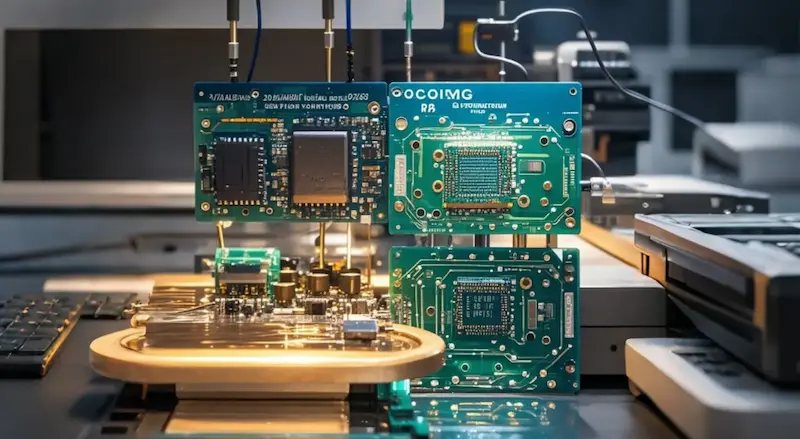
In the rapidly evolving landscape of industrial automation, the demand for efficient and reliable data acquisition and control is paramount. Remote I/O (Input/Output) modules stand as critical components, enabling distributed control architectures that enhance flexibility, reduce wiring complexity, and improve system scalability. However, the performance and longevity of these vital modules hinge significantly on the quality and precision of their Printed Circuit Board (PCB) solutions. At Zero One Solution Limited, founded in 2011, we understand these critical needs. Leveraging our expertise in rapid prototyping and one-stop PCB services from design to assembly, we empower innovators to build the next generation of industrial control systems. This article delves into the intricacies of Remote I/O Module PCB solutions, highlighting how our tailored approach delivers the reliability and performance industrial applications demand.
Understanding Remote I/O Modules: The Backbone of Industrial Automation
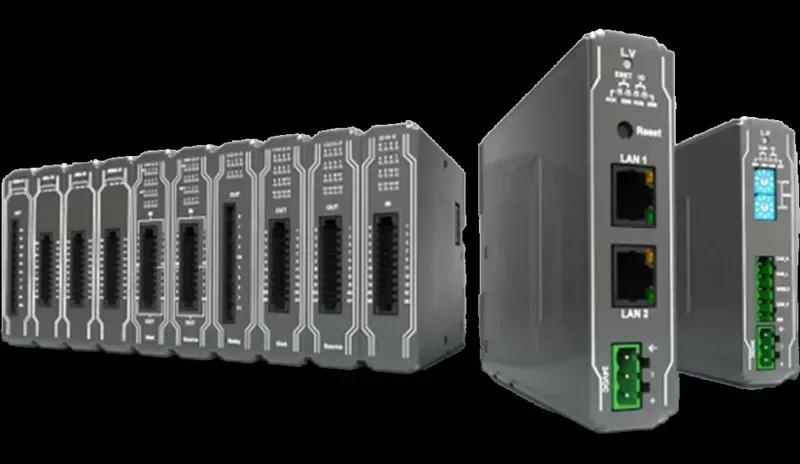
Remote I/O Module
Remote I/O modules are indispensable components in modern industrial automation, acting as the vital link between physical sensors and actuators on the plant floor and the central control system. Their fundamental role in distributed control architectures allows for flexible, scalable, and efficient data acquisition and control, moving away from cumbersome, expensive centralized wiring. These modules are crucial for enhancing operational efficiency and reliability in complex industrial environments, enabling real-time monitoring and precise control of processes across vast geographical or structurally challenging areas.
What is a Remote I/O Module? A Remote I/O module is a device that allows for the distributed acquisition and control of input/output signals in industrial automation systems, separating the physical I/O from the central controller (e.g., PLC, DCS). It communicates with the main controller via a fieldbus or industrial Ethernet protocol, simplifying wiring and reducing installation costs over long distances. These modules convert analog or digital signals from sensors and actuators into network-compatible data, and vice versa.
How do Remote I/O Modules enhance industrial automation? Remote I/O modules significantly enhance industrial automation by providing modularity, flexibility, and scalability. They enable I/O points to be located closer to sensors and actuators, minimizing signal degradation, noise, and wiring complexity. This distributed approach improves system responsiveness, simplifies troubleshooting, and allows for easier expansion or modification of control systems without extensive rewiring, leading to improved system reliability and reduced downtime.
What are the advantages of distributed I/O systems over traditional centralized control? Distributed I/O systems offer several key advantages. They drastically reduce the amount of parallel wiring, leading to lower installation costs and faster commissioning. They improve system diagnostics by localizing fault points, making maintenance more efficient. Furthermore, their modular nature allows for greater scalability and flexibility in system design, adapting easily to changing production needs. This contrasts with centralized systems that are often rigid, complex to wire, and difficult to expand.
In what environments are Remote I/O Modules typically deployed? Remote I/O modules are typically deployed in harsh industrial environments where robust performance and reliable data transmission are critical. This includes manufacturing plants, oil and gas facilities, power generation stations, water treatment plants, and transportation systems. Their design often incorporates features like wide operating temperature ranges, vibration resistance, and protection against dust and moisture (IP ratings) to ensure stable operation in challenging conditions.
What communication protocols do Remote I/O Modules commonly use? Remote I/O modules commonly utilize a variety of industrial communication protocols to interact with central controllers. Popular fieldbus protocols include PROFIBUS, DeviceNet, Modbus RTU, and AS-Interface. For industrial Ethernet, common protocols are PROFINET, EtherNet/IP, EtherCAT, and Modbus TCP/IP. The choice of protocol often depends on the specific application requirements, network infrastructure, and compatibility with existing control systems, each offering different speeds, data capacities, and real-time capabilities.
Key Design Considerations for Remote I/O Module PCBs
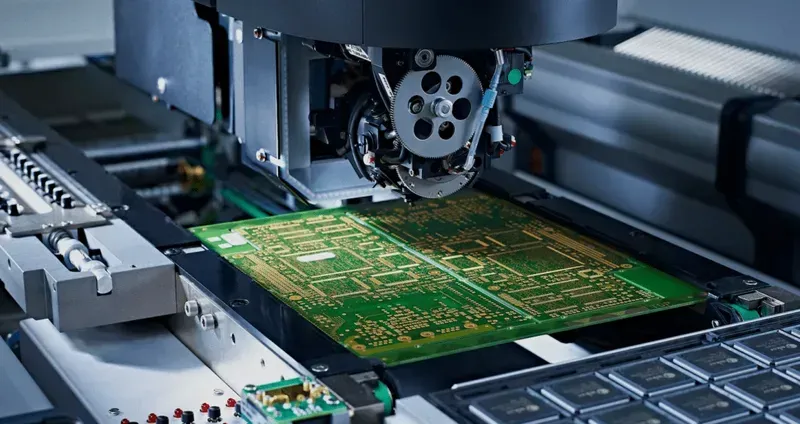
Industrial Automation PCB Design
Designing Printed Circuit Boards (PCBs) for Remote I/O Modules demands meticulous attention to specific engineering principles to ensure their reliable operation and longevity within challenging industrial environments. The foundational objective is to create a PCB that not only facilitates seamless data acquisition and control but also withstands electromagnetic interference, manages heat effectively, and maintains signal integrity across diverse operational conditions. This section dissects the critical design considerations that underpin the development of robust and high-performance industrial automation PCBs.
Signal Integrity (SI) Maintaining signal integrity is paramount for accurate data transmission in Remote I/O Modules. This involves careful impedance control, minimizing crosstalk between traces, and optimizing trace lengths and routing to prevent signal degradation, reflections, and timing issues. High-speed digital and analog signals must be treated with precision to avoid data corruption and ensure reliable communication over industrial networks. Techniques like differential pair routing and proper termination are essential.
EMI/EMC Compliance Electromagnetic Interference (EMI) and Electromagnetic Compatibility (EMC) are critical concerns in industrial settings. PCB designs must incorporate robust shielding, proper grounding schemes, and filtering techniques to minimize radiated and conducted emissions, while also ensuring the module's immunity to external electromagnetic noise. This includes careful component placement, ground plane design, and selection of appropriate passive components to mitigate interference and ensure operational stability in noisy environments.
Power Delivery Network (PDN) Design A stable and efficient power delivery network is crucial for the consistent operation of Remote I/O Modules. This involves optimizing power planes and traces to minimize voltage drop, noise, and ripple, ensuring clean power reaches all components. Decoupling capacitors must be strategically placed to filter out high-frequency noise and provide transient current. Robust PDN design prevents brownouts and ensures reliable performance under varying load conditions.
Thermal Management Industrial environments often involve wide temperature fluctuations. Effective thermal management on the PCB is vital to prevent overheating, which can lead to component failure and reduced module lifespan. This includes optimizing component placement to distribute heat, utilizing thermal vias, heat sinks, and appropriate PCB materials with good thermal conductivity. Simulation tools are often employed to identify hotspots and optimize heat dissipation strategies.
Material Selection and Manufacturing Techniques for Industrial-Grade PCBs
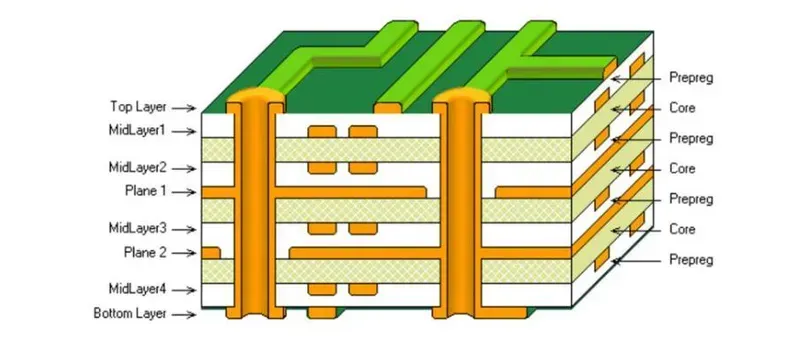
Multi-Layer PCB Manufacturing
The foundation of a reliable Remote I/O Module PCB lies in the meticulous selection of materials and the application of advanced manufacturing techniques. Industrial environments impose severe demands, requiring PCBs that can withstand extreme temperatures, vibrations, humidity, and chemical exposure. Therefore, choosing the right substrate, copper foil, and solder mask, coupled with precise fabrication processes, is paramount to ensuring the longevity, performance, and robustness of remote I/O PCB solutions.
What are the primary material considerations for Remote I/O Module PCBs? For Remote I/O Module PCBs, the primary material considerations revolve around thermal stability, mechanical strength, and electrical performance. High-Tg (Glass Transition Temperature) laminates like certain FR-4 variants are critical for applications involving high temperatures or significant thermal cycling, as they maintain dimensional stability and electrical properties better than standard FR-4. The dielectric constant and loss tangent are also vital for high-speed signal integrity, ensuring minimal signal degradation across the module. Specialized materials may also be considered for enhanced chemical resistance or flame retardancy depending on the specific industrial application environment.
Zero One Solution Limited's Expertise in Remote I/O PCB Development
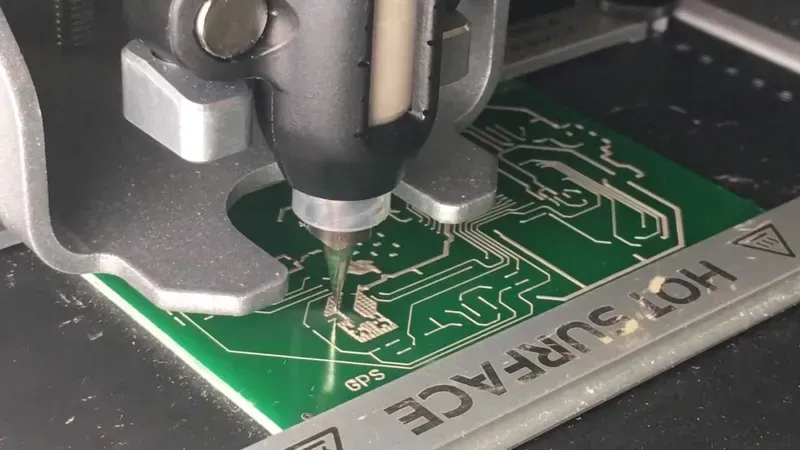
PCB Rapid Prototyping Service
At Zero One Solution Limited, our expertise in Remote I/O PCB development stems from a profound understanding of industrial automation demands and a decade-long commitment to precision engineering. We specialize in transforming complex functional requirements into robust, high-performance PCB solutions for remote I/O modules, empowering industries to achieve unparalleled efficiency and reliability in their distributed control systems. Our integrated approach ensures that every PCB not only meets but exceeds the stringent standards required for harsh industrial environments, establishing us as a leading partner for custom I/O module development.
Rapid Prototyping for Accelerated Time-to-Market We offer industry-leading rapid prototyping services, significantly compressing the development cycle for your Remote I/O module PCBs. This agility allows for quick iterations, rigorous testing, and validation of designs, ensuring your innovative solutions reach the market faster and seize competitive advantages. Our streamlined process from design to manufacturing minimizes lead times without compromising quality.
One-Stop Solution for Seamless Development Zero One Solution Limited provides a comprehensive one-stop service, encompassing PCB design, manufacturing, and assembly. This integrated approach eliminates the complexities of managing multiple vendors, ensuring seamless communication, consistent quality control, and optimized project timelines. Our end-to-end capabilities guarantee that your Remote I/O PCB project is handled with utmost efficiency and expertise from conception to final production.
Precision Engineering and Quality Assurance Our commitment to precision engineering is evident in every Remote I/O PCB we produce. Leveraging advanced manufacturing techniques, state-of-the-art equipment, and rigorous quality control protocols, we ensure superior signal integrity, thermal management, and EMI/EMC compliance. Each PCB undergoes meticulous inspection and testing to guarantee optimal performance and long-term reliability in demanding industrial applications.
Specialization in Industrial-Grade PCB Solutions With over a decade of experience, we possess deep specialization in crafting industrial-grade PCBs capable of withstanding extreme temperatures, vibrations, and electromagnetic interference. Our material selection process prioritizes high-Tg laminates and durable substrates, coupled with impedance control and multi-layer designs, to deliver Remote I/O PCBs that are inherently robust and perform reliably in the most challenging operational environments.
Capability
Description
Benefit for Remote I/O PCBs
DFM (Design for Manufacturability)
Proactive design review to optimize for efficient and cost-effective manufacturing.
Reduces production costs and accelerates manufacturing cycles for complex I/O modules.
High-Density Interconnect (HDI)
Advanced PCB technology enabling higher component density and improved electrical performance.
Supports compact form factors and enhanced signal integrity for sophisticated Remote I/O designs.
Conformal Coating & Potting
Application of protective layers to shield PCBs from moisture, dust, and chemicals.
Extends the lifespan and reliability of Remote I/O modules in harsh industrial settings.
Automated Optical Inspection (AOI)
Automated visual inspection of PCBs for defects, component placement, and solder joint quality.
Ensures unparalleled quality and minimizes defects in every manufactured Remote I/O PCB.
Advantages of Partnering with Zero One Solution Limited for Your PCB Needs
Partnering with Zero One Solution Limited for your Remote I/O Module PCB needs offers a distinct competitive advantage, leveraging our comprehensive expertise and streamlined processes to accelerate your product development cycles and optimize overall project efficiency. Our integrated approach ensures not only high-quality PCB solutions but also a significant reduction in time-to-market and development costs, providing superior performance for critical industrial applications.
Faster Time-to-Market through Rapid Prototyping Our specialized rapid prototyping services enable quick iteration and validation of your Remote I/O Module PCB designs. This agility drastically cuts down development cycles, allowing you to bring innovative products to market faster than competitors. We understand the urgency in industrial automation, and our processes are optimized to meet tight deadlines without compromising quality or precision, ensuring your distributed I/O solutions are deployed swiftly.
Reduced Development Costs with One-Stop Solutions Zero One Solution Limited provides a true one-stop solution, encompassing PCB design, manufacturing, and assembly. This integrated service eliminates the complexities and costs associated with managing multiple vendors, reducing logistical overhead and potential delays. Our economies of scale and efficient production methodologies translate directly into significant cost savings for your Remote I/O projects, from concept to final product.
Superior Product Performance and Reliability With a stringent focus on quality and precision engineering, we ensure that every Remote I/O Module PCB we produce meets the highest industry standards. Our experience in managing signal integrity, EMI/EMC compliance, and thermal management results in highly reliable and robust PCBs capable of enduring the most demanding industrial environments. This commitment to excellence guarantees the superior performance and longevity of your remote I/O applications.
In conclusion, the efficacy of Remote I/O modules in modern industrial automation is directly tied to the robust and precise engineering of their underlying PCB solutions. Zero One Solution Limited stands as your trusted partner, offering unparalleled expertise in PCB design, rapid prototyping, manufacturing, and assembly specifically tailored for the demanding requirements of remote I/O applications. With our global supply chain network spanning Shenzhen and Dubai, we are uniquely positioned to deliver high-quality, reliable, and cost-effective PCB solutions that accelerate your product development and optimize your industrial systems. Partner with Zero One Solution Limited to transform your innovative concepts into tangible, high-performance industrial automation solutions. Contact us today to discuss how our Remote I/O Module PCB solutions can elevate your projects.