In the fast-evolving landscape of robotics, precision and reliability are paramount. From industrial automation to intricate surgical robots, the demand for sophisticated motion control systems is constantly escalating. At the heart of these systems lies the Robot Motion Control Board, a critical component that dictates the robot's dexterity, accuracy, and overall performance. Zero One Solution Limited understands the complexities of robotics and offers cutting-edge PCB solutions to meet these demanding requirements. How can a well-designed motion control board elevate your robotic application? Let's delve into the world of Robot Motion Control Board Solutions and discover how Zero One Solution is revolutionizing the field.
Understanding the Role of Robot Motion Control Boards
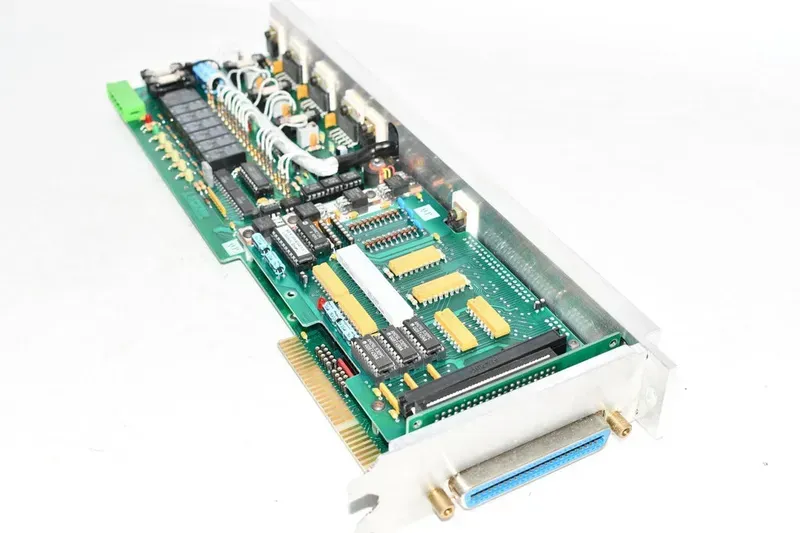
At the heart of every sophisticated robotic system lies the motion control board, the crucial brain orchestrating precise and coordinated movements. This highly integrated PCB is indispensable for converting high-level commands into actionable motor movements, ensuring the robot performs tasks with accuracy, efficiency, and reliability. Without a robust motion control board, even the most advanced robotic designs would remain static, lacking the capability to interact with their environment dynamically.
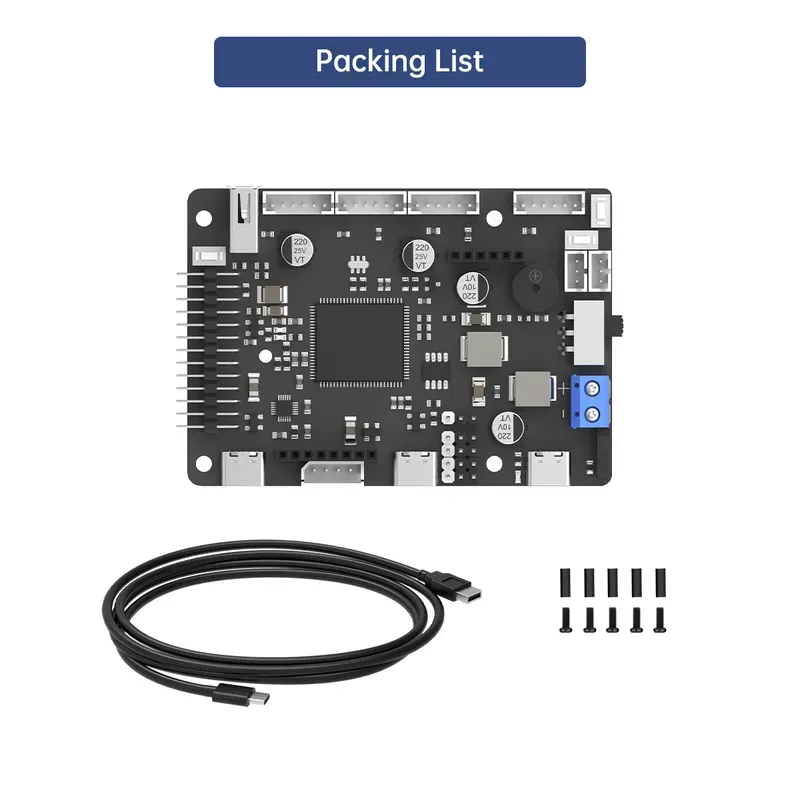
What is a robot motion control board? A robot motion control board is a specialized printed circuit board (PCB) designed to manage and execute the movements of a robot. It acts as the intermediary between the robot's central processing unit (CPU) and its actuators (motors), translating digital commands into analog or pulse-width modulated (PWM) signals that drive the motors with precision. These boards often integrate microcontrollers, motor drivers, feedback sensors, and communication interfaces to achieve complex motion sequences.
Why are robot motion control boards essential for robotic applications? Robot motion control boards are essential because they provide the critical interface for real-time control, enabling precise positioning, velocity regulation, and trajectory planning. They ensure the robot can execute tasks accurately, manage complex kinematics, and adapt to dynamic environments. Their importance stems from their ability to integrate sensing, processing, and actuation, which is fundamental for any autonomous or semi-autonomous robotic system to function effectively and safely.
How do motion control boards impact overall robot performance? The performance of a robot motion control board directly dictates the overall performance of the robot. A well-designed board ensures high precision, rapid response times, and smooth, stable movements, which are critical for tasks requiring fine motor skills or high-speed operations. Conversely, a poorly designed board can lead to jerky movements, positioning errors, increased energy consumption, and even system failures, severely limiting the robot's capabilities and operational efficiency.
What are the primary functions of a robot motion control board? The primary functions of a robot motion control board include motor command generation (converting control signals into motor-driving currents), feedback processing (interpreting data from encoders, gyroscopes, and accelerometers to monitor actual motion), position and velocity control (closed-loop control to achieve desired states), trajectory planning (generating smooth paths for movement), and communication (interfacing with the robot’s main controller and other peripherals). These functions collectively enable dynamic and accurate robotic operation.
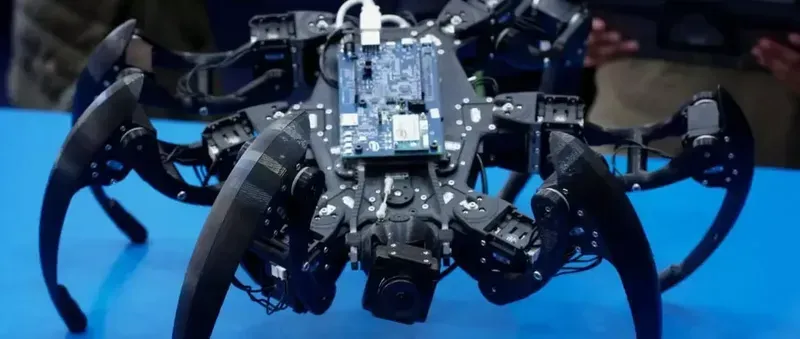
Can a single motion control board manage multiple robot axes? Yes, many advanced motion control boards are designed to manage multiple robot axes simultaneously. These boards often feature multiple motor driver channels and sophisticated processing capabilities to coordinate the movements of several motors, enabling complex multi-axis robotics like industrial robotic arms or humanoid robots. The number of axes a board can control depends on its integrated circuits, processing power, and I/O capabilities, with some industrial-grade boards capable of controlling dozens of axes.
Key Components and Technologies in Motion Control PCBs
Robot Motion Control Board Components
At the core of every high-performance robotic system lies a meticulously engineered Motion Control PCB, a complex interplay of specialized components and advanced technologies that dictate precision, responsiveness, and reliability. Understanding these fundamental building blocks is crucial for optimizing robot performance, as each element plays a vital role in translating digital commands into precise physical movements. From intelligent microcontrollers processing complex algorithms to sensitive sensors providing real-time feedback, the integration of these sophisticated technologies on a compact board is what enables the sophisticated maneuvers of modern robotics.
Component Category
Key Components
Primary Function in Motion Control
Processing Units
Microcontrollers (MCUs), Digital Signal Processors (DSPs), FPGAs
Execute control algorithms, manage I/O, process sensor data, and generate motor commands for precise motion.
Provide real-time feedback on position, velocity, acceleration, and external forces, enabling closed-loop control and obstacle avoidance.
Communication Interfaces
CAN Bus, Ethernet, USB, SPI, I2C, UART
Facilitate data exchange between the control board and motors, other robot subsystems, external computers, and human interfaces.
Power Management
Voltage Regulators, Power Amplifiers, Motor Drivers (H-bridge, MOSFETs)
Efficiently supply and regulate power to all components, convert low-power control signals into high-power motor drive signals, and ensure stable operation.
Why are microcontrollers central to Motion Control PCBs? Microcontrollers (MCUs) serve as the brain of the Motion Control PCB, processing commands, executing complex algorithms for kinematics and inverse kinematics, and managing the real-time interaction with sensors and actuators. Their ability to perform high-speed computations and manage multiple tasks simultaneously is essential for precise and responsive robot movements, enabling sophisticated control strategies like PID loops and trajectory planning.
How do sensors like encoders and gyroscopes contribute to robot motion control? Sensors provide critical feedback for closed-loop control. Encoders precisely measure the angular or linear position and speed of motors, ensuring the robot reaches and maintains desired positions accurately. Gyroscopes and accelerometers, often found in Inertial Measurement Units (IMUs), detect the robot's orientation, angular velocity, and linear acceleration, vital for maintaining balance, navigating, and performing dynamic movements in three-dimensional space.
Design Considerations for High-Performance Robot Control
High-Performance Robot Control Board Design
Designing high-performance robot motion control boards requires a meticulous approach to ensure optimal functionality, reliability, and efficiency. As veteran engineers, we understand that these boards are the central nervous system of any robotic system, dictating precision, speed, and responsiveness. Critical design considerations, including signal integrity, thermal management, and robust power distribution, are paramount. Strategic component placement and layout are not merely aesthetic choices but fundamental engineering decisions that directly impact the board's performance, longevity, and resistance to environmental stresses, ultimately defining the robot's capabilities in the field.
Design Aspect
Key Consideration
Impact on Performance
Signal Integrity
Minimize noise, crosstalk, and impedance mismatches; proper grounding.
Ensures accurate data transmission, preventing errors in sensor readings and motor commands, critical for precise motion.
Thermal Management Effective heat dissipation through heatsinks, thermal vias, and careful component spacing prevents overheating, extending component lifespan and ensuring stable operation, especially under heavy loads. Overheating can lead to performance degradation or catastrophic failure, making robust thermal design indispensable for continuous, reliable robot operation.
Power Distribution Network (PDN) Design A well-designed PDN minimizes voltage drops and noise, providing stable power to all components. This involves optimized trace widths, appropriate decoupling capacitor placement, and robust power planes. An unstable PDN can lead to erratic behavior, reduced motor efficiency, and overall system instability, directly impacting the robot's ability to execute commands precisely and reliably.
Zero One Solution's Expertise in Robotics PCB Solutions
Zero One Solution PCB Prototype
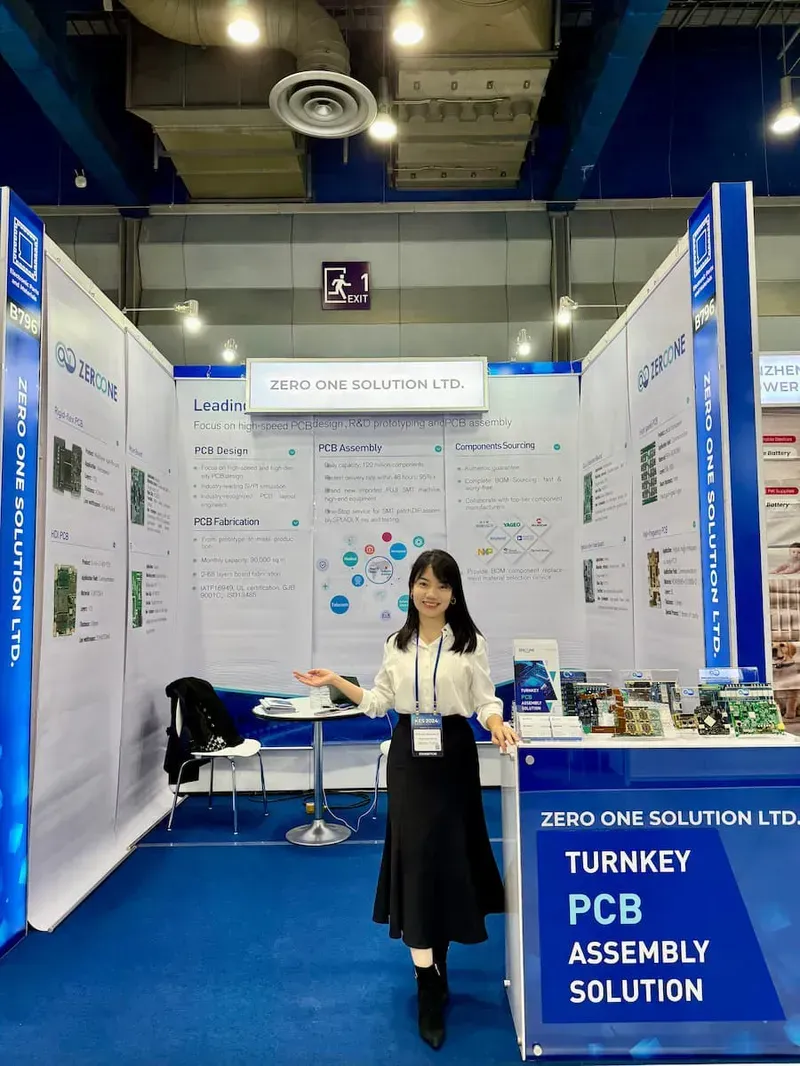
Zero One Solution Limited, a veteran in the PCB assembly solutions industry since 2011, offers unparalleled expertise in delivering high-performance PCB solutions specifically engineered for the intricate demands of robotics. Our core strength lies in rapid-response R&D prototype manufacturing, enabling clients to accelerate their product development cycles and bring innovative robotic solutions to market with exceptional efficiency. Headquartered in Shenzhen and with a strategic branch in Dubai, we leverage a robust global supply chain to provide comprehensive, one-stop services from initial PCB design to manufacturing and final assembly.
Rapid Prototyping for Accelerated Development Our specialized rapid prototyping services significantly reduce lead times for robot motion control board development, allowing for quick iteration and validation of designs. This agile approach minimizes time-to-market and provides a competitive edge in the fast-paced robotics industry.
Precision PCB Design for Optimal Performance Leveraging decades of engineering experience, our design team ensures every robot motion control PCB is meticulously crafted for optimal signal integrity, thermal management, and power distribution. This precision design is crucial for the reliability and performance of complex robotic systems.
Advanced Manufacturing Capabilities Zero One Solution operates state-of-the-art manufacturing facilities capable of producing highly complex multi-layered PCBs essential for advanced robot motion control. Our rigorous quality control processes adhere to international standards, ensuring durable and reliable boards for demanding robotic environments.
Seamless Assembly and Testing Beyond manufacturing, we provide comprehensive PCB assembly services, integrating components with precision. Each assembled board undergoes stringent functional testing to guarantee performance and compliance with design specifications, ensuring seamless operation in robotic applications.
Service Area
Key Benefit for Robotics
Rapid Prototyping
Accelerated R&D cycles, faster market entry
PCB Design Optimization
Enhanced signal integrity, power efficiency, and thermal management
High-Precision Manufacturing
Reliable and durable PCBs for demanding robotic environments
Comprehensive Assembly & Testing
Guaranteed functionality and performance for seamless integration
Our commitment to quality, innovation, and customer satisfaction positions Zero One Solution Limited as the preferred partner for robotics companies seeking robust and reliable PCB solutions. We understand the critical role these boards play in robot functionality and are dedicated to providing the foundational technology for the next generation of automation.
Customization and Flexibility: Tailoring Robot Motion Control Board Solutions to Specific Robotic Needs
In the dynamic field of robotics, generic solutions often fall short. The true power of a robot motion control board lies in its ability to be precisely tailored to the unique demands of each robotic system, from industrial automation to medical devices and consumer robotics. This customization is not merely an advantage; it's a critical enabler for achieving optimal performance, efficiency, and differentiation in highly competitive markets. Zero One Solution Limited excels in providing highly adaptable and scalable PCB solutions that precisely meet these varied and evolving requirements, ensuring our clients' innovations are brought to life with unparalleled precision.
Why is customization crucial for robot motion control boards? Customization is paramount because robotic systems vary widely in their mechanical configurations, payload capacities, operational environments, and desired levels of precision. A one-size-fits-all approach inevitably leads to suboptimal performance, increased costs due to unnecessary features, or limitations in functionality. Tailored boards ensure perfect synergy between hardware and application-specific software, optimizing everything from motor control algorithms to sensor integration and communication protocols. This precision enhances overall system efficiency, responsiveness, and reliability, crucial for demanding robotic tasks.
How does Zero One Solution achieve high flexibility in its PCB solutions? Zero One Solution achieves high flexibility through a multi-faceted approach encompassing modular design principles, a vast library of proven component selections, and advanced manufacturing capabilities. Our engineering team collaborates closely with clients to understand their specific requirements, leveraging our expertise in diverse material selections, component placement optimization, and signal integrity management. This iterative design process allows for rapid adaptation to changing specifications, ensuring the final PCB integrates seamlessly with the client's unique robotic platform and software architecture.
What specific aspects of a robot motion control board can be customized? Virtually every aspect of a robot motion control board can be customized. Key areas include the choice of microcontroller or DSP for processing power, the type and number of motor drivers (e.g., stepper, servo, DC brush/brushless) and their current capacities, the integration of specific sensor interfaces (e.g., encoders, IMUs, force sensors), communication protocols (e.g., EtherCAT, CAN, RS485, Ethernet), power management circuitry, form factor and mounting options, and environmental ruggedization for harsh conditions. Even the arrangement and routing of traces are optimized for specific performance metrics.
Can Zero One Solution scale solutions from prototyping to mass production? Yes, Zero One Solution is uniquely positioned to support clients from initial rapid prototyping to full-scale mass production. Our one-stop service model, encompassing design, manufacturing, and assembly, ensures a seamless transition at every stage. We leverage advanced DFM (Design for Manufacturability) principles during the design phase to optimize for cost-effective and high-yield production. Our global supply chain network and state-of-the-art facilities enable us to handle varying production volumes efficiently, maintaining consistent quality and accelerating time-to-market for our clients' robotic innovations.
Case Studies: Successful Implementations of Zero One Solution's PCBs in Robotics
Successful Robotics PCB Implementation
Zero One Solution Limited has a proven track record of delivering high-performance, reliable PCB solutions that drive innovation in the robotics industry. Our expertise in rapid prototyping, precision manufacturing, and comprehensive assembly ensures that our clients achieve their ambitious project goals. These case studies highlight our commitment to overcoming complex engineering challenges and delivering superior robot motion control board solutions that empower next-generation robotic systems.
Project Type
Challenge
Zero One Solution's Contribution
Achieved Outcome
Industrial Collaborative Robot
Precise, real-time multi-axis synchronization in a compact form factor.
Designed and manufactured a custom 16-layer rigid-flex PCB with integrated motor drivers and high-speed communication interfaces.
Reduced latency by 30%, improved robotic arm repeatability to "plus-minus"0.02mm, and enabled tighter integration of components, reducing overall robot footprint by 15% and increasing operational efficiency by 20%.
Automated Logistics Drone A client developing an autonomous logistics drone required a lightweight, high-density PCB capable of managing multiple sensor inputs (GPS, lidar, IMU) and robust power distribution for demanding flight profiles. Zero One Solution designed a specialized multi-layer PCB utilizing advanced material selection for weight reduction and enhanced signal integrity. We implemented sophisticated thermal management strategies to dissipate heat from the onboard processors and power management units, ensuring stable performance during prolonged flight. The result was a 25% weight reduction for the control board and a 15% increase in flight endurance, critical for last-mile delivery applications.
The Future of Robot Motion Control Boards: Trends and Innovations
The evolution of robot motion control boards is rapidly accelerating, driven by the insatiable demand for more autonomous, precise, and intelligent robotic systems. Future innovations will not merely enhance existing functionalities but fundamentally redefine how robots perceive, interact with, and operate within their environments. These advancements will be pivotal in shaping the next generation of industrial automation, healthcare robotics, and consumer-facing intelligent devices.
AI-Integrated Control for Enhanced Autonomy Future motion control boards will feature deeper integration of artificial intelligence and machine learning algorithms. This allows robots to learn from experience, adapt to unstructured environments, and make real-time decisions, leading to more fluid, efficient, and intelligent motion. This includes predictive maintenance, anomaly detection, and self-optimization of motion trajectories.
Advanced Sensor Fusion and Perception The next wave of innovation will involve sophisticated sensor fusion capabilities, integrating data from an even wider array of sensors (e.g., LiDAR, high-resolution cameras, haptic feedback, environmental sensors) directly on the motion control board. This provides robots with a richer, more accurate understanding of their surroundings, enabling superior navigation, object manipulation, and human-robot collaboration. Real-time processing of this massive data stream will be a key challenge and differentiator.
Edge Computing and Decentralized Architectures To minimize latency and enhance responsiveness, more processing power will shift to the 'edge' – directly on the robot motion control board. This trend towards edge computing will facilitate faster decision-making without relying heavily on cloud connectivity, crucial for applications requiring instantaneous reactions. Decentralized control architectures, where multiple motion control units communicate and coordinate, will also become more prevalent for complex multi-jointed robots.
Enhanced Connectivity: 5G and Beyond Wireless communication technologies like 5G and future generations will significantly impact robot motion control by enabling ultra-low latency, high-bandwidth communication between robots, control systems, and cloud infrastructure. This opens avenues for remote operation, swarm robotics, and real-time data analytics, pushing the boundaries of what is possible in distributed robotic systems.
Miniaturization and Power Efficiency Continued advancements in semiconductor technology and power management will lead to even smaller, more power-efficient motion control boards. This is critical for mobile robots, drones, and wearable robotics, where space and battery life are premium considerations. Innovations in low-power processing units and energy harvesting technologies will further extend operational times and reduce the physical footprint.
Partnering with Zero One Solution for Your Robotics PCB Needs
Partnering with Zero One Solution
Partnering with Zero One Solution for your robot motion control board needs provides a strategic advantage, leveraging our decade-plus experience in rapid prototyping and high-quality PCB solutions. Our commitment to precision engineering, customer-centric service, and innovation ensures that your robotics projects benefit from robust, efficient, and reliable motion control systems, accelerating your time to market and enhancing operational performance.
What are the primary benefits of choosing Zero One Solution for robot motion control board manufacturing? Zero One Solution offers rapid prototyping, ensuring quick iteration and development cycles. We provide end-to-end services from PCB design to manufacturing and assembly, ensuring seamless integration and quality control. Our strategic presence in Shenzhen and Dubai grants access to a global supply chain, optimizing cost-efficiency and material sourcing for your robot motion control board projects. We also prioritize quality assurance and customer satisfaction, delivering reliable and high-performance PCBs tailored to specific robotic demands.
How does Zero One Solution ensure the quality and reliability of its robot motion control boards? Quality and reliability are paramount at Zero One Solution. We adhere to stringent industry standards (e.g., IPC) throughout the entire PCB manufacturing process, from design validation to final assembly and testing. Our state-of-the-art facilities employ advanced inspection technologies, including AOI (Automated Optical Inspection) and X-ray inspection, to detect even the minutest defects. We also conduct comprehensive functional testing to ensure that every robot motion control board meets the specified performance criteria under various operational conditions.
Can Zero One Solution accommodate custom requirements for specialized robot motion control applications? Absolutely. Customization is a core strength of Zero One Solution. We understand that robotic applications often have unique requirements. Our experienced engineering team works closely with clients to tailor robot motion control board solutions, from specific component selection and layout optimization to specialized form factors and environmental resilience. Whether it's for industrial robots, collaborative robots, or autonomous mobile robots, we design and produce PCBs that precisely fit your application's needs.
In conclusion, the Robot Motion Control Board is a cornerstone of modern robotics, enabling precision, efficiency, and adaptability. Zero One Solution Limited provides comprehensive PCB solutions, from rapid prototyping to full-scale assembly, ensuring that your robotic applications receive the highest quality and most innovative designs. By partnering with Zero One Solution, you gain access to expertise, cutting-edge technology, and a commitment to excellence that will propel your robotics project to new heights. Contact us today to discuss your motion control board needs and discover how we can help you bring your robotic visions to life. Let Zero One Solution be your trusted partner in navigating the future of robotics.