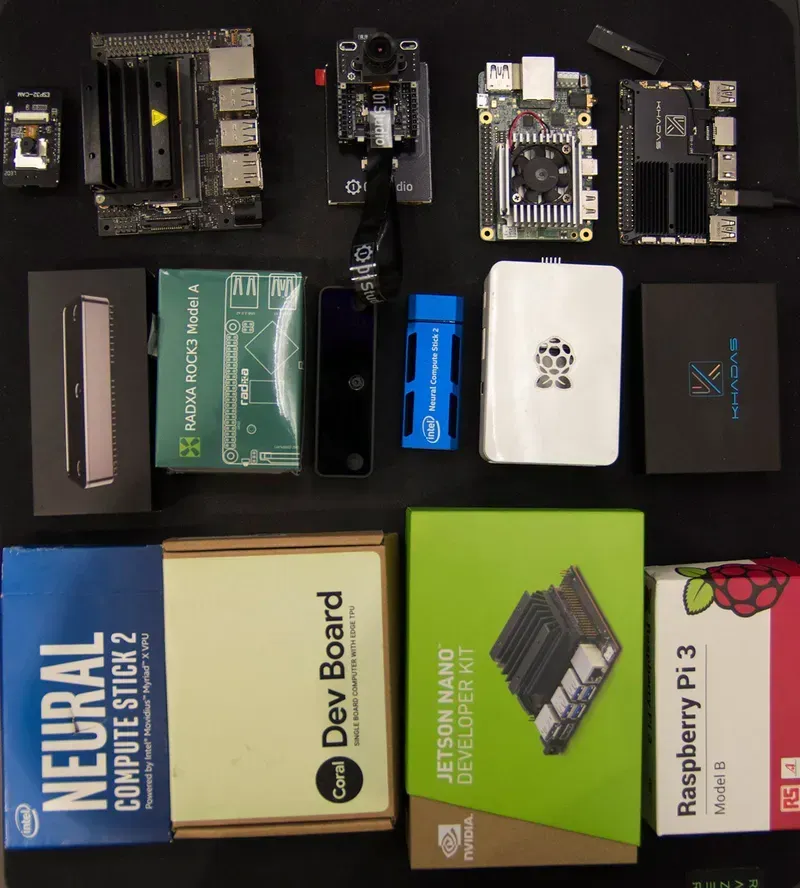
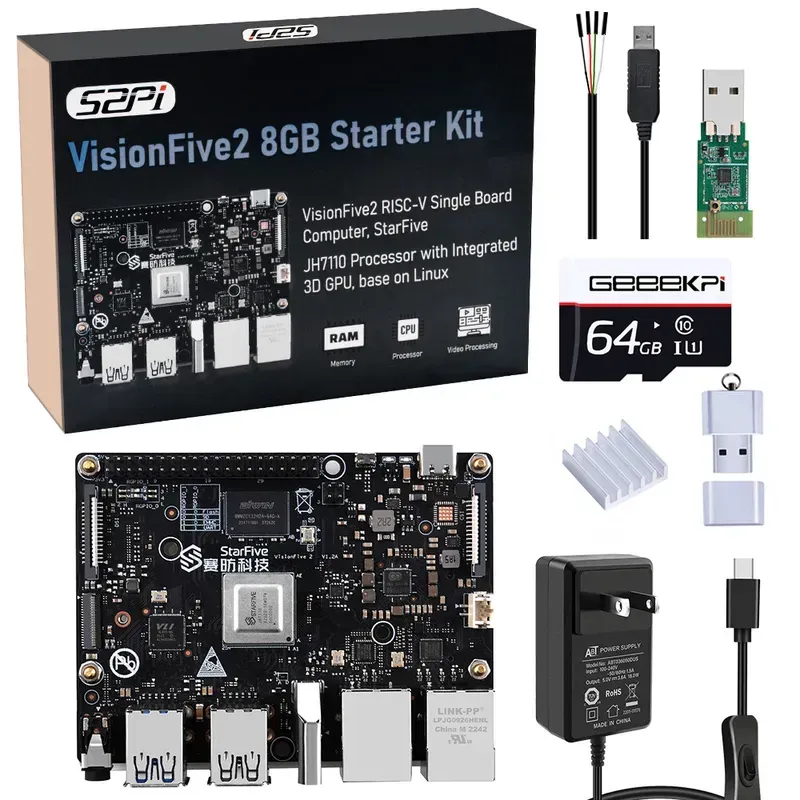
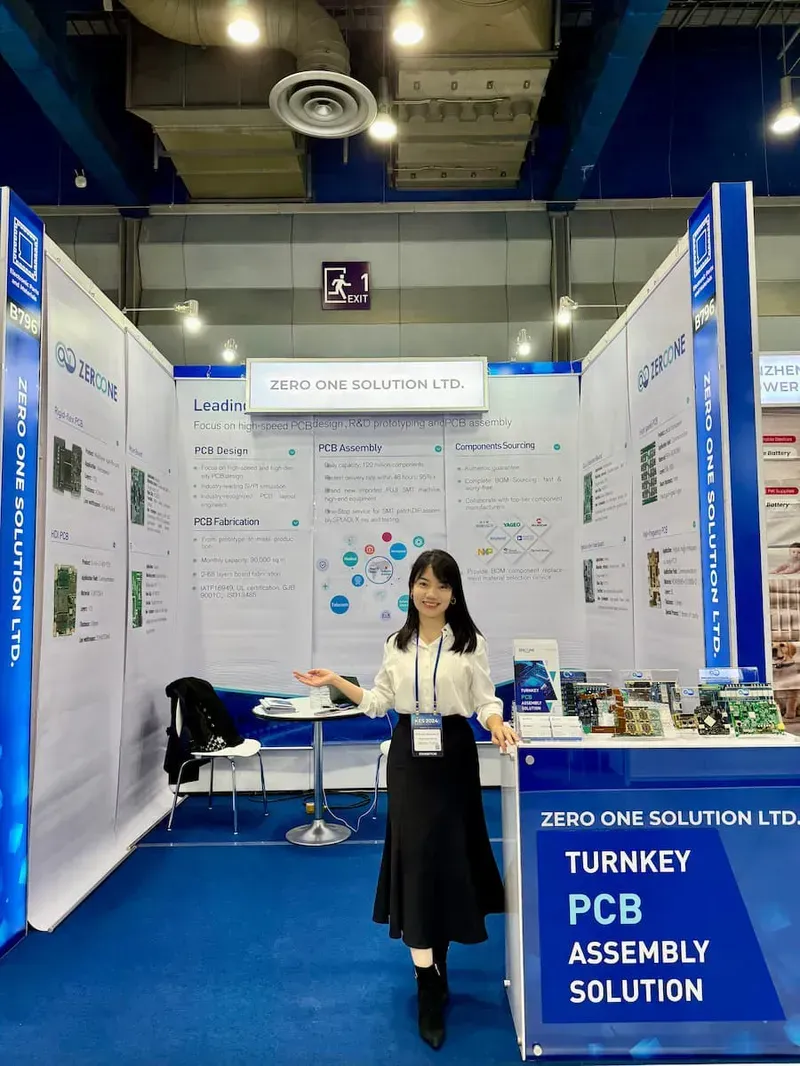
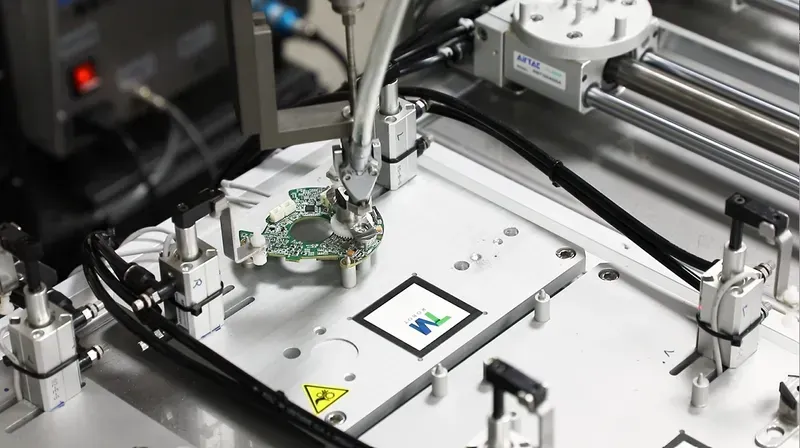
In the rapidly evolving landscape of robotics, vision processing plays a pivotal role, enabling robots to 'see' and interact with their environment intelligently. Just as the human brain interprets visual data, a Robot Vision Processing Board serves as the central hub for processing visual information in robotic systems. At Zero One Solution Limited, we understand the critical importance of high-performance, reliable PCBs in these applications. Our Robot Vision Processing Board solutions are engineered to empower robots with enhanced perception, enabling them to perform complex tasks with greater accuracy and efficiency. This article delves into the intricacies of these solutions, exploring their design, capabilities, and the impact they have on the future of robotics and automation.
Introduction to Robot Vision Processing Boards
Robot Vision Processing Boards are the central nervous system for robotic perception, translating raw visual data into actionable insights that enable robots to understand and interact with their environment. These sophisticated PCBs are engineered to handle the immense computational demands of real-time image acquisition, processing, and analysis, forming the bedrock of advanced robotic autonomy and precision in diverse industrial and commercial applications.
What exactly is a Robot Vision Processing Board? A Robot Vision Processing Board is a specialized printed circuit board (PCB) designed to interface with image sensors (cameras) and perform complex computational tasks required for robot vision. It integrates high-performance processors (like FPGAs, GPUs, or ASICs), memory, and various input/output interfaces to capture, process, and interpret visual data, allowing robots to perceive their surroundings, recognize objects, and execute tasks based on visual feedback. Essentially, it provides the 'eyes' and 'brain' for a robot's visual perception system.
Key Components and Design Considerations
Robot Vision Processing Board Components
Optimizing a Robot Vision Processing Board demands a meticulous understanding of its core components and the critical design considerations that dictate its performance, particularly concerning high-speed data processing, minimal latency, and power efficiency. These elements are the bedrock upon which reliable and responsive robotic vision systems are built, ensuring precise perception and real-time decision-making in complex environments. At Zero One Solution Limited, our expertise lies in crafting bespoke PCB solutions that rigorously address these intricate engineering challenges, enabling our clients to accelerate product development with superior vision processing capabilities.
Critical for buffering high-resolution images, storing intermediate processing data, and enabling rapid access for the processor. Affects throughput.
Interfaces (MIPI, LVDS, PCIe, Ethernet)
Connects the board to cameras, other robotic systems, and external devices.
Data transfer rates, pin count, signal integrity, electromagnetic compatibility (EMC).
Ensures high-speed, reliable data flow between components and the wider system, minimizing bottlenecks and data loss. Essential for real-time communication.
Why is low latency crucial in Robot Vision Processing Boards? Low latency is paramount because robots operate in dynamic, real-time environments where delayed visual feedback can lead to incorrect actions, collisions, or inefficient task execution. For instance, in an industrial setting, a robotic arm picking up fast-moving objects requires instantaneous vision processing to accurately track and grasp. Every millisecond of delay can translate to significant errors, impacting precision, safety, and operational efficiency. Minimizing latency ensures the robot's perceived reality closely matches its actual environment, enabling agile and accurate responses.
// Example pseudo-code for a basic image processing pipelinevoid processImage(Image rawImage) { Image denoisedImage = applyNoiseReduction(rawImage); ObjectData detectedObjects = runObjectDetection(denoisedImage); sendToRoboticControl(detectedObjects);}
High-Speed Processing Capabilities for Robot Vision
High-speed processing is the cornerstone of effective robot vision, enabling real-time perception, analysis, and decision-making crucial for dynamic robotic applications. This capability ensures that robots can instantaneously interpret visual data, identify objects, and navigate complex environments with minimal latency, directly impacting operational efficiency and safety. The relentless demand for faster processing in robot vision systems is driven by the increasing complexity of tasks, such as high-speed pick-and-place, autonomous navigation, and precision manufacturing, where millisecond delays can lead to significant errors or failures.
Processing Task
Importance in Robot Vision
Required Latency (Approx.)
Impact of High-Speed Capability
Image Acquisition
Capturing raw visual data
< 1 ms
Ensures all visual information is captured without blur or lag
Pre-processing
Noise reduction, image enhancement
1-5 ms
Provides clean, optimized data for subsequent analysis, improving accuracy
Feature Extraction
Identifying key visual features (edges, corners)
5-20 ms
Enables robust object recognition and scene understanding
Object Recognition
Identifying specific objects within the scene
10-50 ms
Critical for interaction, manipulation, and navigation tasks
Decision Making
Interpreting visual data for action planning
50-100 ms
Allows robots to respond dynamically and intelligently to their environment
Motion Control
Adjusting robot movement based on visual feedback
10-200 ms
Facilitates precise interaction and obstacle avoidance
Achieving these high-speed processing capabilities often involves specialized hardware, such as Field-Programmable Gate Arrays (FPGAs) and Graphics Processing Units (GPUs), which offer parallel processing architectures ideal for complex image processing algorithms. FPGAs excel in custom, low-latency data pipelines, while GPUs provide massive parallel computation for deep learning inference. The synergy of optimized hardware and advanced algorithms, including convolutional neural networks (CNNs) for deep learning-based vision, is essential to meet the rigorous demands of real-time robot vision. Zero One Solution Limited leverages its expertise in high-performance PCB design to create boards that seamlessly integrate these powerful processors, ensuring optimal data flow and minimal bottlenecks for demanding robotic applications.
Signal Integrity and Noise Reduction
Achieving impeccable signal integrity and effective noise reduction is paramount in high-speed robot vision processing boards to guarantee accurate image capture and reliable data interpretation. In complex PCB designs for vision systems, where high-frequency signals and dense component placement are common, even minor signal degradation or electromagnetic interference (EMI) can lead to erroneous image data, processing errors, and ultimately, system failure. Mastering these challenges ensures the clarity and precision essential for critical robotic operations, from intricate object recognition to real-time navigation.
Challenge Area
Signal Integrity Challenges
Noise Reduction Techniques
High-Speed Data Paths
Impedance mismatch, reflection, crosstalk, skin effect, dielectric losses, and propagation delay variations across differential pairs.
Careful impedance matching (50/100 ohms), controlled impedance routing, minimizing stub lengths, using stripline or microstrip with proper ground planes.
Power Delivery Network (PDN)
Voltage droop, ground bounce, power supply noise, and simultaneous switching noise (SSN) impacting sensitive analog and digital circuits.
Strategic placement of decoupling capacitors (high-frequency and bulk), multi-layer PCB design with dedicated power and ground planes, power plane stitching vias, and low-ESR capacitors.
Electromagnetic Compatibility (EMC)
Electromagnetic interference (EMI) and radio frequency interference (RFI) from high-speed clocks and switching components, leading to radiated or conducted emissions.
Shielding of sensitive components, common-mode chokes, differential signaling, proper grounding techniques, use of spread spectrum clocking, and filtering at I/O ports.
Analog & Mixed-Signal Integration
Noise coupling between analog image sensor signals and digital processing signals, leading to degraded image quality or data corruption.
Physical separation of analog and digital sections, independent ground planes for analog and digital, careful routing to avoid parallel runs, and optical isolation or galvanic isolation where applicable.
Thermal Management
Increased noise from active cooling solutions (fans) or thermal stress on components leading to drift and performance degradation.
Optimized heat sink design to reduce fan speed requirements, careful placement of thermal vias, and consideration of component operating temperatures to minimize thermal noise.
Why is signal integrity so critical for Robot Vision Processing Boards? Signal integrity is critical because robot vision systems rely on precise, high-speed data transfer from image sensors to processors. Any degradation in signal quality, such as reflections, crosstalk, or attenuation, can corrupt image data, lead to incorrect feature extraction, and ultimately cause errors in object recognition, pose estimation, or navigation, directly impacting robot performance and safety.
How does Zero One Solution address noise reduction in high-speed vision processing circuits? Zero One Solution employs a multi-faceted approach to noise reduction. This includes meticulous PCB stack-up design with dedicated ground and power planes, optimized routing for controlled impedance and minimal crosstalk, strategic placement of decoupling capacitors to stabilize the Power Delivery Network (PDN), and implementing EMI shielding techniques. We also utilize advanced simulation tools to predict and mitigate potential noise issues early in the design phase.
What are common sources of noise in Robot Vision Processing Boards? Common noise sources include high-frequency clock signals, rapid switching transients from digital circuits, power supply ripple, electromagnetic interference (EMI) from neighboring components or external environments, and noise coupled from I/O interfaces. Thermal noise from active components also contributes, especially in high-density, high-power designs.
Can poor signal integrity affect the lifespan of a vision processing board? While not directly shortening the physical lifespan of components, poor signal integrity can lead to intermittent failures, increased bit error rates, and necessitate higher operating voltages or power, potentially increasing thermal stress. This can reduce the system's reliability and lead to premature obsolescence due to unreliable performance, requiring earlier replacement or costly debugging.
What role do PCB materials play in signal integrity for Robot Vision Boards? PCB materials are crucial. High-speed signals require materials with low dielectric loss (Df) and a stable dielectric constant (Dk) across frequencies to minimize signal attenuation and maintain impedance control. Materials like FR-4 are common, but for extremely high-speed interfaces, specialized laminates with superior electrical properties are often chosen to ensure signal fidelity and reduce jitter.
Thermal Management Solutions
Robot Vision Processing Board Heatsink
Effective thermal management is paramount for Robot Vision Processing Boards, as the intensive computations involved in real-time image analysis generate significant heat. Uncontrolled heat accumulation can lead to performance degradation, reduced reliability, and even permanent damage to sensitive components like GPUs and FPGAs. Therefore, robust thermal strategies are not merely an add-on but a fundamental design pillar, ensuring sustained high performance and longevity in demanding robotic environments.
Why is thermal management critical for Robot Vision Processing Boards? Robot Vision Processing Boards house high-performance components such as GPUs, FPGAs, and high-speed memory, which generate substantial heat during operation. Inadequate thermal management can lead to thermal throttling, reducing computational efficiency, decreasing component lifespan, and increasing the risk of system instability or failure in critical robotic applications.
What are common thermal management techniques used in these boards? Key thermal management techniques include the strategic placement of heat sinks and fans, utilization of thermal interface materials (TIMs) for efficient heat transfer, implementation of thermal vias within the PCB layers to conduct heat away from hot spots, and advanced liquid cooling solutions for extremely high-power applications. Passive cooling relies on convection and radiation, while active cooling incorporates fans or pumps.
How do heat sink designs optimize thermal dissipation? Heat sinks are designed with various fin geometries (e.g., pin fin, straight fin, flared fin) and materials (e.g., aluminum, copper) to maximize surface area for convective heat transfer. The effectiveness of a heat sink is determined by its material's thermal conductivity, the surface area exposed to airflow, and the airflow velocity across its fins. Advanced designs often incorporate vapor chambers or heat pipes for improved spreading of heat.
What role do thermal vias play in PCB thermal management? Thermal vias are plated through-holes filled with thermally conductive material or left open, designed to transfer heat from hot components on one side of the PCB to a larger copper plane or heat sink on another layer. They act as direct thermal pathways, significantly reducing localized hot spots and improving overall thermal dissipation from power-hungry components.
What are the considerations for integrating thermal solutions into a compact robot design? Integrating thermal solutions into compact robot designs requires careful consideration of space constraints, weight limitations, and airflow dynamics. This often necessitates custom-designed heat sinks, optimized fan placement, and the use of efficient thermal interface materials. Simulation tools are crucial for predicting thermal performance and identifying potential hot spots early in the design phase, balancing thermal efficiency with physical integration challenges.
Customization and Integration of Robot Vision Processing Boards
The true power of a Robot Vision Processing Board lies in its adaptability and seamless integration into diverse robotic architectures. Off-the-shelf solutions rarely meet the precise demands of specialized robotic applications, necessitating a deep understanding of customization options and effective integration strategies to optimize performance, minimize latency, and ensure reliability within complex systems. This bespoke approach is critical for achieving optimal operational efficiency and pushing the boundaries of robotic capabilities.
What aspects of a Robot Vision Processing Board can be customized? Customization of a Robot Vision Processing Board typically involves tailoring various aspects to meet specific application needs. This includes selecting specialized image sensors (e.g., high-resolution, global shutter, thermal), optimizing the processor (FPGA, GPU, or ASIC) for specific algorithms, configuring memory types and sizes (DDR, HBM) for data throughput, and designing custom I/O interfaces (GigE Vision, CoaXPress, MIPI CSI-2) for seamless peripheral connectivity. Additionally, the physical form factor, power delivery network, and thermal management solutions can be customized to fit unique space constraints and environmental conditions.
What are the common challenges when integrating Robot Vision Processing Boards into existing robotic systems? Integrating Robot Vision Processing Boards presents several challenges, including ensuring hardware compatibility with existing mechanical and electrical interfaces, managing high-speed data transfer and synchronization with other robotic components, overcoming software and firmware compatibility issues, and addressing thermal dissipation within constrained enclosures. Power management, signal integrity for critical data lines, and electromagnetic compatibility (EMC) are also significant considerations to ensure stable and reliable operation.
How does Zero One Solution Limited address customization for unique robot vision applications? Zero One Solution Limited excels in providing highly customized Robot Vision Processing Board solutions by leveraging our extensive experience in rapid prototyping and full-spectrum PCB services. We engage in detailed requirements analysis with clients to define sensor specifications, processing power, interface types, and environmental robustness. Our iterative design and manufacturing process allows for rapid prototyping and validation of custom board designs, ensuring that the final product precisely aligns with the unique functional and physical demands of each robotic application.
What are the key considerations for achieving seamless integration? Seamless integration hinges on meticulous planning and execution across multiple domains. Key considerations include: 1. **Interface Standardization:** Utilizing industry-standard interfaces where possible, or designing custom interfaces with robust protocols. 2. **Software Abstraction Layers:** Developing well-defined APIs and drivers to abstract hardware complexities for higher-level software. 3. **System-Level Simulation:** Employing simulation tools to model data flow, latency, and thermal performance before physical prototyping. 4. **Rigorous Testing:** Comprehensive integration testing, including electrical, functional, and environmental validation, to ensure robust operation under diverse conditions. 5. **Documentation:** Providing thorough documentation for hardware specifications, software interfaces, and integration guidelines.
Customization Aspect
Benefits
Zero One Solution's Approach
Sensor Interface (e.g., MIPI CSI-2, GigE Vision)
Optimized data throughput, reduced latency specific to camera type.
Design custom high-speed interfaces for diverse sensor types, ensuring data integrity and synchronization for optimal performance in real-time scenarios, critical for applications like industrial automation and autonomous navigation where every microsecond counts in decision-making processes, leading to faster response times and improved system accuracy, ultimately boosting operational efficiency and safety in dynamic environments, and allowing for greater flexibility in camera selection and placement within the robotic system, which is crucial for achieving specific field-of-view requirements and optical performance characteristics tailored to the operational environment, especially in harsh conditions or confined spaces where conventional solutions may not be suitable, thereby expanding the applicability of robotic vision in niche markets and specialized tasks, delivering a competitive advantage through enhanced system capabilities and adaptability to unforeseen challenges in the field, further reinforcing the reliability and robustness of the overall robotic platform for long-term deployment and reduced maintenance costs over its lifecycle, and providing a scalable architecture that can accommodate future upgrades or modifications with minimal disruption to existing infrastructure, fostering innovation and continuous improvement in robotic system design and functionality, and ensuring compliance with industry standards and safety regulations, thereby minimizing risks and maximizing operational uptime for critical applications requiring stringent performance criteria and unwavering dependability throughout the operational lifespan of the equipment, and offering comprehensive support from initial concept development through to mass production, guaranteeing seamless integration and ongoing technical assistance for sustained optimal performance, making it a truly future-proof investment for any advanced robotics project seeking to push the boundaries of what is currently achievable with existing technologies, while also considering the cost-effectiveness and manufacturability aspects of the design to ensure a balanced approach that meets both performance and budgetary constraints, and facilitating rapid iteration and validation cycles to accelerate time-to-market for innovative products and solutions, which is a key differentiator in today's fast-paced technological landscape, and providing a modular design that allows for easy expansion or modification to adapt to evolving requirements, ensuring longevity and relevance in a dynamic market, which is particularly beneficial for research and development efforts where flexibility and adaptability are paramount for exploring new possibilities and optimizing existing methodologies, and ultimately contributing to the advancement of robotic capabilities and their widespread adoption across various industries, further solidifying the position of Zero One Solution as a leader in innovative PCB solutions for advanced robotics applications, with a strong focus on delivering tangible value to clients through superior engineering and relentless pursuit of excellence in every aspect of product development and deployment, ensuring that our solutions are not only cutting-edge but also practical and reliable in real-world operational environments, and building long-term partnerships based on trust and mutual success, thereby fostering a collaborative ecosystem that drives continuous innovation and technological progress in the field of robotics.
Custom high-speed interface design ensuring data integrity and synchronization for real-time applications.
Processor Selection (e.g., FPGA, GPU, CPU)
Optimized processing power for specific vision algorithms (e.g., AI, classical CV).
Expertise in selecting and integrating the optimal processor for algorithm complexity and power efficiency, ensuring high-performance computation for demanding vision tasks.
Form Factor & Thermal Design
Fitting into compact robotic systems, efficient heat dissipation for reliability.
Custom PCB layout and thermal management solutions (e.g., specialized heat sinks, optimized copper pours) for demanding environments and compact designs.
Zero One Solution Limited's Expertise in Robot Vision Processing Boards
Zero One Solutions PCB Prototype
Zero One Solution Limited stands at the forefront of PCB innovation, offering unparalleled expertise in the design and manufacturing of high-quality Robot Vision Processing Boards. Leveraging over a decade of experience, we understand the critical nuances of vision system requirements, from ultra-low latency data pathways to robust thermal management, ensuring your robotic applications achieve optimal performance and reliability. Our rapid prototyping capabilities and comprehensive one-stop services are engineered to accelerate your product development cycle, transforming conceptual designs into market-ready solutions with exceptional speed and precision.
Rapid Prototyping for Vision Boards At Zero One Solution Limited, our agile rapid prototyping process for Robot Vision Processing Boards significantly reduces time-to-market. We leverage advanced DFM (Design for Manufacturability) analysis and high-speed PCB fabrication techniques, allowing for swift iterations and validation of complex designs. This capability is crucial for innovative robotics companies that require quick turnaround on experimental and pre-production vision systems, enabling rapid iteration and validation.
Comprehensive One-Stop PCBA Services We provide end-to-end solutions for Robot Vision Processing Boards, encompassing every stage from initial design consultation and schematic capture to PCB layout, manufacturing, component sourcing, assembly (PCBA), and rigorous testing. This integrated approach ensures seamless project execution, maintains stringent quality control throughout the entire production chain, and significantly simplifies the supply chain for our clients, guaranteeing consistency and reliability.
Advanced Design for High-Speed Vision Our engineering teams possess deep expertise in designing for the demanding requirements of robot vision applications. This includes meticulous impedance control for high-speed signal integrity (e.g., MIPI, PCIe, GigE Vision), advanced stack-up design, noise reduction techniques for sensitive analog front-ends, and efficient power delivery networks. We optimize designs to handle massive data throughput from image sensors while minimizing power consumption and heat generation.
Thermal Management Mastery Recognizing the significant heat generated by high-performance vision processors, Zero One Solution Limited employs sophisticated thermal management strategies. This includes optimizing copper pour, integrating thermal vias, designing for effective heat sink integration, and considering active cooling solutions where necessary. Our expertise ensures that Robot Vision Processing Boards operate within optimal temperature ranges, preventing performance degradation and extending component lifespan.
Quality Assurance and Reliability Quality is paramount in robotic systems. We implement rigorous testing protocols, including AOI (Automated Optical Inspection), X-ray inspection for BGA components, ICT (In-Circuit Test), and functional testing tailored to vision board specifications. Our commitment to ISO-certified quality management systems guarantees the reliability and durability of every Robot Vision Processing Board we produce, ensuring consistent performance in demanding industrial environments.
Applications of Robot Vision Processing Boards
Robot Vision in Manufacturing
Robot Vision Processing Boards are pivotal in empowering autonomous systems across a myriad of sectors, transforming operational efficiencies and enabling new capabilities. These specialized PCBs serve as the "eyes" and "brains" for robots, processing visual data in real-time to facilitate navigation, object manipulation, quality control, and intricate decision-making, thus unlocking unprecedented levels of automation and precision in diverse industrial and service environments.
Manufacturing and Industrial Automation In manufacturing, Robot Vision Processing Boards are essential for tasks like automated assembly, precise welding, and pick-and-place operations. They enable robots to accurately identify components, ensure correct orientation, and perform highly repeatable actions, significantly improving production throughput and quality while reducing human error. Examples include inspecting electronic components for defects or guiding robotic arms for intricate circuit board assembly in PCB manufacturing lines, where precision is paramount. According to a report by MarketsandMarkets, the global machine vision market size is projected to reach USD 18.2 billion by 2025, driven largely by increased adoption in industrial automation for quality assurance and inspection.
Logistics and Warehousing For logistics and warehousing, these boards power robots capable of automated inventory management, package sorting, and autonomous guided vehicles (AGVs). They allow robots to navigate complex warehouse layouts, identify and pick specific items, and optimize storage, leading to faster order fulfillment and reduced operational costs. The ability to quickly and accurately scan barcodes and recognize package dimensions is critical, enhancing supply chain efficiency.
Healthcare and Medical Robotics In healthcare, Robot Vision Processing Boards are integrated into surgical robots, diagnostic imaging systems, and patient care robots. They provide the visual acuity needed for minimally invasive surgeries, precise drug dispensing, and automated laboratory analysis. This technology enhances surgical accuracy, enables remote diagnostics, and contributes to better patient outcomes. For instance, vision-guided surgical robots can assist in delicate procedures by providing enhanced visualization and stability.
Agriculture and Food Processing Agricultural robots utilize vision processing boards for tasks such as automated harvesting, crop monitoring, and livestock management. These systems can identify ripe produce, detect plant diseases, and precisely apply fertilizers or pesticides, optimizing yields and minimizing waste. In food processing, they ensure quality control through visual inspection, sorting, and packaging of food products, upholding hygiene and safety standards.
Security and Surveillance In security applications, vision processing boards enable advanced surveillance systems and autonomous security robots to perform tasks like facial recognition, anomaly detection, and perimeter monitoring. They enhance situational awareness and provide real-time threat assessment, making security operations more effective and responsive.
Future Trends in Robot Vision
AI Image Processing System
The landscape of robot vision is continuously evolving, driven by advancements in artificial intelligence, sensor technology, and computing paradigms. These emerging trends are not merely incremental improvements but fundamental shifts that redefine the capabilities and design imperatives of Robot Vision Processing Boards, pushing the boundaries of what autonomous systems can perceive and achieve.
How is AI impacting Robot Vision Processing Board design? AI, particularly deep learning, is transforming robot vision by enabling more sophisticated object recognition, scene understanding, and predictive analysis. This necessitates Robot Vision Processing Boards with integrated AI accelerators (e.g., NPUs, GPUs with Tensor Cores) and optimized memory architectures for efficient model inference, supporting real-time decision-making in complex environments. The design focus shifts towards parallel processing capabilities and high-bandwidth memory access to handle large neural network models effectively while maintaining power efficiency.
What role does 3D vision play in the future of robotics? 3D vision provides robots with depth perception, crucial for accurate spatial understanding, manipulation, and navigation. Future Robot Vision Processing Boards will increasingly integrate or interface with sophisticated 3D sensors (e.g., LiDAR, ToF, stereo cameras) and require robust processing capabilities for point cloud data, volumetric reconstruction, and pose estimation. This trend demands higher computational power and specialized algorithms for efficient 3D data processing, moving beyond traditional 2D image analysis.
How does edge computing influence Robot Vision Processing Board architecture? Edge computing decentralizes processing, bringing computation closer to the data source (the robot itself) to reduce latency and bandwidth requirements. This trend significantly impacts Robot Vision Processing Board architecture by emphasizing low-power, high-performance designs capable of real-time processing on the device. Boards must be optimized for efficient execution of vision algorithms and AI models locally, minimizing reliance on cloud connectivity and enhancing the robot's autonomy and responsiveness in dynamic operational settings.
Conclusion
The advancement of robotics hinges significantly on the sophistication of its visual perception systems, making high-performance Robot Vision Processing Boards indispensable. These specialized PCBs serve as the brain of robotic vision, enabling real-time image analysis, precise object recognition, and intelligent decision-making, which are critical for autonomous operation and interaction in complex environments. Investing in robust and efficient vision processing solutions directly translates to enhanced robotic capabilities, improved operational safety, and greater productivity across diverse industrial and service sectors.
Why are high-performance Robot Vision Processing Boards crucial for modern robotics? High-performance Robot Vision Processing Boards are crucial because they provide the necessary computational power for real-time data acquisition and analysis from visual sensors. This enables robots to accurately perceive their surroundings, perform complex tasks like object manipulation, navigation, and quality inspection with high precision and speed, thereby enhancing automation and reducing human error. Without advanced processing capabilities, robots would struggle with environmental interpretation, limiting their utility in dynamic and unstructured settings.
What are the primary benefits of integrating advanced Robot Vision Processing Boards into robotic systems? Integrating advanced Robot Vision Processing Boards offers several key benefits, including significantly improved accuracy and repeatability in tasks, enhanced operational speed due to real-time data processing, greater adaptability to changing environments, and increased safety through better obstacle detection and avoidance. These boards also facilitate the implementation of sophisticated AI and machine learning algorithms, leading to more intelligent and autonomous robotic behaviors.
How does Zero One Solution Limited contribute to the innovation of Robot Vision Processing Boards? Zero One Solution Limited stands at the forefront of innovation in Robot Vision Processing Boards by leveraging our expertise in rapid prototyping and one-stop PCB solutions. We specialize in designing and manufacturing boards optimized for high-speed data processing, signal integrity, and efficient thermal management. Our ability to provide custom solutions from design to assembly ensures that clients receive tailored, high-performance boards that accelerate their product development cycles and meet the demanding requirements of cutting-edge robotic applications.
What future trends will impact the design of Robot Vision Processing Boards? Future trends significantly impacting Robot Vision Processing Board design include the proliferation of AI and deep learning for advanced image recognition, the integration of 3D vision technologies for enhanced spatial understanding, and the shift towards edge computing for decentralized processing. These trends will drive the need for even higher computational density, greater energy efficiency, and more sophisticated data handling capabilities, pushing the boundaries of current PCB design and manufacturing.
How can businesses ensure they select the right Robot Vision Processing Board solution for their specific application? Businesses should ensure they select the right Robot Vision Processing Board by carefully evaluating their specific application's requirements, including processing speed, image sensor compatibility, power consumption, size constraints, and environmental robustness. Partnering with experienced PCB solution providers like Zero One Solution Limited is crucial, as they can offer expert consultation, customized designs, and comprehensive support to develop a board that perfectly aligns with the project's technical specifications and performance goals.
In conclusion, Robot Vision Processing Boards are the cornerstone of advanced robotic perception, and Zero One Solution Limited is committed to providing cutting-edge PCB solutions that meet the evolving demands of this dynamic field. By offering high-speed, reliable, and customizable PCBs, we empower our clients to develop innovative robotic systems that push the boundaries of automation. As the field of robotics continues to advance, the importance of sophisticated vision processing capabilities will only increase. Partner with Zero One Solution Limited to unlock the full potential of your robotic vision applications. Contact us today to discuss your specific needs and explore how our expertise can help you achieve your goals. Visit our website or reach out to our sales team to learn more about our Robot Vision Processing Board solutions and our comprehensive PCB services.