In the vast expanse of space, where precision is paramount and failure is not an option, the humble Printed Circuit Board (PCB) stands as the silent backbone of critical systems. Among these, the Satellite Attitude Control System (ACS) is foundational, ensuring a spacecraft maintains its correct orientation for communication, observation, and mission success. At Zero One Solution Limited, we understand that the reliability and performance of these systems hinge directly on the quality of their underlying PCB solutions. Since 2011, we've been at the forefront of providing rapid-response, high-reliability PCB manufacturing and assembly services, empowering innovators to push the boundaries of space technology. This article will delve into the intricacies of PCB solutions for satellite ACS, highlighting how our expertise ensures your mission-critical components are built for the rigors of space.
The Indispensable Role of PCBs in Satellite Attitude Control Systems
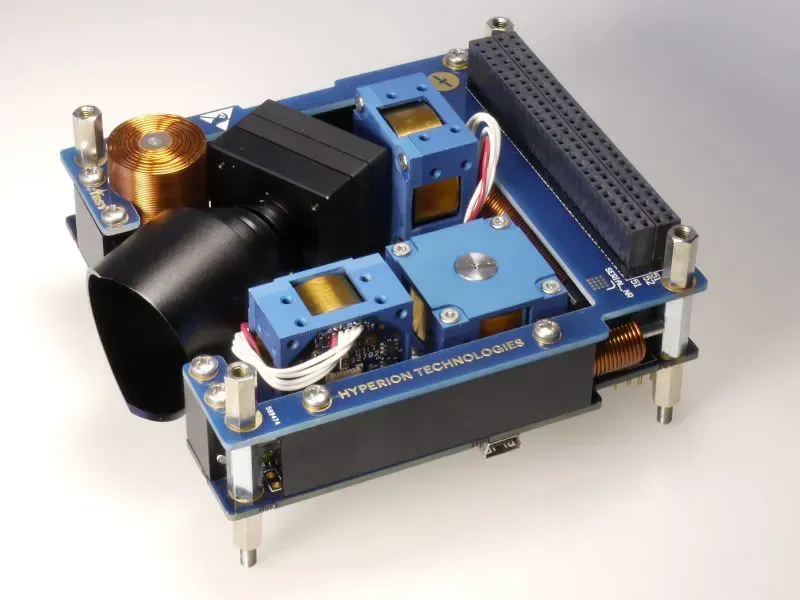
Satellite Attitude Control System PCB
At the heart of every satellite's ability to maintain its orientation in space lies the Attitude Control System (ACS), and Printed Circuit Boards (PCBs) are the central nervous system of this critical functionality. These sophisticated electronic circuits are not merely components; they are the core enablers that ensure precise satellite pointing, stability, and efficient operation. From processing data from sensors to commanding actuators and managing power distribution, PCBs are the unsung heroes that keep satellites on course, making them absolutely indispensable for mission success.
Sensor Data Processing PCBs receive and process data from various sensors, including star trackers, sun sensors, and gyroscopes. These sensors provide critical information about the satellite's orientation. PCBs then translate this raw data into actionable insights for the ACS.
Actuator Control PCBs are responsible for commanding the actuators, such as reaction wheels, thrusters, and control moment gyroscopes (CMGs). The precision and timing of these commands, dictated by the PCB, directly influence the satellite's ability to maneuver and maintain its desired attitude.
Power Management PCBs integrate power distribution units (PDUs) to manage the power supply to all ACS components. They ensure stable and reliable power delivery, which is crucial for the system's continuous operation. The efficiency of power management also affects the lifespan and performance of the satellite.
Communication and Data Transmission PCBs also facilitate communication within the ACS and with the satellite's main control systems, as well as the transmission of telemetry data to ground stations. This real-time data is vital for monitoring satellite health and making any necessary adjustments to its attitude.
These functions highlight the complex interplay of electronics within the ACS, where the choice of PCB materials, design, and manufacturing process significantly influences overall performance. A high-quality PCB ensures the precision, reliability, and longevity of the satellite in the harsh environment of space. As a leading PCB solution provider, Zero One Solution Limited understands these critical requirements, delivering tailored solutions that meet the rigorous demands of satellite ACS applications.
Overcoming the Harsh Realities: The Unique Challenges of Space-Grade PCB Manufacturing
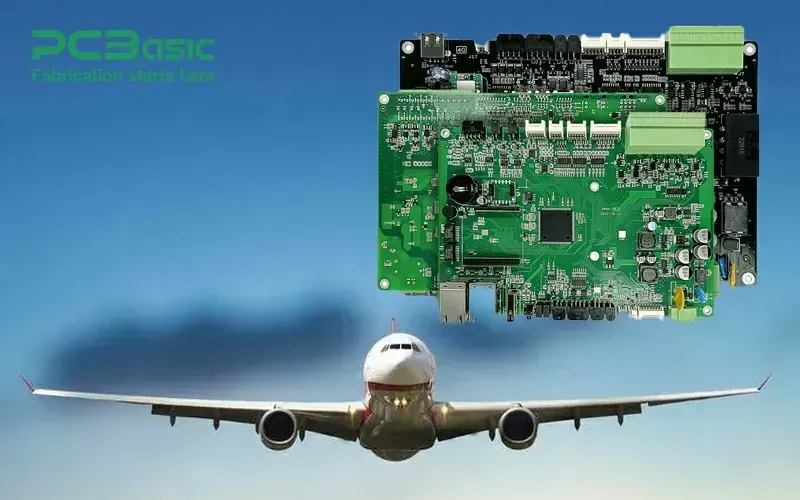
Aerospace PCB Manufacturing Environment
Manufacturing PCBs for satellite attitude control systems demands a sophisticated understanding of the extreme conditions encountered in space. These harsh environments, characterized by intense radiation, extreme temperature fluctuations, and the vacuum of space, present significant challenges that necessitate specialized materials, meticulous design practices, and rigorous manufacturing processes. At Zero One Solution Limited, we specialize in navigating these complexities, providing robust and reliable PCB solutions designed to withstand the rigors of space.
Radiation Hardening: Space is awash in high-energy particles that can damage electronic components. PCBs must be designed with radiation-hardened components and shielding techniques to mitigate single-event upsets (SEUs) and total ionizing dose (TID) effects. This often involves selecting specific component types, implementing shielding layers, and employing radiation-tolerant design methodologies, as detailed in NASA's guidelines for space-grade electronics (NASA-STD-8739.1).
Extreme Temperatures: Satellites experience wide temperature variations, from scorching sunlight to freezing shadows. PCBs must operate reliably across these temperature extremes. This requires the use of materials with low thermal expansion coefficients, effective thermal management strategies (e.g., heat sinks, thermal vias), and components with appropriate temperature ratings. Careful consideration is given to the coefficient of thermal expansion (CTE) matching between the PCB substrate and components to prevent failures.
Vacuum Environment: The vacuum of space presents challenges such as outgassing, where materials release volatile compounds, and the potential for arcing. Vacuum-compatible materials and conformal coatings are essential to prevent these issues. Furthermore, thermal management becomes more critical in a vacuum, as heat dissipation relies on radiation rather than convection or conduction.
Vibration and Mechanical Stress: Satellites endure significant mechanical stress during launch. PCBs must be designed to withstand vibration and shock. Robust construction, secure component mounting, and the use of vibration-damping materials are crucial. Finite element analysis (FEA) is often employed to simulate and optimize PCB designs for mechanical robustness.
Material Selection: The choice of materials significantly impacts a PCB's ability to function in space. Specialized substrates like ceramic and polyimide offer superior thermal stability and radiation resistance compared to standard FR-4. Selecting appropriate solders, plating materials, and conformal coatings is equally critical to ensure long-term reliability in the face of environmental stressors.
At Zero One Solution Limited, we meticulously address these challenges through our comprehensive suite of services, from design to manufacturing and assembly. Our expertise in rapid prototyping and high-reliability solutions ensures that your satellite ACS PCBs are engineered to perform flawlessly in the unforgiving environment of space.
Zero One Solution Limited: Your Partner in High-Reliability Satellite Attitude Control System PCB Solutions
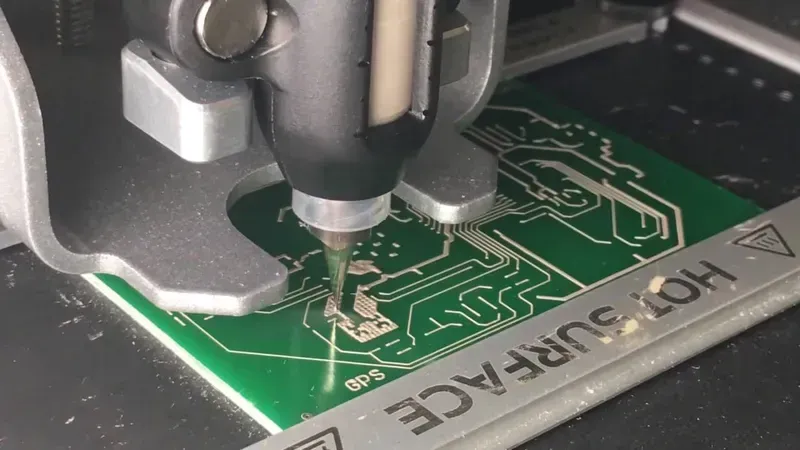
PCB Rapid Prototyping
In the demanding realm of space exploration, the reliability and performance of electronic components are paramount. Zero One Solution Limited stands at the forefront of providing high-reliability PCB solutions tailored specifically for Satellite Attitude Control Systems (ACS). Our expertise encompasses rapid prototyping, advanced manufacturing processes, and an unwavering commitment to quality, ensuring that every PCB we deliver meets the stringent demands of the aerospace industry.
Our core capabilities are built around:
Rapid Prototyping We understand the critical need for quick turnaround times in the aerospace sector. Our rapid prototyping services allow for swift iteration and testing, accelerating your product development cycle. This capability is crucial for meeting tight deadlines and adapting to evolving design requirements.
Advanced Manufacturing Processes Zero One Solution Limited employs cutting-edge manufacturing techniques, including precision etching, multilayer PCB fabrication, and advanced component placement, to ensure the highest levels of performance and reliability. Our state-of-the-art equipment and skilled technicians are dedicated to producing PCBs that meet the rigorous standards of space applications.
Commitment to Quality and Standards Quality is not just a goal; it's our foundation. We adhere to stringent quality control measures and comply with industry standards such as IPC and AS9100. These certifications underscore our commitment to delivering PCBs that meet the highest levels of reliability and performance, ensuring they can withstand the harsh conditions of space.
By choosing Zero One Solution Limited, you gain a partner dedicated to excellence in PCB solutions for satellite attitude control systems. We are committed to helping you achieve mission success through unparalleled quality, rapid development, and unwavering reliability.
Critical Design Considerations for Satellite Attitude Control System PCBs
Designing PCBs for Satellite Attitude Control Systems (ACS) demands meticulous attention to detail, incorporating specific strategies to ensure optimal performance and longevity in the harsh space environment. These considerations go beyond standard PCB design, necessitating a deep understanding of signal integrity, thermal management, component selection, redundancy, and radiation hardening. Zero One Solution Limited excels in these critical areas, providing expert guidance and solutions tailored to the unique challenges of space-grade PCB design.
Signal Integrity Maintaining signal integrity is paramount. High-frequency signals can degrade due to impedance mismatches, reflections, and crosstalk. Implementing controlled impedance traces, careful via placement, and appropriate ground plane design are essential. Zero One Solution utilizes advanced simulation tools to ensure signal integrity, preventing data corruption and ensuring reliable communication within the ACS.
Thermal Management Satellites experience extreme temperature variations. PCBs must withstand these thermal stresses. Effective thermal management involves selecting appropriate PCB materials with low thermal expansion coefficients and incorporating thermal vias and heat sinks to dissipate heat. Finite Element Analysis (FEA) is used to simulate thermal behavior. Zero One Solution offers thermal analysis and design optimization to ensure reliable operation across a wide temperature range.
Component Selection Components must be space-qualified, able to withstand radiation, and operate reliably under vacuum conditions. Derating components and selecting parts with extended operating temperature ranges are crucial. Zero One Solution partners with trusted component suppliers to provide a curated selection of high-reliability parts, ensuring the longevity and performance of the ACS.
Redundancy Implementing redundancy is critical to mitigate the risk of single-point failures. This involves designing redundant circuits, power supplies, and critical components. Zero One Solution provides design services to incorporate fault-tolerant architectures and redundant systems, ensuring the ACS can continue to function even if a component fails.
Radiation Hardening Space is filled with high-energy particles that can damage electronic components. Radiation hardening techniques include using radiation-hardened components, shielding sensitive areas, and implementing error detection and correction (EDAC) in memory circuits. Zero One Solution employs these techniques to protect the PCB from radiation effects, enhancing system reliability.
Advanced Materials and Manufacturing Processes for Robust Satellite ACS PCBs
Aerospace PCB Materials
The harsh environment of space demands that Satellite Attitude Control System (ACS) PCBs utilize cutting-edge materials and manufacturing processes to ensure operational integrity and longevity. Selecting the right materials and employing meticulous fabrication techniques are critical to withstand extreme temperatures, radiation, and vacuum conditions, thus guaranteeing the reliability of the satellite's attitude control mechanisms.
Choosing the right PCB substrate is paramount for space applications:
Ceramic Substrates: These offer superior thermal stability and excellent electrical insulation, making them ideal for high-frequency applications and environments with significant temperature variations. Ceramic PCBs also exhibit high resistance to radiation, which is crucial for the longevity of the ACS.
Polyimide Substrates: Polyimide, a flexible yet robust material, provides good thermal resistance and can withstand the stresses of launch and orbital operations. Its flexibility is an advantage for applications involving complex geometries or where vibration resistance is key. They are also a cost-effective alternative to ceramic.
Beyond substrates, the choice of plating materials and assembly techniques significantly impacts PCB performance:
High-Reliability Plating: Specialized plating materials, such as immersion silver or ENIG (Electroless Nickel Immersion Gold), are utilized to prevent corrosion and provide excellent solderability. These materials maintain their integrity under extreme conditions and ensure reliable electrical connections.
Stringent Soldering Procedures: Aerospace standards mandate rigorous soldering processes to eliminate voids and ensure strong, durable joints. Techniques like wave soldering or reflow soldering with controlled temperature profiles are critical to maintain solder joint integrity in the face of thermal cycling.
Conformal Coating: Conformal coatings, typically made of a protective polymer, are applied to PCBs to guard against moisture, dust, and other contaminants. This layer provides insulation and safeguards against arcing and short circuits, enhancing the board's resilience.
Zero One Solution Limited leverages its expertise to implement these advanced materials and processes, providing highly reliable PCBs for space applications. Our commitment to stringent quality control and adherence to aerospace standards ensures that every PCB we manufacture meets the demanding requirements of satellite ACS.
Rigorous Testing Protocols for Satellite Attitude Control System PCBs
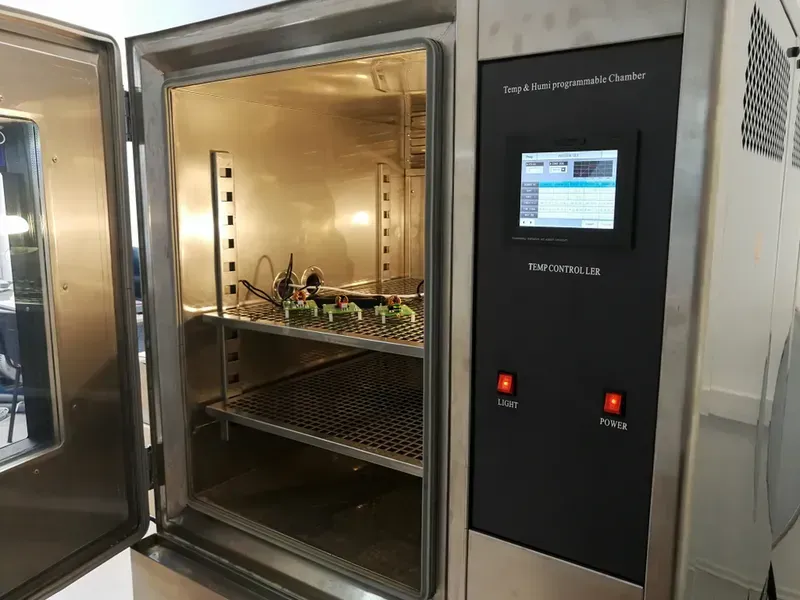
PCB Environmental Stress Screening Test
Ensuring the flawless operation of Satellite Attitude Control System (ACS) PCBs in the harsh environment of space demands a multifaceted and stringent testing regime. This section outlines the crucial testing protocols employed to validate the reliability and performance of PCBs designed for space applications, with a focus on environmental stress screening, vibration testing, thermal cycling, and functional verification.
Environmental Stress Screening (ESS) ESS is the initial and critical step in identifying early failures in PCBs. It involves subjecting the assembled PCBs to extreme temperatures and vibrations to expose any manufacturing defects, component weaknesses, or design flaws. This process ensures that only robust and reliable PCBs proceed to the next stages of testing. Zero One Solution Limited adheres to stringent ESS protocols, as defined by industry standards such as MIL-STD-883, to guarantee the highest level of quality.
Vibration Testing Satellites experience intense vibrations during launch and in-orbit maneuvers. Vibration testing simulates these conditions to assess the PCB's structural integrity and the reliability of solder joints, connectors, and components. This testing typically involves subjecting the PCB to sinusoidal or random vibrations across a range of frequencies and amplitudes, as per the specifications of the launch vehicle and mission requirements. Zero One Solution Limited utilizes state-of-the-art vibration testing equipment to ensure our PCBs withstand the rigors of spaceflight.
Thermal Cycling The drastic temperature fluctuations in space can cause thermal stress on PCBs, leading to expansion, contraction, and potential failure. Thermal cycling tests expose the PCBs to repeated cycles of extreme temperatures, simulating the temperature variations in orbit. This testing helps to identify potential issues such as delamination, cracking, or component failures caused by thermal stress. These tests are conducted in accordance with standards such as IPC-TM-650 to evaluate performance under these harsh thermal conditions.
Functional Testing Functional testing is the final step to ensure the ACS PCBs function as intended. This includes verifying the performance of all electronic components, signal integrity, and the overall system's response to various inputs and commands. This is performed under simulated operating conditions. These tests will also include radiation testing to ensure components are radiation hardened. This thorough testing ensures that the PCBs meet the performance and reliability requirements of the mission.
Zero One Solution Limited: Streamlining Satellite ACS PCB Development with Comprehensive One-Stop Services
In the demanding realm of aerospace engineering, efficiency and reliability are paramount. Zero One Solution Limited offers a distinct advantage through its one-stop service model for Satellite Attitude Control System (ACS) PCB solutions. This integrated approach, encompassing design, manufacturing, and assembly, significantly streamlines the development process, reducing lead times, and enhancing the overall quality of your space-grade PCBs.
PCB Design Expertise: Our team of seasoned engineers specializes in designing PCBs tailored for the unique challenges of space environments. We consider critical factors such as signal integrity, radiation hardening, and thermal management from the outset, ensuring that the PCB design meets your specific performance and reliability requirements.
Advanced Manufacturing Capabilities: Zero One Solution Limited utilizes state-of-the-art manufacturing equipment and processes to produce high-quality, space-grade PCBs. This includes employing advanced materials like ceramic and polyimide substrates, along with precise fabrication techniques to meet stringent aerospace standards.
Component Sourcing and Assembly: We manage the entire assembly process, including component sourcing, which is critical for space applications. Our team carefully selects components based on their radiation tolerance, temperature range, and reliability. Advanced assembly techniques, such as automated optical inspection (AOI) and X-ray inspection, ensure the highest quality and adherence to IPC standards.
Rigorous Quality Assurance: Quality is non-negotiable for space applications. Zero One Solution Limited adheres to stringent quality control processes, including environmental stress screening (ESS), vibration testing, and thermal cycling. Our commitment to AS9100 certification underscores our dedication to delivering reliable and high-performance PCBs.
Rapid Prototyping for Faster Development: Our rapid prototyping capabilities allow you to accelerate your project timelines. We can quickly fabricate and assemble prototypes, enabling faster iterations and minimizing the time-to-market for your satellite ACS systems.
By choosing Zero One Solution Limited's one-stop service, you gain a single point of contact, simplifying communication and project management. This integrated approach minimizes the risk of errors, reduces costs, and ultimately helps you deliver innovative satellite solutions to the market more efficiently.
Frequently Asked Questions about Satellite Attitude Control System PCB Solutions
This section addresses common queries regarding the crucial role of PCBs in Satellite Attitude Control Systems. We provide insightful answers to ensure a clear understanding of space-grade PCB solutions.
What are the primary challenges in designing PCBs for satellite attitude control systems? The main challenges include surviving extreme temperatures, radiation exposure, and vacuum conditions. Designers must consider thermal management, radiation hardening techniques, component selection, and the use of specialized materials to ensure reliability in space.
Which materials are best suited for space-grade PCBs? High-performance materials like ceramic substrates, polyimide, and specialized plating materials are critical. These materials offer improved thermal stability, radiation resistance, and durability required for the harsh space environment.
How does Zero One Solution Limited ensure the reliability of its PCBs for satellite applications? Zero One Solution Limited implements stringent quality control measures, including adherence to IPC standards and AS9100 certification. We perform rigorous testing, such as environmental stress screening (ESS), vibration testing, and thermal cycling, to validate performance and ensure reliability.
What are the advantages of a one-stop service for PCB design, manufacturing, and assembly? A one-stop service streamlines the development cycle, reduces lead times, and enhances communication. Zero One Solution Limited provides seamless integration between design, manufacturing, and assembly, which helps clients accelerate product development and ensures optimal quality control.
What is the typical lead time for manufacturing space-grade PCBs? Lead times vary based on the complexity of the design, materials, and testing requirements. Zero One Solution Limited focuses on rapid prototyping, working to provide efficient turnaround times while maintaining high-quality standards. Contact us for a project-specific estimate.
How does radiation hardening affect PCB design and manufacturing? Radiation hardening involves selecting components resistant to radiation, implementing design techniques to mitigate single-event effects, and using materials that minimize radiation interaction. These techniques ensure the PCBs continue to function correctly in a high-radiation environment, thus safeguarding the satellite's operations.
What testing standards are used to validate space-grade PCBs? Space-grade PCBs undergo rigorous testing based on industry standards, including but not limited to MIL-STD-883 and IPC specifications. These tests encompass environmental stress screening (ESS), vibration testing, thermal cycling, and functional testing to guarantee the PCBs' ability to withstand the harsh conditions of space.
The demands of space exploration necessitate unparalleled precision, reliability, and innovation in every component, especially within the Satellite Attitude Control System. As we've explored, the PCB at the heart of these systems is not merely a circuit board but a lifeline for mission success. At Zero One Solution Limited, our decade-plus experience in rapid prototyping, high-reliability PCB manufacturing, and comprehensive one-stop services positions us as your ideal partner in navigating these complex challenges. From initial design to final assembly, our commitment to quality, efficiency, and global support ensures that your satellite ACS PCBs are built to perform flawlessly in the harshest environments.
Ready to elevate your aerospace projects with PCBs designed for the cosmos? Connect with Zero One Solution Limited today. Let us be your trusted partner in accelerating innovation and achieving new heights in satellite technology. Visit our website or contact our experts to discuss your specific needs and discover how our tailored PCB solutions can propel your mission forward.