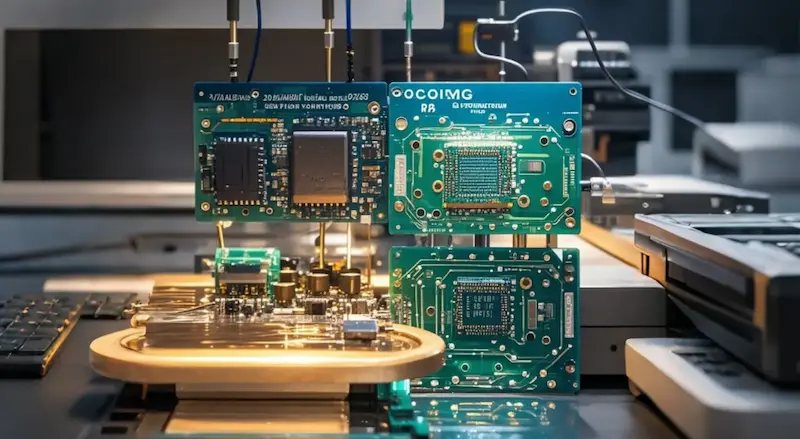
In the rapidly evolving landscape of urban mobility and sustainable energy, the concept of shared battery cabinet solutions is emerging as a groundbreaking innovation. At Zero One Solution Limited, we understand the critical demand for efficient, reliable, and scalable power infrastructure. This article delves into how shared battery cabinets are poised to transform how we power everything from e-bikes to last-mile delivery vehicles, offering a seamless and eco-friendly alternative to traditional charging methods. We will explore the technological underpinnings, the immense benefits, and the pivotal role that robust PCB solutions play in making these systems a reality, aligning with our commitment to accelerate product development and bring innovative solutions to market with exceptional efficiency.
The Rise of Shared Battery Cabinet Solutions in Urban Mobility
The increasing demand for efficient and sustainable energy solutions in densely populated urban areas is undeniable. Shared battery cabinet solutions are emerging as a transformative approach to address the unique challenges faced by electric vehicles (EVs) like e-bikes, scooters, and delivery fleets. This innovative approach shifts away from traditional charging methods, embracing battery swapping systems to optimize energy use and minimize downtime, which is crucial for maintaining the operational efficiency of these vehicles.
Why are shared battery cabinet solutions becoming popular in urban areas? Urban areas face challenges like limited space for charging infrastructure and high demand for efficient transportation. Shared battery cabinets offer a compact, scalable solution that supports a large number of EVs without requiring extensive grid upgrades or individual charging stations.
How do shared battery cabinets benefit e-bike and scooter users? Shared battery cabinets provide a convenient way for e-bike and scooter users to quickly swap depleted batteries for fully charged ones, reducing downtime and allowing for continuous use throughout the day. This is particularly beneficial for delivery personnel and commuters who rely on these vehicles for their daily activities.
What role do shared battery cabinets play in supporting delivery fleets? Delivery fleets can significantly improve their operational efficiency by using shared battery cabinets. Instead of waiting for vehicles to charge, drivers can quickly swap batteries, maximizing their time on the road and ensuring timely deliveries. This also reduces the need for each vehicle to have its own charging infrastructure.
What are the environmental benefits of using shared battery cabinet solutions? Shared battery cabinets can optimize energy consumption by managing charging schedules and reducing grid strain during peak hours. They also support the integration of renewable energy sources, contributing to a cleaner and more sustainable urban environment by decreasing reliance on fossil fuels for transportation.
How does the shift to battery swapping systems improve urban mobility? Battery swapping eliminates the need for long charging times, which can be a significant barrier to EV adoption. By enabling quick battery replacements, shared battery cabinets promote the use of EVs for urban transportation, reducing congestion and improving air quality. This shift also encourages the development of standardized battery formats, making it easier to manage and maintain a fleet of electric vehicles.
What are the key factors driving the adoption of shared battery cabinet solutions? Several factors contribute to the increasing adoption of shared battery cabinets, including growing environmental awareness, advancements in battery technology, and supportive government policies. These solutions align with urban sustainability goals and offer a practical way to address the limitations of traditional charging infrastructure.
How do shared battery cabinets contribute to smart city initiatives? Shared battery cabinets are an integral part of smart city initiatives, which aim to create more efficient, sustainable, and livable urban environments. These solutions can be integrated with smart grids and energy management systems, optimizing energy distribution and reducing waste. They also support the adoption of electric mobility, which is essential for achieving the environmental goals of smart cities.
Understanding Shared Battery Cabinet Technology
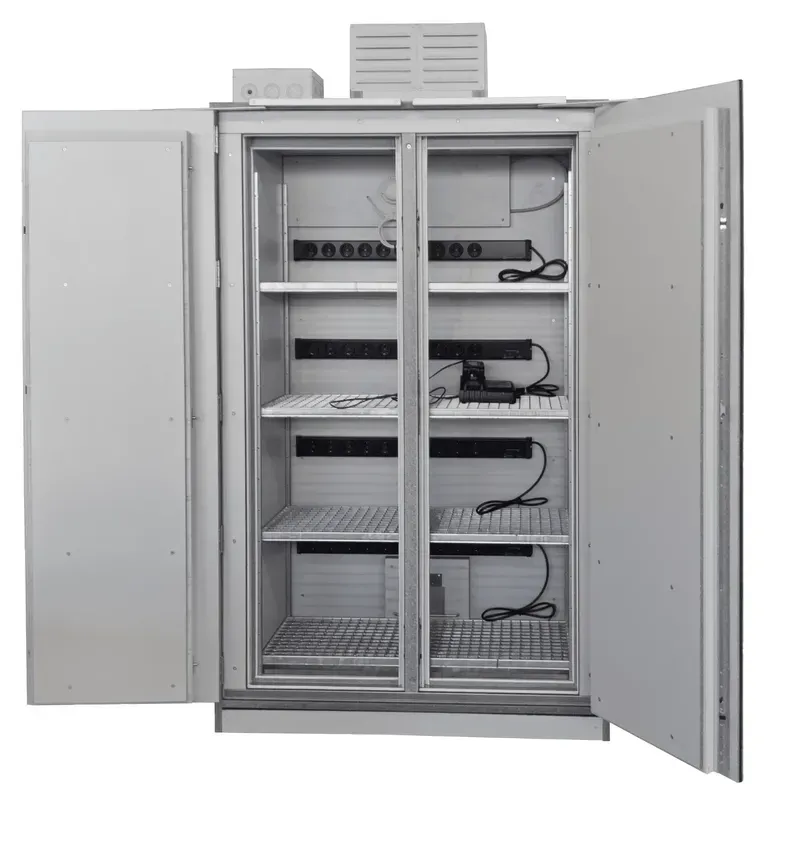
Shared Battery Cabinet Internal Components
Shared battery cabinets represent a significant advancement in energy solutions for urban mobility, streamlining the charging and swapping process for electric vehicles. At their core, these systems integrate several key components working in concert to provide a seamless and efficient user experience. These include smart charging systems optimizing battery health, communication modules facilitating real-time data exchange, Battery Management Systems (BMS) ensuring safety and performance, and intuitive user interfaces simplifying operations for both users and operators. The seamless swapping process is enabled by the coordinated interaction of these elements, making shared battery cabinets a viable solution for urban environments.
Smart Charging Systems These systems are designed to optimize the charging process for each battery, maximizing battery lifespan and ensuring efficient energy use. They often include features such as adaptive charging algorithms, temperature monitoring, and voltage regulation to prevent overcharging or damage.
Communication Modules Communication modules facilitate the exchange of data between the battery cabinet, the batteries, and the central management system. This data includes battery status, charging levels, usage patterns, and potential issues. Real-time monitoring enables proactive maintenance and ensures optimal performance.
Battery Management Systems (BMS) The BMS is crucial for ensuring the safe and efficient operation of the batteries. It monitors various parameters such as voltage, current, and temperature to prevent overcharging, over-discharging, and thermal runaway. Advanced BMS also incorporate cell balancing to maximize the overall capacity and lifespan of the battery pack.
User Interface The user interface, whether it's a physical touchscreen on the cabinet or a mobile app, provides a straightforward way for users to interact with the system. It allows users to locate available batteries, initiate the swapping process, and monitor their account. A well-designed interface enhances user experience and encourages adoption.
Seamless Swapping Process The swapping process is engineered to be quick and easy. Users can typically swap a depleted battery for a fully charged one in a matter of minutes. This minimizes downtime and ensures that e-bikes, scooters, and delivery vehicles can stay on the road longer. The process often involves authentication, battery selection, and automated locking mechanisms to secure the battery in place.
What safety measures are integrated into shared battery cabinets? Shared battery cabinets incorporate multiple layers of safety measures, including fire suppression systems, overcurrent protection, and thermal management. The Battery Management System (BMS) continuously monitors battery health and prevents overcharging or overheating, while physical barriers and secure locking mechanisms protect against tampering and unauthorized access. Regular inspections and maintenance further ensure the safe operation of the cabinets.
How does the battery swapping process work for users? Users typically initiate the battery swapping process through a mobile app or a user interface on the cabinet. After authentication, the system identifies an available, fully charged battery. The user then removes the depleted battery from their device and inserts it into the designated slot in the cabinet. The charged battery is then retrieved, completing the swap in just a few minutes. The app tracks battery usage and manages billing.
Key Benefits of Implementing Shared Battery Cabinet Solutions
Implementing shared battery cabinet solutions offers a multitude of benefits for both users and operators, revolutionizing urban mobility and energy management. These advantages span from increased convenience and efficiency to significant cost savings and environmental sustainability. By understanding these key benefits, stakeholders can better appreciate the transformative potential of shared battery cabinet solutions and their role in shaping the future of urban transportation and energy infrastructure.
Reduced Downtime Shared battery cabinets eliminate the need for individual charging, significantly reducing downtime for e-bikes, scooters, and delivery fleets. Instead of waiting for hours to recharge, users can quickly swap depleted batteries for fully charged ones, ensuring continuous operation and maximizing productivity. This is particularly crucial for commercial users who rely on their vehicles for income generation.
Extended Battery Life The controlled charging environment within shared battery cabinets, managed by sophisticated Battery Management Systems (BMS), optimizes charging cycles and prevents overcharging or deep discharging. This extends the overall lifespan of the batteries, reducing the frequency of replacements and associated costs. Proper battery management also enhances safety and reliability.
Optimized Energy Consumption Shared battery cabinets facilitate efficient energy distribution and management. The centralized charging system can be programmed to charge batteries during off-peak hours when electricity rates are lower, reducing energy costs. Furthermore, the system can monitor battery health and optimize charging parameters to minimize energy waste and maximize efficiency.
Reduced Infrastructure Costs Implementing shared battery cabinet solutions eliminates the need for widespread charging infrastructure, such as individual charging stations at homes or businesses. This significantly reduces infrastructure costs for both users and operators. The centralized nature of the shared battery cabinet allows for efficient use of space and resources, making it a cost-effective solution for urban environments.
Environmental Sustainability Shared battery cabinet solutions promote environmental sustainability by encouraging the adoption of electric vehicles and reducing reliance on fossil fuels. The optimized charging and battery management systems minimize energy waste and extend battery life, further reducing the environmental impact. By providing a convenient and efficient energy solution, shared battery cabinets contribute to a cleaner and greener urban environment.
Enhanced Convenience and Efficiency The battery swapping model provides unparalleled convenience for users. A quick swap takes a few seconds, unlike waiting hours for a recharge. This boosts operational efficiency, enabling delivery services and other businesses to maintain a consistent pace without delays. The enhanced convenience translates into higher customer satisfaction and increased profitability.
The Critical Role of PCB Solutions in Battery Cabinets
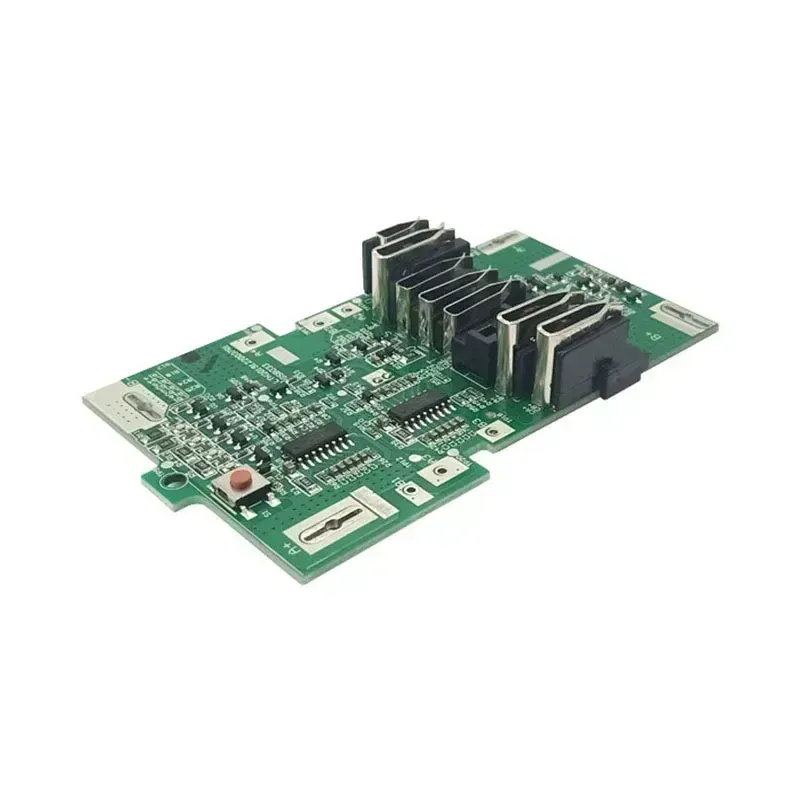
Battery Cabinet PCB
Printed Circuit Boards (PCBs) are fundamental to the operation of shared battery cabinets, acting as the central nervous system for these advanced energy solutions. High-quality PCBs ensure efficient power management, reliable data transmission, and robust safety features, all essential for the seamless and safe operation of battery swapping systems. Without dependable PCBs, the functionality and reliability of shared battery cabinets would be severely compromised.
PCBs within shared battery cabinets facilitate several critical functions:
Power Management PCBs regulate the charging and discharging of batteries, ensuring optimal performance and preventing overcharging or excessive discharge that could damage the batteries or create safety hazards. They manage the power distribution within the cabinet, allocating energy where it's needed most efficiently.
Data Transmission PCBs enable communication between the batteries, the charging system, and the central management system. This data transmission is crucial for monitoring battery health, tracking usage patterns, and optimizing charging cycles. Real-time data allows for predictive maintenance and efficient resource allocation.
Safety Features PCBs incorporate various safety circuits and components to protect against overcurrent, overvoltage, and short circuits. These features are vital for preventing accidents and ensuring the safety of both the users and the equipment. They also play a role in thermal management, preventing overheating that could lead to battery degradation or failure.
Operational Robustness Designed to withstand diverse environmental conditions, PCBs ensure reliable operation in varying temperatures and humidity levels. Their durability is crucial for maintaining consistent performance over the long lifespan of the battery cabinet. They support the physical integration of various components within the cabinet, providing a stable and secure platform.
Zero One Solution Limited excels in providing PCB solutions tailored to the specific needs of shared battery cabinet manufacturers. Our expertise in PCB design, rapid prototyping, manufacturing, and assembly ensures that our clients receive high-quality, reliable PCBs that meet the demanding requirements of this innovative application. From power management to data transmission and safety features, our PCB solutions are designed to optimize the performance and safety of shared battery cabinets.
Ensuring Reliability and Safety: PCB Design Considerations
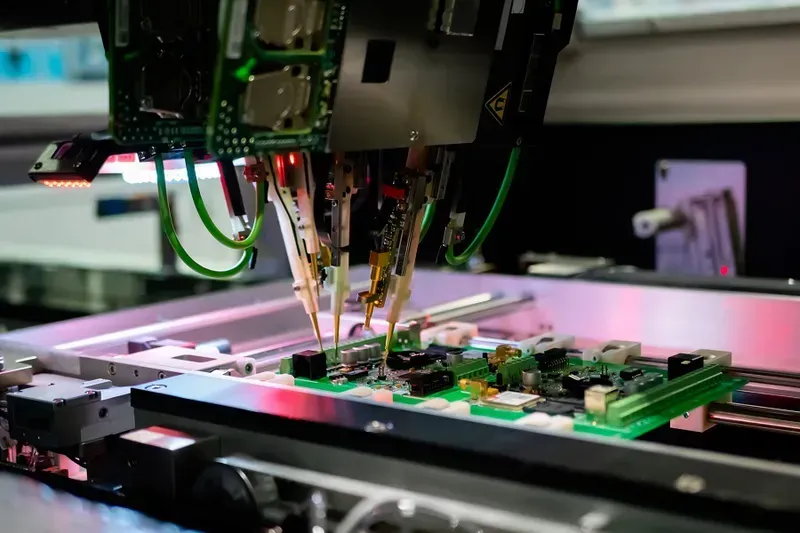
Engineer Testing PCB
The reliability and safety of shared battery cabinets hinge significantly on the design and manufacturing standards of their PCBs. These PCBs are not merely components; they are the central nervous system, managing power, transmitting data, and ensuring safe operation. Rigorous attention to thermal management, current handling, signal integrity, and robust protection circuits is paramount to prevent failures and ensure user safety. Furthermore, adherence to compliance standards and certifications is non-negotiable for market acceptance and responsible operation.
What thermal management strategies are crucial for PCBs in shared battery cabinets? Effective thermal management is crucial to prevent overheating and maintain optimal performance. Strategies include incorporating heat sinks, thermal vias, and selecting materials with high thermal conductivity. Simulations and thermal analysis during the design phase can identify potential hot spots and guide the placement of components to ensure efficient heat dissipation.
How does current handling capacity affect PCB design in these applications? PCBs must be designed to handle high currents safely and efficiently. This involves using appropriate trace widths and copper weights to minimize resistance and prevent excessive heat generation. Power planes and busbars may also be necessary to distribute current evenly and reduce voltage drop across the board.
Why is signal integrity important in shared battery cabinet PCBs? Signal integrity is crucial for reliable data transmission and communication between different components. Proper impedance matching, controlled impedance routing, and minimizing signal reflections are essential to maintain signal quality and prevent data errors. High-speed signals may require special attention to trace routing and termination techniques.
What protection circuits are essential for ensuring PCB safety in battery cabinets? Protection circuits are vital for preventing damage from overvoltage, overcurrent, and short circuits. These circuits typically include fuses, transient voltage suppressors (TVS diodes), and overcurrent protection devices. Galvanic isolation may also be necessary to protect users and equipment from electrical hazards.
Which compliance standards and certifications are necessary for PCBs used in shared battery cabinets? Compliance with industry standards and certifications is essential for ensuring the safety and reliability of shared battery cabinets. Relevant standards may include UL, CE, IEC, and RoHS. These certifications demonstrate that the PCBs have been tested and meet specific safety, performance, and environmental requirements.
What role does material selection play in the reliability of PCBs for battery cabinets? The choice of PCB materials significantly impacts reliability and performance. High-TG (glass transition temperature) materials are often preferred for their ability to withstand higher operating temperatures. Materials with good chemical resistance and low moisture absorption are also important for long-term durability.
How do design for manufacturability (DFM) principles contribute to PCB reliability? DFM principles ensure that PCBs can be manufactured consistently and reliably. This includes optimizing component placement, trace routing, and pad design to minimize manufacturing defects. Early DFM analysis can identify potential issues and prevent costly rework or failures in the field.
Zero One Solution Limited: Powering the Future of Shared Battery Cabinets
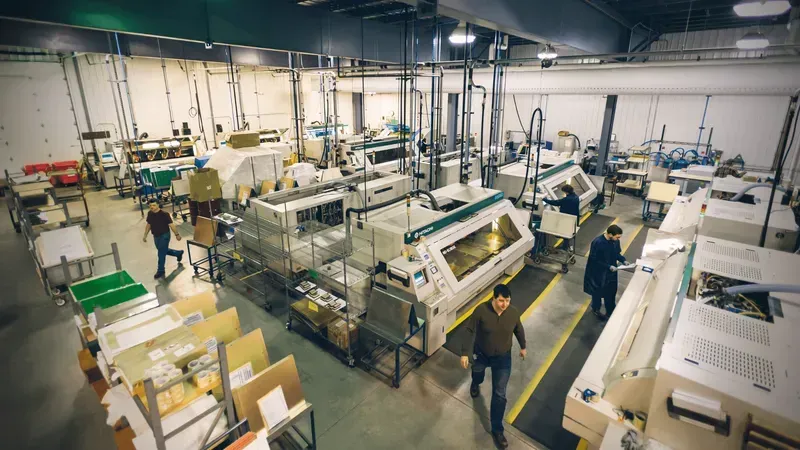
PCB Manufacturing Factory
At Zero One Solution Limited, we are dedicated to enabling the next generation of shared battery cabinet solutions through our comprehensive PCB services. Specializing in advanced PCB design, rapid prototyping, efficient manufacturing, and meticulous assembly, we offer a streamlined, one-stop solution tailored for innovators in the shared mobility and energy storage sectors. Our strategic presence in Shenzhen and Dubai allows us to provide unparalleled global supply chain access, ensuring our clients receive top-tier support and resources.
What PCB design services does Zero One Solution Limited offer for shared battery cabinets? Zero One Solution Limited provides a full spectrum of PCB design services, including schematic capture, layout design, signal integrity analysis, thermal management solutions, and design for manufacturability (DFM). We tailor our designs to meet the specific power, safety, and communication requirements of shared battery cabinets, ensuring optimal performance and reliability.
How does Zero One Solution Limited ensure the quality and reliability of PCBs for battery cabinet applications? We adhere to rigorous quality control processes throughout the PCB manufacturing process, from material selection to final inspection. This includes automated optical inspection (AOI), in-circuit testing (ICT), and functional testing to verify the performance and reliability of each PCB. Our commitment to quality ensures that our PCBs meet the stringent demands of shared battery cabinet applications.
What rapid prototyping services are available for shared battery cabinet PCBs? Zero One Solution Limited offers rapid prototyping services that enable quick turnaround times for PCB prototypes. This allows innovators to test and refine their designs efficiently, accelerating the product development cycle. Our prototyping services include quick-turn PCB fabrication, component sourcing, and assembly, providing a comprehensive solution for rapid design iteration.
Can Zero One Solution Limited handle large-scale PCB manufacturing for shared battery cabinets? Yes, we are equipped to handle both small and large-scale PCB manufacturing projects. Our state-of-the-art manufacturing facilities and efficient production processes enable us to meet the demands of high-volume production while maintaining consistent quality and reliability. We offer flexible manufacturing solutions to accommodate varying project sizes and timelines.
What assembly services does Zero One Solution Limited provide for shared battery cabinet PCBs? We offer comprehensive PCB assembly services, including surface mount technology (SMT) assembly, through-hole assembly, and mixed technology assembly. Our skilled technicians and advanced equipment ensure accurate and reliable component placement and soldering, resulting in high-quality assembled PCBs ready for integration into shared battery cabinets.
How does Zero One Solution Limited's global supply chain benefit shared battery cabinet innovators? Our strategic locations in Shenzhen and Dubai provide access to a vast network of suppliers and resources, enabling us to source high-quality components at competitive prices. This global supply chain advantage ensures that our clients receive cost-effective and timely solutions, reducing lead times and optimizing their supply chain management.
What certifications and compliance standards does Zero One Solution Limited adhere to for PCB manufacturing? Zero One Solution Limited adheres to industry-standard certifications and compliance standards, including ISO 9001, ISO 14001, and IPC standards. These certifications demonstrate our commitment to quality management, environmental responsibility, and adherence to best practices in PCB manufacturing. Compliance with these standards ensures that our PCBs meet the regulatory requirements and performance expectations of shared battery cabinet applications.
Future Outlook: Expanding Applications and Market Trends
The shared battery cabinet solution is poised for substantial growth, driven by increasing demand for efficient energy storage and the expansion of smart city initiatives. These cabinets are transitioning from solely supporting e-bikes and scooters to becoming integral components of broader energy ecosystems, enhancing grid stability and supporting renewable energy integration.
Several key market trends and technological advancements are shaping the future of shared battery cabinet solutions:
Smart Grid Integration Shared battery cabinets are evolving into distributed energy storage systems that can support smart grids by providing ancillary services like frequency regulation and peak shaving. This integration helps optimize energy distribution and reduces reliance on traditional power plants.
Renewable Energy Support These cabinets can store excess energy generated from renewable sources such as solar and wind, making renewable energy more reliable and accessible. This is particularly useful in areas with intermittent renewable energy supply.
Electric Vehicle (EV) Charging Infrastructure Beyond micro-mobility, shared battery cabinets can be adapted to support EV charging, providing a cost-effective and scalable solution for urban areas. They can offer fast charging capabilities without the need for expensive grid upgrades.
Modular and Scalable Designs Future shared battery cabinets will likely feature more modular designs, allowing for easy scalability and customization based on specific needs. This includes adjustable battery capacity and adaptable form factors for diverse environments.
Advanced Battery Management Systems (BMS) Ongoing advancements in BMS technology will enhance the performance and lifespan of batteries within shared cabinets. Improved monitoring, diagnostics, and thermal management will contribute to safer and more efficient operation.
AI and IoT Integration Integrating artificial intelligence (AI) and the Internet of Things (IoT) will enable predictive maintenance, optimize energy usage, and improve overall system efficiency. AI algorithms can analyze usage patterns and environmental conditions to fine-tune charging and discharging cycles.
Standardization and Regulatory Frameworks The development of industry standards and supportive regulatory frameworks will be crucial for widespread adoption. Standardization will ensure interoperability and safety, while clear regulations will provide a stable investment environment.
The global impact of shared battery cabinet solutions extends to promoting sustainable urban development and reducing carbon emissions. As cities worldwide strive to become smarter and more environmentally friendly, these solutions will play a pivotal role in shaping the future of urban mobility and energy management.
What are the primary challenges to wider adoption of shared battery cabinets? Challenges include standardization of battery technology, regulatory hurdles, initial infrastructure costs, and ensuring security and preventing theft.
How can shared battery cabinets support renewable energy integration? They can store excess energy from renewable sources like solar and wind, providing a buffer for intermittent supply and enhancing grid stability.
What role does AI play in the future of shared battery cabinets? AI algorithms can optimize energy usage, predict maintenance needs, and enhance overall system efficiency by analyzing usage patterns and environmental conditions.
What are the environmental benefits of using shared battery cabinets? They reduce reliance on fossil fuels, lower carbon emissions by supporting electric mobility, and promote sustainable urban development.
How do shared battery cabinets contribute to smart city initiatives? They serve as distributed energy storage systems, supporting smart grids, enhancing energy management, and providing infrastructure for electric vehicles and micro-mobility solutions.
Shared battery cabinet solutions represent a significant leap forward in addressing the challenges of urban energy management and sustainable mobility. By offering a convenient, efficient, and eco-friendly alternative to traditional charging, they are shaping the future of how we power our lives and businesses. Zero One Solution Limited, with our expertise in rapid-response R&D prototype manufacturing and one-stop PCB services, stands at the forefront of enabling this revolution. Our commitment to precision engineering and quality ensures that the foundational PCB technologies within these cabinets are robust, reliable, and ready for the demands of a connected, electrified world. Embrace the future of energy with solutions powered by Zero One. Contact us today to explore how our cutting-edge PCB solutions can empower your next innovative project.