In an era where global food demand is escalating and environmental sustainability is paramount, traditional agricultural practices face significant challenges. The high cost of specialized machinery, limited access for small-scale farmers, and underutilization of resources present critical hurdles. This article delves into the transformative potential of 'Shared Agricultural Machinery Solutions' – a concept poised to revolutionize farming by optimizing resource allocation and enhancing productivity. At the heart of these smart, interconnected systems lies advanced Printed Circuit Board (PCB) technology, a cornerstone of innovation that Zero One Solution Limited, a leader in rapid prototyping and one-stop PCB services, is uniquely positioned to empower. We'll explore how our expertise in high-performance PCB design, manufacturing, and assembly enables the intelligent infrastructure necessary for a more efficient and sustainable agricultural future.
The Dawn of Shared Agriculture: Addressing Modern Farming Challenges
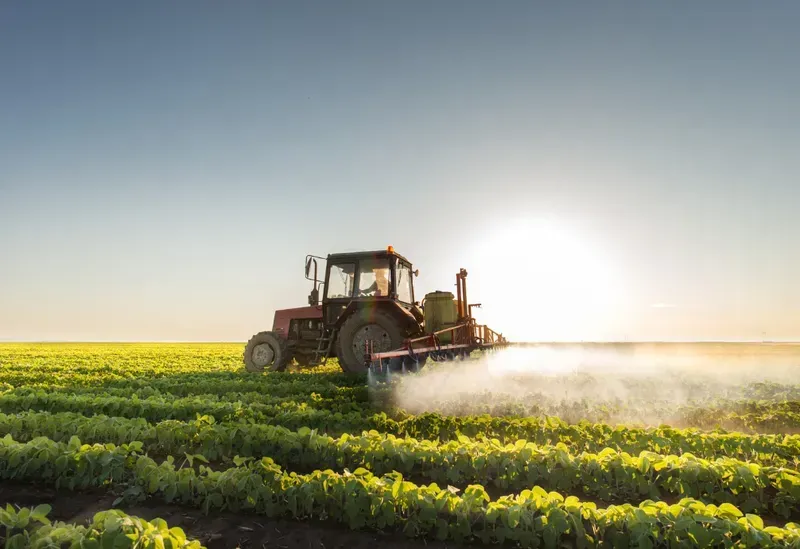
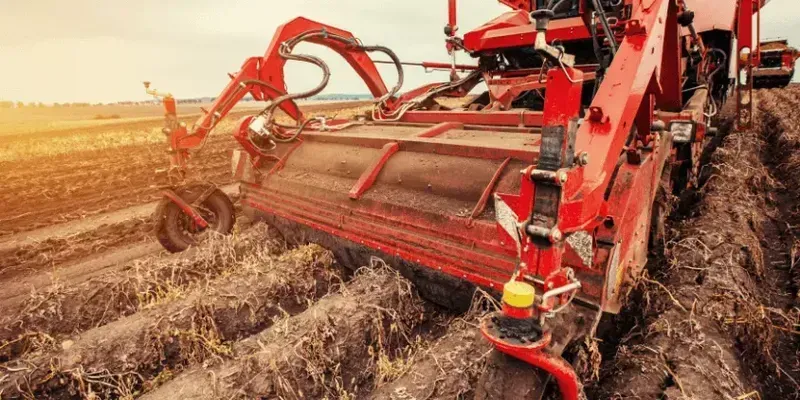
Agricultural Machinery Field Operation
The agricultural sector is currently grappling with significant challenges, including escalating equipment costs, fragmented land ownership, and the pressing need for sustainable farming practices. Shared agricultural machinery solutions emerge as a pivotal strategy to tackle these issues, offering a way to optimize resource utilization and enhance productivity.
The agricultural landscape is changing, demanding innovative approaches to traditional farming methods. Here's a closer look at the issues and how shared machinery can provide relief:
High Equipment Costs Modern agricultural machinery represents a substantial investment, often beyond the reach of small and medium-sized farms. Sharing equipment distributes this cost among multiple users, making advanced technology accessible to a wider range of farmers.
Land Fragmentation Many regions are characterized by small, fragmented land holdings, making it inefficient and costly for individual farmers to own and operate specialized machinery. Shared solutions enable optimal utilization of equipment across multiple farms, regardless of size.
Need for Sustainable Practices Sustainable agriculture requires efficient resource management and reduced environmental impact. Shared machinery promotes these goals by minimizing redundant equipment production, optimizing fuel consumption, and facilitating the adoption of precision farming techniques.
Access to Advanced Technology Shared systems allow farmers to access state-of-the-art equipment and technologies they might not otherwise be able to afford. This includes GPS-guided tractors, precision planters, and advanced harvesting equipment, leading to improved yields and resource efficiency.
Improved Productivity and Efficiency By optimizing machinery utilization and access to advanced tools, shared solutions enhance overall farm productivity and operational efficiency. Farmers can accomplish tasks more quickly and effectively, increasing their output and profitability.
Reduced Capital Expenditure One of the most significant advantages is the reduction in capital expenditure for individual farmers. Instead of bearing the full cost of expensive equipment, they pay only for the usage, freeing up capital for other essential investments in their farms.
What Exactly is a Shared Agricultural Machinery Solution?
A shared agricultural machinery solution represents a transformative approach to modern farming, enabling multiple users to access and efficiently utilize high-value farm equipment. This system leverages digital platforms and interconnected systems to optimize machinery usage, reduce costs, and promote sustainable agricultural practices. By pooling resources, farmers gain access to advanced equipment that might otherwise be financially unattainable, fostering greater productivity and innovation within the agricultural sector.
How does shared agricultural machinery work? Shared agricultural machinery operates through a system where multiple farmers or agricultural entities can access and use equipment on a rotating or needs-based schedule. This is often facilitated by a digital platform that manages scheduling, maintenance, and billing, ensuring efficient allocation and utilization of resources. The machinery is equipped with IoT devices and GPS for monitoring and data collection, enhancing operational oversight.
What types of machinery are commonly shared? Commonly shared machinery includes tractors, combines, planters, sprayers, and harvesters. These are high-value assets that are essential for various stages of crop production but are often underutilized on individual farms. Sharing these resources optimizes their use, reduces capital expenditure for farmers, and promotes sustainable farming practices.
What are the benefits of using shared agricultural machinery? The benefits include reduced capital expenditure for farmers, increased equipment utilization, minimized environmental impact through optimized usage, and enhanced productivity via access to advanced technology. Sharing also fosters collaboration among farmers, promoting knowledge exchange and community support.
What are the key components of a shared agricultural machinery system? Key components include the physical machinery, a digital platform for scheduling and management, IoT devices for monitoring and data collection, and robust PCB-based control systems that ensure reliable operation. Connectivity solutions are also crucial for seamless data transfer and remote monitoring.
How does PCB technology contribute to shared agricultural machinery solutions? Printed Circuit Boards (PCBs) are fundamental to the smart capabilities of shared agricultural machinery. They enable features like GPS guidance, remote monitoring, IoT connectivity, and automation. Reliable and high-performance PCBs ensure that the machinery operates efficiently, providing accurate data and seamless control, which are essential for effective shared usage.
What challenges are associated with shared agricultural machinery solutions? Challenges include ensuring equitable access and scheduling, maintaining equipment reliability under heavy use, addressing data security concerns, and establishing clear protocols for maintenance and repairs. Robust connectivity solutions and durable PCB components are essential to mitigate these challenges and ensure uptime and data integrity.
How can Zero One Solution Limited help with shared agricultural machinery solutions? Zero One Solution Limited specializes in providing rapid PCB prototyping, design, manufacturing, and assembly services, which are crucial for developing and maintaining advanced agricultural machinery. Our expertise ensures that the PCBs used in shared machinery are robust, reliable, and capable of withstanding the harsh conditions of agricultural environments, supporting the seamless operation of shared systems.
The Role of Advanced PCB Technology in Smart Farming
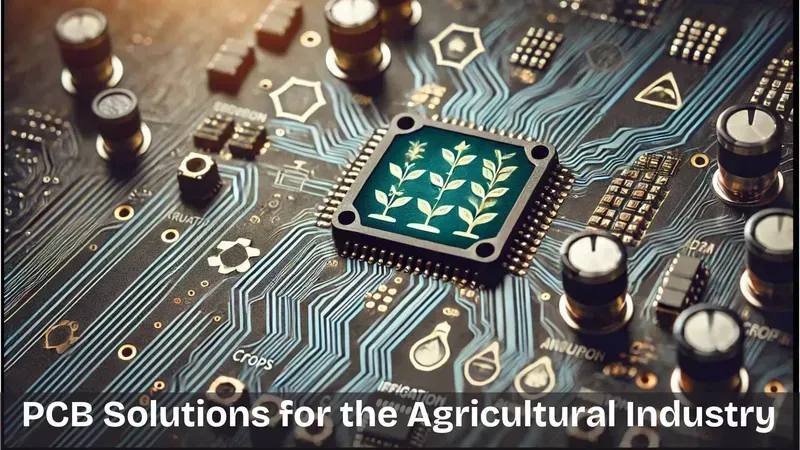
Smart Agricultural Machine PCB Board Inside
Printed Circuit Boards (PCBs) are the backbone of smart agricultural machinery, acting as the central nervous system that enables advanced functionalities. These intricate boards host a myriad of electronic components, facilitating crucial features like GPS guidance for precise navigation, remote monitoring to track equipment performance, seamless IoT connectivity for data exchange, and automated controls to optimize farming processes. Without advanced PCB technology, the sophisticated capabilities of shared agricultural machinery would simply not be possible.
Here’s a closer look at how PCB technology powers specific smart farming applications:
GPS Guidance Systems: High-precision GPS modules integrated onto PCBs allow tractors and other equipment to navigate fields autonomously, optimizing planting, fertilizing, and harvesting routes for maximum efficiency and minimal overlap. This reduces fuel consumption and ensures consistent coverage.
Remote Monitoring & Diagnostics: PCBs enable real-time monitoring of machine health and performance through sensors that track parameters like engine temperature, oil pressure, and fuel levels. This data is transmitted wirelessly, allowing farmers to proactively address maintenance needs and prevent costly breakdowns.
IoT Connectivity: PCBs serve as the interface between agricultural machinery and the Internet of Things (IoT), enabling seamless data exchange with cloud-based platforms. This connectivity facilitates data-driven decision-making, allowing farmers to optimize resource allocation and improve overall farm management.
Automated Controls: Sophisticated PCBs manage automated systems for tasks such as precision spraying, variable rate fertilization, and automated irrigation. These systems rely on sensors and control algorithms embedded within the PCB to optimize inputs based on real-time conditions, minimizing waste and maximizing yields.
Data Acquisition and Processing: Smart agricultural machinery equipped with advanced PCBs can collect and process vast amounts of data from various sensors. This data is used to generate insights into soil conditions, crop health, and environmental factors, enabling farmers to make informed decisions about planting, irrigation, and pest control.
The reliability and durability of PCBs are paramount in the harsh environments where agricultural machinery operates. Zero One Solution Limited specializes in creating robust PCB solutions that can withstand extreme temperatures, vibration, moisture, and chemical exposure, ensuring consistent performance and longevity.
Zero One Solution Limited's Expertise in Enabling Agricultural Innovation
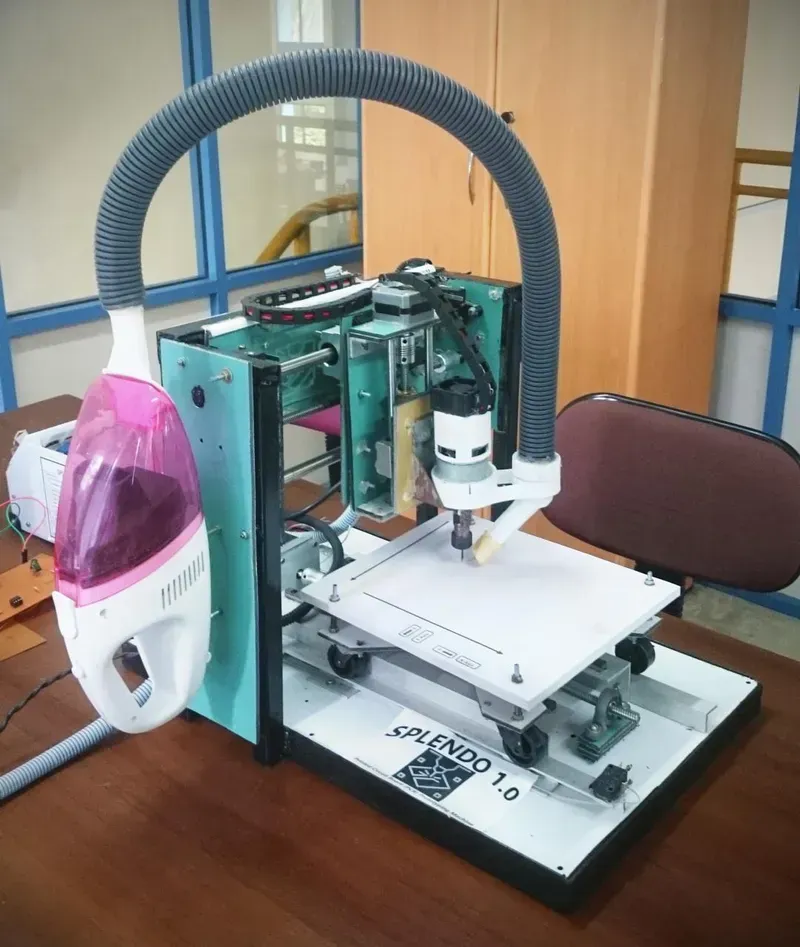
Engineer Operating PCB Prototype Machine
Zero One Solution Limited stands at the forefront of enabling agricultural innovation by providing robust and reliable PCB solutions essential for cutting-edge shared agricultural machinery. With comprehensive capabilities spanning rapid PCB prototyping, design, manufacturing, and assembly, we empower our clients to develop and deploy smart farming technologies with confidence and efficiency.
Our expertise directly addresses the critical need for high-performance PCBs in the demanding environment of modern agriculture. Here's how Zero One Solution Limited supports the advancement of shared agricultural machinery:
Rapid PCB Prototyping: We accelerate the development process with our rapid prototyping services, enabling quick iteration and testing of new designs for agricultural machinery applications. This is crucial for incorporating the latest sensor technologies and control systems into shared equipment.
Comprehensive PCB Design: Our design team specializes in creating PCBs that meet the unique challenges of agricultural environments, including resistance to vibration, moisture, and extreme temperatures. We ensure that every design maximizes performance and reliability.
Advanced Manufacturing: Leveraging state-of-the-art manufacturing processes, we produce high-quality PCBs that serve as the backbone for smart agricultural machinery. Our manufacturing capabilities support complex designs and high-volume production.
Turnkey Assembly Services: We offer complete PCB assembly services, streamlining the production process from component sourcing to final assembly. This ensures that the PCBs are integrated seamlessly into agricultural machinery, reducing time-to-market and overall costs.
Focus on Reliability: Understanding the critical nature of agricultural operations, we prioritize the reliability of our PCB solutions. We employ rigorous testing and quality control measures to ensure that our PCBs perform consistently under harsh conditions, minimizing downtime and maximizing productivity.
By partnering with Zero One Solution Limited, agricultural innovators gain access to cutting-edge PCB technology and expertise, allowing them to develop smarter, more efficient shared agricultural machinery that addresses the evolving needs of modern farming.
Key Benefits of Implementing Shared Agricultural Machinery Solutions
Implementing shared agricultural machinery solutions unlocks a multitude of benefits, addressing critical pain points in modern farming. By pooling resources and leveraging advanced technology, farmers can significantly reduce capital expenditure, optimize equipment utilization, minimize their environmental footprint, and boost overall productivity. These advantages collectively contribute to a more sustainable and economically viable agricultural sector.
Reduced Capital Expenditure The high cost of agricultural machinery can be a significant barrier to entry and growth for many farmers. Shared machinery models drastically lower this barrier by distributing the cost among multiple users. This allows farmers to access advanced equipment without the burden of full ownership, freeing up capital for other essential investments like seeds, fertilizer, and labor.
Increased Equipment Utilization Traditionally, farm equipment often sits idle for significant periods, leading to low utilization rates and poor return on investment. Sharing maximizes the use of each machine, ensuring it operates closer to its full potential. This increased efficiency translates to better financial returns for equipment owners and greater access to needed machinery for all participants.
Minimized Environmental Impact Shared machinery contributes to more sustainable farming practices in several ways. By optimizing equipment use, it reduces the overall number of machines needed, lowering manufacturing demand and associated environmental impacts. Furthermore, access to precision farming technology through shared solutions enables more efficient use of resources like fuel, fertilizers, and pesticides, minimizing waste and pollution.
Enhanced Productivity Through Advanced Technology Shared agricultural machinery often incorporates cutting-edge technologies like GPS guidance, automated controls, and data analytics. These features enhance the precision and efficiency of farming operations, leading to increased yields and improved crop quality. Access to these technologies through shared models empowers farmers to optimize their practices and stay competitive in the modern agricultural landscape.
Improved Access to Specialized Equipment Many smaller farms cannot justify the investment in specialized equipment used for specific tasks or crops. Shared machinery solutions provide access to these specialized tools on an as-needed basis, enabling farmers to diversify their operations and improve the quality of their output without incurring prohibitive costs.
Overcoming Challenges: Reliability and Connectivity in Shared Systems
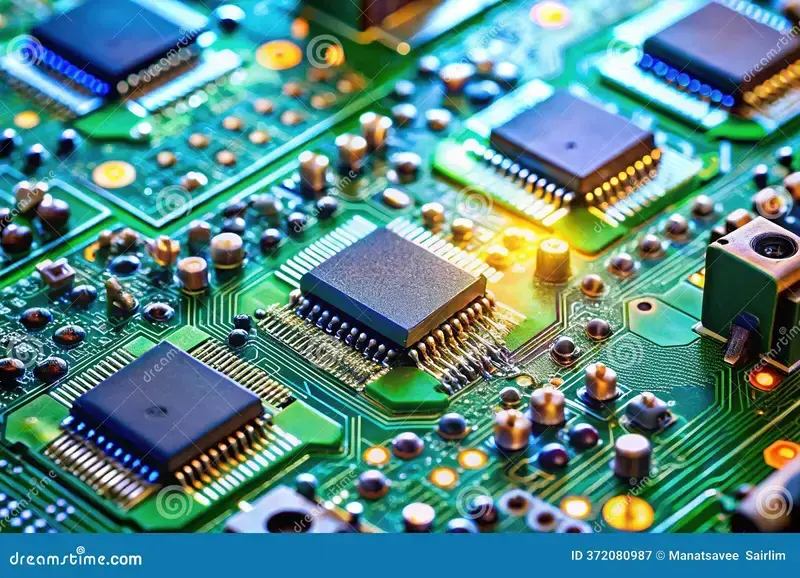
Reliable PCB Components Close-Up
The success of shared agricultural machinery hinges on overcoming significant technical hurdles, primarily ensuring reliability and seamless connectivity. These systems operate in demanding environments, often remotely, requiring robust engineering and innovative solutions to maintain uptime and data integrity. Addressing these challenges is paramount to realizing the full potential of shared agricultural resources.
What are the primary challenges in ensuring the reliability of shared agricultural machinery? The challenges include withstanding harsh environmental conditions (dust, moisture, temperature extremes), ensuring consistent performance under heavy use, preventing mechanical failures, and safeguarding against software or system errors. Robust design, rigorous testing, and predictive maintenance are essential.
How can seamless connectivity be maintained in remote farming locations? Maintaining connectivity requires a multi-faceted approach, including utilizing satellite communication, cellular networks (where available), mesh networking, and long-range Wi-Fi. Signal amplification, redundant communication pathways, and robust network management systems are also crucial.
What role do PCB components play in the reliability of shared agricultural machinery? PCB components are the backbone of electronic control systems in agricultural machinery. High-quality, ruggedized PCBs are essential to withstand vibration, temperature variations, and moisture. Reliable PCBs ensure stable operation of sensors, control units, and communication modules, directly impacting the machinery's uptime and performance.
How does Zero One Solution Limited address the reliability and connectivity challenges in PCB manufacturing for agricultural applications? Zero One Solution Limited leverages its expertise in rapid PCB prototyping, design, and manufacturing to create robust and reliable PCB solutions. We employ rigorous testing procedures, select high-quality components, and implement advanced manufacturing techniques to ensure our PCBs meet the demanding requirements of agricultural machinery. Our designs prioritize signal integrity, power efficiency, and environmental protection.
What strategies can be used to minimize downtime and maximize uptime in shared agricultural machinery? Preventive maintenance programs, remote diagnostics, over-the-air software updates, and readily available spare parts are crucial. Designing systems with modular components allows for quick replacement of faulty parts, minimizing downtime. Real-time monitoring and data analytics can predict potential failures, enabling proactive maintenance.
How important is data security in shared agricultural machinery systems, and what measures can be taken to ensure it? Data security is paramount to protect sensitive information related to farm operations, equipment performance, and user data. Implementing encryption, access controls, secure authentication protocols, and regular security audits are crucial. Robust cybersecurity measures prevent unauthorized access, data breaches, and potential misuse of the system.
What are the long-term cost implications of choosing low-quality PCB components versus high-reliability components in shared agricultural machinery? While low-quality PCB components might offer lower upfront costs, they often lead to higher long-term costs due to increased failure rates, downtime, and maintenance expenses. High-reliability components, though initially more expensive, offer superior durability, stability, and performance, resulting in lower total cost of ownership and improved ROI in the long run.
Case Studies: Real-World Impact of Smart Shared Farming
Shared Agricultural Machinery Usage Scene
The real-world impact of smart shared farming is becoming increasingly evident as agricultural communities adopt and adapt to these innovative solutions. While comprehensive, statistically-validated studies are still emerging, numerous anecdotal accounts and pilot programs illustrate the transformative potential of shared agricultural machinery. These examples showcase how collaborative access to advanced technology can revolutionize farming practices, enhance productivity, and foster sustainable agriculture.
Here are a few hypothetical, yet realistic, case studies demonstrating the impact of smart shared farming:
Case Study 1: Smallholder Cooperative in Rural India A cooperative of smallholder farmers in Maharashtra, India, pooled resources to access a shared fleet of tractors equipped with GPS guidance and precision seeding technology. By using a digital platform to schedule and manage equipment usage, the cooperative reduced their collective capital expenditure by 60%. The implementation of precision seeding increased crop yields by 25% while reducing fertilizer usage by 15%, leading to higher incomes and a smaller environmental footprint for each farmer.
Case Study 2: Midwest US Grain Farmers Several grain farmers in Iowa, USA, partnered to share a combine harvester equipped with real-time yield monitoring and automated adjustment capabilities. This enabled them to optimize harvesting parameters based on crop density and moisture levels. The shared equipment model reduced each farmer’s investment by approximately $200,000, and the optimized harvesting process minimized grain loss by 5%, collectively increasing their profits and promoting sustainability.
Case Study 3: Vineyard Management in France A group of vineyard owners in Bordeaux, France, adopted a shared robotic sprayer system. These robots, equipped with advanced sensors and AI-driven algorithms, precisely applied treatments only where needed, reducing pesticide use by 40%. The shared system, managed via a cloud-based platform, ensured optimal coverage and timing, resulting in healthier vines, higher-quality grapes, and a reduced environmental impact on the region’s delicate ecosystem.
Case Study 4: African Farming In Kenya, several small farms pool their resources to gain access to modern machinery such as tractors and harvesters through a shared platform. These machines are equipped with sensors and IoT devices, offering data-driven insights on soil conditions, crop health, and weather patterns. This collective approach enables farmers to optimize planting schedules, irrigation, and fertilization, leading to substantial improvements in yield and resource efficiency. Farmers also receive training and support to effectively use the technology and implement sustainable practices, transforming subsistence farming into more profitable and resilient agricultural businesses.
Case Study 5: Australian Farming Farmers in New South Wales leverage shared drones for crop monitoring and analysis. These drones, equipped with high-resolution cameras and sensors, capture detailed images of fields, identifying areas affected by pests, diseases, or nutrient deficiencies. The data is processed using AI algorithms to generate actionable insights, enabling farmers to target interventions and optimize resource allocation. This approach minimizes waste, reduces environmental impact, and enhances crop yields, contributing to more sustainable and profitable farming operations.
These examples illustrate the broad applicability of shared agricultural machinery solutions across diverse farming contexts. As technology continues to advance and adoption rates increase, the positive impact on productivity, sustainability, and economic viability is expected to grow even further. The key lies in providing user-friendly platforms, robust equipment, and reliable support to ensure these shared systems deliver tangible benefits to farming communities worldwide.
The Future Outlook: AI, Robotics, and the Evolution of Shared Agriculture
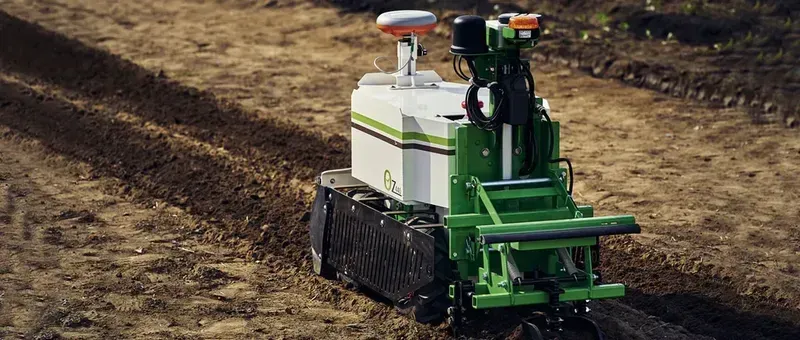
Agricultural Robot Field Tilling
The future of shared agriculture is poised for a significant transformation, driven by the integration of artificial intelligence (AI), robotics, and advanced data analytics. These technologies promise to enhance the efficiency, sustainability, and accessibility of shared agricultural machinery solutions, with continuous innovation in Printed Circuit Board (PCB) technology serving as the backbone.
How will AI enhance shared agricultural machinery? AI algorithms can optimize machinery usage by predicting maintenance needs, suggesting optimal routes and patterns for fieldwork, and adjusting equipment settings based on real-time data from sensors. This leads to reduced downtime, lower operational costs, and improved crop yields.
What role will robotics play in the future of shared agriculture? Robotics will automate many labor-intensive tasks, such as planting, weeding, and harvesting. Shared robotic solutions can make these technologies more accessible to small and medium-sized farms, increasing efficiency and reducing the need for manual labor.
How will advanced data analytics contribute to shared agricultural machinery solutions? Advanced data analytics can provide insights into soil conditions, weather patterns, and crop health, enabling farmers to make more informed decisions about irrigation, fertilization, and pest control. This data-driven approach optimizes resource utilization and minimizes environmental impact.
What advancements in PCB technology are expected to support these future trends? Future PCBs will need to be more robust, energy-efficient, and capable of handling larger data volumes. Innovations such as flexible PCBs, advanced sensor integration, and improved wireless communication capabilities will be essential for supporting AI, robotics, and data analytics in shared agricultural machinery.
How can Zero One Solution Limited contribute to this evolution? Zero One Solution Limited's expertise in rapid PCB prototyping, design, manufacturing, and assembly positions us as a key enabler of these future technologies. By providing reliable and innovative PCB solutions, we can help agricultural machinery manufacturers integrate AI, robotics, and advanced data analytics into their shared solutions.
What are the potential environmental benefits of AI and robotics in shared agriculture? AI and robotics can optimize the use of resources such as water, fertilizers, and pesticides, reducing waste and minimizing the environmental footprint of agricultural operations. Precision agriculture techniques, enabled by these technologies, can target inputs only where and when they are needed, leading to more sustainable farming practices.
What are the key challenges to overcome in implementing AI and robotics in shared agriculture? Challenges include the initial investment costs, the need for reliable connectivity in rural areas, and the development of user-friendly interfaces for farmers. Addressing these challenges through government incentives, technological innovation, and farmer training programs will be crucial for widespread adoption.
FAQs About Shared Agricultural Machinery & PCB Solutions
This section addresses frequently asked questions about shared agricultural machinery and the critical role of PCBs in these advanced systems. We'll clarify common concerns about practicality, benefits, and the underlying technology, highlighting Zero One Solution Limited's contributions to this innovative field.
What exactly is shared agricultural machinery, and how does it work? Shared agricultural machinery involves a system where multiple farmers or agricultural entities can access and utilize farm equipment on a shared basis. This is often facilitated through a digital platform for scheduling, maintenance tracking, and payment. It optimizes equipment usage, reduces individual capital expenditure, and promotes sustainable farming practices.
What are the primary benefits of using shared agricultural machinery? The main advantages include lower capital investment for farmers, increased equipment utilization rates, access to advanced technology that might otherwise be unaffordable, reduced environmental impact through optimized resource use, and improved productivity.
How do PCBs enable the functionality of shared agricultural machinery? Printed Circuit Boards (PCBs) are the backbone of the electronic control systems in modern agricultural machinery. They enable precise GPS guidance, automated controls, remote monitoring via IoT connectivity, and data analytics for optimized performance. These features are crucial for efficient shared usage and management.
What challenges exist in implementing and maintaining shared agricultural machinery? Key challenges include ensuring reliable equipment performance, maintaining seamless connectivity in rural areas, establishing a user-friendly scheduling and management platform, and addressing potential conflicts among users. Robust PCBs and connectivity solutions are essential for overcoming these challenges.
How does Zero One Solution Limited contribute to the shared agricultural machinery ecosystem? Zero One Solution Limited provides rapid PCB prototyping, design, manufacturing, and assembly services. Our expertise ensures the reliability and performance of the electronic components within shared agricultural machinery, enabling smart farming solutions that are both efficient and sustainable. We support innovation by delivering high-quality PCB solutions tailored to the specific needs of agricultural technology providers.
Is shared agricultural machinery suitable for all types of farms? Shared agricultural machinery can benefit a wide range of farms, particularly small to medium-sized operations that may struggle to afford expensive equipment individually. The suitability depends on factors like the type of crops grown, the size of the farm, and the level of cooperation among farmers in a given region. A well-managed shared system can offer significant advantages in most scenarios.
How secure is the data collected by shared agricultural machinery systems? Data security is a paramount concern. Reputable shared machinery platforms employ robust encryption and data protection measures to safeguard user information and prevent unauthorized access. Farmers should ensure that the systems they use comply with industry best practices for data privacy and security.
The future of agriculture hinges on innovation, efficiency, and sustainability. Shared agricultural machinery solutions, powered by sophisticated PCB technology, offer a clear path forward, democratizing access to vital tools and optimizing resource utilization. Zero One Solution Limited stands at the forefront of this revolution, providing the essential PCB backbone for these intelligent systems. Our rapid prototyping capabilities, commitment to quality, and global supply chain network empower innovators to bring their smart agriculture visions to life with unprecedented speed and reliability. Partner with Zero One Solution Limited to unlock the full potential of your shared agricultural machinery projects, accelerating your product development and contributing to a more productive and sustainable world. Contact us today to discuss your PCB solution needs and cultivate the future of farming together.