In an era where environmental sustainability is paramount, inefficient waste management poses a significant global challenge. Traditional recycling methods often fall short, leading to overflowing bins, logistical nightmares, and diminished public participation. But what if technology could transform this critical process, making it smarter, more efficient, and truly impactful? This article delves into the innovative Smart Waste Points Recycling Bin Solution, a cutting-edge answer to modern waste challenges, and explores how Zero One Solution Limited's advanced PCB expertise is at its core, driving this pivotal shift towards a cleaner, more sustainable world.
The Imperative for Smart Waste Management
The escalating global waste crisis demands a paradigm shift from traditional recycling methods to innovative solutions. Conventional systems are struggling to cope with the sheer volume and complexity of modern waste streams, necessitating the adoption of smart waste management strategies like the Smart Waste Points Recycling Bin Solution to achieve meaningful and sustainable environmental outcomes.
The global waste crisis is driven by several converging factors:
Rapid Urbanization: As more people move to cities, waste generation increases exponentially, straining existing infrastructure.
Rising Consumption: Increased consumerism and the production of disposable goods contribute to ever-larger waste volumes.
Complex Waste Streams: Modern waste includes a mix of materials, many of which are difficult to recycle using traditional methods.
Inadequate Infrastructure: Many regions lack the necessary infrastructure and resources to effectively manage waste.
Traditional recycling systems face numerous limitations:
Low Recycling Rates: A significant portion of recyclable materials ends up in landfills due to contamination, inefficient sorting processes, and lack of public awareness.
Inefficient Collection: Traditional collection methods often involve fixed schedules and routes, leading to unnecessary trips and wasted resources.
Limited Data: Lack of real-time data on fill levels and waste composition hinders optimization efforts and informed decision-making.
The Smart Waste Points Recycling Bin Solution offers a compelling alternative by:
Optimizing Collection Routes: Real-time fill-level monitoring enables efficient and targeted collection, reducing fuel consumption and emissions.
Enhancing Public Engagement: Incentivizing recycling through rewards programs and gamification promotes greater participation and reduces contamination.
Generating Valuable Data: Data analytics provide insights into waste generation patterns, enabling better planning and resource allocation.
Introducing the Smart Waste Points Recycling Bin Solution
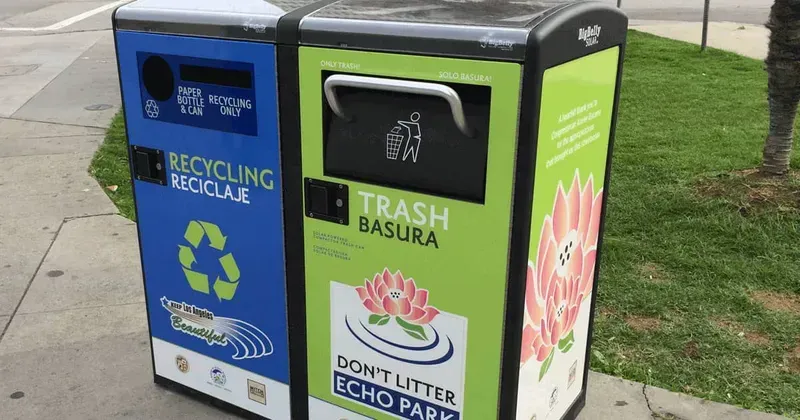
Smart Waste Recycling Bin
The Smart Waste Points Recycling Bin Solution represents a paradigm shift in waste management, transforming traditional, often inefficient, recycling processes into an intelligent and data-driven ecosystem. This innovative solution leverages technology to optimize waste collection, incentivize recycling behavior, and provide valuable insights for urban planning and resource allocation. At its core, it's about making recycling more effective, convenient, and rewarding for both individuals and municipalities.
The solution consists of several key components that work in concert:
Smart Recycling Bins These are equipped with sensors to monitor fill levels, identify waste types, and communicate data wirelessly. They often feature user-friendly interfaces for depositing recyclables.
User Identification and Reward System This component allows users to be identified (e.g., via RFID cards, mobile apps) when they deposit recyclables. Points or other incentives are then awarded based on the quantity and quality of the materials recycled.
Data Management and Analytics Platform The data collected from the bins is transmitted to a central platform where it is analyzed to optimize collection routes, track recycling rates, and identify trends in waste generation.
Communication Network A reliable wireless network is essential for transmitting data from the bins to the central platform in real-time.
Optional: Sorting and Compaction Module Some advanced systems may include on-site sorting and compaction capabilities to further streamline the recycling process.
The operational principle is straightforward: users deposit recyclable materials into the smart bins, are identified, and receive points or rewards. The bins transmit data on fill levels and material types to a central platform. This data is then used to optimize collection routes, ensuring that bins are emptied only when necessary, reducing fuel consumption and labor costs. Furthermore, the data provides valuable insights into recycling habits, allowing municipalities to tailor their waste management strategies for maximum effectiveness.
Key Technological Enablers: Zero One Solution Limited's PCB Expertise
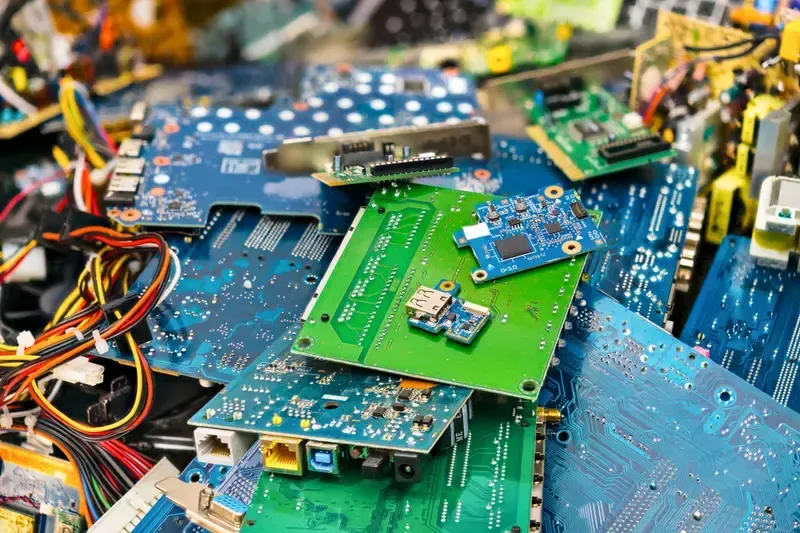
Printed Circuit Board
At the heart of the Smart Waste Points Recycling Bin Solution lies advanced Printed Circuit Board (PCB) technology. These PCBs act as the central nervous system, integrating sensors, communication modules, and processing units that enable the 'smart' functionalities. Zero One Solution Limited provides the crucial PCB expertise required to design, prototype, manufacture, and assemble these complex electronic components, ensuring the reliability and performance of the entire system.
Zero One Solution Limited's comprehensive PCB capabilities are essential for creating robust and efficient Smart Waste Points:
Rapid Prototyping: Accelerated R&D cycles are supported by quick-turn PCB prototyping, allowing for fast design iteration and validation of new smart bin features.
PCB Design: Expertise in designing high-density, multi-layer PCBs optimized for the specific needs of smart waste management, including sensor integration and efficient power management.
Manufacturing: State-of-the-art manufacturing facilities ensure high-quality PCB production, meeting stringent reliability and performance standards for outdoor deployment.
Assembly: Precise assembly processes guarantee the accurate placement and soldering of components, contributing to the overall durability and functionality of the smart bin electronics.
The integration of these advanced PCBs allows for:
Real-time Data Collection: Sensors embedded in the PCBs continuously monitor fill levels, material types, and other relevant data, providing valuable insights for waste management optimization.
Wireless Communication: PCBs facilitate seamless data transmission to a central management system via various wireless technologies (e.g., LoRaWAN, NB-IoT), enabling remote monitoring and control.
Efficient Power Management: Optimized PCB designs minimize power consumption, extending battery life and reducing the need for frequent maintenance.
Remote Updates: Over-the-air (OTA) update capabilities allow for remote firmware updates and feature enhancements, ensuring the smart bins remain up-to-date and adaptable to evolving needs.
Features and Benefits of Smart Waste Points
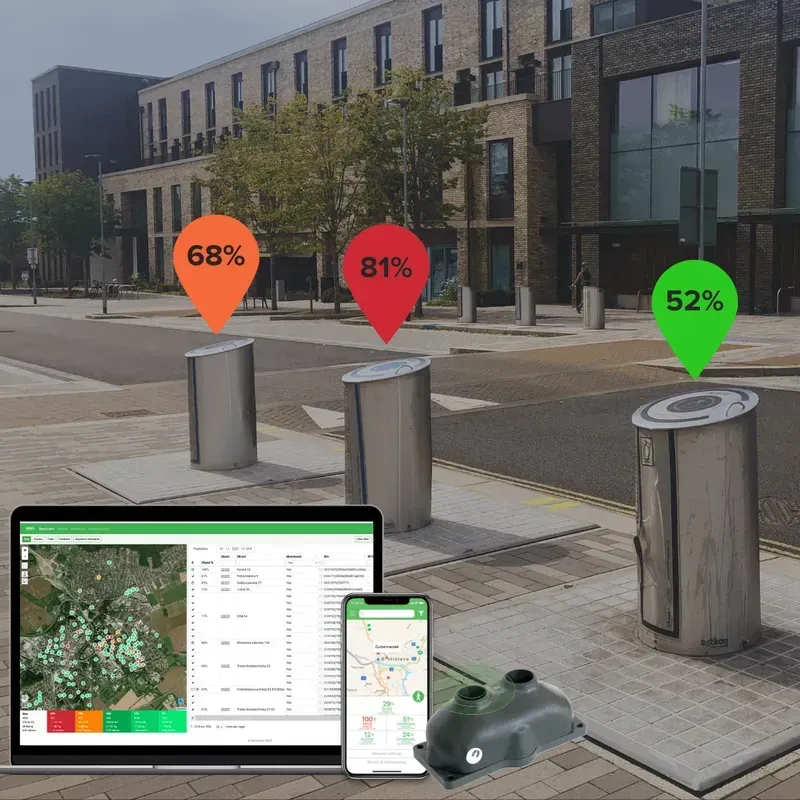
Smart Waste Bin Real-time Monitoring
Smart Waste Points offer a multitude of features and benefits that revolutionize waste management, driving efficiency, sustainability, and community engagement. These intelligent recycling solutions leverage technology to address the challenges of conventional waste disposal methods, paving the way for cleaner, greener, and more livable urban environments. From real-time monitoring to data-driven insights, Smart Waste Points represent a significant leap forward in creating sustainable cities.
Real-Time Fill-Level Monitoring Smart Waste Points are equipped with sensors that continuously monitor the fill level of each bin. This data is transmitted to a central management system, providing real-time insights into bin capacity. This eliminates unnecessary trips for collection, saving fuel and labor costs.
Optimized Collection Routes By analyzing fill-level data, waste collection routes can be dynamically optimized. Collection vehicles are directed only to bins that are full or nearing capacity, reducing the overall mileage driven and minimizing the carbon footprint of waste management operations. This leads to significant cost savings and improved efficiency.
Enhanced Public Engagement Smart Waste Points can incorporate interactive displays or mobile apps that provide citizens with information about recycling programs, waste reduction tips, and the environmental impact of their recycling efforts. Some systems even offer reward programs or points for recycling, further incentivizing participation.
Reduced Operational Costs The combination of optimized collection routes, reduced fuel consumption, and decreased labor costs results in significant operational savings for municipalities and waste management companies. The data-driven approach of Smart Waste Points ensures that resources are used efficiently, maximizing the return on investment.
Improved Recycling Rates By making recycling more convenient and engaging, Smart Waste Points encourage greater participation from the public. The real-time monitoring and optimized collection processes also ensure that recyclable materials are collected promptly and efficiently, minimizing contamination and maximizing the amount of waste that is successfully recycled. This leads to higher recycling rates and a more sustainable waste management system.
Data-Driven Decision Making The data generated by Smart Waste Points provides valuable insights into waste generation patterns, recycling habits, and the effectiveness of waste management programs. This data can be used to inform policy decisions, optimize resource allocation, and improve the overall efficiency of waste management operations, leading to more sustainable and environmentally friendly practices.
Proactive Maintenance and Issue Detection Smart Waste Points can be equipped with sensors that detect potential maintenance issues, such as overflowing bins, jammed mechanisms, or damaged components. This allows for proactive maintenance and repairs, minimizing downtime and ensuring that the bins are always functioning properly. Early detection of issues prevents larger problems from developing, further reducing operational costs and extending the lifespan of the bins.
Real-World Applications and Impact on Urban Environments
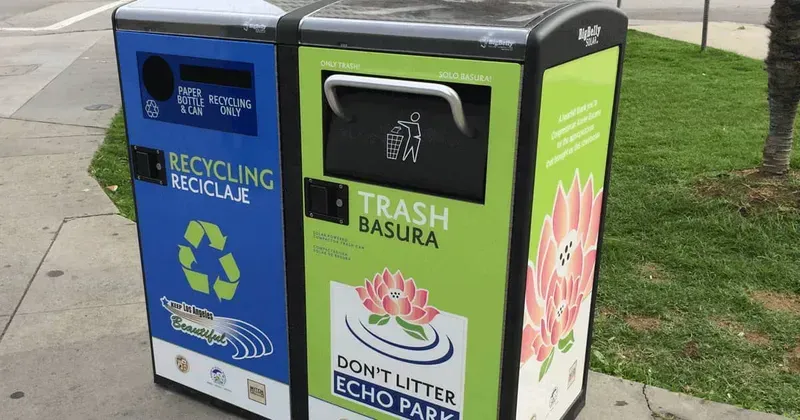
Urban Smart Waste Recycling Solution
The Smart Waste Points Recycling Bin Solution offers versatile applications across diverse urban settings, revolutionizing waste management practices and enhancing environmental quality. Its adaptability makes it an ideal solution for public parks, commercial districts, residential areas, and other community spaces, driving positive change in cleanliness, efficiency, and overall sustainability.
Here’s a closer look at how this solution integrates into various environments:
Public Parks and Recreational Areas In parks, smart recycling bins encourage responsible waste disposal among visitors, helping to maintain the natural beauty of these spaces. These bins reduce litter and ensure that recyclable materials are properly sorted, contributing to cleaner, more enjoyable recreational environments. Placement near picnic spots, walking trails, and playgrounds maximizes their utility, promoting a culture of environmental stewardship.
Commercial Districts and Shopping Centers Smart waste points in commercial districts address the high volume of waste generated by businesses and consumers. By providing strategically placed, easily accessible recycling bins, these areas can significantly improve recycling rates and reduce the burden on municipal waste management systems. Real-time monitoring ensures timely collection, preventing overflow and maintaining a tidy, attractive environment for shoppers and businesses alike.
Residential Areas and Apartment Complexes Integrating smart recycling bins into residential areas makes recycling more convenient for households. These bins can be placed in common areas such as lobbies, parking lots, and near mailboxes to encourage regular recycling habits. The data collected helps property managers understand recycling patterns, allowing them to optimize bin placement and collection schedules for maximum efficiency and participation.
Educational Institutions: Schools and Universities Smart waste points in schools and universities provide an opportunity to educate students and staff about the importance of recycling. The bins can be incorporated into environmental education programs, teaching students about waste reduction and resource conservation. The data from these bins can also be used for campus sustainability initiatives, tracking progress towards waste reduction goals and promoting a culture of environmental responsibility.
Transportation Hubs: Airports and Train Stations Airports and train stations generate substantial waste from travelers. Smart recycling bins in these high-traffic areas help manage this waste efficiently, ensuring that recyclable materials are properly collected and processed. The bins can be designed to accommodate the specific types of waste generated in these environments, such as beverage containers, newspapers, and travel-related packaging, contributing to cleaner, more sustainable transportation hubs.
The implementation of Smart Waste Points not only improves the physical environment but also enhances the overall quality of life in urban areas. By reducing waste, promoting recycling, and optimizing resource management, these solutions contribute to more sustainable, livable, and environmentally responsible cities.
Data Analytics and Predictive Maintenance in Smart Recycling
Waste Collection Truck Optimized Route
The Smart Waste Points Recycling Bin Solution goes beyond simple waste collection; it's a sophisticated system that leverages data analytics and predictive maintenance to optimize waste management. By continuously monitoring fill levels, types of waste deposited, and bin conditions, the system generates valuable data that can be analyzed to improve efficiency, reduce costs, and enhance the overall effectiveness of recycling programs. This data-driven approach allows cities and waste management companies to make informed decisions, proactively address potential issues, and create a more sustainable urban environment.
Here's a breakdown of how data analytics and predictive maintenance work within the Smart Waste Points ecosystem:
Waste Generation Pattern Analysis Smart bins are equipped with sensors that track the volume and type of waste deposited at different times and locations. This data is aggregated and analyzed to identify trends in waste generation. For example, the system can determine which areas generate the most recyclable materials or when peak waste disposal times occur. This information can then be used to optimize collection routes and schedules, ensuring that bins are emptied when they are full and reducing unnecessary trips.
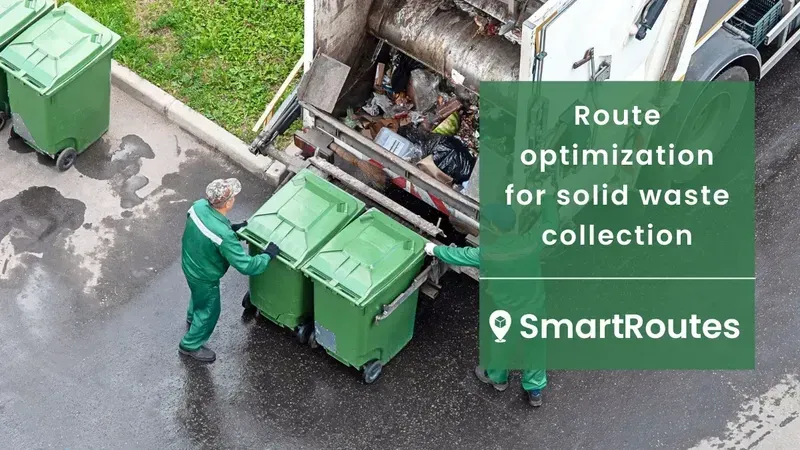
Fill-Level Monitoring and Optimized Collection Routes Real-time fill-level monitoring allows waste management teams to see which bins are full or nearing capacity. This enables them to prioritize collection efforts and optimize routes, reducing fuel consumption and labor costs. By avoiding unnecessary trips to empty bins that are only partially full, the system minimizes the environmental impact of waste collection operations.
Predictive Maintenance for Bin Health Smart bins can also be equipped with sensors that monitor their condition, such as temperature, humidity, and the presence of pests. This data can be used to predict when bins are likely to require maintenance or repairs. By proactively addressing potential issues, such as damaged lids or malfunctioning sensors, the system can prevent disruptions to service and extend the lifespan of the bins.
Data-Driven Insights for Urban Planning The data collected by smart bins can provide valuable insights for urban planning and resource allocation. For example, the system can identify areas where recycling rates are low, allowing cities to target educational programs and incentives to improve participation. The data can also be used to assess the effectiveness of different waste management strategies and inform decisions about infrastructure investments.
Enhanced Resource Allocation By understanding waste generation patterns, cities can allocate resources more effectively. This might involve deploying more bins in high-traffic areas, adjusting the frequency of collections based on seasonal variations, or optimizing the size and type of bins used in different locations. This leads to cost savings and a more efficient use of resources.
The Future of Waste Management: Integration and Scalability
The Smart Waste Points Recycling Bin Solution is not just a standalone product; it's a forward-thinking approach poised for seamless integration into broader smart city ecosystems. Its scalability ensures that cities of all sizes can adopt and benefit from this intelligent waste management system. Zero One Solution Limited is committed to driving these future innovations, continuously enhancing the system's capabilities and expanding its reach.
Smart City Integration The Smart Waste Points system can be integrated with other smart city infrastructure, such as IoT sensor networks, smart lighting, and traffic management systems. This interconnectedness allows for a holistic approach to urban management, optimizing resource allocation and improving the quality of life for residents.
Scalability and Adaptability The solution is designed to be scalable, accommodating the diverse needs of different urban environments. Whether it's a small town or a sprawling metropolis, the system can be adapted to handle varying waste volumes and collection frequencies. This scalability ensures long-term viability and cost-effectiveness.
Data-Driven Optimization The data collected by the smart bins can be used to optimize waste management strategies, identify areas with high waste generation, and adjust collection schedules accordingly. This data-driven approach reduces operational costs, minimizes environmental impact, and improves the overall efficiency of waste management.
Enhanced Public Engagement By providing real-time information on recycling rates and waste reduction efforts, the Smart Waste Points system encourages greater public participation in recycling programs. This increased engagement leads to higher recycling rates and a more sustainable urban environment.
Predictive Maintenance The system's predictive maintenance capabilities allow for proactive identification and resolution of potential issues, minimizing downtime and extending the lifespan of the bins. This ensures that the system operates at peak performance, reducing maintenance costs and maximizing efficiency.
Collaboration with Zero One Solution Limited Zero One Solution Limited plays a crucial role in driving future innovations in waste management. With our expertise in PCB design, manufacturing, and assembly, we provide the high-quality electronic foundations for smart waste management systems. We are committed to collaborating with cities and organizations to develop customized solutions that meet their specific needs.
FAQs: Understanding Smart Waste Points Recycling Bin Solution
This section addresses frequently asked questions (FAQs) concerning the Smart Waste Points Recycling Bin Solution. Our goal is to provide clear, concise answers regarding installation, maintenance, data privacy, environmental benefits, and other key aspects, ensuring potential adopters have a comprehensive understanding of the solution.
How does the Smart Waste Points Recycling Bin Solution work? The Smart Waste Points Recycling Bin Solution utilizes sensor technology to monitor fill levels in real-time. This data is transmitted to a central management system, enabling optimized collection routes and efficient resource allocation. Users are often incentivized through a points-based reward system for proper waste disposal.
What types of waste can be collected by these smart bins? Smart Waste Points Recycling Bins can be configured to collect various types of recyclable waste, including plastics, paper, glass, and aluminum. The specific types of waste accepted can be customized based on the needs of the community or organization deploying the system.
How is the data collected by the smart bins used, and is data privacy protected? Data collected from the smart bins is primarily used for optimizing waste collection routes, predicting maintenance needs, and analyzing waste generation patterns. Data privacy is ensured through anonymization and compliance with relevant data protection regulations. No personally identifiable information is collected.
What are the environmental benefits of using Smart Waste Points? The environmental benefits include reduced landfill waste, lower greenhouse gas emissions from optimized collection routes, increased recycling rates due to user incentives, and improved urban cleanliness. By promoting responsible waste disposal, the solution contributes to a more sustainable environment.
How are the Smart Waste Points Recycling Bins powered, and what are the maintenance requirements? The smart bins are typically powered by solar panels or batteries, ensuring continuous operation with minimal energy consumption. Maintenance requirements include periodic cleaning, sensor calibration, and battery replacement (if applicable). Remote monitoring capabilities allow for proactive maintenance to minimize downtime.
Can the Smart Waste Points system be integrated with existing waste management infrastructure? Yes, the Smart Waste Points system is designed to be integrated with existing waste management infrastructure. Its data-driven insights can complement and enhance the efficiency of current collection and processing systems, leading to overall improvements in waste management operations.
What is the lifespan of a Smart Waste Points Recycling Bin, and what happens to the collected waste? The lifespan of a Smart Waste Points Recycling Bin is typically 5-10 years, depending on usage and environmental conditions. The collected waste is transported to recycling facilities, where it is processed and repurposed into new materials, closing the loop and promoting a circular economy.
The Smart Waste Points Recycling Bin Solution, powered by the robust and innovative PCB assemblies from Zero One Solution Limited, represents a significant leap forward in urban sustainability. By integrating intelligent technology into everyday waste management, we're not just handling trash; we're building smarter, cleaner, and more responsible communities. Our dedication to rapid prototyping and one-stop PCB solutions ensures that this vital technology is not only cutting-edge but also scalable and reliable for global implementation. Join us in embracing a future where waste is managed with intelligence and precision. Contact Zero One Solution Limited today to explore how our expertise can drive your next smart city initiative.