In today's increasingly communal living and commercial environments, efficient and sustainable solutions for everyday tasks are paramount. From bustling apartment complexes to modern co-working spaces, the demand for smart, energy-saving infrastructure is rapidly growing. This article delves into the innovative world of shared drying rack and dryer solutions, a critical aspect of modern communal living. At Zero One Solution Limited, founded in 2011 and a leader in PCB assembly solutions from Shenzhen to Dubai, we understand the intricate electronic backbone required for such advanced systems. How can cutting-edge PCB technology transform the mundane act of laundry into an optimized, eco-friendly experience? Join us as we explore the intersection of daily necessity and advanced engineering.
The Growing Need for Smart Shared Laundry Solutions
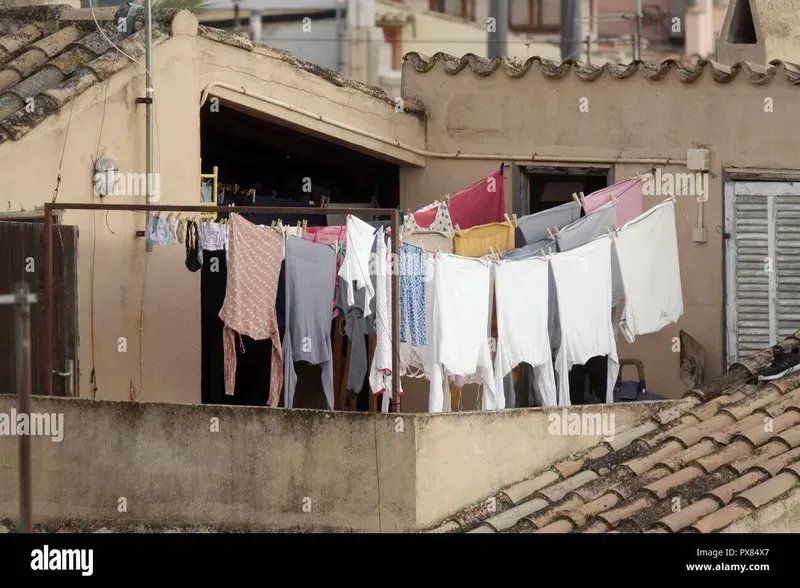
Urban Apartment Rooftop Drying Clothes
The demand for smart shared laundry solutions is rapidly increasing, driven by urbanization, space limitations, and a growing awareness of environmental sustainability. In densely populated urban areas and commercial settings like apartments, hotels, and student housing, traditional individual laundry setups are often impractical and inefficient. This creates a pressing need for communal laundry options that maximize space, reduce energy consumption, and offer a convenient user experience.
Several factors contribute to this growing need:
Urbanization and Space Constraints: As cities become more crowded, living spaces shrink, making it challenging to accommodate individual washing machines and dryers. Shared laundry facilities offer a practical solution by centralizing laundry services and optimizing space utilization.
Cost Savings: Individual laundry appliances can be expensive to purchase, operate, and maintain. Shared laundry systems reduce these costs by spreading them across multiple users. Residents benefit from lower utility bills and reduced maintenance expenses.
Environmental Concerns: Traditional laundry methods are energy-intensive and contribute to water waste. Smart shared laundry solutions incorporate energy-efficient appliances and water-saving technologies, minimizing their environmental footprint. By using shared facilities, resource consumption is optimized across multiple users.
Convenience and Time Savings: Shared laundry facilities often offer features like mobile app integration, allowing users to reserve machines, track laundry progress, and receive notifications. This enhances convenience and saves time compared to traditional laundry methods.
Enhanced Amenities: In competitive rental markets, shared laundry facilities can be a valuable amenity that attracts and retains tenants. Modern, well-maintained laundry rooms enhance the overall living experience and contribute to resident satisfaction.
However, current shared laundry solutions also face challenges:
Inefficient Machine Usage: Poor scheduling and a lack of real-time availability information can lead to machines sitting idle or users waiting unnecessarily.
Maintenance Issues: Without proper maintenance, shared laundry equipment can break down frequently, causing inconvenience for users and increased costs for property owners.
Security Concerns: Shared laundry rooms can be vulnerable to theft or vandalism, requiring security measures to protect users and equipment.
Lack of Smart Features: Many existing shared laundry facilities lack smart features like mobile app integration, remote monitoring, and automated payment systems, limiting their convenience and efficiency.
Traditional Drying Methods vs. Modern Innovations
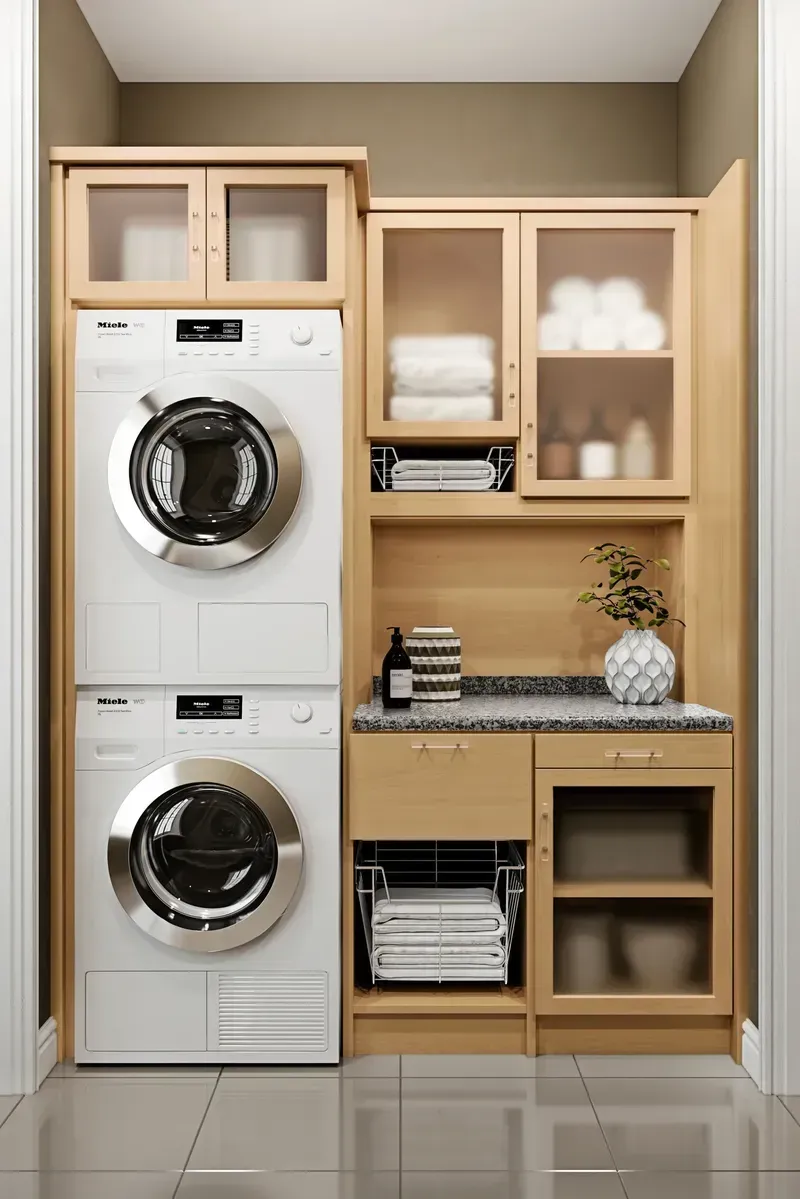
Modern Laundry Room Dryer Machines
The evolution of laundry drying has seen a significant shift from traditional, energy-intensive methods to modern, eco-conscious innovations. Understanding the distinctions between these approaches is crucial for making informed decisions about shared laundry solutions. Traditional methods, while simple, often lack efficiency and can have negative environmental consequences, whereas modern technologies offer smarter, more sustainable alternatives.
Feature
Traditional Drying Methods
Modern Drying Innovations
Energy Consumption
High; often rely on electric resistance heating, leading to substantial energy usage.
Low to Moderate; utilizes energy-efficient technologies like heat pumps, solar power, and advanced sensors to minimize energy consumption.
Environmental Impact
Significant; contributes to greenhouse gas emissions due to high energy consumption and potential use of harmful refrigerants.
Reduced; lowers carbon footprint through energy conservation and the use of environmentally friendly refrigerants.
Drying Time
Variable; depends on weather conditions (for晾晒) or machine efficiency; can be lengthy.
Faster and More Consistent; employs precise temperature and humidity controls to optimize drying cycles.
Space Requirements
Can be extensive (e.g., clotheslines); dryers take up significant indoor space.
Compact Designs; maximizes space utilization, suitable for communal laundry areas with limited room.
Maintenance
Relatively simple but may require manual upkeep; dryers need regular cleaning to maintain efficiency.
Advanced Monitoring Systems; simplifies maintenance with self-diagnostic features and alerts for timely servicing.
Cost
Initial cost may be lower, but long-term operational expenses (energy bills) can be high.
Higher upfront investment; offset by lower energy costs and potential for revenue generation in shared facilities.
What are the main disadvantages of traditional drying methods? Traditional drying methods, such as using clotheslines or conventional dryers, often suffer from inefficiencies. Clotheslines are weather-dependent and can be time-consuming, while traditional dryers consume significant energy, leading to higher electricity bills and a larger carbon footprint. They also lack the smart features of modern systems, such as moisture sensors and automated cycles, which optimize energy usage and prevent over-drying.
How do modern drying innovations reduce environmental impact? Modern drying innovations minimize environmental impact through several key strategies. They utilize energy-efficient technologies like heat pumps, which recycle heat to reduce energy consumption. Advanced sensors and controls optimize drying cycles, preventing unnecessary energy use. Some systems also incorporate solar power or other renewable energy sources, further decreasing their carbon footprint. Additionally, modern dryers often use environmentally friendly refrigerants, avoiding harmful substances found in older models.
Are modern shared drying solutions more cost-effective in the long run? While the initial investment for modern shared drying solutions may be higher, they prove more cost-effective over time. Their energy-efficient designs lead to lower utility bills, and features like remote monitoring and self-diagnostics reduce maintenance costs. In shared laundry facilities, these systems can also generate revenue through pay-per-use models, offsetting the initial investment and providing a sustainable income stream.
What advanced technologies are integrated into modern drying systems? Modern drying systems integrate a range of advanced technologies to enhance performance and convenience. These include moisture sensors that automatically adjust drying cycles based on fabric dryness, smart controls that allow users to customize settings via mobile apps, and remote monitoring capabilities that enable facility managers to track usage and performance. Some systems also incorporate UV sanitization and anti-wrinkle features, providing added value to users.
How does PCB technology contribute to the efficiency of modern drying systems? Printed circuit board (PCB) technology is essential to the efficiency and intelligence of modern drying systems. PCBs control and integrate various components, such as sensors, heating elements, motors, and user interfaces. Advanced PCB designs enable precise temperature control, efficient energy management, and seamless communication between different system parts. High-quality PCBs also ensure the reliability and durability of the drying system, reducing the risk of malfunctions and extending its lifespan.
Introducing the Shared Drying Rack / Dryer Solution
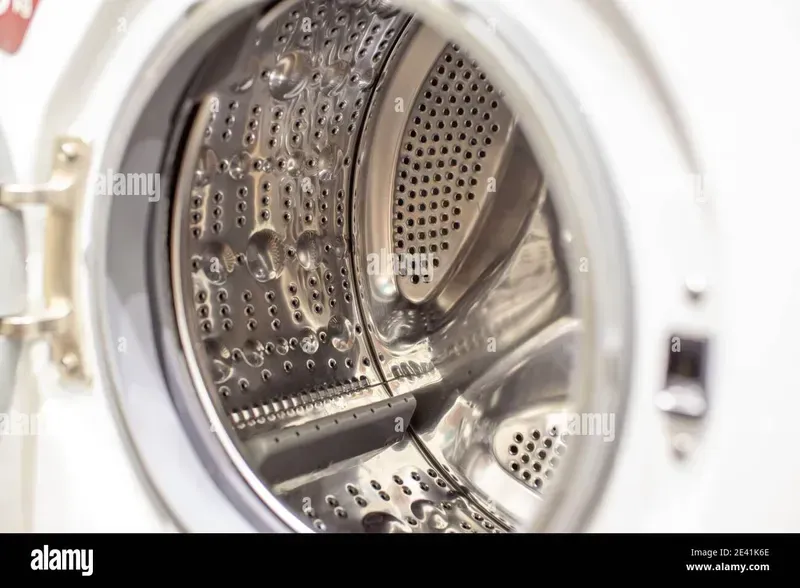
Shared Dryer Machine Equipment Close-Up
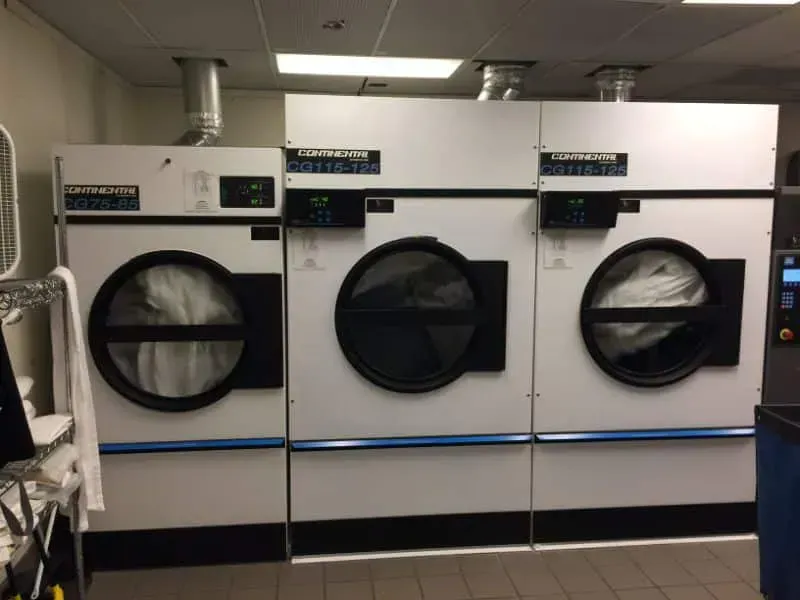
A shared drying rack/dryer solution represents a modern approach to laundry in communal living spaces, offering an efficient, space-saving, and often more sustainable alternative to individual drying appliances. These systems are designed for multi-user environments such as apartment complexes, dormitories, hotels, and co-living spaces, aiming to streamline laundry processes while minimizing energy consumption and maximizing convenience.
At its core, a shared drying solution typically consists of the following components:
Centralized Drying Units These are the high-efficiency dryers or drying racks designed for shared use. They often incorporate advanced sensors and controls for optimal drying performance and energy management.
Smart Control Systems Integrated technology that manages dryer usage, monitors performance, and allows users to reserve machines, track laundry progress, and make payments via mobile apps or online platforms.
Payment and Access Systems Secure systems that handle payment processing and user authentication, ensuring that only authorized residents or users can access the drying facilities.
Ventilation and Airflow Management Efficient ventilation systems are critical for removing moisture and heat, preventing mold growth, and maintaining air quality in the laundry area.
Durable and Space-Saving Designs The physical structure of the drying solution is engineered to withstand heavy use, optimize space, and ensure easy maintenance.
The benefits of implementing a shared drying rack/dryer solution in communal spaces are numerous:
Space Optimization Reduces the need for individual dryers in each unit, freeing up valuable living space.
Cost Savings Lowers energy bills for residents as shared facilities are often more energy-efficient than individual appliances. Property managers also benefit from reduced maintenance costs compared to managing multiple individual units.
Sustainability Encourages eco-friendly practices by reducing overall energy consumption and carbon footprint. Many modern shared systems also incorporate features like heat pump technology and moisture sensors to minimize energy waste.
Convenience Provides residents with convenient access to laundry facilities without the hassle of owning and maintaining their appliances. Smart systems also offer features like remote monitoring and payment options for added convenience.
Enhanced Property Value Modern, shared laundry facilities can increase the attractiveness and value of residential and commercial properties, appealing to tenants and customers seeking convenient and sustainable living options.
Key Features of an Optimal Shared Laundry System
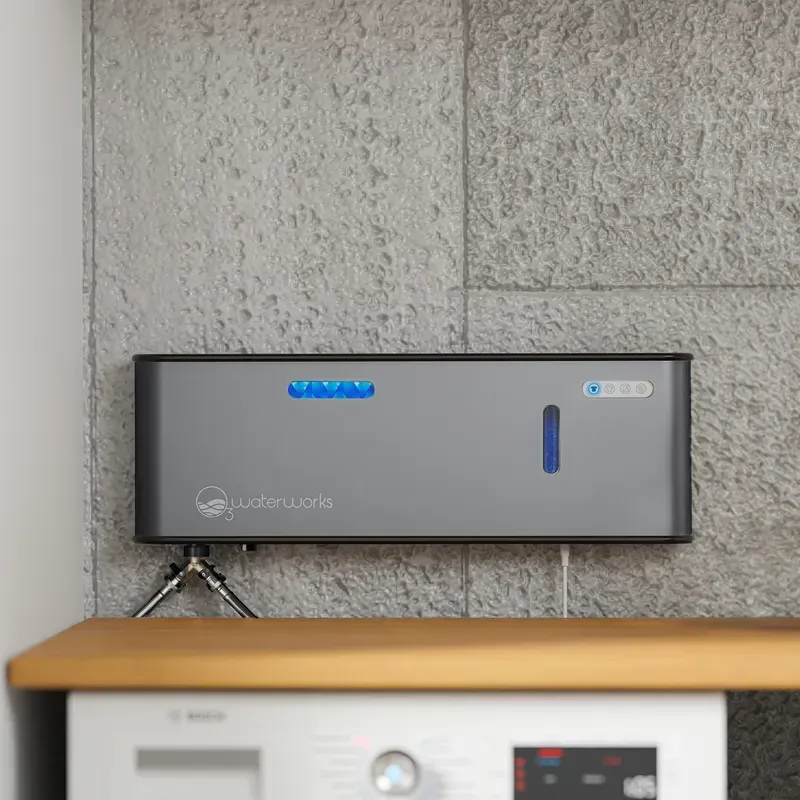
Smart Laundry System Control Panel
An optimal shared laundry system transcends mere functionality; it's about creating a seamless, efficient, and sustainable experience for all users. Key features include energy efficiency to minimize operational costs and environmental impact, robust durability to withstand frequent use, a user-friendly interface for ease of operation, and smart integration capabilities for remote monitoring and control. These elements combine to deliver a laundry solution that is both cost-effective and convenient.
Energy Efficiency Look for systems with high energy star ratings and features like auto-shutoff and optimized drying cycles to minimize energy consumption and reduce utility bills. Employing heat pump technology can also significantly enhance energy efficiency compared to traditional heating element dryers. According to the EPA, Energy Star certified dryers use approximately 20% less energy than standard models.
Durability and Reliability Shared laundry systems endure heavy usage, so robust construction with high-quality materials is crucial. Stainless steel drums, durable motors, and reinforced frames ensure longevity and minimize downtime for repairs. Regular maintenance schedules and readily available replacement parts are also essential for sustained performance.
User-Friendliness Intuitive controls, clear instructions, and easy-to-read displays are essential for a positive user experience. Systems should offer multiple language options and accessible design features for users with disabilities. Simple payment methods, such as mobile payments or smart cards, also enhance convenience.
Smart Integration and Connectivity Modern shared laundry systems benefit from smart features like remote monitoring, mobile app control, and automated alerts for maintenance. Connectivity enables real-time tracking of machine availability, usage patterns, and energy consumption, allowing for optimized management and resource allocation. Integration with building management systems (BMS) can further streamline operations and enhance overall efficiency.
Water Conservation High-efficiency washers significantly reduce water usage, contributing to lower utility bills and environmental sustainability. Look for models with WaterSense certification, which indicates adherence to EPA standards for water efficiency. Some advanced systems also incorporate water recycling technologies to further minimize water consumption.
Maintenance and Serviceability Easy access to internal components simplifies maintenance and reduces downtime. Standardized parts and modular designs facilitate quick repairs and replacements. Remote diagnostics and predictive maintenance capabilities can proactively identify potential issues, preventing costly breakdowns and ensuring continuous operation.
The Role of Advanced PCB Solutions in Smart Drying Systems
PCB Circuit Board Smart Chip
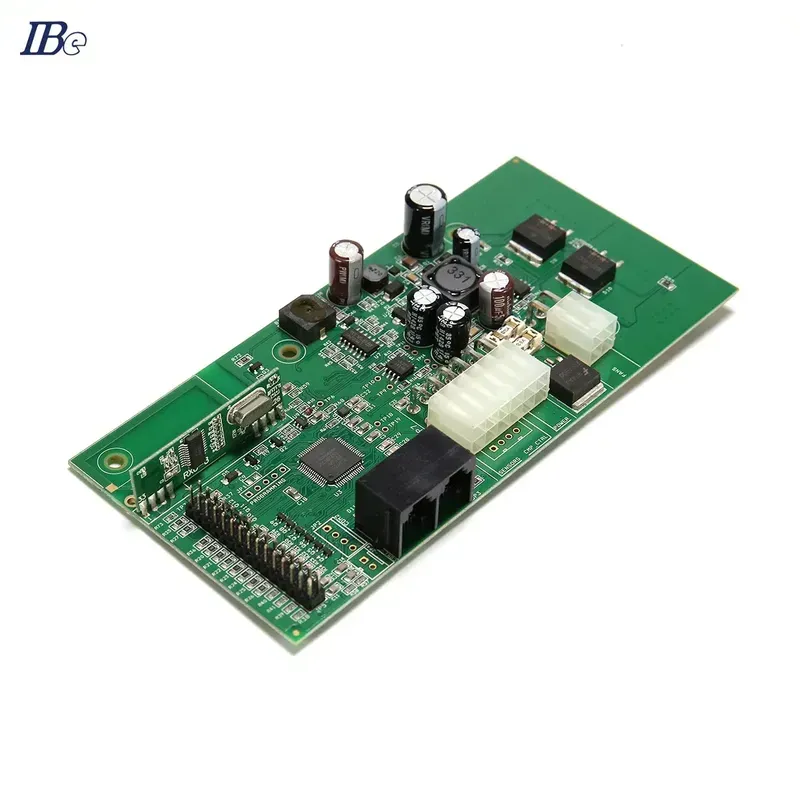
Advanced PCB (Printed Circuit Board) solutions are fundamental to the functionality, connectivity, and reliability of smart drying systems. Zero One Solution Limited's expertise in PCB design, manufacturing, and assembly plays a crucial role in enabling the intelligence and efficiency of these modern laundry solutions. By integrating cutting-edge PCB technology, smart drying systems can achieve superior performance, enhanced features, and seamless connectivity, making them ideal for various applications.
Here’s how advanced PCB solutions contribute to the effectiveness of smart drying systems:
Enhanced Connectivity PCBs facilitate the integration of Wi-Fi, Bluetooth, and other wireless technologies, enabling smart drying systems to connect to the Internet of Things (IoT). This connectivity allows users to remotely monitor and control their drying cycles, receive real-time updates, and integrate with smart home ecosystems.
Intelligent Control Advanced PCBs incorporate microcontrollers and sensors that provide precise control over temperature, humidity, and drying time. This intelligent control optimizes energy consumption and prevents damage to clothing, ensuring efficient and gentle drying.
Reliable Performance High-quality PCBs ensure the reliable operation of drying systems by providing stable power distribution, efficient signal transmission, and robust protection against environmental factors. This reliability minimizes downtime and extends the lifespan of the drying system.
Compact Design Zero One Solution Limited's expertise in PCB miniaturization enables the design of compact and space-saving smart drying systems. By utilizing advanced PCB technologies such as multi-layer PCBs and high-density interconnect (HDI) designs, we can integrate more functionality into smaller form factors.
Durability and Longevity Our PCBs are designed to withstand the harsh operating conditions of laundry environments, including high humidity, temperature variations, and mechanical stress. This durability ensures long-term reliability and reduces the need for frequent maintenance or replacements.
Energy Efficiency PCBs play a crucial role in optimizing the energy efficiency of smart drying systems. By incorporating power management circuits, efficient components, and smart control algorithms, our PCB solutions help minimize energy consumption and reduce environmental impact.
Zero One Solution Limited's Contribution to Sustainable Technology
Zero One Solution Limited is dedicated to fostering sustainable technology through its advanced PCB solutions. Our commitment extends beyond providing cutting-edge technology; we actively promote eco-friendly practices in every aspect of our operations. By leveraging our expertise in rapid prototyping and high-quality PCB manufacturing, we empower green initiatives and contribute to a more sustainable future.
We recognize the critical role technology plays in addressing environmental challenges. Our approach integrates sustainable practices into the core of our PCB design and manufacturing processes, ensuring that our solutions not only meet the highest performance standards but also minimize environmental impact.
Here are key aspects of Zero One Solution Limited's contribution to sustainable technology:
Eco-Friendly PCB Design Our PCB design services prioritize minimizing material usage and optimizing energy efficiency. We utilize advanced simulation techniques to reduce waste and improve the overall environmental footprint of electronic devices. This includes selecting components with lower power consumption and designing layouts that enhance thermal management, reducing the need for excessive cooling.
Rapid Prototyping for Green Initiatives Our rapid prototyping capabilities enable quick iteration and validation of designs, accelerating the development of sustainable technologies. This fast turnaround helps in refining energy-efficient solutions and bringing them to market faster, supporting environmental projects and innovations. We help companies quickly test and deploy new environmentally friendly technologies.
High-Quality PCB Manufacturing We adhere to stringent quality control processes to ensure the reliability and longevity of our PCBs, reducing the need for frequent replacements and minimizing electronic waste. Our manufacturing processes are optimized to reduce water and energy consumption, further decreasing our environmental impact. We comply with international environmental standards, ensuring responsible production.
Sustainable Material Selection We are committed to using sustainable and recyclable materials in our PCB manufacturing processes. This includes exploring alternatives to traditional materials and partnering with suppliers who share our commitment to environmental responsibility. We continuously research and adopt new materials that are both high-performing and environmentally friendly.
Energy-Efficient Production Processes Our manufacturing facilities are equipped with energy-efficient machinery and systems designed to minimize energy consumption. We continuously monitor and optimize our energy usage to reduce our carbon footprint. We invest in renewable energy sources to power our operations, further reducing our reliance on fossil fuels.
Waste Reduction and Recycling Programs We implement comprehensive waste reduction and recycling programs to minimize waste generation and promote resource conservation. This includes recycling electronic waste, reusing materials, and implementing closed-loop systems to reduce our environmental impact. We actively seek ways to minimize waste at every stage of the PCB manufacturing process.
Zero One Solution Limited is not just a PCB solution provider; we are a partner in building a sustainable future. Our focus on eco-friendly practices and our capabilities in rapid prototyping and high-quality PCB manufacturing make us an ideal choice for companies looking to advance green initiatives and contribute to a healthier planet.
Implementation and Benefits for Various Settings
Hotel Laundry Room Dryer
Shared drying rack/dryer solutions offer versatile benefits across diverse settings, enhancing convenience, sustainability, and cost-effectiveness. From apartments and hotels to student housing and commercial laundromats, these systems address unique challenges and deliver tailored advantages.
Apartments In apartment complexes, shared drying solutions reduce energy consumption by decreasing reliance on individual dryers. This not only lowers utility bills for residents but also minimizes the building's carbon footprint. Additionally, it frees up valuable space within units, as residents no longer need to accommodate bulky drying machines. Studies have shown that implementing shared laundry facilities can increase tenant satisfaction by providing convenient and cost-effective amenities.
Hotels Hotels benefit from shared drying systems through streamlined laundry operations and enhanced guest satisfaction. Centralized drying facilities allow for efficient management of linens and towels, reducing labor costs and improving turnaround times. Furthermore, offering guests access to shared drying racks or dryers can be a valuable amenity, particularly for extended stays or eco-conscious travelers. This can lead to positive reviews and increased customer loyalty.
Student Housing For student housing, shared drying solutions provide a practical and economical laundry option. These systems alleviate the burden of managing individual dryers in dorm rooms, preventing overcrowding and reducing energy waste. By offering affordable access to shared facilities, students can save money and time, while housing administrators can promote sustainable practices and reduce operational costs. Data indicates that shared laundry facilities in student housing contribute to a more communal and environmentally responsible living environment.
Commercial Laundromats Commercial laundromats can leverage shared drying rack/dryer solutions to optimize space utilization and enhance service offerings. These systems allow for efficient drying of large volumes of laundry, increasing throughput and revenue. Furthermore, incorporating energy-efficient technologies in shared drying facilities can attract environmentally conscious customers and reduce operating expenses. Case studies have demonstrated that modernized laundromats with shared drying solutions experience higher customer traffic and improved profitability.
FAQs: Your Questions About Shared Drying Solutions Answered
Navigating the world of shared drying solutions can bring up several questions. This FAQ section addresses common inquiries about the installation, maintenance, cost-effectiveness, and technological integration of shared drying systems, offering clear and concise answers to help you make informed decisions.
How do shared drying solutions benefit apartment complexes? Shared drying solutions reduce energy consumption, lower utility bills for residents, and free up valuable space within individual units. They also offer a convenient and efficient way for residents to manage their laundry needs.
What types of maintenance are typically required for shared drying racks/dryers? Regular maintenance includes cleaning lint traps, inspecting and cleaning vents, checking electrical connections, and ensuring proper operation of mechanical components. Preventative maintenance schedules can minimize downtime and extend the lifespan of the equipment.
Are shared drying solutions cost-effective in the long run? Yes, while the initial investment may be higher, shared drying solutions can lead to significant cost savings over time through reduced energy consumption and lower maintenance costs compared to individual dryers in each unit. These savings benefit both property managers and residents.
Can shared drying systems integrate with smart building technologies? Absolutely. Modern shared drying systems can be integrated with smart building platforms, enabling features like remote monitoring, automated maintenance alerts, usage tracking, and payment processing. This integration enhances convenience and operational efficiency.
What are the installation requirements for a shared drying rack/dryer system? Installation typically requires adequate space, proper ventilation, electrical connections, and plumbing (for dryers with steam or water features). A professional assessment of the site is crucial to ensure compliance with local building codes and optimal system performance.
How do shared drying solutions promote sustainability? By consolidating laundry facilities, shared drying solutions reduce overall energy consumption and carbon emissions compared to individual dryers. They also encourage responsible water usage and can be integrated with renewable energy sources for further environmental benefits. Zero One Solution Limited supports these initiatives through energy-efficient PCB designs.
What safety features are included in modern shared drying systems? Modern systems incorporate multiple safety features, including overheat protection, automatic shut-off mechanisms, fire-resistant materials, and child-safe controls. These features ensure the safety and well-being of users and prevent potential hazards.
The evolution of shared drying rack and dryer solutions is not merely about convenience; it's about building more sustainable, efficient, and harmonious communal environments. At Zero One Solution Limited, we are proud to be at the forefront of powering this transformation. Our expertise in rapid prototyping, PCB design, manufacturing, and assembly provides the critical electronic foundation for smart, reliable, and energy-efficient shared laundry systems. By choosing our robust and innovative PCB solutions, you are not just investing in a product; you are investing in a future where shared resources are managed with unparalleled intelligence and sustainability. Ready to innovate your shared spaces? Contact Zero One Solution Limited today to discover how our advanced PCB solutions can bring your vision to life.