In today's health-conscious world, smart scales are no longer just about weight; they're essential tools for comprehensive health monitoring. The demand for accurate, reliable, and connected body fat and weight scales, especially in shared or public environments, presents unique engineering challenges. At Zero One Solution Limited, we've observed this evolution firsthand. As a leader in rapid prototyping and one-stop PCB services since 2011, we understand that bringing innovative health tech to market requires precision engineering and accelerated development cycles. This article delves into our robust Shared Body Fat Scale / Weight Scale Solution, detailing how our expertise empowers businesses to create the next generation of smart health devices, addressing the intricate balance of accuracy, connectivity, and user experience.
The Rise of Connected Health: Why Shared Scales Matter
The landscape of personal health and wellness is rapidly evolving, driven by advancements in technology and an increasing demand for data-driven insights. At the heart of this transformation lies the rise of connected health devices. Among these, shared body fat and weight scales are emerging as critical tools, particularly in multi-user environments such as fitness centers, healthcare clinics, and even within modern smart homes. Unlike traditional scales that offer only a static weight measurement, smart scales provide a wealth of biometric data, including body fat percentage, muscle mass, bone density, and BMI. This comprehensive data allows users and professionals to track progress more effectively, identify trends, and make informed decisions about health and fitness regimens. For shared environments, the ability to accurately capture and manage data for multiple individuals, while ensuring data privacy and security, presents a unique set of technical challenges that require robust and intelligent solutions.
Gyms and Fitness Centers Shared smart scales allow multiple members to track their body composition over time, providing trainers with valuable data to personalize workout plans and monitor client progress beyond just weight.
Healthcare Clinics Medical professionals can utilize shared scales to monitor patient health markers, such as changes in body composition related to specific conditions or treatments, offering a more holistic view than weight alone.
Smart Homes Families can use shared smart scales to manage individual health profiles, enabling each member to track their personal fitness journey and gain insights into their body composition.
Core Components of a Smart Scale: Beyond Just Weight
Smart Scale Components
Moving beyond the traditional spring or digital mechanisms, modern smart scales integrate sophisticated hardware and software to deliver a comprehensive health assessment. The true value of these devices lies in their ability to measure not just overall weight, but also key body composition metrics. Understanding the core components that enable this functionality is crucial for developing a robust and accurate shared smart scale solution.
Load Cells: The Foundation of Weight Measurement At the heart of any digital scale are load cells, transducers that convert mechanical force (weight) into an electrical signal. High-precision load cells are critical for accurate weight readings, regardless of where the user stands on the platform. Multiple load cells strategically placed provide stability and improve accuracy by distributing the load measurement.
Bio-Impedance Analysis (BIA) Sensors: Unlocking Body Composition Data Body fat scales utilize BIA technology. This involves sending a low-level electrical current through the body and measuring the impedance (resistance) to this flow. Since different tissues (fat, muscle, bone, water) have varying levels of electrical conductivity, the measured impedance can be used to estimate body composition percentages. The quality and placement of BIA electrodes on the scale platform are paramount for obtaining reliable body composition data.
Microcontroller (MCU): The Brain of the Scale The microcontroller acts as the central processing unit, receiving data from the load cells and BIA sensors, performing the necessary calculations (including applying algorithms for body composition), and managing communication with other components. The processing power and efficiency of the MCU directly impact the speed and accuracy of the scale's readings and overall performance.
Communication Modules: Enabling Connectivity To be a 'smart' scale, connectivity is essential. This is typically achieved through integrated communication modules. Bluetooth Low Energy (BLE) is commonly used for direct connection to smartphones and tablets, offering power efficiency. Wi-Fi modules provide broader network connectivity, enabling seamless data synchronization with cloud platforms and facilitating multi-user data management in shared environments.
Display Interface: Presenting Information Clearly While much of the detailed data is viewed on a connected app, an on-scale display is still important for immediate weight readings and sometimes basic body composition metrics. The display should be clear, easy to read, and durable.
Power Management Unit: Ensuring Longevity Efficient power management is crucial for battery-powered smart scales. This component manages power distribution to all modules, optimizes energy consumption, and often includes battery level monitoring to alert users when power is low.
The synergy of these components, coupled with sophisticated algorithms and robust software, transforms a simple weighing device into a powerful tool for tracking health and fitness over time. The design and integration of these elements on a printed circuit board (PCB) are critical to the scale's overall functionality, accuracy, and durability.
Zero One Solution's Expertise: Tailored PCB Design for Smart Scales
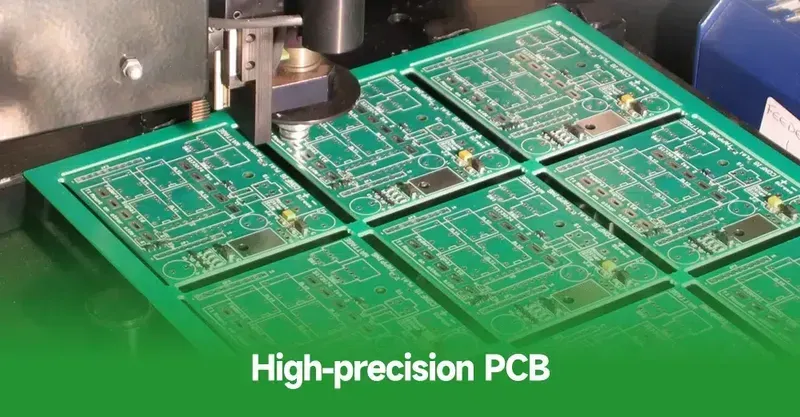
High-Precision PCB Board
Developing a precise and reliable shared body fat scale requires a specialized approach to Printed Circuit Board (PCB) design. Zero One Solution Limited excels in crafting high-precision PCBs specifically tailored for these complex smart health devices, ensuring the intricate balance between sensitive analog signals from sensors and robust digital processing for connectivity and data analysis. Our expertise focuses on maximizing signal integrity for accurate measurements, optimizing power efficiency for longer battery life (crucial for shared devices), and achieving compact designs essential for aesthetically pleasing and functional scale form factors amenable to mass production.
Designing PCBs for smart scales presents unique challenges, particularly when incorporating Bio-Impedance Analysis (BIA) for body composition measurements. Maintaining signal integrity in the presence of noise from wireless modules and power circuits is paramount. Zero One Solution's seasoned engineers utilize advanced layout techniques, including careful impedance matching, shielding, and strategic component placement, to minimize interference and ensure the accuracy of both weight and BIA readings. This meticulous approach is critical for differentiating between bone, muscle, and fat mass with high fidelity, providing users with meaningful health insights.
Furthermore, power management is a significant consideration, especially for shared scales that may be powered by batteries or require efficient operation in various environments. We design PCBs that minimize power consumption through optimized voltage regulation, low-power component selection, and intelligent power cycling strategies for connectivity modules. This ensures that smart scales powered by our PCBs offer extended operational life and reduce the frequency of battery replacements, enhancing the user experience in shared settings. Our designs are also optimized for manufacturability, leveraging DFM (Design for Manufacturing) principles to ensure smooth transitions from prototype to high-volume production, reducing costs and accelerating time-to-market for our clients.
IoT Integration: Seamless Connectivity for Data Sharing
Bluetooth Data Synchronization
In the era of connected health, the value of a shared body fat scale extends far beyond a simple weight measurement. Seamless IoT integration is the linchpin, transforming raw data into actionable insights accessible across devices and platforms. Robust connectivity ensures that multi-user data is efficiently synchronized with cloud platforms and mobile applications, providing a comprehensive view of individual and group health trends.
The Role of Bluetooth Low Energy (BLE) BLE is a cornerstone of smart scale connectivity due to its low power consumption, crucial for battery-operated devices. It facilitates direct communication with nearby smartphones and tablets, enabling initial data transfer and setup. However, BLE's range is limited, necessitating its use often as a bridge to other networks.
Leveraging Wi-Fi for Wider Reach Wi-Fi offers a more robust and far-reaching connection, ideal for direct synchronization with cloud servers. This allows users to access their data from anywhere with internet access and enables more frequent and automatic data uploads. The challenge lies in managing power consumption and ensuring stable connections in varied environments.
Challenges in Multi-User Data Management Managing data from multiple users on a single shared scale presents unique challenges. Accurate user identification, secure data segmentation, and ensuring privacy are paramount. This requires sophisticated software algorithms and secure backend infrastructure to prevent data mix-ups and unauthorized access.
Solutions for Seamless Synchronization Effective solutions involve implementing robust user profiles within the accompanying application, leveraging unique identifiers, and employing smart algorithms to recognize individual users based on historical data or weight fluctuations. Cloud platforms with strong authentication and authorization protocols are essential for secure data storage and retrieval.
Enabling Third-Party Integrations For a truly comprehensive health ecosystem, seamless integration with other health and fitness applications (e.g., Apple Health, Google Fit) is vital. This requires open APIs and adherence to industry standards, allowing users to consolidate their health data from various sources for a holistic overview.
Rapid Prototyping and Manufacturing: Accelerating Your Product Launch
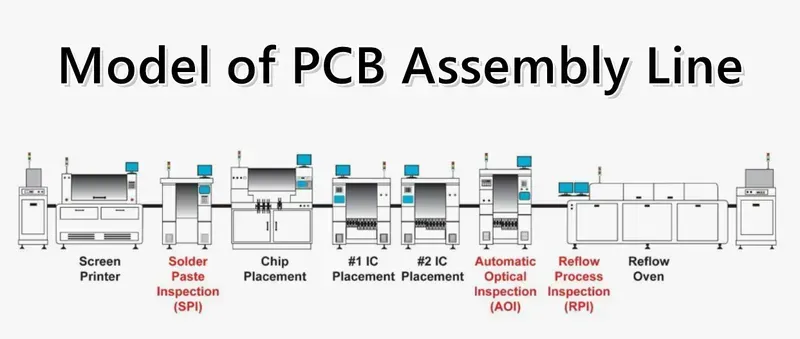
PCBA Production Line
In the competitive landscape of connected health devices, speed to market is paramount. Bringing a new shared body fat scale or weight scale solution from concept to consumer requires not just innovative design but also an incredibly efficient development and manufacturing pipeline. Zero One Solution Limited specializes in providing the critical link in this chain through our rapid prototyping and one-stop PCBA manufacturing services, designed to dramatically accelerate your product launch without compromising on quality or reliability.
Traditional development processes often involve disjointed stages, from initial design and prototyping to sourcing components and managing separate manufacturing partners. This can lead to significant delays, increased costs, and potential communication breakdowns. Our integrated approach streamlines this process, offering a seamless transition from iterative design adjustments during prototyping to full-scale mass production. This means that as your smart scale design evolves through testing, we can quickly iterate on the PCB assembly, ensuring that manufacturing processes are optimized from the earliest stages.
Stage
Traditional Process
Zero One Solution's Approach
Prototyping
Multiple iterations with external vendors, potential delays
Significantly reduced through streamlined workflow
Our rapid prototyping capabilities allow for quick fabrication and testing of initial PCB designs, enabling swift validation of functionality and performance. As the design matures, our one-stop PCBA manufacturing service takes over, handling everything from component procurement and assembly to rigorous quality control. This vertically integrated approach eliminates the complexities and delays associated with managing multiple vendors, ensuring that your shared body fat scale solution moves efficiently from the drawing board to market readiness. This accelerated timeline is a critical advantage, allowing our clients to be first movers in the rapidly evolving connected health market.
Ensuring Accuracy and Reliability: Calibration and Testing Protocols
Smart Scale Calibration Testing
In the realm of shared body fat and weight scales, precision isn't just a feature; it's the foundation of user trust and meaningful health insights. Ensuring consistent and accurate measurements for both weight and body composition is paramount. This demands stringent calibration and rigorous testing protocols that go beyond simple verification. For multi-user devices, the challenge is amplified, requiring systems that maintain accuracy across various user profiles and environmental conditions. At Zero One Solution, our focus on robust PCBA design includes a deep understanding of the factors that influence measurement integrity, implementing best practices for calibration and testing from the earliest stages of development.
Calibration Techniques for Weight Measurement Weight accuracy in smart scales primarily relies on load cells. Calibration involves applying known weights and adjusting the scale's internal parameters to match the measured values. Zero One Solution utilizes automated calibration systems to ensure consistency across production batches, often incorporating multi-point calibration to account for non-linearity in the load cell response. Environmental factors like temperature drift are also considered, and compensation algorithms are implemented on the PCB to maintain accuracy under varying conditions.
Ensuring Accuracy in Bio-Impedance Analysis (BIA) Body fat and composition measurements using BIA involve sending a small electrical current through the body and measuring the impedance. Accuracy in BIA is influenced by factors such as electrode placement, skin hydration, and body temperature. Calibration for BIA involves using reference devices or phantom models with known impedance values. Our PCB designs optimize signal integrity to minimize noise and interference, crucial for obtaining reliable impedance data. Sophisticated algorithms are then employed to convert impedance readings into estimated body composition metrics, requiring validation against gold standard methods.
Comprehensive Testing Protocols Beyond individual component testing, smart scales undergo rigorous system-level validation. This includes endurance testing to simulate prolonged use and environmental testing to assess performance under varying temperatures and humidity. User acceptance testing (UAT) with a diverse group of individuals is also critical to identify potential issues related to usability and measurement consistency across different body types. Our testing protocols are designed to identify and mitigate potential sources of error before mass production.
Security and Privacy in Shared Health Devices
Encrypted Chip Close-Up
In the era of connected health, the proliferation of shared body fat scales and weight scales brings immense convenience and data-driven insights. However, this advancement necessitates a paramount focus on data security and user privacy. Protecting sensitive health information collected by these shared devices is not just a technical challenge but a critical ethical and regulatory requirement. Robust security measures and adherence to privacy regulations are fundamental to building user trust and ensuring the responsible deployment of shared health technologies.
What are the key security risks associated with shared body fat scales? Key risks include unauthorized access to personal health data, data breaches during transmission to cloud platforms or mobile devices, potential manipulation of data, and the vulnerability of unencrypted data stored on the device itself. Shared environments amplify these risks as multiple users interact with the same device, increasing the potential attack surface.
How can data transmission be secured in shared health devices? Data transmission between the scale, user devices, and cloud platforms should employ strong encryption protocols such as Transport Layer Security (TLS) or Secure Socket Layer (SSL). Bluetooth Low Energy (BLE) connections should also utilize encryption and authentication mechanisms. Implementing secure APIs for data exchange is crucial to prevent unauthorized access and data interception.
What privacy considerations are essential for shared scales? Privacy by design is paramount. This includes minimizing data collection to only what is necessary, providing clear and transparent privacy policies to users, obtaining explicit consent for data processing, and enabling users to control and delete their data. Distinguishing individual user data in a shared environment without compromising privacy is a core design challenge.
How can user authentication be implemented securely on a shared scale? Secure user authentication can be achieved through various methods, such as unique user profiles linked to mobile applications, secure login procedures within the app, or even device-specific pairing mechanisms. The goal is to ensure that data is only associated with the correct user profile and cannot be accessed or modified by others using the same scale.
Which data privacy regulations are relevant for shared health devices? Regulations like GDPR (General Data Protection Regulation) in Europe and HIPAA (Health Insurance Portability and Accountability Act) in the United States are highly relevant. These regulations mandate strict requirements for the collection, processing, storage, and security of personal health information. Compliance with these regulations is essential for market access and legal operation.
What role does the PCB design play in the security of smart scales? The PCB design is fundamental to hardware-level security. This includes incorporating secure boot mechanisms, hardware encryption modules, tamper detection circuits, and secure storage for sensitive keys and firmware. A well-designed PCB can prevent physical attacks and unauthorized firmware modifications, forming a crucial layer of defense.
How does Zero One Solution Limited address security and privacy in their scale solutions? Zero One Solution Limited incorporates security and privacy considerations from the initial design phase. Our PCB designs can integrate hardware-based security features. We prioritize secure communication protocols and work with clients to implement robust data handling and storage solutions that comply with relevant privacy regulations. Our expertise in designing reliable and secure electronics is foundational to developing trustworthy shared health devices.
Case Studies: Successful Implementations of Our Scale Solutions
Real-world applications demonstrate the tangible impact of well-designed shared body fat and weight scale solutions. At Zero One Solution Limited, our expertise in PCB design, rapid prototyping, and manufacturing has empowered numerous clients to bring innovative and reliable smart scales to market, catering to a variety of use cases and user needs. These examples highlight the versatility and effectiveness of our approach in supporting the development of advanced connected health devices.
Gym and Fitness Centers: Enhancing Member Experience A key area where shared smart scales shine is in fitness environments. We collaborated with a client to develop a robust scale designed for high traffic. Our PCB design prioritized durability and quick data processing, integrating seamlessly with their gym management software via Wi-Fi. This allowed members to easily track progress on linked profiles, enhancing engagement and providing valuable data for personalized training programs. The rapid prototyping phase was crucial in quickly iterating on the enclosure design for the demanding gym environment.
Healthcare Clinics: Streamlining Patient Monitoring For healthcare applications, accuracy and secure data handling are paramount. We partnered with a medical device company to create a shared scale specifically for clinic use. Our focus was on ensuring the bio-impedance analysis provided highly precise body composition data and integrating with HIPAA-compliant data platforms. The rapid manufacturing capabilities of Zero One Solution were essential in scaling production to meet the needs of multiple clinic locations, ensuring each unit met stringent medical device standards.
Smart Homes: Integrated Family Wellness Tracking The smart home market presents unique challenges, requiring seamless integration with diverse ecosystems and intuitive multi-user functionality. We assisted a client in developing a stylish and user-friendly shared scale for home use. Our PCB design focused on low power consumption for extended battery life and reliable Bluetooth LE connectivity for effortless pairing with mobile apps. The prototype stage allowed for extensive user testing to refine the profile switching and data synchronization features, ensuring a smooth experience for multiple family members.
FAQs about Shared Body Fat Scale / Weight Scale Solutions
What are the key technical challenges in designing a shared body fat scale? Designing a shared smart scale involves overcoming challenges in accurate multi-user data separation, robust wireless connectivity (Bluetooth/Wi-Fi) for simultaneous connections, power management for sustained battery life in high-usage scenarios, and ensuring the reliability and longevity of sensors (load cells, BIA) under frequent use. Calibration accuracy across diverse user demographics is also critical.
How is data privacy and security handled in a shared smart scale environment? Data privacy and security are paramount. This is typically addressed through secure user authentication mechanisms on the scale or associated app, encryption of data during transmission (e.g., TLS/SSL over Wi-Fi or encrypted Bluetooth), secure data storage on connected platforms, and strict adherence to data protection regulations like GDPR or HIPAA where applicable. User consent for data collection and sharing is also fundamental.
What level of accuracy can be achieved with modern shared body fat scales? Weight accuracy on modern scales typically reaches increments of 50g or 100g, depending on the quality of load cells and calibration. Body fat and other BIA metrics (muscle mass, bone density, etc.) provide estimates based on bio-impedance analysis. While BIA provides valuable trends and relative changes, its absolute accuracy can be influenced by factors like hydration levels, food intake, and skin temperature. Rigorous calibration and validation against reference methods are essential for maximizing BIA reliability.
What kind of connectivity options are typically integrated into shared scales? Shared smart scales commonly utilize Bluetooth Low Energy (BLE) for efficient pairing with individual user devices and Wi-Fi for faster data synchronization with cloud platforms, especially in environments like gyms or clinics. Some high-end solutions might explore other options like cellular or Ethernet depending on the deployment scenario and required infrastructure.
How does Zero One Solution Limited accelerate the development of shared scale products? Zero One Solution accelerates development through rapid PCB prototyping tailored for smart scale applications, expert design services optimizing for sensor integration, power efficiency, and form factor, and comprehensive one-stop PCBA manufacturing. This integrated approach streamlines the process from initial concept and design validation to mass production, significantly reducing time-to-market.
Can shared scales handle a large number of users and concurrent data uploads? Yes, well-designed shared scale solutions are built to manage multiple users. This requires robust communication module firmware capable of handling concurrent connections or rapid sequencing, efficient data queuing, and a backend cloud infrastructure capable of processing and storing data from numerous devices and users simultaneously. The user management system needs to accurately associate measurements with the correct user profile.
The evolution of smart health devices, particularly shared body fat and weight scales, is driven by innovation at the hardware level. Our Shared Body Fat Scale / Weight Scale Solution at Zero One Solution Limited stands as a testament to our commitment to excellence in PCB design, manufacturing, and assembly. By leveraging our rapid prototyping capabilities, global supply chain, and deep engineering expertise, we empower our clients to overcome technical hurdles and bring market-leading health monitoring solutions to fruition quickly and efficiently. Partner with Zero One Solution Limited to transform your vision into a tangible, high-performance product that truly makes a difference in public and private health tracking.