In today's fast-paced world, the demand for high-quality audio solutions, particularly in shared environments like offices, public transportation, or entertainment venues, has never been greater. Noise-cancelling headphones are at the forefront of this revolution, but what about the complexities of shared use? How can we ensure optimal performance, hygiene, and durability in such scenarios? Zero One Solution Limited, a leader in PCB assembly solutions, introduces its comprehensive Shared Headset Noise-Cancelling Headphones Solution, leveraging our expertise in rapid-response R&D prototype manufacturing to address these challenges head-on.
The need for clear and focused audio experiences in increasingly noisy shared environments has driven a significant evolution in both shared audio solutions and noise cancellation technology. From co-working spaces and public transportation to entertainment venues and educational settings, the ability to isolate desired sound while minimizing disruptive background noise is paramount. This heightened demand has spurred innovation in headset design and, crucially, the underlying PCB technology that enables effective noise cancellation within shared audio devices.
Historically, shared audio was often limited to basic speaker systems, susceptible to environmental noise and lacking personalization. The advent of individual headphones offered privacy, but the shared environment itself remained a source of distraction. The integration of noise cancellation, particularly Active Noise Cancellation (ANC), into headset technology marked a transformative step. ANC works by using microphones to detect ambient noise and generating a counteracting sound wave, effectively cancelling out the unwanted noise. This technology, once a premium feature, is now becoming a necessity in shared audio applications to ensure optimal user experience and content clarity.
The demand for shared headset noise-cancelling solutions is projected to grow significantly. According to a report by Grand View Research, the global noise-cancelling headphones market size was valued at USD 5.1 billion in 2021 and is expected to expand at a compound annual growth rate (CAGR) of 14.8% from 2022 to 2030. While this includes personal devices, the increasing use of shared audio in various sectors indicates a substantial portion of this growth will be driven by solutions designed for shared use. This trend highlights the critical need for robust, high-performance PCB solutions capable of supporting sophisticated noise cancellation algorithms and durable designs required for frequent, multi-user environments.
Designing shared headset noise-cancelling headphones presents a unique set of challenges that go beyond those faced in personal audio devices. These challenges stem primarily from the high-usage, multi-user nature of shared environments, demanding a robust, reliable, and hygienic solution without compromising acoustic performance. Key considerations include ensuring consistent noise cancellation across varying usage conditions and users, addressing the critical need for stringent hygiene protocols, and building a device capable of withstanding frequent handling and potential misuse.
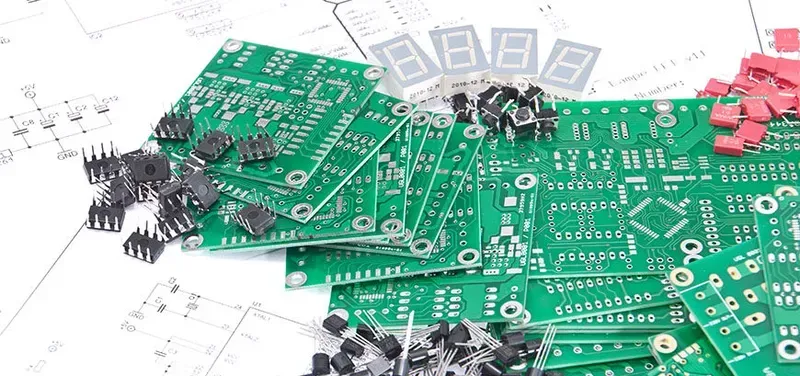
Developing shared headset noise-cancelling headphones requires a specialized approach to printed circuit board (PCB) design and manufacturing, prioritizing durability, consistent performance, and cost-efficiency. Zero One Solution Limited offers a comprehensive, one-stop PCB solution that addresses these critical needs, providing a robust foundation for reliable and high-performing shared audio devices. Our integrated services cover the entire product lifecycle, from initial design and rapid prototyping to volume manufacturing and final assembly, ensuring seamless project execution and accelerated time-to-market.
At the core of our offering is expert PCB design tailored for demanding applications. Shared headsets face unique stresses from frequent use and varying environments. Our design team focuses on creating layouts that optimize signal integrity for effective noise cancellation circuitry, incorporate robust power management for extended battery life in shared use, and ensure mechanical resilience to withstand handling. We integrate advanced components necessary for high-fidelity audio processing and reliable wireless connectivity, crucial for a superior user experience in shared settings.
Following design, our state-of-the-art manufacturing facilities utilize precise processes and quality materials to produce PCBs that meet stringent reliability standards. For shared headsets, this means boards capable of withstanding temperature variations, humidity, and repeated connection/disconnection cycles. Our manufacturing scales efficiently from small prototype runs to large-volume production, maintaining consistency and quality throughout. This is complemented by our advanced PCB assembly services, where components are precisely placed and soldered, including fine-pitch ICs and complex surface-mount technology required for compact, feature-rich noise-cancelling systems. Rigorous testing and quality checks are integrated at every stage to guarantee functionality and longevity, essential for the high-utilization nature of shared audio devices.
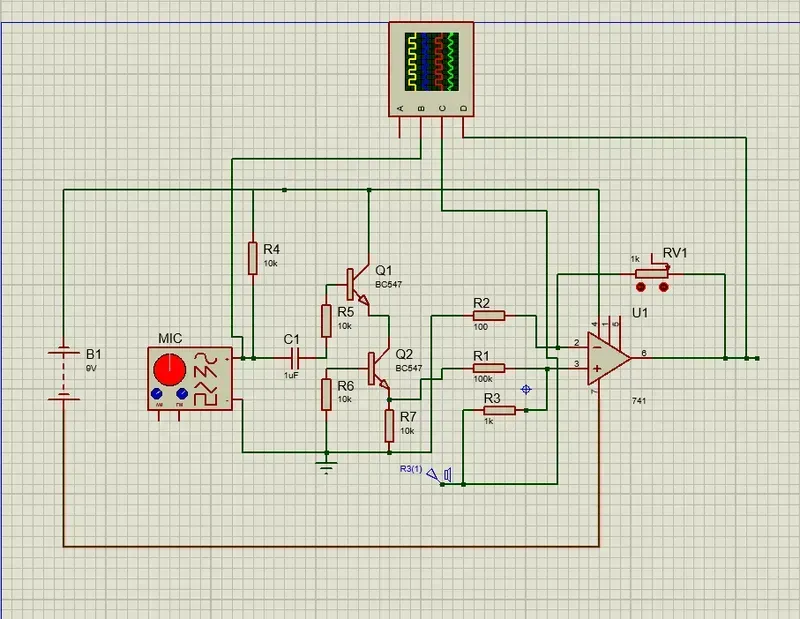
At the core of effective noise-cancelling headphones, particularly for shared use, lies sophisticated Printed Circuit Board (PCB) technology. Zero One Solution Limited leverages cutting-edge design and manufacturing processes to integrate key technologies that deliver superior audio quality and noise attenuation in demanding environments. Our focus is on building robust, high-performance PCBs capable of supporting complex Active Noise Cancellation (ANC) circuitry, efficient power management systems, and seamless wireless connectivity, all essential for a reliable shared headset experience.
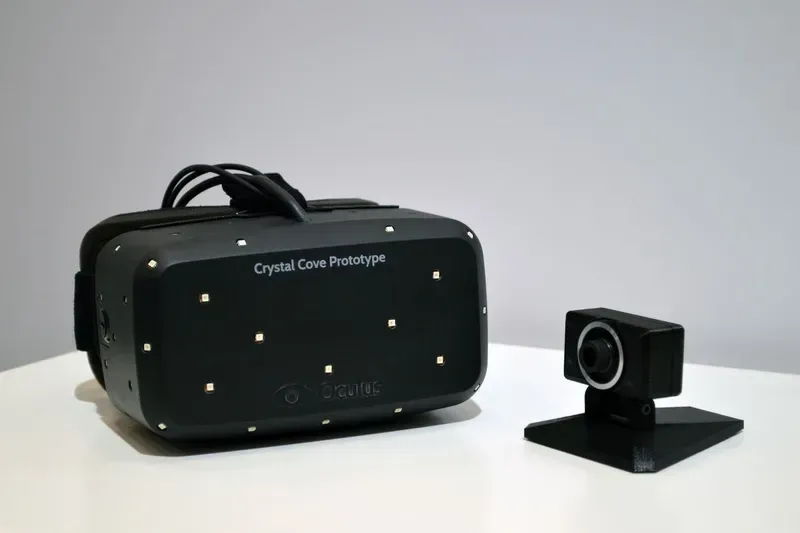
In the fast-paced consumer electronics market, particularly for innovative products like shared headset noise-cancelling headphones, speed to market is a critical differentiator. Zero One Solution Limited's rapid prototyping capabilities are specifically designed to dramatically reduce development cycles, transforming concepts into tangible, testable prototypes with unprecedented speed. This accelerated process is not merely about building a sample quickly; it's about enabling iterative design and validation, crucial for refining the complex interplay of acoustic design, electronics, and user ergonomics inherent in high-performance noise-cancelling audio devices destined for shared use.
Our integrated one-stop service, encompassing PCB design, manufacturing, and assembly, is the engine driving this acceleration. By consolidating these traditionally separate stages, we eliminate the delays and communication bottlenecks that plague conventional development workflows. Instead of managing multiple vendors and facing potential compatibility issues between design, fabrication, and assembly, our clients benefit from a streamlined process where these elements are tightly coupled from the outset. This allows for faster iterations based on real-world testing, quickly identifying and resolving potential issues before mass production.
Our advanced manufacturing facilities and expert engineering teams are optimized for rapid turnarounds on complex PCB designs required for noise-cancelling technology. We leverage cutting-edge equipment and efficient processes to produce high-quality prototypes that accurately reflect the performance characteristics of the final product. This ensures that functional testing, acoustic performance validation, and user experience trials can be conducted on representative hardware, leading to more informed design decisions and a significantly de-risked path to mass production. Ultimately, this translates directly into faster product launches and a competitive advantage in the market for shared audio solutions.
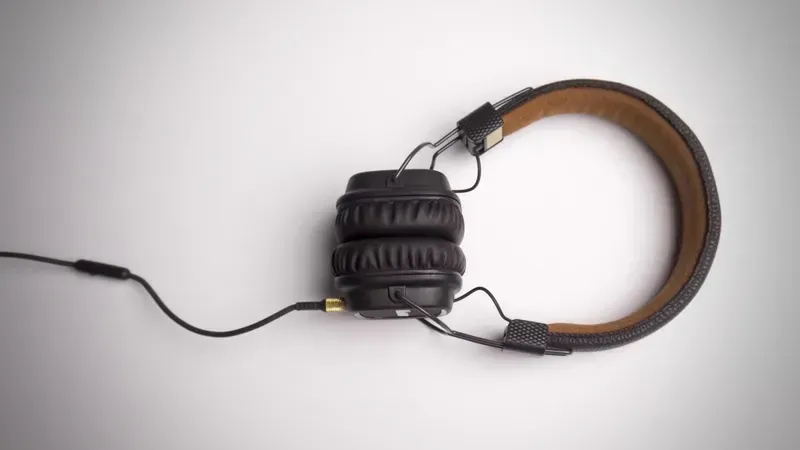
Ensuring the longevity and consistent performance of shared noise-cancelling headphones in high-use environments is paramount. These devices are subjected to frequent handling, diverse users, and potentially harsh conditions. At Zero One Solution Limited, our commitment to stringent quality control and rigorous reliability testing is at the core of our PCB solutions for shared headsets, guaranteeing they meet the demanding requirements of such applications and deliver a reliable user experience.
Our quality assurance process begins at the material selection phase, prioritizing components known for their durability and performance under stress. We implement strict incoming material inspection (IQC) and in-process quality control (IPQC) throughout the PCB manufacturing and assembly stages. This includes automated optical inspection (AOI) and X-ray inspection to identify potential defects early. For reliability testing, we simulate real-world conditions, including extended usage cycles, temperature variations, humidity exposure, and mechanical stress tests such as drop and vibration tests. These tests go beyond standard requirements to ensure the PCBs and ultimately the shared headsets can withstand constant use and maintain optimal noise cancellation performance over their lifespan. Furthermore, we incorporate design-for-reliability (DFR) principles into our PCB layouts to minimize stress points and enhance overall robustness.
| Quality Control Measure | Description | Benefit for Shared Headsets |
|---|---|---|
| Incoming Quality Control (IQC) | Inspection of all raw materials and components before use. | Ensures only high-quality, durable materials are used in PCB production. |
| Automated Optical Inspection (AOI) | Automated visual inspection of PCBs for defects. | Detects manufacturing defects like shorts, opens, and missing components quickly and accurately. |
| X-Ray Inspection | Non-destructive inspection of internal layers and solder joints. | Identifies hidden defects not visible through optical inspection, critical for multilayer PCBs. |
| In-Process Quality Control (IPQC) | Monitoring and inspection at various stages of manufacturing and assembly. | Maintains consistent quality throughout the production process. |
| Reliability Test Type | Purpose | Relevance to High-Use Shared Headsets |
|---|---|---|
| Temperature Cycling Test | Exposes the product to extreme temperature fluctuations. | Simulates environmental changes in different locations or during transport and storage. |
| Humidity Test | Tests the product's resistance to moisture. | Addresses the potential for moisture ingress in various usage environments. |
| Drop Test | Evaluates the product's ability to withstand impact. | Simulates accidental drops, a common occurrence in high-use shared scenarios. |
| Vibration Test | Assesses the product's resilience to mechanical vibration. | Relevant for shared headsets used in vehicles or environments with mechanical movement. |
| Accelerated Life Testing (ALT) | Subjects the product to increased stress levels to shorten its lifespan. | Predicts the expected lifespan and identifies potential failure points under long-term use. |
Addressing the varied needs of different shared audio environments is paramount for successful adoption. Zero One Solution Limited understands that a one-size-fits-all approach is insufficient. Our PCB solutions for shared headset noise-cancelling headphones are engineered with inherent flexibility to enable extensive customization and seamless scalability, catering to a wide array of applications.
By offering this level of customization and ensuring production scalability, Zero One Solution Limited empowers clients to develop shared headset noise-cancelling headphone solutions that are precisely tailored to their target markets and capable of growing with their business.
Choosing the right PCB solution provider is paramount to the success of your shared headset noise-cancelling headphone project. Zero One Solution Limited offers a unique combination of rapid prototyping, comprehensive one-stop services, and a global operational network, making us an ideal partner for bringing your innovative audio solutions to market efficiently and reliably.
By partnering with Zero One Solution Limited, you gain a dedicated and experienced ally in the development and production of your shared headset noise-cancelling headphone solutions. Our integrated services, technical expertise, and global footprint are designed to support your success in this evolving market.
Gain deeper insights into the development and deployment of shared headset noise-cancelling headphone solutions with answers to frequently asked questions. This section addresses common inquiries about the technology, design considerations, and implementation specifics, providing clarity for those exploring or engaging with this innovative audio solution.
The future of shared audio experiences is here, and it's powered by Zero One Solution Limited's commitment to innovation and precision. Our Shared Headset Noise-Cancelling Headphones Solution stands as a testament to our ability to deliver robust, high-performance PCB solutions that meet the evolving demands of various industries. As a veteran engineer at Zero One Solution Limited, I can assure you that our rapid prototyping, one-stop services from PCB design to manufacturing and assembly, and global supply chain network are designed to accelerate your product development and bring your vision to market with unparalleled efficiency. Partner with us to transform your shared audio concepts into a reality. Contact Zero One Solution Limited today to discuss how our bespoke PCB solutions can elevate your next project.

