In today's dynamic world, innovation is key to optimizing resources and enhancing efficiency across all sectors. Just as advanced PCB solutions from Zero One Solution Limited enable cutting-edge electronics to drive progress, intelligent vehicle management systems are transforming industries like driver education. This article delves into the transformative potential of a 'Shared Driving Instructor Vehicle Solution' – a concept designed to revolutionize how driving schools operate, addressing challenges in fleet management, vehicle utilization, and operational costs. We will explore how this innovative approach, leveraging modern technology, can lead to significant improvements in the driving instruction landscape, ensuring better resource allocation and an elevated learning experience.
Understanding the Need for Shared Driving Instructor Vehicle Solution
The Shared Driving Instructor Vehicle Solution addresses the critical need for cost-effective and efficient resource management within the driving education sector. Driving schools face significant financial and logistical pressures, including high vehicle acquisition costs, the burden of maintenance, insurance, and the complexities of scheduling. These challenges often lead to underutilization of assets and strained operational budgets. A shared vehicle solution offers a strategic pathway to alleviate these pain points by optimizing vehicle usage, reducing overhead, and streamlining operations, ultimately creating a more sustainable and profitable business model for driving schools.
Why are vehicle acquisition costs a major concern for driving schools? The initial investment in purchasing a fleet of vehicles represents a substantial capital outlay for driving schools. These costs can be prohibitive, especially for smaller schools or those just starting. Furthermore, the need to regularly update the fleet to maintain safety standards and meet regulatory requirements adds a recurring financial burden.
How does a Shared Driving Instructor Vehicle Solution address the problem of underutilized assets? Traditional driving school models often result in vehicles sitting idle for significant periods, representing a lost opportunity for revenue generation. A shared solution maximizes vehicle utilization by allowing multiple instructors to access the same pool of vehicles based on a smart scheduling system, ensuring that each vehicle is used more efficiently throughout the day.
What operational pressures do driving schools face that a shared vehicle solution can alleviate? Driving schools grapple with a range of operational challenges, including scheduling conflicts, vehicle maintenance coordination, insurance management, and fuel costs. A shared vehicle solution, powered by integrated technology, streamlines these processes, reducing administrative overhead, minimizing downtime, and improving overall operational efficiency.
What are the environmental benefits of implementing a Shared Driving Instructor Vehicle Solution? By optimizing vehicle utilization, a shared solution reduces the overall number of vehicles needed in a driving school's fleet. This leads to lower fuel consumption, reduced emissions, and a smaller carbon footprint, contributing to a more sustainable and environmentally responsible operation.
How can a Shared Driving Instructor Vehicle Solution improve scheduling flexibility for driving schools? Advanced scheduling software, a core component of a shared vehicle solution, enables driving schools to optimize vehicle allocation based on instructor availability, student needs, and location. This enhanced flexibility allows for more efficient scheduling, reduced wait times for students, and improved instructor satisfaction.
What role does technology play in enabling a successful Shared Driving Instructor Vehicle Solution? Technology is the backbone of a shared vehicle solution, providing the tools needed for efficient tracking, scheduling, access control, and maintenance management. Features like GPS tracking, real-time data analytics, and mobile applications ensure seamless operations and data-driven decision-making.
Core Components of a Shared Driving Instructor Vehicle Solution
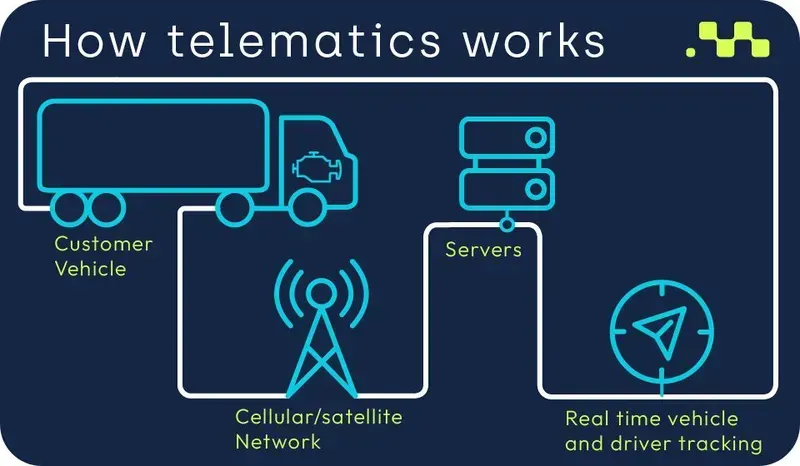
Vehicle Telematics System
A robust Shared Driving Instructor Vehicle Solution relies on several core components that work in synergy to deliver efficiency and effectiveness. These elements span both technological and logistical domains, ensuring seamless operation and optimal utilization of the shared vehicle fleet. The key components include advanced telematics, smart scheduling software, secure access systems, and integrated maintenance protocols.
Advanced Telematics Telematics systems are at the heart of tracking and monitoring vehicle usage. They provide real-time data on vehicle location, speed, mileage, fuel consumption, and driver behavior. This data is crucial for optimizing routes, ensuring vehicle security, and promoting safe driving practices. High-quality telematics also supports geofencing capabilities, which can be used to define operational boundaries and receive alerts when vehicles enter or exit designated areas.
Smart Scheduling Software Efficient scheduling is essential for maximizing vehicle utilization. Smart scheduling software allows driving schools to easily manage bookings, instructor assignments, and vehicle availability. The software should integrate with telematics data to optimize schedules based on real-time vehicle locations and usage patterns. Automated reminders and notifications can also reduce no-shows and improve overall operational efficiency.
Secure Access Systems To prevent unauthorized use and ensure vehicle security, secure access systems are necessary. These systems may include keyless entry using RFID cards or smartphone apps, biometric authentication, or secure key management solutions. Access should be granted only to authorized instructors during their scheduled times, with audit trails to track vehicle usage and accountability. Secure access systems also minimize the risk of theft and vandalism.
Integrated Maintenance Protocols Proactive maintenance is critical for ensuring vehicle reliability and longevity. Integrated maintenance protocols involve tracking vehicle maintenance schedules, recording repairs, and receiving alerts for upcoming service requirements. Telematics data can be used to predict maintenance needs based on mileage, engine hours, and other performance metrics. This approach minimizes downtime and reduces the risk of unexpected breakdowns.
Data Analytics and Reporting The data generated by telematics, scheduling software, and maintenance systems should be analyzed to identify trends, optimize operations, and improve decision-making. Data analytics tools can provide insights into vehicle utilization rates, fuel efficiency, maintenance costs, and driver performance. These insights can be used to fine-tune the Shared Driving Instructor Vehicle Solution and maximize its benefits.
Mobile Applications Mobile applications provide a convenient interface for instructors and administrators to interact with the shared vehicle system. Instructors can use the app to access vehicles, report issues, and view their schedules. Administrators can use the app to monitor vehicle locations, manage bookings, and receive alerts. Mobile apps enhance communication and streamline operations.
Benefits of Implementing a Shared Driving Instructor Vehicle Solution
Implementing a Shared Driving Instructor Vehicle Solution offers a multitude of tangible benefits for driving schools, primarily revolving around cost savings, increased efficiency, and environmental responsibility. By transitioning to a shared vehicle model, driving schools can unlock significant financial and operational advantages, streamlining their business and improving their bottom line. This section delves into the specific benefits, highlighting the ROI and operational efficiencies gained.
Significant Cost Reductions Shared vehicle solutions drastically reduce expenses related to fuel, maintenance, and insurance. Fuel costs are lowered through optimized routes and vehicle usage. Maintenance expenses decrease due to better vehicle management and timely servicing facilitated by telematics data. Insurance costs are reduced as the risk is spread across a managed fleet and potentially through usage-based insurance models.
Improved Vehicle Utilization Rates Traditional driving schools often struggle with underutilized vehicles. A shared system ensures vehicles are in use for a greater proportion of the day, maximizing the return on investment for each vehicle. Smart scheduling software optimizes vehicle allocation, reducing idle time and increasing overall utilization.
Enhanced Scheduling Flexibility Shared vehicle solutions provide greater flexibility in scheduling lessons. Instructors can easily book vehicles based on their availability and lesson requirements, minimizing downtime and improving instructor satisfaction. This flexibility also allows for better responsiveness to student needs and preferences.
Lower Environmental Footprint By optimizing vehicle usage and promoting a more efficient fleet, shared vehicle solutions contribute to a lower environmental footprint. Fewer vehicles are needed overall, reducing emissions and promoting sustainability. The use of telematics data can also encourage more fuel-efficient driving habits among instructors.
Streamlined Operations The technology underpinning shared vehicle solutions, such as smart scheduling software and telematics, streamlines many administrative tasks. Automated vehicle tracking, maintenance alerts, and usage reports reduce the administrative burden on driving school staff, freeing up their time to focus on core business activities.
Better Data Insights Shared vehicle solutions generate valuable data insights into vehicle usage patterns, instructor performance, and student behavior. This data can be used to optimize operations, improve training programs, and enhance the overall learning experience.
Technological Innovations Powering Shared Fleets
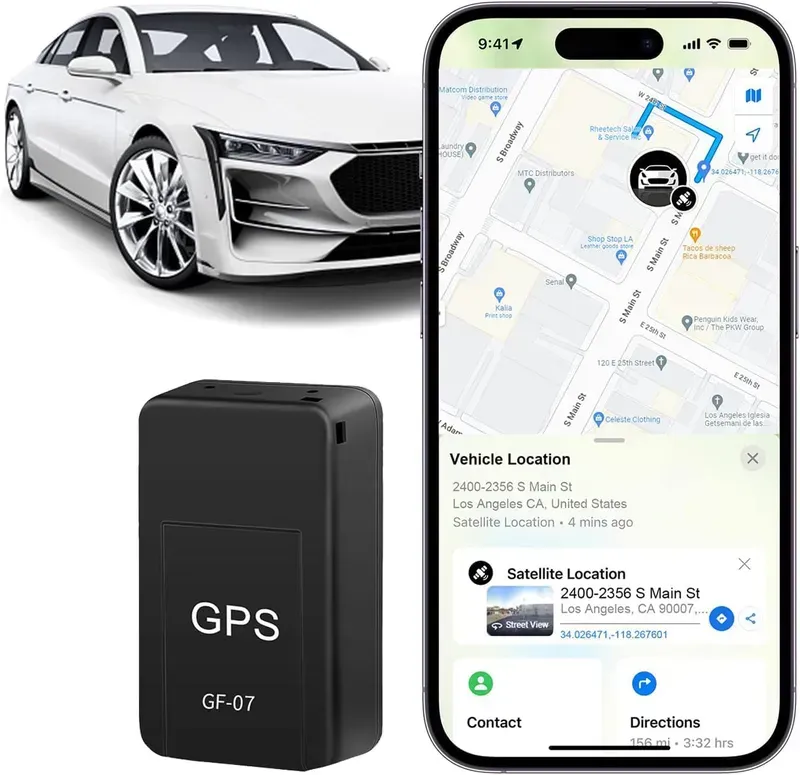
Vehicle GPS Tracking Sensor
The efficient management of shared driving instructor vehicle fleets hinges on cutting-edge technological innovations. IoT sensors, GPS tracking, real-time data analytics, and mobile applications play pivotal roles in streamlining operations and enabling data-driven decision-making. These technologies ensure seamless operation and offer unprecedented insights into fleet performance, utilization, and maintenance needs, all integral to a successful Shared Driving Instructor Vehicle Solution.
How do IoT sensors enhance shared fleet management? IoT sensors embedded in vehicles collect real-time data on vehicle health, driver behavior, and environmental conditions. This data facilitates predictive maintenance, reduces downtime, and promotes safer driving habits, optimizing the overall efficiency and longevity of the shared fleet.
What role does GPS tracking play in a shared vehicle solution? GPS tracking provides precise location data, enabling efficient dispatch, optimized routing, and real-time monitoring of vehicle usage. This ensures vehicles are readily available when and where they are needed, reducing idle time and maximizing vehicle utilization, key components of an effective Shared Driving Instructor Vehicle Solution.
How does real-time data analytics improve decision-making for shared fleets? Real-time data analytics transforms raw data from IoT sensors and GPS trackers into actionable insights. These insights help fleet managers identify trends, optimize resource allocation, and make informed decisions about maintenance, scheduling, and driver performance, leading to increased efficiency and cost savings.
What are the benefits of using mobile applications for managing a shared driving instructor vehicle fleet? Mobile applications streamline the booking process, provide instructors with easy access to vehicle information, and facilitate communication with fleet managers. This enhances user experience, improves operational efficiency, and empowers instructors to manage their schedules and vehicle assignments effectively within a Shared Driving Instructor Vehicle Solution.
How does technology ensure the security of shared vehicles? Technology ensures security through features like remote locking/unlocking, geofencing, and real-time monitoring. These features prevent unauthorized access, deter theft, and allow for quick recovery of vehicles in case of emergencies, safeguarding the assets of the driving school.
Can data analytics help in reducing fuel consumption in a shared fleet? Yes, by analyzing driving patterns and identifying inefficient routes or driving behaviors, data analytics can provide insights into reducing fuel consumption. This includes optimizing routes, providing feedback to drivers on fuel-efficient driving techniques, and identifying vehicles with poor fuel economy, contributing to significant cost savings and environmental benefits.
How do these technologies support sustainability goals? By optimizing vehicle utilization, reducing fuel consumption, and enabling predictive maintenance, these technologies contribute to a more sustainable driving school operation. Efficiently managed shared fleets require fewer vehicles overall, reducing the environmental footprint associated with manufacturing and operating a large fleet. Furthermore, optimized routes and driving habits minimize emissions, supporting broader sustainability goals.
Case Studies and Real-World Applications
Driving School Vehicle Operation
The true measure of any solution lies in its practical application and the results it delivers. This section explores hypothetical yet realistic scenarios where driving schools have successfully integrated a shared driving instructor vehicle solution. These case studies illustrate the tangible benefits and positive impacts of this innovative approach, demonstrating how it can transform operations and drive efficiency.
Consider 'City Drive Academy,' a hypothetical driving school facing rising operational costs and scheduling conflicts. By implementing a shared vehicle system, they experienced a significant turnaround:
Reduced Vehicle Costs City Drive Academy reduced its vehicle fleet size by 30% while still meeting student demand, leading to substantial savings on vehicle purchases, insurance, and registration fees.
Improved Vehicle Utilization The shared system increased vehicle utilization rates from 40% to 75%, ensuring that vehicles were on the road more often and generating revenue.
Enhanced Scheduling Efficiency Smart scheduling software optimized lesson bookings, minimizing vehicle downtime and reducing scheduling conflicts, leading to better instructor and student satisfaction.
Lower Maintenance Costs Preventative maintenance schedules, facilitated by telematics data, helped City Drive Academy proactively address vehicle issues, reducing costly repairs and downtime.
Increased Revenue With optimized operations and reduced costs, City Drive Academy was able to offer more competitive lesson pricing, attracting more students and increasing overall revenue.
Another example is 'Safe Route Driving School,' which leveraged a shared vehicle solution to expand its service area without incurring significant capital expenditures:
Expanded Service Area Safe Route Driving School used the cost savings from shared vehicles to open satellite locations in underserved areas, reaching a broader student base.
Improved Instructor Satisfaction The shared system provided instructors with access to well-maintained, modern vehicles, boosting their job satisfaction and reducing turnover.
Enhanced Brand Image By adopting an innovative and sustainable approach, Safe Route Driving School enhanced its brand image, attracting environmentally conscious students and instructors.
These case studies, while hypothetical, reflect the real-world potential of a shared driving instructor vehicle solution. By addressing common challenges and delivering tangible benefits, this approach is transforming the driver education landscape.
Addressing Challenges and Ensuring Security in Shared Driving Instructor Vehicle Solutions
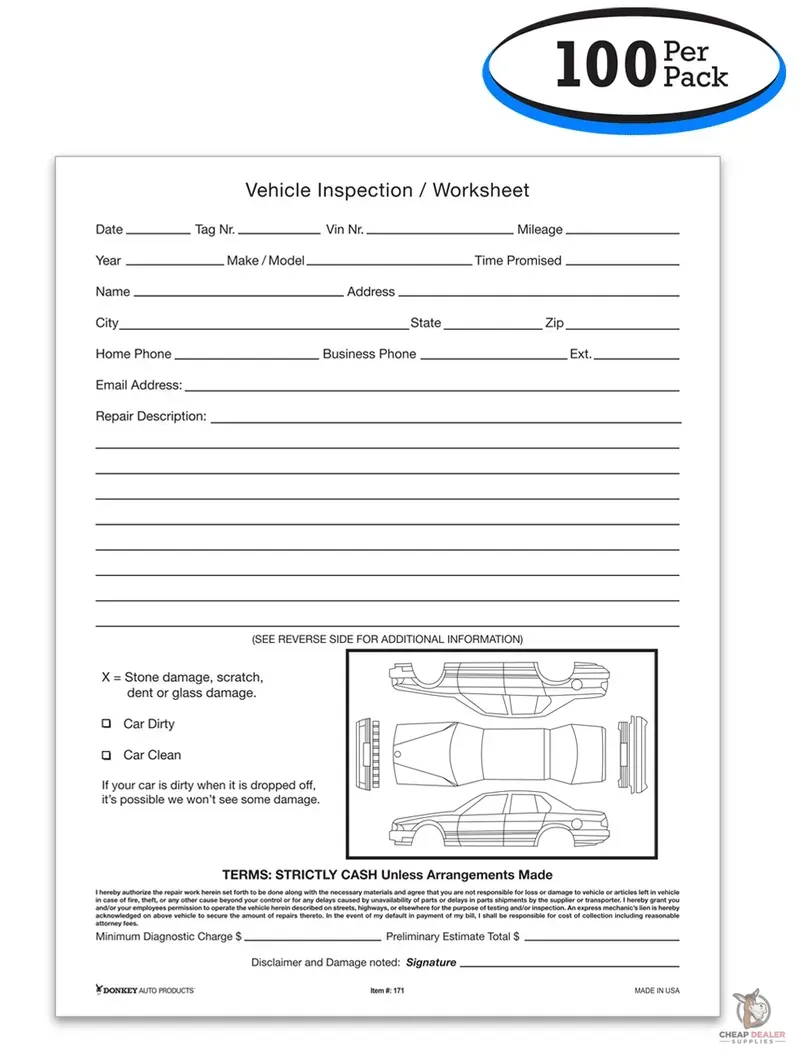
Vehicle Damage Inspection
Implementing a shared driving instructor vehicle solution presents unique challenges concerning vehicle security, instructor accountability, and data privacy. Overcoming these hurdles is crucial for the successful and sustainable operation of a shared fleet. This section examines potential problems and details strategies and best practices to mitigate risks, ensuring a secure and reliable system.
What are the primary security concerns in a shared driving instructor vehicle solution? The primary security concerns include unauthorized vehicle access, potential vehicle damage or misuse, and ensuring the safety of both instructors and students. Digital security, encompassing data privacy and system integrity, is also a major concern.
How can vehicle damage be managed in a shared vehicle system? Vehicle damage can be managed through a combination of pre- and post-trip inspection checklists, telematics monitoring to identify potential misuse, and clear policies outlining instructor responsibility for damage. Implementing a robust insurance policy that covers shared vehicle use is also essential.
What measures can ensure instructor accountability in a shared vehicle program? Instructor accountability can be ensured through detailed usage logs tracked via telematics, performance monitoring, and a clear agreement outlining responsibilities and liabilities. Regular training on proper vehicle use and care is also crucial.
How is data privacy protected in a shared driving instructor vehicle solution? Data privacy is protected through secure digital platforms that comply with relevant data protection regulations (e.g., GDPR). This includes encrypting sensitive data, limiting data access to authorized personnel, and providing transparency to instructors and students about data collection and usage practices.
What type of insurance coverage is needed for shared driving instructor vehicles? The insurance coverage should specifically address the risks associated with shared vehicle use, including liability coverage for instructors and students, collision coverage, and protection against theft and vandalism. It’s important to verify that the policy covers commercial use of the vehicles for driver education.
What role does technology play in mitigating risks? Technology plays a vital role through features like real-time GPS tracking for vehicle location and usage monitoring, geofencing to restrict vehicle operation to designated areas, and remote immobilization capabilities in case of theft or unauthorized use. Data analytics can also identify patterns of risky behavior and inform preventative measures.
What are the best practices for creating a safe shared vehicle environment? Best practices include comprehensive background checks for instructors, regular vehicle maintenance and safety inspections, clear communication channels for reporting issues, and a culture of safety that prioritizes responsible vehicle use and data protection. Proactive risk management and continuous improvement are also essential.
The Future of Driver Training: Towards a Shared Economy Model
The shared economy model is poised to revolutionize driver training, making it more efficient, sustainable, and accessible. As driving schools adapt to modern demands and technological advancements, the Shared Driving Instructor Vehicle Solution is emerging as a key component of this transformation, promising a future where resources are optimized and learning experiences are enhanced.
How will shared vehicle solutions impact the cost of driver education? Shared vehicle solutions can significantly reduce the cost of driver education by lowering vehicle acquisition, maintenance, and insurance expenses for driving schools. These savings can potentially be passed on to students, making driver education more affordable.
What role will technology play in the future of shared driving instructor vehicles? Technology will be central, with advancements in telematics, data analytics, and mobile apps enabling more efficient management, enhanced safety, and improved user experience for both instructors and students.
How can shared vehicle programs improve sustainability in driver training? By optimizing vehicle usage and potentially utilizing electric or hybrid vehicles within the shared fleet, driver training can reduce its carbon footprint and contribute to a more sustainable environment. Fewer vehicles needed overall translates to less manufacturing and resource consumption.
What are the potential benefits of a shared economy model for driving instructors? Instructors could benefit from more flexible scheduling, access to well-maintained vehicles, and potentially higher earning potential as driving schools become more efficient and competitive.
How will the shared driving instructor vehicle model affect accessibility to driver education? By reducing operational costs for driving schools, the shared model can help make driver education more accessible to a wider range of students, especially in underserved communities where access to quality driver training might be limited due to financial constraints.
What types of vehicles are best suited for a shared driving instructor vehicle program? Ideally, vehicles should be reliable, fuel-efficient, and equipped with necessary safety features like dual controls. Electric or hybrid vehicles are increasingly attractive options due to their lower running costs and environmental benefits. Compact sedans and hatchbacks are generally preferred for ease of handling and parking.
How can driving schools prepare for a transition to a shared vehicle model? Driving schools should start by assessing their current vehicle utilization rates, identifying potential cost savings, and investing in appropriate technology infrastructure. They also need to develop clear policies and procedures for vehicle sharing, maintenance, and instructor accountability, while also providing adequate training to staff and instructors.
The 'Shared Driving Instructor Vehicle Solution' represents a significant leap forward in optimizing resources for driver training schools, mirroring the efficiency and precision that Zero One Solution Limited brings to the electronics manufacturing sector through our rapid-response PCB solutions. By embracing advanced fleet management, telematics, and scheduling technologies, driving schools can achieve unparalleled operational efficiency, substantial cost savings, and improved vehicle utilization. This intelligent approach not only streamlines daily operations but also contributes to a more sustainable and accessible driver education system. As a leader in providing comprehensive PCB design, manufacturing, and assembly services, Zero One Solution Limited understands the critical role that robust, reliable technology plays in successful implementations. We encourage driving schools and fleet managers to explore how integrating a shared vehicle model can drive their operations into a new era of productivity and profitability. Contact us to learn more about how technological innovation, underpinned by expert engineering, can power your next success.