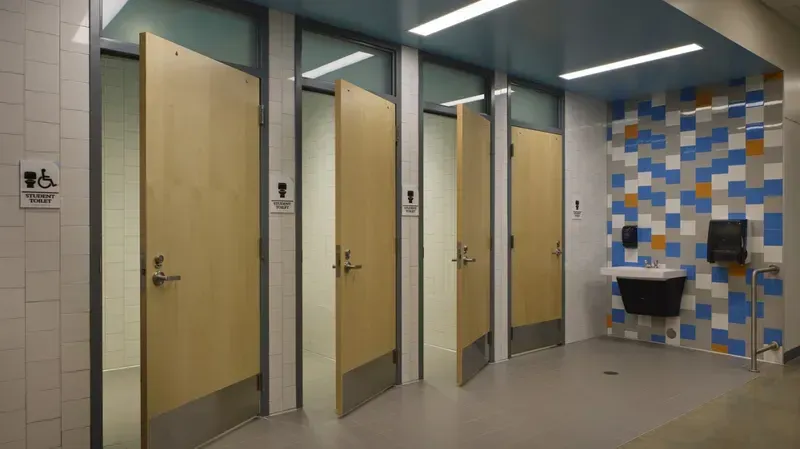
In an increasingly urbanized world, shared restroom facilities—whether in commercial buildings, transportation hubs, or public spaces—present unique challenges in terms of hygiene, maintenance, and user experience. The traditional approach often falls short, leading to inefficiencies and dissatisfaction. But what if technology could transform these everyday spaces into models of cleanliness, efficiency, and user-centric design? Zero One Solution Limited, a leader in PCB solutions, is at the forefront of enabling this transformation. This article delves into the innovative solutions powered by advanced PCB technology that are redefining shared restroom management, addressing critical issues from real-time monitoring to enhanced sanitation.
The Evolving Landscape of Shared Restrooms and Their Challenges
The demand for shared restroom facilities is increasing across various sectors, from commercial buildings and public spaces to transportation hubs. This rise is driven by factors like urbanization, cost-effectiveness, and space optimization. However, this growing reliance on shared facilities brings significant challenges. Key issues include maintaining high hygiene standards, managing complex maintenance schedules, and ensuring user satisfaction amidst diverse needs and expectations. Addressing these challenges effectively is crucial for public health, operational efficiency, and positive user experiences.
Leveraging PCB Technology for Smart Shared Restroom Solutions
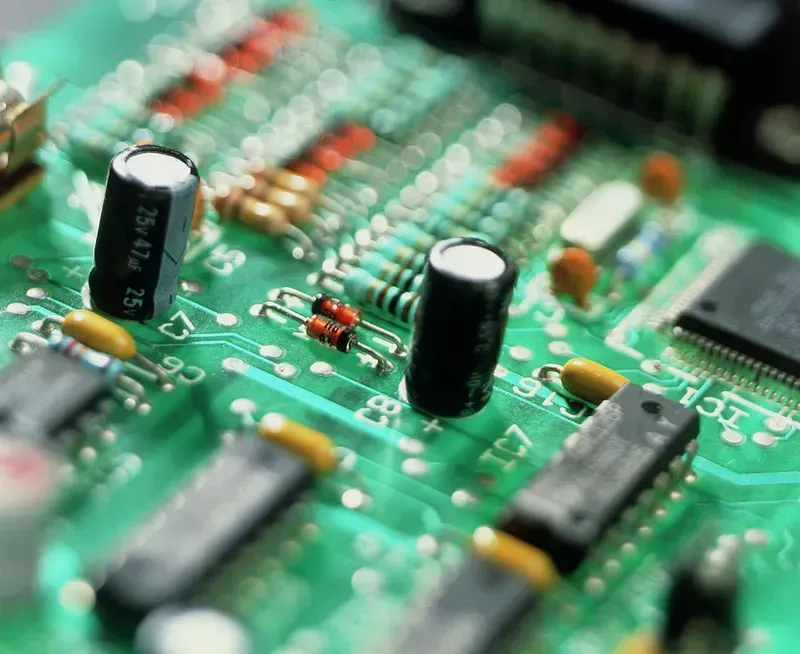
PCB Circuit Board Close-Up
Printed Circuit Board (PCB) technology is the fundamental building block of intelligent systems that address the unique challenges of shared restrooms. PCBs facilitate the integration of various sensors, microcontrollers, and communication modules necessary for real-time monitoring, data processing, and automated responses within these facilities. Their reliability, compact size, and versatility make them ideal for creating smart, efficient, and user-friendly shared restroom solutions.
Why are PCBs essential in smart shared restroom solutions? PCBs provide a stable and organized platform for connecting electronic components, enabling functionalities like sensor data acquisition, processing, and communication in smart restroom systems. They allow for the miniaturization and integration of complex circuits into a compact form factor, crucial for devices operating within the limited space of a restroom.
What types of sensors are integrated into PCB-based smart restroom systems? PCB-based systems support a wide array of sensors, including occupancy sensors (PIR or ultrasonic), liquid level sensors for soap and paper towel dispensers, air quality sensors (VOC, CO2), and flow sensors for water usage. These sensors gather real-time data on restroom conditions and usage patterns.
How do PCBs facilitate data processing in smart restrooms? PCBs house microcontrollers or microprocessors that process the data received from sensors. This data processing enables features such as predictive maintenance, automated alerts for restocking or cleaning, and the generation of reports on restroom usage and hygiene levels. The processed data is often transmitted wirelessly for remote monitoring and analysis.
What communication protocols are supported by PCBs in smart restroom systems? PCBs can be designed to support various communication protocols, including Wi-Fi, Bluetooth, Zigbee, and LoRaWAN, enabling seamless integration with existing building management systems (BMS) or cloud-based platforms. This connectivity allows for remote monitoring, control, and data analytics.
How does Zero One Solution Limited contribute to PCB development for smart restrooms? Zero One Solution Limited offers expertise in PCB design, rapid prototyping, and manufacturing, providing customized solutions for smart restroom applications. Their capabilities ensure that PCBs meet the specific requirements of these systems, including size constraints, environmental conditions, and power efficiency.
What are the advantages of using multi-layer PCBs in smart restroom systems? Multi-layer PCBs allow for increased circuit density and complexity in a smaller area, making them ideal for integrating numerous sensors, microcontrollers, and communication modules in smart restroom devices. They also offer improved signal integrity and power distribution, enhancing the overall performance and reliability of the system.
How does PCB design impact the power consumption of smart restroom systems? Careful PCB design can minimize power consumption by optimizing component placement, trace routing, and power plane design. Low-power microcontrollers and energy-efficient components are also selected to extend battery life or reduce energy usage in wired systems. Efficient power management is critical for battery-powered sensors and devices in shared restrooms.
Real-time Monitoring and Management Systems for Shared Restrooms
Restroom Sensor Monitoring
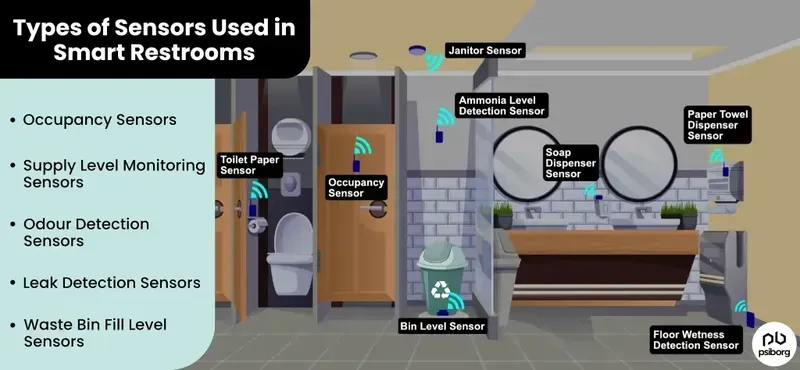
IoT-enabled shared restroom solutions are transforming facility management by providing real-time insights into restroom conditions. These systems utilize a network of sensors to meticulously track occupancy, monitor supply levels of soap, paper towels, and toilet paper, and assess environmental factors like temperature, humidity, and air quality. This data is then processed and transmitted to a central management platform, enabling proactive maintenance, efficient resource allocation, and ultimately, an improved user experience. By leveraging real-time data, facility managers can address issues promptly, optimize cleaning schedules, and ensure that restrooms are consistently well-stocked and hygienic.
What types of sensors are typically used in real-time shared restroom monitoring systems? Common sensors include occupancy sensors (infrared or motion-based), supply level sensors (ultrasonic or weight-based), environmental sensors (temperature, humidity, air quality), and water leak detectors. These sensors collect data on restroom usage and conditions.
How does real-time monitoring contribute to proactive maintenance in shared restrooms? By continuously monitoring restroom conditions, facility managers can identify potential issues before they escalate. For example, low supply levels trigger automatic reordering, and unusual water consumption patterns can indicate leaks, allowing for timely intervention and preventing costly repairs.
What are the key benefits of using real-time data for managing shared restrooms? Real-time data enables optimized cleaning schedules, efficient resource allocation, reduced waste, improved hygiene, and enhanced user satisfaction. It also provides valuable insights for long-term planning and facility improvements.
How secure are the data transmission and storage in these real-time monitoring systems? Reputable systems employ robust security measures, including data encryption, secure cloud storage, and access controls, to protect sensitive information and ensure compliance with data privacy regulations.
Can real-time monitoring systems be integrated with existing building management systems (BMS)? Yes, many real-time monitoring systems offer integration capabilities with BMS platforms, allowing for centralized control and streamlined management of all building facilities. This integration enhances overall building efficiency and sustainability.
How do real-time shared restroom monitoring systems improve hygiene? These systems enable monitoring of soap and sanitizer dispenser levels, prompt cleaning alerts when usage exceeds thresholds, and real-time air quality monitoring, all of which contribute to a healthier and more hygienic restroom environment.
What is the typical ROI for implementing a real-time monitoring system in a shared restroom? ROI varies depending on the size and usage of the facility, but typical returns include reduced labor costs for manual checks, lower supply expenses due to optimized usage, and decreased repair costs through proactive maintenance. Improved user satisfaction and a positive public image also contribute to long-term ROI.
Enhanced Hygiene and Sanitation Protocols for Shared Restroom Solutions
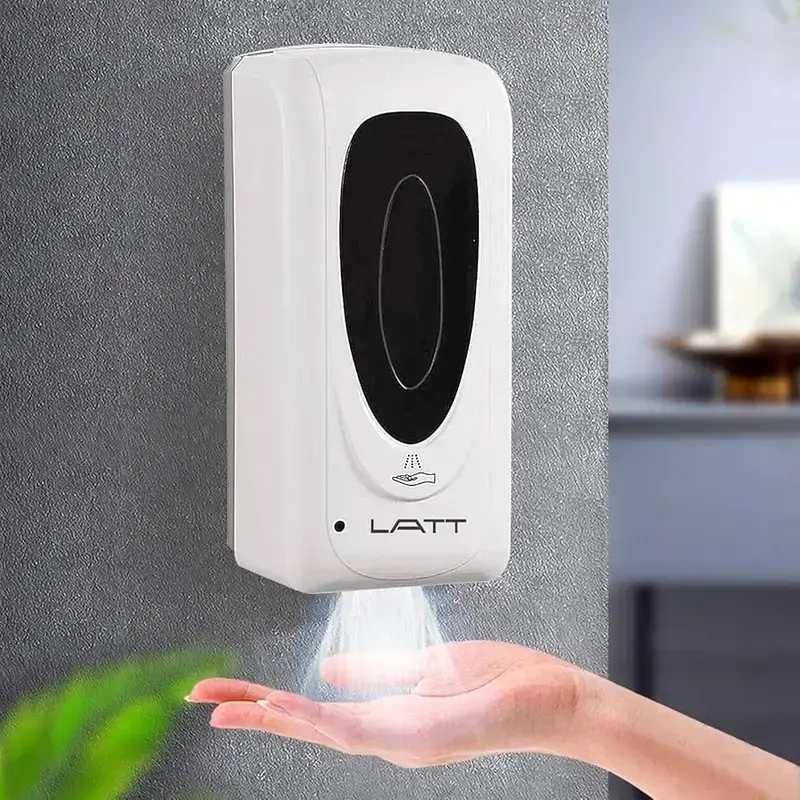
Smart Hand Sanitizer Dispenser
In shared restrooms, maintaining impeccable hygiene is paramount for user health and satisfaction. Enhanced hygiene and sanitation protocols leverage smart technologies to deliver superior cleanliness. These protocols utilize smart dispenser systems, automated cleaning alerts, and air quality monitoring to create a healthier environment for all users.
How do smart dispenser systems enhance hygiene in shared restrooms? Smart dispenser systems optimize hygiene by providing controlled dispensing of soap, sanitizer, and paper towels, minimizing waste and reducing the risk of contamination. These systems often feature touch-free operation, further limiting the spread of germs and bacteria. Data from these systems can also inform restocking schedules and usage patterns, ensuring supplies are always available.
What are the benefits of automated cleaning alerts in shared restroom management? Automated cleaning alerts use sensor data to trigger cleaning schedules based on actual restroom usage, rather than fixed intervals. This ensures that restrooms are cleaned when they need it most, improving hygiene standards and reducing the workload on cleaning staff. These alerts can be integrated with facility management systems for efficient task assignment and monitoring.
Why is air quality monitoring important in shared restrooms, and how does it work? Air quality monitoring is crucial for detecting and addressing unpleasant odors and potential air contaminants in shared restrooms. Smart air quality sensors can measure levels of ammonia, volatile organic compounds (VOCs), and other pollutants, triggering ventilation systems or air purification devices to maintain a fresh and healthy environment. Real-time data allows for proactive management of air quality issues.
Can technology help prevent the spread of germs and bacteria on restroom surfaces? Yes, advanced technologies such as self-disinfecting surfaces and UV-C sanitization systems can significantly reduce the presence of germs and bacteria on restroom surfaces. Self-disinfecting coatings inhibit microbial growth, while UV-C light can be used to sanitize frequently touched areas, such as door handles and faucets, minimizing the risk of cross-contamination.
How can data analytics improve hygiene protocols in shared restrooms? Data analytics plays a vital role in optimizing hygiene protocols by providing insights into restroom usage patterns, supply consumption, and cleaning effectiveness. By analyzing this data, facility managers can identify areas for improvement, adjust cleaning schedules, and optimize the placement of dispensers and sanitization devices to maximize hygiene and minimize waste.
What role do touchless fixtures play in enhancing sanitation? Touchless fixtures, including faucets, soap dispensers, and hand dryers, drastically minimize contact with surfaces, reducing the spread of germs. Sensors activate these fixtures, providing a hygienic and convenient user experience. Their adoption is a key element in modern shared restroom sanitation strategies.
Optimizing User Experience with Intelligent Features
Smart Mirror Displaying Information
In the realm of shared restroom facilities, user experience is paramount. Intelligent features are revolutionizing these spaces, transforming them from mere necessities into comfortable and convenient environments. By incorporating technologies such as smart mirrors, feedback systems, and intuitive interfaces, shared restrooms can significantly enhance user satisfaction and overall perception.
Here's how intelligent features are optimizing the user experience in shared restrooms:
Smart Mirrors Smart mirrors integrated into shared restrooms provide more than just a reflection. They can display information such as news, weather, and even building directories. Some advanced models incorporate facial recognition to personalize the experience, offering tailored content or adjusting lighting preferences. This feature transforms a mundane task into an engaging experience.
Feedback Systems Collecting user feedback is crucial for continuous improvement. Integrated feedback systems, such as touch screen kiosks or mobile app integrations, allow users to report issues, rate their experience, and suggest improvements. This data is invaluable for facility managers seeking to optimize restroom operations and address user concerns proactively. Real-time feedback ensures quick responses to immediate problems and informs long-term strategic decisions.
Intuitive Interfaces User-friendly interfaces are essential for seamless interaction with restroom technologies. Whether it's a digital display providing instructions for using a touchless faucet or a simple interface for adjusting lighting, intuitive design ensures that users can easily navigate and utilize the available features. Clear and concise communication enhances the overall restroom experience.
Personalized Ambient Settings Advanced shared restrooms can adjust ambient settings based on user preferences or time of day. This includes lighting adjustments, temperature control, and even scent diffusion. These features enhance comfort and create a more welcoming environment. Automated systems can adapt these settings based on usage patterns, maximizing energy efficiency and user satisfaction.
Digital Signage and Wayfinding Digital signage within shared restrooms can provide valuable information, such as directions to other facilities, promotional messages, or public service announcements. This transforms the restroom into a communication hub, improving navigation and keeping users informed. Wayfinding solutions help users quickly locate available stalls or amenities, enhancing efficiency and reducing wait times.
Mobile App Integration Mobile app integration offers a range of benefits, from allowing users to locate the nearest available restroom to providing updates on cleaning schedules. Apps can also enable features like hands-free operation of fixtures and personalized preferences. This technology caters to the growing demand for seamless and personalized experiences, offering convenience and control to restroom users.
Zero One Solution Limited's Role in Powering Smart Restroom Innovation
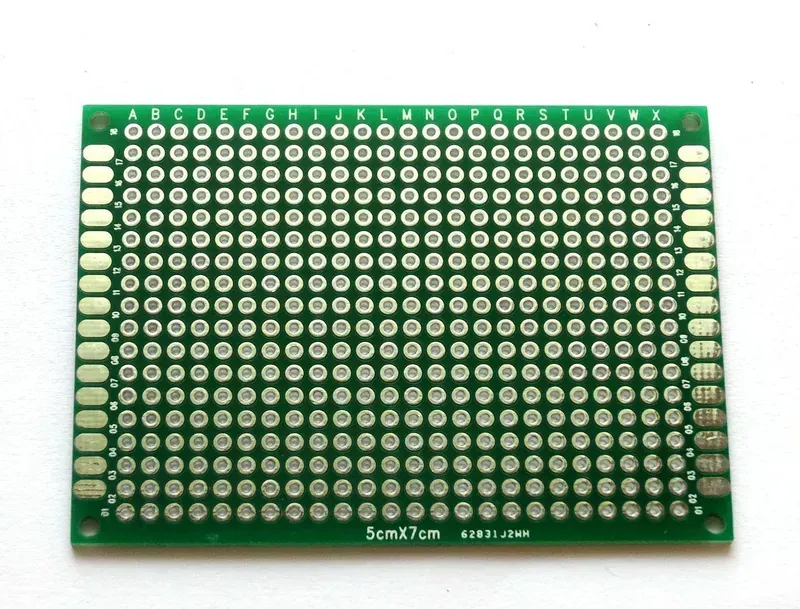
PCB Design Prototype
Zero One Solution Limited stands at the forefront of powering smart restroom innovation by providing comprehensive PCB solutions tailored for the unique demands of these advanced systems. With a commitment to excellence in PCB design, rapid prototyping, and manufacturing, Zero One Solution Limited is an indispensable partner in developing robust and reliable smart shared restroom solutions. Our expertise ensures that the technological infrastructure behind these systems is not only cutting-edge but also dependable and scalable.
PCB Design Expertise Zero One Solution Limited excels in creating customized PCB designs that meet the specific requirements of smart restroom technologies. This includes optimizing layouts for sensor integration, control systems, and communication modules to ensure seamless operation and data transmission.
Rapid Prototyping Services Our rapid prototyping services enable swift iteration and testing of new smart restroom concepts. By quickly turning designs into functional prototypes, we help clients accelerate their product development cycles and validate their ideas efficiently.
Advanced Manufacturing Capabilities Zero One Solution Limited's state-of-the-art manufacturing facilities ensure the production of high-quality PCBs that can withstand the demanding environments of shared restrooms. This includes using durable materials and implementing rigorous quality control processes to guarantee long-term reliability.
One-Stop Solution Provider We offer a complete suite of services from initial design to final assembly, providing a streamlined and efficient process for developing smart restroom solutions. This comprehensive approach reduces complexity and ensures cohesive integration of all components.
Global Supply Chain Network Headquartered in Shenzhen, China, and with a branch office in Dubai, Zero One Solution Limited leverages a global PCBA supply chain network to provide seamless access to resources and support. This ensures timely delivery and cost-effective solutions for clients worldwide.
Commitment to Innovation Zero One Solution Limited is dedicated to pushing the boundaries of what's possible in smart restroom technology. We continuously invest in research and development to stay ahead of emerging trends and provide our clients with the most advanced solutions available.
Case Studies and Future Outlook for Shared Restroom Technology
Successful Shared Restroom Implementation
Smart shared restroom technology is rapidly evolving, driven by the need for improved hygiene, efficiency, and user experience. This section highlights successful case studies demonstrating the tangible benefits of these solutions and explores future trends poised to revolutionize shared restroom management. By examining real-world applications and emerging technologies like AI and predictive maintenance, we gain insight into the transformative potential of smart restrooms.
Several successful implementations showcase the positive impact of smart restroom technology:
Airports: Airports have deployed smart restroom systems to monitor usage, manage cleaning schedules, and provide real-time feedback to maintenance staff. This results in cleaner facilities, reduced wait times, and improved passenger satisfaction.
Shopping Malls: Shopping malls leverage IoT-enabled restrooms to track supply levels, optimize resource allocation, and enhance the overall shopping experience for visitors. Smart dispensers and feedback mechanisms contribute to higher hygiene standards and customer loyalty.
Office Buildings: Corporate offices are implementing smart restroom solutions to promote employee well-being and reduce operational costs. Automated cleaning alerts, air quality monitoring, and water conservation features create a healthier and more sustainable work environment.
Educational Institutions: Universities and schools are using smart restroom technologies to improve hygiene and sanitation, especially in high-traffic areas. These systems help manage cleaning schedules, monitor supply levels, and address maintenance issues promptly.
The future of shared restroom technology is bright, with several exciting trends on the horizon:
AI Integration: Artificial intelligence will play a crucial role in analyzing restroom usage patterns, predicting maintenance needs, and optimizing resource allocation. AI-powered systems can learn from data to improve cleaning schedules, reduce waste, and enhance overall efficiency.
Predictive Maintenance: Predictive maintenance utilizes sensor data and machine learning algorithms to anticipate equipment failures and schedule maintenance proactively. This minimizes downtime, reduces repair costs, and extends the lifespan of restroom fixtures.
Personalized Experiences: Smart restrooms will offer personalized experiences through user recognition and preference settings. Features such as customized lighting, music, and temperature control can enhance comfort and satisfaction.
Touchless Technology: Touchless fixtures, including faucets, soap dispensers, and hand dryers, will become increasingly prevalent to minimize the spread of germs and improve hygiene. These technologies offer a safer and more convenient user experience.
Sustainability Focus: Future restroom designs will prioritize sustainability through water conservation, energy efficiency, and waste reduction. Smart systems can monitor water usage, optimize lighting levels, and promote eco-friendly practices.
The integration of AI, predictive maintenance, and personalized features will further transform shared restrooms into intelligent, efficient, and user-friendly spaces. As technology advances, we can expect even more innovative solutions that address the evolving needs of users and facility managers alike.
This section addresses common questions regarding the implementation, benefits, and maintenance of smart shared restroom technologies, offering clear and concise answers to guide stakeholders in understanding and leveraging these innovative solutions effectively.
What are the primary benefits of implementing a smart shared restroom solution? Smart shared restroom solutions offer numerous benefits, including improved hygiene through automated dispensing and cleaning, reduced operational costs via efficient resource management, enhanced user satisfaction with real-time feedback and personalized experiences, and data-driven insights for optimized maintenance and planning.
How does real-time monitoring enhance the management of shared restrooms? Real-time monitoring uses IoT sensors to track occupancy, supply levels (soap, paper towels), and environmental conditions (temperature, air quality). This data enables proactive maintenance, timely restocking, and immediate responses to any issues, minimizing downtime and ensuring a consistently positive user experience.
What types of sensors are typically used in smart shared restroom systems? Common sensors include occupancy sensors to detect restroom usage, level sensors for monitoring supply levels in dispensers, air quality sensors to measure pollutants, and flow sensors to track water consumption. These sensors provide comprehensive data for efficient management and maintenance.
How can smart restroom solutions contribute to better hygiene and sanitation? Smart restrooms enhance hygiene through features like touch-free dispensers, automated flushing systems, and UV sanitization. Real-time monitoring of air quality and automated cleaning alerts further ensure a healthier environment, reducing the spread of germs and bacteria.
What is the role of PCB technology in smart shared restroom systems? PCB (Printed Circuit Board) technology is essential for integrating sensors, microcontrollers, and communication modules within smart restroom devices. PCBs enable the compact design, reliable performance, and efficient data processing necessary for real-time monitoring and automated functions.
How do smart restroom solutions address the challenge of vandalism and misuse? Smart restroom systems can incorporate features like vandal-resistant fixtures, surveillance cameras, and real-time alerts for unusual activity. Data analytics can also identify patterns of misuse, allowing for targeted interventions and improved security measures.
What is the future outlook for smart shared restroom technology? The future of smart restrooms includes greater integration of AI for predictive maintenance and personalized user experiences. Emerging trends involve the use of advanced sensors for comprehensive health monitoring, as well as sustainable solutions for water conservation and waste reduction, creating more efficient and user-friendly public facilities.
The future of shared restrooms is undeniably smart, efficient, and user-centric, driven by the innovative application of advanced PCB technology. Zero One Solution Limited is proud to be a pivotal enabler of this evolution, providing the critical PCB design, manufacturing, and assembly services that bring these sophisticated solutions to life. Our commitment to rapid prototyping and one-stop service ensures that your vision for a smarter, more hygienic, and better-managed shared facility can quickly move from concept to reality. Partner with Zero One Solution Limited to leverage our expertise and accelerate your product development in the realm of smart shared restroom solutions. Let's build the future, together.