Shared Parking Space / Automatic License Plate Recognition Solution
2025.07.01
In today's rapidly urbanizing world, efficient parking management has become a critical challenge, impacting everything from daily commutes to commercial operations. The increasing scarcity of urban space, coupled with a growing vehicle population, necessitates innovative solutions to maximize existing parking resources. At Zero One Solution Limited, a leader in rapid prototyping and one-stop PCB services, we understand the intricate electronic backbone required for such advanced systems. This article delves into the transformative potential of a Shared Parking Space and Automatic License Plate Recognition (ALPR) Solution, a technology poised to revolutionize urban mobility and resource utilization. How can integrating sophisticated ALPR with shared parking models unlock unprecedented efficiencies and streamline urban life? We will explore the technical underpinnings, operational benefits, and the pivotal role of robust PCB solutions in bringing this vision to fruition.
The Evolution of Parking: Why Shared Space is the Future
The escalating demand for parking, coupled with relentless urban congestion, necessitates innovative solutions. Shared parking emerges as a pivotal strategy, offering substantial economic and environmental benefits to modern cities. By optimizing existing parking resources, we not only alleviate the strain on urban infrastructure but also pave the way for a more sustainable and economically viable urban landscape.
Traditional parking models are proving inadequate in the face of rapid urbanization and increasing vehicle ownership. The concept of shared parking represents a paradigm shift, moving away from dedicated, underutilized parking spaces towards a dynamic, accessible network that maximizes resource utilization. This evolution is driven by several factors:
Urban Population Growth: Cities are experiencing unprecedented population booms, leading to increased vehicle density and a corresponding surge in parking demand.
Economic Pressures: The cost of land in urban centers is skyrocketing, making dedicated parking facilities an expensive and often underutilized asset.
Environmental Concerns: Traditional parking contributes to urban sprawl, increased vehicle emissions, and the heat island effect, exacerbating environmental challenges.
Shared parking addresses these challenges by creating a flexible system where parking spaces are available to multiple users at different times. This model leverages technology, such as Automatic License Plate Recognition (ALPR), to manage access, optimize occupancy, and streamline billing. The benefits are far-reaching:
Economic Advantages: Increased revenue for property owners through optimized space utilization, reduced overhead costs associated with managing parking facilities, and new business opportunities for parking management companies.
Environmental Benefits: Reduced traffic congestion as drivers spend less time searching for parking, lower vehicle emissions due to decreased idling, and more efficient use of land resources, mitigating urban sprawl.
Enhanced User Experience: Convenient access to parking through real-time availability updates, seamless entry and exit processes, and automated payment options, saving time and reducing frustration.
In conclusion, the evolution of parking towards shared space models is not merely a trend but a necessary adaptation to the demands of modern urban living. By embracing technology and innovative strategies, cities can unlock the full potential of their parking resources, creating a more sustainable, economically vibrant, and user-friendly environment for all.
Automatic License Plate Recognition (ALPR) technology is a sophisticated surveillance method that employs optical character recognition (OCR) to automatically read and interpret vehicle license plates. This technology is pivotal in modern shared parking solutions, offering a streamlined approach to vehicle identification and management. ALPR systems are not merely cameras; they are integrated systems comprising hardware and software designed to capture, process, and store license plate data, enabling a wide range of applications from law enforcement to parking management.
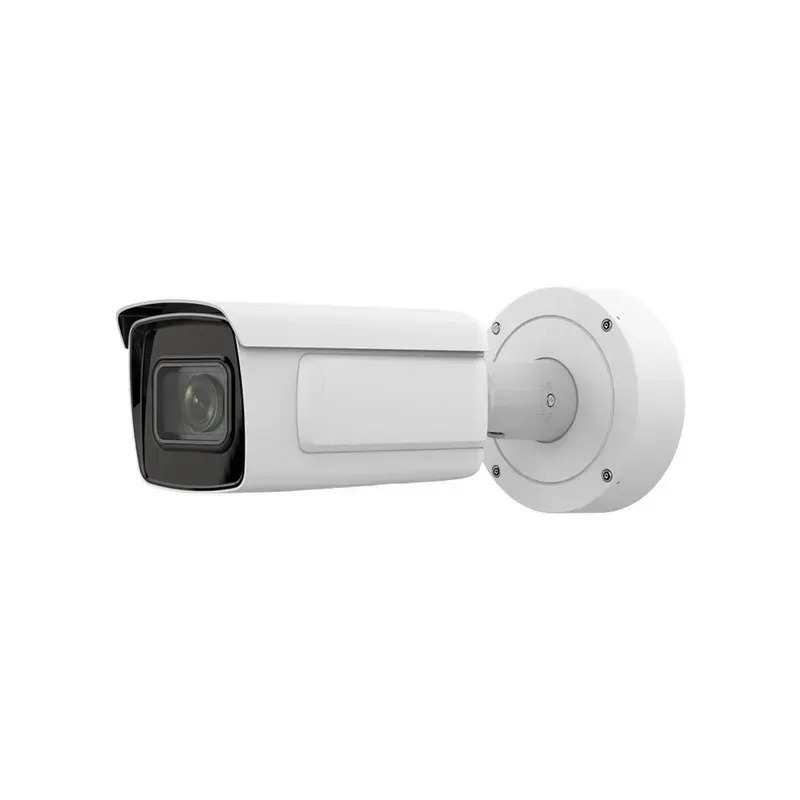
Cameras High-resolution cameras are the front line of ALPR systems. These cameras are specifically designed to capture clear images of license plates, often under challenging lighting and weather conditions. They are strategically positioned to optimize plate capture, taking into account factors such as angle, distance, and speed of vehicles.
OCR (Optical Character Recognition) Software The captured images are then fed into OCR software, which is the brain of the ALPR system. This software analyzes the images, identifies the characters on the license plate, and converts them into digital text. Advanced OCR software can handle variations in license plate fonts, sizes, and conditions, ensuring accurate and reliable recognition.
Databases The recognized license plate data is stored in databases, which can be either local or cloud-based. These databases serve as the memory of the ALPR system, allowing for the comparison of captured license plates against authorized lists, stolen vehicle databases, or parking permit records. The databases are crucial for triggering actions such as opening gates, issuing parking tickets, or alerting security personnel.
The functionality of ALPR for vehicle identification unfolds in a series of steps. First, a vehicle passes by an ALPR-equipped camera, which captures an image of its license plate. The OCR software then processes this image, extracting the license plate number and converting it into a digital format. This data is instantly compared against the database, and if a match is found, the system can trigger a predefined action. In a shared parking scenario, this might involve granting access to the parking facility or logging the vehicle's entry and exit times for billing purposes.
Synergy: How ALPR Powers Shared Parking Solutions
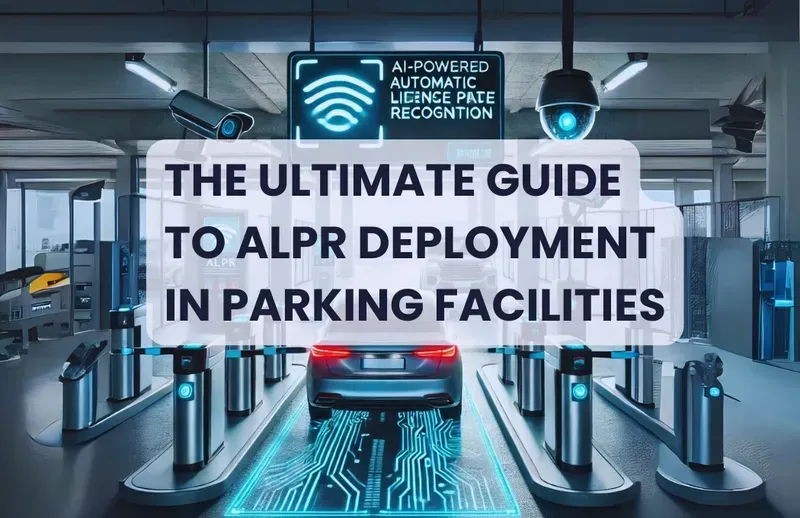
Parking Lot Entrance ALPR System
Automatic License Plate Recognition (ALPR) is the linchpin that transforms shared parking spaces from a logistical challenge into a seamless, efficient system. By automating vehicle identification, ALPR eliminates the need for manual checks, tickets, or access cards, paving the way for frictionless entry and exit, real-time parking availability updates, and automated billing processes. This synergy not only enhances the user experience but also optimizes parking space utilization and operational efficiency for property owners.
Here's a breakdown of how ALPR integrates with shared parking systems:
Seamless Entry and Exit ALPR cameras automatically capture license plate information as vehicles enter and exit the parking facility. This data is then matched against a database of authorized users or pre-booked parking reservations, allowing for swift and barrier-free access. The elimination of manual processes reduces wait times and improves traffic flow.
Real-time Availability Updates ALPR data, combined with parking occupancy sensors, provides a continuous stream of information on available parking spaces. This information can be displayed on mobile apps or digital signage, guiding users to available spots and reducing search times. Real-time data also enables dynamic pricing adjustments based on demand.
Automated Billing ALPR streamlines the billing process by automatically recording entry and exit times. This data is then used to calculate parking fees, which can be automatically charged to users' accounts or credit cards. Automated billing reduces administrative overhead and minimizes revenue leakage.
Enhanced Security ALPR systems enhance security by providing a record of all vehicles entering and exiting the parking facility. This information can be used to investigate incidents of theft or vandalism. ALPR can also be integrated with law enforcement databases to identify stolen vehicles or vehicles associated with criminal activity.
Data-Driven Insights The data collected by ALPR systems provides valuable insights into parking usage patterns. This information can be used to optimize parking layout, adjust pricing strategies, and improve overall operational efficiency. Data-driven insights empower property owners to make informed decisions that maximize revenue and enhance the user experience.
Key Benefits of Implementing an ALPR-Enabled Shared Parking Solution
Implementing an ALPR-enabled shared parking solution unlocks a multitude of benefits for diverse stakeholders, streamlining operations, boosting revenue, and contributing to smarter, more sustainable urban environments. From property owners seeking optimized income streams to end-users desiring seamless parking experiences and city planners aiming for decongested streets, ALPR-powered shared parking presents a compelling value proposition.
Benefits for Property Owners ALPR-integrated shared parking maximizes revenue by enabling dynamic pricing based on demand, automates billing and payment processing reducing administrative overhead, and enhances security through license plate recognition and tracking.
Benefits for Users Users enjoy increased convenience through frictionless entry and exit, reduced search times for available parking spots, and the ability to easily reserve and pay for parking via mobile apps, leading to a smoother and less stressful parking experience.
Benefits for Urban Planning ALPR-enabled shared parking contributes to traffic reduction by optimizing parking space utilization, promotes sustainable transportation by encouraging carpooling and reducing circling for parking, and provides valuable data insights for urban planning and transportation management.
Revenue Maximization Dynamic pricing and increased occupancy rates translate directly into higher revenue streams for property owners. ALPR allows for flexible pricing strategies, such as charging more during peak hours and offering discounts during off-peak times, optimizing income based on real-time demand.
Reduced Overhead Automated billing, payment processing, and access control significantly reduce administrative costs associated with traditional parking management. This frees up staff to focus on other essential tasks, improving overall operational efficiency.
Enhanced User Convenience Seamless entry and exit through ALPR technology eliminate the need for tickets or access cards, making parking quicker and more convenient. Real-time availability updates and mobile app integration further enhance the user experience.
Traffic Reduction Optimized parking space utilization reduces the need for drivers to circle in search of parking, decreasing traffic congestion and emissions. Shared parking encourages more efficient use of existing parking infrastructure.
Data-Driven Insights ALPR systems provide valuable data on parking patterns, occupancy rates, and user behavior. This data can be used to optimize parking operations, improve urban planning, and inform transportation policy decisions.
The Critical Role of PCB Solutions in ALPR Systems
PCB Circuit Board for ALPR System
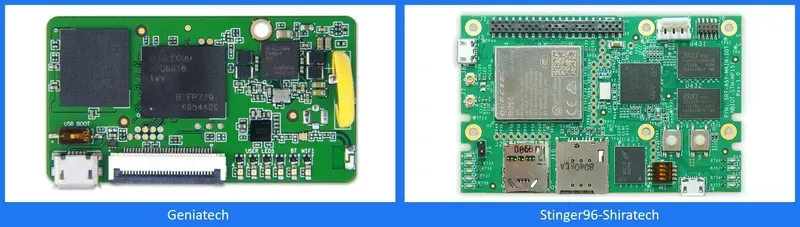
In Automatic License Plate Recognition (ALPR) systems, the performance and reliability of the hardware are paramount. Printed Circuit Boards (PCBs) form the backbone of this hardware, serving as the foundation for cameras, processing units, and communication modules. High-quality, dependable PCBs are not just components; they are essential for ensuring accurate and consistent ALPR operation. Zero One Solution Limited specializes in the design and manufacture of PCBs tailored for these demanding applications, providing solutions that optimize ALPR system performance.
Here’s a detailed look at why PCB solutions are critical in ALPR systems:
Camera Systems PCBs within ALPR cameras must support high-resolution image capture in varying lighting and weather conditions. They require precise signal routing to minimize noise and ensure clear image transmission. Zero One Solution Limited provides PCB designs that enhance image quality and camera durability.
Processing Units ALPR systems rely on processing units to quickly analyze captured images and identify license plates. The PCBs used in these units need to facilitate high-speed data processing and efficient heat dissipation. Our PCBs are designed to optimize processor performance, ensuring rapid and accurate license plate recognition.
Communication Modules Effective communication is crucial for transmitting ALPR data to central databases or control centers. PCBs in communication modules must support reliable wireless or wired connections. Zero One Solution Limited designs PCBs that ensure stable and secure data transmission, minimizing downtime.
Durability and Reliability ALPR systems are often deployed in harsh environments, requiring PCBs that can withstand temperature variations, humidity, and vibrations. Our PCBs are built with rugged materials and undergo rigorous testing to ensure long-term reliability and performance.
Customization Every ALPR application has unique requirements. Zero One Solution Limited offers custom PCB design services to meet specific needs, whether it’s a compact design for mobile ALPR units or a high-density layout for stationary systems. We tailor our solutions to optimize performance and integration.
Zero One Solution Limited’s expertise in PCB design and manufacturing ensures that ALPR systems receive the highest quality components, enhancing their accuracy, reliability, and overall effectiveness. By focusing on these critical elements, we help our clients achieve superior performance in their ALPR deployments.
Implementation Considerations and Challenges
Successfully deploying a shared parking space solution with automatic license plate recognition (ALPR) involves navigating several key considerations and potential challenges. Beyond the core technology, factors like system integration, data privacy, scalability, and hardware reliability play crucial roles in ensuring long-term success and user satisfaction. Addressing these aspects proactively is essential for a seamless and effective implementation.
System Integration Integrating ALPR with existing parking infrastructure, payment systems, and security platforms can be complex. Ensuring compatibility and seamless data flow between these systems is critical. This often requires custom software development and thorough testing to avoid disruptions and data silos.
Data Privacy Concerns ALPR systems collect and store license plate data, raising privacy concerns. Compliance with data protection regulations (e.g., GDPR, CCPA) is paramount. Implement robust security measures to protect data from unauthorized access and misuse. Clearly communicate data usage policies to users and obtain necessary consents.
Scalability The chosen solution should be scalable to accommodate future growth and increased demand. Consider the system's ability to handle a larger number of users, parking spaces, and transactions without compromising performance or stability. Modular designs and cloud-based platforms can facilitate scalability.
Hardware Reliability ALPR systems rely on durable hardware, including cameras and processing units, that can withstand harsh environmental conditions. Investing in high-quality components and robust PCB designs is essential for long-term reliability and minimal downtime. Regular maintenance and proactive monitoring can also help prevent failures.
Network Connectivity Stable and reliable network connectivity is crucial for real-time data transmission and system operation. Consider redundant network connections and backup power supplies to ensure continuous operation, even during outages. Wireless communication technologies should be carefully evaluated for security and interference.
Enforcement and Compliance Establish clear policies and procedures for enforcing parking rules and addressing violations. This may involve integrating with local law enforcement agencies or implementing a ticketing system. Ensure that the system is compliant with all relevant regulations and legal requirements.
User Training and Support Provide adequate training and support to users and administrators of the system. This includes clear instructions on how to use the system, troubleshoot common issues, and access support resources. A user-friendly interface and readily available support channels can enhance user satisfaction and adoption.
Real-World Applications and Case Studies
Commercial Parking Lot ALPR Deployment
The true potential of Shared Parking Space / Automatic License Plate Recognition (ALPR) solutions is best illustrated through successful real-world deployments. These case studies demonstrate the versatility and effectiveness of the technology in various environments, highlighting the tangible benefits for property owners, users, and urban planners alike.
Here are some examples of successful deployments:
Commercial Parking Lots: Maximizing Revenue and Efficiency Many commercial parking lots in metropolitan areas have integrated ALPR-enabled shared parking systems to optimize space utilization and increase revenue. For instance, a parking operator in downtown Los Angeles implemented an ALPR system that allowed tenants to rent out their parking spaces during off-peak hours. This resulted in a 30% increase in revenue and a significant reduction in the number of vacant spaces.
Residential Complexes: Enhancing Resident Convenience In residential complexes, shared parking solutions powered by ALPR offer residents greater convenience and flexibility. A large apartment complex in San Francisco implemented an ALPR system that allows residents to easily share their parking spaces with guests or other residents. The system automatically manages reservations, billing, and access control, streamlining the parking process and improving overall resident satisfaction. This addresses common parking shortages and reduces conflicts among residents.
University Campuses: Streamlining Parking Management University campuses often face parking challenges due to limited space and high demand. An ALPR-based shared parking system was deployed at a major university in Texas, enabling students and faculty to rent out their parking spaces when not in use. This system integrated with the university's existing parking management software, providing real-time availability updates and automated billing. The result was a more efficient allocation of parking resources and a reduction in traffic congestion on campus.
Public Spaces: Improving Accessibility and Traffic Flow In several European cities, ALPR-enabled shared parking solutions have been implemented in public spaces to improve accessibility and reduce traffic congestion. For example, a city in the Netherlands deployed a system that allows residents to rent out their private parking spaces to the public during specific hours. This system is integrated with a mobile app, providing users with real-time parking availability and navigation assistance. The initiative has helped to alleviate parking shortages and promote sustainable transportation practices.
These case studies highlight the versatility and effectiveness of shared parking and ALPR solutions across diverse environments. By leveraging technology to optimize parking space utilization, these systems deliver tangible benefits for property owners, users, and the community as a whole. The success of these deployments underscores the potential for widespread adoption of these solutions in the future, contributing to more sustainable and efficient urban environments.
FAQs about Shared Parking and ALPR Solutions
Navigating the complexities of shared parking and Automatic License Plate Recognition (ALPR) solutions can raise numerous questions. This section addresses frequently asked questions to provide clarity on the technology, benefits, implementation, and future trends of these systems.
How does ALPR technology actually work in shared parking environments? ALPR systems in shared parking use cameras to capture license plate images, OCR (Optical Character Recognition) software to convert images to text, and databases to match plates with authorized users. This enables automated entry/exit, billing, and parking management.
What are the primary benefits of using ALPR in shared parking spaces? Key benefits include enhanced security, reduced operational costs through automation, improved user experience with seamless access, increased parking efficiency by optimizing space utilization, and real-time monitoring and reporting capabilities.
Is ALPR technology accurate enough for billing purposes in shared parking? Yes, modern ALPR systems boast high accuracy rates, often exceeding 95% under optimal conditions. Regular maintenance, camera calibration, and quality OCR software are crucial for maintaining accuracy and ensuring precise billing.
What are the data privacy considerations when implementing ALPR for shared parking? Data privacy is paramount. Systems should comply with data protection regulations (e.g., GDPR, CCPA). Measures include anonymization, secure data storage, limited data retention periods, and transparent user policies regarding data collection and usage.
How scalable are ALPR-integrated shared parking solutions? ALPR systems are highly scalable. Whether for a small parking lot or a large multi-level garage, the system can adapt by adding more cameras and processing power. Cloud-based solutions offer enhanced scalability and remote management capabilities.
What kind of PCB is crucial for ALPR systems in shared parking solutions? High-quality and reliable PCBs are essential for the cameras, processing units, and communication modules in ALPR hardware. These PCBs must withstand outdoor conditions, temperature variations, and continuous operation to ensure the longevity and accuracy of the ALPR system.
What future trends can we expect in shared parking and ALPR technology? Future trends include integration with smart city platforms, enhanced AI-driven analytics for predictive parking management, seamless integration with electric vehicle charging systems, and the use of blockchain technology for secure and transparent parking transactions.
The Shared Parking Space and Automatic License Plate Recognition Solution represents a significant leap forward in smart urban infrastructure. By leveraging advanced ALPR technology, parking resources can be optimized, security enhanced, and user experiences dramatically improved, leading to more sustainable and efficient urban environments. At Zero One Solution Limited, our expertise in rapid-response R&D prototype manufacturing and comprehensive PCB solutions is fundamental to the successful deployment of these complex systems. We provide the critical PCB design, manufacturing, and assembly services that power the cameras, sensors, and data processing units at the heart of every ALPR system. Partner with Zero One Solution Limited to transform your vision into reality, ensuring your smart parking solutions are built on a foundation of reliability, precision, and innovation. Explore how our unparalleled PCB capabilities can accelerate your next-generation parking project.