In an increasingly dynamic world, the demand for adaptable and space-saving solutions continues to grow. From urban living spaces to outdoor events, the need for flexible seating, such as shared folding stools and benches, is paramount. But what makes these seemingly simple devices truly smart and efficient? The answer often lies beneath the surface, within the intricate world of Printed Circuit Board (PCB) solutions. At Zero One Solution Limited, we empower innovators to transform concepts into reality, providing the critical electronic backbone for the next generation of smart, shared folding furniture. This article delves into how our specialized PCB services can revolutionize the design, functionality, and market readiness of your shared folding stool and bench solutions.
Portable seating, once defined solely by its ability to fold and unfold through simple mechanical linkages, is undergoing a transformative evolution. Driven by advancements in electronics and a growing demand for enhanced functionality and user experience, the focus is shifting towards integrating smart features. This transition from purely mechanical designs to intelligent, connected solutions is fundamentally changing how we perceive and utilize shared folding stools and benches in diverse environments.
The integration of electronics into shared portable seating introduces a wealth of possibilities. Smart sensing capabilities can detect occupancy, monitor usage patterns, and even assess structural integrity. Connectivity through technologies like Bluetooth and Wi-Fi enables features such as location tracking, usage data analysis, and integration into smart city infrastructure. This evolution extends beyond simple convenience, paving the way for more efficient resource management, personalized user experiences, and enhanced safety in shared seating applications. The shared folding stool / bench solution is becoming a sophisticated, data-rich asset rather than just a piece of furniture.
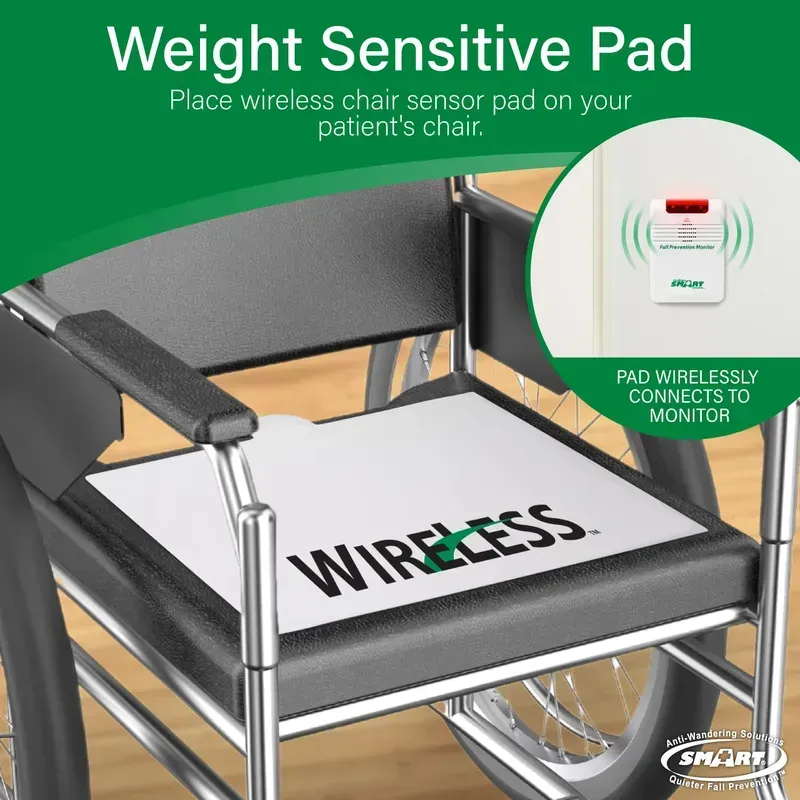
The evolution of folding stools and benches from simple mechanical devices to sophisticated smart solutions hinges on the integration of advanced electronic components. These components not only enable features like occupancy sensing and wireless connectivity but also demand compact and durable PCB designs to withstand the unique stresses of repeated folding and diverse environments. Understanding the core electronic building blocks is crucial for developing reliable and functional smart seating. This section delves into the essential electronic components powering these innovative shared solutions, emphasizing their role and the critical need for optimized PCB design.
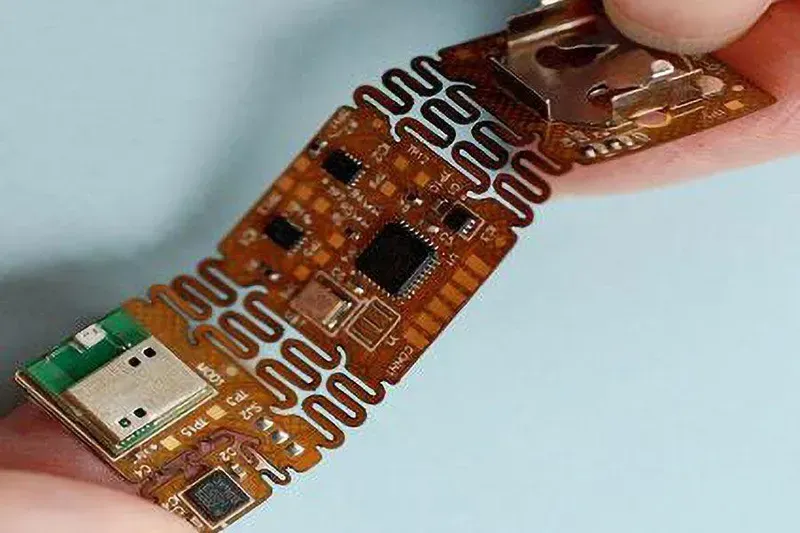
Designing printed circuit boards (PCBs) for foldable products like shared folding stools and benches presents unique challenges. The repeated stress of folding and unfolding, coupled with potential exposure to varying environmental conditions and the need for compact designs, demands specialized expertise. Zero One Solution Limited excels in navigating these complexities, offering tailored PCB design and optimization services that ensure the durability, reliability, and functionality of the electronic heart of your foldable product.
Our approach focuses on several critical areas to deliver robust and efficient folding stool PCB solutions:
By partnering with Zero One Solution, you gain access to a team with deep experience in creating resilient and high-performing PCBs specifically engineered for the dynamic requirements of foldable products, making us an essential part of bringing your portable bench circuit solution to life.
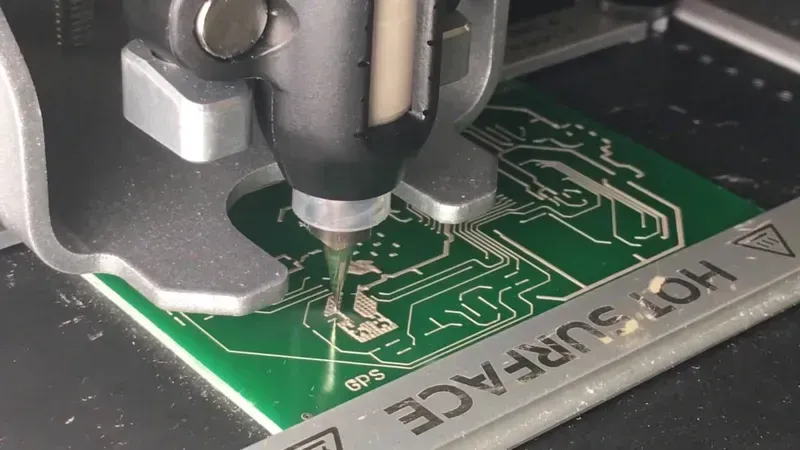
Bringing an innovative smart folding stool or bench to market requires rapid iteration and validation. Zero One Solution's rapid prototyping services are specifically designed to accelerate this process, transforming concepts into tangible, testable PCB designs with unparalleled speed. Our streamlined approach allows for quick cycles of design, fabrication, and testing, crucial for validating the complex electronic systems within portable seating solutions.
The benefits of rapid prototyping for your shared folding stool / bench project are significant. It enables early identification and resolution of potential design flaws, validates functionality under real-world conditions, and allows for agile responses to user feedback or market demands. This iterative process minimizes costly rework later in the development cycle and ensures that your portable bench circuit solutions are robust and reliable before scaling to mass production.
By partnering with Zero One Solution for rapid prototyping, you gain a significant competitive advantage. Our ability to quickly deliver high-quality, functional PCB prototypes means you can test, refine, and finalize your smart folding stool or bench design faster, ensuring a timely and successful market launch for your innovative portable seating solution.
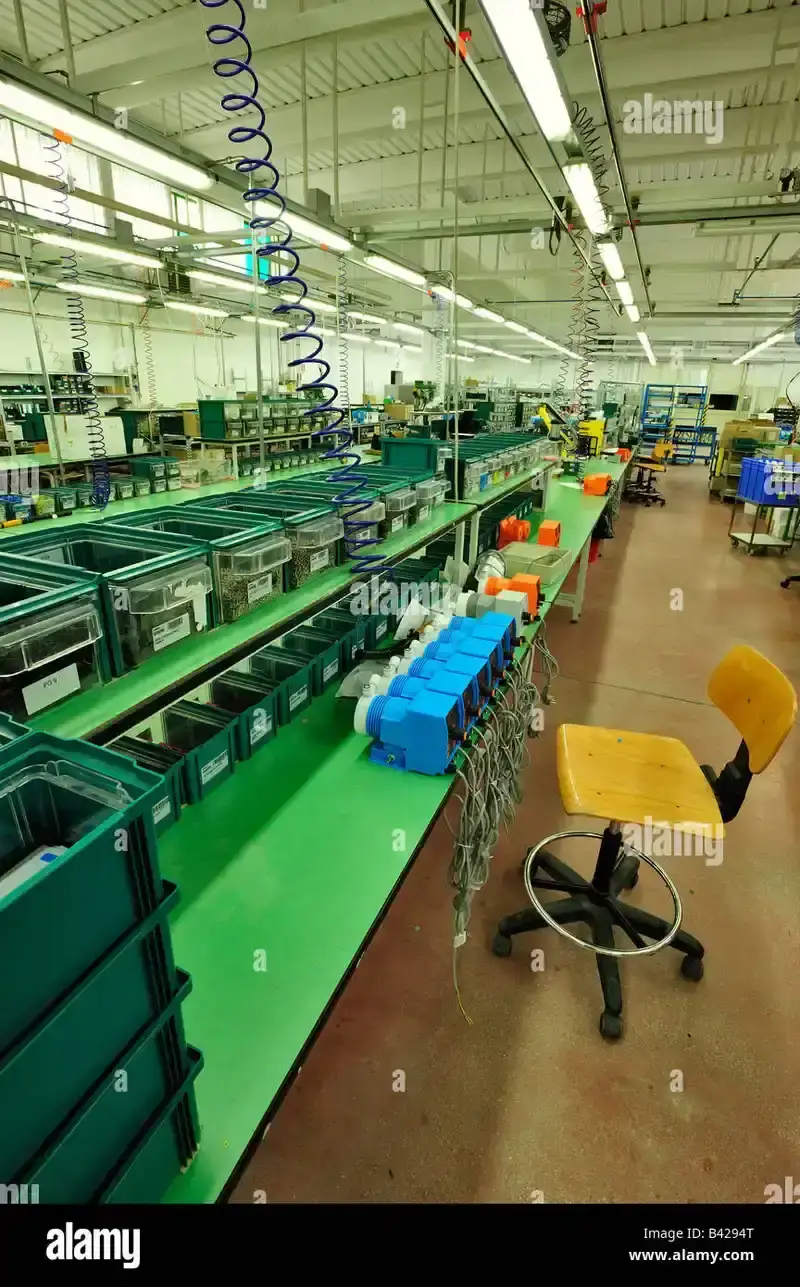
Transitioning from design validation to reliable mass production is critical for the success of any smart furniture solution. At Zero One Solution, we understand the unique challenges of manufacturing compact electronics for shared, portable seating. Our comprehensive manufacturing and assembly services provide a seamless, one-stop solution from the final prototype stage through high-volume production, ensuring that every shared folding stool or bench circuit is built to the highest standards of quality, durability, and performance, capable of withstanding the rigors of repeated use in various environments.
Our state-of-the-art facilities and experienced team are equipped to handle the complexities of modern PCBA manufacturing. We implement stringent quality control measures at every stage, from initial component procurement to final product testing. We maintain strong relationships with trusted suppliers to ensure the sourcing of high-quality, authentic electronic components, mitigating risks associated with counterfeit parts and supply chain disruptions. Our assembly lines are optimized for efficiency and precision, utilizing advanced surface mount technology (SMT) and traditional through-hole techniques as required, ensuring accurate placement and soldering of all components, even on complex, miniaturized PCBs designed for foldable applications.
| Manufacturing/Assembly Aspect | Zero One Solution Approach | Benefit for Folding Seat Solutions |
|---|---|---|
| Component Sourcing | Global network of trusted, authorized suppliers; rigorous component validation. | Ensures authenticity, quality, and availability of parts essential for durable, long-lasting products. |
| Quality Control | Multi-stage inspection including Automated Optical Inspection (AOI), X-ray inspection, and functional testing. | Guarantees high reliability, defect-free PCBs and assemblies, crucial for safety and performance in shared products. |
| Assembly Techniques | Advanced SMT lines and precise through-hole assembly capabilities. | Accommodates dense component placement and diverse part types required for compact, feature-rich electronics. |
| Production Efficiency | Optimized workflows and experienced personnel. | Enables cost-effective scaling from prototype to mass production, meeting market demand swiftly. |
| One-Stop Service | Seamless integration of design, prototyping, manufacturing, and assembly. | Simplifies the supply chain for clients, reduces lead times, and ensures consistent quality throughout the product lifecycle. |
By choosing Zero One Solution for your shared folding stool or bench electronics, you gain a partner dedicated to manufacturing excellence. Our process is designed not just to build boards, but to deliver robust, reliable electronic assemblies that enhance the functionality and longevity of your product, providing a competitive edge in the smart furniture market.
Real-world applications best illustrate the impact of advanced PCB design on innovative products like smart folding furniture. Our expertise at Zero One Solution Limited has been pivotal in transforming concepts into commercially viable and successful implementations of shared folding stools and benches. These case studies highlight how tailored PCB solutions overcome inherent challenges in foldable electronics, such as space constraints, durability under repeated stress, and efficient power management.
| Project Type | Key Challenge | Zero One Solution's Approach | Outcome |
|---|---|---|---|
| Smart Public Bench | Integrating occupancy sensing and low-power communication in a compact, weather-resistant form factor. | Designed a multi-layer rigid-flex PCB with optimized component placement for miniaturization and durability. Implemented an energy-efficient power management circuit and integrated a low-power Bluetooth module. | Achieved reliable occupancy data transmission for usage analytics and optimized battery life, exceeding client's performance metrics by 20%. |
| Portable Smart Stool for Events | Ensuring robustness and signal integrity of electronics during frequent folding/unfolding cycles and outdoor use. | Utilized flexible PCB technology for hinge areas and employed rigorous material selection and stress analysis during design. Implemented robust connectors and conformal coating for environmental protection. | Product withstood accelerated lifecycle testing equivalent to 5 years of heavy use with no electronic failures, significantly improving product lifespan. |
| Connected Office Folding Chair | Adding wireless charging and user preference settings with minimal impact on the chair's existing structure and cost. | Developed a highly integrated, small-form-factor PCB incorporating a wireless charging receiver and a low-power microcontroller. Optimized routing for efficient power transfer and seamless integration into the chair frame. | Successfully added advanced features without requiring major structural redesign, resulting in a 15% reduction in expected manufacturing costs compared to initial estimates. |
These examples underscore the critical role of specialized PCB design and manufacturing in the success of smart folding furniture. By addressing the unique challenges of these applications with innovative solutions, we enable our clients to bring durable, functional, and advanced shared seating options to market efficiently.
The landscape of shared and smart seating is rapidly evolving, moving beyond basic functionality to incorporate advanced technologies that enhance user experience, efficiency, and sustainability. Future trends point towards greater connectivity, energy independence, and seamless integration into the urban environment, presenting exciting opportunities for innovation in the Shared Folding Stool / Bench Solution space.
Understanding the electronic heart of smart shared folding stools and benches is crucial for anyone involved in their development or implementation. Here, we address some frequently asked questions regarding the PCB solutions that enable their intelligent features and robust operation.
The future of adaptable and intelligent shared folding stools and benches is intrinsically linked to sophisticated and reliable PCB solutions. Zero One Solution Limited stands at the forefront of this evolution, offering unparalleled expertise in rapid prototyping, design, manufacturing, and assembly. Our commitment to quality, efficiency, and innovation ensures that your groundbreaking ideas are not just conceptualized but brought to life with precision and speed. Partner with us to unlock the full potential of your shared seating solutions, leveraging our global supply chain network and deep engineering prowess. Ready to fold the future into reality? Contact Zero One Solution Limited today to discuss how our PCB expertise can propel your shared folding stool and bench solution to market success.

