At Zero One Solution Limited, we've always been at the forefront of innovation, empowering our clients to accelerate product development and bring revolutionary solutions to market. Just as the world seeks smarter ways to manage shared resources, the demand for efficient and equitable climate control has surged. This article delves into the transformative potential of a 'Shared Air Conditioner Solution'
—a concept poised to redefine how we cool and heat multi-tenant or large-scale environments. We will explore how our advanced PCB solutions are the silent architects behind these sophisticated systems, enabling seamless integration, unparalleled efficiency, and intelligent management of shared climate control resources.
Understanding the Need for Shared Air Conditioner Solutions
The modern urban landscape, characterized by a growing density of multi-tenant buildings, sprawling commercial complexes, and dynamic co-working spaces, presents significant challenges for traditional individual air conditioning systems. These conventional setups, while effective for single-user environments, often lead to substantial energy waste, exorbitant operational costs, and inherent disparities in individual comfort levels across different zones. Addressing these pain points is paramount for building owners, facility managers, and occupants alike, driving the urgent need for more efficient, equitable, and cost-effective climate control alternatives like shared air conditioner solutions.
Energy Waste in Traditional Systems Individual AC units frequently operate inefficiently due to inconsistent usage patterns and suboptimal system sizing, leading to significant energy consumption and higher utility bills.
High Operational and Maintenance Costs Managing and maintaining numerous individual units across a large building is labor-intensive and costly, encompassing repairs, filter replacements, and system checks.
Comfort Disparities and Tenant Complaints Individual units often struggle to provide consistent temperatures across different areas, resulting in hot or cold spots and frequent complaints from occupants regarding comfort levels.
Lack of Centralized Control and Monitoring Traditional systems lack the ability for centralized management and real-time monitoring, making it difficult to optimize performance, identify issues, and respond effectively to changing climate needs.
Space Limitations and Aesthetics Numerous individual outdoor units can occupy valuable space on building exteriors or rooftops and detract from the aesthetic appeal of the property.
What is a Shared Air Conditioner Solution?
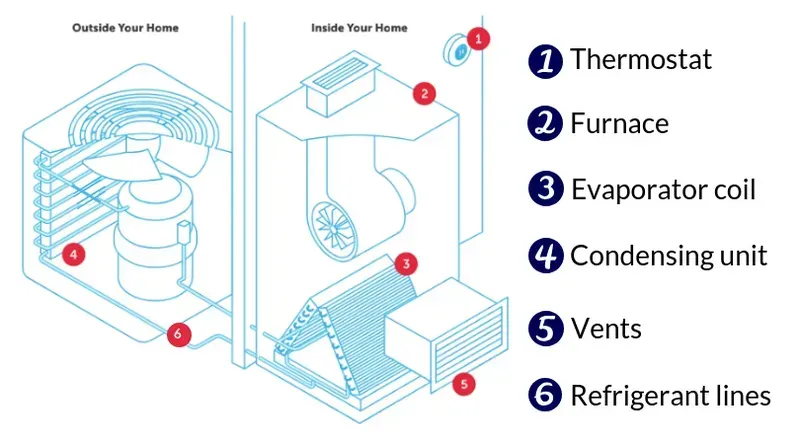
Central Air Conditioner System Components
A Shared Air Conditioner Solution fundamentally shifts from the traditional model of individual, decentralized cooling/heating units (like window units or split systems) to a centralized approach. At its core, it involves a single, powerful climate control system that serves multiple zones, rooms, or even entire buildings. This centralized system generates cooled or heated air or water, which is then distributed through a network of ducts, pipes, and terminal units (like fan coil units or air handlers) to provide comfort in various areas. The key difference lies in the shared infrastructure and the ability to manage climate control across an entire space from one primary source.
Operational principles revolve around efficiency through scale. By generating cooling or heating centrally, shared systems can utilize larger, more energy-efficient compressors and heat exchangers than multiple smaller units. Distribution networks are designed to minimize energy loss, and sophisticated control systems, often leveraging smart technology and IoT, manage temperature, airflow, and energy usage dynamically across different zones. This allows for equitable distribution of comfort while optimizing overall energy consumption. The system can be managed by building operators or offer granular control to individual occupants depending on the system's design and smart features.
Feature
Shared AC Solution
Traditional Individual AC (e.g., Split System)
Heat Source/Compressor
Centralized (One large unit serving multiple zones)
Decentralized (One unit per zone/room)
Distribution
Network of ducts/pipes and terminal units
Direct cooling/heating from the unit itself
Energy Efficiency
Higher potential due to scale and optimized central plant
Varies per unit, less efficient at scale
Installation Complexity
Higher initial complexity for central plant and network
Lower complexity per unit, but multiplied for multiple zones
Control
Centralized management with optional zone-level smart controls
Individual control per unit
Maintenance
Fewer central units to maintain, but more complex network
Each unit requires independent maintenance
Space Utilization
Central unit located away from occupied space, minimal indoor equipment
Units (indoor/outdoor) occupy space in or near each zone
Key Benefits of Implementing Shared AC Systems
Implementing shared air conditioner systems delivers a multitude of benefits, fundamentally transforming how climate control is managed in multi-tenant environments. These systems are engineered to address the inherent inefficiencies and high costs associated with traditional individual units, offering a centralized and intelligent approach to cooling and heating. The advantages extend beyond simple cost savings, impacting environmental sustainability, occupant comfort, and the overall operational efficiency of a building. By centralizing the cooling load and distributing it intelligently, shared AC systems optimize energy consumption, reduce maintenance burdens, and free up valuable space that would otherwise be occupied by multiple outdoor units.
Significant Energy Savings Shared AC systems operate more efficiently by leveraging centralized, larger capacity units that are typically more energy-efficient than multiple smaller, individual units. Advanced control systems optimize operation based on real-time demand and occupancy, preventing unnecessary cooling or heating in unoccupied zones. Studies show that centralized systems can reduce energy consumption by 20-40% compared to decentralized setups.
Reduced Maintenance and Operational Costs With fewer, larger units to maintain compared to numerous individual systems, maintenance becomes simpler, less frequent, and more cost-effective. Centralized systems facilitate easier access for repairs and routine checks, minimizing downtime and associated costs. The lifespan of the equipment is also often extended due to optimized operation.
Optimized Space Utilization Shared systems typically require less outdoor space for equipment compared to individual units for every tenant or zone. This frees up valuable rooftop or ground-level space for other uses, enhancing the aesthetic appeal and functionality of the building.
Enhanced Comfort Management and Control Integrated with smart control systems and sensors, shared AC solutions provide precise temperature control, allowing for customized climate settings in different zones or rooms. Occupants can often manage their immediate environment through user-friendly interfaces or mobile apps, leading to increased comfort and satisfaction.
Contribution to Sustainable Building Practices By significantly reducing energy consumption and potentially utilizing refrigerants with lower global warming potential, shared AC systems contribute to a building's overall sustainability profile. This aligns with green building standards and can enhance the building's marketability and appeal.
Improved Building Aesthetics Eliminating multiple unsightly outdoor units improves the visual appearance of a building's exterior, which can be particularly important in commercial and upscale residential properties.
These combined benefits translate into a compelling return on investment for building owners through lower operational expenses and increased property value, while simultaneously providing a superior and more comfortable environment for occupants. The integration of advanced PCB solutions is fundamental to enabling these benefits, providing the intelligence and control necessary for efficient system operation.
The Role of Advanced PCB Solutions in Shared Air Conditioning
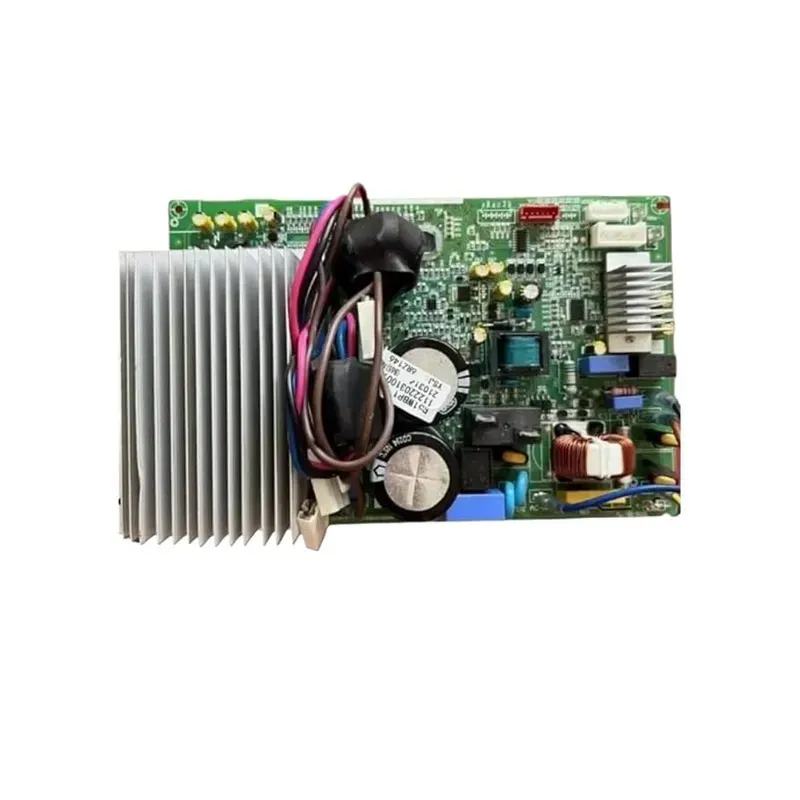
Air Conditioner Control Unit PCB
Advanced Printed Circuit Boards (PCBs) are not merely components in shared air conditioning systems; they are the central nervous system, enabling the intelligent and efficient operation that defines these modern climate control solutions. These high-performance PCBs are essential for the intricate control, real-time monitoring, and seamless integration required for optimal energy distribution and user comfort in multi-zone environments. Without sophisticated PCB technology, the centralized intelligence and distributed control that make shared AC systems superior to traditional setups would be impossible.
The complexity of shared air conditioning demands PCBs capable of handling multiple critical functions simultaneously. This includes processing data from a network of sensors, managing power flow to various cooling/heating units, facilitating communication between different system components and external networks (IoT), and executing complex algorithms for load balancing, scheduling, and fault detection. The reliability and performance of these PCBs directly impact the system's overall efficiency, stability, and lifespan.
Control Units and Logic Processing PCBs form the core of the central control unit, housing microcontrollers and processors that interpret user inputs, sensor data, and system parameters to determine optimal operational modes. They execute sophisticated algorithms for energy distribution, temperature regulation across zones, and system diagnostics.
Sensor Integration and Data Acquisition Advanced PCBs are crucial for integrating and managing data from a variety of sensors (temperature, humidity, occupancy, air quality) strategically placed throughout the building. They handle signal conditioning and data conversion, providing the control system with the real-time information needed for dynamic adjustments.
Communication Modules and IoT Connectivity Modern shared AC systems often leverage IoT capabilities for remote monitoring, control, and data analytics. PCBs facilitate this connectivity through integrated communication modules (Wi-Fi, Ethernet, cellular), enabling seamless interaction with building management systems (BMS) and mobile applications.
Power Management and Distribution Efficiently distributing power to multiple air handling units, fans, pumps, and valves is a key challenge. PCBs incorporate power management circuitry to ensure stable and reliable power delivery, often including components for power factor correction and surge protection.
Intelligent Algorithms and Optimization The effectiveness of shared AC relies heavily on intelligent algorithms for predictive control, energy optimization, and fault detection. PCBs provide the platform for executing these complex computational tasks, enabling the system to adapt to changing conditions and minimize energy waste.
Zero One Solution Limited's Contribution to Shared Air Conditioner Technology
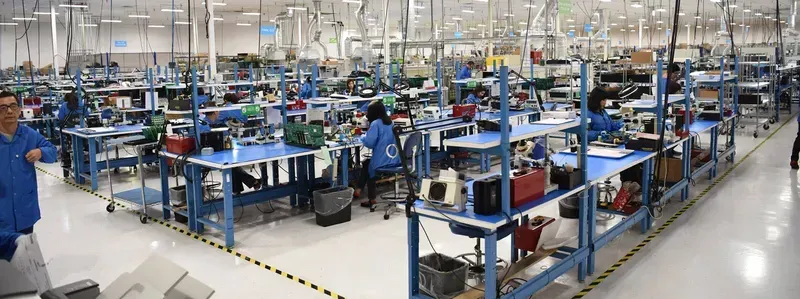
PCB Manufacturing Factory Workshop
At the core of every intelligent shared air conditioning system lies sophisticated electronics, and Zero One Solution Limited stands as a critical enabler of this technology through our advanced Printed Circuit Board (PCB) solutions. We understand that reliable, high-performance PCBs are not just components, but the nervous system that dictates the efficiency, intelligence, and connectivity of modern climate control. Our expertise directly supports manufacturers in developing the precise control units, sensor interfaces, communication modules (including IoT capabilities), and power management systems required for robust shared AC infrastructure, ensuring seamless operation and optimal energy distribution across multi-zone environments.
Rapid Prototyping for Accelerated Innovation Shared AC technology is constantly evolving. Our rapid prototyping services allow manufacturers to quickly test and iterate new designs for control boards and sensor integration, drastically reducing development cycles and enabling faster market entry for innovative shared AC features.
High-Precision Manufacturing The complex algorithms and sensor data processing in shared AC systems demand exceptionally reliable PCBs. Our high-precision manufacturing processes ensure the fidelity and durability of these critical components, minimizing failure rates and ensuring consistent system performance even under demanding operational conditions.
Comprehensive Assembly Services Beyond manufacturing, our comprehensive PCB assembly services streamline the production pipeline for shared AC control units. By providing a one-stop solution from bare board to fully assembled PCB, we help clients accelerate mass production and deployment of their shared air conditioning solutions.
Expertise in Advanced Electronics Integration Shared AC systems rely heavily on integrating various electronic components for smart control, communication, and power efficiency. Our deep expertise in working with diverse electronic parts and complex board layouts is crucial for designing PCBs that can handle the intricate requirements of these advanced systems.
Enabling IoT and Smart Connectivity Future-proof shared AC solutions require seamless integration with building management systems and IoT platforms. We specialize in developing PCBs that support robust communication protocols and sensor networks, making shared AC systems smarter and more connected.
Case Studies and Real-World Applications
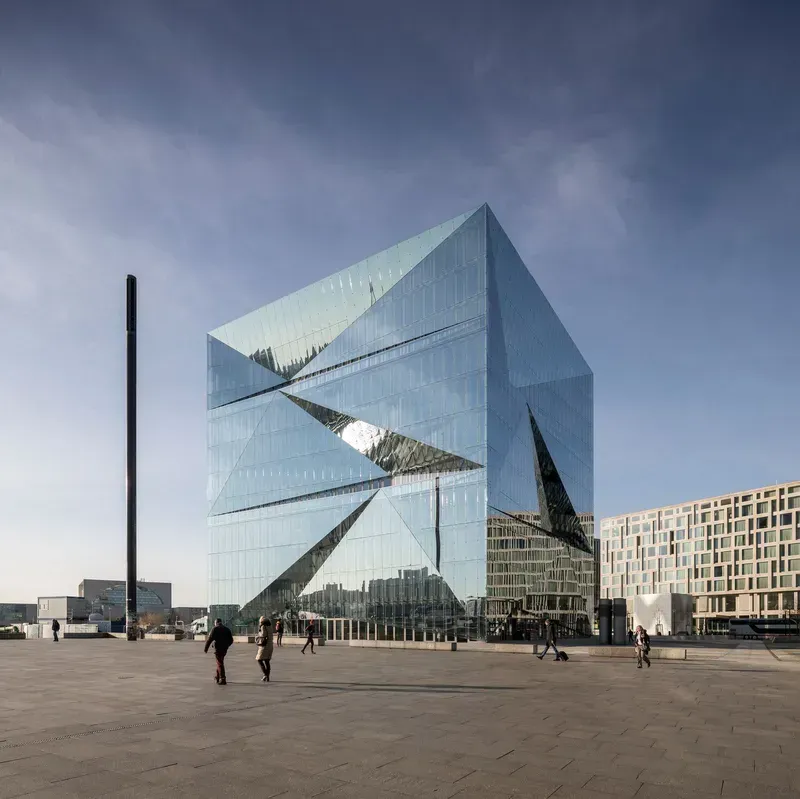
Smart Office Building Exterior
Shared air conditioner solutions are proving to be transformative in diverse real-world settings, moving beyond theoretical benefits to deliver tangible energy savings and improved occupant comfort. Their adaptability makes them ideal for various multi-tenant environments, from modern smart office buildings to large residential complexes and hospitality venues. These applications demonstrate the effectiveness of centralized cooling/heating distribution, often underpinned by advanced PCB technology for smart control and monitoring.
Smart Office Buildings In a modern, LEED-certified office complex, implementing a shared air conditioning system resulted in a 35% reduction in energy consumption compared to a traditional system. Advanced PCB-based control units allowed for granular zone control, optimizing cooling based on occupancy sensors and real-time temperature data. This not only reduced energy bills but also significantly improved occupant satisfaction by maintaining consistent and comfortable temperatures across different areas and times of day.
Residential Complexes A large residential development switched to a shared AC system, leading to a 25% decrease in overall maintenance costs. Centralized equipment reduced the number of individual units requiring service, simplifying maintenance schedules and minimizing disruptions to residents. The smart metering capabilities, facilitated by sophisticated PCBs, also enabled accurate billing based on actual consumption, increasing fairness among tenants.
Hotels and Hospitality A hotel chain adopted shared air conditioning across multiple properties, achieving a 30% reduction in operational expenses related to climate control. The system's ability to quickly adjust temperature based on room occupancy, managed by intelligent PCB-driven systems, prevented energy waste in unoccupied rooms. This efficiency contributed directly to the hotel's bottom line and supported their sustainability initiatives.
Educational Institutions Universities and schools are implementing shared AC solutions in their dormitories and lecture halls. A notable case involved a university campus that saw a 20% decrease in peak energy demand during summer months after installing a shared system. The system's zoning capabilities allowed for cooling only occupied areas, significantly reducing the load during off-hours. Robust and reliable PCBs were essential for the continuous operation required in such high-utilization environments.
Retail and Commercial Spaces Large retail centers and shopping malls benefit from shared AC by managing climate across vast, open spaces and individual tenant units. One example shows a mall that reduced its HVAC-related carbon footprint by 40% through optimized energy distribution. The system's integration with building management systems, enabled by advanced PCB communication interfaces, allowed for coordinated climate control that responded dynamically to foot traffic and weather conditions.
These examples highlight the practical advantages of shared air conditioner solutions. The success of these systems is intrinsically linked to the underlying electronic infrastructure, where high-performance PCBs from companies like Zero One Solution Limited play a critical role in enabling the intelligent control, communication, and power management necessary for optimal performance and efficiency.
Future Trends and Innovations in Shared Climate Control
The landscape of shared air conditioning solutions is rapidly evolving, driven by advancements in technology and a growing demand for smarter, more sustainable building management. Future innovations are focused on optimizing energy efficiency, enhancing user experience, and seamlessly integrating with broader smart building ecosystems. Key trends include the widespread adoption of AI and machine learning for predictive capabilities, advanced sensor networks for granular control, and increased reliance on robust and reliable PCB technology to power these sophisticated systems.
How is AI impacting the future of shared AC? AI and machine learning are enabling shared AC systems to become predictive and self-optimizing. By analyzing vast amounts of data from sensors (temperature, occupancy, external weather), AI algorithms can anticipate cooling or heating needs, adjust operations proactively to minimize energy consumption, identify potential maintenance issues before they occur (predictive maintenance), and even learn individual user preferences over time to personalize comfort while maintaining overall system efficiency.
What is the role of predictive maintenance in shared climate control? Predictive maintenance, powered by AI and advanced sensors, is shifting maintenance strategies from reactive repairs to proactive interventions. By monitoring system performance data (e.g., motor vibrations, refrigerant levels, filter status), the system can predict component failures or performance degradation before they happen. This minimizes downtime, extends the lifespan of equipment, and reduces operational costs significantly compared to scheduled or breakdown maintenance.
How will shared AC systems integrate with Building Management Systems (BMS)? Future shared AC systems will achieve seamless integration with comprehensive Building Management Systems (BMS). This allows centralized control and monitoring of all building systems (HVAC, lighting, security, access control) from a single platform. Integration facilitates holistic energy management, optimizes building operations based on real-time conditions and schedules, and provides building managers with complete visibility and control for improved efficiency and security.
Will users have more control over their comfort in shared environments? Yes, future shared AC systems are moving towards enhanced user customization within the bounds of system efficiency. Mobile applications and smart interfaces will allow occupants to provide feedback, adjust local temperature preferences within pre-set ranges, and even schedule cooling/heating for their specific zones or workstations. This increases occupant satisfaction and productivity while the core system maintains optimal overall performance.
How is PCB technology essential for these future innovations? Advanced PCB technology is the fundamental enabler for these future trends. AI processing units, sensor integration, robust communication modules (for IoT connectivity and BMS integration), and sophisticated power management all rely on high-density, high-performance PCBs. Zero One Solution Limited's expertise in rapid prototyping and precision manufacturing of these critical components is crucial for developing and deploying the next generation of smart, efficient shared climate control solutions.
The Shared Air Conditioner Solution represents a significant leap forward in smart building technology, addressing both energy efficiency and user comfort in multi-tenant environments. At the heart of these advanced systems lie robust and reliable PCB solutions
—a domain where Zero One Solution Limited excels. With our decade-long expertise in rapid prototyping, high-quality manufacturing, and comprehensive assembly services, we are uniquely positioned to be your strategic partner in bringing these innovative shared AC systems to life.
We invite you to connect with Zero One Solution Limited to explore how our cutting-edge PCB capabilities can power your next-generation shared air conditioning projects. Visit our website or contact our team of experts today to discuss your specific requirements and embark on a journey towards a more sustainable and efficient future. Let's build the future of shared climate control, together.