In an era where urban landscapes are evolving and environmental consciousness is paramount, the concept of shared sightseeing vehicles is revolutionizing tourism and urban mobility. These intelligent, eco-friendly solutions promise an enhanced visitor experience while significantly reducing carbon footprints. But what powers these sophisticated systems, enabling seamless operation and integrated connectivity? At the heart of every advanced shared sightseeing vehicle lies cutting-edge Printed Circuit Board (PCB) technology. Zero One Solution Limited, a leader in rapid prototyping and one-stop PCB services, offers the foundational electronic backbone for these transformative mobility solutions. This article delves into the intricacies of our shared sightseeing vehicle solution, highlighting how our expertise in PCB design, manufacturing, and assembly brings these innovative concepts to life.
The Evolution of Sightseeing: Why Shared Vehicles?
Sightseeing is undergoing a fundamental transformation, moving away from conventional, often inefficient, transportation modes towards intelligent, shared vehicle solutions. This shift is driven by a growing global consciousness regarding environmental sustainability, the demand for greater convenience and flexibility among tourists, and the rapid advancement of automotive and connectivity technologies. Shared sightseeing vehicles, ranging from electric buggies to autonomous pods, offer a compelling alternative that reduces carbon footprint, alleviates urban congestion, and provides a more personalized and on-demand travel experience.
Traditionally, exploring tourist destinations often involved reliance on large, scheduled tour buses, private taxis, or rental cars. While serving their purpose, these methods frequently contribute to traffic congestion, increase air and noise pollution, and offer limited flexibility in terms of routes and timing. Tourists are often bound by fixed schedules and miss spontaneous opportunities to explore points of interest off the main path.
Shared sightseeing vehicles address these limitations directly. Electric and often compact, they significantly lower emissions, aligning with global initiatives for greener tourism. Their shared model maximizes vehicle utilization, further reducing the overall number of vehicles on the road. For the user, shared vehicles provide unparalleled convenience: access is typically available on-demand via mobile apps, allowing tourists to start and end journeys precisely where and when they choose. This flexibility enhances the sightseeing experience, making it more immersive and less constrained.
Moreover, these modern vehicles are equipped with advanced technology, including precise navigation, real-time communication, and integrated payment systems. These capabilities are built upon sophisticated electronic systems and robust Printed Circuit Boards (PCBs), which are foundational to their operation, reliability, and user-friendly interface. The evolution towards shared sightseeing vehicles represents not just a change in transport mode, but a technological leap reshaping urban mobility and the tourism industry.
Core Components of a Shared Sightseeing Vehicle Solution
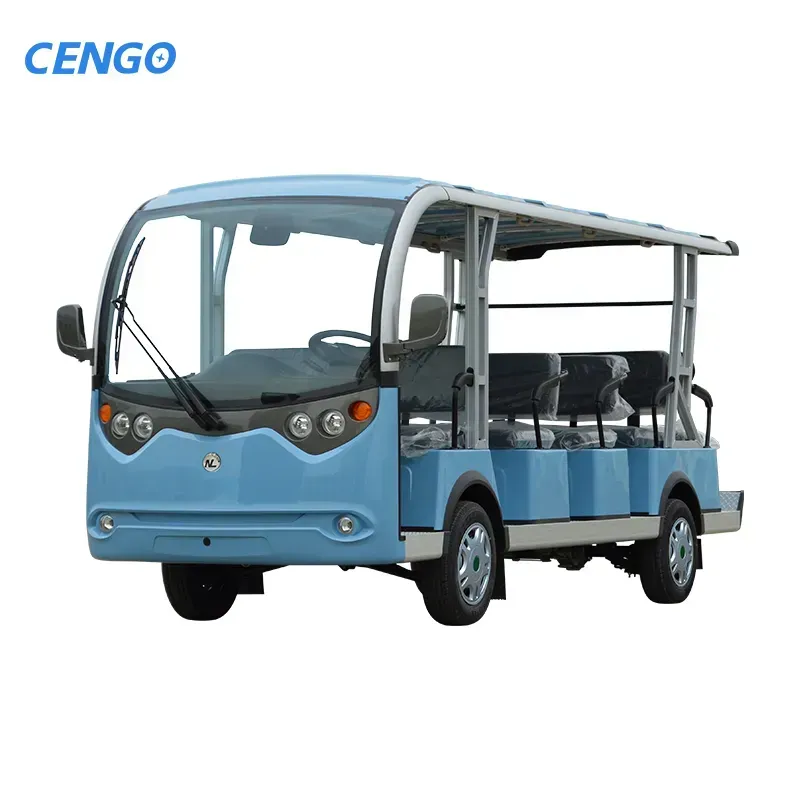
Shared Sightseeing Vehicle Core Components
At the heart of any robust shared sightseeing vehicle solution lies a complex interplay of sophisticated systems, each essential for autonomous operation, user interaction, and overall reliability. These core components, including advanced navigation, efficient power management, seamless communication networks, and intuitive user interfaces, are fundamentally enabled and enhanced by cutting-edge Printed Circuit Boards (PCBs).
Navigation System Precision navigation is paramount for shared sightseeing vehicles. This includes high-accuracy GPS, inertial measurement units (IMUs), and potentially LiDAR or camera-based systems for localization and mapping. PCBs integrate these sensors and processing units, enabling real-time positioning and route planning.
Power Management System Efficiently managing battery life and power distribution is critical for operational uptime. This involves advanced battery management systems (BMS), voltage regulators, and power converters. PCBs facilitate the control and monitoring of power flow, ensuring safety and maximizing range.
Communication System Reliable communication is needed for vehicle-to-cloud connectivity, user interface interaction, and potential vehicle-to-vehicle (V2V) communication. This relies on Wi-Fi, cellular (4G/5G), and potentially Bluetooth modules. PCBs provide the foundation for integrating these communication technologies and ensuring stable data transfer.
User Interface (UI) and Infotainment The user interface, often involving touchscreens and audio systems, provides users with ride information, navigation guidance, and potentially infotainment. PCBs are crucial for driving displays, processing touch input, and managing audio output.
Motor Control and Actuation For electric shared vehicles, precise motor control is essential for smooth acceleration, braking, and steering. This involves motor controllers and driver circuits. PCBs integrate power transistors and control logic to manage the vehicle's movement.
The Pivotal Role of PCBs in Shared Sightseeing Vehicles
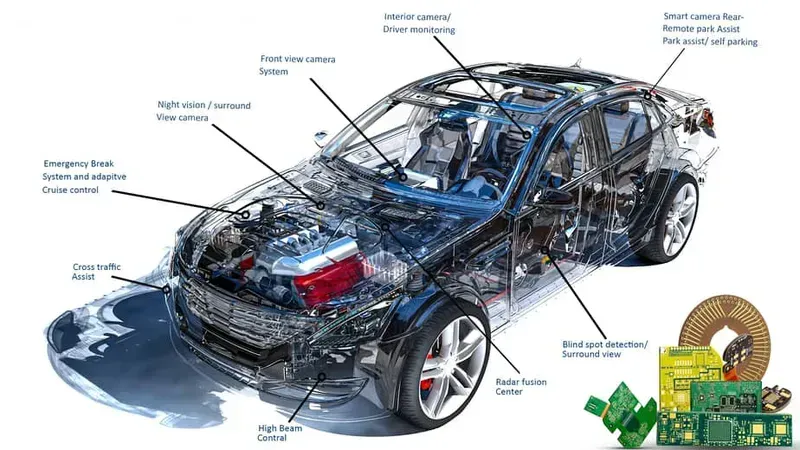
Sightseeing Vehicle PCB Board
Printed Circuit Boards (PCBs) are the foundational electronic platforms that bring shared sightseeing vehicles to life, serving as the central nervous system for all critical operations. From pinpointing the vehicle's exact location to managing passenger interactions and ensuring smooth operation, advanced PCBs enable the seamless integration of complex systems. Without robust and precisely designed PCBs, the intelligence, reliability, and user experience that define modern shared mobility solutions would be impossible.
GPS and Navigation Specialized PCBs house the GPS modules and associated circuitry, facilitating accurate real-time location tracking and enabling precise navigation along predefined routes. This is critical for guided tours and ensuring vehicles stay within designated operational areas.
Sensor Integration Shared sightseeing vehicles rely on a multitude of sensors (e.g., proximity sensors, accelerometers, gyroscopes) to understand their environment, detect obstacles, and monitor vehicle status. PCBs provide the necessary interfaces and processing power to integrate data from these diverse sensors for safe and intelligent operation.
Motor Control and Power Management Efficient and reliable control of the vehicle's electric motors is essential for performance and range. High-power PCBs are designed to manage the flow of electricity, control motor speed and torque, and integrate with battery management systems for optimal power utilization and charging.
Communication Systems Maintaining constant connectivity with a central management system and potentially with passengers' devices (via Wi-Fi or Bluetooth) is vital for shared services. PCBs support various communication modules, enabling data transmission for monitoring, remote control, and over-the-air updates.
Infotainment and User Interface PCBs are fundamental to the in-vehicle infotainment systems and user interfaces. These boards drive displays, audio systems, and touch interfaces, providing passengers with access to tour information, safety instructions, and potentially interactive content, enhancing the overall experience.
Safety and Security Features Beyond operational functions, PCBs integrate components for critical safety features such as emergency braking systems, vehicle diagnostics, and anti-theft measures, contributing to the overall security and reliability of the shared vehicle platform.
Zero One Solution Limited's Expertise in Shared Vehicle PCB Solutions
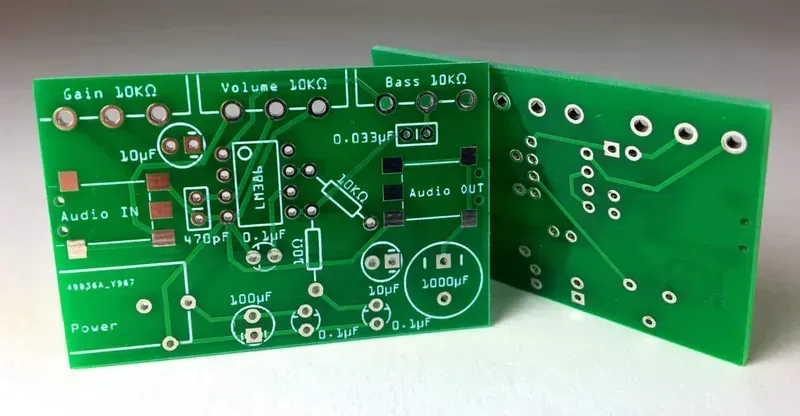
Shared Vehicle PCB Prototype by Zero One Solution Limited
Zero One Solution Limited stands at the forefront of providing specialized PCB solutions crucial for the advancement and reliable operation of shared sightseeing vehicles. Our deep understanding of the unique demands placed on electronic components in such applications, from constant outdoor exposure and vibration to rigorous power management and connectivity requirements, allows us to deliver high-performance, durable, and efficient printed circuit boards. With a proven track record in rapid prototyping and manufacturing, we empower innovators in the shared mobility sector to quickly iterate and deploy cutting-edge vehicle designs.
Rapid Prototyping for Accelerated Development Leveraging our agile manufacturing processes and advanced equipment, we provide rapid PCB prototyping services. This capability is essential for shared vehicle developers who require quick turnaround times to test and validate new features and system designs, significantly reducing time to market.
Custom PCB Design Optimized for Vehicle Environments Our experienced engineering team specializes in designing PCBs tailored for the challenging conditions of shared vehicles. This includes optimizing layouts for thermal dissipation, selecting robust materials to withstand vibration and moisture, and integrating specialized components for GPS, communication, and sensor systems.
High-Quality Manufacturing and Assembly We adhere to stringent quality control standards throughout our manufacturing and assembly processes. This ensures the production of highly reliable PCBs that can endure the constant usage cycles and varying environmental conditions inherent in shared sightseeing vehicle operations, minimizing downtime and maintenance.
Supporting Complex System Integration Shared sightseeing vehicles require the seamless integration of multiple electronic systems, including navigation, power management, motor control, and user interfaces. Our expertise extends to creating complex multi-layer PCBs and providing comprehensive assembly services that facilitate the smooth integration of these critical components.
Strategic Location and Global Reach Headquartered in Shenzhen with a branch in Dubai, Zero One Solution Limited is strategically positioned within the global electronic manufacturing supply chain. This enables us to efficiently source components, manage logistics, and serve shared vehicle innovators worldwide, ensuring timely delivery and support.
Custom PCB Design for Optimal Performance and Reliability
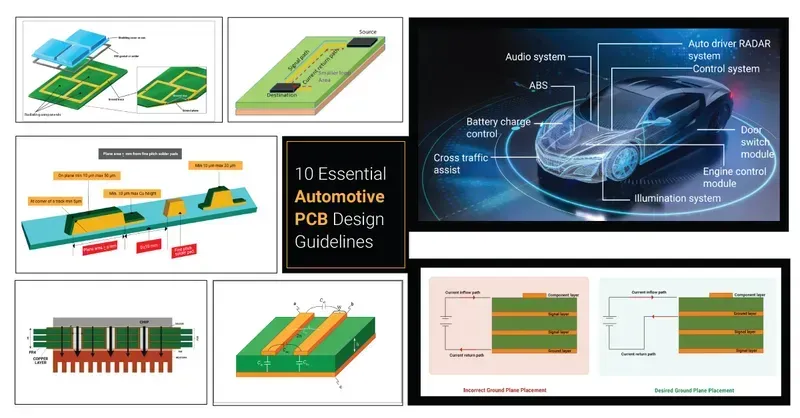
Custom PCB Design
Custom PCB design is paramount in shared sightseeing vehicle solutions, moving beyond off-the-shelf components to address the specific, demanding requirements of this application. These vehicles operate in diverse and often challenging environments, necessitating PCBs that can withstand vibration, temperature fluctuations, and potential exposure to elements. Achieving optimal performance and reliability hinges on a design process that meticulously considers factors like component placement for thermal dissipation, trace routing for signal integrity, and the selection of materials for enhanced durability and power efficiency. A tailored approach ensures that the electronic backbone of the shared vehicle is robust, minimizing downtime and maximizing operational lifespan, which is critical for the economic viability of shared mobility services.
Enhanced Durability Custom designs can incorporate features like thicker copper layers, specific soldermasks, and component staking to improve resistance to mechanical stress and vibration inherent in vehicle operation.
Optimized Power Efficiency Tailored layouts and component selection minimize power consumption, crucial for extending battery life in electric shared vehicles and reducing operating costs.
Improved Connectivity and Signal Integrity Precise trace routing and impedance control in custom designs ensure reliable communication between components, vital for accurate GPS, sensor data, and user interface responsiveness.
Thermal Management Strategic component placement and the use of thermal vias or heat sinks in a custom layout effectively dissipate heat generated by high-power components, preventing performance degradation and failure.
Design Consideration
Importance for Shared Vehicles
Impact of Custom Design
Component Placement
Affects thermal performance and vibration resistance.
Optimized for heat dissipation and mechanical stability.
Trace Routing
Influences signal integrity and power delivery.
Minimizes signal loss and ensures reliable power distribution.
Material Selection
Determines durability, thermal properties, and cost.
Chosen for environmental resilience and performance requirements.
Layer Stack-up
Impacts impedance control and signal isolation.
Configured for optimal signal integrity and reduced interference.
The design process for shared vehicle PCBs often involves close collaboration between the vehicle manufacturer and the PCB solution provider. This ensures that the specific needs of the vehicle's architecture, performance targets, and environmental operating conditions are fully addressed. Utilizing advanced design tools and simulation software is essential to validate the design before manufacturing, mitigating potential issues and ensuring the highest level of reliability. Ultimately, a custom-designed PCB is an investment that pays off in the long run, contributing to the overall success and sustainability of a shared sightseeing vehicle fleet.
Ensuring Safety and Compliance in Shared Sightseeing Vehicle Electronics
Shared Sightseeing Vehicle Electronics Safety
In the rapidly evolving landscape of shared sightseeing vehicles, ensuring the safety and compliance of the embedded electronics is paramount. These vehicles operate in public spaces, carrying passengers, and must adhere to stringent safety standards and regulatory requirements to guarantee reliability and prevent accidents. The design and manufacturing of the Printed Circuit Boards (PCBs) that power these systems are central to achieving this critical objective.
Critical Safety Standards for Shared Vehicle Electronics Safety standards for shared sightseeing vehicle electronics are multifaceted, encompassing everything from electromagnetic compatibility (EMC) to functional safety (ISO 26262 for automotive). PCBs must be designed to withstand harsh environmental conditions (temperature, vibration, moisture), ensure reliable power delivery, and prevent short circuits or component failures that could compromise vehicle operation or passenger safety. Compliance with standards like CE, FCC, and specific regional certifications is non-negotiable.
Regulatory Compliance and Certification Processes Navigating the complex web of global and local regulations is a significant challenge for shared vehicle manufacturers. Electronics, including PCBs, must meet specific standards related to radio frequency emissions, electrical safety, and environmental impact. Certification processes, often involving rigorous testing and documentation, are required to demonstrate compliance. Working with a PCB provider experienced in these regulatory frameworks can significantly streamline this process.
Zero One Solution Limited's Approach to Safety and Compliance Zero One Solution Limited recognizes the critical importance of safety and compliance in shared vehicle electronics. Our design processes incorporate best practices for reliability and robustness from the outset. We utilize high-quality materials and employ stringent quality control measures throughout manufacturing and assembly. Furthermore, our team has extensive experience in working with various international safety standards and can provide valuable guidance and support to ensure our clients' shared vehicle solutions meet all necessary regulatory requirements, mitigating risks and accelerating time to market.
The Future of Shared Sightseeing: Integration with Smart City Infrastructure
The evolution of shared sightseeing vehicles is intrinsically linked to the development of smart city infrastructure. As urban environments become increasingly connected and data-driven, these vehicles are poised to move beyond simple transportation solutions to become integral components of a larger, intelligent ecosystem. This integration will leverage advanced sensor networks, real-time data analytics, and seamless communication protocols, all underpinned by sophisticated Printed Circuit Board (PCB) technology. The future envisions shared sightseeing vehicles communicating with traffic management systems, optimizing routes based on real-time congestion and event data, and even interacting with smart charging stations and predictive maintenance platforms.
Seamless Connectivity with Urban Data Platforms Future shared sightseeing vehicles will utilize advanced communication modules (reliant on high-performance PCBs) to exchange data with smart city platforms. This includes sharing location data, operational status, and even environmental sensor readings. This bidirectional flow of information will enable dynamic routing, personalized tour experiences based on real-time events, and optimized energy management for electric vehicles.
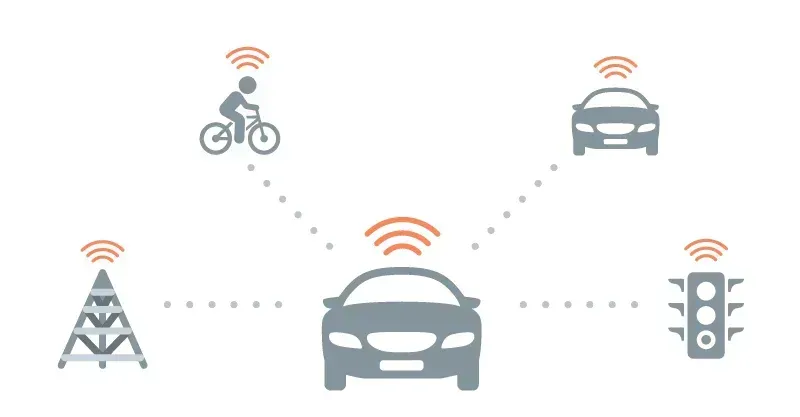
Integration with Smart Traffic Management Systems By integrating with intelligent traffic systems, shared sightseeing vehicles can contribute to and benefit from optimized traffic flow. PCBs will power the V2X (Vehicle-to-Everything) communication systems that allow vehicles to communicate with traffic lights, other vehicles, and infrastructure, reducing congestion and improving journey times. This integration can lead to more predictable and efficient sightseeing routes.
Enhanced User Experience through Personalized Services Smart city integration will allow for highly personalized sightseeing experiences. Vehicles could provide context-aware information based on location, recommend points of interest, and even offer interactive experiences powered by on-board infotainment systems. Complex PCBs are crucial for processing the data required to deliver these rich, personalized services.
Contribution to Urban Data Collection and Analysis Equipped with various sensors (air quality, noise levels, pedestrian traffic, etc.), shared sightseeing vehicles can act as mobile data collection points. This data, facilitated by robust PCB-based data acquisition systems, can provide valuable insights for urban planning, environmental monitoring, and infrastructure development, contributing to the overall intelligence of the smart city.
Optimized Energy Management and Charging Infrastructure Interaction For electric shared sightseeing vehicles, integration with smart city charging infrastructure is essential. PCBs in the vehicles will communicate with charging stations to manage charging schedules, monitor battery health, and optimize energy consumption based on planned routes and grid conditions, ensuring efficient and sustainable operation.
Frequently Asked Questions about Shared Sightseeing Vehicle Solutions
What are the primary benefits of implementing a shared sightseeing vehicle solution? The main benefits include enhanced visitor convenience and accessibility to attractions, reduced traffic congestion and environmental impact compared to traditional tour buses, potential for increased tourism revenue through flexible access, and improved operational efficiency through centralized management and real-time data.
How does a shared sightseeing vehicle solution address environmental concerns? Shared solutions typically utilize electric or hybrid vehicle technology, significantly reducing carbon emissions and noise pollution compared to fossil-fuel-powered vehicles. Optimization of routes and reduced individual car usage further contributes to a smaller environmental footprint in popular tourist areas.
What technologies are essential for the functionality of shared sightseeing vehicles? Key technologies include advanced GPS for navigation and location tracking, robust communication systems (like cellular or Wi-Fi) for real-time data transfer and control, sensor suites for safety and environmental monitoring, efficient battery management systems, and intuitive user interface systems (often app-based) for booking, payment, and vehicle interaction. All of these rely heavily on sophisticated PCB designs.
How does Zero One Solution Limited contribute to the success of shared sightseeing vehicle solutions? Zero One Solution Limited specializes in providing high-quality, rapid-response PCB solutions critical for these vehicles. This includes expert PCB design tailored for the harsh operating environments, rapid prototyping for quick iteration and testing, and reliable manufacturing and assembly services for the complex electronic systems, ensuring vehicle performance, safety, and connectivity.
What are the key safety features incorporated into shared sightseeing vehicle solutions? Safety is paramount and typically includes features like obstacle detection sensors, emergency braking systems, real-time vehicle health monitoring, remote disabling capabilities, and adherence to strict automotive safety standards. The underlying electronics, enabled by robust PCBs, are designed with redundancy and fault tolerance in mind.
How is a shared sightseeing vehicle solution integrated with smart city infrastructure? Integration involves connecting the vehicle network with city management systems for traffic flow optimization, real-time public transport data sharing, smart parking integration, and potentially linking with smart grid infrastructure for efficient charging. This connectivity relies on advanced communication and data processing capabilities facilitated by the vehicle's electronic systems and specialized PCBs.
What considerations are important for the PCB design in shared sightseeing vehicles? PCB design must prioritize durability against vibration, temperature extremes, and moisture; power efficiency to maximize range; high-speed data handling for communication and processing; electromagnetic compatibility (EMC) to prevent interference; and miniaturization to fit within compact vehicle designs. Reliability and longevity under constant use are critical factors.
The shared sightseeing vehicle solution represents a significant leap forward in urban mobility and sustainable tourism. By leveraging the robust and reliable PCB solutions from Zero One Solution Limited, these vehicles are not just transportation; they are intelligent, connected, and efficient platforms that enhance user experience and operational sustainability. Our commitment to rapid prototyping, quality, and comprehensive service from design to assembly makes us the ideal partner for developing the next generation of intelligent shared mobility. If you're ready to accelerate your product development and bring innovative shared sightseeing vehicle solutions to market, partner with Zero One Solution Limited. Contact us today to explore how our expertise can drive your vision forward.