In today's interconnected world, smart home devices are transforming our daily lives, offering unprecedented convenience and efficiency. Among these innovations, the 'Shared Humidifier Solution' stands out as a testament to intelligent design, addressing critical needs for improved air quality in shared spaces. This article delves into the core of such advanced systems, specifically focusing on the indispensable role of robust Printed Circuit Board (PCB) solutions. As a pioneering force in rapid prototyping and comprehensive PCB assembly, Zero One Solution Limited is at the forefront of enabling these sophisticated technologies. We will explore how our specialized services empower businesses to bring cutting-edge shared humidifier products to market with speed, reliability, and unparalleled performance.
The Rise of Shared Humidifier Solutions
The increasing recognition of indoor air quality's impact on health and productivity has spurred a significant rise in demand for shared humidifier solutions, particularly in commercial and public environments such as offices, healthcare facilities, educational institutions, and hospitality venues. These systems are moving beyond individual units to integrated solutions designed to maintain optimal humidity levels across larger, shared spaces. This trend is driven by the tangible benefits of controlled humidity, including improved occupant comfort, reduced static electricity, preservation of sensitive equipment and materials, and crucially, a potential decrease in the transmission of airborne viruses, a factor gaining paramount importance in the post-pandemic landscape.
Market Growth and Drivers The global humidifier market is projected to reach substantial figures in the coming years, with the commercial segment showing robust growth. Key drivers include rising awareness of indoor air quality (IAQ), stricter building codes related to environmental control, and the development of more sophisticated and energy-efficient humidification technologies.
Benefits in Commercial Settings Shared humidifiers offer numerous advantages in commercial spaces. They help maintain consistent humidity, preventing dry air-related issues like skin irritation, respiratory discomfort, and damage to furniture and electronics. In healthcare, optimal humidity can aid in patient recovery and reduce the spread of pathogens. In offices, it contributes to employee well-being and concentration.
Technological Advancements Modern shared humidifier solutions incorporate advanced features such as smart sensors for real-time monitoring, automated control systems, remote management capabilities, and integration with Building Management Systems (BMS). These technologies enhance efficiency, reduce maintenance requirements, and ensure precise humidity regulation tailored to specific environmental needs.
Core Components: The Critical Role of PCBs
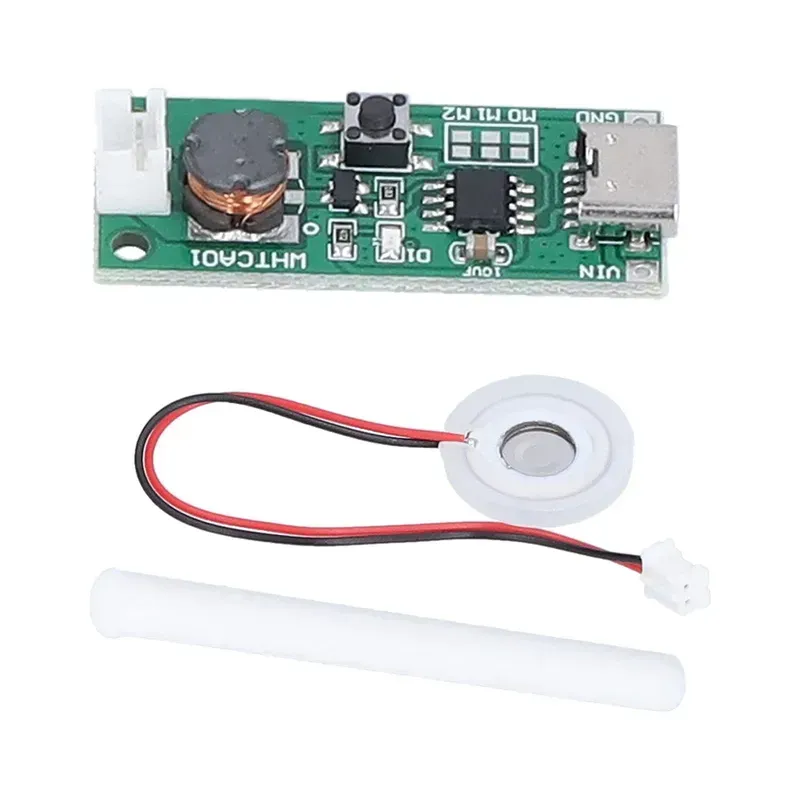
Humidifier PCB circuit board
At the heart of every advanced shared humidifier solution lies the Printed Circuit Board (PCB). Far from being a simple piece of electronics, the PCB acts as the central nervous system, orchestrating all functions from precise humidity control and user interaction to crucial safety features and network connectivity. Its critical role ensures reliable, efficient, and intelligent operation in demanding shared environments.
In a shared humidifier, the PCB interfaces with a multitude of components, processing data from sensors, executing commands from the control panel or remote interfaces, and managing power distribution. This intricate interaction is fundamental to the device's performance and its ability to adapt to varying environmental conditions and user demands.
Control and Processing The PCB houses the microcontroller or processor that runs the humidifier's operating software. This chip is responsible for executing algorithms related to humidity levels, fan speeds, operation modes, and scheduling, ensuring the device maintains optimal performance and responds accurately to user inputs.
Sensing and Feedback Essential sensors, such as humidity sensors, temperature sensors, and water level detectors, are connected to the PCB. The board receives and interprets the data from these sensors, allowing the humidifier to monitor its environment and internal state, and adjust its operation accordingly to prevent issues like dry running or excessive humidity.
Connectivity and Communication For shared solutions, connectivity is paramount. The PCB often incorporates modules for wireless communication (e.g., Wi-Fi, Bluetooth, or LoRaWAN), enabling remote monitoring, control, and data logging. This is crucial for managing multiple units in different locations and integrating with building management systems.
Power Management Efficient power management is critical for the longevity and cost-effectiveness of shared humidifiers. The PCB's power delivery network (PDN) distributes power to various components while ensuring stable voltage and current levels. Advanced PCBs may also incorporate power optimization features to reduce energy consumption.
User Interface and Display The PCB connects to the user interface, whether it's a physical control panel with buttons and LEDs or a touch screen display. It processes user inputs and sends data to the display to provide feedback on status, settings, and alerts.
Key Features of a Robust Humidifier PCB
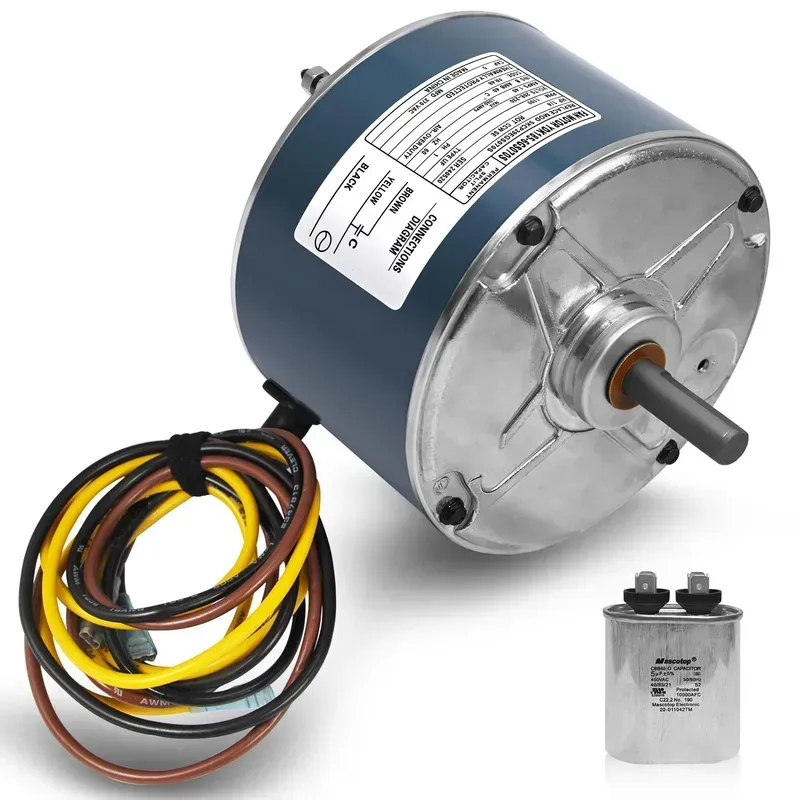
water level sensor
A robust Printed Circuit Board (PCB) is the cornerstone of a reliable shared humidifier solution. It's not merely a circuit board but a sophisticated control center that orchestrates the humidifier's various functions, ensuring optimal performance, user safety, and longevity in demanding shared environments. Understanding the critical features integrated into these PCBs is essential for developing high-quality and efficient humidifier systems. These features enable precise control, real-time monitoring, and seamless connectivity, all vital for a positive user experience and effective humidity management.
Feature
Function
Importance in Shared Humidifiers
Moisture Sensing
Precisely measures ambient humidity levels.
Essential for maintaining desired humidity, preventing over-saturation, and optimizing energy consumption.
Fan Control
Regulates fan speed for moisture dispersal.
Allows for variable output based on sensor readings and user settings, contributing to energy efficiency and noise reduction.
Water Level Detection
Monitors the water reservoir level.
Prevents damage from dry operation and triggers low-water alerts for timely refilling, ensuring continuous operation.
Communication Modules (Wi-Fi/Bluetooth)
Enables remote control and data exchange.
Allows for smartphone app integration, firmware updates, and potentially integration into building management systems for centralized control.
Power Management
Efficiently distributes and manages power.
Ensures stable operation, minimizes power consumption, and incorporates safety features like overcurrent protection.
Beyond these core functionalities, advanced humidifier PCBs for shared spaces often incorporate features like air quality sensing (VOC, particulate matter), sterilization control (UV-C lamps, ionization), and tamper detection to enhance hygiene and security. The integration of these features necessitates a well-designed and meticulously manufactured PCB, capable of handling diverse sensor inputs, complex control algorithms, and robust communication protocols. Zero One Solution Limited specializes in developing and manufacturing such sophisticated PCBs, tailored specifically for the unique requirements of shared humidifier solutions, ensuring high performance and reliability.
Design Challenges in Shared Humidifier PCB Development
Designing Printed Circuit Boards (PCBs) for shared humidifier solutions presents a unique set of challenges that demand meticulous engineering and robust manufacturing. Unlike consumer-grade humidifiers, shared systems operate in high-traffic, potentially harsh environments, necessitating components and designs capable of enduring continuous use, varying humidity levels, and potential user interaction. Addressing issues like ensuring long-term durability, optimizing power consumption for continuous operation, seamlessly integrating diverse sensors for accurate environmental monitoring, and maintaining stable wireless connectivity in potentially crowded radio frequency environments are paramount to the success and reliability of a shared humidifier system.
Durability and Environmental Resistance PCBs in shared humidifiers are exposed to constant moisture and potential condensation. Designing for this requires conformal coatings, proper component selection resistant to humidity and corrosion, and robust physical construction to withstand potential bumps or vibrations in a public setting.
Power Efficiency and Management Shared humidifiers often run continuously. The PCB design must prioritize power efficiency to minimize energy consumption and heat dissipation. This involves optimizing power supply circuits, selecting low-power components, and implementing intelligent power management strategies to conserve energy during idle periods.
Sensor Integration and Accuracy Accurate humidity, temperature, and water level sensing are critical for effective operation. Integrating multiple sensor types onto a single PCB without electrical interference or signal degradation is a significant challenge. Calibration and long-term stability of these sensors are also key considerations.
Connectivity Reliability in Shared Spaces Shared humidifiers often rely on Wi-Fi or Bluetooth for remote monitoring and control. Designing the PCB's wireless module and antenna placement to ensure stable and reliable connectivity in environments with multiple competing wireless signals is crucial for consistent performance and data transmission.
User Interaction and Safety If the shared humidifier includes user interfaces, the PCB design must account for robust and safe interaction. This includes touch-sensitive interfaces, display drivers, and protection circuits to prevent damage from static discharge or incorrect user input.
Zero One Solution's Expertise in Humidifier PCB Manufacturing
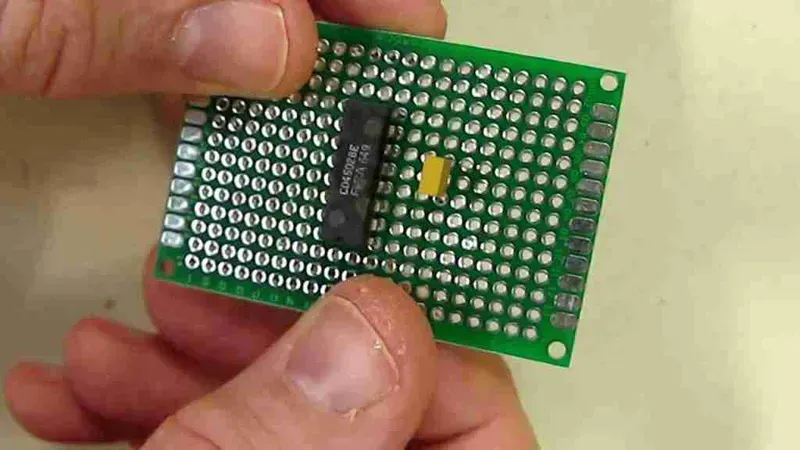
PCB prototype sample
In the demanding landscape of shared humidifier solutions, the reliability and performance of the underlying Printed Circuit Boards are paramount. Zero One Solution Limited stands as a leader in providing specialized PCB manufacturing services tailored precisely to the unique requirements of these systems. With a robust history dating back to 2011 and a strategic global presence, we possess the technical depth and operational agility to deliver high-quality, reliable PCBs that are the backbone of advanced humidifier technology. Our expertise spans rapid prototyping, design optimization, high-precision manufacturing, and rigorous quality control, ensuring your shared humidifier products are built on a foundation of excellence.
Rapid Prototyping for Agile Development Accelerating the development cycle is critical in the fast-paced shared device market. Zero One Solution excels in rapid PCB prototyping, enabling swift iteration and testing of design concepts. This capability drastically reduces time-to-market, allowing you to validate your shared humidifier solution quickly and efficiently before scaling production.
Design Optimization for Performance and Reliability Designing PCBs for moisture-rich and continuously operating environments presents unique challenges. Our experienced engineering team provides valuable design-for-manufacturing (DFM) and design-for-assembly (DFA) feedback, optimizing your humidifier PCB layout for durability, thermal management, and signal integrity, ensuring long-term reliable performance.
High-Precision Manufacturing and Advanced Processes Leveraging state-of-the-art manufacturing facilities in Shenzhen, Zero One Solution employs advanced processes to produce high-precision PCBs. We are adept at handling complex designs required for integrated sensor systems, communication modules, and power management in shared humidifiers, maintaining tight tolerances and consistent quality across all production volumes.
Stringent Quality Control Tailored for Humidifier Applications Understanding the critical nature of shared devices, our quality control processes are exceptionally rigorous. We implement multi-stage inspection and testing protocols, including electrical testing, visual inspection, and functional verification, specifically adapted to the environmental and operational demands of humidifier PCBs, guaranteeing every board meets the highest standards of reliability and safety.
Partnering with Zero One Solution for your shared humidifier PCB needs means gaining access to a dedicated team committed to your product's success from concept to completion. Our focused expertise in this sector ensures that the core electronic components of your shared humidifier solution are robust, efficient, and ready to meet the demands of diverse commercial and public environments.
One-Stop Service: From Design to Assembly
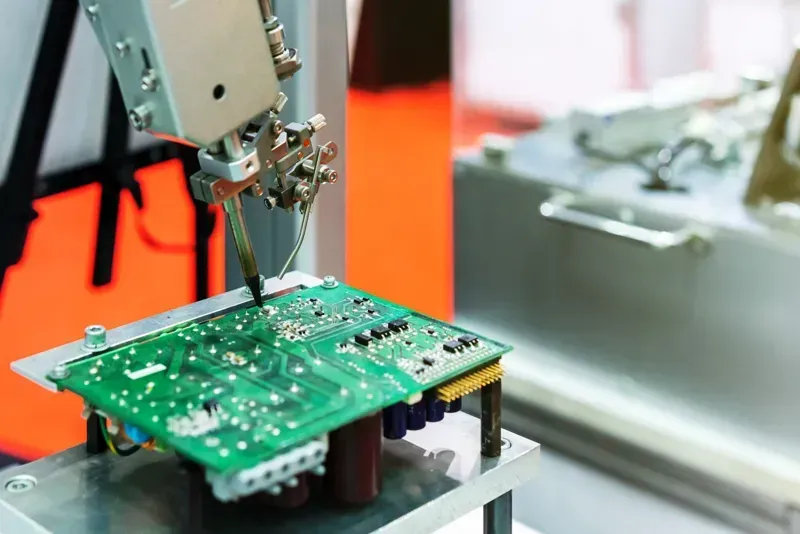
PCBA assembly
Zero One Solution Limited simplifies the complex process of bringing a shared humidifier solution to market with our comprehensive one-stop service. We cover the entire lifecycle, from initial PCB design and layout through high-precision fabrication, meticulous component sourcing, and advanced Printed Circuit Board Assembly (PCBA). This integrated approach eliminates the need for multiple vendors, significantly streamlining your supply chain and accelerating the transition from concept to a functional, market-ready product. Our expertise ensures seamless coordination and quality control at every stage, allowing you to focus on innovation while we handle the manufacturing complexities.
Integrated PCB Design and Layout Leveraging decades of engineering experience, our team collaborates with you to optimize PCB design for your specific shared humidifier requirements, focusing on performance, reliability, and cost-effectiveness from the ground up. We ensure layouts meet stringent industry standards and are ready for efficient manufacturing.
High-Precision PCB Fabrication With state-of-the-art manufacturing facilities, we produce high-quality PCBs tailored for the demanding environment of shared humidifiers. Our fabrication processes adhere to strict quality control measures, ensuring dimensional accuracy, signal integrity, and robust physical characteristics.
Global Component Sourcing Our established global network ensures access to a reliable supply of high-quality electronic components. We manage the complexities of sourcing, procurement, and inventory management, mitigating risks associated with component shortages and guaranteeing authenticity and compliance.
Advanced PCBA Services Our advanced assembly lines handle various complexities, from surface mount technology (SMT) to through-hole technology (THT). We employ rigorous testing procedures, including Automated Optical Inspection (AOI) and in-circuit testing (ICT), to ensure flawless functionality of the assembled boards before delivery.
Streamlined Product Development Cycle By consolidating design, fabrication, sourcing, and assembly under one roof, we drastically reduce lead times and potential communication gaps. This integrated workflow translates into a faster and more efficient product development cycle, getting your shared humidifier solution to market sooner.
Accelerating Time-to-Market with Rapid Prototyping
In the competitive landscape of shared humidifier solutions, speed to market is paramount. Rapid prototyping, a core strength of Zero One Solution Limited, is the key to compressing development cycles, enabling quick validation of designs, and accelerating product launch. This iterative process allows manufacturers to test and refine PCB functionalities for shared humidifiers rapidly, ensuring that the final product is robust, reliable, and meets market demands without lengthy delays. By significantly reducing the time from concept to functional prototype, companies can gain a crucial competitive edge.
Reduced Development Cycles Rapid prototyping drastically cuts down the traditional multi-month or even year-long development process. Initial designs are quickly transformed into tangible prototypes, allowing for immediate testing and identification of potential issues.
Faster Design Validation Functional prototypes enable real-world testing of critical features like sensor accuracy, connectivity range, and power consumption. This allows for rapid validation of the design's effectiveness in a shared environment before committing to mass production.
Early Problem Identification Identifying and addressing design flaws or performance issues early in the prototyping phase is significantly less costly and time-consuming than discovering them during or after mass production. Rapid iterations facilitate swift problem resolution.
Enhanced Innovation and Iteration The speed of rapid prototyping encourages more frequent design iterations. This allows for the integration of new features, performance enhancements, or cost optimization measures rapidly, fostering a culture of continuous innovation.
Lower Development Costs While initial prototyping may seem like an added expense, it ultimately reduces overall development costs by minimizing costly redesigns, tooling modifications, and potential product recalls associated with late-stage issue discovery.
Accelerated Market Entry The culmination of these benefits is a significantly faster path to market. Bringing a shared humidifier solution to customers sooner allows companies to capture market share and establish a strong presence ahead of competitors.
FAQs: Shared Humidifier Solution and PCB Integration
This section addresses frequently asked questions regarding the technical aspects and benefits of integrating Zero One Solution's PCB services into shared humidifier product development, providing clarity on common concerns and highlighting the advantages of our expertise.
What are the key considerations for PCB design in shared humidifier solutions? Key considerations include ensuring robust moisture resistance, efficient power management for continuous operation, seamless integration with various sensors (humidity, temperature, water level), reliable wireless communication capabilities (Wi-Fi, Bluetooth), and compliance with safety and regulatory standards for public use.
How does Zero One Solution ensure the durability of PCBs in humid environments? Zero One Solution utilizes specialized PCB materials, conformal coatings, and advanced manufacturing processes designed to withstand high humidity and potential water exposure. Our rigorous testing protocols simulate harsh environmental conditions to guarantee long-term reliability and prevent corrosion or electrical shorts.
Can Zero One Solution assist with integrating specific sensors into shared humidifier PCBs? Absolutely. Our experienced engineers have extensive knowledge in integrating a wide array of sensors crucial for shared humidifiers, including precise humidity and temperature sensors, reliable water level detectors, and air quality sensors. We optimize the PCB layout and circuitry to ensure accurate data acquisition and processing.
What wireless connectivity options are typically supported for shared humidifier PCBs? We commonly support standard wireless communication protocols such as Wi-Fi and Bluetooth, enabling remote monitoring, control, and data logging for shared humidifier systems. We can also integrate other wireless technologies based on specific project requirements.
How does Zero One Solution's rapid prototyping benefit shared humidifier development? Our rapid prototyping significantly accelerates the development cycle by allowing for quick iteration and testing of PCB designs. This enables manufacturers to validate functionality, optimize performance, and identify potential issues early in the process, drastically reducing time-to-market for shared humidifier products.
Is Zero One Solution capable of handling high-volume manufacturing for shared humidifier PCBs? Yes, Zero One Solution is equipped with advanced manufacturing facilities and a robust supply chain capable of handling both low-volume rapid prototyping and high-volume production runs for shared humidifier PCBs, ensuring consistent quality and timely delivery.
The shared humidifier solution, powered by advanced PCB technology, represents a significant step forward in optimizing environmental control for public and commercial spaces. As we've explored, the intricate design and robust manufacturing of these critical components are paramount to their success. Zero One Solution Limited stands as your trusted partner in this innovation journey. Our commitment to rapid prototyping, precision manufacturing, and comprehensive one-stop PCBA services ensures that your vision for smart, efficient, and reliable shared humidifier systems becomes a tangible reality. Partner with Zero One Solution Limited to transform your concepts into market-ready products, leveraging our expertise for a future where smart environmental control is accessible and seamless. Contact us today to discuss how our PCB solutions can accelerate your next project.