In an increasingly interconnected world, the concept of sharing has transformed various industries, from transportation to accommodation. Now, this transformative wave is redefining how we access and exchange knowledge through shared books, bookstores, and libraries. Imagine a world where every book has multiple lives, reaching more readers and fostering a vibrant community of lifelong learners. This article delves into the innovative solutions powering this movement, exploring how advanced technological integrations, particularly in PCB design and manufacturing, are making shared knowledge ecosystems a tangible reality.
The concept of shared knowledge is as old as civilization itself, evolving from the scriptoria of monasteries and the grand libraries of Alexandria and Pergamon to the public library systems of the modern era. These institutions served as vital hubs for the preservation and dissemination of information, albeit with inherent limitations in accessibility and scale. The digital revolution marked a pivotal shift, moving knowledge from physical constraints to the vast, interconnected realm of the internet. Online databases, digital libraries, and open-access platforms democratized information on an unprecedented scale, yet they also introduced new challenges related to information overload and digital divides. The emergence of shared book ecosystems, shared bookstores, and shared library solutions represents a further evolution, blending the tangible experience of reading physical books with the efficiency and accessibility of digital platforms. These models are driven by a confluence of factors: a growing emphasis on sustainability and the circular economy, the potential for cost reduction compared to traditional ownership, and the desire to foster community and equitable access to educational and recreational materials. They leverage technology not just to digitize content, but to manage physical assets dynamically, creating a more efficient and community-oriented approach to knowledge sharing that extends beyond the traditional library model.
Historically, shared knowledge repositories faced logistical hurdles in tracking, distribution, and access. Ancient libraries, while invaluable, were limited in reach and often accessible only to a select few. The printing press significantly increased the availability of books, leading to the rise of public libraries in the 19th and 20th centuries, which expanded access but still operated within physical confines. The advent of the internet and digital technologies fundamentally changed this landscape. Online archives, e-books, and digital lending platforms removed geographical barriers, allowing access to information from virtually anywhere. However, digital fatigue and the continued value of physical books for many readers have paved the way for hybrid models. Shared book solutions capitalize on technological advancements like IoT and RFID to create localized, accessible, and sustainable systems for sharing physical books, representing a fascinating blend of historical practices and modern innovation.
The rise of the sharing economy has extended to the realm of knowledge, giving birth to concepts like shared books, shared bookstores, and shared libraries. While often used interchangeably, each term represents a distinct model for facilitating access to reading materials, contributing to a more sustainable and equitable distribution of literary resources. Understanding the nuances between these concepts is crucial for designing and implementing effective solutions, particularly when considering the underlying technological infrastructure, such as the critical role of robust PCB solutions in supporting these innovative platforms.
| Concept | Primary Focus | Model | Key Benefit | Contribution to Circular Economy |
|---|---|---|---|---|
| Shared Books | Individual book sharing | Peer-to-peer exchange, lending circles | Direct access to specific titles, community building | Extends book lifespan, reduces new purchases |
| Shared Bookstore | Aggregated book inventory for shared access | Centralized platform or physical location for lending/borrowing | Wider selection than individual sharing, curated collections | Increases utilization of existing books, potential for revenue sharing |
| Shared Library | Managed system for circulating a collection of books | Often involves automated kiosks, tracking systems, and digital integration | Scalable access, efficient management, data-driven insights | Maximizes resource utilization, promotes reading accessibility |
Shared books, at its simplest, involves individuals directly sharing their personal book collections with others. This can range from casual exchanges between friends to more organized lending circles. Shared bookstores, on the other hand, represent a more formalized aggregation of books available for borrowing or sometimes even for a temporary ownership period within a shared framework. This could be a physical space or a digital platform. Shared libraries, the most technologically integrated of the three, often utilize automated systems and advanced tracking, creating a scalable and efficient model for book circulation. All three models contribute significantly to a circular economy of knowledge by promoting reuse and reducing the demand for new books, thereby lessening environmental impact and increasing accessibility. The success and scalability of the more advanced models, like shared bookstores and libraries, heavily rely on dependable hardware components, including the intricate PCB assemblies that power their operations.
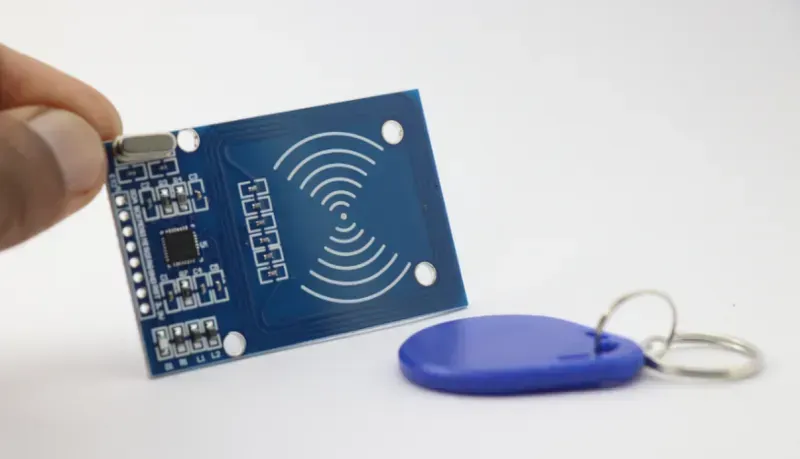
Shared book, bookstore, and library solutions are not merely conceptual; their practical implementation relies heavily on a suite of core technologies that enable seamless operation, tracking, and user interaction. These technologies form the backbone of a modern, efficient, and scalable shared knowledge ecosystem, moving beyond simple manual systems to sophisticated, interconnected platforms. Understanding these components is crucial for appreciating the feasibility and potential of these innovative models.
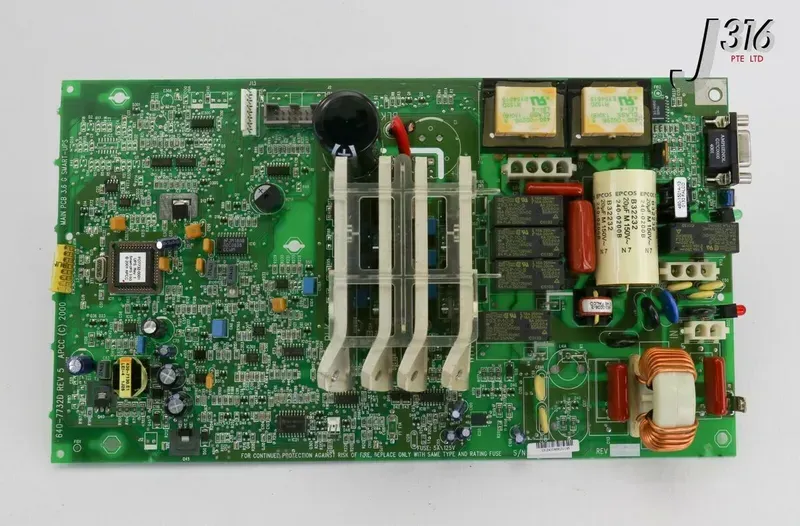
The seamless operation and widespread adoption of shared book, shared bookstore, and shared library solutions hinge significantly on the reliability and performance of their underlying hardware. At the heart of this hardware lies the Printed Circuit Board (PCB). These intricate electronic components are not merely passive carriers of signals; they are the foundational elements that enable the intelligence, connectivity, and durability required for these innovative systems to function effectively in real-world environments. From the interactive displays of smart book kiosks to the precision of RFID tracking devices and the robust network infrastructure managing the entire ecosystem, high-quality PCB solutions are indispensable.
The specific requirements for PCBs in shared book solutions often include miniaturization for discreet tracking devices, high-speed data processing for rapid transactions, low power consumption for battery-operated components, and robust construction to withstand potential vandalism or harsh environments. The quality of PCB design and manufacturing directly correlates to the system's reliability, security, and overall user satisfaction, making it a critical consideration for any deployment.

Developing and scaling shared book ecosystems, including shared bookstores and shared libraries, presents unique challenges that require innovative solutions. Addressing issues such as accurate inventory tracking, ensuring book security, and managing maintenance efficiently are paramount to the success and sustainability of these platforms. Innovation often lies in leveraging advanced technologies, including highly durable and reliable PCB designs, to enhance the functionality and resilience of the underlying hardware infrastructure.
| Challenge | Description | Innovative Solution (and PCB Relevance) |
|---|---|---|
| Inventory Management Accuracy | Tracking the location and status of thousands or millions of books across various locations. | Advanced RFID systems integrated with robust database management. Requires compact, reliable PCBs in tags and readers for accurate, real-time data capture. |
| Book Security and Loss Prevention | Preventing theft or damage to books in open access shared environments. | Smart locking mechanisms, integrated surveillance, and tamper-evident features. Depends on sophisticated circuit board design for secure, low-power operation and sensor integration. |
| Maintenance and Durability of Kiosks/Stations | Ensuring the physical infrastructure (kiosks, drop-off points) remains operational and withstands frequent use and environmental factors. | Ruggedized electronic components and PCB designs with enhanced thermal management and ingress protection (IP) ratings. Critical for outdoor or high-traffic locations. |
| User Experience and Accessibility | Making the borrowing and returning process intuitive and accessible for all users. | Reliable touchscreens, secure payment interfaces, and integrated readers. Requires high-quality PCBs to ensure consistent performance and responsiveness of user interfaces. |
| Connectivity and Data Transmission | Maintaining stable network connections for real-time data synchronization and remote management. | Robust communication modules (Wi-Fi, Cellular, Ethernet) with optimized PCB layouts for signal integrity and power efficiency. |
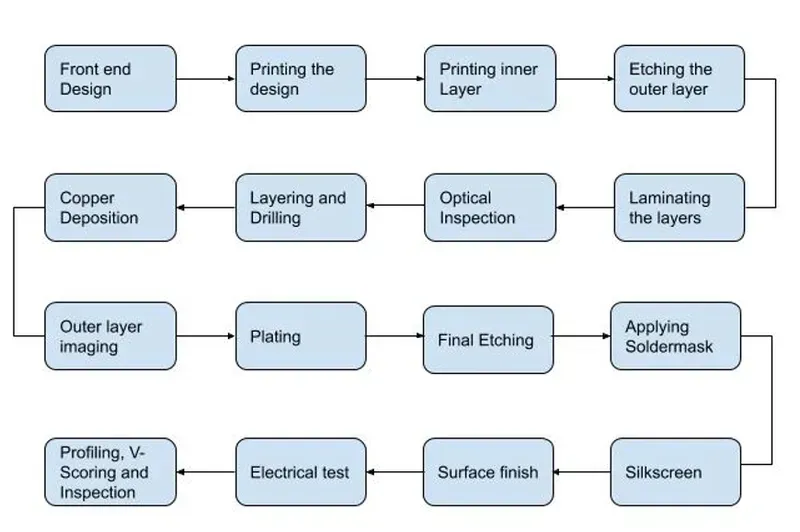
Zero One Solution Limited plays a pivotal role in advancing shared library technology by providing the essential hardware infrastructure. Our expertise in rapid prototyping, precise PCB design, efficient manufacturing, and reliable assembly directly supports the creation of the smart devices and systems that make shared knowledge platforms function seamlessly. From the smart kiosks that dispense and receive books to the integrated tracking devices and network equipment, the performance and reliability of the underlying printed circuit boards are paramount.
Our decade-long experience in the PCBA solutions industry, combined with our strategic location in Shenzhen and Dubai, allows us to offer rapid-response R&D prototype manufacturing. This capability is critical for innovators in the shared library space who need to quickly test and iterate on new hardware designs for their shared book systems. We understand the specific demands of these applications, including the need for durable, compact, and low-power solutions that can operate reliably in various environments.
Zero One Solution Limited's commitment to quality and efficiency ensures that the electronic components powering shared book solutions are robust and dependable. Whether it's a complex PCB for a smart return bin with integrated sensors or a simple board for a user access card reader, our manufacturing processes adhere to the highest standards. This reliability is fundamental to maintaining operational uptime and user trust in shared library ecosystems. Our ability to provide a one-stop service, from initial design consultation to final assembly, streamlines the development process for shared library technology providers, allowing them to focus on software and user experience while we handle the critical hardware backbone.
The journey towards truly ubiquitous shared knowledge platforms is an exciting frontier. We've explored the historical trajectory, defined the modern concepts of shared books, bookstores, and libraries, and delved into the critical technological underpinnings – particularly the indispensable role of robust PCB solutions in hardware like smart kiosks and tracking systems. The transformative potential is clear: increased accessibility to information, reduced environmental impact through resource sharing, and the fostering of vibrant, knowledge-driven communities. Realizing this vision requires more than just isolated technological advancements; it demands a concerted, collaborative effort across various sectors.
Building the scalable, user-friendly, and reliable shared knowledge ecosystems of the future necessitates synergy between technology providers, content creators, infrastructure developers, and community organizers. It's about creating integrated systems where hardware reliability meets intuitive software, where physical objects are seamlessly tracked in a digital environment, and where the user experience encourages participation and trust. This is where foundational elements, like the high-quality, rapidly prototyped PCB solutions offered by Zero One Solution Limited, become non-negotiable. They provide the dependable electronic backbone for the physical touchpoints within these systems, from secure lending stations to efficient tracking devices.
We invite all stakeholders passionate about the future of knowledge access and resource sharing to join this collaborative endeavor. Whether you are a technology innovator seeking reliable hardware partners, a library or institution looking to implement cutting-edge sharing solutions, or a community leader aiming to enhance local access to books, the path forward is paved through shared vision and collective action. Let us work together to build robust, resilient, and truly shared knowledge platforms that benefit everyone.
Implementing shared book solutions involves addressing practical considerations around technology, logistics, and user engagement. Below are some frequently asked questions that provide insights into the key aspects of these innovative knowledge-sharing platforms.
The shared books, shared bookstore, and shared library solutions represent a profound shift in how we approach access to knowledge and community engagement. By leveraging advanced PCB solutions, like those provided by Zero One Solution Limited, we are not just building platforms; we are constructing the foundational hardware for a more collaborative, sustainable, and informed society. As the demand for accessible and efficient sharing models grows, so too does the need for robust, reliable, and innovative electronic components. Partner with Zero One Solution Limited to transform your vision for a shared knowledge economy into a tangible, high-performing reality. Let's build the future of shared literacy together.

