In an era where health and accessibility are paramount, the demand for innovative medical solutions is escalating. Oxygen concentrators, vital for individuals with respiratory conditions, have traditionally been personal devices. However, the concept of a 'Shared Oxygen Concentrator Solution' is emerging as a groundbreaking approach, promising enhanced accessibility, cost-efficiency, and optimized resource utilization. At Zero One Solution Limited, a leader in rapid prototyping and one-stop PCB services since 2011, we recognize the transformative potential of this paradigm shift. This article delves into how our expertise in PCB design, manufacturing, and assembly forms the backbone of a robust and intelligent shared oxygen concentrator ecosystem, enabling a healthier future for communities worldwide.
The Evolution of Oxygen Therapy: From Personal to Shared
Oxygen therapy has long been a cornerstone in treating respiratory conditions, with the advent of oxygen concentrators marking a significant step towards greater patient independence. Initially, these devices were primarily large, stationary units for individual use. However, the increasing prevalence of chronic respiratory diseases, coupled with the need for more cost-effective and widely accessible solutions, has spurred a paradigm shift towards shared and portable oxygen concentrator models. This evolution is fundamentally driven by technological advancements, particularly in miniaturization, power efficiency, and robust embedded systems, which are critically reliant on sophisticated PCB design and manufacturing.
Early Oxygen Delivery Systems Historically, oxygen was delivered via compressed gas cylinders, which were bulky, heavy, and required frequent refills. This limited mobility and presented logistical challenges for both patients and healthcare providers.
The Rise of Personal Oxygen Concentrators The development of personal oxygen concentrators, utilizing molecular sieve technology to extract oxygen from ambient air, offered greater freedom. Early models were still relatively large and tethered to a power source, but they represented a crucial step towards home-based oxygen therapy.
Addressing the Need for Accessibility Despite the progress with personal units, the cost of ownership and maintenance remained a barrier for many. This highlighted the need for more accessible solutions, particularly in underserved communities or during public health crises. The concept of a Shared Oxygen Concentrator Solution emerged as a viable answer to this challenge.
The Role of Technological Convergence The feasibility of shared oxygen concentrators is intrinsically linked to advancements in several key areas. This includes highly efficient compressors, advanced filtration systems, reliable power management ICs, and robust connectivity modules. The integration of these components onto compact, high-performance PCBs is paramount to the functionality and portability of shared devices.
Key Components of a Shared Oxygen Concentrator Solution
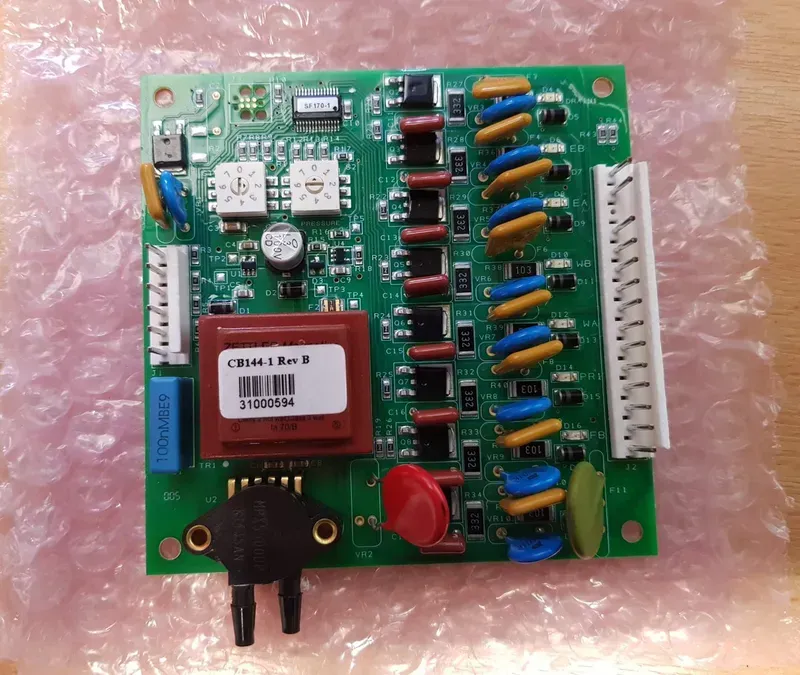
Oxygen concentrator PCB control board
At the core of a Shared Oxygen Concentrator Solution's functionality and reliability lies a sophisticated interplay of hardware and software components. These systems are meticulously designed to facilitate seamless operation, robust connectivity, and efficient data management in dynamic shared environments. Central to this intricate ecosystem is the Printed Circuit Board (PCB), serving as the foundational electronic architecture that enables the device to perform its critical life-support function.
Core Concentration Mechanism This includes the compressor, sieve beds (typically containing zeolite material), and valves that work in concert to separate nitrogen from ambient air, thereby concentrating oxygen. The precise timing and control of these components are managed by the system's embedded electronics.
Control Board and Embedded System The brain of the Shared Oxygen Concentrator Solution, this PCB-based system houses the microcontroller or processor that executes the device's operating logic. It manages the power supply, controls the compressor and valves, monitors oxygen purity, and interfaces with other components.
Sensors A suite of sensors is vital for monitoring critical parameters. This includes oxygen purity sensors, flow rate sensors, pressure sensors, and temperature sensors. The data from these sensors is processed by the control board to ensure safe and effective operation and alert the system to potential issues.
Connectivity Modules For a shared solution, connectivity is paramount. These modules, integrated via the PCB, enable wireless communication (e.g., Wi-Fi, cellular) for remote monitoring, data transmission to a central platform, software updates, and remote diagnostics. Secure and reliable communication is critical for managing a distributed network of devices.
User Interface This can range from a simple display panel with controls on the device itself to a more complex digital interface accessible via a mobile application. The user interface allows patients or caregivers to operate the device and view key information, with the underlying communication and control facilitated by the embedded system on the PCB.
Power Management System Responsible for regulating power supply from the main source or battery, this system ensures stable voltage and current delivery to all components, crucial for consistent performance of the Shared Oxygen Concentrator Solution.
The seamless integration and robust performance of these components are heavily reliant on the quality and design of the custom PCBs and embedded systems. These electronic foundations dictate the device's efficiency, reliability, safety, and ability to connect and communicate within a shared network, directly impacting the effectiveness of the Shared Oxygen Concentrator Solution.
Zero One Solution Limited's Role in Empowering This Innovation
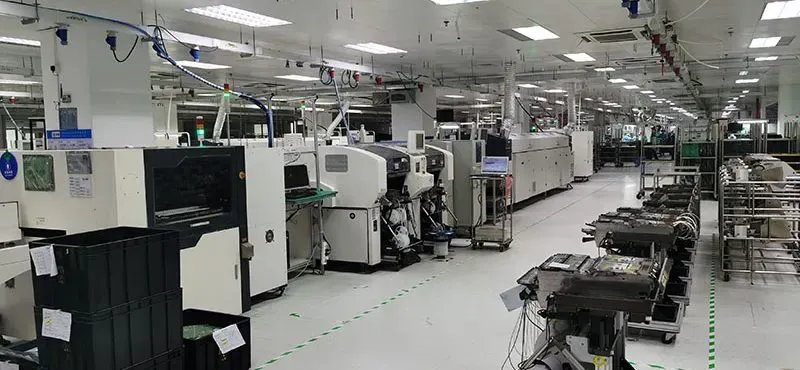
Shenzhen PCB manufacturing factory
The shift towards shared medical devices like the Shared Oxygen Concentrator Solution necessitates a partner with deep expertise in rapid prototyping, precision PCB design, manufacturing, and assembly. Zero One Solution Limited stands at the forefront of this innovation, providing the foundational technological building blocks that bring these critical healthcare solutions to life. Our comprehensive one-stop service model, strategically positioned with capabilities in Shenzhen, China's electronic manufacturing hub, and a branch in Dubai, offers a unique advantage in navigating the complexities of the global PCBA supply chain, directly contributing to the robust development of Shared Oxygen Concentrator Solution PCBs.
Accelerated Product Development with Rapid Prototyping Zero One Solution Limited excels in rapid prototyping, drastically reducing the time from concept to functional prototype. For Shared Oxygen Concentrator Solutions, this means quicker iterations and testing of complex PCB designs, enabling faster refinement and deployment of innovative features. This agility is crucial in the dynamic healthcare technology landscape.
Expert PCB Design and Optimization The intricate nature of shared medical devices demands sophisticated PCB design. Our engineers specialize in creating compact, reliable, and highly efficient PCBs that integrate essential components like sensors, communication modules, and control systems seamlessly. We optimize layouts for performance, power efficiency, and manufacturability, which is vital for the high-volume production often associated with widespread Shared Oxygen Concentrator Solution adoption.
High-Quality Manufacturing and Assembly Leveraging our advanced manufacturing facilities in Shenzhen, we ensure the production of high-quality, durable PCBs meeting stringent medical device standards. Our assembly processes are optimized for precision and reliability, handling both surface-mount technology (SMT) and through-hole components. This guarantees the consistent performance and longevity required for Shared Oxygen Concentrator Solutions operating in diverse environments.
Global Supply Chain Advantage from Shenzhen and Dubai Our strategic locations in Shenzhen and Dubai provide unparalleled access to a global network of component suppliers and logistics channels. This enables us to secure necessary components efficiently and cost-effectively, mitigating supply chain risks and ensuring timely delivery of PCBA for Shared Oxygen Concentrator Solutions, even during periods of high demand.
Technological Underpinnings: IoT, Connectivity, and Data Management in Shared Oxygen Concentrator Solutions
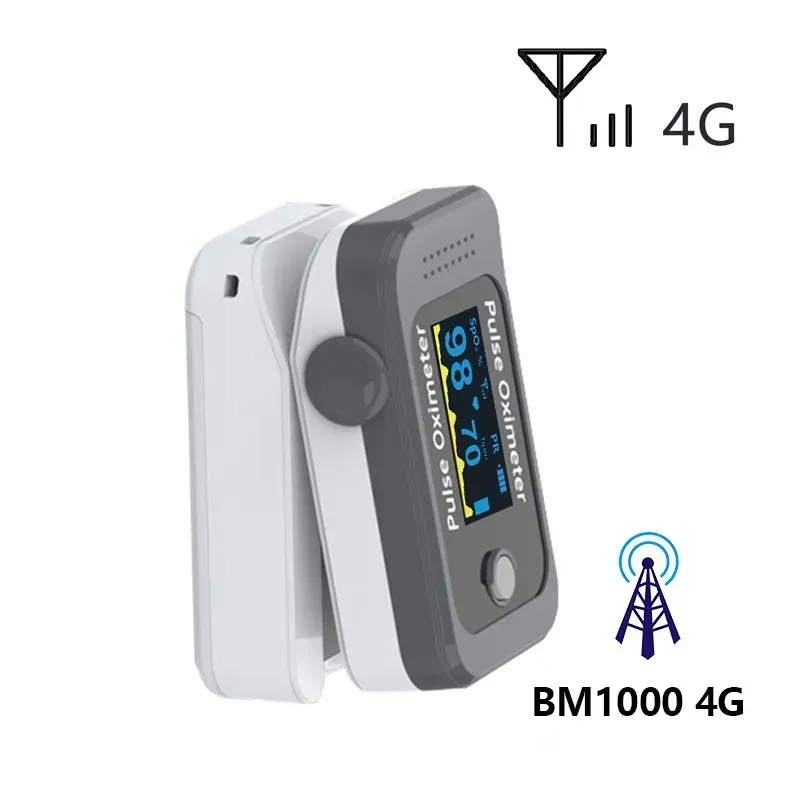
IoT oxygen monitor
At the core of a robust Shared Oxygen Concentrator Solution lies a sophisticated technological architecture built upon the integration of the Internet of Things (IoT), seamless connectivity, and secure data management. This digital framework is indispensable for transforming individual medical devices into a networked system capable of real-time monitoring, remote management, and predictive maintenance, ultimately enhancing patient care and optimizing resource allocation. The reliability and functionality of this interconnected system are heavily reliant on advanced PCB (Printed Circuit Board) design and manufacturing, which serve as the central nervous system for data acquisition, processing, and transmission within each concentrator and across the network.
The integration of IoT sensors within shared oxygen concentrators allows for the continuous collection of vital operational data, such as oxygen purity levels, flow rates, pressure, and device status. This data is then transmitted securely via various connectivity protocols (e.g., Wi-Fi, cellular, Bluetooth) to a central cloud-based platform. This connectivity enables healthcare providers and administrators to monitor the performance of individual units remotely, identify potential issues proactively, and manage the distribution of concentrators effectively. Predictive maintenance, a key advantage of this technological integration, utilizes data analytics to forecast potential equipment failures based on usage patterns and performance metrics, allowing for timely servicing and minimizing downtime, a critical factor in ensuring continuous oxygen availability for patients.
Secure data transmission and robust data management are paramount in a healthcare context. Implementing strong encryption protocols and complying with data privacy regulations (such as HIPAA) are non-negotiable to protect sensitive patient and operational data. The data collected provides invaluable insights through analytics, informing decisions on inventory management, usage trends, and the overall efficiency of the shared system. This data-driven approach optimizes resource allocation, ensures that concentrators are available where and when they are needed most, and ultimately leads to improved patient outcomes. The sophisticated PCB systems within each concentrator are engineered to handle the secure processing and transmission of this critical data.
Benefits of Implementing a Shared Oxygen Concentrator Solution
Implementing a Shared Oxygen Concentrator Solution offers multifaceted benefits across the healthcare ecosystem, significantly improving patient care, operational efficiency for providers, and contributing positively to community well-being. This innovative approach moves beyond the traditional model of individual ownership, enabling wider access to vital oxygen therapy, especially in underserved areas. The underlying robust PCB technology is fundamental to achieving these advantages, ensuring the reliability, connectivity, and performance required for a shared system. By pooling resources and leveraging technology, shared solutions deliver cost savings, optimize resource allocation, and promote sustainability, representing a significant step forward in accessible and efficient medical device deployment.
Enhanced Patient Accessibility and Affordability A Shared Oxygen Concentrator Solution drastically increases access to therapy for patients who may face financial or logistical barriers to owning a personal device. The shared model reduces the upfront cost per user, making essential oxygen therapy more affordable and readily available in various community settings or temporary care facilities. Reliable PCB design within the concentrator ensures consistent performance, a critical factor for patient safety and therapeutic efficacy.
Optimized Healthcare Provider Efficiency and Resource Management Healthcare providers benefit from better utilization of oxygen concentrator fleets. Shared solutions enable efficient deployment based on real-time demand, reducing the need for large inventories of underutilized personal units. Integrated monitoring capabilities, powered by advanced PCB circuitry for data acquisition and transmission, allow providers to track device usage, performance, and maintenance needs remotely, streamlining logistics and reducing operational overhead.
Positive Community Impact and Environmental Sustainability Consolidating oxygen concentrator resources within a community reduces the overall number of devices manufactured and eventually disposed of, leading to a smaller environmental footprint. Efficient energy management facilitated by optimized power supply PCB designs further contributes to sustainability. This shared approach fosters a sense of community resilience by ensuring critical medical resources are available where and when they are needed most.
Improved Monitoring and Data-Driven Care Shared systems often incorporate advanced monitoring features, capturing valuable data on device usage patterns and patient adherence. This data, processed and transmitted via sophisticated communication PCBs, can inform personalized treatment plans, identify potential issues early, and contribute to broader public health insights, ultimately leading to more effective and data-driven patient care.
Enhanced Device Reliability and Maintenance In a shared model, devices are typically maintained and serviced by a central authority, ensuring they are always in optimal working condition. Proactive maintenance based on usage data, enabled by reliable monitoring circuits on the PCB, minimizes downtime and extends the lifespan of the equipment, guaranteeing consistent access to therapy for all users.
Overcoming Challenges: Reliability, Sterilization, and User Experience
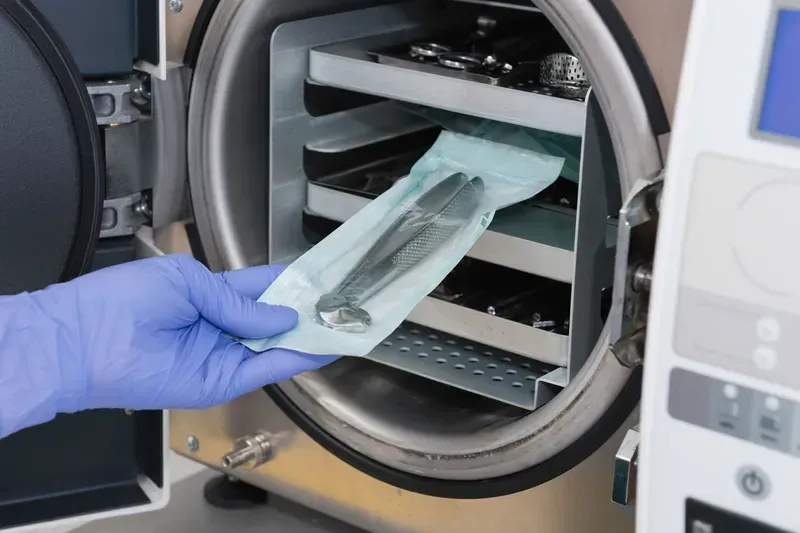
Medical equipment sterilization
The successful deployment of a Shared Oxygen Concentrator Solution hinges on meticulously addressing critical challenges related to device reliability, sterilization protocols, and user experience. Unlike personal devices, shared medical equipment faces intensified scrutiny regarding uptime, hygiene, and ease of access for a diverse user base. Ensuring unwavering reliability under continuous use is paramount, preventing service disruptions that could impact patient care. Simultaneously, robust sterilization procedures are non-negotiable to prevent cross-contamination in a shared environment. Finally, an intuitive user interface is crucial for both patients and caregivers to ensure correct operation and minimize potential errors. Zero One Solution Limited's engineering expertise is fundamentally integrated into overcoming these hurdles, particularly through the foundational aspects of robust PCB design and judicious component selection.
Ensuring Device Reliability in Shared Oxygen Concentrators Reliability in a shared medical device demands components and designs capable of enduring high duty cycles and varied environmental conditions. Zero One Solution Limited achieves this through rigorous component stress testing, thermal management considerations in PCB layout, and the selection of industrial-grade parts known for longevity and stability. Our design process incorporates failure mode and effects analysis (FMEA) to proactively identify and mitigate potential points of failure, ensuring continuous and dependable operation of the Shared Oxygen Concentrator Solution.
Implementing Effective Sterilization Protocols for Shared Medical Devices Sterilization for shared medical devices requires careful material selection and design considerations to withstand repeated cleaning and disinfection cycles without degradation. Zero One Solution Limited's expertise in selecting medical-grade materials for PCBs and enclosures, coupled with conformal coating applications, protects sensitive electronics from moisture and cleaning agents. We work closely with clients to incorporate design features that facilitate easy disassembly and access for thorough sterilization, adhering to relevant medical device standards.
Designing for an Intuitive User Experience in Shared Oxygen Concentrator Solutions A positive user experience is vital for widespread adoption and correct usage of shared medical equipment. This involves designing interfaces that are clear, simple, and accessible to users with varying levels of technical proficiency. Zero One Solution Limited's involvement in the system design phase includes optimizing the PCB layout to support user-friendly displays, tactile controls, and audible alerts. Our focus on signal integrity ensures reliable communication between the user interface and the core oxygen generation system, contributing to a seamless and error-free user interaction.
By prioritizing these critical areas from the initial design phase through manufacturing, Zero One Solution Limited ensures that Shared Oxygen Concentrator Solutions are not only technologically advanced but also practical, safe, and reliable for deployment in diverse healthcare settings, ultimately enhancing patient outcomes.
The Future of Shared Medical Devices and Zero One Solution Limited's Vision for Shared Oxygen Concentrator Solutions
The landscape of healthcare technology is rapidly evolving, with an increasing focus on accessibility, cost-efficiency, and sustainability. Shared medical devices, particularly in critical areas like respiratory care, represent a significant paradigm shift. The future holds promise for more sophisticated and integrated shared systems, driven by advancements in miniaturization, connectivity, and intelligent data processing. Zero One Solution Limited is positioned at the forefront of this evolution, leveraging our deep expertise in rapid PCB prototyping, design, and manufacturing to enable the next generation of shared healthcare solutions, including advanced Shared Oxygen Concentrator Solutions.
Key trends shaping the future of shared medical devices include greater integration with telehealth platforms, enhanced predictive maintenance capabilities based on real-time data, and the development of more user-friendly and sterile designs. These advancements will rely heavily on sophisticated embedded systems and robust PCB designs that can handle complex data streams and operate reliably in diverse environments.
Enhanced Connectivity and Data Analytics: Future shared devices will feature seamless integration with cloud-based platforms, enabling remote monitoring of device performance and patient usage. This will allow for proactive maintenance and optimized resource allocation. Advanced PCB solutions will be essential for managing secure and high-bandwidth data transmission.
Personalized Shared Experiences: While shared, devices will offer more personalized settings and data tracking for individual users, improving adherence and treatment efficacy. This requires sophisticated software and hardware interfaces, underpinned by flexible and powerful PCB designs.
Sustainable and Modular Designs: Future devices will prioritize eco-friendly materials and modular designs for easier repair and upgrades, reducing waste and extending the lifespan of equipment. Our PCB solutions will be designed with these sustainability goals in mind.
Advanced Sterilization and Hygiene Solutions: Ensuring hygiene in shared environments is paramount. Future devices will incorporate advanced sterilization technologies and materials that are compatible with electronic components, a critical consideration in PCB design and manufacturing.
Integration with AI and Machine Learning: Artificial intelligence will be used to optimize device performance, predict potential issues, and provide personalized therapy recommendations, requiring high-performance processing capabilities on compact PCBs.
Zero One Solution Limited's vision aligns perfectly with these future trends. We are committed to continuous innovation in PCB technology, focusing on miniaturization, high-density interconnects, and the integration of wireless communication modules. Our rapid prototyping capabilities enable healthcare innovators to quickly test and refine new shared device concepts. Our global supply chain network, anchored in Shenzhen and Dubai, ensures efficient and cost-effective production. We actively seek partnerships with medical device developers and healthcare providers to co-create solutions that address the evolving needs of the shared healthcare landscape, particularly for critical devices like Shared Oxygen Concentrator Solutions.
The Shared Oxygen Concentrator Solution, powered by the advanced PCB capabilities of Zero One Solution Limited, represents a significant leap forward in healthcare accessibility and efficiency. By integrating robust electronics, IoT connectivity, and user-centric design, we are not just building devices; we are fostering a more equitable and responsive healthcare infrastructure. Our commitment to rapid prototyping, quality, and comprehensive service ensures that these vital innovations move swiftly from concept to reality. Partner with Zero One Solution Limited to transform your medical device vision into a tangible impact. Let's engineer a healthier future, together.