In an increasingly connected world, the demand for convenient and ubiquitous power solutions is escalating. Imagine a public space where charging your device is as simple as placing it on a surface, no cables required. This vision is rapidly becoming a reality, driven by advancements in wireless charging technology. At Zero One Solution Limited, we're not just imagining this future; we're building it. As a leader in rapid-response R&D prototype manufacturing and PCB assembly solutions, we are at the forefront of developing robust and scalable shared wireless charger solutions. How can this technology transform urban environments and enhance user experience?
The Evolution of Charging: From Cables to Wireless Freedom
The ubiquitous cable has long been the tether of our digital lives, dictating proximity to power outlets and cluttering our spaces. From the bulky AC adapters of early electronics to the myriad of USB connectors today, charging technology has relentlessly sought efficiency and convenience. This evolution underscores a fundamental human desire for untethered access to power, paving the way for the transformative shift towards wireless charging. This progression from restrictive cables to the potential of widespread, shared wireless power is not merely a technological leap; it represents a fundamental change in how we interact with our devices and access energy, laying the groundwork for a future where power is seamlessly available.
Historically, device charging was an afterthought, often relegated to proprietary connectors and slow power delivery. The advent of standardized connectors like USB marked a significant step towards interoperability and ease of use, but the physical cable remained a constraint. The increasing portability and power demands of modern devices, coupled with the proliferation of electronics, have amplified the need for a more fluid and accessible charging experience. This growing demand for convenience and the limitations of traditional wired charging methods are the driving forces behind the accelerating adoption and development of wireless charging technologies, culminating in the emergence of shared wireless charger solutions.
Wireless charging, initially seen as a niche feature, is rapidly becoming a standard across various devices. Its inherent convenience—simply placing a device on a surface to charge—eliminates the frustration of incompatible cables and damaged ports. This shift towards a cable-free paradigm is crucial for the future of connected environments and smart infrastructure, where shared wireless charging can provide power on demand in public and commercial spaces. This transition from individual, wired charging to a shared, wireless infrastructure is a testament to the industry's commitment to enhancing user experience and enabling a truly mobile future.
At the core of any shared wireless charger solution lies sophisticated technology enabling power transfer without physical cables. Understanding these fundamental principles, particularly inductive and resonant coupling, is crucial for designing efficient and reliable systems. This section explores these core technologies and highlights the indispensable role of optimized Printed Circuit Board (PCB) design in facilitating seamless wireless power delivery in shared environments.
Inductive Coupling in Shared Charging Inductive coupling is the foundational technology for most current wireless charging. It involves two coils: a transmitter coil in the charging pad and a receiver coil in the device. An alternating current in the transmitter coil generates a fluctuating magnetic field. When the receiver coil is brought close to this field, it induces a voltage, which is then rectified and used to charge the device's battery. For shared wireless charging, multiple transmitter coils or a larger coil with intelligent power distribution is required to accommodate various device placements.
Resonant Coupling for Greater Flexibility Resonant coupling offers a more flexible approach to wireless charging. Instead of relying solely on proximity, both the transmitter and receiver coils are designed to resonate at the same frequency. This allows for power transfer over slightly greater distances and even through certain non-metallic materials, making it more suitable for shared charging environments where devices might not be perfectly aligned or in direct contact. This technology is particularly promising for charging multiple devices simultaneously.
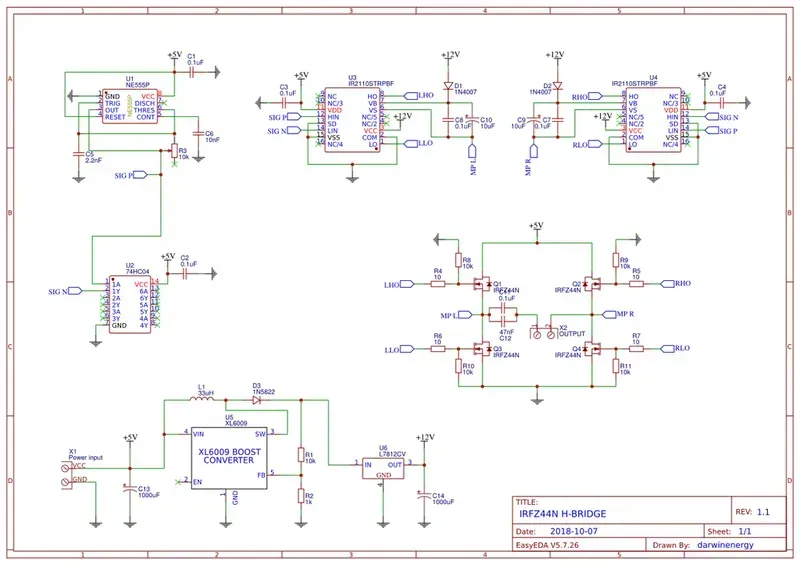
The Crucial Role of PCB Design Efficient PCB design is paramount in shared wireless charger solutions. The PCB houses the critical power management circuitry, the coil drivers, and the communication interfaces. Optimized layouts minimize signal loss, reduce heat generation, and ensure stable power transfer. Precise component placement and routing are essential for maximizing the efficiency of both inductive and resonant coupling mechanisms, directly impacting charging speed and user experience. High-quality PCBs are the backbone of reliable shared wireless charging infrastructure.
Overcoming Alignment Challenges A significant challenge in shared wireless charging, especially with inductive coupling, is the need for precise alignment between the transmitter and receiver coils. Advanced shared systems employ coil arrays and intelligent foreign object detection (FOD) to mitigate these issues. PCB design facilitates the integration of these sensor arrays and control logic, enabling systems to detect devices and optimize power transfer even with minor misalignments.
Key Components of a Robust Shared Wireless Charging System
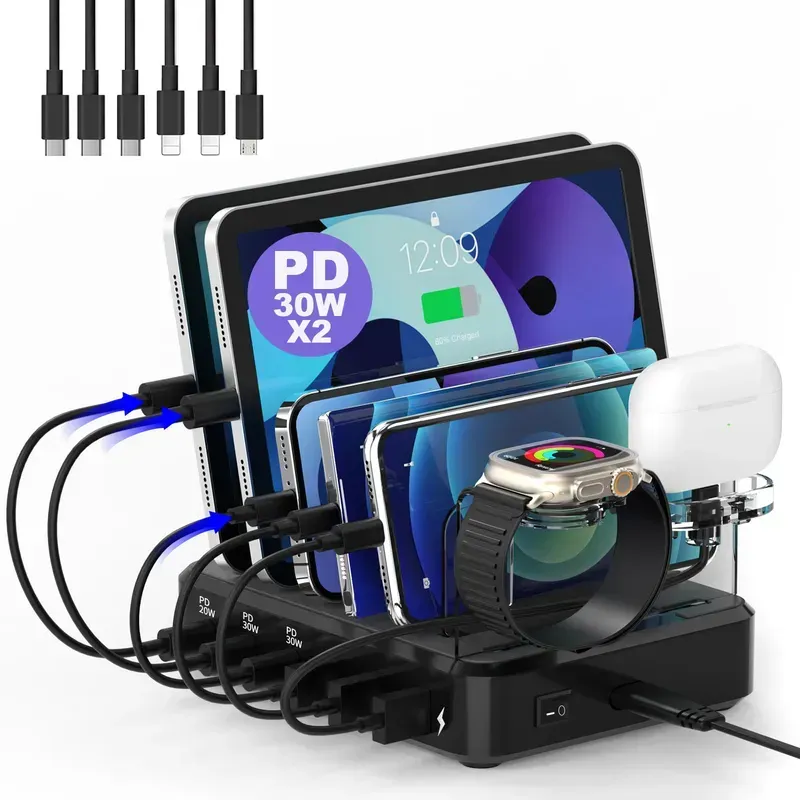
Shared Wireless Charging Hardware
A robust shared wireless charging system, capable of reliably serving multiple users in various environments, hinges on the seamless integration of several key components. Beyond the foundational wireless power transfer technology, these systems require sophisticated hardware and intelligent software to manage power distribution, user authentication, and system monitoring. Understanding the function and interdependencies of these elements is crucial for designing and deploying effective shared charging infrastructure.
High-Quality Printed Circuit Boards (PCBs) As the backbone of any electronic system, high-quality PCBs are paramount in shared wireless chargers. They must be designed to handle specific power frequencies, manage thermal dissipation efficiently, and accommodate the diverse components. Rapid prototyping and precise manufacturing are essential to ensure the board's integrity and performance under continuous use in public or shared spaces. Advanced PCB materials and multilayer designs are often required to optimize signal integrity and power flow.
Power Management Units (PMUs) Effective power management is critical. PMUs regulate the power supplied to the charging coils, ensuring optimal power transfer efficiency and protecting connected devices from overcharging or voltage fluctuations. In shared systems, PMUs need to dynamically adjust power delivery based on the number and type of devices being charged simultaneously, prioritizing power distribution and managing load balancing.
Communication Modules Communication is key for system control, user interaction, and data reporting. Wi-Fi, Bluetooth, or cellular modules enable communication with a central management platform or user devices. This allows for features like charging status updates, user authentication (e.g., via an app), remote monitoring, and firmware updates. Secure communication protocols are vital to protect user data and prevent unauthorized access.
User Interface and Authentication Shared systems often require a user interface, whether physical (e.g., LEDs, display screens) or digital (via a smartphone app), to provide status information and facilitate interaction. Authentication mechanisms, such as QR code scanning, NFC, or app-based login, are necessary to manage access, track usage, and potentially process payments in commercial deployments.
Coil Design and Configuration The design and arrangement of the charging coils directly impact the charging area and efficiency. Shared chargers often utilize multiple coils or a specific coil array to provide a larger charging surface or support multiple devices simultaneously. The coil's inductance, resonant frequency, and quality factor are critical parameters influenced by PCB integration and material choice.
Zero One Solution Limited's Expertise in Shared Wireless Charging PCBs
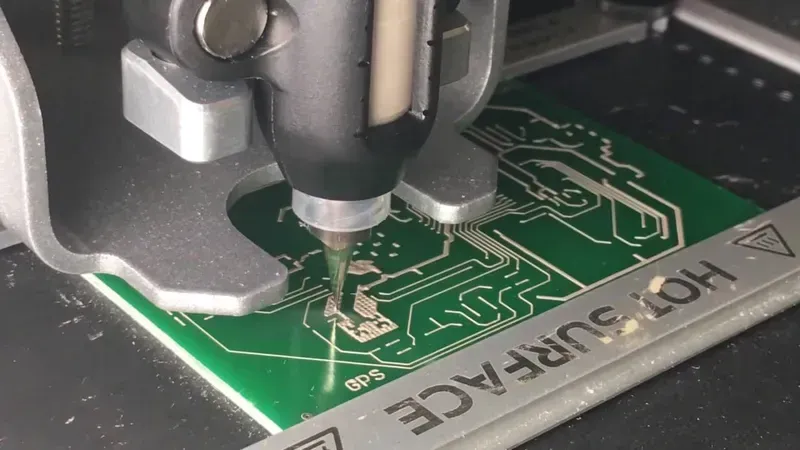
PCB Rapid Prototyping
Zero One Solution Limited stands at the forefront of providing high-performance Printed Circuit Boards (PCBs) specifically engineered for shared wireless charger solutions. Our deep expertise, honed over years in the electronics manufacturing hub of Shenzhen and supported by a global network, allows us to deliver PCB solutions that are critical to the efficiency, reliability, and rapid deployment of shared charging infrastructure.
Rapid Prototyping and R&D Acceleration Speed is paramount in the fast-evolving shared wireless charging market. Our core strength lies in rapid-response R&D prototype manufacturing. We quickly transform your shared wireless charger design concepts into tangible prototypes, significantly reducing development cycles and enabling faster market entry. This agile approach is essential for iterating designs and ensuring optimal performance before full-scale production.
One-Stop Service for Seamless Integration We offer a comprehensive one-stop service, encompassing everything from initial PCB design and layout optimization for wireless power transfer to high-precision manufacturing and final assembly. This integrated approach simplifies your supply chain, ensures tight quality control at every stage, and guarantees seamless integration of our PCBs into your shared wireless charger systems.
Specialized PCB Design for Wireless Charging Designing PCBs for shared wireless charging requires specific considerations, including coil integration, power management circuit layout, thermal dissipation, and minimizing electromagnetic interference. Our experienced engineers possess in-depth knowledge of inductive and resonant coupling technologies, enabling us to design PCBs that maximize power transfer efficiency and ensure stable operation in demanding shared environments.
High-Quality Manufacturing and Global Supply Chain Leveraging our advanced manufacturing facilities and strategically positioned global supply chain network, we produce high-quality, reliable PCBs at scale. We utilize premium materials and adhere to stringent quality control processes to ensure that every PCB meets the demanding performance and durability requirements of shared wireless charger solutions.
Applications and Market Opportunities for Shared Wireless Chargers
Wireless Charging in Cafe
The advent of shared wireless charging solutions unlocks a vast landscape of applications and market opportunities, transforming public and commercial spaces by providing convenient, cable-free power access. This technology moves beyond individual use cases, enabling seamless power delivery in high-traffic areas and fostering a new era of user experience. From enhancing customer satisfaction in retail and hospitality to boosting productivity in transportation hubs and workspaces, the potential for shared wireless charging is significant and growing.
Hospitality & Retail Shared wireless chargers are becoming essential amenities in cafes, restaurants, hotels, and retail stores, allowing customers to easily power their devices while they dine, stay, or shop, extending dwell time and improving customer satisfaction. Integration into tables, counters, and waiting areas is a key trend.
Transportation Hubs Airports, train stations, and bus terminals present a prime opportunity for shared wireless charging. Travelers often need to recharge devices before or during their journeys, and integrated charging points in seating areas, lounges, and waiting zones provide a much-needed convenience, reducing reliance on scarce wall outlets.
Public Spaces & Smart Cities Parks, libraries, community centers, and smart city infrastructure can incorporate shared wireless charging into benches, kiosks, and street furniture. This enhances the functionality and appeal of public spaces, supporting the growing reliance on mobile devices for information, navigation, and communication.
Corporate & Educational Campuses Shared wireless charging in meeting rooms, collaborative spaces, libraries, and common areas within offices and universities boosts productivity and convenience. It eliminates the need for employees and students to carry chargers, simplifying device management and promoting a more flexible work and study environment.
Healthcare Facilities Hospitals and clinics can integrate shared wireless charging into waiting rooms and patient areas, providing a convenient service for patients and visitors. This not only improves comfort but can also be crucial for ensuring patients' communication devices remain powered.
The market for shared wireless charging is poised for substantial growth, driven by the increasing adoption of wireless charging-enabled devices and the demand for convenient power solutions in public and commercial settings. According to a report by MarketsandMarkets, the global wireless charging market is projected to grow significantly, with the public infrastructure segment being a key contributor. Businesses that proactively integrate shared wireless charging can gain a competitive edge by offering enhanced services and attracting a tech-savvy clientele.
Challenges and Innovations in Shared Wireless Charger Deployment
Wireless Charging Efficiency Measurement
Deploying shared wireless charger solutions at scale presents unique challenges that demand innovative approaches. While the concept of convenient, cable-free power is highly appealing, practical implementation faces hurdles related to power efficiency, ensuring seamless interoperability across a wide range of devices, and maintaining robust data security. Addressing these pain points is crucial for the widespread adoption and success of shared wireless charging infrastructure, requiring advancements in both hardware design, particularly in the underlying PCB technology, and sophisticated software management.
Challenge
Description
Innovation/Solution
Power Efficiency
Energy loss during transmission can lead to slower charging and increased operating costs.
Development of high-efficiency resonant coupling systems and optimized coil designs facilitated by advanced PCB layouts.
Interoperability
Ensuring compatibility with diverse devices using different wireless charging standards (e.g., Qi, PMA).
Implementation of multi-standard charging protocols and flexible power management ICs on the PCB.
Data Security
Protecting user data and the charging network from unauthorized access or cyber threats.
Integration of secure authentication mechanisms and encryption protocols within the charging system and communication modules.
Location and Installation
Finding optimal locations and managing the physical installation of charging pads in various public spaces.
Modular and compact designs, integration into existing furniture/infrastructure, and remote monitoring capabilities.
User Experience
Ensuring a simple, reliable, and intuitive charging process for users.
Clear visual indicators, easy device placement, and seamless integration with mobile applications for status updates and payment.
Zero One Solution Limited is at the forefront of addressing these challenges through continuous innovation in PCB technology and system integration. Our expertise in rapid prototyping allows us to quickly develop and test novel PCB layouts optimized for efficiency and multi-standard support. By focusing on high-quality components and precise manufacturing, we help our clients build robust and secure shared wireless charging systems that can overcome deployment hurdles and deliver a superior user experience. We understand that the success of these solutions depends on overcoming technical limitations, and our R&D efforts are specifically aimed at pushing the boundaries of what's possible in wireless power transfer and management.
Why Choose Zero One Solution for Your Shared Wireless Charger Project?
Selecting the right partner is paramount when developing sophisticated systems like shared wireless chargers. Zero One Solution Limited offers a distinct advantage through our rapid-response R&D capabilities and comprehensive one-stop service model, specifically tailored to accelerate your project from concept to deployment. Our expertise in high-quality PCB solutions, combined with a globally integrated supply chain and unwavering commitment to excellence, positions us as the ideal collaborator to navigate the complexities of modern wireless charging infrastructure and bring your innovative shared charging solutions to market efficiently and reliably.
Rapid-Response R&D and Prototyping Time-to-market is critical in the fast-evolving wireless charging landscape. Our Shenzhen-based R&D hub specializes in rapid prototyping, enabling quick iterations and validation of your shared wireless charger designs. This agility ensures your project stays ahead of the curve, allowing for faster development cycles and reduced time from initial design to functional prototype.
Comprehensive One-Stop Service We simplify your project's execution by providing end-to-end services, from initial PCB design and layout optimized for high-efficiency wireless power transfer to precision manufacturing and final assembly. This integrated approach streamlines the entire process, minimizes coordination overhead, and ensures seamless transitions between design, production, and assembly phases, all under one roof.
Leveraging a Global Supply Chain Headquartered in the heart of electronic manufacturing with a strategic presence in Dubai, Zero One Solution operates within a robust global PCBA supply chain network. This allows us to source high-quality components efficiently, manage logistics effectively, and offer competitive advantages in cost and delivery times, crucial for scaling shared wireless charger deployments.
Uncompromising Quality and Reliability Reliability is non-negotiable for public-facing technology like shared chargers. Our stringent quality control processes at every stage, from material sourcing to final product testing, ensure that the PCBs and assembled units meet the highest standards of performance, safety, and durability, reducing field failures and enhancing user satisfaction.
FAQs About Shared Wireless Charger Solutions
How do shared wireless charger solutions ensure compatibility with different devices? Shared wireless charger solutions achieve compatibility primarily through adherence to industry standards like the Qi standard. This ensures a broad range of Qi-certified devices can be charged wirelessly. Advanced systems may also incorporate communication protocols to negotiate power delivery and optimize charging for specific devices, further enhancing interoperability.
What are the safety considerations for shared wireless charger solutions? Safety is paramount in shared wireless charging. Solutions incorporate features such as Foreign Object Detection (FOD) to prevent overheating from metal objects placed on the charging surface. Overvoltage and overcurrent protection are also standard to safeguard both the charging unit and the user's device. Compliance with international safety certifications like CE, FCC, and RoHS is essential.
How is the power managed in a shared wireless charging environment with multiple devices? Efficient power management is crucial. Shared wireless charging systems utilize intelligent power distribution algorithms to allocate power optimally among multiple devices being charged simultaneously. This may involve dynamic power sharing based on each device's charging needs and state of charge, ensuring efficient energy transfer without overloading the system.
What are the typical installation and integration requirements for shared wireless charger solutions? Installation requirements vary based on the application. Integrated solutions for furniture or surfaces require careful planning for seamless embedding and power routing. Standalone units require a stable power source and secure placement. Zero One Solution Limited provides comprehensive technical support and detailed guidelines for integrating our PCB solutions into diverse shared charging infrastructures.
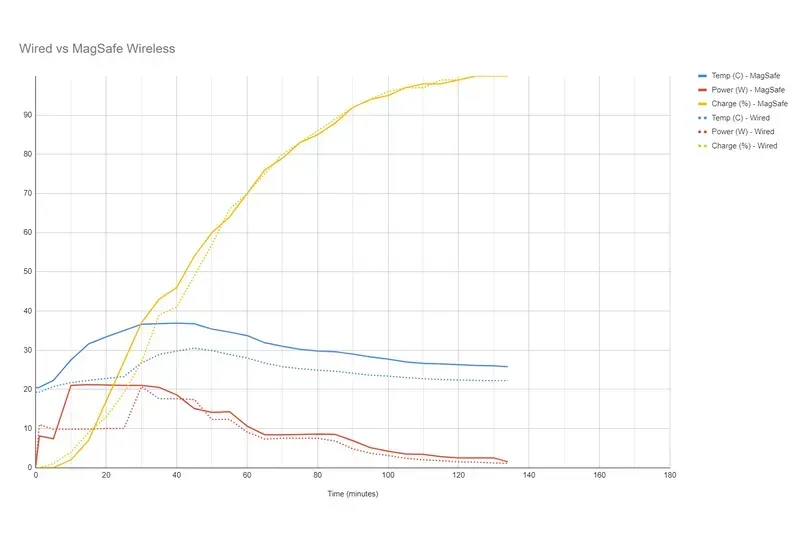
What is the energy efficiency of shared wireless charging compared to traditional wired charging? While wired charging is generally more energy-efficient due to direct connection, modern shared wireless charging technology has significantly improved. The focus on advanced resonant and inductive coupling technologies, combined with optimized power management, minimizes energy loss during transmission. Ongoing R&D in this area aims to further close the efficiency gap.
What is the potential future of shared wireless charger solutions? The future of shared wireless charging is bright, with significant growth expected in public spaces, transportation, and even within homes. Advancements will focus on increasing power output, expanding spatial freedom for device placement, improving efficiency, and integrating smart features for data collection and user management. Zero One Solution is at the forefront, developing advanced PCB technology to support these innovations.
How does Zero One Solution Limited contribute to the advancement of shared wireless charger solutions? Zero One Solution Limited is a key enabler in the shared wireless charging ecosystem through our specialized PCB design, rapid prototyping, and manufacturing services. We develop high-performance, reliable PCBs that are essential components of efficient and safe shared charging units. Our expertise in complex multilayer boards and thermal management is critical for the demanding requirements of these solutions.
The shared wireless charger solution offered by Zero One Solution Limited represents a significant leap forward in public and commercial charging infrastructure. By leveraging our deep expertise in PCB design, rapid prototyping, and efficient manufacturing, we empower businesses to deploy reliable, scalable, and user-friendly wireless charging networks. Our commitment to innovation and quality ensures that our solutions not only meet but exceed the demands of a wirelessly connected future. Partner with Zero One Solution Limited to transform your vision of seamless, accessible power into a tangible reality. Let's build the future of charging, together.