In today's fast-paced world, convenience and efficiency are paramount, driving innovation across various industries, including food service. The concept of self-service has revolutionized how consumers access goods and services, and the culinary world is no exception. Imagine hot, delicious noodles, prepared to order, available at the touch of a button, 24/7. This vision is now a reality thanks to the Shared Self-Service Noodle Vending Machine Solution. At Zero One Solution Limited, we're at the forefront of this revolution, providing the critical PCB (Printed Circuit Board) solutions that power these intelligent machines, transforming the food retail landscape and offering unprecedented opportunities for businesses to expand their reach and enhance customer experiences.
The Rise of Automated Food Service and Self-Service Noodle Machines
The food industry is undergoing a significant transformation, driven by increasing consumer demand for convenience and efficiency. Automated food service solutions, particularly self-service noodle vending machines, are at the forefront of this evolution. These machines offer a novel approach to delivering quick, customizable, and readily available meals, addressing the fast-paced lifestyles of modern consumers.
Several factors contribute to the growing popularity of automated food service and self-service noodle machines:
Demand for Convenience: Busy schedules and the desire for instant gratification drive consumers to seek convenient meal options that minimize time and effort.
Labor Cost Reduction: Businesses are increasingly looking for ways to reduce labor costs, and automated solutions offer a viable alternative to traditional staffing models.
Extended Operating Hours: Self-service machines can operate 24/7, providing access to food outside of typical business hours and catering to diverse schedules.
Technological Advancements: Progress in robotics, sensor technology, and cashless payment systems has made self-service vending machines more reliable, efficient, and user-friendly.
Customization and Variety: Modern noodle vending machines offer a range of customization options, allowing consumers to personalize their meals with different noodle types, sauces, and toppings.
The benefits of self-service noodle machines extend to both consumers and businesses. Consumers enjoy quick access to hot, customizable meals at any time, while businesses benefit from reduced labor costs, extended operating hours, and increased revenue potential. This win-win scenario positions self-service noodle machines as a disruptive force in the food industry, poised for continued growth and innovation.
Understanding the Shared Self-Service Noodle Vending Machine Solution
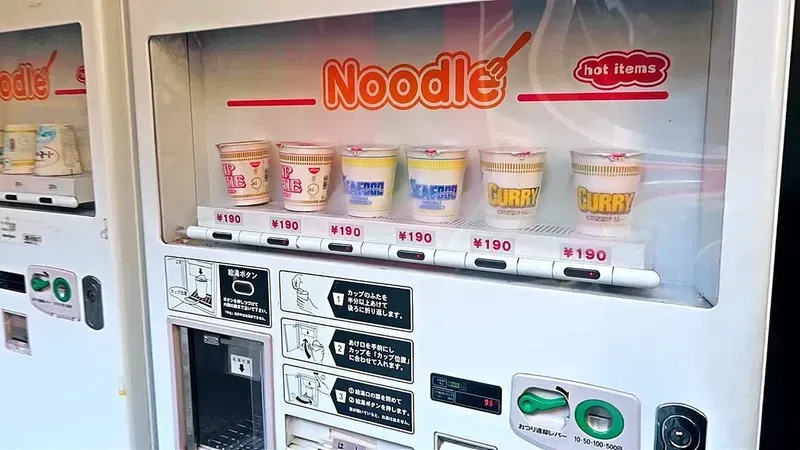
Self-Service Noodle Vending Machine
A shared self-service noodle vending machine solution represents a cutting-edge approach to food retail, combining automation, convenience, and shared resource utilization. This innovative system provides freshly cooked noodles on demand, leveraging advanced technology for preparation and dispensing, while also optimizing operational costs through shared infrastructure and maintenance. These machines are typically deployed in high-traffic areas, offering a quick and affordable meal option. Core functionalities include automated noodle cooking, customizable flavor options, cashless payment systems, and remote monitoring for inventory and maintenance.
What is a Shared Self-Service Noodle Vending Machine? It's an automated system that prepares and dispenses cooked noodles on demand. It integrates cooking, vending, and payment technologies into a single, self-contained unit, designed for shared use in public or semi-public locations.
What are the key components of a noodle vending machine? Key components include a noodle storage and dispensing system, a cooking unit (often using boiling water or steam), a flavoring/sauce dispensing mechanism, a user interface (touchscreen), a payment system (cashless options), and remote monitoring capabilities.
Where are these vending machines typically located? These machines are strategically placed in high-traffic areas such as office buildings, universities, transportation hubs (airports, train stations), hospitals, and shopping malls to maximize accessibility and customer convenience.
What types of noodles can these machines prepare? The versatility of these machines allows them to prepare various types of noodles, including ramen, udon, soba, and even pasta, depending on the machine's design and programming.
How do shared noodle vending machines benefit businesses? Businesses benefit from reduced labor costs, 24/7 availability, consistent food quality, and the ability to generate revenue in locations where a traditional restaurant might not be feasible. Sharing the machine also reduces individual capital expenditure.
How is the quality and hygiene of the noodles maintained? Quality and hygiene are maintained through automated cooking processes, sealed ingredient storage, regular cleaning cycles, and remote monitoring systems that alert operators to any issues. Many machines also feature UV sterilization.
What payment methods are accepted by these machines? Most modern noodle vending machines accept a variety of payment methods, including credit/debit cards, mobile payments (Apple Pay, Google Pay), and sometimes even cash, providing flexibility for customers.
Key Technologies Powering Smart Noodle Vending: A PCB Perspective
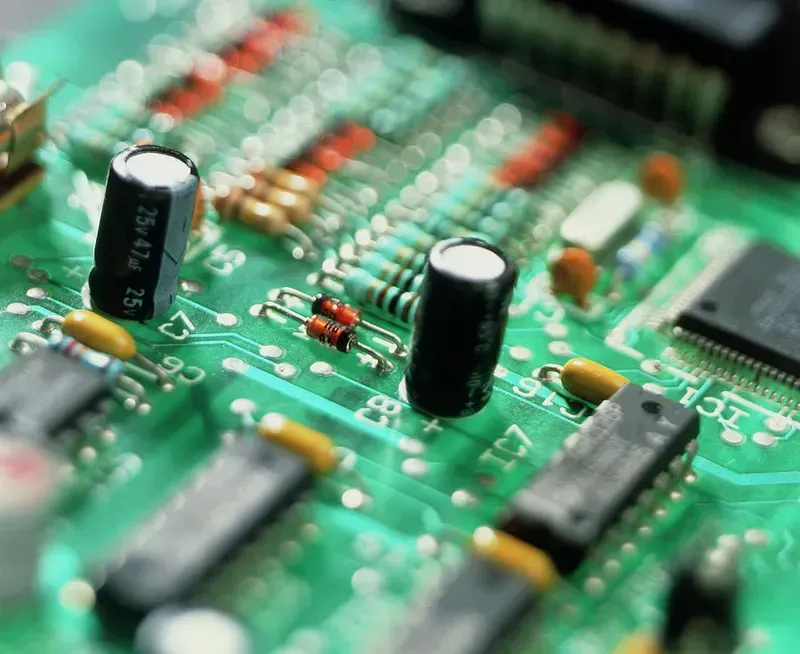
PCB Circuit Board
The intelligence, automation, and reliability of smart noodle vending machines hinge significantly on their underlying electronic components and PCB (Printed Circuit Board) solutions. These technologies facilitate everything from precise temperature control and efficient payment processing to seamless user interaction and remote monitoring, transforming the vending experience. This section will explore the key electronic components and PCB solutions that enable the intelligence, automation, and operational reliability of these advanced machines.
Microcontrollers (MCUs) MCUs are the brains of the vending machine, managing all operations, from dispensing noodles to processing payments. Advanced MCUs offer real-time processing, low power consumption, and robust performance, essential for continuous operation. They execute the software, control peripherals, and manage communication protocols.
Sensors A variety of sensors are crucial for monitoring and controlling the vending process. Temperature sensors ensure the noodles are stored and cooked at the correct temperature, while weight sensors can verify portion sizes. Optical sensors can detect the presence of bowls or utensils, ensuring proper dispensing. These sensors provide critical feedback for automated adjustments and error detection.
Motor Drivers Motor drivers are essential for controlling the motors that dispense noodles, sauces, and other ingredients. Precise motor control is needed for accurate portioning and preventing spills or jams. Modern motor drivers offer features like speed control, torque limiting, and fault detection, enhancing the reliability of the vending machine.
Power Management ICs (PMICs) Efficient power management is critical for reducing energy consumption and extending the lifespan of the vending machine. PMICs regulate voltage levels, manage battery charging, and provide protection against overcurrent and overvoltage. These components ensure stable and reliable operation, even with fluctuating power conditions.
Communication Modules Connectivity is key for remote monitoring, inventory management, and cashless payment processing. Communication modules, such as Wi-Fi, Ethernet, and cellular modems, enable the vending machine to communicate with a central server. This allows operators to track sales, monitor machine status, and push software updates remotely.
User Interface (UI) Components User-friendly interfaces are crucial for a positive customer experience. Touchscreen displays, buttons, and LEDs provide intuitive controls for selecting noodle types, customizing toppings, and processing payments. Haptic feedback can enhance the user experience, providing tactile confirmation of button presses.
Payment Systems Secure and reliable payment systems are essential for vending machines. Modern payment systems support cashless payments, such as credit cards, mobile wallets, and NFC. Security features, like encryption and tokenization, protect sensitive payment data from fraud.
Zero One Solution Limited's Role in Innovating Noodle Vending Technology
PCB Design and Manufacturing
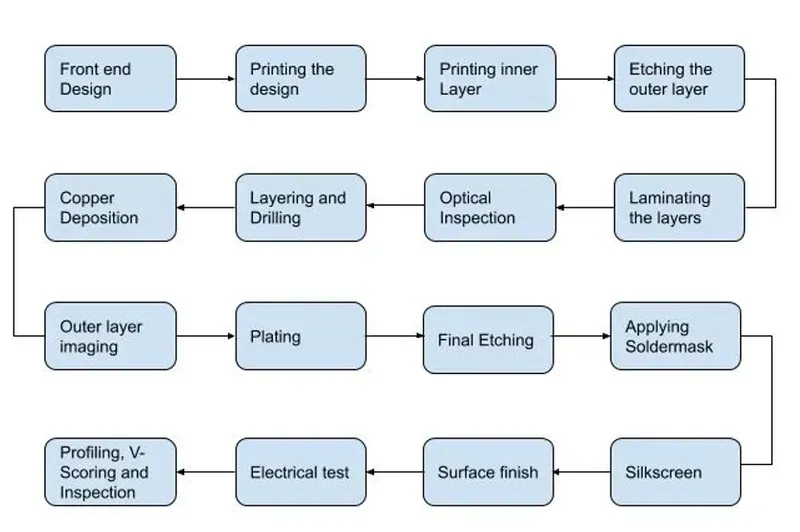
Zero One Solution Limited plays a pivotal role in advancing noodle vending technology by offering specialized rapid prototyping and comprehensive one-stop PCB solutions tailored for self-service noodle machine developers. Our expertise spans PCB design, manufacturing, and assembly, enabling innovators to bring their concepts to life with speed and precision.
We empower noodle vending machine developers through:
Rapid Prototyping: Quickly iterate and test designs with our rapid prototyping services, minimizing time-to-market for new vending machine concepts.
One-Stop PCB Solutions: From initial design to final assembly, we provide comprehensive PCB services, ensuring seamless integration and optimal performance of all electronic components.
Custom PCB Design: Tailor-made PCB designs to meet the specific requirements of noodle vending machines, accommodating various functionalities and form factors.
Manufacturing Excellence: High-quality PCB manufacturing processes that guarantee reliability and longevity, even in demanding operating environments.
Assembly Services: Efficient and precise assembly services, ensuring all components are correctly integrated for flawless operation.
Our commitment to innovation and quality makes us a trusted partner for developers looking to push the boundaries of self-service noodle vending technology. By leveraging our expertise, clients can focus on creating cutting-edge solutions that meet the evolving demands of the food service industry.
Advantages of Implementing a Shared Self-Service Noodle Solution
Implementing a shared self-service noodle solution offers a multitude of advantages for businesses looking to innovate and optimize their operations. These benefits span from cost savings and operational efficiency to enhanced customer satisfaction and scalability, making it a compelling investment for diverse business environments.
Reduced Labor Costs Self-service noodle machines significantly decrease the need for on-site staff, especially during off-peak hours. By automating the cooking and serving process, businesses can minimize payroll expenses, training costs, and other related overheads associated with human labor. This is particularly beneficial for businesses operating 24/7 or in locations with high labor costs.
Extended Operating Hours Unlike traditional restaurants that are limited by staffing schedules, self-service noodle machines can operate around the clock. This 24/7 availability caters to customers at any time, increasing potential revenue streams and capturing sales opportunities outside of conventional business hours. This is a significant advantage in locations with late-night or early-morning demand.
Consistent Quality and Hygiene Automated noodle vending machines ensure a consistent product every time. The precise dispensing of ingredients and controlled cooking processes eliminate variations in taste and quality that can occur with human preparation. Furthermore, these machines are designed with hygiene in mind, minimizing human contact and maintaining a clean and safe food preparation environment.
Scalability and Location Flexibility Shared self-service noodle solutions are highly scalable. Businesses can easily deploy these machines in various locations, such as office buildings, universities, transportation hubs, and shopping centers, without the complexities of setting up a full-scale kitchen. This flexibility allows for rapid expansion and market penetration with minimal upfront investment.
Enhanced Customer Experience Customers appreciate the convenience and speed of self-service noodle machines. The ability to customize their orders, select their preferred toppings, and receive a hot, freshly cooked meal in minutes significantly enhances the overall dining experience. This positive experience can lead to increased customer loyalty and positive word-of-mouth referrals.
Data Collection and Analytics Modern noodle vending machines are equipped with sensors and software that collect valuable data on customer preferences, popular menu items, and peak usage times. This data can be analyzed to optimize menu offerings, improve inventory management, and refine marketing strategies, leading to more informed business decisions and increased profitability.
Reduced Food Waste Precise inventory management and portion control in noodle vending machines minimize food waste. By dispensing only the required amount of ingredients for each order, businesses can reduce spoilage and waste, contributing to both cost savings and environmental sustainability.
Customization and Scalability: Tailoring Your Noodle Vending Experience
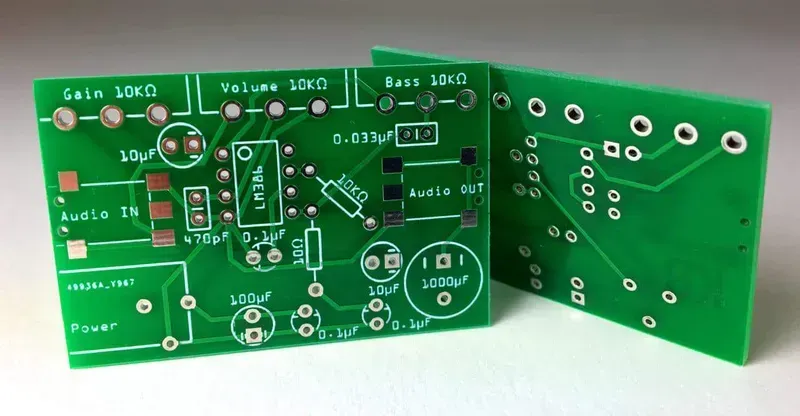
Custom PCB
The ability to customize and scale a shared self-service noodle vending machine is paramount for businesses aiming to cater to diverse consumer preferences and market demands. PCB solutions from Zero One Solution Limited play a pivotal role in enabling this flexibility, allowing for the adaptation of vending machines to suit various business models and locations.
Here’s how PCB solutions facilitate customization and scalability:
Modular Design Integration Zero One Solution Limited provides PCBs that support modular design principles. This allows for easy swapping or upgrading of components such as dispensing mechanisms, payment systems, and display interfaces. This modularity ensures that the vending machine can be quickly adapted to incorporate new features or technologies without requiring a complete overhaul.
Flexible Payment System Integration Our PCB designs accommodate a wide array of payment options, from traditional cash and credit card readers to modern mobile payment systems like NFC and QR code scanners. This flexibility is crucial for appealing to a broad customer base and integrating with various regional payment preferences.
Customizable User Interface The user interface, powered by sophisticated PCB-driven control systems, can be tailored to match specific branding requirements or user preferences. This includes options for different languages, nutritional information displays, and interactive touch screen layouts, enhancing user engagement and satisfaction.
Scalable Inventory Management Advanced PCB solutions enable precise monitoring and management of noodle and ingredient stock levels. This ensures efficient restocking schedules and reduces downtime, optimizing the vending machine's operational efficiency and profitability. Remote monitoring capabilities allow operators to track sales data and adjust inventory in real-time.
Adaptable to Various Locations Whether it's a bustling urban center, a quiet office building, or a remote rural area, our PCB designs can be adapted to suit different environmental conditions and space constraints. Ruggedized PCBs ensure reliable performance in harsh environments, while compact designs allow for installation in limited spaces.
Remote Management and Diagnostics Zero One Solution Limited’s PCB solutions facilitate remote monitoring and diagnostics, allowing operators to quickly identify and address any technical issues. This reduces maintenance costs and ensures minimal disruption to service, enhancing the overall reliability and uptime of the vending machine.
By leveraging Zero One Solution Limited's expertise in PCB design, manufacturing, and assembly, businesses can create self-service noodle vending machines that are not only highly functional but also easily adaptable to meet changing market demands and customer expectations. This customization and scalability are key to maximizing the return on investment and ensuring long-term success in the automated food service industry.
Future Trends and Opportunities in Automated Noodle Vending
The automated noodle vending sector is poised for significant growth, driven by technological advancements and evolving consumer preferences. Future trends point towards increased integration of AI, IoT, and cashless payment systems, enhancing the user experience and operational efficiency. This section explores these emerging technologies and the untapped market potential for shared self-service noodle machines.
What are the emerging technologies impacting automated noodle vending? Several technologies are set to reshape the industry. AI-powered systems can personalize recommendations and predict maintenance needs. IoT devices enable real-time monitoring of inventory and machine performance. Advanced cashless payment options, including mobile wallets and cryptocurrency, offer greater convenience. Additionally, improved sensor technology ensures precise ingredient dispensing and cooking, enhancing the quality and consistency of the noodles served.
How will AI enhance the functionality of noodle vending machines? AI algorithms can analyze sales data to optimize inventory management, reducing waste and ensuring popular items are always available. They can also personalize the user experience by suggesting noodle combinations based on past orders or dietary preferences. Furthermore, AI can predict potential mechanical issues, allowing for proactive maintenance and minimizing downtime.
What is the market potential for shared self-service noodle machines? The market potential is vast, particularly in high-traffic areas like universities, office buildings, transportation hubs, and hospitals. As urbanization increases and convenience becomes a priority, the demand for quick, affordable, and customizable meal options will continue to grow. Shared models, where multiple businesses or individuals can operate machines, offer a lower barrier to entry and greater scalability.
How can IoT improve the operational efficiency of noodle vending machines? IoT sensors can monitor temperature, humidity, and ingredient levels in real-time, ensuring food safety and quality. They can also track machine performance, identifying potential issues before they lead to breakdowns. Remote monitoring allows operators to optimize routes for restocking and maintenance, reducing operational costs and improving service levels.
What are the potential challenges in the future of automated noodle vending? Challenges include maintaining food safety and hygiene standards, ensuring consistent product quality, and addressing potential consumer concerns about automation. Regulatory hurdles and the need for skilled technicians to maintain and repair complex machinery also pose challenges. Overcoming these hurdles requires a focus on innovation, quality control, and robust maintenance programs.
How can businesses leverage customization in noodle vending machines to attract customers? Offering a high degree of customization, from noodle type and soup base to toppings and spice levels, can significantly enhance the customer experience. Digital interfaces that allow customers to create their own unique noodle bowls can increase engagement and satisfaction. Loyalty programs and personalized recommendations can further drive repeat business.
What role do PCB solutions play in the future development of noodle vending machines? Advanced PCB designs are crucial for integrating the complex electronic components required for AI, IoT, and cashless payment systems. They enable precise control of cooking processes, ensure reliable sensor operation, and facilitate seamless communication between different machine components. Zero One Solution Limited's expertise in rapid prototyping and PCB assembly is essential for developers looking to innovate in this rapidly evolving field.
FAQs about Shared Self-Service Noodle Vending Machine Solutions
Navigating the world of shared self-service noodle vending machine solutions can bring up a lot of questions. This section addresses those frequently asked questions to provide clarity on the technology, its implementation, and the benefits it offers.
How does a shared self-service noodle vending machine work? These machines typically operate using a combination of automated cooking, dispensing, and payment systems. Users select their desired noodle dish via a touchscreen interface, make a payment (usually cashless), and the machine prepares and dispenses the meal in a matter of minutes. Core to its operation are precise PCB-controlled systems for heating, ingredient mixing, and portioning.
What types of noodles and toppings can these machines handle? The versatility depends on the machine's design. Advanced models can handle various noodle types (e.g., ramen, udon, soba) and offer a selection of toppings, sauces, and condiments. Customization options are usually pre-programmed and selected via the user interface, with PCB-driven mechanisms controlling the dispensing of each component.
What are the benefits of using a shared noodle vending machine? Benefits include 24/7 availability, reduced labor costs compared to traditional food service, consistent food quality, smaller space requirements, and the ability to place them in locations where a full-service restaurant wouldn't be feasible. For consumers, they offer convenience, speed, and a novel dining experience.
How often do shared self-service noodle vending machines need maintenance? Maintenance frequency depends on usage volume and machine complexity. Regular tasks include refilling ingredients, cleaning, and inspecting/replacing worn components. Predictive maintenance, enabled by sensor data and PCB-integrated diagnostics, can help minimize downtime and extend the machine's lifespan.
What safety and hygiene features are incorporated into these machines? Modern machines incorporate multiple safety features, including temperature sensors to prevent overheating, automatic shut-off mechanisms, and enclosed cooking environments to minimize contamination. Hygiene is maintained through automated cleaning cycles, antimicrobial surfaces, and ingredient storage systems designed to prevent spoilage.
Can these machines be customized with branding and advertising? Yes, many manufacturers offer customization options, including exterior wraps, branded user interfaces, and the ability to display advertising on the machine's screen. This allows businesses to create a unique and engaging customer experience while promoting their brand.
What kind of PCB solutions are used in shared self-service noodle vending machines? PCBs are integral to controlling the machine's various functions, including temperature regulation, dispensing mechanisms, payment processing, and user interface. High-quality PCBs ensure reliable and precise operation, contributing to the machine's overall efficiency and longevity. Zero One Solution Limited specializes in providing rapid prototyping and PCB assembly services tailored for these complex systems.
The Shared Self-Service Noodle Vending Machine Solution represents a significant leap forward in automated food service, blending convenience, technology, and culinary delight. At the heart of this innovation lies robust and reliable PCB technology, which is where Zero One Solution Limited excels. Our commitment to rapid-response R&D prototype manufacturing and our global supply chain network ensure that our clients receive the most advanced and efficient PCB solutions to bring their foodtech visions to life. We empower businesses to capitalize on the growing demand for automated, accessible food options, driving operational efficiency and customer satisfaction. Partner with Zero One Solution Limited to transform your self-service noodle machine concepts into tangible, market-leading products. Explore our comprehensive PCB services today and discover how we can accelerate your product development and empower your success in the competitive food automation market.