In an era defined by efficiency and data-driven decision-making, the conventional methods of utility meter reading are rapidly becoming obsolete. The demand for precise, real-time consumption data, coupled with the rising costs of manual operations, has propelled the utility sector towards innovative solutions. At Zero One Solution Limited, with our deep expertise in PCB design, manufacturing, and assembly, we understand these evolving needs. Our Smart Remote Meter Reading Solution emerges as a pivotal advancement, transforming how utilities manage resources, reduce operational overheads, and serve their customers. This article will delve into the comprehensive aspects of our solution, showcasing its transformative potential for modern utility infrastructure.
The Evolution of Meter Reading: Why Go Smart?
The transition to smart remote meter reading marks a significant leap from traditional methods, driven by the increasing demand for automation, real-time data accessibility, and enhanced resource management. Traditional meter reading's reliance on manual processes introduces inherent limitations, including high labor costs, potential for human error, delayed data collection, and limited insights into consumption patterns. The shift towards smart solutions addresses these pain points, offering utilities and consumers alike a more efficient, accurate, and insightful approach to meter data management, ultimately revolutionizing how resources are monitored and utilized.
What are the main limitations of traditional meter reading? Traditional meter reading is often plagued by inaccuracies due to manual reading errors, estimated readings, and infrequent data collection. This leads to billing disputes and a lack of transparency for consumers. Moreover, manual reading is labor-intensive and costly for utility companies.
How does smart remote meter reading improve resource management? Smart remote meter reading provides real-time data on consumption patterns, allowing utilities to optimize resource allocation and distribution. This can lead to significant cost savings and reduced waste. Additionally, consumers can track their usage and make informed decisions about energy conservation.
What are the benefits of real-time data in meter reading? Real-time data enables prompt detection of leaks, anomalies, and potential fraud. Utilities can respond swiftly to these issues, minimizing losses and improving overall system efficiency. Consumers benefit from immediate access to their usage data, promoting better energy management.
How does smart meter reading enhance billing accuracy? Smart meters eliminate the need for manual readings, reducing the potential for human error. They provide precise and consistent data, ensuring accurate billing and increased customer satisfaction. Automated billing systems further streamline the process and reduce administrative costs.
What role does automation play in modern meter reading? Automation is at the heart of smart meter reading. It removes the need for manual intervention, streamlining data collection, processing, and billing. This not only saves time and money but also improves the overall reliability and efficiency of the system.
How does smart remote meter reading contribute to better customer engagement? Smart meter systems often include customer portals or mobile apps that provide access to real-time usage data. This empowers consumers to understand their consumption patterns, identify areas for savings, and make informed decisions about their energy usage, fostering a more engaged and satisfied customer base.
What are the cost implications of switching to a smart meter reading system? While the initial investment in smart meter technology can be significant, the long-term cost savings from reduced labor, improved accuracy, and better resource management often outweigh the upfront expenses. Utilities can also leverage data analytics to optimize their operations and generate additional revenue streams, accelerating the return on investment.
Key Components of a Smart Remote Meter Reading System
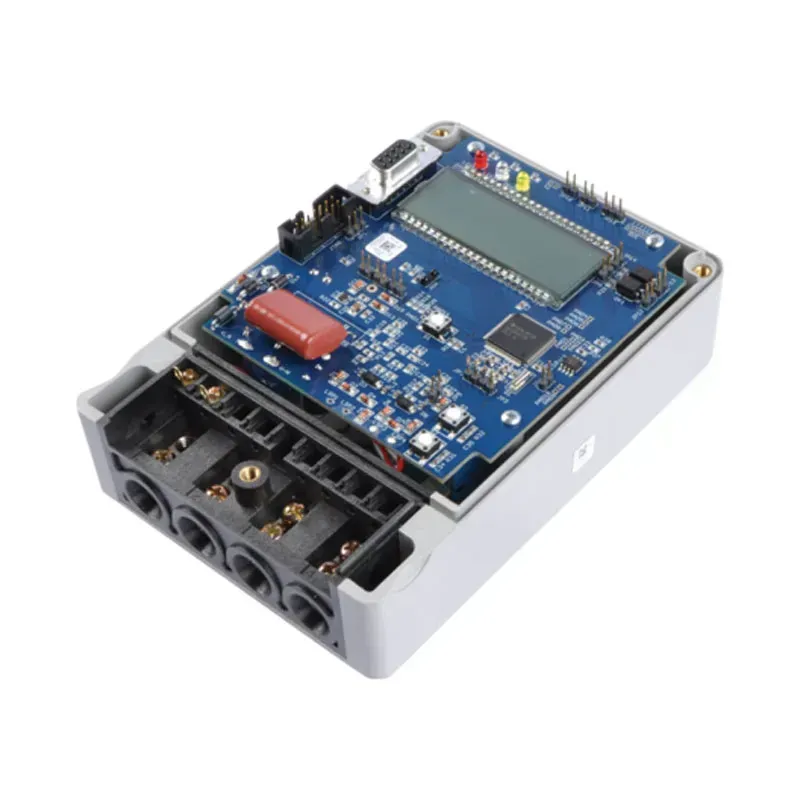
Smart Meter PCB Board
A smart remote meter reading system is more than just a meter; it's a sophisticated ecosystem of hardware and software working in concert. Understanding these key components is crucial for effective deployment and management. These components facilitate real-time data acquisition, communication, and management, enabling efficient and accurate utility monitoring.
Smart Meters The foundation of the system, smart meters measure consumption data (electricity, water, gas) with greater precision than traditional meters. They record data at frequent intervals and transmit it remotely.
Communication Modules These modules enable data transmission from the smart meter to a central system. They support various communication protocols such as LoRaWAN, NB-IoT, GPRS/LTE, and PLC, each with its own advantages in terms of range, bandwidth, and power consumption.
Data Concentrators In some system architectures, data concentrators collect data from multiple smart meters and then transmit it to the central management system. This reduces the load on the communication network and simplifies data management.
Central Management Software This software is the brain of the system, receiving, processing, and storing data from the smart meters. It provides tools for data analysis, billing, reporting, and system management.
Advanced PCB Solutions Printed circuit boards (PCBs) are the backbone of all these components. High-quality, reliable PCBs are essential for ensuring the accuracy, durability, and performance of smart meters, communication modules, and data concentrators. Zero One Solution Limited specializes in providing these critical PCB solutions.
What types of data do smart meters collect? Smart meters collect detailed consumption data, including total usage, time-of-use data, voltage, and power quality information, offering a comprehensive view of energy consumption patterns.
How do communication modules impact the range of a smart meter system? Communication modules determine how far data can be transmitted from the meter. Technologies like LoRaWAN and NB-IoT offer long-range capabilities suitable for wide-area deployments, while others like PLC are better for shorter distances.
Why are data concentrators used in some smart meter deployments? Data concentrators reduce the communication burden on individual meters and the central system. They aggregate data from multiple meters before transmission, optimizing network efficiency.
What security features are included in central management software? Central management software incorporates robust security measures like encryption, access controls, and audit trails to protect sensitive data and prevent unauthorized access.
How do PCB solutions affect the lifespan and reliability of smart meters? High-quality PCB solutions ensure that smart meters can withstand environmental stresses, temperature variations, and electrical surges, extending their lifespan and maintaining accuracy over time. Zero One Solution Limited focuses on providing PCBs that meet these stringent requirements.
Can smart meter data be integrated with other systems? Yes, smart meter data can be integrated with various systems, including billing platforms, energy management systems, and smart grid applications, enabling comprehensive energy management and automation.
Zero One Solution Limited's Role in Smart Metering Hardware
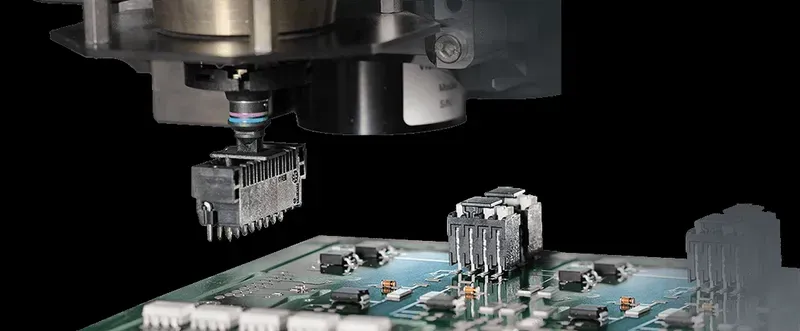
PCB Prototyping and SMT Assembly
Zero One Solution Limited stands at the forefront of enabling smart remote meter reading solutions through our comprehensive expertise in PCB design, rapid prototyping, manufacturing, and assembly. Our capabilities are pivotal in producing high-quality and reliable smart meter components, essential for advanced IoT metering solutions and automated meter infrastructure (AMI). We provide a one-stop service that accelerates the development and deployment of smart metering hardware.
Here’s how Zero One Solution Limited contributes to the smart metering ecosystem:
PCB Design Expertise Our team excels in designing PCBs tailored for smart meters, ensuring optimal performance, compact size, and efficient power consumption. We adhere to stringent industry standards, guaranteeing reliability and longevity of the components.
Rapid Prototyping We provide rapid prototyping services, allowing clients to quickly test and refine their smart meter designs. This fast turnaround time accelerates product development cycles, enabling faster time-to-market.
Manufacturing and Assembly Our state-of-the-art manufacturing facilities ensure high-volume production of smart meter components with consistent quality. We offer comprehensive assembly services, streamlining the production process from component sourcing to final product assembly.
One-Stop Service Advantage Zero One Solution Limited offers a complete one-stop service, encompassing PCB design, manufacturing, and assembly. This integrated approach simplifies the supply chain, reduces costs, and ensures seamless coordination throughout the production process.
Focus on Reliability We prioritize the reliability of smart meter components, as these devices are often deployed in harsh environments and must operate continuously for many years. Our rigorous testing and quality control processes ensure that our components meet the highest standards of durability and performance.
By partnering with Zero One Solution Limited, utilities and smart meter manufacturers gain access to cutting-edge PCB solutions that enhance the performance, reliability, and cost-effectiveness of their smart metering systems. Our commitment to quality and innovation makes us a trusted partner in the advancement of smart remote meter reading technology.
Communication Technologies Powering Remote Meter Reading
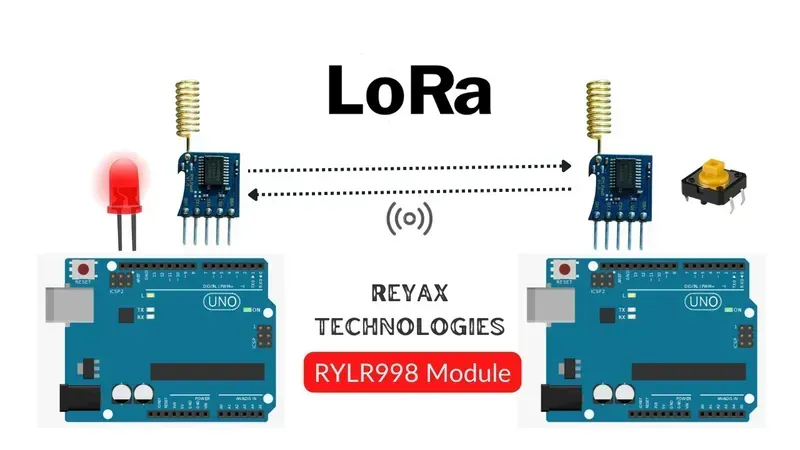
LoRaWAN Communication Module
Smart remote meter reading relies on robust communication technologies to transmit data efficiently and securely. Various protocols cater to different needs and environments, each with its own strengths and weaknesses. Understanding these options is crucial for selecting the optimal solution for a given deployment scenario, ensuring seamless integration with energy management systems (EMS).
LoRaWAN A Low Power Wide Area Network (LPWAN) protocol designed for long-range communication with minimal power consumption. Ideal for deployments in areas with limited infrastructure, LoRaWAN excels in battery-powered devices, offering years of operation on a single charge. However, its lower bandwidth may limit real-time data transmission capabilities.
NB-IoT Narrowband IoT (NB-IoT) is another LPWAN technology that operates within existing cellular networks. It provides reliable connectivity in challenging environments, such as underground or indoor locations. NB-IoT offers better bandwidth than LoRaWAN but typically consumes more power, impacting battery life. It's well-suited for applications requiring moderate data transmission and ubiquitous coverage.
GPRS/LTE General Packet Radio Service (GPRS) and Long-Term Evolution (LTE) are cellular technologies providing higher bandwidth and lower latency compared to LPWANs. Suitable for applications requiring real-time data and high data throughput, such as video surveillance or advanced analytics. However, GPRS/LTE consumes significantly more power and requires a reliable cellular network infrastructure.
PLC Power Line Communication (PLC) utilizes existing electrical wiring to transmit data. This eliminates the need for additional communication infrastructure, making it cost-effective for dense urban environments. PLC can be susceptible to noise and interference, impacting data transmission reliability. It is often used for in-building communication and smart grid applications where deploying new infrastructure is challenging.
Technology
Range
Bandwidth
Power Consumption
Use Cases
Advantages
Disadvantages
LoRaWAN
Long (Several Kilometers)
Low
Very Low
Rural areas, battery-powered meters
Long battery life, low cost
Low bandwidth, limited real-time data
NB-IoT
Medium (Cellular Coverage)
Medium
Low
Urban areas, challenging environments
Good coverage, reliable
Higher power consumption than LoRaWAN
GPRS/LTE
Medium (Cellular Coverage)
High
High
Real-time data, video surveillance
High bandwidth, low latency
High power consumption, requires cellular infrastructure
PLC
Short (Within Buildings/Grids)
Medium
Medium
Dense urban areas, smart grids
Utilizes existing infrastructure, cost-effective
Susceptible to noise and interference
How do these communication technologies integrate with Energy Management Systems (EMS)? Data transmitted via these communication protocols is aggregated and analyzed within an EMS. This integration enables utilities to monitor energy consumption patterns, optimize grid performance, and implement demand response programs. The EMS provides a centralized platform for managing and controlling the entire smart metering infrastructure, improving efficiency and reliability.
What factors should be considered when choosing a communication technology for smart meter reading? Factors to consider include coverage area, data transmission requirements, power consumption constraints, cost of deployment, and security considerations. A thorough assessment of these factors is crucial for selecting the most appropriate technology for a specific smart metering project.
Are there any emerging communication technologies for smart meter reading? Yes, technologies like 5G and satellite communication are being explored for smart meter reading applications. These technologies offer the potential for even higher bandwidth, lower latency, and broader coverage, enabling advanced smart grid functionalities.
What are the security considerations for each communication technology? Each technology has its own security vulnerabilities. LoRaWAN uses AES encryption, while cellular technologies rely on network security protocols. PLC requires measures to prevent unauthorized access to the power line network. Implementing robust security measures, such as encryption, authentication, and access control, is essential for protecting sensitive data.
How does Zero One Solution Limited ensure compatibility with different communication technologies? Zero One Solution Limited offers PCB design and manufacturing services that support a wide range of communication protocols. Our expertise in RF design and antenna integration ensures optimal performance and compatibility with various smart metering systems. We work closely with our clients to select the most suitable communication technology for their specific needs.
Can multiple communication technologies be used in a single smart metering deployment? Yes, a hybrid approach combining multiple communication technologies can be beneficial in certain scenarios. For example, LoRaWAN can be used for long-range communication with remote meters, while PLC can be used for in-building communication. This approach allows utilities to leverage the strengths of each technology to optimize performance and coverage.
Benefits of Implementing a Smart Remote Meter Reading Solution
Implementing a smart remote meter reading solution offers a multitude of benefits for utilities and consumers alike. These advantages range from significant cost reductions and improved accuracy in billing to enhanced data analytics capabilities that drive better resource management and customer engagement. The return on investment (ROI) for advanced meter reading systems is compelling, making it a strategic imperative for modern utilities.
Reduced Operational Costs Smart remote meter reading eliminates the need for manual meter readings, significantly reducing labor costs, transportation expenses, and potential human errors. Automated systems enable efficient data collection and processing, freeing up personnel for more strategic tasks.
Improved Billing Accuracy Automated meter reading ensures precise and timely billing based on actual consumption data, minimizing disputes and improving customer satisfaction. Real-time data access allows for prompt identification and resolution of billing discrepancies.
Enhanced Data Analytics for Demand Forecasting Smart meter data provides valuable insights into consumption patterns, enabling utilities to forecast demand more accurately. This improved forecasting optimizes resource allocation, reduces waste, and enhances grid stability.
Fraud Detection Smart remote meter reading systems can detect anomalies and irregularities in consumption patterns, helping utilities identify and prevent energy theft. This enhances revenue protection and ensures fair billing for all customers.
Better Customer Engagement Smart meter data empowers customers with detailed information about their energy usage, enabling them to make informed decisions about conservation and cost management. Utilities can offer personalized energy-saving tips and incentives, fostering greater customer engagement and loyalty.
Streamlined Outage Management Advanced Metering Infrastructure (AMI) facilitates quick detection and pinpointing of outages, leading to faster restoration times. This increases grid reliability and minimizes inconvenience for consumers.
Support for Dynamic Pricing and Demand Response Programs Smart meters enable utilities to implement dynamic pricing strategies that reflect real-time energy costs. This incentivizes customers to shift consumption to off-peak hours, reducing strain on the grid and lowering overall energy costs. Demand response programs can further optimize energy usage by rewarding customers for reducing consumption during peak demand periods.
Security and Data Integrity in Smart Metering
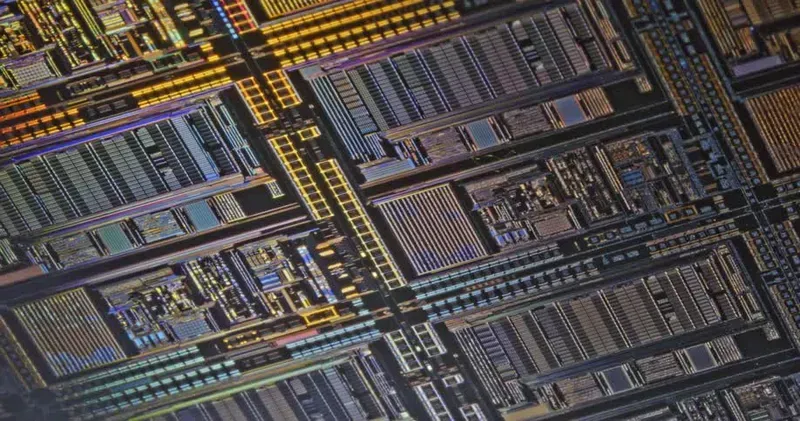
Encrypted Chip Close-Up
In smart remote meter reading systems, security and data integrity are paramount. Protecting sensitive consumption data and ensuring the integrity of the smart grid are critical concerns that must be addressed through robust encryption protocols, secure data transmission methods, and strict adherence to industry standards. These measures are essential to maintaining user trust, preventing fraud, and ensuring the reliable operation of the smart grid.
Why is data encryption so crucial in smart metering? Data encryption transforms readable data into an unreadable format, protecting it from unauthorized access during transmission and storage. This is vital for safeguarding sensitive customer information, such as consumption patterns and billing details, preventing potential misuse or theft.
What encryption protocols are commonly used in smart metering systems? Advanced Encryption Standard (AES) and Transport Layer Security (TLS) are widely adopted. AES ensures data confidentiality through symmetric-key encryption, while TLS secures communication channels, preventing eavesdropping and tampering during data transfer between meters and central systems.
How does secure data transmission ensure data integrity? Secure data transmission employs protocols that authenticate communication endpoints and verify data integrity. This involves using digital signatures and hash functions to detect any alterations or corruption of data during transit, ensuring that the data received is exactly as it was sent.
What industry standards are relevant to smart metering security? Standards such as NISTIR 7628, developed by the National Institute of Standards and Technology (NIST), provide guidelines for smart grid cybersecurity. Additionally, IEC 62056 (DLMS/COSEM) defines communication protocols for smart meters, including security mechanisms. Compliance with these standards helps ensure interoperability and robust security practices.
What are the key considerations for data privacy in smart metering? Data privacy involves implementing measures to protect personally identifiable information (PII) and ensuring compliance with privacy regulations such as GDPR and CCPA. This includes anonymizing data, obtaining user consent for data collection, and providing transparency about data usage practices.
How can utilities detect and prevent fraud in smart metering systems? Fraud detection involves analyzing meter data for anomalies and suspicious patterns, such as sudden drops in consumption or tampering attempts. Advanced analytics and machine learning algorithms can be used to identify and flag potentially fraudulent activities, enabling utilities to take corrective actions promptly.
What role does Over-the-Air (OTA) updates play in smart meter security? OTA updates enable utilities to remotely patch security vulnerabilities and deploy firmware updates to smart meters. This ensures that meters are protected against the latest cyber threats and that security measures are continuously updated without requiring physical access to each device.
The Smart Remote Meter Reading Solution from Zero One Solution Limited represents a significant leap forward in utility management. By leveraging our robust PCB manufacturing and assembly capabilities, we deliver a solution that is not only technologically advanced but also reliable, scalable, and cost-effective. We are committed to empowering utilities with the tools they need to thrive in a data-centric world, ensuring efficient resource allocation and superior customer service. If you're ready to modernize your utility infrastructure and unlock unparalleled operational efficiencies, contact Zero One Solution Limited today to explore how our Smart Remote Meter Reading Solution can transform your operations.