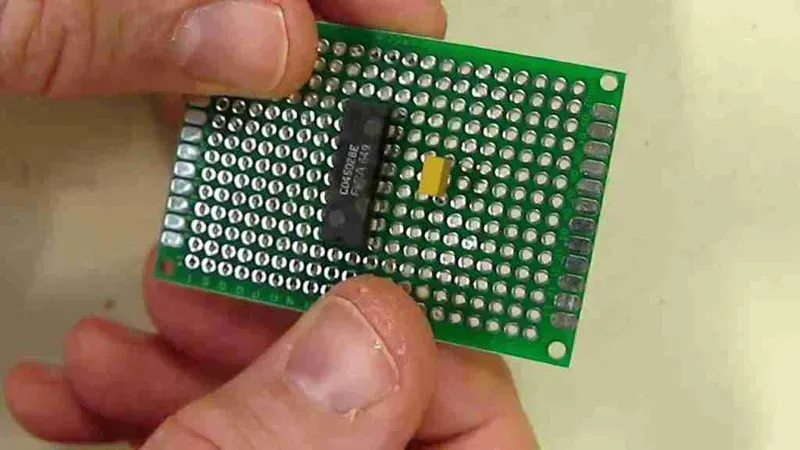
In today's fast-evolving retail landscape, innovation is key to staying competitive. Traditional vending machines, while convenient, often lack the intelligence and flexibility required for modern consumer demands. Imagine a vending solution that not only dispenses products but also accurately weighs them, enabling precise inventory management, dynamic pricing, and a truly shared economy model. At Zero One Solution Limited, we've leveraged our deep expertise in PCB design, manufacturing, and assembly to develop a groundbreaking Shared Smart Weighing Vending Machine Solution. This article will delve into how this cutting-edge technology is poised to transform various industries, offering unprecedented efficiency and profitability. Are you ready to revolutionize your automated retail operations?
The Evolution of Vending: From Basic Dispensers to Smart Weighing Solutions
The trajectory of vending technology has moved far beyond simple coin-operated dispensers, evolving into sophisticated, sensor-driven systems. This significant shift is epitomized by the emergence of the shared smart weighing vending machine solution. At the heart of this transformation lies advanced printed circuit board (PCB) integration. Zero One Solution Limited, with its expertise in rapid prototyping and complex PCB assemblies, plays a pivotal role in enabling this evolution by providing the critical electronic infrastructure for these intelligent machines. This evolution signifies a move towards greater efficiency, enhanced user experience, and entirely new business models previously unimaginable with traditional vending.
Traditional vending machines operated on basic mechanical or electromechanical principles. Selection was often binary, and dispensing relied on physical mechanisms triggered by coin insertion. While groundbreaking in their time, these machines were limited in functionality, lacked real-time data capabilities, and were prone to inventory inaccuracies and operational inefficiencies. Replenishment was reactive rather than proactive, leading to stockouts or overstocking. The customer experience was transactional and offered little in the way of interaction or personalized service.
The advent of smart weighing technology, facilitated by highly integrated PCBs, represents a fundamental paradigm shift. Instead of relying on simplistic item counting or volume measurement, these machines utilize precise load cells and complex sensor arrays to determine the exact weight of items taken. This precision unlocks a wealth of new possibilities. For example, it enables flexible purchasing of varying quantities of loose items (like bulk snacks or components), supports dynamic pricing based on weight, and provides granular, real-time inventory data. This level of data accuracy is crucial for the 'shared' aspect of these machines, allowing for multiple users to access and pay only for what they take, facilitating models like micro-fulfillment centers or shared inventory points. The complexity of managing these sensors, processing data, and communicating with cloud platforms necessitates advanced PCB design and manufacturing, a core competency of Zero One Solution Limited.
Beyond weighing, the 'smart' element is driven by enhanced processing power and connectivity embedded within the machine's PCB architecture. Integrated microcontrollers, communication modules (such as cellular or Wi-Fi), and secure payment gateways are all vital components assembled and interconnected on sophisticated PCBs. These elements enable features like remote monitoring, predictive maintenance, personalized user interfaces, and seamless integration with mobile payment systems. This connectivity transforms vending from a static transaction point into a dynamic, data-rich node within a larger network, allowing for optimized operations, improved supply chain management, and a significantly more engaging customer experience.
The evolution to shared smart weighing vending solutions is a testament to the power of integrating advanced sensor technology, IoT connectivity, and robust electronic design. It is a transition from dispensing products to providing intelligent, flexible, and data-driven access to goods and services. Zero One Solution Limited's expertise in designing and manufacturing the intricate PCBs that underpin these systems is fundamental to driving this next wave of vending innovation, enabling businesses to capitalize on the opportunities presented by this transformative technology.
Core Components of a Shared Smart Weighing Vending Machine
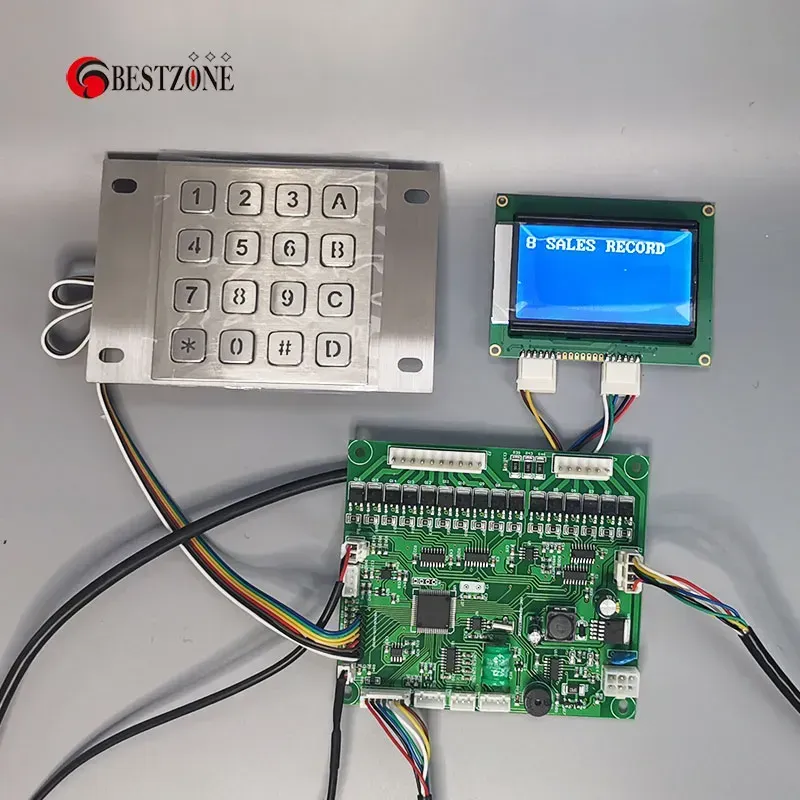
Smart Weighing Vending Machine PCB
At the heart of a shared smart weighing vending machine solution lies a sophisticated integration of hardware and software, meticulously designed to enable autonomous operation, precise weighing, and seamless connectivity. Understanding these core components is crucial to appreciating the technological advancements that differentiate these machines from traditional vending units. From the high-accuracy weighing system to the intelligent control unit and robust communication modules, each part plays a vital role, with custom-designed Printed Circuit Boards (PCBs) from a specialist like Zero One Solution Limited serving as the central nervous system, interconnecting and powering these diverse elements.
Precision Weighing System This system is fundamental, employing highly sensitive load cells and advanced calibration techniques to accurately measure the weight of dispensed items. The precision of this system is paramount for enabling 'pay-per-weight' models and ensuring accurate inventory management. Custom PCBs are essential here to process the analog signals from load cells and convert them into digital data with minimal noise and maximum accuracy.
IoT Connectivity Module The IoT module facilitates real-time communication between the vending machine and a central cloud platform. This allows for remote monitoring of inventory levels, sales data, machine status, and even remote troubleshooting. The PCB design for this module must accommodate various communication protocols (e.g., cellular, Wi-Fi) and ensure reliable data transmission in diverse operating environments.
Payment System Integration Modern smart vending machines support a variety of payment methods, including cashless options like mobile payments, credit/debit cards, and digital wallets. The PCB in the payment system must securely handle sensitive transaction data and integrate with various payment processing terminals and software APIs.
Central Control Unit (MCU) The MCU acts as the brain of the vending machine, processing data from all sensors, managing dispensing mechanisms, controlling the user interface, and coordinating communication with the cloud. A high-performance PCB is critical to support the processing power required for complex operations and real-time decision-making.
Sensor Array Beyond weighing, a suite of sensors monitors various aspects of the machine's operation, including door status, temperature, humidity, and power supply. These sensors provide critical data for operational efficiency, security, and predictive maintenance. The PCB design must integrate these sensors efficiently and reliably.
Precision Weighing Technology: Accuracy and Efficiency
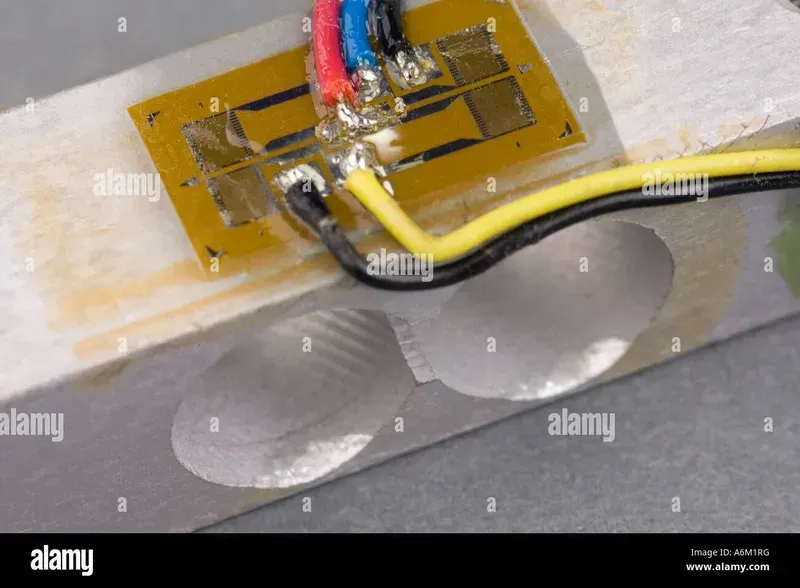
Load Cell in Weighing System
Precision weighing technology is the cornerstone of the shared smart weighing vending machine solution, differentiating it significantly from traditional vending. Unlike older systems that rely on product recognition through size or barcode scanning, smart weighing utilizes highly accurate load cells to determine the exact weight of items taken. This granular data enables real-time inventory management, reduces errors associated with misidentified products, and opens up entirely new business models based on weight-based pricing or pay-per-use scenarios. The accuracy and efficiency of this technology are directly tied to the quality and integration of the underlying Printed Circuit Boards (PCBs), which process the sensitive load cell data and communicate it to the control system and network.
Load Cells Load cells are transducers that convert force (weight) into an electrical signal. Strain gauge load cells are commonly used in smart weighing vending machines due to their accuracy and robustness. Multiple load cells are typically integrated into the shelving or dispensing mechanism to provide a distributed and precise measurement of the item's weight as it is removed.
Calibration Regular and precise calibration is critical to ensure the accuracy of the weighing system. This involves using known weights to adjust the load cell readings and ensure they correspond correctly to the actual weight. Sophisticated smart weighing systems often include self-calibration routines or remote calibration capabilities enabled by their IoT connectivity.
Data Accuracy Achieving high data accuracy is paramount for successful smart weighing applications. Factors influencing accuracy include the quality of the load cells, proper installation and calibration, environmental conditions (temperature fluctuations), and the signal processing capabilities of the associated electronics. Reliable PCB design and assembly are essential for minimizing signal noise and ensuring consistent, accurate data.
The implementation of highly accurate weighing technology directly impacts operational efficiency and profitability. By knowing the exact weight of each item dispensed, businesses can optimize inventory levels, preventing stockouts and reducing waste from expired or unsold goods. Furthermore, this precision enables innovative pricing strategies and improves the overall customer experience by ensuring accurate billing and dispensing.
IoT Connectivity and Data Analytics for Smart Operations
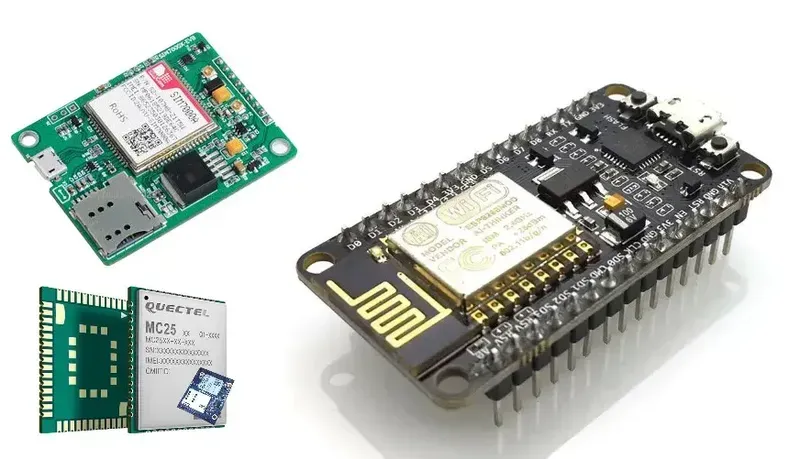
IoT Module on PCB
The true intelligence of a shared smart weighing vending machine lies in its ability to connect, collect, and analyze data in real time. This is enabled by robust IoT (Internet of Things) connectivity modules, often seamlessly integrated onto high-quality PCBs. These modules facilitate the flow of critical information, transforming a simple dispenser into a sophisticated data-generating node within a larger network. This data stream is essential for optimizing operations, understanding consumer behavior, and maximizing profitability in a shared smart vending ecosystem.
Zero One Solution Limited plays a crucial role in providing the foundational PCB technology that supports these vital IoT components. Our expertise ensures reliable data transmission from the vending machine to cloud-based platforms, enabling advanced data analytics. This analysis provides actionable insights into inventory levels, sales patterns, peak usage times, and even machine health. Such insights empower operators to make data-driven decisions, from optimizing restocking schedules to identifying potential maintenance needs before they impact service.
Cloud platforms are the central nervous system of a shared smart weighing vending machine network. They aggregate data from multiple machines, providing a centralized dashboard for remote monitoring and management. Operators can track inventory levels across their entire fleet, update pricing remotely, and even perform remote diagnostics. Predictive maintenance, a key benefit of data analytics, allows for scheduled repairs based on usage patterns and performance data, minimizing downtime and ensuring continuous service availability for customers. This holistic approach, driven by reliable IoT connectivity and powerful data analytics, is fundamental to the success and scalability of shared smart weighing vending machine solutions.
Real-Time Data Collection and Monitoring IoT modules capture data on transactions, inventory changes based on weighing, power consumption, and operational status, providing an up-to-the-minute view of each machine's performance.
Inventory Management Optimization Precise weighing data, combined with sales data, allows for highly accurate tracking of remaining stock, enabling automated reorder alerts and reducing instances of stockouts or overstocking.
Predictive Maintenance Analyzing data on machine usage patterns and sensor readings can predict potential component failures or maintenance needs, allowing for proactive servicing and minimizing unexpected downtime.
Customer Behavior Analysis Transaction data provides insights into popular products, purchasing times, and customer demographics, helping operators tailor product offerings and optimize machine placement.
Remote Management and Control Cloud platforms allow operators to remotely adjust product pricing, update software, manage user access, and even troubleshoot minor issues without needing on-site visits.
Applications and Business Models for Shared Smart Weighing Vending Machines
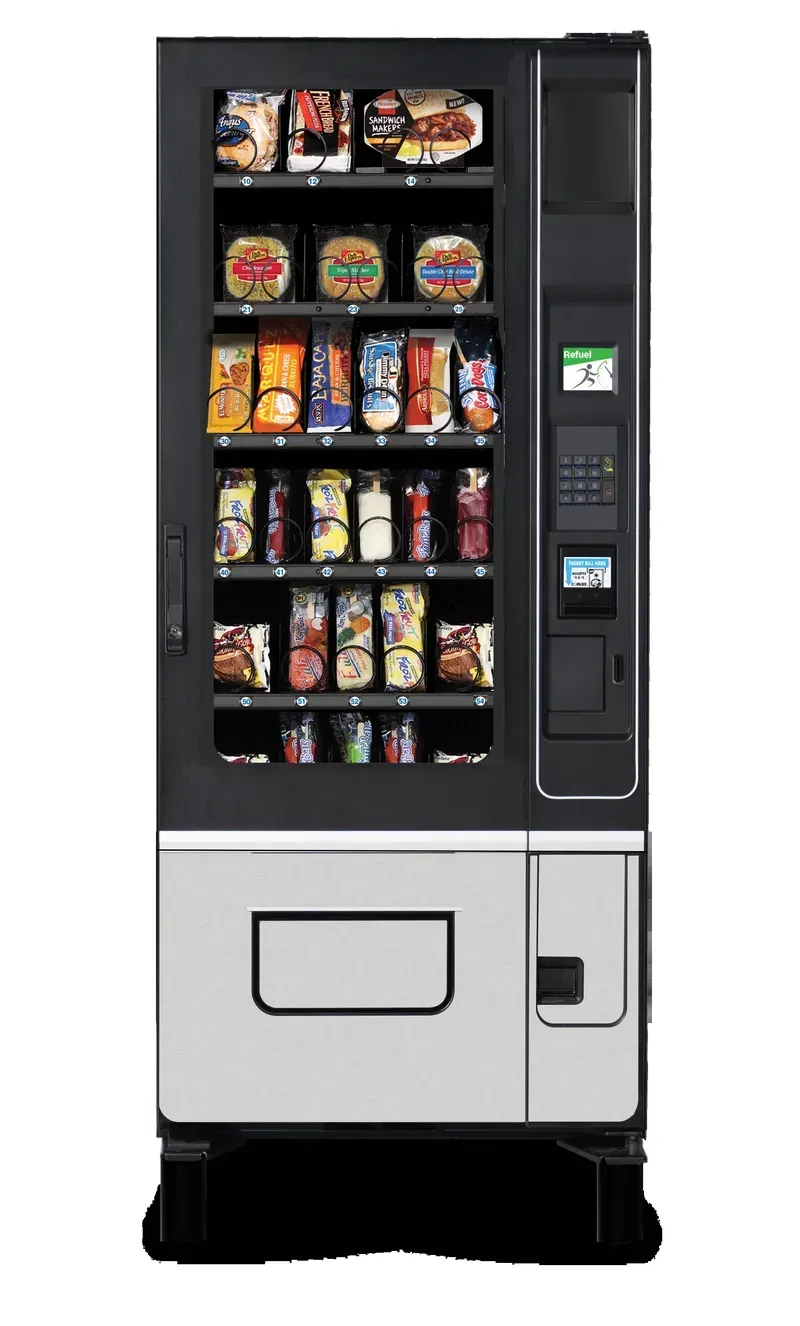
Food Vending Machine
Shared smart weighing vending machines are transforming traditional retail and logistics, enabling a range of innovative applications and flexible business models across diverse industries. Leveraging precise weighing and seamless connectivity, these solutions go beyond simple product dispensing to facilitate micro-fulfillment, inventory optimization, and novel consumption patterns. Their adaptability makes them ideal for scenarios requiring on-demand access, accurate dispensing, and efficient resource management, all powered by sophisticated PCB technology that integrates weighing, communication, and control systems.
Micro-Fulfillment Centers Positioning smart weighing vending machines in urban or high-traffic areas allows for localized inventory storage and rapid customer pick-up, functioning as mini-distribution hubs and significantly reducing last-mile delivery times and costs. This is particularly effective for e-commerce and click-and-collect models.
Pay-Per-Use Models The precise weighing capability enables 'pay-per-use' or 'pay-by-weight' business models. This is highly valuable for products where consumption varies or is measured by weight, such as bulk goods, ingredients, or even industrial materials, offering a more flexible and potentially cost-effective option for the consumer.
Industrial and MRO Supplies In industrial settings, smart weighing vending machines can dispense and track Maintenance, Repair, and Operations (MRO) supplies. This ensures inventory control, reduces waste, and provides real-time data on consumption patterns, optimizing procurement and reducing downtime.
Pharmaceutical and Healthcare Dispensing While subject to strict regulations, smart weighing technology can be applied to dispensing pharmaceuticals or medical supplies in controlled environments, ensuring accurate dosage and inventory management, particularly for high-value or sensitive items. Secure and reliable PCB design is paramount in these applications.
Subscription and Replenishment Services Machines can be integrated into subscription services, automatically dispensing products based on usage tracked by weight. This enables automated replenishment and provides valuable data on customer consumption habits, leading to more personalized offerings.
These varied applications demonstrate the transformative potential of shared smart weighing vending machine solutions, creating new revenue streams and operational efficiencies across a spectrum of industries. The underlying technology, particularly the robust and reliable PCB assemblies from providers like Zero One Solution Limited, is fundamental to the successful implementation of these innovative business models.
Zero One Solution Limited's Role in Powering Your Smart Vending Innovation
Zero One Solution PCB Prototype
Zero One Solution Limited stands at the forefront of enabling the next generation of vending technology. Our expertise in rapid prototyping, precision PCB design, manufacturing, and assembly is not just a service; it's the foundational element powering the robust, reliable, and cost-effective smart weighing vending machine solutions that define industry innovation. We understand that the intricate integration of sensors, IoT modules, and control systems demands a level of PCB sophistication that few can provide, and our one-stop service model, coupled with a global supply chain, ensures your smart vending vision becomes a tangible, high-performing reality.
Rapid Prototyping for Accelerated Development In the fast-paced world of smart vending, speed to market is critical. Our rapid prototyping services allow for quick iteration and validation of your smart weighing vending machine designs, ensuring that your concepts are transformed into functional prototypes swiftly and efficiently, significantly reducing development cycles.
Expert PCB Design Tailored for Precision Weighing The accuracy of smart weighing is paramount, and this begins with a meticulously designed PCB. Our engineers specialize in creating layouts that minimize signal noise, ensuring the high fidelity required for load cell readings and precise weighing data capture, a cornerstone of effective smart vending.
High-Quality Manufacturing and Assembly From small-batch R&D runs to full-scale production, our manufacturing capabilities deliver consistent quality. Our assembly services integrate complex components like sensors, microcontrollers, and communication modules with precision, ensuring the long-term reliability and performance of your smart vending machines in diverse operating environments.
One-Stop Service for Streamlined Production Eliminate the complexities of managing multiple vendors. Our integrated one-stop service covers everything from initial design consultation through to manufacturing and assembly, providing a seamless and efficient path from concept to deployment for your smart weighing vending solutions.
Global Supply Chain Resilience Leveraging our headquarters in Shenzhen and a branch in Dubai, we have cultivated a robust global supply chain. This allows us to source high-quality components efficiently, mitigate risks, and ensure timely delivery, crucial for maintaining the momentum of your smart vending machine rollouts.
Benefits of Implementing a Shared Smart Weighing Vending Solution
Implementing a shared smart weighing vending solution offers significant advantages for businesses across various sectors. These innovative systems, powered by precise weighing technology and robust IoT connectivity (often facilitated by advanced PCBs from providers like Zero One Solution Limited), unlock new levels of efficiency, profitability, and customer satisfaction.
Reduced Operational Costs Automating inventory tracking through precise weighing minimizes manual checks and reduces labor costs. Real-time data enables optimized restocking schedules, preventing stockouts and reducing rush delivery fees. Remote monitoring reduces the need for frequent on-site visits for routine maintenance or inventory checks.
Optimized Inventory Management Accurate weighing provides real-time, item-level inventory data. This enables businesses to maintain optimal stock levels, reducing carrying costs associated with excess inventory and minimizing losses from expired or obsolete products. Predictive analytics, driven by IoT data, can forecast demand and further refine inventory strategies.
Enhanced Customer Experience Shared smart weighing vending machines offer convenient, 24/7 access to products. The seamless pay-per-use model provides flexibility, and the ability to quickly and accurately dispense items improves customer satisfaction. For shared models, accessibility and availability are key advantages.
Creation of New Revenue Streams These solutions enable innovative business models beyond traditional vending, such as micro-fulfillment centers or providing on-demand access to specialized goods or tools. The data collected can also be leveraged for targeted promotions or partnerships.
Improved Scalability and Flexibility The modular nature and remote management capabilities of smart vending solutions make them highly scalable. Businesses can easily deploy machines in various locations without significant infrastructure investment. The flexibility to adapt product offerings based on real-time demand data further enhances their appeal.
Reduced Product Waste Precise weighing ensures that the correct amount of product is dispensed, reducing waste associated with over-dispensing. This is particularly crucial for products sold by weight. Better inventory management also helps reduce spoilage for perishable goods.
Valuable Data Insights The rich data generated by smart weighing vending machines provides valuable insights into customer purchasing behavior, peak demand times, and product performance. This data can inform strategic business decisions, from product development to marketing campaigns.
Frequently Asked Questions About Smart Weighing Vending Machines
As businesses explore the opportunities presented by shared smart weighing vending machine solutions, several common questions arise regarding their technology, implementation, security, and overall benefits. Understanding these aspects is crucial for successful deployment and maximizing the value of these innovative systems.
What are the key technological differences between traditional vending machines and smart weighing vending machines? Traditional vending machines rely on mechanical or simple electronic mechanisms for dispensing items. Smart weighing vending machines, in contrast, integrate advanced technologies such as high-precision load cells for accurate weight-based inventory tracking, IoT modules for real-time data transmission and remote management, sophisticated software for data analytics and inventory optimization, and often support multiple payment methods including contactless options. This technological leap, heavily reliant on advanced PCB design and integration, transforms vending from a simple dispenser to an intelligent, connected retail point.
How does the weighing technology ensure accurate inventory tracking and reduce shrinkage? Precision load cells embedded within the machine constantly monitor the weight of the items on the shelves. When a customer takes an item, the system detects the change in weight and subtracts it from the inventory count. Calibration procedures ensure accuracy. This method is highly effective in preventing shrinkage compared to traditional methods that rely on simple dispensing counts, as it accounts for items removed regardless of dispense mechanism or potential jams. The reliability of this system is directly linked to the quality of the underlying PCB technology.
What are the primary benefits of using a shared smart weighing vending machine solution for businesses? The benefits are multi-faceted. Businesses can achieve significant cost reductions through optimized inventory management and reduced labor for restocking and monitoring. Enhanced customer experience is provided through frictionless access and flexible payment options. New revenue streams are possible through innovative business models like pay-per-use or subscription services. Furthermore, real-time data analytics provide valuable insights into sales patterns and consumer behavior, allowing for better decision-making and scalability. These advantages are fundamentally enabled by the sophisticated electronic systems within the machines.
How is data from these smart vending machines secured and managed? Data security is paramount. Smart weighing vending machines typically utilize encrypted communication protocols for transmitting data to cloud platforms. Cloud-based systems employ robust security measures, including access controls, firewalls, and regular security audits, to protect sensitive inventory, sales, and customer data. Compliance with data privacy regulations (like GDPR or CCPA) is also a key consideration. The security of the system starts at the hardware level, with secure design practices for the embedded PCBs.
What types of products are suitable for shared smart weighing vending machines? The versatility of weight-based dispensing makes these machines suitable for a wide array of products, particularly those that can be easily measured by weight or are individually distinguishable units on a shelf. This includes packaged food and beverages, personal care items, office supplies, industrial components, pharmaceuticals, and even fresh produce or bulk goods in some configurations. The adaptability is limited primarily by the physical dimensions and weight capacity of the machine and the specific design of the dispensing area.
What are the typical implementation challenges and how can they be addressed? Implementation challenges can include integrating the machines with existing IT systems, ensuring reliable network connectivity, selecting appropriate locations, and providing adequate technical support. These can be addressed through careful planning, working with experienced solution providers (especially those skilled in PCB-level integration and system architecture), conducting thorough site surveys, and establishing clear maintenance protocols. A robust and well-designed PCB foundation is crucial for minimizing potential hardware-related implementation issues.
The Shared Smart Weighing Vending Machine Solution represents a significant leap forward in automated retail, offering unparalleled precision, flexibility, and operational efficiency. By leveraging Zero One Solution Limited's robust PCB solutions, this technology empowers businesses to optimize inventory, reduce waste, and tap into new revenue streams through a truly smart and shared model. As the demand for intelligent, data-driven retail solutions continues to grow, our commitment to providing cutting-edge PCB design, rapid prototyping, and one-stop manufacturing and assembly services ensures that your innovative ventures are built on a foundation of quality and reliability. Partner with Zero One Solution Limited to transform your vision into reality and lead the future of smart vending. Contact us today to explore how our expertise can accelerate your product development and market entry.