In an increasingly interconnected world, the demand for convenient, reliable, and intelligent self-service solutions has never been higher. Vending machines, once simple coin-operated dispensers, are evolving into sophisticated hubs of commerce, driven by advanced electronics and IoT integration. This evolution is particularly evident in the shared spring-type self-service vending machine sector, where efficiency, durability, and smart functionalities are paramount. At Zero One Solution Limited, we understand the intricate demands of this rapidly expanding market. As a leading PCB solution provider, we specialize in delivering the foundational electronic systems that power these next-generation vending machines, ensuring seamless operation and enhanced user experiences.
The Evolution of Self-Service Vending
The landscape of self-service vending has undergone a dramatic transformation, evolving from simple mechanical dispensers of snacks and drinks into sophisticated, networked hubs offering a wide array of products and services. This evolution is intrinsically linked to advancements in electronics, particularly in the realm of control systems, connectivity, and payment processing. Early vending machines were purely electromechanical, limited in functionality and requiring physical interaction. Modern vending solutions, however, are intelligent systems, capable of real-time inventory management, remote diagnostics, and personalized user experiences. This shift has paved the way for innovative models, including the increasing popularity of shared self-service vending machines, which leverage technology to optimize resource utilization and accessibility across various locations.
This technological leap has been fueled by integrating advanced electronics, from powerful microcontrollers to sophisticated sensor arrays and communication modules. These components enable features like touch screen interfaces, cashless payment options, remote monitoring, and predictive maintenance. The move towards shared vending models further amplifies the need for robust and reliable electronic design, as these machines are often deployed in high-traffic, diverse environments and require seamless network connectivity for management and user access.
Vending Machine Era
Key Technology Drivers
Operational Model
Typical Functionality
Early (Pre-1980s)
Electromechanical
Single-purpose
Simple dispensing
Modern (1980s-2010s)
Basic Electronics, Microcontrollers
Individual ownership
Basic payment, Inventory tracking
Smart/Connected (2010s-Present)
Advanced Electronics, IoT, AI
Individual & Shared
Cashless payment, Remote management, Data analytics, Personalized offerings
Understanding Shared Spring-Type Vending Machines
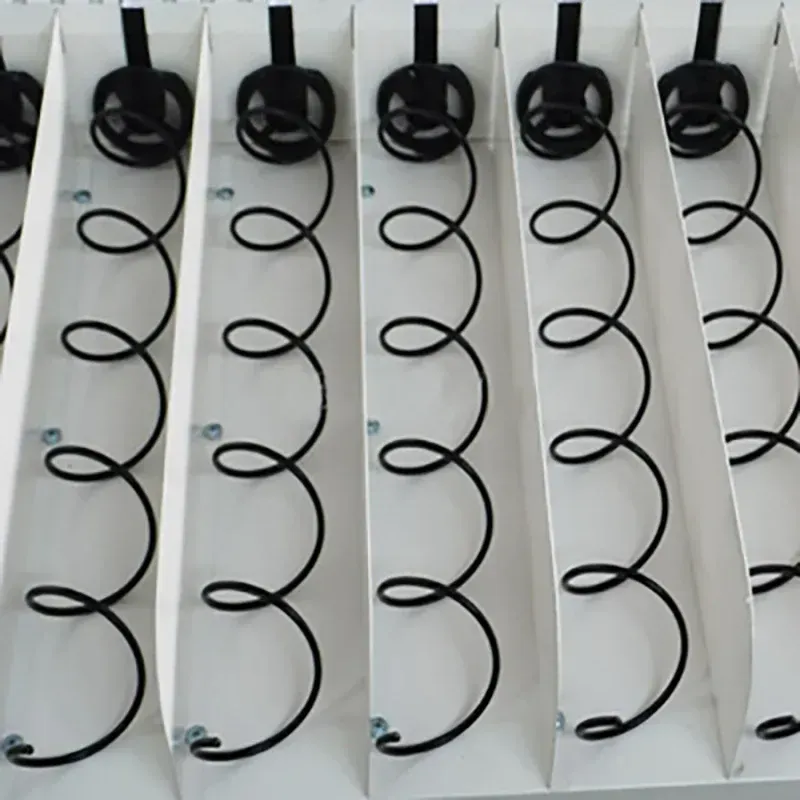
Spring Vending Machine Mechanism
Shared spring-type self-service vending machines represent a significant evolution in automated retail, leveraging a versatile mechanical design within the burgeoning shared economy model. Unlike traditional gravity-fed or spiral-based systems, spring mechanisms utilize a tensioned spring to push products forward, offering exceptional flexibility in dispensing a wide array of items, from irregularly shaped goods to fragile electronics. This adaptability makes them particularly well-suited for shared environments where product offerings can be dynamic and diverse. Understanding the mechanics and operational nuances of these machines is crucial for optimizing their performance, particularly concerning the demands placed on their underlying electronic systems in a shared-use scenario.
At the core of a spring-type vending machine lies the dispensing mechanism. Each product sits on a coiled spring, and when a purchase is made, a motor rotates the spring a specific number of turns, propelling the item forward until it drops into the collection bin. This simple yet effective method allows for the vending of products of varying sizes and weights within the same column, maximizing inventory utilization. In a shared model, this means operators can easily reconfigure product layouts to meet changing demand or introduce new items without significant mechanical overhaul.
The operational advantages of spring-type mechanisms extend beyond product flexibility. Their relatively simple mechanical design can translate to lower manufacturing costs and easier maintenance compared to more complex robotic or conveyor systems. However, the reliability of dispensing relies heavily on the calibration and consistent performance of the spring tension and the precision of the motor control. This places a premium on the quality and programming of the machine's electronic control board. In a shared model, where machines experience higher usage frequency and potentially less gentle handling, the durability and robustness of both the mechanical and electronic components are paramount. Ensuring accurate product detection and dispensing, even with varied product types and frequent loading/unloading, requires sophisticated sensor integration and reliable data processing, highlighting the distinct electronic requirements compared to simpler vending types.
Key Electronic Components in Modern Vending Machines
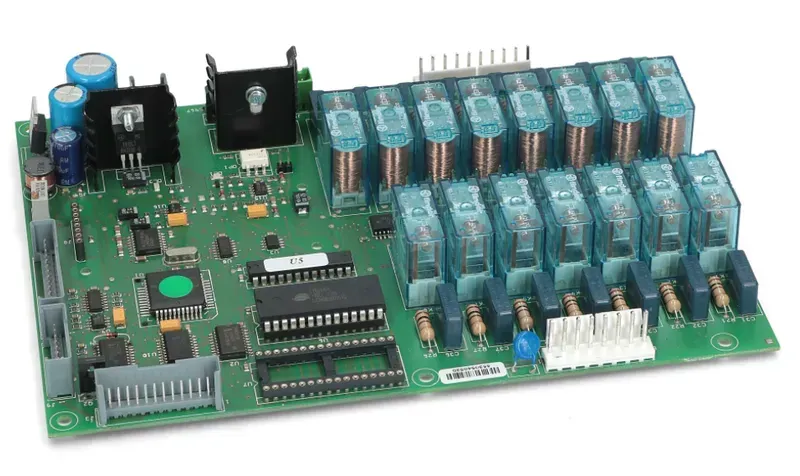
Vending Machine Control Board
At the core of every sophisticated self-service vending machine lies a complex ecosystem of electronic components. These elements are the brains, nerves, and senses that enable functions ranging from processing transactions and monitoring inventory to providing remote diagnostics and enhancing user interaction. The reliability and performance of these machines, especially in demanding shared or high-throughput environments, are fundamentally dependent on the robust design and manufacturing of their underlying Printed Circuit Boards (PCBs).
Control Board (Main Board) Acting as the central processing unit, the control board manages all machine operations. This includes coordinating the vending mechanism (like spring rotation), interacting with payment systems, controlling displays, managing communication modules, and running diagnostic checks. A high-performance, durable PCB is essential to ensure reliable operation under continuous load and varying environmental conditions.
Payment Systems Module Modern vending machines support diverse payment methods, including cash, cards, and mobile payments. The payment module integrates card readers, NFC sensors, and often a secure element. The PCB design for this module must meet stringent security standards (e.g., PCI compliance) and ensure reliable connectivity and processing speed for seamless transactions.
Telemetry and Communication Module Enabling remote management, monitoring, and diagnostics, this module typically incorporates cellular (LTE/5G), Wi-Fi, or Ethernet connectivity. It allows operators to track sales, inventory levels, machine status, and push software updates. The PCB needs robust signal integrity and power management to maintain consistent connectivity in potentially challenging locations.
Sensor Arrays A variety of sensors are crucial for machine functionality and security. Product delivery sensors confirm successful drops, temperature sensors monitor perishable goods, door sensors detect unauthorized access, and presence sensors enhance user safety. The PCB design must efficiently integrate inputs from multiple sensor types while ensuring accuracy and reliability.
User Interface (UI) Components This includes touchscreens, button interfaces, LED indicators, and often audio components. The PCB for the UI must be reliable for frequent interaction, resistant to wear and tear, and designed for clear communication between the user and the machine.
The intricate interplay of these components underscores the critical role of expert PCB design and manufacturing. Each module requires a PCB tailored for specific functions – high-speed data processing, secure communication, robust power delivery, and reliable signal acquisition from sensors – all while fitting within compact machine form factors and withstanding operational stresses. Ensuring the long-term viability and performance of shared self-service vending solutions hinges directly on the quality and resilience of these electronic foundations.
Challenges in Shared Vending Machine PCB Design
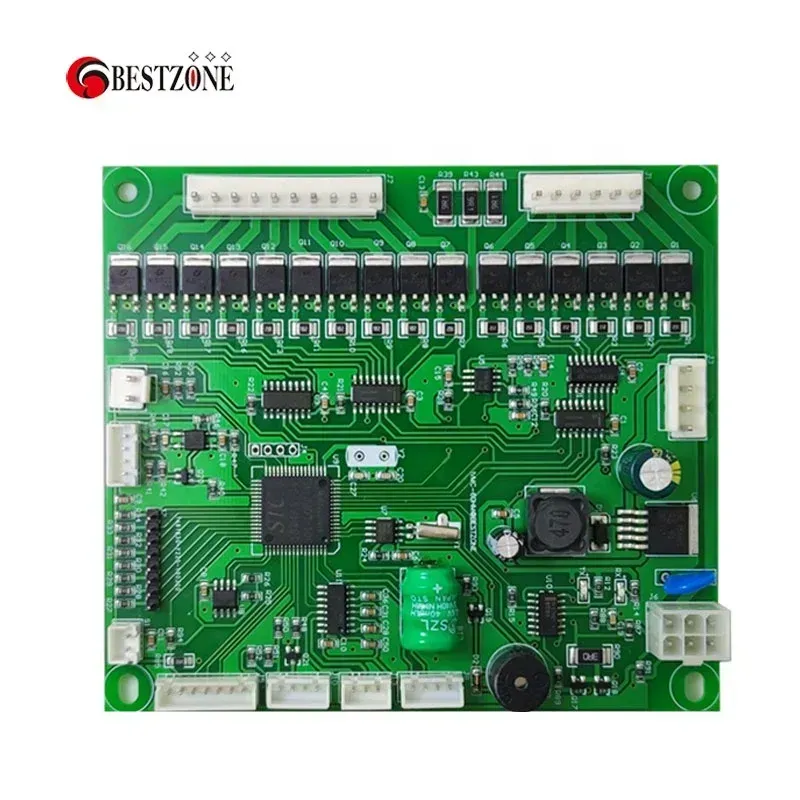
Vending Machine PCB
Designing Printed Circuit Boards (PCBs) for shared spring-type self-service vending machines presents unique challenges that go beyond standard electronic design. These machines operate in diverse, often uncontrolled, environments and are subjected to constant use and potential vandalism. Ensuring the reliability, durability, and security of the embedded electronics is paramount for the success of any shared vending solution. From power fluctuations to maintaining seamless connectivity in remote locations, the PCB must be engineered to withstand these pressures while facilitating complex operations like payment processing and inventory management.
Durability Under High Usage Shared vending machines experience significantly higher transaction volumes and physical interactions compared to traditional models. PCBs must be built with robust materials and components capable of enduring constant electrical loads and mechanical stress. This includes considering temperature variations, humidity, and potential vibrations from product dispensing.
Maintaining Connectivity in Varied Environments Reliable communication is vital for shared vending machines for real-time monitoring, inventory updates, and remote diagnostics. Designing PCBs with integrated and robust wireless (Wi-Fi, cellular) or wired connectivity solutions that perform consistently in locations with varying signal strengths or network infrastructures is a significant challenge.
Efficient Power Management Shared vending machines require efficient power consumption, especially if they are located in areas with limited power access or rely on battery backup. PCB design must optimize power distribution and incorporate energy-saving features without compromising performance. Handling power surges and brownouts is also critical for operational stability.
Enhanced Security Features Protecting transactional data and preventing tampering are critical for shared vending machines. PCBs need to incorporate hardware-level security features, such as secure boot mechanisms, encrypted data storage, and tamper-detection circuits, to safeguard against cyber threats and physical intrusion.
Compatibility with Diverse Peripherals Shared vending machines often integrate a variety of peripherals, including different payment systems (NFC, card readers), sensors, displays, and dispensing mechanisms. The PCB must be designed with flexible interfaces and drivers to ensure seamless compatibility and integration with these diverse components from various vendors.
Environmental Resilience Operating in both indoor and outdoor settings exposes PCBs to environmental factors like dust, moisture, and extreme temperatures. Conformal coatings, appropriate component selection, and thermal management strategies are essential in the PCB design to ensure long-term reliability and prevent component failure due to environmental stress.
Zero One Solution Limited's Approach to Vending Machine PCBs
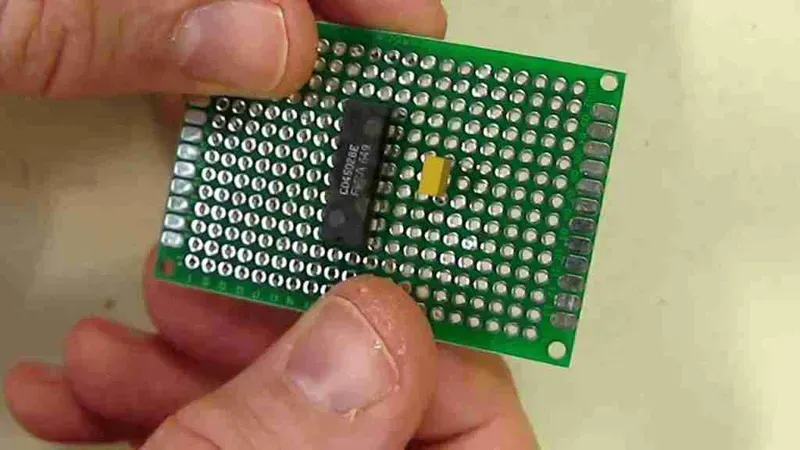
PCB Prototype Sample
Zero One Solution Limited recognizes that the reliability and performance of shared spring-type self-service vending machines are directly tied to the quality and robustness of their electronic control systems. Leveraging over a decade of experience and a deep understanding of the unique demands of vending machine environments, we offer specialized PCB solutions designed to address the specific needs of this sector. Our approach focuses on providing comprehensive, high-quality services, from rapid prototyping to full-scale manufacturing and assembly, ensuring that our clients can bring innovative and dependable vending machine solutions to market efficiently.
Rapid Prototyping for Accelerated Development Time to market is critical in the competitive vending machine industry. Our rapid prototyping services allow for quick iteration and testing of PCB designs. By providing fast turnaround on prototypes, we enable clients to validate their electronic systems efficiently, reducing development cycles and accelerating the introduction of new vending machine models or feature enhancements.
High-Quality Manufacturing Processes The demanding operational environment of shared vending machines requires PCBs that can withstand frequent use, varying temperatures, and potential physical stress. We employ stringent quality control measures throughout our manufacturing process, from material selection to final inspection. This ensures that our PCBs meet the highest standards for durability, reliability, and long-term performance, minimizing downtime and maintenance costs.
Comprehensive Assembly Services Beyond manufacturing, Zero One Solution Limited provides comprehensive PCB assembly services. Our state-of-the-art assembly lines are equipped to handle complex board designs, including surface-mount technology (SMT) and through-hole components. This integrated approach ensures seamless production, reduces potential assembly errors, and delivers fully functional electronic systems ready for integration into vending machines.
Tailored Solutions for Spring-Type Mechanisms Spring-type vending machines present specific electronic control requirements, particularly regarding motor control, sensor integration for product detection, and inventory management. Our engineering team specializes in designing PCBs that are optimized for these mechanisms, ensuring precise dispensing, reliable sensing, and efficient operation across a wide range of product sizes and weights.
Advantages of Partnering with Zero One Solution Limited
Choosing the right PCB partner is paramount for success in the competitive shared spring-type self-service vending machine market. Zero One Solution Limited offers distinct advantages, leveraging our deep expertise and global operational network to empower your business. By partnering with us, you gain a strategic ally committed to accelerating your product development cycle, optimizing costs without compromising quality, and ensuring the unparalleled reliability essential for high-usage shared vending environments. Our integrated approach, from design support to manufacturing and assembly, provides a streamlined path from concept to market-ready solution, mitigating risks and enhancing operational efficiency.
Accelerated Product Development Our core strength in rapid prototyping significantly reduces the time required to validate your vending machine's electronic systems. We quickly turn your designs into functional prototypes, allowing for faster iteration and getting your innovative shared vending solutions to market ahead of the competition.
Cost-Efficiency Through Optimized Design Beyond manufacturing, our experienced engineers provide DFM (Design for Manufacturability) and DFA (Design for Assembly) insights during the design phase. This proactive approach optimizes your PCB layout and component selection for cost-effective production and assembly, ensuring maximum value for your investment in high-volume applications like shared vending machines.
Enhanced Reliability and Durability Given the demanding nature of shared vending operations, reliability is non-negotiable. Our state-of-the-art manufacturing processes adhere to stringent quality controls, utilizing high-grade materials and advanced assembly techniques. This commitment ensures the PCBs powering your spring-type mechanisms and smart features are robust, durable, and perform consistently under frequent use and varying environmental conditions.
Strategic Global Supply Chain Access With headquarters in Shenzhen, China's manufacturing heartland, and a branch office in Dubai, a key global logistics hub, Zero One Solution Limited provides unparalleled access to the global electronic component supply chain. This strategic positioning enables efficient material sourcing, optimized logistics, and competitive pricing, crucial for scaling shared vending operations globally.
Comprehensive One-Stop Solution We offer a complete suite of services, from PCB design assistance and rapid prototyping to high-quality manufacturing and full-scale assembly. This one-stop capability simplifies your supply chain, reduces coordination overhead, and ensures seamless quality control throughout the entire production process for your vending machine electronics.
Future Trends in Self-Service Vending and PCB Innovation
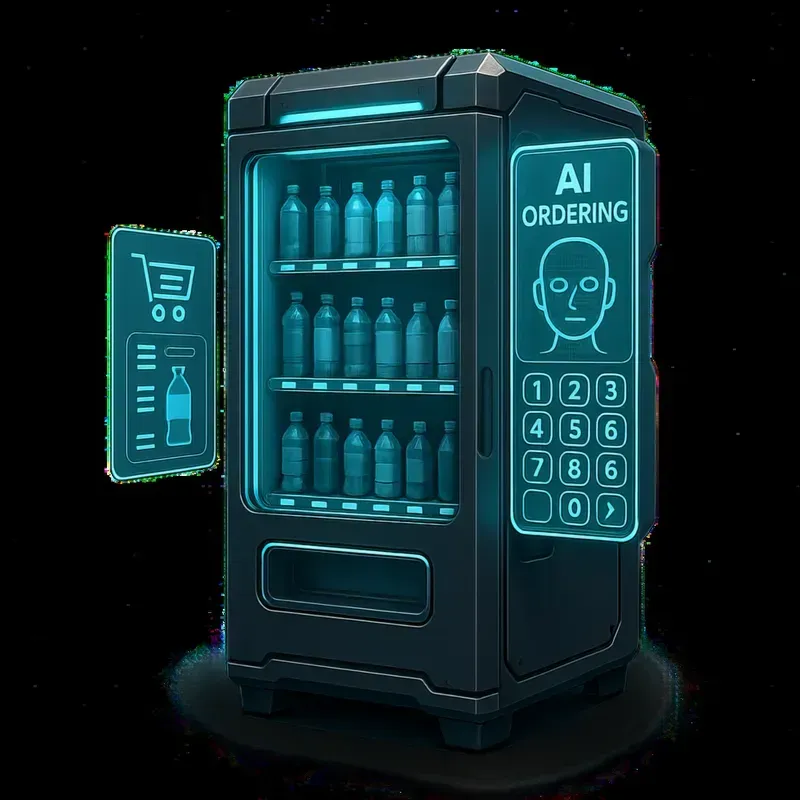
AI Vending Machine Interface
The self-service vending machine landscape is constantly evolving, driven by technological advancements and changing consumer expectations. Future trends point towards more intelligent, data-driven, and user-centric vending experiences. At the core of these innovations is the need for increasingly sophisticated and reliable Printed Circuit Boards (PCBs), acting as the central nervous system for these complex systems. Understanding and anticipating these trends is crucial for staying competitive in the shared spring-type self-service vending machine solution market, and it underscores the vital role of expert PCB development.
How is AI transforming the future of self-service vending? AI is poised to revolutionize vending through predictive maintenance (identifying potential hardware failures before they occur), personalized product recommendations based on user purchase history or external factors (like weather), and optimized inventory management by analyzing sales patterns and demand forecasts. This requires high-performance processing capabilities on the vending machine's control board, necessitating advanced PCB design and component integration to handle complex algorithms and data processing efficiently.
What role do advanced analytics play in enhancing shared vending machine solutions? Advanced analytics enable operators to gain deep insights into consumer behavior, sales performance by location and time, and machine operational status. This data is crucial for optimizing machine placement, product mix, pricing strategies, and operational efficiency. Robust data collection and transmission require reliable telemetry modules and robust data processing on the vending machine's PCB, ensuring secure and accurate data transfer to cloud platforms for analysis.
How are user interfaces in vending machines expected to evolve? Future vending machine interfaces will move beyond simple button interfaces to interactive touchscreens, voice commands, and even gesture recognition. These enhanced user experiences require more complex display drivers, touch controllers, and audio processing components, all integrated seamlessly onto the vending machine's PCB. The design must support high-resolution displays and rapid response times for a fluid user interaction.
What are the implications of new payment technologies for vending machine PCBs? The adoption of contactless payments, mobile wallets, and potentially even cryptocurrency necessitates PCBs capable of integrating with diverse payment modules and ensuring secure transaction processing. This includes robust security protocols at the hardware level and compliance with evolving payment industry standards. The PCB design must accommodate various interface standards and ensure data integrity.
How is Zero One Solution Limited positioned to support these future vending machine innovations? Zero One Solution Limited is at the forefront of developing cutting-edge PCB solutions for the evolving vending industry. Our expertise in rapid prototyping allows us to quickly develop and test boards for new technologies like AI processors or advanced sensor arrays. Our high-quality manufacturing ensures the reliability needed for complex integrated systems, and our global supply chain enables access to the latest components. We are equipped to design and produce the sophisticated PCBs required for future shared spring-type self-service vending machine solutions, from smart control boards to secure payment interfaces and advanced connectivity modules.
The shared spring-type self-service vending machine market is poised for significant growth, and the underlying PCB technology is the bedrock of this innovation. Zero One Solution Limited stands ready to be your strategic partner in this exciting journey. With our deep expertise in rapid prototyping, comprehensive PCB design, manufacturing, and assembly, we empower businesses to bring their visionary vending solutions to life with unparalleled speed and reliability. From concept to mass production, our one-stop services ensure that your self-service vending machines are not just operational, but optimized for performance, scalability, and market leadership. Don't let electronic complexities hinder your innovation; partner with Zero One Solution Limited and transform your vending machine concepts into reality. Contact us today to discuss how our bespoke PCB solutions can elevate your next project.