In the demanding world of maritime operations, safety and reliability are paramount. Ship mooring systems, vital for secure berthing and anchoring, require robust and dependable electronic controls. At Zero One Solution Limited, we provide specialized PCB solutions for ship safe mooring systems, ensuring optimal performance and safety. With our rapid prototyping and comprehensive PCB services, we empower marine technology innovators to develop and deploy advanced mooring solutions with confidence.
Introduction to Ship Safe Mooring Systems
Ship safe mooring systems are indispensable for maritime safety and operational efficiency, serving as the critical link between a vessel and its berthing structure or seabed anchor. These sophisticated systems go far beyond mere ropes and bollards; they integrate advanced sensor technology, automated control mechanisms, and robust structural components to manage the dynamic forces exerted on a ship by wind, currents, and waves. The unwavering reliability of these systems is paramount, as any failure can lead to catastrophic consequences, including vessel damage, environmental pollution, and significant financial losses. Therefore, understanding the intricate components and operational demands of modern mooring systems is crucial for ensuring the integrity and safety of maritime operations.
What are the primary functions of a ship safe mooring system? A ship safe mooring system's primary functions include securely holding a vessel in place against environmental forces (wind, waves, currents), ensuring safe cargo transfer or passenger embarkation/disembarkation, protecting the vessel and port infrastructure from damage, and enabling efficient berthing and unberthing operations. These systems minimize vessel movement, preventing collisions and maintaining a stable platform for various maritime activities.
Why is the reliability of mooring systems considered critical? The reliability of mooring systems is critical because their failure can lead to severe consequences. These include ships breaking free from their berths, resulting in collisions with other vessels or port structures, groundings, environmental spills from damaged cargo tanks, and loss of life. High reliability ensures continuous operational safety, protects valuable assets, and prevents economic and ecological disasters.
What environmental factors do ship mooring systems need to withstand? Ship mooring systems must withstand a range of severe environmental factors, including strong winds (gusts and sustained), powerful ocean currents, tidal variations, and significant wave action. They are also designed to endure extreme temperatures, UV radiation, saltwater corrosion, and mechanical stresses from constant movement and tension, all of which contribute to the system's overall wear and tear.
How have advancements in technology impacted modern mooring systems? Technological advancements have profoundly impacted modern mooring systems by introducing smart sensors for real-time tension and position monitoring, automated winches with precise control, dynamic positioning systems (DPS) that can integrate with mooring lines, and advanced simulation software for optimal mooring design. These innovations enhance safety, improve operational efficiency, reduce human error, and enable more precise and adaptive vessel management in challenging conditions.
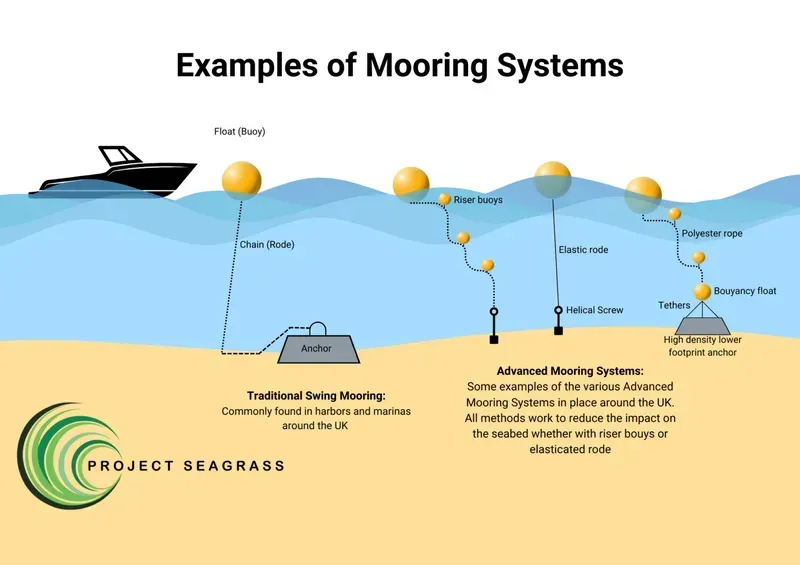
What are the key components of a comprehensive ship safe mooring system? A comprehensive ship safe mooring system typically comprises mooring lines (ropes or wires), mooring winches (powering the lines), fairleads (guiding the lines), bitts or bollards (securing points on the vessel and shore), anchors (for offshore mooring), fenders (to absorb impact with berths), and increasingly, advanced sensor arrays and control units for monitoring and automation. Each component plays a vital role in the overall integrity and functionality of the system.
The Importance of Reliable PCB Solutions in Mooring Systems
Reliable Printed Circuit Board (PCB) solutions are the foundational backbone for the sophisticated electronics that power modern ship safe mooring systems. These systems, responsible for securely anchoring vessels and managing complex berthing operations, rely on PCBs to accurately transmit data, control actuators, and maintain continuous communication. Without high-quality, robust PCBs, the precision, responsiveness, and overall safety of these critical maritime infrastructures would be severely compromised, leading to potential operational failures and significant safety risks in demanding marine environments.
Why are PCBs so critical for Ship Safe Mooring Systems? PCBs serve as the central nervous system for all electronic components within mooring systems, enabling critical functions such as sensor data acquisition (e.g., tension, angle, proximity), control signal distribution to winches and automated release mechanisms, and seamless communication with ship bridges and shore-side control centers. Their reliability directly impacts the system's ability to maintain vessel stability, prevent drift, and ensure safe berthing operations, especially in unpredictable weather conditions or high-traffic ports. Any failure at the PCB level can lead to delayed responses, inaccurate readings, or complete system outages, posing severe safety hazards and operational disruptions to maritime activities and assets.
Aspect of Reliability
Impact of Unreliable PCB
Benefit of Reliable PCB
Data Accuracy
Erroneous sensor readings; misinterpretation of mooring forces.
Precise measurement of loads, tensions, and positions for optimal control and safety parameters.
System Responsiveness
Delayed activation of winches or release mechanisms; slow adjustments.
Instantaneous command execution and real-time adjustments to dynamic environmental conditions (e.g., wind, current).
Operational Continuity
Intermittent system failures; complete system shutdown; increased maintenance downtime.
Uninterrupted operation; extended lifespan of equipment; reduced need for emergency repairs and human intervention.
How do PCBs contribute to the safety of mooring operations? In ship safe mooring systems, PCBs are instrumental in integrating a multitude of safety-critical sensors and control units. They facilitate the precise control of mooring lines, monitoring tension and slack to prevent overstressing or breaking. Furthermore, they support fail-safe mechanisms, allowing for rapid and controlled release in emergency situations. The integrity of these circuits ensures that emergency shutdown protocols or automated adjustments respond instantly, preventing accidents, damage to vessels or infrastructure, and potential environmental spills. Reliable PCBs also support advanced diagnostic capabilities, allowing operators to preemptively identify and address potential issues before they escalate, thus significantly enhancing overall maritime safety protocols.
Challenges in PCB Design for Marine Environments
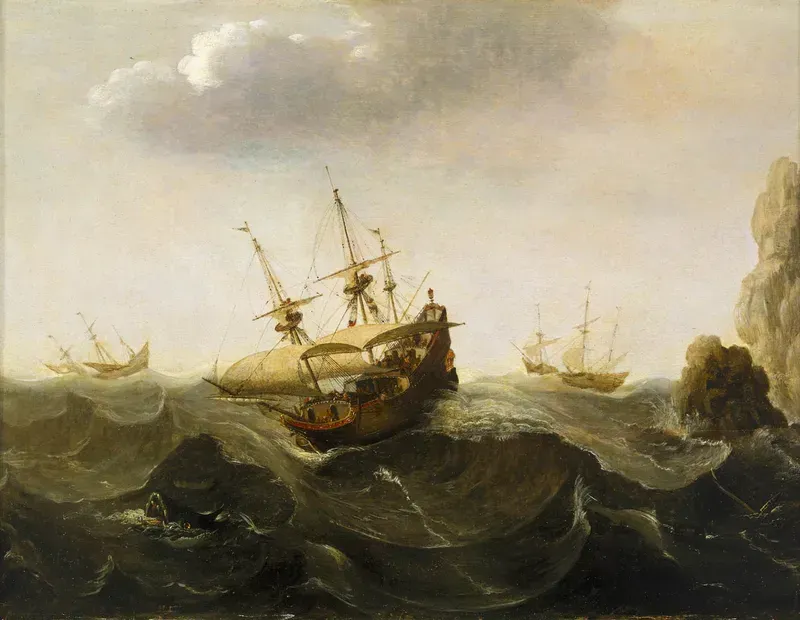
Ship in Rough Sea
Designing Printed Circuit Boards (PCBs) for ship safe mooring systems presents a unique set of formidable challenges due to the unforgiving marine environment. These challenges demand specialized engineering expertise and the selection of robust materials to ensure operational integrity and longevity. Unlike terrestrial applications, marine PCBs must contend with continuous exposure to corrosive saltwater, relentless vibrations from engine operation and wave action, and extreme temperature fluctuations, all of which can severely compromise electronic performance and reliability. Addressing these environmental stressors proactively in the design and manufacturing phases is paramount to the safety and efficiency of critical mooring infrastructure.
How does saltwater corrosion affect marine PCBs? Saltwater is highly corrosive to most metals, including copper traces and solder joints on PCBs. This can lead to oxidation, short circuits, and material degradation over time, compromising signal integrity and power transmission. Specialized conformal coatings, hermetic sealing, and the use of corrosion-resistant materials like gold plating or specific alloys are crucial to mitigate these effects and extend the lifespan of the PCB in such an environment.
What are the primary sources of vibration in ship mooring systems, and how do they impact PCBs? Vibration in ship mooring systems primarily originates from vessel engines, propeller operation, wave impacts, and dynamic forces exerted on mooring lines. These constant mechanical stresses can cause solder joint fatigue, component detachment, and micro-fractures in PCB traces. To counteract this, designs often incorporate robust mechanical mounting, shock-absorbing materials, optimized component placement to minimize stress concentrations, and reinforced vias to ensure structural integrity and prevent intermittent failures.
How do extreme temperature fluctuations affect PCB performance in marine applications? Marine environments can experience vast temperature swings, from freezing arctic conditions to scorching tropical heat, often coupled with high humidity. These fluctuations cause materials to expand and contract at different rates (thermal expansion), leading to stress on solder joints and components. This can result in delamination, component cracking, and signal degradation. PCBs for marine use require materials with low and matched coefficients of thermal expansion (CTE), wide operating temperature range components, and effective thermal management strategies like heat sinks or specialized substrates to maintain stable performance.
Zero One Solution Limited's Expertise in Marine PCB Solutions
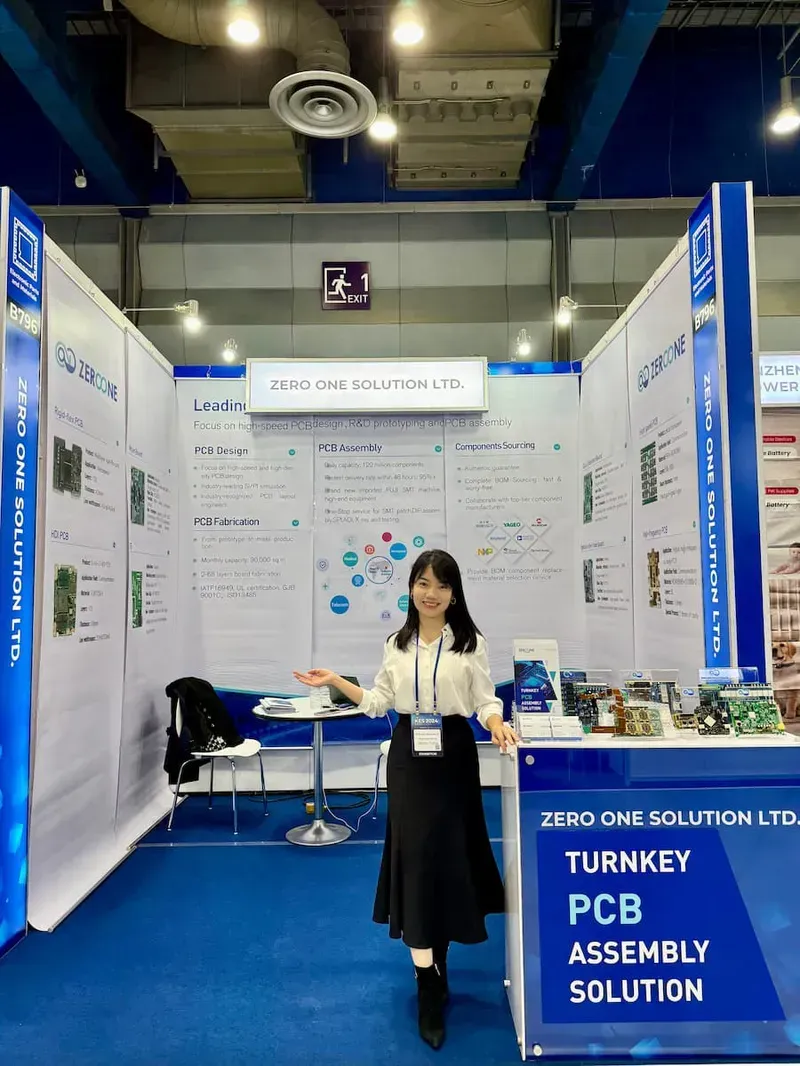
Zero One Solution Factory
At Zero One Solution Limited, we bring over a decade of specialized experience and unparalleled capabilities to the forefront of marine PCB solutions, particularly for critical applications like Ship Safe Mooring Systems. Our deep understanding of the unique challenges posed by harsh maritime environments, combined with our advanced manufacturing processes, positions us as a leading partner for developers seeking robust and reliable electronic components. We empower innovation by providing tailored PCB solutions that withstand the rigors of sea, ensuring the seamless operation and longevity of essential marine equipment.
Proven Track Record in Demanding Environments With a foundation established in 2011, Zero One Solution Limited has a significant history of delivering high-performance PCBs for a diverse range of demanding applications, including those within the marine sector. Our expertise is not just theoretical; it's built on a decade of practical experience, successfully navigating challenges such as salt spray corrosion, extreme temperature fluctuations, high humidity, and constant vibration. This proven track record underscores our capability to meet and exceed the stringent requirements of Ship Safe Mooring Systems, where failure is not an option.
Specialized Material and Coating Selection Understanding that standard PCB materials are insufficient for marine use, Zero One Solution Limited employs a meticulous approach to material selection. We utilize substrates with superior dielectric properties and enhanced moisture resistance, along with specialized conformal coatings (e.g., acrylic, silicone, urethane, epoxy) and encapsulants. These protective layers act as formidable barriers against moisture ingress, corrosive salts, and fungal growth, significantly extending the operational lifespan and reliability of PCBs in the maritime domain. Our material choices are rigorously tested to IPC standards and often exceed them for marine-specific resilience.
Advanced Design for Signal Integrity and Power Delivery The electronic control units within Ship Safe Mooring Systems demand impeccable signal integrity and efficient power delivery. Our expert engineers at Zero One Solution Limited are adept at designing PCBs that mitigate electromagnetic interference (EMI), ensure optimal impedance matching, and manage power distribution effectively. We leverage advanced design software and simulation tools to model performance under various marine conditions, preventing data loss, signal degradation, and power inefficiencies that could compromise the mooring system's accuracy and responsiveness. This includes careful trace routing, ground plane optimization, and component placement strategies.
Rapid Prototyping and Scalable Manufacturing for Marine Projects Our core strength in rapid-response R&D prototype manufacturing directly benefits marine system developers. We understand the urgency of bringing innovative mooring solutions to market. From initial concept to high-volume production, Zero One Solution Limited offers seamless transitions. Our capabilities span from producing single prototypes for concept validation to manufacturing thousands of units with consistent quality, all while adhering to strict timelines. This agility ensures that marine electronics projects, particularly for Ship Safe Mooring Systems, can move from design to deployment with exceptional efficiency.
Strategic Global Presence for Enhanced Support Headquartered in Shenzhen, China, a global hub for electronic manufacturing, and with a branch office in Dubai, Zero One Solution Limited operates strategically within a robust global PCBA supply chain network. This dual presence allows us to source the highest quality components efficiently, offer competitive pricing, and provide localized support and logistics solutions to our international clientele. For marine clients, this means seamless access to worldwide resources and support, ensuring project continuity and successful deployment of Ship Safe Mooring System PCBs regardless of their operational base.
Our Comprehensive PCB Services for Mooring Systems
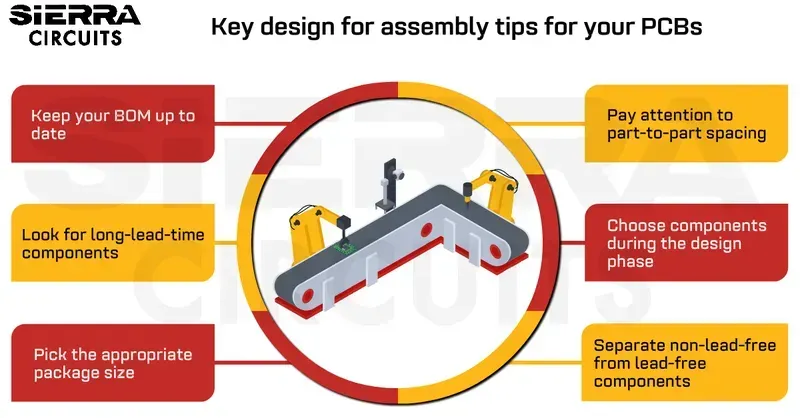
PCB Design and Assembly
At Zero One Solution Limited, we provide a complete spectrum of PCB services specifically engineered to meet the rigorous demands of Ship Safe Mooring Systems. From initial concept and rapid prototyping to full-scale manufacturing and final assembly, our integrated approach ensures seamless development and deployment of robust, reliable PCB solutions essential for critical maritime applications. We empower mooring system developers with an efficient, one-stop solution, significantly accelerating their product development cycles and time-to-market.
PCB Design and Engineering Leveraging decades of expertise, our engineers design high-performance PCBs optimized for marine environments, focusing on signal integrity, power efficiency, and robust material selection to withstand harsh conditions like saltwater corrosion, extreme temperatures, and vibrations. We utilize advanced CAD tools and simulation software to ensure design excellence from the outset. This includes impedance matching for high-speed signals, thermal management for heat dissipation, and careful component placement to minimize electromagnetic interference (EMI).
Rapid PCB Prototyping Our specialized rapid prototyping capabilities allow for quick iteration and validation of designs, critical for complex mooring system electronics. This enables clients to swiftly test and refine their concepts, reducing development time and costs. We offer fast turnarounds without compromising on the precision and quality required for maritime safety applications, ensuring that initial prototypes accurately reflect the final product's performance potential and meet stringent industry standards like IPC Class 2/3 and relevant marine certifications (e.g., DNV-GL, ABS).
Advanced PCB Manufacturing We employ state-of-the-art manufacturing processes and maintain stringent quality controls to produce high-reliability PCBs. Our facilities are equipped for various board types, including rigid, flexible, and rigid-flex, utilizing materials with superior environmental resistance. We ensure consistent quality and traceability throughout the manufacturing lifecycle, adhering to ISO 9001 and IATF 16949 standards for robust and consistent production, critical for the long operational life of marine equipment in challenging environments. Our processes include precise drilling, advanced plating techniques, and comprehensive layer registration for multi-layer boards, ensuring optimal electrical performance and mechanical stability over time, even under constant stress from ocean currents and vessel movements. This meticulous attention to manufacturing detail directly translates to the longevity and reliability of the mooring system's electronic backbone, minimizing downtime and maintenance costs. Our capabilities extend to specialized surface finishes like ENIG (Electroless Nickel Immersion Gold) for enhanced solderability and corrosion resistance, and selective gold plating for critical contact points, further reinforcing the board's durability against environmental degradation. We also incorporate advanced material selection, such as high-Tg (glass transition temperature) laminates, to maintain structural integrity and electrical performance under varying thermal loads. Furthermore, our manufacturing processes are optimized for scalability, allowing us to seamlessly transition from low-volume prototype runs to high-volume production, ensuring that our clients' supply chain needs are met efficiently and reliably, regardless of project size.
Our integrated services are designed to provide a seamless workflow, from concept to mass production, ensuring that our clients' Ship Safe Mooring System PCB needs are met with unparalleled expertise and efficiency.
Key Considerations in PCB Design for Ship Safe Mooring Systems
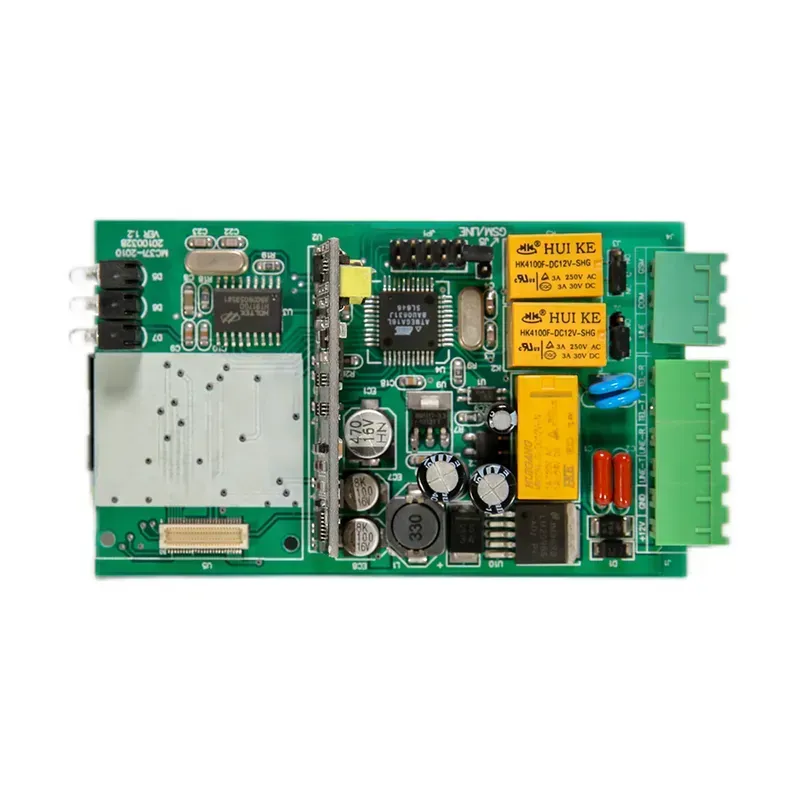
Ship Mooring System PCB
Designing Printed Circuit Boards (PCBs) for Ship Safe Mooring Systems demands a meticulous approach, as these critical components must withstand the unforgiving marine environment while ensuring continuous, reliable operation. The foundational principles of robust PCB design—from material selection to layout optimization—are amplified by the extreme conditions encountered at sea, making every design decision pivotal to the safety and efficiency of global maritime operations.
Component Selection for Marine Durability Selecting components impervious to salt spray, humidity, vibration, and temperature extremes is paramount. Industrial-grade, extended-temperature range components with appropriate ingress protection (IP) ratings are essential. Furthermore, components with low power consumption are preferred to reduce heat generation and extend battery life for remote or autonomous mooring system elements. Zero One Solution Limited prioritizes MIL-spec or equivalent components that offer proven reliability in harsh conditions.
Ensuring Signal Integrity in Noisy Environments Marine environments are inherently noisy, with electromagnetic interference (EMI) from ship engines, communication systems, and radar. Maintaining signal integrity requires careful impedance matching, proper grounding techniques (e.g., star grounding), differential signaling for sensitive lines, and strategic placement of decoupling capacitors. Effective shielding of signal traces and critical components is also crucial to prevent data corruption and ensure accurate sensor readings.
Optimized Power Distribution Network (PDN) A robust Power Distribution Network (PDN) is vital for stable operation, especially given potential voltage fluctuations on marine vessels. This involves designing wide power and ground planes to minimize impedance, strategically placing bulk and bypass capacitors to filter noise and provide transient current, and employing proper power regulation. Over-current protection, surge suppression, and reverse polarity protection are also critical for safeguarding the PCB from electrical anomalies.
Effective Thermal Management Strategies Despite the cooling effect of the ocean, enclosed electronic systems within mooring equipment can experience significant heat buildup from power dissipation. Effective thermal management involves selecting components with low thermal resistance, incorporating thermal vias, using heat sinks or thermal pads where necessary, and optimizing PCB layout to facilitate heat dissipation. Computational Fluid Dynamics (CFD) analysis can be employed to simulate heat flow and optimize thermal design, ensuring components operate within their specified temperature ranges.
Corrosion Resistance and Conformal Coating Corrosion is a primary threat in marine environments. Beyond selecting corrosion-resistant base materials (e.g., FR-4 with appropriate surface finishes like ENIG or Immersion Silver), applying a high-quality conformal coating (e.g., acrylic, silicone, or polyurethane) to the assembled PCB is indispensable. This protective layer acts as a barrier against moisture, salt spray, and chemicals, significantly extending the lifespan and reliability of the electronic system. Zero One Solution Limited advises on the best coating for specific environmental exposures.
Vibration and Shock Resistance Mooring systems are constantly subjected to dynamic loads, vibrations from ship movements, and potential impacts. PCB designs must account for these mechanical stresses. This includes selecting robust connectors, reinforcing heavy components with stakes or underfills, using appropriate board thickness, and ensuring secure mounting within the enclosure. Finite Element Analysis (FEA) can simulate mechanical stresses to optimize structural integrity.
Ensuring Quality and Reliability in Mooring System PCBs
PCB Quality Testing
Ensuring the unwavering quality and reliability of Printed Circuit Boards (PCBs) within ship safe mooring systems is paramount, as these components are the foundational elements for critical operational integrity in the harshest marine environments. At Zero One Solution Limited, our commitment to excellence is reflected in our rigorous, multi-layered quality control processes and comprehensive testing methodologies, specifically engineered to guarantee the long-term performance and durability of every PCB we deliver for marine applications. We adhere to stringent industry standards and best practices, employing advanced techniques from initial design validation through final assembly and post-production verification, thereby mitigating potential failures and ensuring the safety and operational efficiency of mooring systems globally.
How does Zero One Solution Limited ensure PCB quality for harsh marine environments? We implement a multi-faceted quality assurance program, beginning with material selection of marine-grade laminates and conformal coatings. Our process includes meticulous design reviews for signal integrity, power delivery, and thermal management, followed by automated optical inspection (AOI), in-circuit testing (ICT), and functional testing (FCT) to simulate real-world conditions. Furthermore, environmental stress screening (ESS) such as accelerated aging and vibration tests are performed to validate performance under extreme marine stressors, ensuring compliance with relevant maritime standards like IEC 60945 and DNV-GL rules for type approval.
What specific testing procedures are performed on Mooring System PCBs? Our testing regimen encompasses a range of critical evaluations. This includes IPC-A-610 Class 2/3 inspection for solder joint integrity and component placement, X-ray inspection for hidden solder defects in BGAs and other complex packages, and impedance controlled testing for high-speed signals. We also conduct environmental chamber testing for temperature and humidity cycling, salt mist corrosion tests, and vibration/shock testing to simulate rough sea conditions. This comprehensive approach ensures that every PCB can withstand the mechanical and chemical stresses inherent in marine environments, crucial for ship safe mooring system reliability.
Benefits of Partnering with Zero One Solution Limited
Partnering with Zero One Solution Limited for your Ship Safe Mooring System PCB solution offers a distinct competitive advantage, leveraging our specialized expertise to deliver robust, high-performance, and cost-effective circuit boards essential for critical maritime applications. Our commitment to rapid prototyping, stringent quality control, and comprehensive support ensures your projects navigate from concept to deployment with unparalleled efficiency and reliability.
Accelerated Product Development Through Rapid Prototyping Zero One Solution Limited's core strength lies in rapid-response R&D prototype manufacturing. This capability significantly reduces your time-to-market by enabling quick iterations and testing of PCB designs, ensuring that your Ship Safe Mooring System can be developed and deployed faster than competitors. Our streamlined processes mean your innovative concepts become tangible prototypes in record time, facilitating agile product development cycles crucial in the fast-paced maritime technology sector.
Uncompromised Quality and Reliability for Harsh Marine Environments We understand the unforgiving nature of marine environments. Our PCBs for Ship Safe Mooring Systems are engineered and manufactured to withstand extreme conditions, including salt spray, humidity, temperature fluctuations, and vibration. Through rigorous quality control, advanced material selection, and adherence to IPC standards, we guarantee the longevity and reliability of every board, minimizing operational downtime and maintenance costs for your mooring systems.
Cost-Effectiveness Without Sacrificing Performance Strategically positioned in Shenzhen, China's electronic manufacturing hub, and with a global supply chain network, Zero One Solution Limited offers highly competitive pricing without compromising on quality or performance. Our optimized manufacturing processes, economies of scale, and efficient resource allocation translate into significant cost savings for your PCB projects, allowing you to allocate resources more effectively while still obtaining cutting-edge solutions.
Expert Engineering Support and Collaborative Partnership Beyond manufacturing, Zero One Solution Limited provides comprehensive expert support throughout your project lifecycle. Our veteran engineering team, with extensive experience in marine electronics, offers invaluable insights from design optimization to material selection. We act as a true extension of your R&D team, fostering a collaborative partnership that ensures your specific requirements are met with precision and technical excellence, leading to superior final products.
Case Studies: Successful Mooring System PCB Projects
Successful Mooring System Project
Zero One Solution Limited's expertise in marine-grade PCB solutions is best demonstrated through our successful collaborations with industry leaders. We pride ourselves on transforming complex challenges into robust, reliable electronic foundations for critical maritime applications, particularly within ship safe mooring systems. Our rapid prototyping capabilities and commitment to quality ensure that even the most demanding specifications are met, leading to enhanced operational safety and efficiency for our clients.
Project Name
Client Challenge
Zero One Solution's Contribution
Key Outcome
Automated Mooring Tension Monitoring System
Required a highly accurate, ruggedized PCB for real-time tension monitoring in extreme weather conditions, demanding robust EMI shielding and vibration resistance.
Designed a multi-layered PCB with advanced material selection (e.g., FR-4 with high Tg) and conformal coating, incorporating specialized grounding techniques and component placement for signal integrity.
Delivered PCBs that significantly improved the accuracy and reliability of tension data, reducing false alarms and enhancing mooring system safety during adverse weather events, meeting IEC 60945 standards for maritime navigation and radio communication equipment and systems environments (environmental conditions and methods of test).
Dynamic Positioning System (DPS) Interface Module
Needed a compact, high-performance PCB to integrate new sensor arrays into an existing DPS, requiring precise signal processing and low power consumption.
Developed a miniaturized PCB with optimized routing for high-speed data transfer and efficient power management, leveraging our rapid prototyping service for iterative design refinement.
Enabled seamless integration of the new sensor technology, leading to improved situational awareness and more precise vessel positioning, reducing the risk of mooring line failure and increasing operational efficiency, verified by ISO 19013 for ship’s bridge layout and associated equipment - Part 1: Requirements for voyage data recorder (VDR) system and simplified voyage data recorder (S-VDR) system, specifically regarding data acquisition interface reliability and environmental robustness tests.
Zero One Solution Limited is dedicated to providing cutting-edge PCB solutions for ship safe mooring systems. Our expertise in rapid prototyping, coupled with our commitment to quality and reliability, makes us the ideal partner for marine technology companies seeking to innovate and enhance mooring system performance. Contact us today to discuss your PCB requirements and discover how we can help you achieve your project goals. Partner with Zero One Solution Limited and navigate the future of marine technology with confidence.