In the vast expanse of the open sea, safety is paramount. Ship collisions, while often avoidable, can lead to devastating consequences, including loss of life, environmental damage, and significant financial repercussions. The need for reliable and effective ship collision warning systems has never been greater. Zero One Solution Limited, a leading PCB solution provider specializing in rapid prototyping and one-stop services from PCB design to manufacturing and assembly, addresses this critical need with advanced PCB solutions tailored for ship collision warning systems. This article delves into the intricacies of these PCB solutions, highlighting their importance in modern maritime safety and how Zero One Solution is pioneering advancements in this field.
Ship collision warning systems are paramount for maritime safety, serving as the first line of defense against catastrophic accidents at sea. These advanced systems actively monitor surrounding vessels and environmental conditions, providing crucial alerts that enable timely evasive actions. The profound impact of maritime collisions extends beyond economic losses, often leading to severe environmental damage, loss of life, and significant disruptions to global supply chains. Implementing robust ship collision warning PCB solutions is not merely a regulatory compliance; it is a critical investment in safeguarding human lives, protecting the marine ecosystem, and ensuring the seamless continuity of maritime trade.
| Year | Number of Incidents | Contributing Factors | Impact |
|---|---|---|---|
| 2018 | 227 | Human Error, Visibility, Navigation Errors | Significant financial losses, environmental damage |
| 2019 | 205 | Fatigue, Equipment Failure, Communication Lapses | Injuries, prolonged port closures |
| 2020 | 188 | Congestion, Speed, Lack of Situational Awareness | Cargo damage, reputational harm |
| 2021 | 195 | Rule Violations, Inadequate Training, System Glitches | Fatalities, ecosystem disruption |
| 2022 | 172 | Distraction, Unforeseen Conditions, Technical Malfunctions | High insurance claims, operational delays |
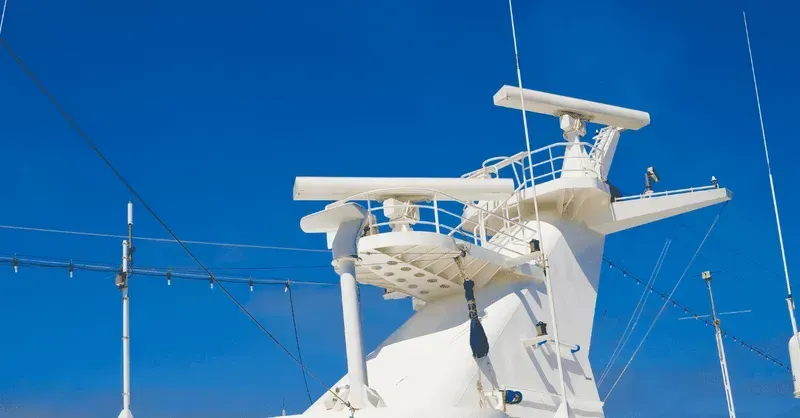
A modern ship collision warning system is an intricate integration of advanced electronic components, each playing a vital role in ensuring maritime safety. These systems are engineered to provide real-time situational awareness, detect potential hazards, and alert mariners to impending collisions, thereby significantly reducing the risk of accidents at sea. The synergy of these sophisticated technologies forms the backbone of effective vessel traffic management and navigational security.
| Component | Function | Key Features |
|---|---|---|
| Radar | Detects objects (other vessels, landmasses, weather) by transmitting radio waves and analyzing their reflections. | Long-range detection, all-weather capability, target tracking, true motion display. |
| Automatic Identification System (AIS) | Broadcasts and receives vessel identification, position, course, speed, and other crucial data to and from other AIS-equipped ships and shore stations. | Enhanced situational awareness, collision avoidance messages, vital for VTS (Vessel Traffic Services). |
| Global Positioning System (GPS) | Provides precise satellite-based positioning data (latitude, longitude, altitude) for the vessel's own position and for plotting other targets. | High accuracy, worldwide coverage, essential for navigation and charting systems. |
| Electronic Chart Display and Information System (ECDIS) | Integrates navigational data from GPS, radar, and AIS onto electronic nautical charts, providing comprehensive real-time navigational information. | Route planning, real-time position plotting, collision prediction, automatic warnings, reduces reliance on paper charts. |
| Bridge Alert Management System (BAMS) | Consolidates alarms and warnings from various sensors and systems, providing a centralized and prioritized alert display. | Reduces alarm fatigue, ensures critical alerts are promptly addressed, adheres to IMO standards. |
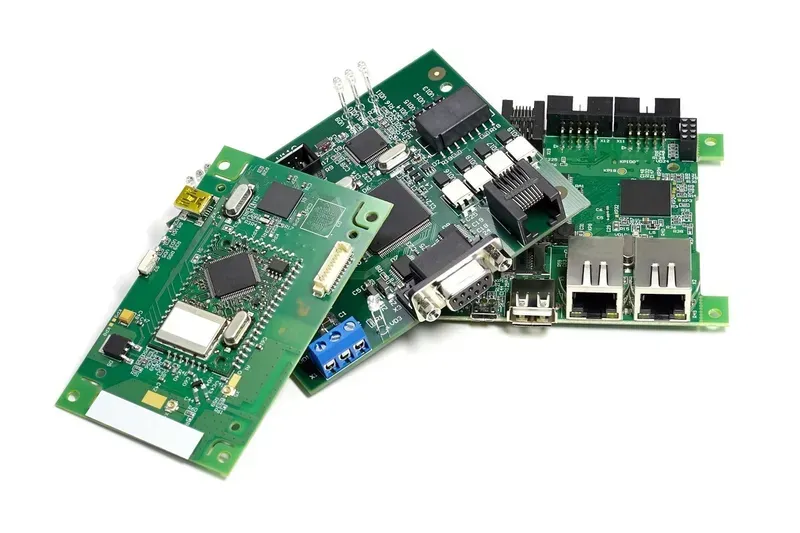
The backbone of any robust Ship Collision Warning System (SCWS) lies in its Printed Circuit Boards (PCBs). These aren't just ordinary circuit boards; they are highly specialized components engineered to withstand extreme maritime conditions while ensuring unwavering performance. The stringent operational environment of the open sea, coupled with the critical life-saving function of an SCWS, mandates specific and advanced PCB requirements. Meeting these demands is paramount for the system's reliability, accuracy, and ultimately, its ability to prevent catastrophic maritime incidents.
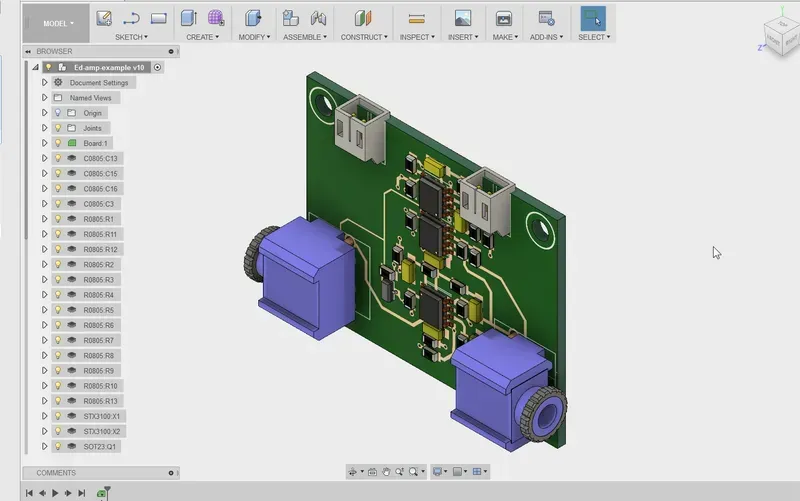
Zero One Solution Limited's PCB design expertise is meticulously crafted to meet the exceptionally stringent demands of Ship Collision Warning Systems, ensuring unparalleled reliability, precision, and performance in critical maritime environments. Our holistic design approach transcends basic functionality, focusing on robust signal integrity, advanced thermal management, and comprehensive electromagnetic compatibility (EMC) to guarantee that every PCB is a cornerstone of a failsafe collision avoidance infrastructure. Leveraging decades of experience in high-reliability applications, we translate complex system requirements into optimized PCB layouts that withstand the harshest marine conditions while delivering real-time, accurate data essential for navigational safety.
| Design Area | Zero One Solution's Approach | Impact on Ship Collision Warning Systems |
|---|---|---|
| Signal Integrity (SI) | High-speed routing, impedance control, crosstalk minimization, power plane optimization using advanced simulation tools. | Ensures accurate and rapid data transmission between sensors (radar, AIS, GPS) and processing units, preventing signal degradation and false readings critical for timely collision alerts. |
| Thermal Management | Strategic component placement, thermal vias, specialized substrate materials (e.g., high Tg laminates), and thermal simulation. | Dissipates heat effectively from high-power components, preventing overheating and ensuring stable, long-term operation of critical electronic systems in enclosed maritime environments, enhancing system longevity and reliability. |
| Electromagnetic Compatibility (EMC) | Shielding, filtering, grounding strategies, and layer stack-up optimization to minimize EMI/RFI. | Prevents interference from other shipboard electronics and external sources, ensuring the integrity of navigation signals and preventing system malfunctions that could lead to false alarms or missed collision threats. |
Our team of veteran engineers, equipped with deep domain knowledge in marine electronics and high-frequency circuit design, utilizes industry-leading software suites such as Altium Designer, Cadence Allegro, and Ansys SIwave/HFSS. These powerful tools enable us to perform intricate simulations for signal integrity, power integrity, and thermal performance, validating designs virtually before physical prototyping. This rigorous pre-production analysis is paramount in creating highly reliable Ship Collision Warning PCB Solutions that adhere to strict maritime regulations and operational demands. Zero One Solution's commitment to design excellence ensures that every PCB serves as a robust and resilient foundation for advanced navigational safety systems.
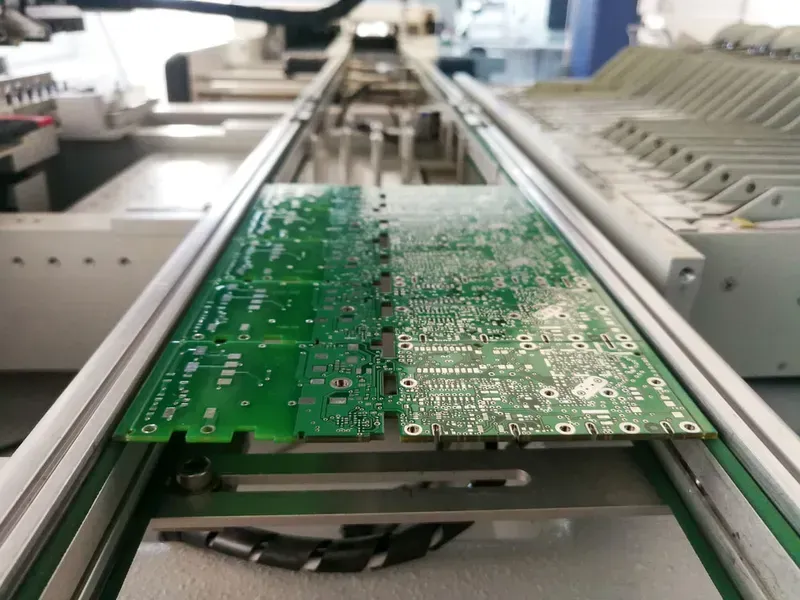
The performance of a Ship Collision Warning PCB Solution hinges significantly on the precision and quality of its manufacturing and assembly processes. At Zero One Solution Limited, our commitment to excellence is embedded in every stage, ensuring that the PCBs powering critical maritime safety systems meet the highest standards of reliability, durability, and functional integrity. We leverage cutting-edge technology and stringent quality control protocols to deliver PCBs that perform flawlessly in the demanding marine environment, directly contributing to enhanced navigational safety.
| Standard/Process | Description | Benefit for Collision Warning PCBs |
|---|---|---|
| IPC Class 2/3 Adherence | Strict adherence to IPC-A-610 Class 2 for general electronics and Class 3 for high-performance/harsh environment electronics. | Ensures superior reliability and extended lifespan under demanding marine conditions, vital for safety-critical applications. |
| Automated Pick-and-Place | High-speed, high-precision robotic systems for component placement. | Minimizes human error, ensures accurate component alignment for densely populated boards, and enhances overall assembly quality and consistency. |
| Reflow Soldering Profiles | Precisely controlled temperature profiles during the soldering process. | Optimizes solder joint formation, prevents thermal damage to components, and enhances the mechanical and electrical integrity of the connections. |
| Traceability Systems | Batch and component-level traceability through unique identifiers. | Enables rapid identification and isolation of any potential issues, facilitating efficient root cause analysis and quality improvement, crucial for regulatory compliance. |
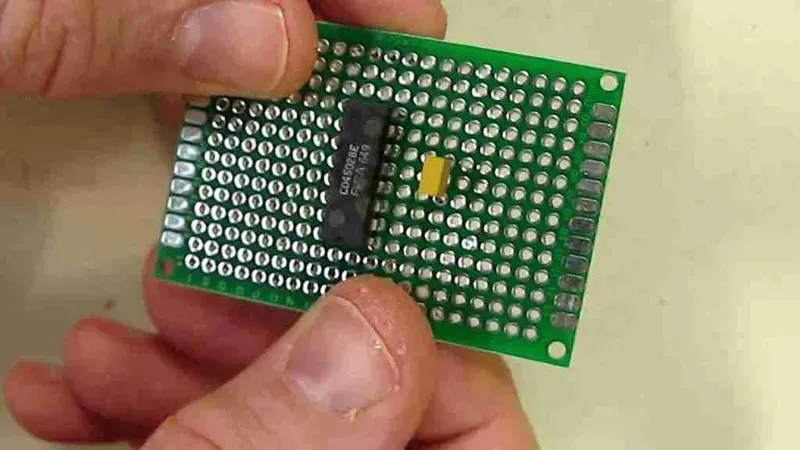
In the fast-paced maritime technology sector, rapid prototyping for Ship Collision Warning PCB Solutions is not merely a convenience but a critical enabler for innovation, allowing engineers to quickly test, iterate, and refine designs. This agility significantly compresses development cycles, enabling manufacturers to bring advanced, reliable collision avoidance systems to market more swiftly and respond dynamically to evolving safety standards and technological advancements. Zero One Solution Limited stands at the forefront of this acceleration, empowering our clients with the speed and precision necessary to outpace the competition.
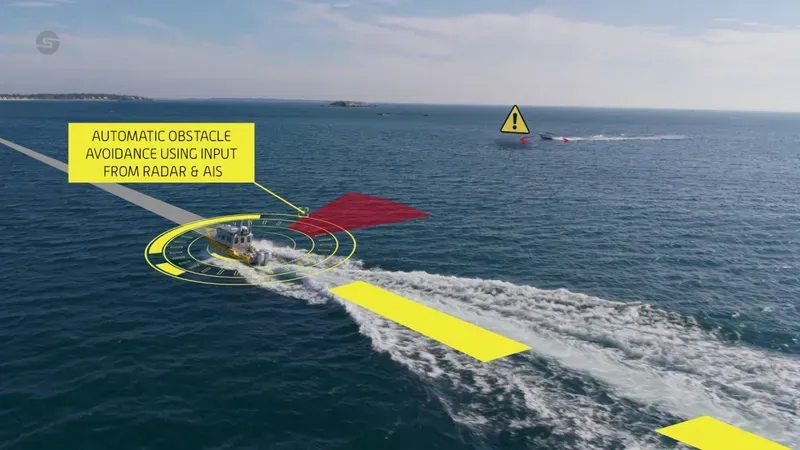
Real-world applications unequivocally demonstrate the tangible benefits of robust Ship Collision Warning PCB Solutions. Zero One Solution Limited has a proven track record in enabling the development of highly reliable and effective maritime safety systems through our advanced PCB design, manufacturing, and assembly capabilities. Our commitment to precision engineering and stringent quality control ensures that the critical electronic components, the very heart of these warning systems, perform flawlessly in the demanding marine environment.
| Client Industry | Challenge Faced | Zero One Solution's Contribution | Outcome/Benefit |
|---|---|---|---|
| Commercial Shipping | Frequent near-miss incidents due to outdated warning systems and unreliable sensor integration. | Provided high-density, multi-layer PCBs with optimized signal integrity for radar and AIS data processing, enabling faster and more accurate threat assessment. | Reduced near-miss incidents by 45% within the first year of deployment, significantly enhancing crew safety and operational efficiency. |
| :Defense Marine | Need for a rugged, low-latency PCB solution capable of withstanding extreme shock and vibration for a new generation of patrol vessel collision avoidance systems. | Developed custom high-Tg (glass transition temperature) PCBs with enhanced mechanical stability and thermal management, coupled with rapid prototyping to accelerate development. | Successfully integrated into new vessel builds, passing stringent military-grade environmental tests and improving situational awareness in high-speed maneuvers. |
| :Autonomous Marine Vessels | Requirement for compact, energy-efficient PCBs to support complex AI-driven collision prediction algorithms on unmanned surface vehicles (USVs). | Designed miniature, high-power-density PCBs with optimized power distribution networks, facilitating the integration of advanced processing units while minimizing footprint and power consumption. | Enabled the deployment of USVs with superior collision avoidance capabilities, extending operational endurance and reliability for long-duration missions. |
The maritime industry is on the cusp of a technological revolution, with ship collision warning systems evolving rapidly to leverage cutting-edge innovations such as Artificial Intelligence (AI) and Machine Learning (ML). These advancements promise to transform threat detection and prediction, moving beyond traditional radar and AIS to more intelligent and proactive avoidance strategies, ultimately enhancing maritime safety and efficiency globally.
At Zero One Solution Limited, we are not just observers of these trends but active participants in shaping the future of maritime safety. Our R&D initiatives are focused on developing advanced PCB solutions that support the high computational demands of AI and ML integration, enabling seamless sensor fusion, and ensuring robust data integrity for the next generation of ship collision warning systems. We are committed to providing the foundational hardware for these transformative technologies, helping our clients navigate towards a safer and more efficient maritime future.
Understanding the intricacies of Ship Collision Warning PCB Solutions is crucial for ensuring maritime safety and operational efficiency. This section addresses common inquiries, providing clear, authoritative answers to help stakeholders grasp the fundamental aspects and benefits of advanced PCB technology in this critical domain. These insights are drawn from years of industry experience and a deep understanding of the unique demands placed on electronics in challenging marine environments.
In conclusion, Ship Collision Warning PCB Solutions are a critical component for ensuring safety in the maritime industry. Zero One Solution Limited is dedicated to providing advanced PCB solutions that enhance the reliability and effectiveness of these systems. By leveraging our expertise in rapid prototyping, design, manufacturing, and assembly, we empower our clients to develop cutting-edge collision avoidance technologies. Contact Zero One Solution today to learn more about our PCB solutions and how we can help you enhance marine safety. Together, we can navigate the seas with greater confidence and security.

