Simplify Your Project: How to Order PCB Boards Online
2025.01.12
In today's fast-paced world of electronics, the ability to quickly and efficiently order custom PCB boards is crucial for both hobbyists and professionals. The days of cumbersome ordering processes are gone; now, with just a few clicks, you can transform your electronic designs into tangible reality. This article will guide you through the process of [pcb board online order], exploring key considerations, comparing popular manufacturers, and offering practical advice to ensure your project's success. We'll navigate the online landscape to help you find the best service, quality, and value for your PCB needs.
Understanding Your PCB Needs Before Ordering Online
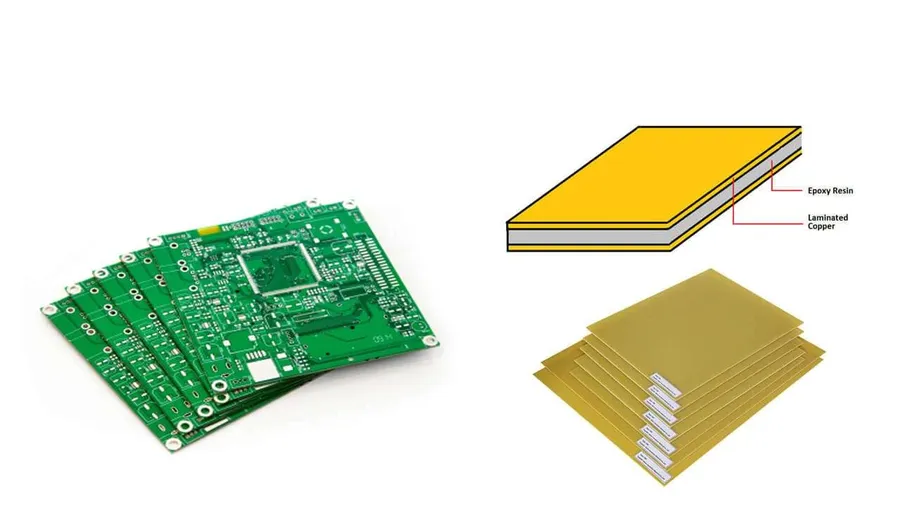
Different PCB Types
Prior to initiating an online PCB board order, a thorough assessment of your project's specific requirements is paramount. This upfront analysis will streamline the selection process, ensuring that the chosen manufacturer aligns with your precise needs regarding size, layers, material, and any specialized features.
PCB Size and Dimensions Accurately measure and specify the length, width, and thickness of your PCB. This is crucial for ensuring the board fits within your enclosure and integrates correctly with other components. Consider tolerances to avoid issues with fit.
Number of Layers Determine the number of copper layers required for your design, taking into consideration the complexity of the circuit and signal routing. Single-layer, double-layer, and multi-layer options each present their own advantages and disadvantages based on the specific design.
Base Material Choose the appropriate material for the PCB substrate, such as FR-4, aluminum, or flexible material (e.g., polyimide). FR-4 is the most common, but other options may be necessary for thermal, mechanical, or other unique design requirements. Consider the operating environment and necessary material properties, like CTE and thermal conductivity.
Copper Thickness Define the required copper thickness, measured in ounces per square foot. This impacts the board's current-carrying capacity, especially in high-power applications, which is critical for thermal management. Different applications require different copper thicknesses to ensure that the PCB operates within design tolerances.
Surface Finish Select the surface finish for the PCB pads. Common options include HASL (Hot Air Solder Leveling), ENIG (Electroless Nickel Immersion Gold), and OSP (Organic Solderability Preservative). The finish should meet requirements for solderability, corrosion resistance, and planarity. Consider shelf life requirements as some surface finishes oxidize quicker than others.
Special Features and Requirements Outline any special features required for your PCB. These could include controlled impedance traces, via types (blind, buried, through-hole), specific solder mask colors, or other specialized manufacturing requirements that may require a particular process or machine.
Thermal Management Evaluate the thermal requirements for the board and ensure proper heat dissipation. For high heat applications, consider using a metal core, thermal vias, and specialized material with higher thermal conductivity. Poor thermal management can lead to premature component failure and performance issues.
Key Factors to Consider When Choosing a PCB Manufacturer for Online Order
PCB Factory
Selecting the right PCB manufacturer for your online order is crucial for project success. This decision impacts cost, timeline, and the final product's quality. Careful consideration of several key factors will ensure the manufacturer aligns with your specific project needs.
Factor
Description
Importance
Cost
The total price for PCB manufacturing, including setup, materials, and any additional services.
Budgetary constraints often dictate project feasibility; cost-effectiveness is a key concern.
Turnaround Time
The duration from order placement to delivery of finished PCBs.
Critical for meeting project deadlines; shorter times are often needed for rapid prototyping and timely deployment.
Quality Standards
Certifications like ISO 9001, IPC standards, and adherence to industry quality control practices.
Essential for reliability and performance; certified processes reduce the risk of errors.
Material Availability
Types of materials offered (e.g., FR-4, Aluminum, Rogers) and their specifications (e.g., thickness, copper weight).
Materials must suit the project's environmental and functional requirements.
Finishes and Surface Treatments
Options for surface finishes (e.g., HASL, ENIG, Immersion Tin) and other treatments (e.g., solder mask color, silkscreen).
Affects solderability, corrosion resistance, and overall board longevity. Surface finishes should match the assembly and application requirements.
Minimum Order Quantity (MOQ)
The smallest quantity of PCBs a manufacturer will produce for a single order.
For small projects, selecting a manufacturer with no or low MOQ requirements can reduce expenses and avoid surplus boards.
Technical Support
Availability and responsiveness of the manufacturer's technical staff for design rule checks (DRC), clarifications, and issue resolution.
Critical for resolving design problems before production and ensuring a successful outcome.
Step-by-Step Guide to Ordering PCB Boards Online
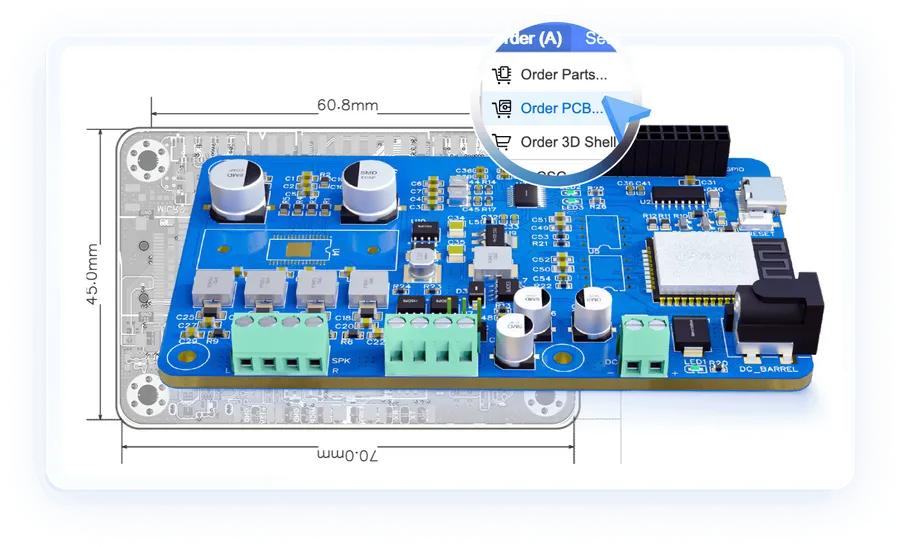
Online PCB Order Form
Ordering PCBs online requires a structured approach to ensure accuracy and avoid costly mistakes. This section provides a detailed guide, from preparing your design files to completing the online order, ensuring a smooth experience when engaging in pcb board online order.
Prepare Gerber Files Gerber files are the standard format for PCB manufacturing. Export these from your PCB design software, ensuring all layers (copper, solder mask, silkscreen, drill) are included. Confirm that the file extensions (.GTL, .GBL, .GTS, .GBS, .TXT, etc.) correspond to the correct layers.
Choose a PCB Manufacturer Select a reputable online PCB manufacturer that meets your project's needs based on factors like cost, turnaround time, and quality standards. Review user reviews and compare their capabilities (e.g., number of layers, material type, minimum trace width).
Upload Gerber Files Navigate to the manufacturer's website and locate the upload interface. Ensure the files are compressed in a .zip or .rar format as specified. Pay careful attention to any file naming conventions or folder structure that they may specify.
Specify PCB Characteristics Define key specifications, including dimensions, layer count, material (FR-4, aluminum, etc.), copper thickness, solder mask and silkscreen colors, and surface finish (HASL, ENIG, etc.). Ensure these parameters match your design intent to avoid production issues. Consider any special requirements you might have such as impedance control.
Complete the Order Form Fill out all required fields, including quantity, delivery address, and preferred shipping method. Double-check all details before submitting your order to prevent errors.
Review Order and Place Order Review the order summary carefully. This includes the specified dimensions, cost, delivery time, and order number. Before proceeding make sure you are sure of the order, and then proceed with payment options and place the order.
Monitor Order Status After placing your order, track the order progress through the manufacturer's website and their order tracking system. Be aware of the time it takes for production and delivery to ensure you get your boards when you expect them.
Comparing Popular PCB Manufacturers for Online Orders
PCB Manufacturer Logos
Selecting the right PCB manufacturer for your online order is crucial for ensuring quality, cost-effectiveness, and timely delivery. This section provides a detailed comparison of several popular PCB manufacturers, highlighting their strengths and weaknesses across key criteria such as price, turnaround time, quality standards, and service offerings. By analyzing these factors, you can make an informed decision that aligns with your project's specific requirements and budget. We aim to present a clear picture of the competitive landscape to facilitate your choice when engaging in [pcb board online order].
Manufacturer
Price (USD)
Turnaround Time (Days)
Quality Standards
Materials Offered
Services
Notes
PCBWay
Low to Medium
3-7 (Standard), 1-3 (Express)
ISO 9001, UL Certified
FR-4, Aluminum, Flexible
Assembly, Stencil, Design Support
Well-regarded for prototyping and small to medium-sized production runs. Offers a comprehensive range of services.
JLCPCB
Very Low
3-7 (Standard), 1-3 (Express)
ISO 9001, UL Certified
FR-4, Aluminum
Assembly, Stencil
Known for extremely competitive pricing and rapid prototyping. Excellent for hobbyists and budget-conscious projects.
PCB Unlimited
Medium to High
5-15 (Standard), 3-7 (Express)
ISO 9001, AS9100D
FR-4, Rogers, High Tg
Advanced Assembly, Full Turnkey
Focuses on high-quality, complex PCBs and caters to specialized requirements. Suits demanding applications.
Allpcb
Low to Medium
3-8 (Standard), 1-3 (Express)
ISO 9001, ISO 13485
FR-4, Aluminum, Flexible
Assembly, Stencil
Offers a balance of price, quality, and service. Provides good options for both prototyping and larger production.
Seeed Studio Fusion PCB
Low to Medium
3-7 (Standard), 1-3 (Express)
ISO 9001
FR-4, Flexible
Assembly, Stencil, Open Source Support
Caters to the maker community. Suitable for small to medium runs. Focuses on quick turnarounds.
Common Pitfalls and How to Avoid Them When Placing a PCB Board Online Order
PCB Defects
Ordering PCBs online offers convenience, but it's crucial to be aware of common pitfalls that can lead to errors, increased costs, and delays. This section outlines frequent mistakes and provides practical guidance to ensure accuracy and success in your online PCB ordering process, especially for those who are engaging in pcb board online order for the first time.
Incorrect File Formats Submitting files in the wrong format is a common error. Most PCB manufacturers require Gerber files, which are industry-standard 2D vector files. Ensure your design software is configured to output Gerber files (RS-274X format) or a compatible format. Double-check that all necessary layers (copper, solder mask, silkscreen, drill) are included in the exported files. Avoid using native design files (like .brd or .pcb) directly.
Unclear or Missing Specifications Failing to specify crucial design parameters can result in PCBs that don't meet your needs. Clearly state requirements such as board thickness, copper weight, finish type (e.g., HASL, ENIG), solder mask color, and silkscreen color. If you have specific impedance control or via specifications, include these explicitly. Ambiguity can lead to misinterpretation and result in incorrectly manufactured boards.
Misinterpreting Quotes Carefully scrutinize price quotes from online PCB manufacturers to avoid hidden costs. Some vendors may quote a very low price upfront and then add charges for options such as different solder mask colors or specific material choices. Ensure the quote covers all the requirements and additional services you need like E-test. Request detailed breakdown to understand precisely what you're paying for.
Insufficient Design Rule Checks (DRC) Failing to run thorough DRC in your design software before generating Gerber files can introduce errors in your PCB design that may not be immediately apparent. Common errors include insufficient trace spacing, vias too close to pads or traces, and improperly sized drills. These issues will lead to manufacturing defects or board failures. Conduct a thorough DRC and address all warnings or errors before submitting the files.
Ignoring Minimum Manufacturable Specifications Every PCB manufacturer has its specific minimum trace width, spacing, drill hole size, and other specifications. Designing with features below these minimums will either result in manufacturing defects or will force the manufacturer to modify your design potentially resulting in unintended behaviors. Verify your design meets your chosen manufacturer’s specifications before submitting the order.
Forgetting to Check Order Summary Before Submitting Carefully review your order details before finalizing, including the type of board, dimensions, material, layer count, and quantity. Ensure all your chosen specifications are displayed correctly. A small error in specifications during the final step will result in receiving an order that does not match your design, which will lead to delays and potentially waste materials.
Frequently Asked Questions About Ordering PCBs Online
Ordering PCBs online can be a straightforward process, but first-time users often have questions. This section addresses the most common queries to help ensure a smooth and successful ordering experience.
What file formats are necessary for ordering PCBs online? The most critical file format is Gerber files, which are the industry standard for PCB manufacturing. Ensure you also have a drill file in Excellon format, specifying hole locations. It is also important to provide a pick and place file if you will be having your boards assembled and placed at the fab. Some manufacturers may accept other formats, but Gerber is universally compatible and recommended.
What is the typical turnaround time for online PCB orders? Turnaround time varies based on manufacturer, complexity of the board, and shipping method. Standard production times range from 24 hours to several weeks. Expedited options are generally available for faster turnarounds, with pricing that reflects that.
How can I track my online PCB order? Most online PCB manufacturers provide tracking numbers once your order ships. These tracking numbers can be used on the shipping carrier's website (e.g., FedEx, UPS, DHL) to monitor the delivery status of your boards. In addition to the shipping tracking information most manufacturers have an internal tracking system as well.
What payment options are typically accepted for online PCB orders? Common payment methods include major credit cards (Visa, MasterCard, American Express), PayPal, and bank transfers. Some manufacturers also offer payment through digital payment platforms like Google Pay and Apple Pay. For large volume orders or custom requests, some manufacturers may offer payment terms or lines of credit. It is best to confirm these policies with the specific manufacturer before beginning the ordering process.
How do I handle revisions to my PCB design after placing the online order? If your order has not gone into production, you might be able to revise your design for an additional cost, or it may be included as part of a larger project. If your order has already started manufacturing, you will need to place another order with the correct design. It is very important to carefully double check your Gerbers and other files before committing the online order to production.
What are the common PCB material options and how do I choose the correct one? FR-4 is the most common and cost-effective PCB material, suitable for most applications. Other materials include aluminum-backed boards for heat dissipation, Rogers materials for high-frequency applications, and flexible materials such as polyimide. The material choice depends on the operating environment, performance requirements and cost. Be sure to consult material data sheets and application notes to determine what is appropriate for your application. When in doubt, contact the manufacturer or a design engineer.
How do I ensure the quality of my ordered PCB boards? To ensure the quality of your ordered boards, thoroughly review your gerber files before ordering. Check for any errors or misalignments. Once you receive your boards, visually inspect them for defects, such as shorts, opens, or improper plating. Additionally, if your board design allows for it you may want to do a quick electrical test using a multimeter or some dedicated test equipment to verify the design. Consider requesting an electrical test before you commit to production.
Optimizing Your Online PCB Order for Cost and Efficiency
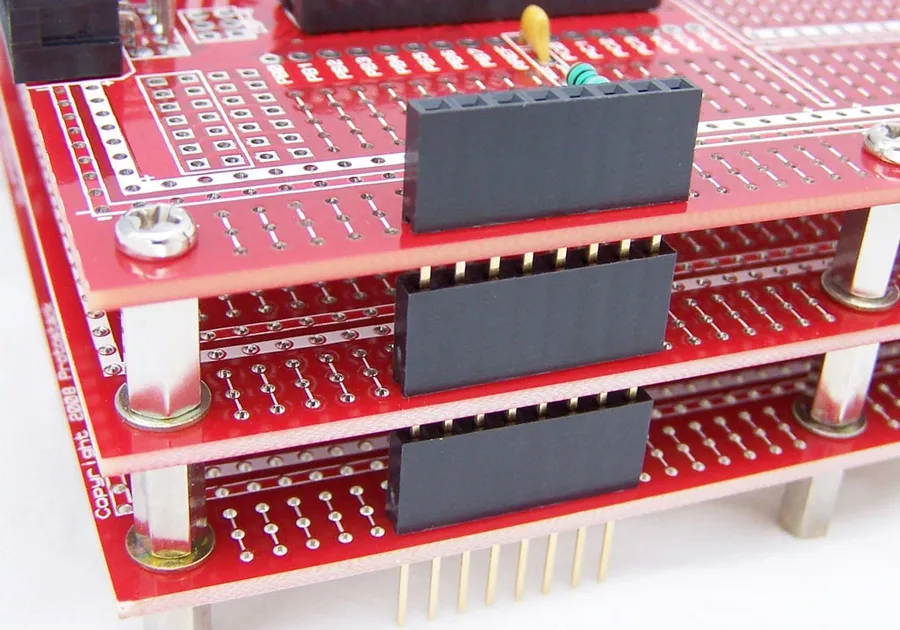
PCB Stack
Optimizing your online PCB order for cost and efficiency involves several strategic decisions, focusing on both design and manufacturing processes. By carefully considering these factors, you can significantly reduce expenses and streamline production without compromising the quality of your printed circuit boards.
Panelization Panelization involves arranging multiple PCB designs onto a single larger panel. This significantly reduces per-board costs during manufacturing and assembly, as fewer setups and processing steps are required. However, ensure your design is suitable for panelization and consider the separation method (e.g., v-cut or routed).
Material Selection The choice of PCB material has a significant impact on both cost and performance. While FR-4 is a common and cost-effective material, explore alternatives based on your application's specific needs. High-performance materials can significantly increase costs but are crucial for certain applications.
Design for Manufacturability (DFM) DFM involves designing your PCB with manufacturing constraints in mind. Adhering to manufacturer guidelines on trace widths, clearances, via sizes, and component placement can reduce production issues and costs. Early DFM checks can eliminate costly redesigns and delays.
Standardization of Components Using commonly available components can reduce cost and lead times. Avoid using rare or obsolete components. Standardizing on readily available parts reduces the risk of supply chain issues and can often lead to bulk discounts
Layer Count Optimization Reducing the number of layers in your PCB design can lead to significant cost savings. Analyze your design to determine if the required functionality can be achieved with fewer layers. Fewer layers also reduce manufacturing complexity, and in turn reduce production times and costs.
Proper Gerber File Preparation Ensure your Gerber files are accurately generated, and use consistent naming conventions. Meticulous file preparation prevents errors, delays, and added cost.
Order in Bulk Ordering a larger quantity of PCBs can reduce the per-board price due to economies of scale. If you anticipate needing more boards in the future, consider ordering them all at once. However, carefully assess your needs to avoid overstocking and potential obsolescence.
Ensuring Quality and Reliability of Your Online PCB Board Order
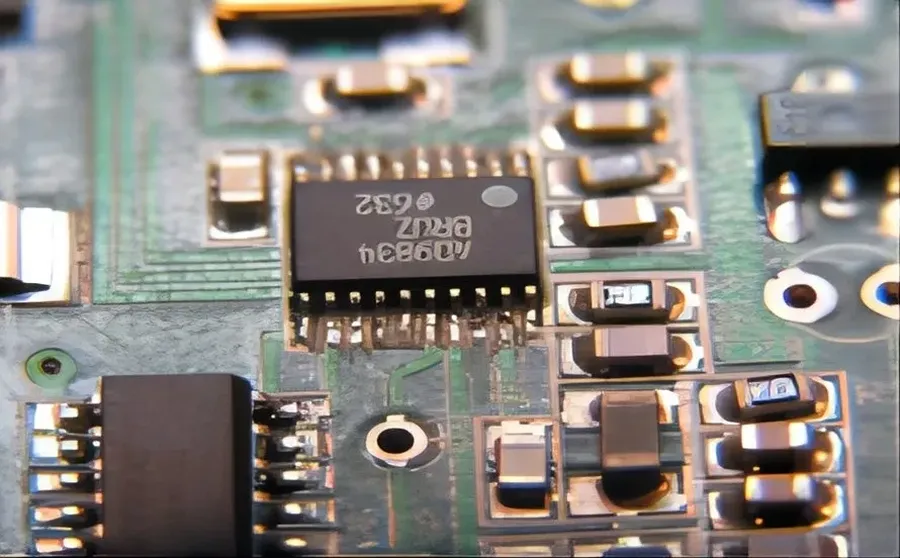
PCB Inspection
Verifying the quality and reliability of your printed circuit board (PCB) after receiving it from an online order is a critical step in the product development process. This ensures that the PCBs meet your specifications and are free from defects that could compromise the performance of your electronic device.
This section outlines the essential visual inspection and electrical testing methods that should be implemented upon delivery to validate the integrity of your online PCB board order.
Visual Inspection Techniques Before any electrical testing, conduct a meticulous visual inspection of each PCB. Look for any physical damage that may have occurred during shipping, such as cracks, scratches, or dents. Pay close attention to the quality of solder joints, checking for proper wetting and the absence of solder bridges or voids. Confirm that the PCB conforms to the specified dimensions and that all markings, silkscreen, and component outlines are correctly positioned. Check for any anomalies in the board's surface finish, such as variations in plating or inconsistencies in the solder mask.
Dimensional Verification Use precise measuring instruments, such as calipers or a coordinate measuring machine (CMM), to confirm that the PCB dimensions match your design specifications. Verify the board thickness, the location of mounting holes, and the distance between critical features. Any deviation may lead to problems during assembly or integration into your product.
Electrical Testing Procedures Electrical testing is crucial for assessing the operational integrity of a PCB. Start by conducting a continuity test to ensure that there are no open circuits or shorts where they shouldn't be. Utilize a digital multimeter or dedicated testing equipment to verify the connectivity between various points in your circuit. If the design is multilayered, consider using a flying probe tester or bed-of-nails fixture to perform more comprehensive tests.
Functional Testing For assembled boards, conduct a functional test to ensure all components work as intended. Apply the design operating parameters and measure the electrical outputs. This may include observing the behavior of integrated circuits, verifying voltage regulator outputs, or testing the communication between different circuit blocks. If you are testing a board with a microcontroller, it is crucial to verify the functionality of the firmware or other code implemented on the board.
Documentation Review Confirm that the received PCB includes all required accompanying documentation, such as a certificate of compliance or test reports. These documents provide verification of the manufacturer's adherence to quality standards. Ensure all documentation is complete and traceable, and any discrepancies are investigated and addressed promptly.
Ordering PCBs online has revolutionized the electronics design and prototyping process, making it more accessible and faster than ever before. By understanding your needs, carefully choosing a manufacturer, preparing your files correctly, and avoiding common mistakes, you can ensure a successful outcome and a seamless project. Whether you're a seasoned engineer or a hobbyist just beginning, navigating [pcb board online order] is a crucial skill for anyone in the electronics space. The ability to quickly access reliable and affordable PCBs will be a key competitive advantage in today's dynamic tech landscape.