In today's fast-paced electronics industry, time is often of the essence. Quick turn PCB factories are vital for rapid prototyping and production, enabling engineers to test ideas and bring products to market faster. This article will delve into the crucial aspects of selecting a suitable quick turn PCB factory, drawing upon industry insights and technological advancements, connecting the essential need for speed with the precision required in modern electronic design. We will cover key considerations and provide actionable tips to ensure you choose the best partner for your PCB needs. Whether you're a seasoned engineer or a startup founder, understanding these nuances will pave the way for successful product development.
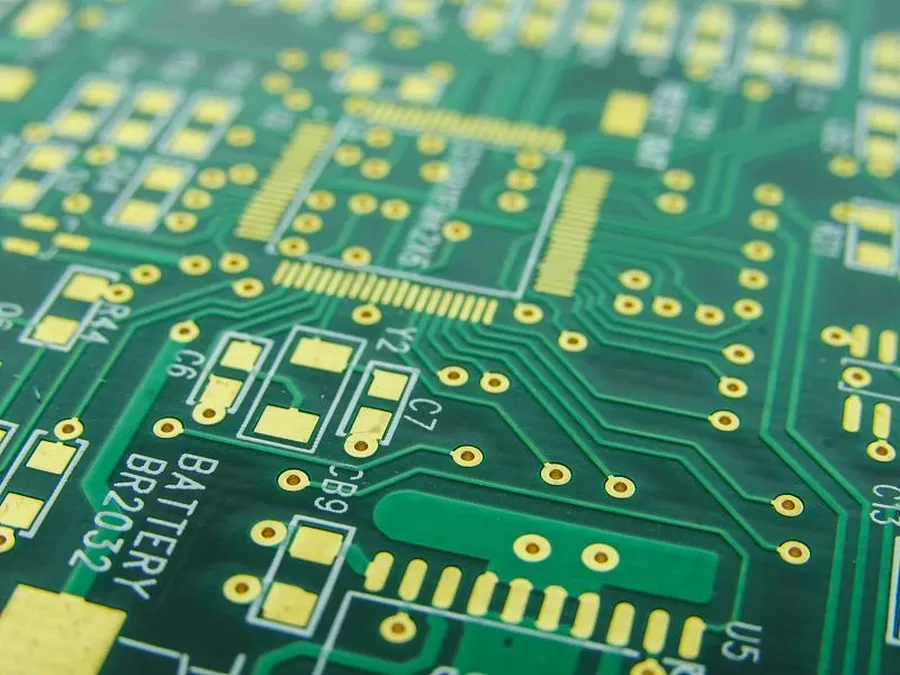
Quick turn PCB manufacturing is characterized by its accelerated production timelines, contrasting with standard PCB fabrication that typically involves longer lead times. This expedited service is designed to rapidly produce printed circuit boards, typically within 24 hours to a few days, enabling faster prototyping and time-sensitive project completions. The turnaround time varies depending on factors such as design complexity, material availability, and order volume.
Several key factors influence the speed of quick turn PCB production:
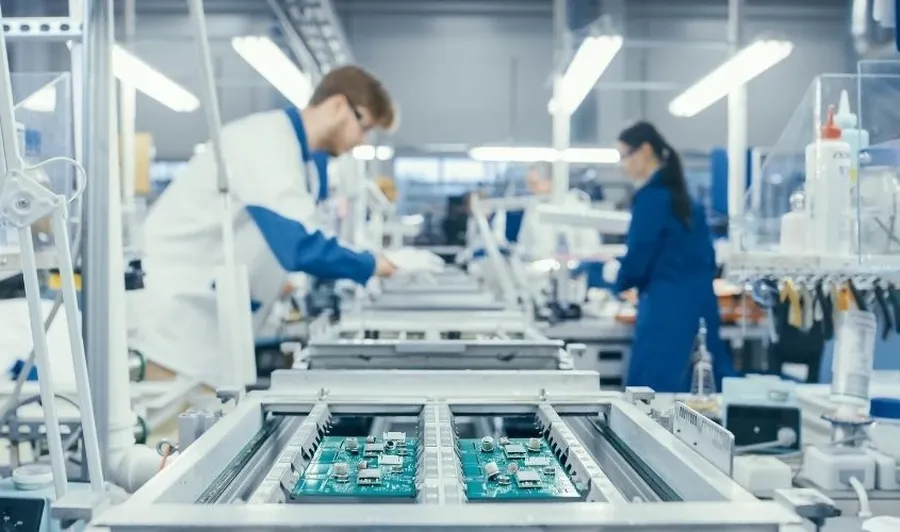
Selecting the right quick turn PCB factory hinges on several critical factors that directly impact the quality, functionality, and timely delivery of your printed circuit boards. These factors range from material capabilities and precision to testing services and certifications. A careful evaluation of these elements is essential to ensure that your chosen factory aligns perfectly with your project requirements, budget, and time constraints.
| Factor | Description | Importance |
|---|---|---|
| Material Capabilities | The range of materials the factory can process, including FR-4, high-Tg, Rogers, and flexible substrates. | Critical for meeting specific application requirements and operating conditions; affects performance, durability and signal integrity. |
| Layer Count | The number of conductive layers the PCB supports, influencing complexity and density. | Directly related to the design complexity and functionality of the PCB; important in multi-layered high performance applications. |
| Surface Finishes | Options include HASL, ENIG, Immersion Silver, and others, which affect solderability and corrosion resistance. | Impacts the longevity and reliability of solder joints; choose according to environmental conditions and application. |
| Precision and Tolerances | Minimum trace widths/spacing, via sizes, and overall dimensional accuracy. | Ensures proper functionality and compliance with design specifications; critical for high-density designs. |
| Panelization Options | Capabilities of creating multiple boards on a single panel for efficient production. | Reduces manufacturing costs and accelerates turnaround times. |
| Testing Services | Types of tests offered such as Electrical Testing, AOI, and X-ray inspection. | Verify the functional and quality standards of the PCB; reduces the likelihood of failures. |
| Certifications | Quality and reliability certifications such as ISO 9001, AS9100, or IPC standards. | Indicate that the factory adheres to established quality control processes; important for reliability and compliance. |
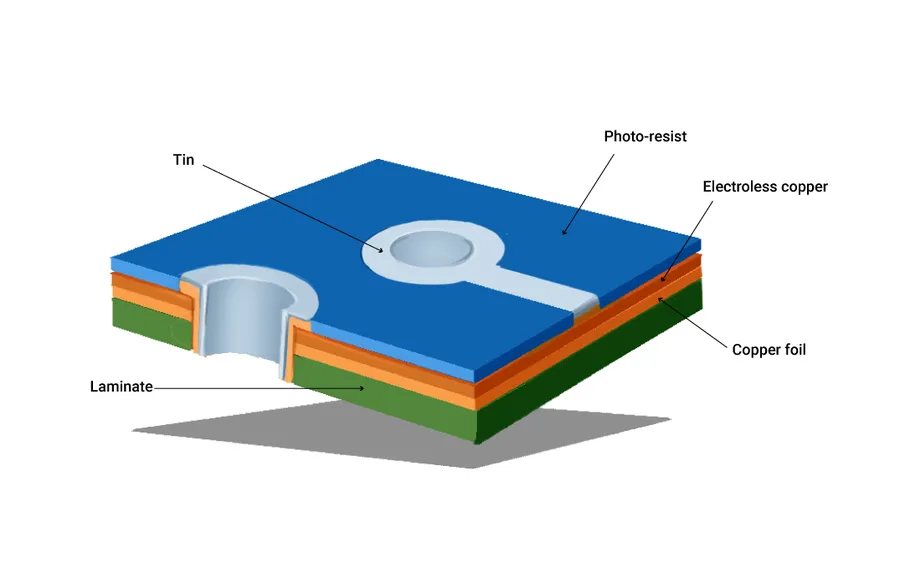
Quick-turn PCB manufacturing offers expedited services, but turnaround times can vary significantly based on several factors. Understanding these variations and their causes is crucial for effective project planning. While some factories may offer completion in as little as 24 hours, others might take several days, making it essential to align expectations with a given factory’s capabilities and your project’s requirements.
| Factor | Impact on Lead Time | Mitigation Strategies |
|---|---|---|
| Design Complexity | More complex designs with multiple layers, intricate routing, or fine traces require more processing time. | Simplify design where possible; optimize for manufacturing; use standard components. |
| Order Size | Larger orders typically take longer to produce than smaller ones due to increased production and quality control steps. | Accurately estimate needs; consider phased orders if possible. |
| Material Availability | Lead times may be extended if specialized materials with longer lead times are needed. | Use common materials; verify material availability beforehand. |
| Factory Workload | Factories experiencing high demand may have longer lead times even for standard orders. | Communicate early with your manufacturer; plan for potential delays. |
| Surface Finishes | Certain finishes may require additional processing time. | Consider alternative, faster options when applicable; clarify finish requirements early on. |
To minimize delays, it is essential to establish clear and concise communication with your chosen PCB factory. Providing detailed specifications and design files up front, and maintaining open lines of communication throughout the process, can help to mitigate misunderstandings and ensure a smooth and timely production schedule. Planning your projects with potential lead time variability in mind is crucial to meeting deadlines.
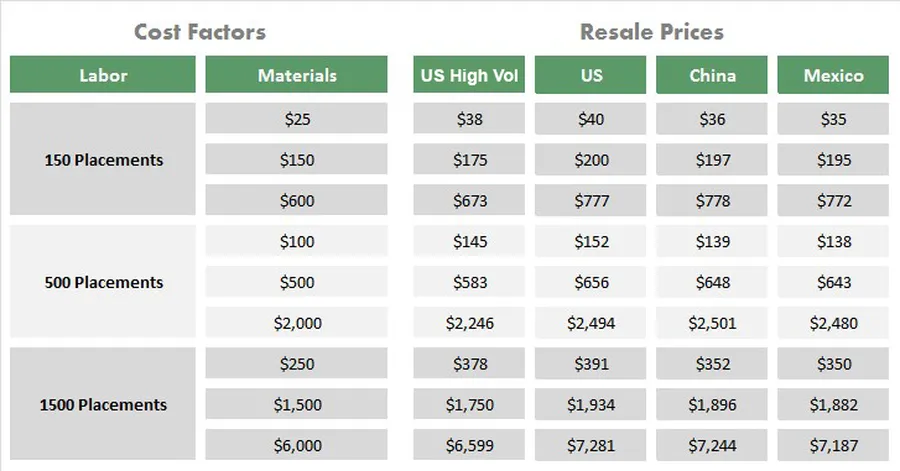
Selecting a quick-turn PCB factory necessitates a careful balance between speed and cost. Faster turnaround times often come with increased expenses. A thorough understanding of pricing structures and cost optimization strategies is essential for achieving both project objectives and budgetary goals.
The cost of quick-turn PCB fabrication is not static and is influenced by multiple variables, primarily the required turnaround time. Expedited services demand additional resources and incur a premium over standard lead times. Furthermore, costs can fluctuate based on factors such as design complexity, material requirements, order volume, and chosen surface finishes.
| Cost Factor | Impact on Price | Optimization Strategies |
|---|---|---|
| Turnaround Time | Faster turnarounds generally increase costs significantly due to expedited processes. | Plan ahead, clearly define deadlines, and avoid unnecessary rush orders. |
| Design Complexity | Intricate designs with tight tolerances and numerous layers require more specialized manufacturing, increasing costs. | Implement Design for Manufacturability (DFM) to simplify designs. Design reviews can help catch and fix issues before fabrication. |
| Material Selection | Specialized and high-performance materials will always lead to higher costs | Consider using standard materials if they meet performance requirements to reduce the price. |
| Order Volume | Small orders often have higher per-unit costs due to set-up expenses. | Consolidate orders when possible and use panelization to reduce costs per PCB. |
| Surface Finish | Premium surface finishes (e.g., ENIG) are more costly than standard options (e.g., HASL). | Choose the appropriate finish for the application. Consider lower-cost options if performance is not compromised. |
Effective cost optimization involves adopting Design for Manufacturability (DFM) practices. DFM reduces production costs by ensuring the PCB design is optimized for efficient manufacturing. This includes using standard components, designing with consideration for manufacturing limitations, and avoiding overly complex layouts when possible. DFM can help reduce re-spins and therefore save time and money.
Price structures for quick-turn PCB services can vary significantly. Some factories might implement a tiered pricing system based on turnaround time, order size, or design complexity. For example, a 24-hour turnaround may cost significantly more per unit than a 3-day turnaround for an identical design. Understanding these structures is important to choose the right production schedule. Furthermore, negotiating and communicating clear needs can help secure more advantageous rates. It is also important to ensure that the factory has all the correct tooling to avoid delays and unnecessary cost increases.
The decision between domestic and offshore quick-turn PCB factories is pivotal, significantly impacting project timelines, costs, and quality. This choice necessitates a careful evaluation of several factors, including manufacturing standards, communication ease, turnaround times, and overall costs. Understanding these aspects is crucial for making an informed decision aligned with project needs and constraints.
| Factor | Domestic Quick Turn PCB Factories | Offshore Quick Turn PCB Factories |
|---|---|---|
| Manufacturing Standards | Typically adhere to stringent international standards (e.g., IPC, ISO) often enforced with greater oversight. | Standards vary widely; some adhere to high standards, while others may have less stringent practices. |
| Communication | Direct, often real-time communication due to proximity and similar time zones, facilitating quicker issue resolution. | Communication may be challenging due to time zone differences and language barriers; requires clear and detailed specifications. |
| Turnaround Times | Potentially faster shipping and logistics due to domestic locations, which can reduce total project lead time. | Shipping times can be significantly longer, affecting overall project turnaround time; customs and logistics add complexity. |
| Costs | Generally higher manufacturing costs due to labor and overhead expenses; may have reduced shipping and logistics costs. | Generally lower manufacturing costs due to lower labor and operational costs; may involve higher shipping and import duties. |
| Quality Control | Easier to oversee and verify quality due to proximity and often, established trust in manufacturing practices. | Quality control can be more challenging to oversee remotely; needs thorough vetting and may require on-site visits. |
| Intellectual Property | IP protection can be more reliable due to domestic legal frameworks. | IP protection is a significant concern; requires careful contracts and risk assessment. |
Selecting a factory requires a comprehensive understanding of the project needs and the implications of each choice. Domestic factories offer advantages in communication, quality oversight, and IP protection, often at a higher cost. Offshore options can provide cost savings but may introduce challenges in communication, quality control, and lead times. The optimal choice hinges on balancing these competing factors in alignment with project-specific requirements and constraints.
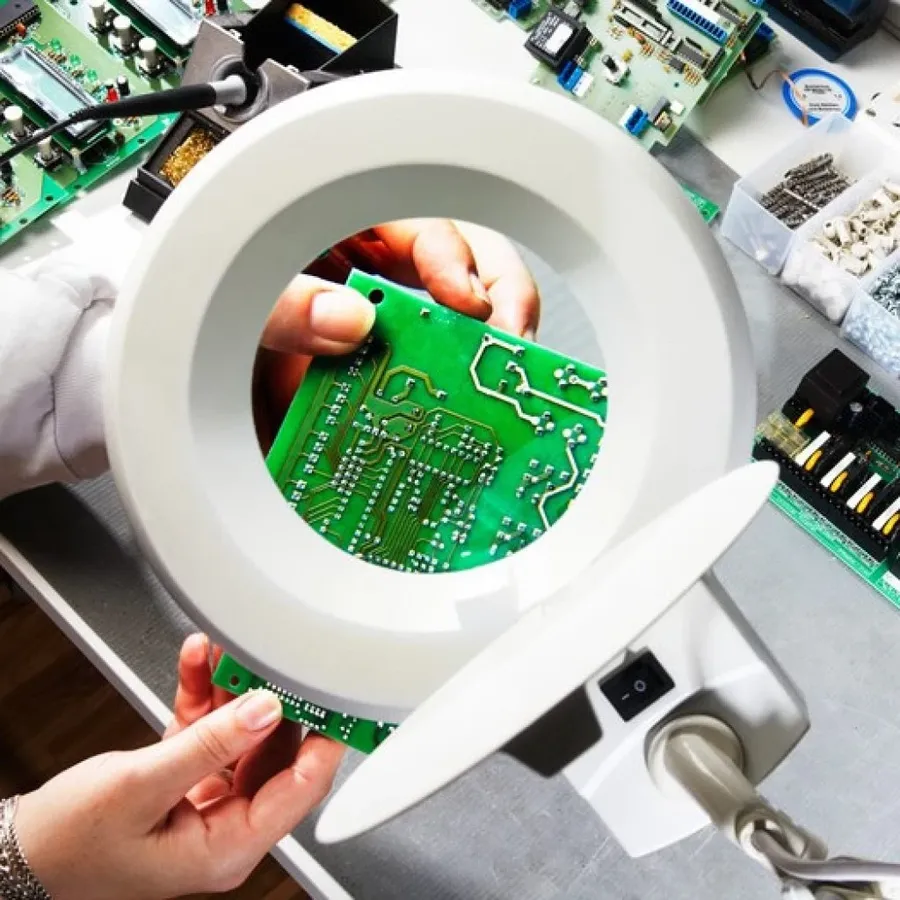
Rigorous quality assurance and relevant certifications are paramount when selecting a quick turn PCB factory. These measures ensure the reliability and performance of your printed circuit boards. Verifying a manufacturer's commitment to quality control is crucial for avoiding costly defects and delays.
Key aspects of quality assurance and certifications include:
To assess a manufacturer's quality control measures, consider the following:
This section addresses common questions about quick turn PCB manufacturing, offering concise and practical answers to guide you further.
Real-world examples of successful projects utilizing quick turn PCB services demonstrate the tangible benefits of selecting an appropriate factory. These case studies span various industries and applications, showcasing how the right choice can significantly impact project timelines and product quality, often providing a competitive edge through rapid prototyping and time-to-market.
The following case studies illustrate the benefits of leveraging quick turn PCB factories across diverse sectors:
These case studies showcase the importance of choosing the right quick turn PCB factory to suit the project's needs. They clearly highlight how a fast, reliable manufacturer can contribute significantly to success in diverse industries by improving production timelines and delivering high quality circuit boards.
The quick turn PCB manufacturing landscape is rapidly evolving, driven by technological advancements and increasing demands for faster, more efficient production. This section explores key trends that are poised to shape the future of the industry, focusing on innovations that enhance speed, sustainability, and performance.
Staying at the forefront of these trends requires a proactive approach. Partnering with forward-thinking PCB factories that embrace innovation and are ready to invest in cutting-edge technologies is a strategic advantage for companies seeking to leverage the latest advances in quick turn PCB manufacturing.
Choosing the right quick turn PCB factory is crucial for the success of your project. By understanding the nuances of quick turn PCB manufacturing, you can make an informed decision that balances cost, time, and quality. This guide has highlighted critical factors, including the different types of quick-turn PCB factories, turnaround times, material options, quality assurance, and cost optimization. By leveraging the best practices and insights discussed here, engineers, entrepreneurs and everyone in between can navigate the quick turn PCB industry efficiently. Remember that the best outcome involves thoroughly evaluating options, communicating effectively with your chosen manufacturer, and leveraging the capabilities of the modern quick turn PCB factory to achieve the optimum results.

