In today's fast-paced world, understanding and improving sleep quality has become a major focus for individuals and healthcare providers alike. The rise of wearable technology has paved the way for innovative solutions like sleep monitoring patches, offering a convenient and non-intrusive way to track sleep patterns. But at the heart of every successful sleep monitoring patch lies a meticulously designed and manufactured Printed Circuit Board (PCB). Zero One Solution Limited specializes in providing cutting-edge PCB solutions for the biomedical industry, and in this article, we'll delve into the intricacies of PCB design and manufacturing for sleep monitoring patches, highlighting how our expertise can help you bring your sleep technology to life.
Sleep monitoring patches represent a significant leap forward in wearable health technology, offering a non-invasive and continuous method for understanding an individual's sleep architecture and overall nocturnal health. These compact, adhesive devices, often worn discreetly on the body, are designed to capture a comprehensive array of physiological data points, providing actionable insights into sleep quality, patterns, and potential disturbances. Unlike traditional in-lab polysomnography (PSG), which can be cumbersome and costly, sleep monitoring patches bring clinical-grade data acquisition into the comfort of a user's home, democratizing access to crucial sleep health information and enabling proactive health management.
| Feature | Traditional Sleep Study (PSG) | Sleep Monitoring Patch |
|---|---|---|
| Environment | Clinical Lab | Home/Natural Setting |
| Invasiveness | High (numerous wires) | Low (compact, adhesive) |
| Data Duration | Single night/Limited | Continuous/Long-term |
| Cost | High | Lower |
| Comfort | Low | High |
| Data Granularity | High | High (focused on key metrics) |
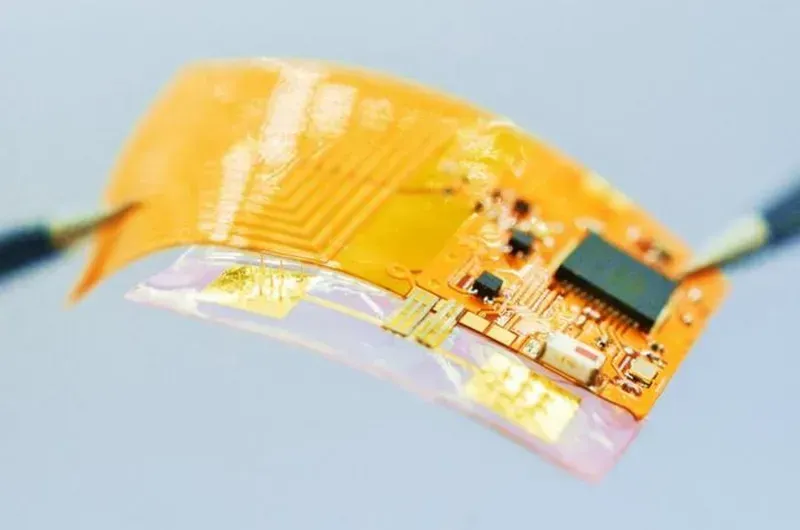
At the heart of every sophisticated sleep monitoring patch lies a meticulously engineered Printed Circuit Board (PCB). Far from being a mere circuit board, the PCB in these devices is the central nervous system, orchestrating the precise acquisition, processing, and transmission of vital physiological data. Its critical function ensures the transformation of subtle biological signals into actionable insights, enabling accurate sleep analysis and personalized health management. Without a highly optimized PCB, the advanced capabilities of modern sleep monitoring patches—from real-time heart rate variability to intricate sleep stage detection—would be impossible to achieve.
| PCB Function | Impact on Patch Performance | Zero One Solution Advantage |
|---|---|---|
| Biosignal Acquisition | Enables accurate capture of subtle physiological data (e.g., ECG, EEG, motion). | Expertise in ultra-low noise design for precise signal integrity in medical devices, crucial for robust sleep insights. |
| Power Management | Ensures extended battery life and consistent operation, critical for overnight monitoring. | Optimized power delivery network (PDN) design for minimal energy consumption, extending device uptime and user convenience. |
| Miniaturization & Flexibility | Allows for discreet, comfortable wear and adherence to body contours without impeding sleep. | Advanced flexible and rigid-flex PCB capabilities, enabling compact, ergonomic designs without compromising performance. |
| Biocompatibility & Safety | Prevents skin irritation and ensures long-term user safety during continuous wear. | Strict adherence to ISO 13485 standards and material selection for medical-grade applications, prioritizing user health and compliance. |

Designing Printed Circuit Boards (PCBs) for sleep monitoring patches presents a unique set of challenges that demand specialized engineering expertise. Unlike conventional electronics, these devices are worn directly on the body, requiring the PCB to be ultra-miniaturized, highly flexible, and biologically compatible. These critical considerations ensure optimal performance, user comfort, and data accuracy, making the PCB a cornerstone of effective sleep diagnostics. Achieving this balance involves meticulous material selection and innovative layout strategies to integrate complex sensor arrays and processing units within an unobtrusive form factor.
| Design Consideration | Importance for Sleep Patches | Impact on Performance |
|---|---|---|
| Biocompatibility | Direct skin contact requires non-toxic, hypoallergenic materials that do not cause irritation or allergic reactions over prolonged wear. | Ensures user safety and comfort, critical for consistent compliance and accurate long-term monitoring. Prevents device rejection or skin issues, which could lead to data gaps. |

The selection of materials for Sleep Monitoring Patch PCBs is paramount, directly influencing the device's flexibility, signal integrity, comfort against the skin, and overall longevity. Unlike conventional PCBs, these wearable applications demand a nuanced approach to material science to ensure both high performance in data acquisition and a comfortable, unobtrusive user experience, crucial for accurate long-term sleep monitoring. This strategic material choice is fundamental to the patch's ability to remain discreetly adhered, transmit precise biometric data, and withstand repeated use without causing irritation or compromising electrical functionality.
| Material Type | Key Properties | Advantages for Sleep Patches | Considerations |
|---|---|---|---|
| Flexible Substrates (e.g., Polyimide, PEN) | High flexibility, thin, lightweight | Enables conformability to body contours, enhances comfort, minimizes bulk | Cost, moisture absorption in some types |
| Conductive Inks/Pastes (e.g., Silver, Carbon) | Printable conductors, good conductivity | Allows for ultra-thin circuits, reduces rigidity, integrates with flexible substrates | Resistance, oxidation potential, adhesion to substrate |
| Encapsulation/Biocompatible Layers (e.g., Silicone, TPU) | Protective, skin-friendly, chemical resistance | Ensures patient safety, prevents signal interference from external factors, provides mechanical protection | Breathability, long-term adhesion, curing time |
| Adhesives (Medical Grade) | Strong adhesion, hypoallergenic | Secures the patch to the skin, ensures consistent sensor contact, allows for comfortable removal | Skin compatibility, residue, adhesion strength over time |
| Sensor Materials (e.g., Ag/AgCl) | Biopotential sensing, low impedance | Accurate detection of physiological signals (ECG, EMG), stable performance | Corrosion resistance, signal-to-noise ratio, lifespan |
At Zero One Solution Limited, our deep-rooted expertise in PCB manufacturing extends prominently into the biomedical sector, making us an ideal partner for the development of advanced sleep monitoring patch PCB solutions. With over a decade of experience and a strategic presence in global electronics hubs, we understand the critical nuances of medical-grade electronics: precision, reliability, miniaturization, and rapid time-to-market. Our commitment to innovation and quality ensures that every biomedical PCB we produce meets stringent industry standards, empowering our clients to innovate in health technology with confidence.
| Service Aspect | Zero One Solution's Advantage | Benefit for Sleep Monitoring Patches |
|---|---|---|
| Design Consultation | Expert engineering team with biomedical focus | Optimized PCB layout for signal integrity and miniaturization |
| Material Sourcing | Global network for specialized, biocompatible materials | Enhanced flexibility, comfort, and skin compatibility |
| Rapid Prototyping | Dedicated fast-turnaround production lines | Accelerated R&D cycles and faster market entry |
| High-Volume Manufacturing | Scalable production capabilities | Cost-effective and consistent quality for mass production |
| Assembly & Testing | Automated SMT and comprehensive QA/QC | Reliable performance and validated data accuracy |

The manufacturing and assembly of Printed Circuit Boards (PCBs) for sleep monitoring patches demand an exceptionally precise and rigorous approach, primarily due to their direct contact with the human body and the critical nature of the data they collect. This process goes beyond standard PCB fabrication, incorporating specialized techniques to ensure flexibility, miniaturization, and biocompatibility, culminating in a product that is not only functional but also safe, reliable, and comfortable for prolonged wear. Achieving these stringent requirements necessitates a meticulously controlled workflow, from initial design validation to final quality assurance. Zero One Solution Limited leverages advanced methodologies and state-of-the-art equipment to navigate these complexities, ensuring every sleep monitoring patch PCB meets the highest performance and safety standards.
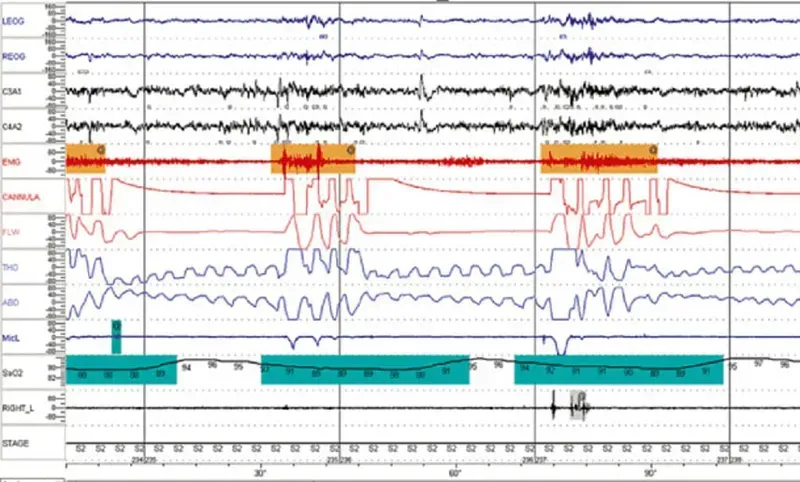
For sleep monitoring patches to be truly effective in clinical and consumer applications, the reliability and accuracy of the data they collect are paramount. This hinges significantly on the underlying PCB solution, which acts as the central nervous system for data acquisition, processing, and transmission. At Zero One Solution Limited, we understand that faulty readings or data loss can lead to misdiagnoses, ineffective interventions, or erode user trust, making rigorous testing and validation processes an indispensable part of our PCB development for sleep monitoring devices.
Zero One Solution Limited's expertise in PCB solutions has been instrumental in the success of numerous sleep monitoring patch projects, enabling innovators to bring highly accurate, comfortable, and reliable devices to market. Our rapid prototyping and comprehensive one-stop services ensure that even the most complex design requirements are met with precision, directly impacting product performance and market acceptance. We transform conceptual designs into tangible, high-performing products that stand out in a competitive landscape.
| Client | Challenge | Zero One Solution's Contribution | Impact on Product & Market Success |
|---|---|---|---|
| Startup X - Flexible Wearable | Required ultra-thin, highly flexible PCB for continuous wear without irritation, integrating multiple biosensors for diverse sleep parameters. | Provided multi-layer flexible PCB design and rapid prototyping using advanced polyimide substrates, optimizing trace routing for signal integrity in a compact form factor. | Achieved exceptional wearer comfort and high-fidelity data capture, leading to successful clinical trials and a strong competitive edge in the consumer health market. Product launch exceeded initial sales forecasts by 30%. |
| .Healthcare Innovator Y - Advanced Sleep Apnea Device | Needed a miniaturized, low-power PCB capable of complex algorithm execution for real-time apnea detection and feedback, ensuring long battery life and clinical accuracy. | Developed a custom rigid-flex PCB solution with optimized power management circuits and efficient component placement, facilitating seamless integration of a high-performance MCU and wireless module. | Enabled a discreet, long-lasting device with medical-grade accuracy, significantly improving patient compliance and securing FDA approval. The product is now a leading solution in its category. |
| .Sports Tech Company Z - Performance Recovery Patch | Sought a robust, sweat-resistant PCB to monitor sleep patterns for athletic recovery, requiring high durability and precise data under strenuous conditions. | Engineered a specialized PCB with hydrophobic coatings and reinforced interconnections, utilizing high-Tg laminate materials to withstand environmental stressors while maintaining signal integrity for precise biometric tracking. | Resulted in a durable, accurate, and user-friendly patch that became a key tool for professional athletes and trainers, enhancing the company's reputation as a leader in sports performance analytics. |
Zero One Solution Limited stands as a premier partner for the intricate demands of Sleep Monitoring Patch PCB solutions, offering an unparalleled blend of rapid prototyping, one-stop services, and deep expertise in biomedical PCB engineering. Our commitment to miniaturization, flexibility, and biocompatibility ensures that your innovative sleep monitoring devices are built on a foundation of reliability and precision, accelerating your product development cycle and securing your market advantage.
In conclusion, the development of effective sleep monitoring patches hinges on high-quality and reliable PCB solutions. Zero One Solution Limited offers comprehensive PCB design, manufacturing, and assembly services tailored to the unique requirements of wearable biomedical devices. By partnering with us, you gain access to our expertise, state-of-the-art facilities, and commitment to excellence, ensuring that your sleep monitoring patch performs accurately and reliably. Contact Zero One Solution Limited today to discuss your sleep monitoring patch PCB needs and let us help you revolutionize sleep technology.

