In today's rapidly advancing world of wearable technology, precise and reliable temperature monitoring is becoming increasingly crucial. From healthcare and fitness trackers to industrial safety equipment, the ability to accurately measure body temperature or environmental conditions is paramount. Zero One Solution Limited offers cutting-edge PCB solutions tailored specifically for wearable temperature monitoring devices. But what exactly makes a PCB suitable for wearable applications, and how can you ensure optimal performance and reliability? This article will delve into the intricacies of wearable temperature monitoring PCB solutions, exploring design considerations, material choices, manufacturing processes, and the comprehensive services offered by Zero One Solution Limited.
Wearable temperature monitoring, underpinned by advanced PCB solutions, is rapidly transforming various sectors, offering unparalleled real-time data for critical decision-making. Its increasing significance stems from the ability to provide continuous, non-invasive thermal insights, moving beyond traditional spot checks to offer a holistic view of an individual's or environment's thermal state. This technological leap is crucial for proactive health management, optimizing athletic performance, and ensuring safety in hazardous work environments, marking a pivotal shift in how we perceive and utilize thermal data.
| Application Area | Key Benefit of Wearable Temperature Monitoring | Impact |
|---|---|---|
| Healthcare | Continuous Patient Vital Monitoring | Early disease detection, improved post-operative care, reduced hospital readmissions |
| Sports & Fitness | Performance Optimization & Safety | Prevention of heat exhaustion, tailored training programs, enhanced recovery |
| Industrial Safety | Worker Protection & Compliance | Mitigation of heat stress/cold exposure, improved regulatory adherence, reduced workplace accidents |
| Elderly Care | Proactive Health Management | Fall prevention (due to fever/hypothermia), early warning for infections, enhanced peace of mind for caregivers |
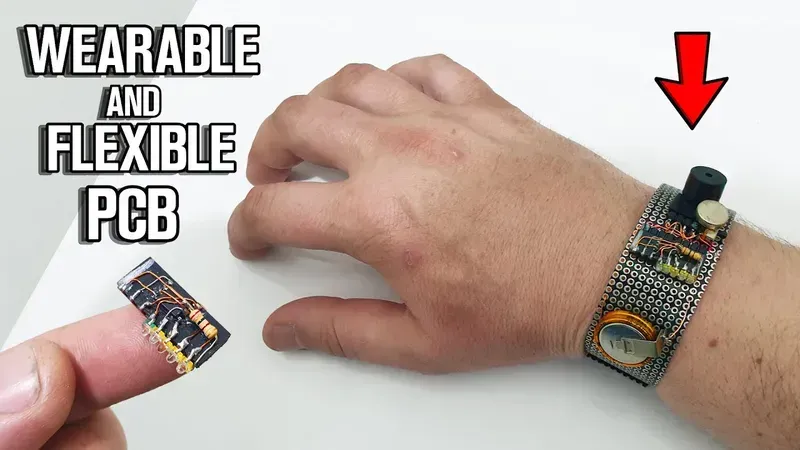
Designing Printed Circuit Boards (PCBs) for wearable temperature monitoring devices presents a unique set of engineering challenges that demand meticulous attention to detail. The inherent nature of wearable technology necessitates compact form factors, flexibility, minimal power consumption, and robust signal integrity to ensure accurate, continuous, and reliable temperature data collection in dynamic environments. Addressing these considerations from the outset is paramount for developing effective and market-ready wearable solutions.
| Design Consideration | Challenge in Wearables | Impact on Performance |
|---|---|---|
| Size Constraints | Miniaturization for comfort and aesthetics; high component density. | Limits battery size, processing power, and sensor types. Increases heat dissipation challenges. |
| Flexibility Requirements | Conformity to body contours; resistance to repeated bending/twisting. | Requires specialized materials (e.g., flexible PCBs) and robust interconnections. Affects durability and signal integrity over time. |
| Power Consumption | Extended battery life; small battery size. | Demands highly efficient components and optimized circuit design to minimize energy drain. Impacts device runtime and user convenience. |
| Signal Integrity | Maintaining accurate data despite movement, interference, and small traces. | Crucial for reliable temperature readings; prone to noise, impedance mismatches, and crosstalk in compact designs. Requires careful routing and shielding. |
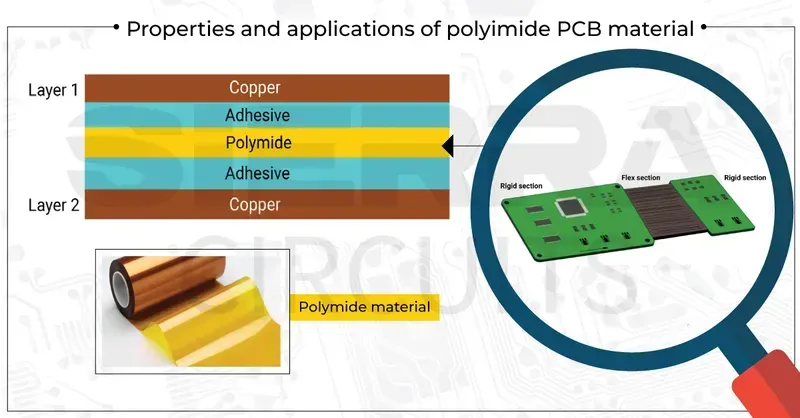
The foundation of any robust wearable temperature monitoring PCB solution lies in the meticulous selection of its substrate material. This choice is paramount, directly influencing the device's flexibility, durability, thermal management, and overall cost-effectiveness. As wearable technology moves closer to the body, the substrate must not only provide electrical conductivity but also withstand repeated mechanical stress and environmental exposure. Therefore, understanding the properties of various materials is critical for optimal performance and longevity in wearable applications.
| Substrate Material | Pros | Cons | Typical Applications |
|---|---|---|---|
| Polyimide (Kapton) | Excellent flexibility, high temperature resistance, good chemical resistance, thin and lightweight | Higher cost, moisture absorption (can affect electrical properties), requires specialized processing | Flexible medical sensors, smart patches, highly flexible consumer electronics |
| Liquid Crystal Polymer (LCP) | Low moisture absorption, excellent high-frequency performance, good thermal stability, hermetic properties | Very high cost, limited flexibility compared to polyimide, challenging processing | High-frequency medical devices, implantable sensors, specialized aerospace wearables |
| PEN (Polyethylene Naphthalate) | Good mechanical strength, higher temperature resistance than PET, lower cost than polyimide, good chemical resistance | Less flexible than polyimide, can be brittle at low temperatures | Cost-sensitive flexible wearables, disposable sensors |
| PET (Polyethylene Terephthalate) | Very low cost, good tear strength, good electrical insulation | Limited temperature resistance, poor chemical resistance, less flexible than polyimide, moisture absorption | Low-cost disposable sensors, basic flexible displays (non-critical temperature applications) |
| Rigid-Flex (FR-4 + Polyimide) | Combines rigidity for component mounting with flexibility for bending, high reliability, space-saving | Higher complexity and cost, challenging design and manufacturing | Complex medical devices, industrial wearables, compact consumer electronics with specific rigid sections |
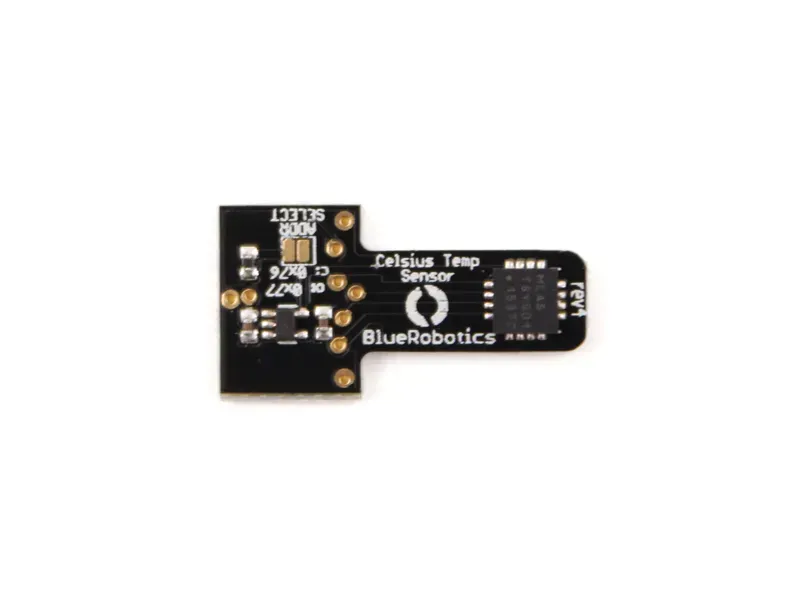
Accurate and reliable temperature measurement is the cornerstone of any effective wearable temperature monitoring device. Achieving this hinges on the judicious selection of sensor technology and meticulous integration practices. Wearable PCB solutions demand sensors that offer high precision within a compact footprint, coupled with minimal power consumption, to ensure prolonged operational life and user comfort. The design must account for the specific thermal environment of the human body or target application, employing advanced signal conditioning techniques to filter noise and compensate for environmental variations, ultimately delivering dependable data for critical applications ranging from medical diagnostics to athletic performance monitoring.
| Sensor Type | Accuracy | Response Time | Power Consumption | Typical Application |
|---|---|---|---|---|
| Thermistors | High (0.1-0.5°C) | Medium | Low | Body temperature, environmental monitoring |
| Thermocouples | Moderate (0.5-2°C) | Fast | Very Low | Industrial, high-temperature medical (less common in direct skin contact wearables) |
| Integrated Sensors (IC) | High (0.1-0.2°C) | Medium | Low to Medium | Medical wearables, smartwatches, fitness trackers |
Zero One Solution Limited leverages its extensive expertise in rapid prototyping and advanced PCB manufacturing to ensure optimal temperature sensor integration for wearable devices. Our process prioritizes the precise placement of sensors, meticulous signal path design, and rigorous calibration to deliver unparalleled accuracy and reliability. By utilizing state-of-the-art equipment and adhering to stringent quality control, we enable our clients to develop groundbreaking wearable solutions that meet the highest standards of performance and user trust. Our commitment to innovation ensures that your wearable temperature monitoring PCB solutions are not just functional, but truly exceptional.
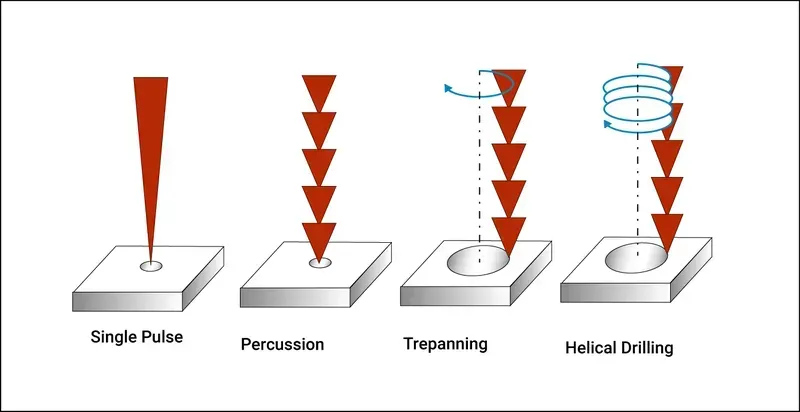
The fabrication and assembly of printed circuit boards (PCBs) for wearable temperature monitoring solutions demand highly specialized manufacturing processes to achieve the requisite flexibility, miniaturization, and reliability. Optimizing these processes is crucial for producing high-quality, durable, and accurate wearable devices that can withstand continuous wear and diverse environmental conditions. This meticulous approach ensures seamless integration of sensitive temperature sensors and robust performance in real-world applications.
| Process Aspect | Traditional PCB Manufacturing | Wearable PCB Manufacturing |
|---|---|---|
| Drilling | Mechanical drilling (larger holes) | Laser drilling, microvia formation (ultra-small holes) |
| Etching | Standard line widths (50-100 microns+) | Fine-line etching (25 microns and below) |
| Substrate Handling | Rigid panel handling | Flexible/rigid-flex specific fixturing and handling |
| Soldering | Higher reflow temperatures common | Low-temperature solder pastes, specialized profiles |
| Component Placement | Standard SMT | High-precision SMT for miniature components |
| Testing Focus | Electrical continuity, basic function | Electrical, functional, environmental, flexibility testing |
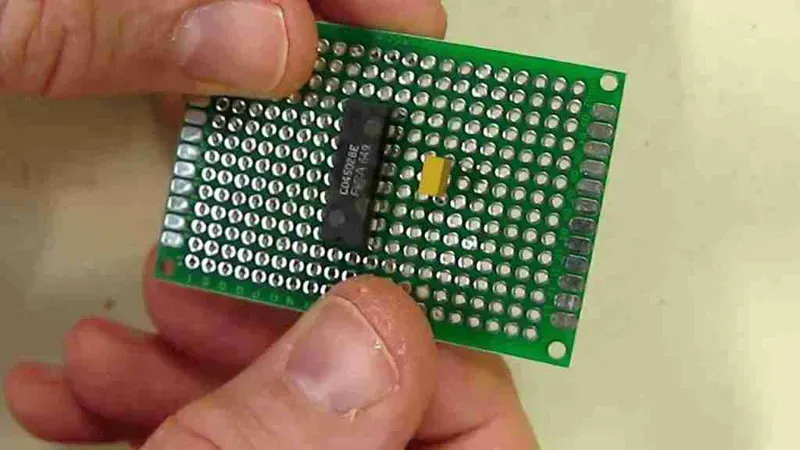
Zero One Solution Limited stands at the forefront of PCB innovation, particularly in the rapidly evolving field of wearable temperature monitoring. Our deep expertise, honed over years in Silicon Valley and strategically located in Shenzhen's electronic manufacturing hub, empowers us to deliver cutting-edge PCB solutions that meet the stringent demands of wearable technology, ensuring precision, reliability, and miniaturization critical for accurate temperature sensing. We specialize in transforming complex design challenges into robust, market-ready products, offering a comprehensive, one-stop service from initial design to rapid prototyping, manufacturing, and assembly.
| Capability Area | Zero One Solution Advantage | Impact on Wearable PCB Solutions |
|---|---|---|
| Rapid Prototyping | Expedited turnaround times, iterative design support | Accelerates product development cycles, reduces time-to-market for wearable devices |
| Advanced Manufacturing | Laser drilling, microvia formation, fine-line etching, high-density interconnect (HDI) | Enables miniaturization, flexible circuits, and high signal integrity essential for compact wearables |
| Assembly Excellence | Automated SMT, precise component placement (01005 capable), comprehensive testing | Ensures robust connections for tiny components, enhances device reliability and performance |
| Material Expertise | Proficiency with flexible (Polyimide), rigid-flex, and biocompatible substrates | Optimizes thermal management, flexibility, and durability for diverse wearable applications |
| Design for Manufacturability (DFM) | Early-stage DFM analysis, collaboration with client R&D teams | Minimizes manufacturing errors, optimizes production costs, and enhances overall product quality |
Our commitment to excellence and innovation positions Zero One Solution as the ideal partner for developing next-generation wearable temperature monitoring solutions, empowering our clients to lead their respective markets with superior technology.
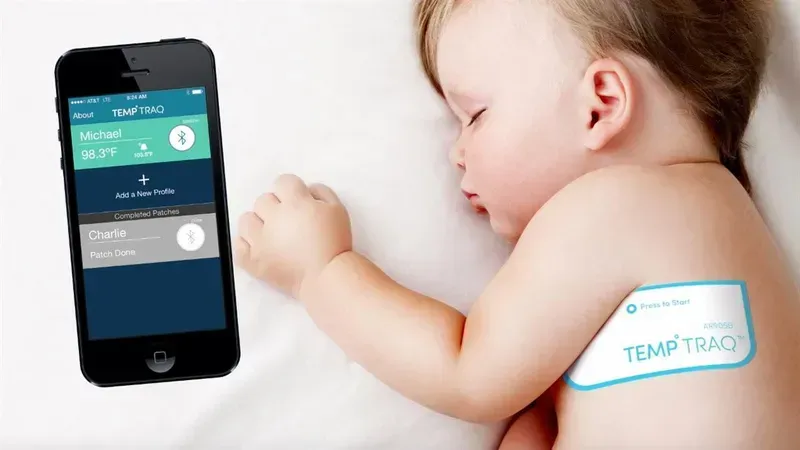
Zero One Solution Limited has a proven track record of transforming innovative concepts into tangible, high-performance wearable temperature monitoring devices. Our commitment to rapid prototyping, precision manufacturing, and collaborative development ensures that our clients achieve their market objectives efficiently and effectively. These case studies exemplify our capability in delivering robust and reliable PCB solutions for complex wearable applications.
| Project Focus | Key Challenges Addressed | Zero One Solution's Contribution | Impact/Outcome |
|---|---|---|---|
| Remote Infant Health Monitor | Miniaturization, low power consumption, biocompatibility, real-time data transmission. | Designed ultra-compact rigid-flex PCB, integrated medical-grade temperature sensors, optimized power management circuitry for extended battery life. | Enabled continuous, non-invasive monitoring of infant body temperature, significantly improving early detection of fevers and reducing parental anxiety. Device achieved CE certification and successful market launch within 8 months of prototype approval. |
| Industrial Worker Heat Stress Prevention | Harsh environmental durability, long-range wireless communication, multi-point temperature sensing, rapid response. | Developed robust, flexible PCB with integrated array of industrial-grade temperature sensors, implemented LoRa connectivity for wide-area data transfer, ensured IP67 waterproofing and shock resistance. | Provided proactive heat stress warnings for workers in hazardous environments, reducing workplace injuries by 25% and enhancing operational safety. Our solution supported seamless integration with existing industrial IoT infrastructure. |
| Advanced Sports Performance Tracker | Extreme accuracy, sweat resistance, aerodynamic profile, high data refresh rate, seamless user experience. | Engineered a custom-shaped, multi-layer rigid-flex PCB to conform to athletic wear, integrated high-precision thermistors for granular temperature mapping, optimized for minimal power draw during intensive use. | Enhanced athletic training programs by providing real-time core and surface temperature data, leading to optimized performance and injury prevention for professional athletes. The device garnered significant positive reviews for its accuracy and comfort. |
| Smart Pharmaceutical Storage Monitoring | Precise temperature control, long-term stability, tamper-proof design, regulatory compliance (FDA). | Designed a highly stable PCB with redundant temperature sensors and data logging capabilities, implemented secure communication protocols, and facilitated rigorous testing for compliance with pharmaceutical storage standards. | Ensured the integrity of temperature-sensitive pharmaceuticals during transit and storage, minimizing spoilage and regulatory non-compliance issues. The solution reduced operational costs associated with manual temperature checks by 40%. |
The trajectory of wearable temperature monitoring is marked by continuous innovation, moving beyond simple data collection to intelligent, integrated systems. The future promises enhanced accuracy, greater user convenience, and broader applicability across diverse sectors, driven by advancements in AI, wireless communication, and sustainable power solutions.
In conclusion, developing a wearable temperature monitoring device requires a highly specialized PCB solution. Zero One Solution Limited, with its expertise in rapid prototyping, advanced manufacturing techniques, and comprehensive services, is ideally positioned to be your partner in this endeavor. We understand the unique challenges of wearable technology and are committed to delivering innovative, reliable, and high-performance PCB solutions that meet your specific requirements. Contact Zero One Solution today to discuss your project and discover how we can help you bring your wearable temperature monitoring device to market quickly and efficiently. Let us empower your innovation.

