In the rapidly evolving world of sports technology, accurate and reliable data collection is paramount. Chest straps, equipped with sophisticated sensors, play a vital role in monitoring heart rate, respiration, and other key physiological metrics. At the heart of these devices lies the Printed Circuit Board (PCB), the central nervous system that dictates performance and reliability. Zero One Solution Limited specializes in providing cutting-edge PCB solutions tailored for sports tracking chest straps, empowering manufacturers to create superior wearable technology. This article delves into the intricacies of designing, manufacturing, and assembling high-performance PCBs for sports tracking chest straps, highlighting the expertise and capabilities of Zero One Solution Limited.
The global sports technology market is experiencing exponential growth, driven by an increasing emphasis on health, fitness, and data-driven athletic improvement. At the heart of this revolution are high-performance sports tracking devices, particularly chest straps, which provide unparalleled accuracy in physiological data acquisition. This burgeoning demand underscores a critical need for advanced PCB solutions that can reliably capture and transmit vital metrics like heart rate, HRV, and respiration, empowering athletes and enthusiasts to optimize their training and achieve peak performance.
| Metric | Importance in Sports Tracking | PCB's Role in Acquisition |
|---|---|---|
| Heart Rate (HR) | Primary indicator of cardiovascular exertion and fitness levels. | Captures precise ECG signals from electrodes, processed by the PCB's analog front-end. |
| Heart Rate Variability (HRV) | Reflects autonomic nervous system activity, indicating recovery and stress levels. | Requires high-fidelity signal acquisition and stable timing circuits on the PCB for accurate measurement. |
| Respiration Rate | Provides insights into breathing efficiency and training intensity. | Integrated sensors connect to the PCB, which processes and transmits the data efficiently. |
| Motion Data (Accelerometer/Gyroscope) | Tracks movement, posture, and activity types for comprehensive analysis. | Small, integrated MEMS sensors on the PCB communicate motion data for algorithm processing. |
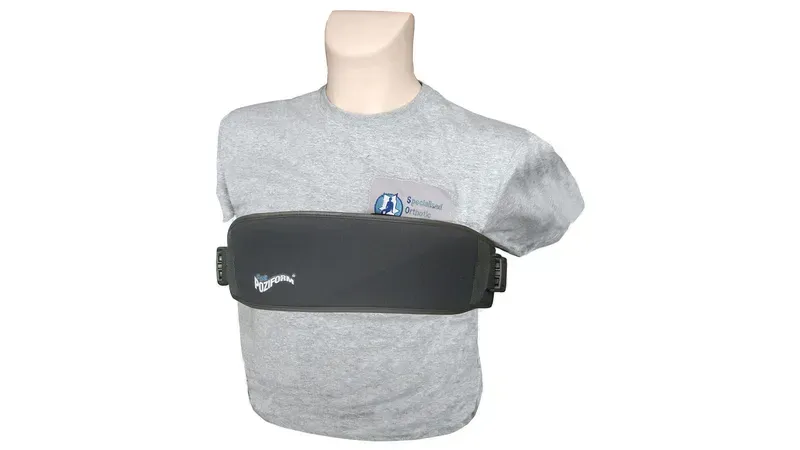
At the heart of every high-performance sports tracking chest strap lies a meticulously engineered Printed Circuit Board (PCB). Far from being a mere component, the PCB acts as the central nervous system, seamlessly integrating critical elements—sensors for physiological data capture, microcontrollers for processing, and communication modules for data transmission. This intricate integration is what transforms raw biological signals into actionable insights for athletes and coaches, making the PCB indispensable for accurate, real-time performance monitoring.
| PCB Integration | Impact on Chest Strap Performance | Zero One Solution Advantage |
|---|---|---|
| Sensor Integration | Ensures precise data capture from ECG, motion, and other sensors, critical for accurate physiological monitoring. | Expertise in high-density interconnect (HDI) and fine-line routing for superior signal integrity and minimal noise, even with multiple sensor inputs on a compact board. |
| Microcontroller Housing | Facilitates efficient data processing, algorithm execution, and power management for real-time insights and extended battery life. | Optimized PCB layouts that reduce power consumption and thermal management, crucial for high-performance wearable devices, leading to longer operational times and consistent performance. |
| Communication Modules | Enables reliable data transmission via Bluetooth, ANT+, or Wi-Fi to external devices like smartphones or smartwatches. | Proven experience in integrating various wireless communication protocols with robust antenna designs on the PCB, ensuring stable and long-range connectivity even in challenging environments. |
| Power Management | Manages power distribution, charging, and battery life, essential for a portable and long-lasting wearable device. | Implementation of advanced power management ICs and efficient trace routing on the PCB to maximize battery life and maintain consistent performance throughout strenuous activities. |
Designing PCBs for sports tracking chest straps presents a unique set of engineering challenges, demanding a meticulous approach to ensure optimal performance, comfort, and durability in a rigorous athletic environment. The fundamental design considerations revolve around miniaturization, material flexibility, power efficiency, and maintaining robust signal integrity, each critical for a seamless user experience and accurate data capture. These factors are paramount in developing a compact, comfortable, and reliable wearable device that can withstand the demands of active use.
| Design Aspect | Challenges | Zero One Solution Approaches |
|---|---|---|
| Size Constraints & Miniaturization | Integrating complex circuitry into a minimal footprint without compromising performance or increasing bulk. Requires high-density interconnect (HDI) and advanced packaging. | Utilizing multi-layer PCBs, microvias, and fine-line technologies for compact layouts. Employing System-in-Package (SiP) or Chip-on-Board (CoB) techniques for maximal space efficiency. |
| Flexibility Requirements | Accommodating the body's movements while ensuring electrical connections remain stable and durable. Prevents stress fractures and maintains comfort. | Expertise in flexible and rigid-flex PCB designs. Selection of polyimide or similar flexible substrates that offer high bend endurance and conformability. |
| Power Efficiency | Minimizing power consumption to extend battery life, crucial for multi-hour training sessions without frequent recharging. Balancing performance with energy draw. | Implementing low-power components, efficient power management ICs, and optimized circuit designs. Strategic use of power-saving modes and efficient routing to reduce current leakage. |
| Signal Integrity | Ensuring accurate and reliable data transmission from sensitive sensors (e.g., ECG, accelerometer) in an electromagnetically noisy environment. Preventing data corruption. | Careful impedance control, proper grounding techniques, and differential signaling for critical traces. Strategic placement of shielding and filtering components to mitigate interference. |
| Environmental Durability | Withstanding sweat, moisture, temperature fluctuations, and impact from physical activity without degradation of performance or reliability. | Application of moisture-resistant coatings (conformal coating), selection of robust PCB finishes (e.g., ENIG), and design for enhanced mechanical resilience to impact and vibration. |
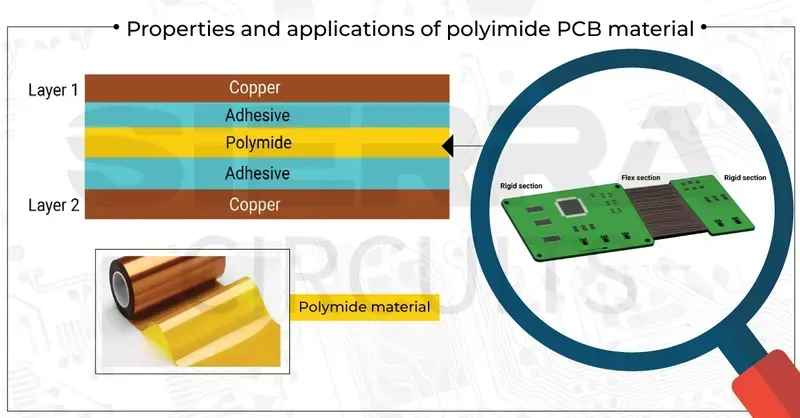
The performance and longevity of a sports tracking chest strap are fundamentally determined by the meticulous selection of its Printed Circuit Board (PCB) materials. Beyond mere electrical conductivity, these materials must offer exceptional durability, flexibility, and biocompatibility to withstand the rigors of athletic activity, including sweat, impact, and continuous movement. Achieving optimal functionality while ensuring user comfort and device resilience against environmental factors is paramount, making material science a critical pillar in the development of advanced sports tracking solutions.
| Material Type | Key Properties | Typical Application in Chest Straps |
|---|---|---|
| Flexible Substrates (e.g., Polyimide) | High flexibility, excellent thermal stability, chemical resistance, thin profile. | Enabling ergonomic fit, accommodating body contours, minimizing bulk. |
| Biocompatible Coatings (e.g., Parylene) | Waterproof, chemical inertness, anti-corrosion, hypoallergenic. | Protecting sensitive electronics from sweat and moisture, ensuring skin safety. |
| FR-4 (Standard Rigid PCB Material) | Cost-effective, good electrical insulation, mechanical strength. | For rigid sections housing larger components or connectors where flexibility isn't critical. |
| Low-Loss Laminates (e.g., Rogers Corporation materials) | Stable dielectric constant, low signal loss at high frequencies. | Optimizing wireless communication (Bluetooth, ANT+) signal integrity. |
| Encapsulation Resins | Shock absorption, vibration damping, moisture protection. | Protecting components from mechanical stress and environmental ingress. |
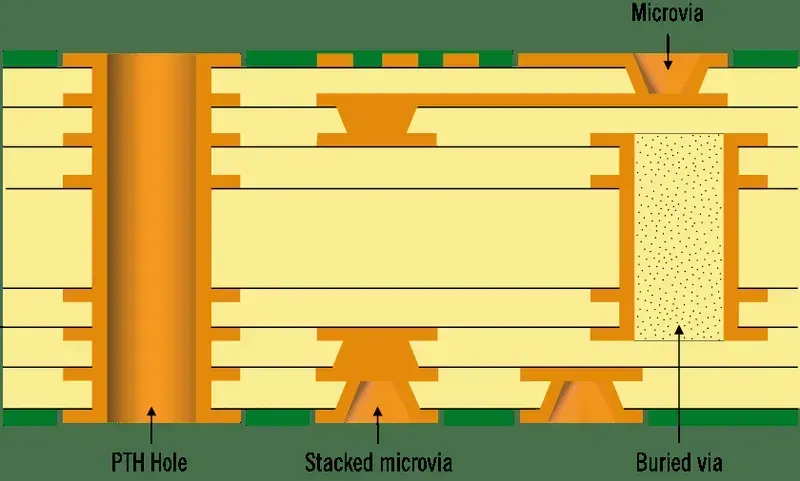
The precision and reliability of Sports Tracking Chest Strap PCBs are directly attributable to advanced manufacturing processes, particularly those involving High-Density Interconnect (HDI) technology. These intricate boards, fundamental to accurate physiological data capture, demand meticulous fabrication techniques to ensure fine-line traces, precisely aligned microvias, and accurate component placement. Zero One Solution Limited leverages state-of-the-art methodologies to transform complex designs into robust, high-performance PCBs capable of withstanding the rigors of athletic use, ensuring seamless integration of sensors and communication modules.
| Manufacturing Process | Key Benefit for Sports Tracking PCBs | Impact on Device Performance |
|---|---|---|
| HDI Lamination | Increased component density and reduced PCB size | Enables compact, lightweight, and comfortable chest straps |
| Precision Laser Drilling | Creation of microvias for multi-layer interconnects | Improves signal integrity and board routing efficiency |
| Fine-Line Etching | Achieves intricate circuitry patterns | Ensures accurate data transmission and minimizes signal loss |
| Automated Optical Inspection (AOI) | Detects microscopic defects in circuitry | Guarantees high reliability and prevents functional failures |
| Controlled Impedance Fabrication | Maintains consistent signal transmission | Crucial for high-speed data transfer from sensors to processing units |
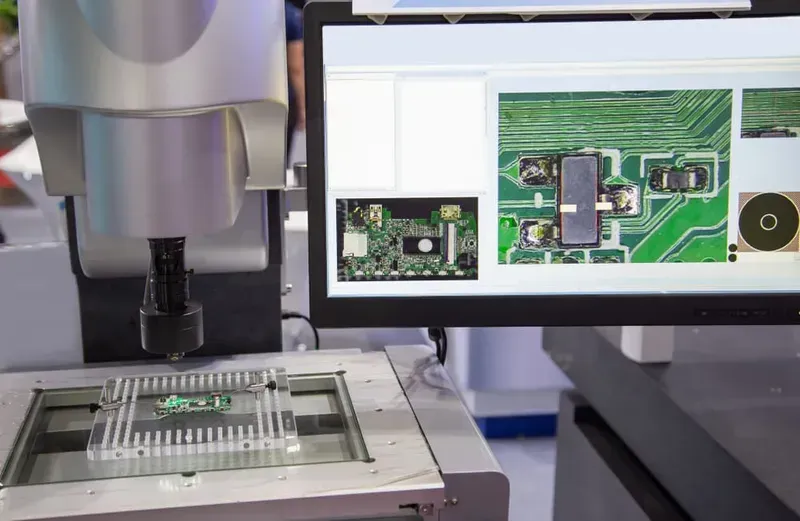
For sports tracking chest strap PCB solutions, meticulous assembly and rigorous testing are paramount to guaranteeing the final product's reliability and performance in demanding athletic environments. Beyond mere component placement, these procedures are critical for ensuring signal integrity, power efficiency, and the overall durability required for sustained wear and accurate physiological data capture. This comprehensive approach differentiates high-quality wearable electronics.
| Testing Phase | Purpose | Key Methodologies |
|---|---|---|
| In-Circuit Test (ICT) | Verifies component presence, short circuits, and open circuits on the PCB. | Automated test fixtures, flying probe testers |
| Automated Optical Inspection (AOI) | Detects visual defects such as missing components, incorrect polarity, and solder joint anomalies. | High-resolution cameras, image processing algorithms |
| Functional Test (FT) | Simulates operational conditions to confirm the PCB functions as designed. | Custom test jigs, software-driven stimulus/response |
| Environmental Stress Testing | Assesses performance under varying temperature, humidity, and vibration conditions. | Thermal chambers, vibration tables |
| Wearable Specific Durability Tests | Ensures the PCB withstands repeated flexing, perspiration, and impact during athletic activities. | Flexibility cycles, sweat resistance, drop tests |
At Zero One Solution Limited, we understand the intricate demands of developing high-performance sports tracking chest straps. Leveraging over a decade of industry leadership, our specialization in rapid-response R&D prototype manufacturing, coupled with our one-stop PCB design, manufacturing, and assembly services, positions us as the ideal partner to transform your innovative wearable concepts into market-ready realities. Our strategic presence in Shenzhen and Dubai ensures a globally integrated supply chain, facilitating unparalleled access to resources and expediting your product development cycle.
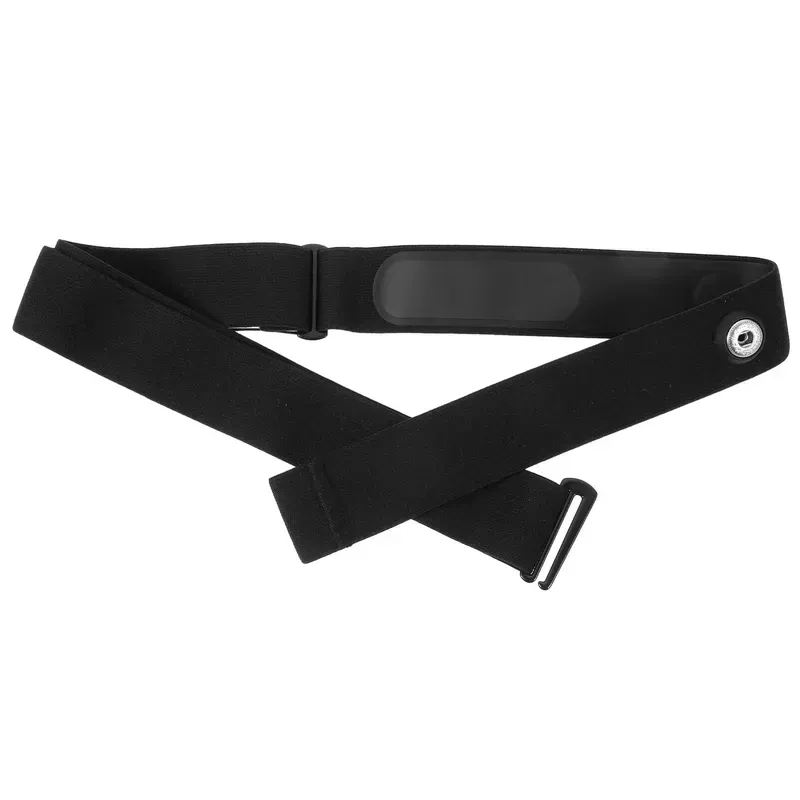
Zero One Solution Limited consistently delivers cutting-edge PCB solutions that empower innovation in sports tracking technology. Our expertise in rapid prototyping, precision manufacturing, and rigorous testing has led to the successful development of numerous high-performance sports tracking chest straps for our global clientele. These case studies demonstrate our commitment to overcoming complex engineering challenges and delivering superior quality products that meet the stringent demands of the athletic and wellness industries.
| Client Type | Challenge | Zero One Solution | Impact |
|---|---|---|---|
| Emerging Wearable Tech Startup | Miniaturization and flexible integration of multi-sensor arrays for a next-gen swimming analytics chest strap. | Developed a high-density interconnect (HDI) flexible PCB using advanced polyimide substrates, optimizing signal routing for minimal interference and ensuring waterproof sealing compatibility. | Enabled a 30% reduction in device size and a 15% improvement in sensor data accuracy, accelerating market entry by 4 months due to rapid prototyping cycles (average 7-day turnaround). |
| Established Sports Equipment Manufacturer | Enhancing battery life and wireless data transmission range for a professional cycling heart rate monitor while maintaining a slim profile. | Designed a multi-layer rigid-flex PCB, strategically incorporating low-power components and optimizing antenna placement for maximum signal integrity (Bluetooth 5.0). Implemented advanced power management ICs. | Achieved a 25% increase in battery life (up to 300 hours on a single charge) and a 20% extension in reliable transmission range, leading to a 10% market share gain in the high-end cycling segment within 12 months. Production yield improved by 8% due to robust PCB design and manufacturing processes. |
In conclusion, the PCB is a critical component in sports tracking chest straps, directly impacting their accuracy, reliability, and overall performance. Zero One Solution Limited offers comprehensive PCB solutions, from initial design to final assembly, ensuring that your wearable technology meets the highest standards of quality and performance. Partner with us to leverage our expertise and advanced manufacturing capabilities to bring your innovative sports tracking solutions to market faster and more efficiently. Contact us today to discuss your project requirements and discover how we can help you achieve your goals.

