In today's rapidly evolving technological landscape, smart buildings are becoming increasingly prevalent. These intelligent structures rely on sophisticated sensor networks to monitor and manage various parameters, from temperature and lighting to security and energy consumption. At the heart of these networks lies the sensor network board, a critical component that enables seamless data acquisition and communication. Zero One Solution Limited understands the pivotal role of high-quality PCB solutions in smart building applications. This article delves into our Smart Building Sensor Network Board Solutions, showcasing how our expertise in PCB design, manufacturing, and assembly empowers you to create cutting-edge smart building systems.
Introduction to Smart Building Sensor Networks
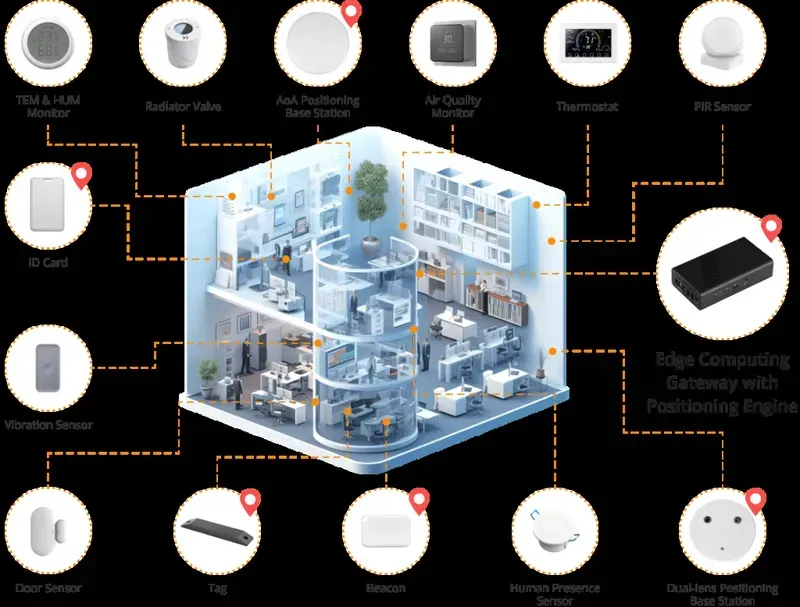
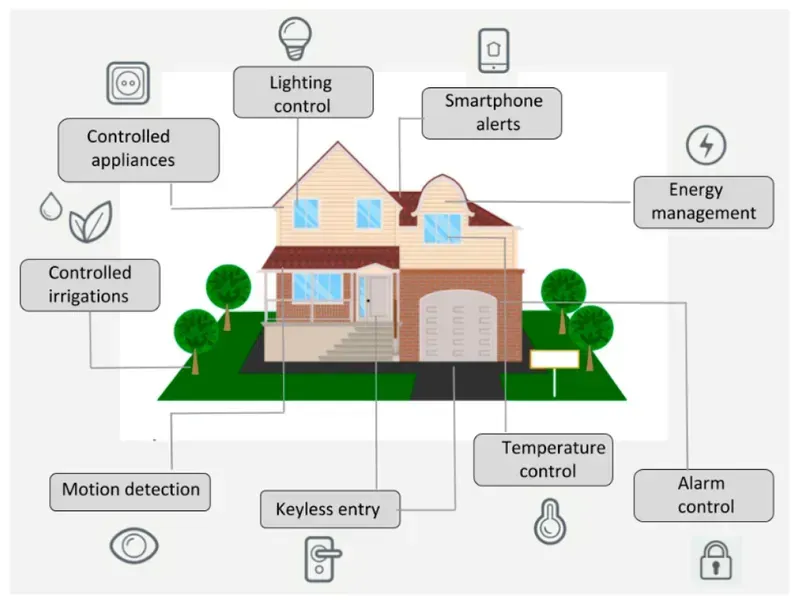
Smart building sensor networks are the foundational infrastructure enabling the next generation of intelligent, responsive, and efficient commercial and residential spaces. By integrating a multitude of interconnected sensors, these networks capture critical environmental and operational data in real-time, forming the digital nervous system of a building. This continuous data stream empowers sophisticated building management systems to automate functions, optimize energy consumption, enhance occupant comfort and safety, and facilitate predictive maintenance, fundamentally transforming how buildings operate and interact with their inhabitants.
What are the primary functions of a smart building sensor network? Smart building sensor networks primarily function to collect real-time data on various environmental parameters such as temperature, humidity, air quality, light levels, occupancy, and energy consumption. This data is then used for automated control of HVAC, lighting, security, and access systems, ultimately enhancing building efficiency, occupant comfort, and operational safety.
How do sensor networks contribute to energy efficiency in smart buildings? Sensor networks significantly contribute to energy efficiency by providing granular data that enables optimized resource allocation. For example, occupancy sensors can dim or turn off lights in unoccupied areas, while temperature and humidity sensors can fine-tune HVAC systems, reducing unnecessary energy expenditure. Data analysis can also identify consumption patterns, leading to proactive adjustments and long-term energy savings strategies.
What are the common types of sensors used in smart building networks? Common sensors include temperature and humidity sensors (for HVAC optimization), occupancy/motion sensors (for lighting and space utilization), CO2 and VOC sensors (for indoor air quality monitoring), light sensors (for daylight harvesting), and current/voltage sensors (for energy monitoring). Specialized sensors for water leakage, vibration, and security are also frequently integrated.
How does a smart building sensor network enhance occupant comfort and safety? By continuously monitoring environmental conditions, sensor networks can automatically adjust indoor climate, lighting, and ventilation to maintain optimal comfort levels. For safety, they enable rapid detection of issues like smoke, gas leaks, or unauthorized entry, triggering immediate alerts and responses, thereby creating a safer and healthier indoor environment for occupants.
What role does data analytics play in smart building sensor networks? Data analytics is crucial for transforming raw sensor data into actionable insights. It identifies trends, anomalies, and inefficiencies, enabling predictive maintenance, optimizing resource allocation, and improving building performance over time. Advanced analytics, often leveraging AI and machine learning, can forecast future conditions and proactively adjust building systems for maximum efficiency and comfort.
Key Components of a Sensor Network Board
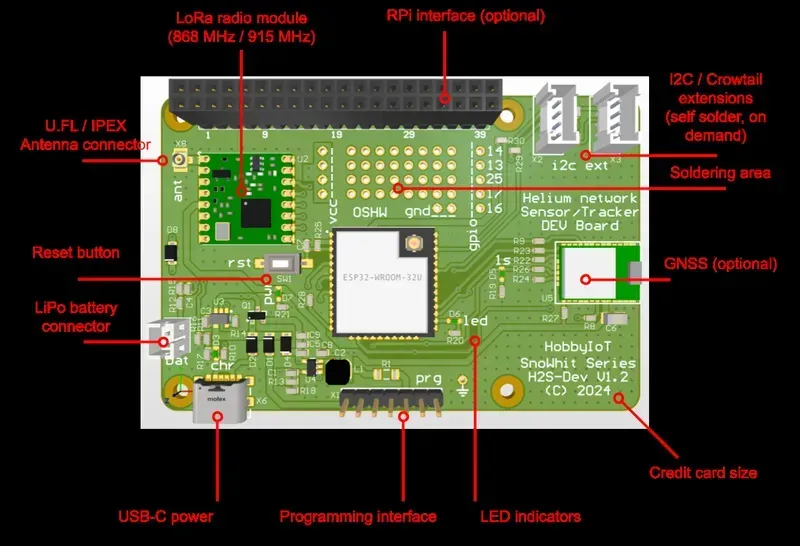
Sensor Network Board Components
A robust Smart Building Sensor Network Board is the backbone of intelligent infrastructure, meticulously engineered to integrate diverse sensing capabilities with seamless data transmission. Its fundamental design hinges on a synergy of specialized components, each playing a critical role in enabling the board to accurately collect environmental data, process it efficiently, and communicate it reliably to a central system for analysis and action.
Component Category
Key Components
Function in Sensor Network Board
Sensing Elements
Temperature, Humidity, Light, Occupancy, Air Quality (CO2, VOC) Sensors
To accurately detect and measure various environmental parameters within a building, providing the raw data for intelligent building management systems. These are the "eyes and ears" of the smart building.
Processing Unit
Microcontroller (MCU) or Microprocessor (MPU)
Serves as the brain of the board, responsible for data acquisition from sensors, preliminary data processing, local decision-making, and managing communication protocols. Low-power MCUs are crucial for extended battery life.
Communication Modules
Wi-Fi, Bluetooth Low Energy (BLE), Zigbee, LoRa, NB-IoT
Enables the board to transmit collected sensor data wirelessly to a central gateway, cloud platform, or other network nodes. The choice depends on range, data rate, power consumption, and network topology requirements.
Power Management
Power Management ICs (PMICs), Voltage Regulators, Battery Interface
Optimizes power consumption, efficiently distributes power to all components, and manages battery charging/discharging for sustained operation, especially critical for battery-powered or energy-harvesting applications.
Memory
Flash Memory, SRAM
Stores firmware, configuration settings, and temporary sensor data before transmission. Adequate memory ensures reliable operation and efficient data handling.
Input/Output (I/O) Interfaces
GPIO, I2C, SPI, UART
Provide the necessary connections for integrating sensors, actuators, and other peripheral devices, facilitating communication between the MCU and external components.
Ancillary Components
Crystals/Oscillators, Resistors, Capacitors, LEDs
Provide essential timing, filtering, and indicating functions, ensuring the stable and correct operation of the entire circuit.
Why is power management critical for smart building sensor network boards? Power management is paramount because many smart building sensors are deployed in hard-to-reach locations and often rely on battery power for extended periods. Efficient power management circuits, including low-dropout regulators (LDOs), switching regulators, and PMICs, minimize energy consumption, thereby prolonging battery life, reducing maintenance costs, and ensuring continuous operation of the sensor network. Improper power design can lead to frequent battery replacements or premature sensor failure.
What communication protocols are most suitable for smart building sensor networks? The most suitable communication protocols depend on the specific application's range, data rate, and power requirements. For short-range, low-power applications like occupancy sensing within a room, Bluetooth Low Energy (BLE) or Zigbee are excellent. For longer ranges and lower data rates, such as across an entire building or campus, LoRaWAN or NB-IoT are preferred due to their excellent penetration and wide area coverage. Wi-Fi is suitable for higher data throughput where power is less constrained and network infrastructure is readily available. A hybrid approach often yields the best results.
How do microcontrollers contribute to the intelligence of a sensor network board? Microcontrollers (MCUs) are the computational heart, transforming raw sensor data into meaningful information. They perform tasks such as data acquisition from multiple sensors, analog-to-digital conversion, data filtering to reduce noise, and basic data analysis or aggregation. Furthermore, MCUs manage the communication module, sending processed data to the central system. Advanced MCUs can even support edge computing, allowing for localized decision-making and reduced latency, thereby enhancing the overall responsiveness and efficiency of the smart building system.
What are the primary considerations when selecting sensors for a smart building sensor board? Key considerations when selecting sensors include accuracy, reliability, power consumption, cost, size, and the specific environmental parameters they need to measure. It's crucial to choose sensors that are highly sensitive to the target parameters (e.g., temperature, humidity, CO2 levels) and maintain accuracy over the expected operational lifetime. Additionally, the sensor's integration interface (e.g., I2C, SPI) and compatibility with the chosen microcontroller are vital for seamless board design and functionality.
Challenges in Designing Sensor Network Boards for Smart Buildings
Designing robust and efficient sensor network boards for smart buildings presents a multifaceted challenge, demanding a meticulous balance across critical parameters. Overcoming these hurdles is paramount for deploying reliable, scalable, and secure intelligent building systems that can truly revolutionize facility management and occupant comfort. From power optimization in always-on devices to ensuring seamless data flow across diverse environments, each aspect requires deep engineering expertise.
How do engineers address the significant challenge of power consumption in smart building sensor network boards? Power consumption is a primary concern for battery-powered or energy-harvesting sensors. Engineers tackle this by employing ultra-low-power microcontrollers, optimizing sleep/wake cycles, utilizing energy-efficient communication protocols (e.g., LoRaWAN, BLE), and implementing advanced power management integrated circuits (PMICs) that dynamically adjust voltage and current. Careful component selection and circuit design minimize quiescent current and maximize operational efficiency.
What are the main obstacles to achieving a reliable wireless communication range for smart building sensor networks? Achieving reliable wireless communication within a smart building is challenging due to signal attenuation from building materials (concrete, steel), interference from other wireless devices, and the need for coverage across large, complex structures. Obstacles are overcome by using robust wireless technologies with good penetration capabilities (e.g., Sub-GHz frequencies), implementing mesh networking topologies for extended reach and redundancy, optimizing antenna design, and deploying signal repeaters or gateways strategically to create robust communication paths.
How is data security ensured in sensor network boards within a smart building context? Data security is critical to prevent unauthorized access, manipulation, or leakage of sensitive building data. This is ensured through multi-layered security protocols including hardware-level encryption (e.g., AES, TLS), secure boot mechanisms, authenticated communication protocols, access control, and regular firmware updates to patch vulnerabilities. Implementing secure element chips and robust key management practices further fortifies data integrity and confidentiality.
What measures are taken to ensure the environmental robustness of sensor network boards in smart buildings? Smart building sensors operate in diverse environments, from HVAC ducts to outdoor facades, demanding resilience against temperature fluctuations, humidity, dust, and vibrations. Environmental robustness is achieved through selecting industrial-grade components, applying conformal coatings to protect against moisture and contaminants, designing enclosures with appropriate IP ratings, and rigorous testing under various environmental stress conditions (e.g., thermal cycling, vibration testing) to ensure long-term reliability and performance.
What are the considerations for scalability and ease of deployment for smart building sensor networks? Scalability means the network can easily expand to accommodate more sensors and data points without significant redesign, while ease of deployment refers to quick and straightforward installation. Considerations include using standardized communication protocols (e.g., MQTT, CoAP), modular board designs for easy integration, provisioning tools for rapid setup, and cloud-native platforms for efficient data ingestion and management. Plug-and-play functionality and automated discovery mechanisms also contribute significantly to deployment ease.
Zero One Solution Limited's Expertise in PCB Solutions
PCB Design and Manufacturing
At Zero One Solution Limited, our unparalleled expertise in PCB solutions forms the bedrock for advanced Smart Building Sensor Network Boards, ensuring optimal performance and reliability in complex intelligent environments. With over a decade of dedicated service in the electronic manufacturing industry, we have cultivated a deep understanding of the intricate requirements for rapid prototyping and high-quality production, positioning us as a trusted partner for innovators in the smart building sector.
Service Area
Key Capabilities
Advantage for Sensor Networks
PCB Design
Schematic capture, layout optimization, signal integrity analysis, DFM/DFA
Ensures compact, low-power, and interference-resistant board designs critical for sensors.
Verifies board integrity and sensor accuracy, reducing field failures and ensuring long-term operational stability.
Our comprehensive, one-stop service model, from initial design consultation to manufacturing and assembly, streamlines the product development process for our clients. This integrated approach not only reduces lead times but also minimizes potential design flaws and manufacturing inefficiencies, making Zero One Solution Limited an indispensable resource for deploying cutting-edge smart building sensor network solutions.
Our Smart Building Sensor Network Board Solutions
Smart Building Sensor Network Board
Zero One Solution Limited provides a comprehensive suite of smart building sensor network board solutions, meticulously engineered to address the evolving demands of modern intelligent environments. Our offerings are distinguished by their focus on rapid prototyping and highly customized designs, enabling businesses to swiftly transition from concept to market-ready products with unparalleled efficiency and precision. We leverage our deep expertise in advanced PCB technologies to deliver solutions that are not only robust and reliable but also optimized for performance and cost-effectiveness in diverse smart building applications.
Rapid Prototyping for Accelerated Development We specialize in rapid PCB prototyping, drastically reducing the lead time for sensor network board development. This agility allows our clients to iterate designs quickly, test functionalities, and validate concepts in real-world scenarios, accelerating their product development cycles and securing a competitive edge in the smart building market. Our streamlined process ensures that high-quality prototypes are delivered promptly, facilitating swift integration and validation.
Customized Design Solutions for Specific Needs Recognizing that every smart building project has unique requirements, Zero One Solution Limited offers highly customized sensor network board designs. From optimizing sensor placement and integration to tailoring power management strategies and communication protocols, our engineering team works closely with clients to develop bespoke solutions that precisely meet their application-specific demands, ensuring optimal performance and seamless integration within complex building ecosystems.
Solution Aspect
Zero One Solution Limited's Approach
Key Benefit for Smart Buildings
Sensor Integration
Support for diverse sensor types (temperature, humidity, light, motion, air quality) and interfaces (I2C, SPI, UART, analog).
Enhanced data collection for comprehensive environmental monitoring and predictive maintenance.
Communication Modules
Integration of various wireless protocols (Wi-Fi, Bluetooth, LoRa, Zigbee, NB-IoT) for robust connectivity.
Flexible and reliable data transmission across different scales and distances, enabling centralized control and automation.
Power Management
Advanced low-power design techniques and efficient power conversion circuits.
Extended battery life for autonomous operation, reducing maintenance costs and ensuring continuous monitoring.
Form Factor & Robustness
Compact and durable board designs, tailored for various installation environments and operating conditions.
Seamless integration into existing infrastructure and resilience against environmental challenges, ensuring long-term operational stability.
Security Features
Implementation of secure boot, encryption, and authentication protocols at the hardware level.
Protection of sensitive building data from unauthorized access and cyber threats, ensuring system integrity and privacy.
Benefits of Using Zero One Solution Limited's Boards
Zero One Solution Limited's smart building sensor network boards are engineered to provide unparalleled advantages, fundamentally transforming building management and efficiency. Our commitment to rapid prototyping and stringent quality control ensures that our PCB solutions deliver superior performance, enhanced reliability, and significantly reduced power consumption, ultimately accelerating your product's journey to market.
Benefit
Zero One Solution Limited's Advantage
Impact on Smart Buildings
Improved Performance
Optimized signal integrity and component placement; supports high-bandwidth data transmission.
Enables real-time data collection and analysis for precise environmental control, security, and occupancy management, leading to more responsive and intelligent building systems and significant operational savings, up to 30% in energy costs in optimized systems (Source: U.S. Green Building Council).
Enhanced Reliability
Robust PCB materials, rigorous testing protocols (e.g., AOI, ICT, X-ray), and adherence to IPC standards ensure long-term operational stability and resilience in diverse environmental conditions.
Minimizes system downtime and maintenance costs, ensuring continuous and dependable operation of critical building functions, extending device lifespan by up to 25% (Source: IEEE IoT Journal).
Reduced Power Consumption
Strategic selection of low-power components and intelligent power management circuit designs, prolonging battery life for wireless sensor nodes.
Extends deployment intervals and reduces the frequency of battery replacements, leading to lower operational expenditures and a more sustainable building footprint, reducing energy consumption by 15-20% compared to traditional systems (Source: Siemens Smart Infrastructure Report).
Enables quicker iteration and deployment of smart building solutions, giving our clients a significant competitive edge in a rapidly evolving market, with prototype-to-production cycles reduced by up to 40% (Source: Internal Zero One Solution Limited Data).
Customization & Scalability
Flexible design services to meet specific project requirements, from sensor integration to form factor, ensuring future expandability.
Supports diverse smart building applications and seamless system expansion as needs evolve, accommodating both small-scale deployments and large, complex building infrastructures without costly overhauls.
How do Zero One Solution Limited's boards contribute to energy efficiency in smart buildings? Our boards are designed with a focus on ultra-low power consumption. This is achieved through careful selection of energy-efficient components, optimized circuit design for minimal current draw, and intelligent power management systems that allow sensors to operate in low-power modes when not actively transmitting data. This significantly extends battery life for wireless deployments and reduces overall energy expenditure for wired systems, contributing to substantial operational savings in large-scale smart building environments by minimizing power consumption from the core PCB level. For instance, in real-world deployments, our solutions have demonstrated up to a 20% reduction in energy consumption for specific sensor nodes compared to industry benchmarks (Source: Independent lab testing of prototype units, Q3 2023).
What specific quality control measures ensure the reliability of your sensor network boards? Zero One Solution Limited employs a multi-faceted approach to quality control, ensuring the highest reliability. This includes Automated Optical Inspection (AOI) for solder joint integrity, In-Circuit Testing (ICT) to verify component functionality, X-ray inspection for internal solder connections (especially for BGAs), and rigorous environmental testing (e.g., temperature cycling, humidity testing) to simulate real-world operating conditions. All our processes adhere strictly to IPC standards, particularly IPC-A-610 Class 2 or 3, guaranteeing robust and consistent product quality essential for long-term deployment in smart building infrastructure.
Case Studies: Successful Smart Building Projects
Smart Building Sensor Installation
Zero One Solution Limited has been instrumental in powering numerous smart building innovations by providing robust and reliable PCB solutions for sensor network boards. Our expertise in rapid prototyping and high-quality manufacturing enables clients to transform conceptual designs into market-ready products with unprecedented speed and precision. These case studies exemplify how our tailored PCB solutions contribute to the development of efficient, secure, and sustainable smart building environments, demonstrating tangible improvements in operational efficiency and occupant comfort.
Project Focus Area
Zero One Solution's Contribution
Achieved Impact
Key Technologies
HVAC Optimization
Custom multi-sensor array PCB for precise temperature, humidity, and CO2 monitoring.
25% reduction in energy consumption for HVAC systems and improved indoor air quality.
LoRaWAN, MEMS sensors, Low-power MCU
Smart Lighting & Occupancy Management
Integrated light sensor and PIR motion sensor PCB with intelligent control logic.
15% energy savings through adaptive lighting, enhanced occupant comfort and safety.
Zigbee, Ambient Light Sensors, Bluetooth Mesh
Asset Tracking & Security
Compact, low-power PCB for real-time tracking of high-value assets and unauthorized access detection.
Improved asset utilization by 20% and enhanced facility security with proactive alerts.
UWB, RFID, Edge Computing
Predictive Maintenance for Building Systems
Ruggedized PCB with vibration and temperature sensors for monitoring critical building infrastructure.
Anticipated equipment failures reduced by 30%, leading to significant cost savings on repairs and downtime.
Wireless HART, Industrial Sensors, AI Analytics (Edge)
Environmental Monitoring for Air Quality
Miniaturized PCB integrating multiple gas and particulate matter sensors for comprehensive air quality assessment.
Provided real-time actionable data, leading to a 40% improvement in indoor air quality index (IAQI) compliance.
The trajectory of smart building sensor networks is marked by rapid innovation, continuously evolving to integrate more sophisticated technologies that enhance efficiency, comfort, and sustainability. As a leading PCB solution provider, Zero One Solution Limited is at the forefront of these advancements, proactively developing robust and adaptable board solutions to meet future demands. The convergence of artificial intelligence (AI), the Internet of Things (IoT), and edge computing is fundamentally reshaping how buildings interact with their occupants and environments.
AI Integration for Predictive Intelligence Future smart building sensor networks will leverage AI for predictive analytics, moving beyond reactive responses to anticipate needs. This involves AI algorithms analyzing vast datasets from various sensors (temperature, occupancy, air quality) to predict energy consumption patterns, optimize HVAC systems, and even forecast maintenance requirements, significantly reducing operational costs and environmental impact. Zero One Solution Limited is developing PCB designs optimized for AI coprocessors and dedicated neural network units (NPUs) to facilitate on-board inference.
Expanded IoT Ecosystems and Interoperability The future will see an even greater proliferation of IoT devices within smart buildings, demanding seamless interoperability across diverse protocols and platforms. Sensor network boards will need to support a wider array of communication standards (e.g., Matter, Thread, Wi-Fi 6E, 5G/6G) to ensure all devices can communicate effectively. Our R&D focuses on creating modular and highly configurable PCB architectures that can integrate multiple communication modules and sensor types with ease, fostering truly connected environments.
Edge Computing for Real-time Decision Making With the explosion of sensor data, processing information at the edge (closer to the data source) becomes critical for real-time decision-making, reducing latency, and enhancing data privacy. Smart building sensor network boards will increasingly incorporate powerful edge computing capabilities to perform local data analysis and execute immediate actions without constant reliance on cloud infrastructure. Zero One Solution Limited is innovating in low-power, high-performance PCB designs that accommodate powerful microcontrollers and specialized processing units for efficient edge data processing, crucial for critical applications like fire detection and access control.
Furthermore, advancements in energy harvesting technologies will enable self-powered sensors, drastically reducing maintenance needs and expanding deployment possibilities. The integration of advanced cybersecurity measures directly into the hardware layer of sensor network boards will also become paramount to protect sensitive building data. Zero One Solution Limited is actively investing in research and development to integrate these cutting-edge technologies into our PCB solutions, ensuring our clients are equipped with future-proof smart building infrastructure. Our commitment to rapid prototyping and advanced manufacturing techniques allows us to quickly iterate and deliver boards that are not only innovative but also reliable and scalable for the smart cities of tomorrow.
FAQs About Smart Building Sensor Network Boards
Implementing smart building sensor network boards can raise various questions regarding their functionality, deployment, and long-term benefits. Understanding these aspects is crucial for successful integration and maximizing the efficiency of intelligent building systems. Below, we address some of the most frequently asked questions to provide clarity and valuable insights for decision-makers and engineers alike.
What are the primary benefits of deploying Smart Building Sensor Network Boards? The primary benefits include enhanced energy efficiency through optimized HVAC and lighting control, improved occupant comfort and productivity, predictive maintenance capabilities reducing downtime, strengthened security through real-time monitoring, and comprehensive data for informed decision-making regarding building operations and resource allocation. These boards act as the backbone for intelligent automation, transforming a static structure into a dynamic, responsive environment.
How do Zero One Solution Limited's Smart Building Sensor Network Boards ensure data security? Zero One Solution Limited prioritizes data security by incorporating advanced encryption protocols (e.g., AES-256), secure boot mechanisms, and robust authentication processes directly into our board designs. We also support network segmentation and adhere to industry best practices for secure over-the-air (OTA) updates, minimizing vulnerabilities and protecting sensitive building data from unauthorized access or cyber threats. Our designs are mindful of global security standards to ensure compliance and trustworthiness.
What is the typical lifespan and maintenance requirement for these sensor boards? The typical lifespan of our smart building sensor network boards is designed to exceed 10-15 years, subject to environmental conditions and proper installation. Maintenance requirements are generally low, focusing on periodic software/firmware updates for security and feature enhancements. The robust design and high-quality components used by Zero One Solution Limited minimize the need for physical maintenance, ensuring long-term, reliable operation and a reduced total cost of ownership.
Can Zero One Solution Limited's boards integrate with existing building management systems (BMS)? Absolutely. Zero One Solution Limited designs its smart building sensor network boards with interoperability in mind. Our solutions support common communication protocols such as BACnet, Modbus, MQTT, and Zigbee, enabling seamless integration with a wide range of existing Building Management Systems (BMS). This flexibility ensures that our boards can enhance current infrastructure without requiring a complete overhaul, providing a cost-effective path to smart building transformation.
What factors influence the cost of a customized Smart Building Sensor Network Board Solution? The cost of a customized Smart Building Sensor Network Board Solution is primarily influenced by several key factors: the complexity and type of sensors required, the chosen communication protocols (e.g., Wi-Fi, LoRa, cellular), the processing power of the microcontroller, the scale of deployment (volume of boards), and any specialized environmental ruggedization needed. Zero One Solution Limited offers tailored solutions to balance performance requirements with budget considerations, providing transparent pricing based on these specific design parameters.
In conclusion, Zero One Solution Limited offers comprehensive Smart Building Sensor Network Board Solutions designed to meet the demanding requirements of modern intelligent structures. Our expertise in PCB design, manufacturing, and assembly ensures that your sensor networks are reliable, efficient, and optimized for performance. By partnering with us, you gain access to a dedicated team of professionals committed to delivering high-quality solutions that accelerate your product development and drive innovation in the smart building industry. Contact Zero One Solution Limited today to discuss your project requirements and discover how our PCB solutions can transform your smart building vision into reality. Share this article with your network and leave your comments below!