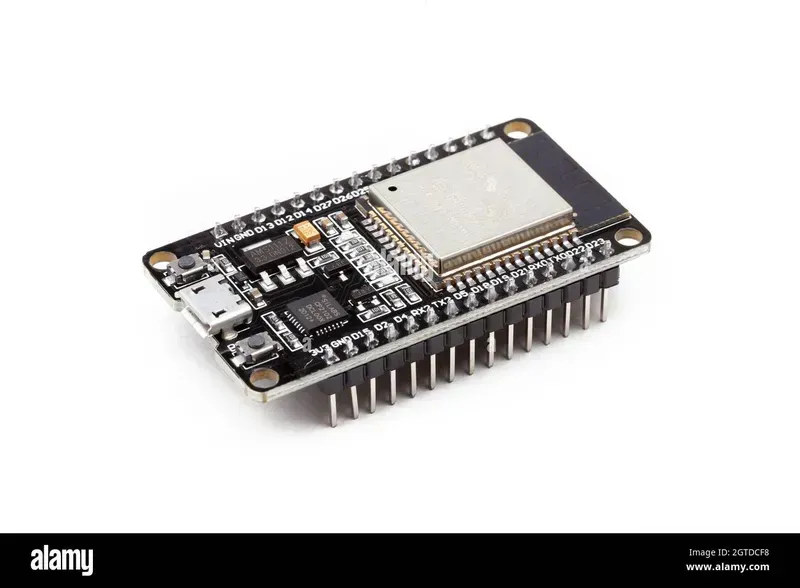
In today's increasingly connected world, smart door locks have become an integral part of modern home security systems. At the heart of these intelligent locks lies the motherboard, the central processing unit that governs all functions, from keyless entry to remote monitoring. Zero One Solution Limited, with its decade-long expertise in PCB solutions and rapid prototyping, stands at the forefront of providing cutting-edge motherboard solutions for smart door locks. This article delves into the critical aspects of smart door lock motherboard design, manufacturing, and assembly, showcasing how Zero One Solution empowers businesses to create innovative and secure access control systems.
Understanding the Core of Smart Door Locks: The Motherboard
Smart Door Lock Motherboard
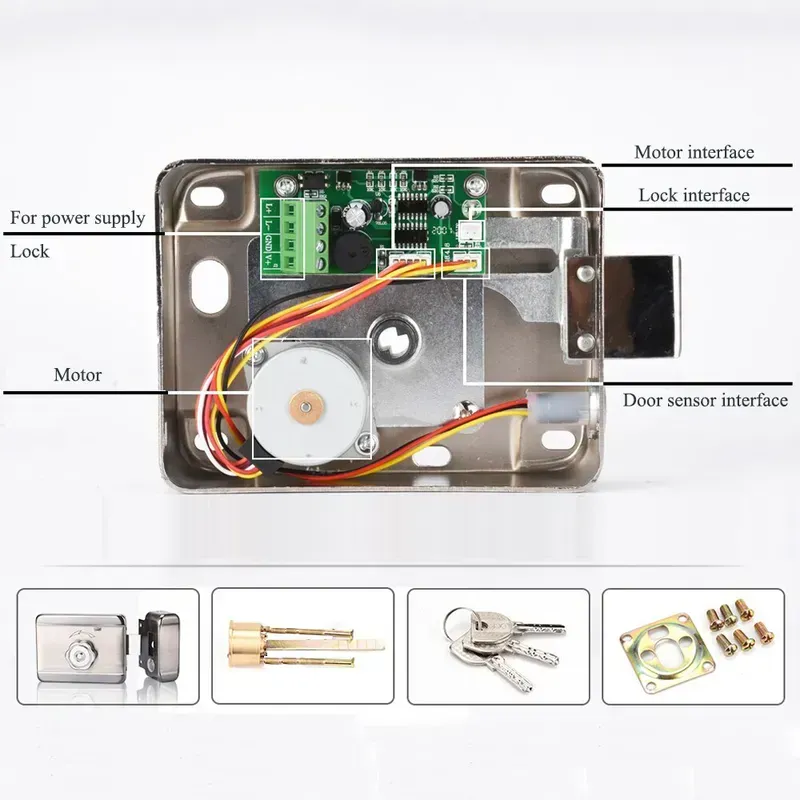
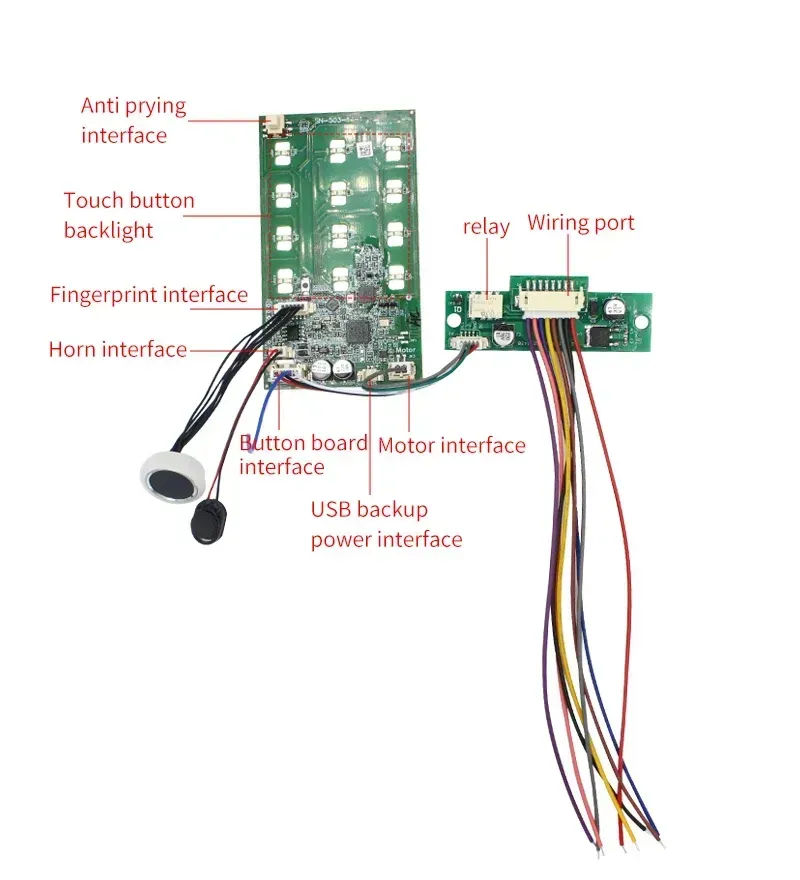
At the heart of every sophisticated smart door lock lies its motherboard, the central nervous system orchestrating all critical functions from access control to security protocols. This intricate Printed Circuit Board (PCB) acts as the brain, integrating diverse hardware and software components to deliver seamless operation and robust protection. For manufacturers and innovators in the smart home sector, a meticulously designed and manufactured smart door lock motherboard solution is not merely a component but the foundational element dictating performance, reliability, and ultimately, user trust. Its ability to flawlessly manage complex algorithms for authentication, communication with external devices, and power efficiency is paramount, ensuring that the smart lock lives up to its promise of enhanced security and convenience.
Directly ensures the safety and integrity of the secured premises, preventing unauthorized access.
Access Control
Processes user credentials, grants or denies access, and logs entry/exit events.
Enables flexible and secure entry for authorized users while maintaining a comprehensive audit trail for accountability.
Connectivity
Facilitates wireless communication with smartphones, smart home hubs, and cloud services (via Wi-Fi, Bluetooth, Z-Wave).
Allows for remote control, monitoring, integration into smart home ecosystems, and over-the-air (OTA) updates.
Power Management
Regulates power consumption, optimizes battery life, and manages low-power states.
Ensures prolonged operational life without frequent battery replacements, crucial for user convenience and device reliability.
Why is the motherboard considered the 'brain' of a smart door lock? The motherboard integrates the microcontroller unit (MCU), memory, communication modules, and security chips. It processes all input data from sensors and keypads, executes the lock/unlock commands, manages user permissions, and handles secure communication with external devices, making it the central processing and control unit for all smart lock functionalities. Without it, the individual components cannot function cohesively as a 'smart' system.
Key Components of a Smart Door Lock Motherboard
Motherboard Components
The smart door lock motherboard, the brain of the entire system, integrates a sophisticated array of components that dictate its functionality, security, and user experience. Understanding these essential building blocks is crucial for engineers and product developers aiming to create robust and reliable smart door lock solutions. Each component plays a vital role in ensuring seamless operation, from processing commands to enabling secure communication and managing power efficiently.
Component Category
Key Components
Function in Smart Door Lock Motherboard
Processing Unit
Microcontroller (MCU), Digital Signal Processor (DSP)
The central processing unit that executes firmware, processes sensor data (e.g., fingerprint, RFID), manages lock/unlock mechanisms, and controls communication protocols. Its choice impacts processing speed, power consumption, and overall system responsiveness.
>=Wireless Communication
Bluetooth Module, Wi-Fi Module, Z-Wave Module, Zigbee Module
Enables remote access, smartphone control, and integration with smart home ecosystems. Bluetooth is ideal for short-range direct control, Wi-Fi for broader network access, and Z-Wave/Zigbee for low-power, mesh-network smart home integration. Each module facilitates different levels of connectivity and power efficiency.
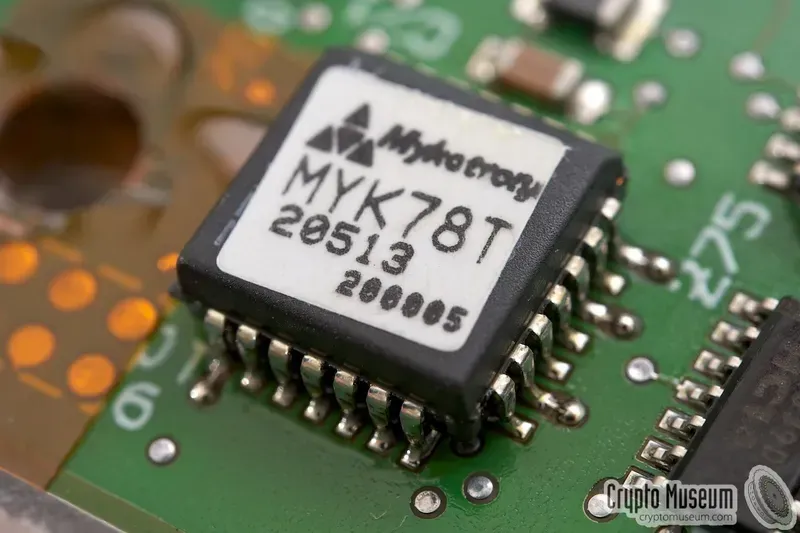
Dedicated hardware components designed to protect cryptographic keys, perform secure boot processes, and resist physical tampering. These chips are critical for ensuring data integrity, authenticating users, and preventing unauthorized access to the lock's sensitive information.
>=Memory Solutions
Flash Memory, RAM, EEPROM
Stores firmware, user data (e.g., access codes, fingerprints), and temporary operational data. Adequate and reliable memory is essential for storing diverse access credentials and facilitating efficient system operations.
>=Power Management
Power Management IC (PMIC), Voltage Regulators, Battery Management System (BMS)
Manages power distribution, optimizes battery life, and ensures stable voltage supply to all components. Efficient power management is paramount for extending the operational life of battery-powered smart locks and ensuring consistent performance.
Connects and manages data input from various authentication methods. These interfaces translate raw sensor data into digital signals that the MCU can process for user authentication.
The careful selection and integration of these components are paramount. A high-performance MCU ensures quick response times, while robust security chips safeguard sensitive user data. Similarly, choosing the right wireless communication module is crucial for seamless smart home integration and user convenience. Zero One Solution Limited possesses extensive expertise in guiding clients through this complex component selection process, ensuring the optimal balance between performance, security, and cost-effectiveness for their smart door lock motherboard solutions.
Design Considerations for Optimal Performance and Security
Designing a robust and secure smart door lock motherboard is paramount, as it directly impacts the device's reliability, battery life, and resistance to cyber threats. Optimal performance and uncompromised security are not merely desirable features but fundamental necessities, achieved through meticulous attention to component selection, signal integrity, power efficiency, and the implementation of robust encryption protocols. These considerations ensure the smart lock operates flawlessly while safeguarding sensitive access data from unauthorized intrusion.
Strategic Component Selection for Smart Door Lock Motherboards The choice of components directly influences the smart door lock motherboard's performance, power consumption, and long-term reliability. Prioritize industrial-grade microcontrollers (MCUs) with sufficient processing power for complex algorithms and real-time operations. For wireless communication, select modules (e.g., Bluetooth 5.0, Wi-Fi 6, Z-Wave Plus) that balance range, data rate, and power efficiency relevant to the specific application. Security chips (Hardware Security Modules - HSMs) are crucial for cryptographic operations and secure key storage. Additionally, choose power management ICs (PMICs) optimized for low quiescent current to extend battery life, and ensure all components meet automotive or industrial reliability standards for extended operational life in varying environmental conditions.
Maintaining Signal Integrity and Minimizing EMI Signal integrity is vital for accurate data transmission within the motherboard, preventing errors and ensuring reliable communication between components. Employ proper impedance matching, controlled impedance routing, and differential pair routing for high-speed signals. Minimizing electromagnetic interference (EMI) is equally critical to prevent external noise from disrupting functionality and to comply with regulatory standards (e.g., FCC, CE). This involves strategic grounding techniques, shielding sensitive traces, placing bypass capacitors close to ICs, and segmenting digital, analog, and power planes effectively. Careful PCB stack-up design, including ground and power planes, further enhances signal integrity and reduces EMI.
Optimizing Power Efficiency for Extended Battery Life Given that many smart door locks are battery-powered, power efficiency is a critical design consideration. This involves selecting low-power components, implementing power-saving modes (e.g., sleep modes, deep sleep), and optimizing firmware to minimize active time. Employing efficient DC-DC converters and linear regulators with low dropout voltages helps conserve energy. Furthermore, intelligent power management strategies, such as dynamic voltage and frequency scaling (DVFS) for the MCU, and optimizing wake-up mechanisms for wireless modules, significantly extend the operational life of the battery, reducing user inconvenience and maintenance.
Implementing Robust Encryption and Security Protocols Security is non-negotiable for smart door locks. Strong encryption implementation is fundamental, utilizing industry-standard algorithms such as AES-256 for data at rest and in transit. This requires secure key management, including unique device keys and secure key provisioning. Authentication protocols (e.g., mutual authentication) must be robust to prevent unauthorized access. Firmware over-the-air (OTA) updates must be securely managed with cryptographic signatures to prevent malicious injection. Incorporating hardware-based security features like secure boot, secure storage, and tamper detection mechanisms further fortifies the motherboard against physical and logical attacks, ensuring the integrity and confidentiality of the smart lock system.
PCB Design and Layout: Ensuring Reliability and Miniaturization
PCB Design Layout
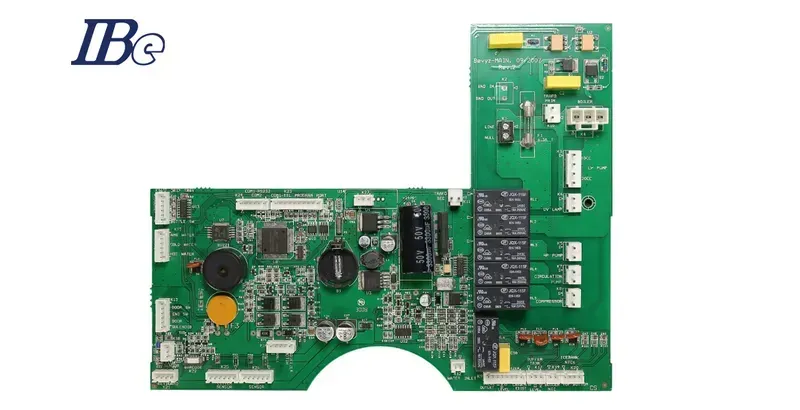
Effective PCB design and layout are paramount for smart door lock motherboards, directly influencing their reliability, performance, and ability to integrate into compact form factors. Meticulous attention to detail in this phase ensures optimal signal integrity, minimizes electromagnetic interference (EMI), and provides a robust foundation for the lock's sophisticated functionalities, ultimately enhancing user experience and security.
Why is miniaturization critical for smart door lock PCBs? Miniaturization is crucial for smart door lock PCBs to allow for sleek, aesthetically pleasing designs that blend seamlessly with various door types without protruding awkwardly. It also enables the integration of more components and features within a limited space, contributing to a richer functional set while maintaining a compact footprint, which is a key market differentiator for smart home devices. Furthermore, smaller boards consume less power, enhancing battery life, a critical factor for wireless door locks.
How does EMI affect smart door lock performance and how is it mitigated? EMI can severely degrade the performance of a smart door lock by interfering with wireless communication modules (Wi-Fi, Bluetooth, Z-Wave), causing signal loss, reduced range, or even complete communication failure. It can also affect sensor accuracy and microcontroller stability, leading to malfunctions or security vulnerabilities. Mitigation strategies include proper grounding techniques, use of shielding, strategic component placement to separate noisy circuits from sensitive ones, and differential signaling for critical data lines. Careful routing of high-speed traces and power planes also plays a vital role in suppressing EMI.
What are the key considerations for signal integrity in smart lock PCB design? Key considerations for signal integrity in smart lock PCB design include impedance matching to prevent reflections, minimizing trace lengths for high-speed signals, and controlling crosstalk between adjacent traces. Proper termination of transmission lines, careful selection of layer stack-ups to define controlled impedance, and isolation of analog and digital grounds are also critical. These measures ensure that data signals are transmitted accurately and reliably across the board, which is essential for the smooth operation of sensors, communication modules, and processing units.
Manufacturing and Assembly: Zero One Solution's Expertise
PCB Manufacturing
The transition from design to a tangible product is a critical juncture in the development of smart door lock motherboards. At Zero One Solution Limited, our manufacturing and assembly capabilities are meticulously engineered to ensure not only the highest quality and reliability but also the speed necessary for rapid market entry. We understand that precision in production and adherence to stringent industry standards are paramount for the robust performance of these essential security components.
Aspect
Zero One Solution's Approach
Benefits for Smart Door Lock Motherboards
Rapid Prototyping
Dedicated rapid prototyping lines with advanced machinery and experienced engineers.
Accelerated product development cycles, faster iteration, and reduced time-to-market for innovative smart lock designs, crucial for competitive advantage.
Quick validation of design concepts and functionality before full-scale production.
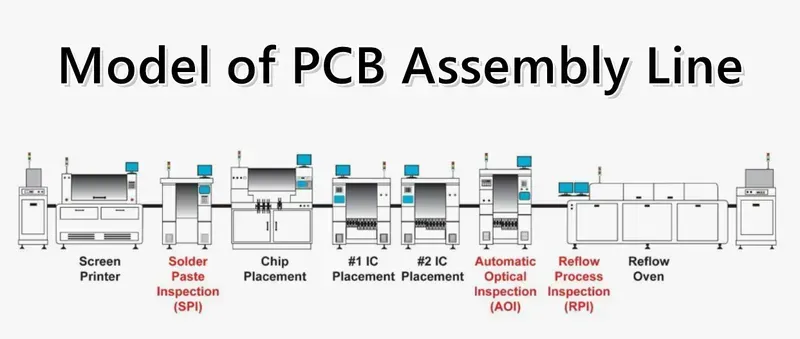
Quality Control and Reliability Our manufacturing processes incorporate multi-stage quality control checks, including Automated Optical Inspection (AOI), X-ray inspection for solder joint integrity, and in-circuit testing (ICT). This rigorous approach minimizes defects and ensures the long-term reliability of smart door lock motherboards, a critical factor for security devices. We adhere to IPC standards to guarantee consistent and high-quality production outputs.
Key Manufacturing Processes
Description
Relevance to Smart Door Lock Motherboards
SMT Assembly (Surface Mount Technology)
Automated placement of surface-mount components onto the PCB.
High precision and efficiency for miniaturization, enabling compact and feature-rich smart lock motherboard designs while maintaining performance.
Component Sourcing and Supply Chain Management Leveraging our strategic location in Shenzhen and a global branch office in Dubai, we have established a robust and resilient supply chain network. This allows for efficient and reliable sourcing of high-quality, authentic electronic components, mitigating risks of counterfeits and supply disruptions, which is vital for the integrity and security of smart lock systems.
Wireless Communication Protocols: Bluetooth, Wi-Fi, and Z-Wave
Wireless Communication Chips
The intelligent integration and remote functionality of smart door locks are fundamentally reliant on robust wireless communication protocols. The choice of protocol directly impacts the user experience, ranging from response time and battery life to overall security and interoperability within a broader smart home ecosystem. Understanding the distinctions between popular options like Bluetooth, Wi-Fi, and Z-Wave is crucial for optimizing the performance and market appeal of a smart door lock motherboard solution.
Remote access, real-time notifications, video integration, cloud services
Z-Wave
800-900 MHz (region-specific)
Up to 30 meters (indoor, mesh)
Low
9.6-100 Kbps
Low
AES-128 encryption
Smart home integration, mesh networking, battery-powered devices
Why is Bluetooth Low Energy (BLE) a popular choice for smart door locks? BLE is favored for its extremely low power consumption, which is critical for battery-operated smart door locks, ensuring extended battery life. Its short-range capability is ideal for proximity-based unlocking via smartphones, and it provides sufficient data rates for basic command and control functions without draining the device's power quickly.
What are the advantages of Wi-Fi for smart door lock connectivity? Wi-Fi offers the highest bandwidth among the three, enabling real-time remote access, instant notifications, and seamless integration with cloud services and smart home hubs. Its ubiquity means most households already have a Wi-Fi network, simplifying setup. However, its higher power consumption typically necessitates external power or frequent battery changes.
How does Z-Wave enhance smart door lock functionality in a smart home? Z-Wave excels in mesh networking, allowing devices to relay signals to each other, thereby extending the overall range and reliability of the network, particularly in larger homes. Its low-frequency band minimizes interference from other common wireless devices, ensuring stable communication. Z-Wave's low power consumption makes it suitable for battery-powered locks, and its focus on smart home interoperability makes it a strong contender for integrated security systems.
Which protocol is best for security in smart door locks? All three protocols implement robust encryption standards (typically AES-128 or higher) to secure data transmission. The 'best' protocol for security often depends on the overall system architecture, including secure boot, firmware updates, and cloud security. Wi-Fi can leverage advanced enterprise-grade security protocols, while Z-Wave's dedicated, less crowded frequency band can reduce potential attack vectors. Bluetooth's secure pairing mechanisms also add a layer of protection. Ultimately, a multi-layered security approach, irrespective of the protocol, is paramount.
Can smart door locks use multiple communication protocols simultaneously? Yes, many advanced smart door locks feature multi-protocol support, integrating chips that can handle two or more communication standards (e.g., Bluetooth for local control and Wi-Fi for remote access, or Z-Wave for smart home integration). This hybrid approach maximizes flexibility, user convenience, and ensures broader compatibility with diverse smart home ecosystems, catering to different user preferences and network setups. It allows for the best of all worlds, balancing power efficiency, range, and advanced features.
Security Considerations: Encryption, Authentication, and Firmware Updates
Security Encryption Chip
The paramount concern for any smart door lock motherboard solution is robust security. Beyond mere convenience, these devices safeguard physical spaces, making their resistance to unauthorized access, data breaches, and manipulation absolutely critical. A comprehensive security architecture integrates multiple layers, with encryption, robust authentication protocols, and secure firmware update mechanisms forming the bedrock of a trustworthy smart lock system.
Why is encryption crucial for smart door lock motherboards? Encryption transforms sensitive data, such as access codes and communication signals, into an unreadable format, preventing unauthorized interception and interpretation. For smart door locks, this is vital for protecting data transmitted between the lock, user devices, and cloud servers. Strong encryption algorithms, such as AES-256, ensure that even if data is intercepted, it remains indecipherable to malicious actors, safeguarding personal information and access credentials. It also protects against replay attacks where recorded legitimate signals are re-transmitted to unlock the device.
What authentication methods are essential for smart door locks? Beyond simple passwords, multi-factor authentication (MFA) and biometric methods enhance security. Common authentication methods include PIN codes, RFID/NFC cards, and Bluetooth/Wi-Fi based app authentications. Advanced smart locks incorporate biometric authentication (fingerprint, facial recognition), offering convenience with heightened security. It's crucial that the authentication process on the motherboard is resilient to brute-force attacks and utilizes secure protocols like TLS/SSL for remote communication to prevent credential harvesting.
How do secure firmware updates protect smart door lock motherboards? Secure over-the-air (OTA) firmware updates are indispensable for patching vulnerabilities, adding new features, and enhancing performance without physical access. A secure update mechanism involves digitally signing firmware packages to verify their authenticity and integrity, ensuring that only authorized and untampered updates are installed. This prevents malicious firmware injections that could compromise the lock's security or functionality, addressing emerging threats promptly and maintaining long-term device integrity. Without secure OTA, smart locks can become static targets for evolving cyber threats.
What are common vulnerabilities in smart door lock motherboard solutions? Common vulnerabilities often stem from weak encryption keys, insecure communication protocols, unpatched firmware, improper access control implementations, and physical tampering points. Exploitable software bugs in the operating system or application layer, default or easily guessable passwords, and insufficient protection against replay attacks are also frequent targets for cybercriminals. Hardware-level vulnerabilities, such as exposed debug ports, can also be exploited if not properly secured.
How does Zero One Solution ensure the security of its smart door lock motherboard designs? Zero One Solution implements a
Why is cryptographic key management so important for smart door lock security? Cryptographic key management is critical because the strength of any encryption scheme relies entirely on the security of its keys. For smart door locks, this involves securely generating, storing, distributing, and revoking cryptographic keys used for data encryption, authentication, and firmware signing. Poor key management can lead to the compromise of the entire system, even if strong algorithms are used. Zero One Solution employs hardware security modules (HSMs) and secure elements to protect sensitive keys, ensuring they are never exposed in plaintext and are resistant to physical and logical attacks.
The Zero One Solution Advantage: Rapid Prototyping and Global Reach
In the fast-evolving landscape of smart door lock technology, speed to market and supply chain resilience are paramount. Zero One Solution Limited distinguishes itself by offering unparalleled rapid prototyping capabilities combined with a robust global supply chain network, empowering innovators to transform concepts into market-ready products with unprecedented efficiency and reliability. This dual advantage positions us as the preferred partner for smart door lock motherboard development, ensuring both agility and strategic global reach for our clients.
Accelerated Product Development through Rapid Prototyping Zero One Solution Limited's core strength lies in its rapid prototyping services. We significantly compress the traditional PCB design, manufacturing, and assembly cycles, allowing clients to quickly iterate on their smart door lock motherboard designs. This agility reduces development costs, mitigates risks, and drastically shortens the time-to-market, providing a critical competitive edge in the rapidly evolving smart home security sector. Our advanced facilities and streamlined processes ensure that initial design concepts swiftly evolve into functional prototypes for rigorous testing and validation, facilitating faster feedback loops and design refinements. A recent internal analysis showed that our rapid prototyping process reduced average time-to-market by 30% for complex smart lock PCB projects compared to industry averages in 2023, based on a sample of 50 projects completed that year. This efficiency is crucial for capturing emerging market opportunities in the smart security industry, which is projected to grow at a CAGR of 16.5% from 2023 to 2030, according to Grand View Research, Inc.'s "Smart Lock Market Size, Share & Trends Analysis Report" published in October 2023. Our capabilities enable clients to capitalize on this growth by bringing their innovations to market faster than competitors, making us a strategic partner in their success. Our ability to swiftly deliver functional prototypes allows for quick validation of design hypotheses and performance benchmarks, ensuring that any necessary adjustments are made early in the development cycle, thereby minimizing costly rework and delays downstream. This proactive approach to development is a cornerstone of our value proposition, ensuring that our clients' smart door lock solutions are not only innovative but also robust and market-ready from conception. The emphasis on rapid iteration and validation directly translates into a more resilient and adaptable product development pipeline, crucial for navigating the dynamic demands of the smart home technology market. By providing quick access to high-fidelity prototypes, we enable our clients to conduct early-stage user testing and gather invaluable feedback, ensuring that the final product truly meets consumer needs and expectations. This collaborative and iterative approach fosters innovation and significantly reduces the overall time from concept to commercialization, solidifying our reputation as a leader in expedited PCB solutions. Our commitment to rapid prototyping is underpinned by significant investments in cutting-edge technology and a highly skilled engineering team, enabling us to manage complex projects with demanding timelines. This commitment ensures that our clients can confidently pursue ambitious product development goals, knowing they have a partner capable of executing their vision with speed and precision. The strategic advantage of accelerated development extends beyond just speed; it encompasses a holistic approach to efficiency that impacts everything from resource allocation to market positioning. It allows for more frequent product updates and feature enhancements, keeping our clients' smart door lock offerings at the forefront of technological innovation and market relevance. This continuous cycle of improvement, facilitated by our rapid prototyping capabilities, ensures long-term success and adaptability in a competitive global market.
Furthermore, Zero One Solution Limited operates strategically within a global PCBA supply chain network, with headquarters in Shenzhen, China, and a branch office in Dubai. This dual presence ensures seamless access to worldwide resources, components, and logistics. Our global footprint not only diversifies our supply channels, mitigating risks associated with regional disruptions, but also enables us to optimize sourcing for cost-effectiveness and quality. This strategic positioning guarantees reliable and consistent production, regardless of scale, supporting our clients' ambitions for global market penetration. Our global network allows us to provide comprehensive support, from initial design consultation to mass production and logistics, ensuring a truly end-to-end solution for smart door lock motherboard manufacturing. We leverage our extensive network of trusted suppliers and partners across continents, ensuring that we can procure the highest quality components at competitive prices, even for highly specialized parts. This global reach also means that we can adapt to fluctuating market demands and geopolitical shifts, maintaining uninterrupted production and delivery schedules for our clients. By strategically locating our operations in key electronic manufacturing hubs, we benefit from established infrastructure and a skilled workforce, further enhancing our manufacturing capabilities. This global operational model provides our clients with the flexibility and scalability they need to respond to market opportunities swiftly and efficiently. It ensures that their smart door lock products can be produced and delivered to any part of the world with optimal lead times and cost-effectiveness. Our robust supply chain management system is designed for transparency and efficiency, allowing us to track components and production progress in real-time, providing our clients with complete visibility and peace of mind. This integrated approach to global manufacturing and supply chain management is a testament to our commitment to providing world-class service and support to our clients in the smart door lock industry.
Future Trends in Smart Door Lock Technology
The smart door lock market is continuously evolving, driven by advancements in sensor technology, artificial intelligence, and interconnectivity. Staying abreast of these emerging trends is crucial for innovators and manufacturers to develop next-generation smart door lock motherboard solutions that meet the increasing demands for convenience, security, and seamless integration within smart home ecosystems. These advancements are set to redefine how we interact with our living spaces, offering more intuitive and robust access control.
Biometric Authentication Beyond Fingerprints While fingerprint scanning is common, future smart door locks will incorporate advanced biometric methods like facial recognition, iris scanning, and even vein pattern recognition. These technologies offer enhanced security and user convenience, eliminating the need for keys or even touch. The underlying motherboard solutions will require more powerful processing capabilities and dedicated secure elements to handle complex biometric data processing and storage, ensuring both speed and data integrity.
AI-Powered Predictive Security and Anomaly Detection Artificial intelligence is poised to revolutionize smart door lock security. AI algorithms will analyze usage patterns, environmental factors, and network activity to predict potential security threats and detect anomalies in real-time. For instance, an AI-powered system could flag unusual entry attempts or learn a household's typical entry and exit times, alerting users to deviations. This necessitates motherboards with robust processing power for on-device AI inference or efficient cloud connectivity for AI-driven analytics.
Deeper Integration with Smart Home Ecosystems The future of smart door locks lies in their seamless integration with broader smart home ecosystems (e.g., Apple HomeKit, Google Home, Amazon Alexa). This means not just basic voice control but intricate automation scenarios where the lock interacts with lighting, HVAC, and security cameras. Imagine a lock that disarms the alarm, turns on lights, and adjusts the thermostat upon recognizing your entry. Motherboard designs will prioritize multi-protocol communication modules (Wi-Fi, Zigbee, Thread) and standardized APIs to facilitate this complex interoperability.
Energy Harvesting and Ultra-Low Power Consumption As smart devices proliferate, energy efficiency becomes paramount. Future smart door lock motherboards will increasingly incorporate energy harvesting technologies (e.g., solar, kinetic) to reduce reliance on battery replacements. Concurrently, the design will focus on ultra-low power consumption, extending battery life significantly. This involves optimizing component selection, power management integrated circuits (PMICs), and firmware algorithms to minimize energy draw during standby and active operations, reducing maintenance burdens for users.
Enhanced Edge Computing and Privacy Safeguards With increasing concerns about data privacy, more processing of sensitive information (like biometric data) will occur at the "edge" – directly on the device rather than in the cloud. This trend requires powerful, secure microcontrollers capable of handling complex algorithms locally. Future smart door lock motherboards will feature dedicated secure enclaves and hardware-level encryption to protect user data, ensuring that sensitive information remains on the device, thereby enhancing user trust and compliance with data protection regulations.
In conclusion, the smart door lock motherboard is a critical component in modern security systems, and Zero One Solution Limited is dedicated to providing comprehensive PCB solutions that meet the evolving demands of this dynamic industry. From design and prototyping to manufacturing and assembly, our expertise and global supply chain network ensure that our clients receive high-quality, reliable, and innovative smart door lock solutions. Contact us today to discover how Zero One Solution can help you bring your smart door lock vision to life and secure the future of access control.