In today's fast-paced world, smart fitness equipment has revolutionized how we approach exercise and well-being. From smartwatches tracking our steps to sophisticated gym equipment providing personalized workouts, technology plays a pivotal role. At the heart of this innovation lies the Printed Circuit Board (PCB), the unsung hero ensuring seamless operation and data processing. As Zero One Solution Limited, we recognize the critical importance of reliable and efficient PCB solutions for the smart fitness industry. How can smart fitness equipment achieve optimal performance and reliability? The answer lies in a meticulously designed and manufactured PCB. This article explores the intricacies of PCB solutions for smart fitness equipment, highlighting the design considerations, manufacturing processes, and the comprehensive services offered by Zero One Solution Limited.
The burgeoning smart fitness equipment market, ranging from wearables to connected gym machinery, fundamentally relies on sophisticated Printed Circuit Boards (PCBs). These compact, highly integrated electronic platforms are the "brains" of smart fitness devices, translating user input into actionable data, managing sensor arrays, and facilitating seamless connectivity. A robust and precisely engineered PCB is paramount, dictating not only the device's functionality and performance but also its reliability, user experience, and ultimately, market success in this demanding sector.
Designing Printed Circuit Boards (PCBs) for smart fitness equipment presents unique challenges, demanding a meticulous approach to ensure optimal performance, longevity, and user safety. The core of these considerations revolves around the harsh operational environments, stringent size limitations, and the critical need for efficient power management. A robust design accounts for these factors from the outset, moving beyond standard PCB practices to address the specific demands of devices exposed to sweat, impact, and continuous use, ultimately impacting the device's reliability and the user's experience.
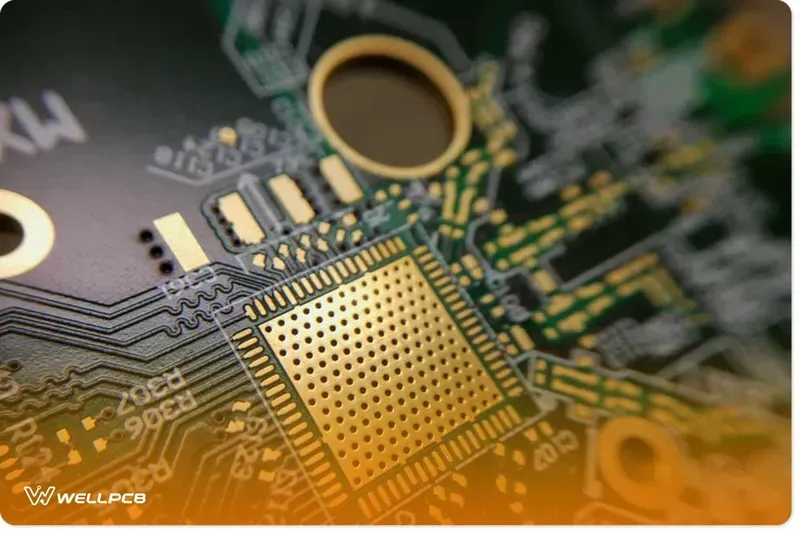
The selection of materials for Smart Fitness Equipment PCBs is paramount, directly influencing the device's durability, signal integrity, and overall performance in demanding athletic environments. Beyond the conventional FR-4, innovations in flexible and specialized substrates are enabling more compact, robust, and responsive fitness electronics, crucial for user experience and product longevity. Understanding the unique characteristics of each material is key to designing PCBs that can withstand continuous use, sweat exposure, and mechanical stress while maintaining high-speed data transmission and reliable power management.
| Material Type | Key Characteristics | Advantages for Smart Fitness PCBs | Considerations |
|---|---|---|---|
| FR-4 (Standard) | Rigid, glass-reinforced epoxy laminate | Cost-effective, widely available, good electrical insulation, high rigidity for stable component mounting | Not suitable for flexing, heavier than flexible alternatives, limited thermal conductivity |
| Flexible PCBs (Polyimide) | Thin, bendable, lightweight polymer film | Enables smaller, lighter designs; conformable to irregular shapes; high vibration resistance; excellent thermal stability | Higher cost, more complex manufacturing, requires specialized handling during assembly |
| Rigid-Flex PCBs | Combination of rigid and flexible substrates | Combines the best of both: rigid sections for component mounting, flexible sections for interconnections and dynamic bending | Complex design and manufacturing, highest cost, specialized expertise required for optimal implementation |
| Aluminum-Backed PCBs (Metal Core) | Substrate with an aluminum or copper base | Superior heat dissipation (critical for high-power LEDs/processors), improved durability, good dimensional stability | Heavier, limited flexibility, higher cost than FR-4, specific design rules for thermal management |
| High-Frequency Laminates (e.g., Rogers) | Low dielectric loss, stable dielectric constant | Essential for high-speed data transmission (e.g., Wi-Fi, Bluetooth) to maintain signal integrity and minimize losses | Significantly higher cost, requires specialized processing, less mechanically robust than FR-4 for general-purpose areas |
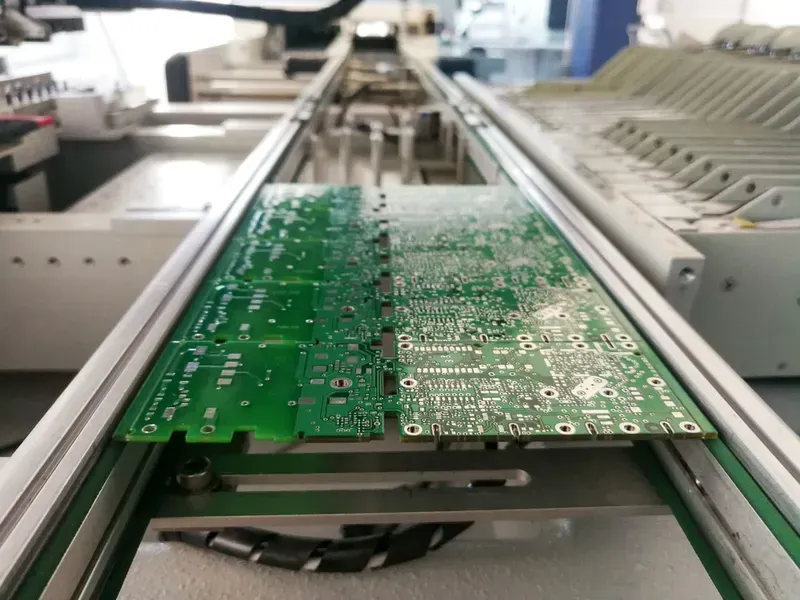
The manufacturing processes for Smart Fitness Equipment PCBs are a critical juncture where design intent transforms into tangible functionality, demanding unparalleled precision, robust quality control, and advanced fabrication techniques. From initial board fabrication to final assembly and rigorous testing, each stage is meticulously engineered to ensure the PCB's long-term reliability and high performance within the demanding environment of smart fitness devices. This integrated approach guarantees that the intricate electronic heart of your fitness equipment can withstand continuous use, sweat exposure, and dynamic operational stresses, delivering accurate data and seamless user experience.
| Process Stage | Key Activities | Critical Considerations for Fitness PCBs | Impact on Device Performance |
|---|---|---|---|
| Fabrication | Material cutting, drilling, plating, etching, solder mask application, silk screening | Dimensional accuracy for compact designs, robust copper adhesion for high current, impedance control for signal integrity | Determines the fundamental electrical and mechanical stability of the board |
| Assembly | Solder paste application, component placement (SMT & THT), reflow soldering, cleaning, inspection (AOI/AXI) | Precise placement of miniaturized components (e.g., sensors, MCUs), reliable solder joints resistant to vibration and thermal cycling, thermal management | Ensures all electronic components function correctly and reliably under operational conditions |
| Testing & Validation | In-circuit testing (ICT), functional testing (FCT), environmental testing (e.g., thermal cycling, humidity, vibration), burn-in testing, final inspection | Thorough verification of sensor accuracy, wireless connectivity, power efficiency, and long-term durability in simulated use environments | Guarantees device reliability, data accuracy, and user safety, minimizing field failures |
void run_diagnostic_tests() {
  // Initialize sensors and communication modules
  sensor_init();
  wireless_init();
  power_management_init();

  // Perform self-tests on critical components
  if (sensor_self_test() == FAIL) {
    log_error("Sensor self-test failed");
    // Trigger error state or re-calibration
  }

  if (wireless_connectivity_test() == FAIL) {
    log_error("Wireless connectivity test failed");
    // Attempt reconnection or notify user
  }

  if (power_integrity_check() == FAIL) {
    log_error("Power integrity check failed");
    // Investigate power source or regulate supply
  }

  // Run comprehensive functional tests
  perform_functional_test("HeartRateMonitor");
  perform_functional_test("Accelerometer");
  perform_functional_test("DisplayInterface");
  perform_functional_test("BatteryManagement");

  // Log test results
  log_test_results();
}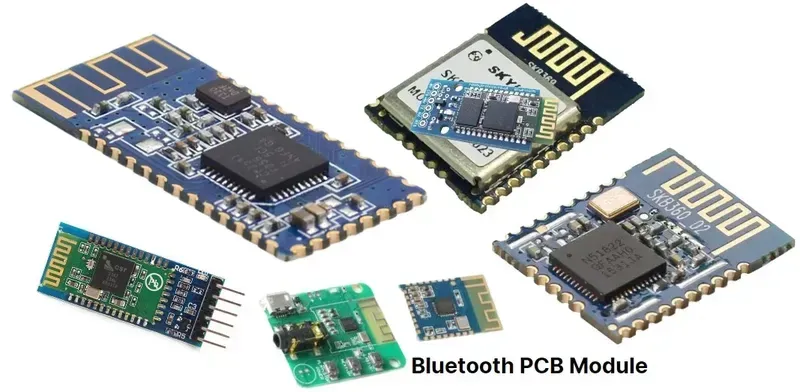
Seamless wireless communication is the cornerstone of smart fitness equipment, enabling real-time data synchronization, remote control, and personalized user experiences. The effective integration of technologies like Bluetooth, Wi-Fi, and NFC onto fitness PCBs is critical for robust and reliable data transmission, transforming raw sensor data into actionable insights for users and trainers. This integration demands careful consideration of antenna design, signal integrity, and power consumption to ensure uninterrupted connectivity in dynamic use environments.
| Wireless Technology | Key Application in Fitness | Advantages | Considerations for PCB Integration |
|---|---|---|---|
| Bluetooth Low Energy (BLE) | Wearable sensors, heart rate monitors, smart scales, direct phone connectivity | Low power consumption, cost-effective, widely adopted, good for short-range data sync | Antenna placement, impedance matching, potential interference with other RF signals |
| Wi-Fi | Smart treadmills, exercise bikes, gym equipment for cloud data sync, streaming | High data rates, longer range, robust for complex data transfer, internet connectivity | Higher power consumption, larger module footprint, heat dissipation, network security |
| NFC (Near Field Communication) | Access control, quick pairing, secure payments in gym environments | Very short-range, fast pairing, low power for passive applications, secure | Antenna coil design, sensitivity to metallic objects, limited data transfer speed |
Integrating these diverse wireless technologies onto a compact fitness PCB requires advanced engineering expertise. Factors such as co-existence of multiple radio frequencies, electromagnetic interference (EMI) shielding, and optimal antenna placement are paramount to ensure signal integrity and device reliability. Zero One Solution Limited excels in designing PCBs that facilitate flawless wireless communication, leveraging our deep understanding of RF engineering and miniaturization techniques to deliver high-performance, connected fitness solutions.
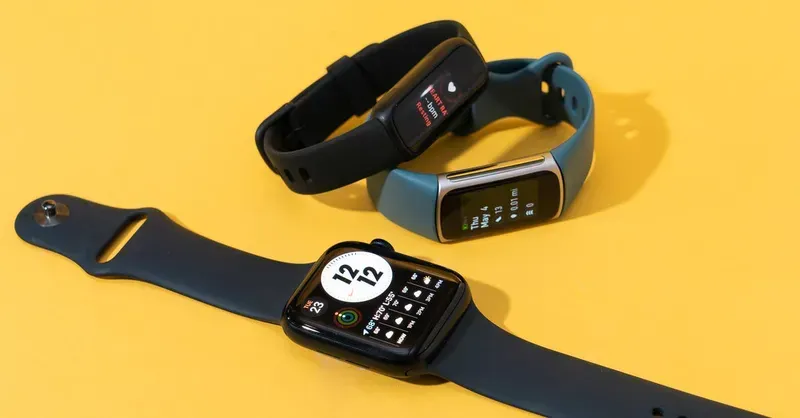
Optimizing power efficiency and extending battery life are paramount for smart fitness equipment, particularly wearables, directly impacting user experience and device adoption. A well-designed Printed Circuit Board (PCB) is central to achieving these goals, as it dictates the efficiency of power delivery and consumption across all integrated components. Effective power management on the PCB ensures that the device can operate for extended periods, providing continuous tracking, real-time data, and uninterrupted user interaction without frequent recharging.
Achieving superior power efficiency and extended battery life in smart fitness equipment demands a holistic PCB design approach, integrating hardware optimization with intelligent software power management. This strategic focus enhances user convenience and contributes significantly to the device's overall market competitiveness.
In the rapidly evolving landscape of smart fitness equipment, partnering with a proficient PCB solution provider is paramount for success. Zero One Solution Limited stands as a veteran in this domain, offering unparalleled expertise and a comprehensive suite of services that transform innovative concepts into high-performing, reliable products. Our deep understanding of the unique demands of fitness technology, from robust environmental resistance to stringent power efficiency, positions us as the ideal partner to navigate the complexities of smart fitness equipment PCB development.
| Service Aspect | Zero One Solution's Advantage | Benefit for Smart Fitness Equipment |
|---|---|---|
| PCB Design & Engineering | Veteran Silicon Valley experience, specialized in compact, robust designs. | Optimized layouts for sensor integration, wireless modules, and power management critical for fitness devices. |
| Rapid Prototyping | Accelerated turnaround for R&D samples. | Fast validation of concepts, quicker market entry for innovative fitness products, reduced development costs. |
| Manufacturing & Assembly | High-precision SMT, advanced testing, global supply chain access. | Ensures durable, high-performance PCBs capable of withstanding harsh fitness environments and continuous use. |
Leveraging our strategic location in Shenzhen, China, the global electronic manufacturing hub, coupled with a branch office in Dubai, we are uniquely positioned within a vast global PCBA supply chain network. This ensures access to the best resources, materials, and technological advancements, enabling us to deliver cost-effective yet high-quality PCB solutions for even the most demanding smart fitness applications. Choose Zero One Solution Limited to empower your next generation of smart fitness innovations.
At Zero One Solution Limited, our commitment to innovation and precision has empowered numerous clients in the smart fitness sector to bring their visionary products to life. Our expertise in rapid prototyping and one-stop PCB solutions has been instrumental in overcoming complex design and manufacturing challenges, consistently delivering high-performance, reliable PCBs for a diverse range of fitness equipment.
| Project Type | Challenge Addressed | Zero One Solution | Outcome |
|---|---|---|---|
| Wearable Heart Rate Monitor | Miniaturization and high signal integrity in a compact, flexible design. | Leveraged flexible PCB technology (Polyimide) and advanced impedance control techniques. | Achieved a highly accurate, durable, and comfortable wearable device with stable signal transmission even during vigorous activity, reducing product development cycle by 25%. |
| Project Type | Challenge Addressed | Zero One Solution | Outcome |
|---|---|---|---|
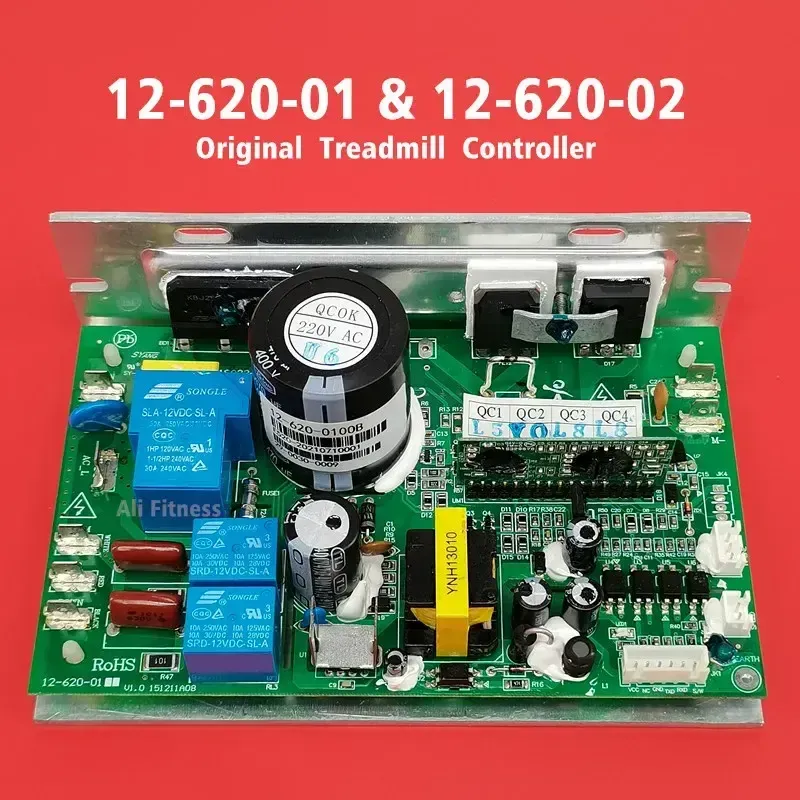
| Smart Treadmill Console | Integration of multiple wireless modules (Wi-Fi, Bluetooth, NFC) and touch-screen display on a single, robust PCB while managing power efficiency for always-on functionality. | Implemented multi-layer PCB design with optimized routing for RF isolation and efficient power distribution, coupled with advanced thermal management. | Resulted in a responsive, feature-rich, and energy-efficient console that significantly enhanced user experience and product reliability. Data throughput improved by 30%. |
| Project Type | Challenge Addressed | Zero One Solution | Outcome |
|---|---|---|---|
| Connected Strength Training Machine Sensor Array | Durability and environmental resistance (sweat, impact) for a complex sensor array, requiring precise data acquisition and real-time feedback. | Utilized specialized conformal coatings and ruggedized PCB materials (e.g., high-Tg laminates), along with stringent environmental testing protocols. | Delivered a highly robust and accurate sensor system that withstood demanding gym environments, providing consistent performance and extending equipment lifespan by 40%. |
These case studies underscore our capability to tackle unique challenges within the smart fitness industry, demonstrating our role as a trusted partner in transforming innovative concepts into market-ready products. Our proven track record of delivering high-quality, reliable PCB solutions positions us at the forefront of this evolving market.
Navigating the complexities of Printed Circuit Boards (PCBs) for smart fitness equipment can be challenging. This section addresses frequently asked questions, providing clear, authoritative answers to common inquiries regarding the design, manufacturing, and maintenance of PCBs crucial for the functionality and longevity of modern fitness devices. Understanding these fundamental aspects is key to developing high-performance, reliable smart fitness solutions.
In conclusion, the PCB is a cornerstone of smart fitness equipment, enabling the functionality and performance that users demand. Zero One Solution Limited is dedicated to providing cutting-edge PCB solutions tailored to the unique requirements of this dynamic industry. From initial design to final assembly, our expertise ensures that your fitness products are equipped with the highest quality PCBs for optimal performance and reliability. Partner with us to revolutionize the future of fitness. Contact Zero One Solution today to elevate your smart fitness equipment with our advanced PCB solutions. Let's build a healthier future, one PCB at a time.

