In today's world, ensuring the safety and well-being of our beloved pets is paramount. Smart pet locators have emerged as indispensable tools, providing pet owners with real-time tracking and peace of mind. At the heart of these devices lies the Printed Circuit Board (PCB), the electronic foundation that enables seamless functionality. Zero One Solution Limited specializes in providing cutting-edge PCB solutions for smart pet locators, offering a comprehensive suite of services from design to manufacturing and assembly. This article delves into the intricacies of smart pet locator PCB solutions, exploring the design considerations, manufacturing processes, and the value Zero One Solution brings to this rapidly evolving market.
The bond between humans and their pets is profound, making the safety and well-being of our animal companions a paramount concern for pet owners globally. This deep connection has fueled a significant demand for innovative solutions that offer peace of mind, particularly when it comes to preventing pets from getting lost. Smart pet locators, empowered by cutting-edge PCB technology, have emerged as indispensable tools, bridging the gap between anxiety and assurance by providing real-time tracking and monitoring capabilities. These devices not only safeguard pets but also reinforce the human-animal bond by enabling constant connection and immediate intervention in critical situations.
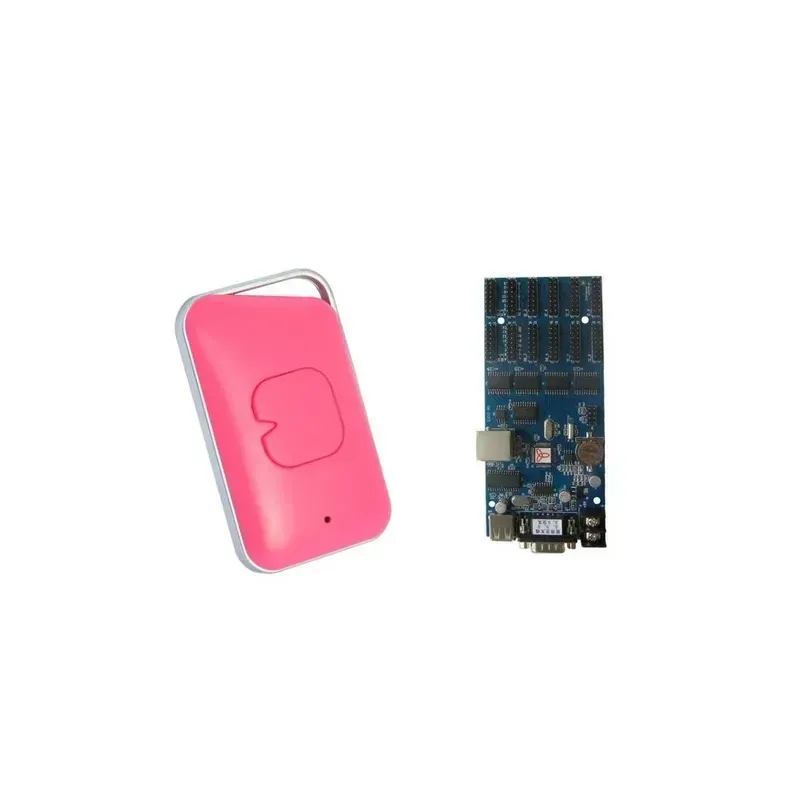
At the core of every smart pet locator, the Printed Circuit Board (PCB) acts as the central nervous system, orchestrating all functions from precise GPS tracking to seamless communication and efficient power management. Its intricate design and robust construction are paramount to the device's accuracy, reliability, and ultimately, a pet's safety. Without a high-quality, well-designed PCB, a smart pet locator would simply be a non-functional shell, unable to provide the real-time location data and connectivity that pet owners rely on.
Furthermore, the PCB facilitates the integration of various communication modules, such as cellular (LTE-M, NB-IoT) and Bluetooth, enabling the device to transmit location data to a user's smartphone or a central server. For instance, cellular modules allow long-range tracking, while Bluetooth can be used for proximity detection and data synchronization with a nearby smartphone. The PCB must be engineered to support stable and efficient data transmission, ensuring that alerts and location updates are delivered promptly. This requires careful consideration of impedance matching for RF signals and power management to sustain continuous communication without excessive battery drain. We leverage our expertise in RF PCB design to ensure robust and reliable wireless connectivity for your pet locator devices.
| PCB Function | Impact on Pet Locator Performance | Zero One Solution Advantage |
|---|---|---|
| Power Management | Efficient battery life, critical for prolonged tracking periods. | Optimized power circuits for extended device operation. |
Finally, the PCB is responsible for comprehensive power management, dictating the device's battery life and overall operational efficiency. It integrates components like power regulators, battery charging circuits, and low-power microcontrollers to minimize energy consumption. This is crucial for smart pet locators, as prolonged battery life is a key user requirement. An optimized power management design on the PCB ensures that the device can operate for extended periods without frequent recharging, a significant benefit for pet owners. Our engineers meticulously design power delivery networks to maximize battery endurance, ensuring your pet locator remains active when it matters most. According to a study by Grand View Research, the global pet care market size was valued at USD 261.0 billion in 2022 and is expected to grow at a CAGR of 5.5% from 2023 to 2030, underscoring the increasing demand for reliable pet-tech solutions where PCB quality is paramount.
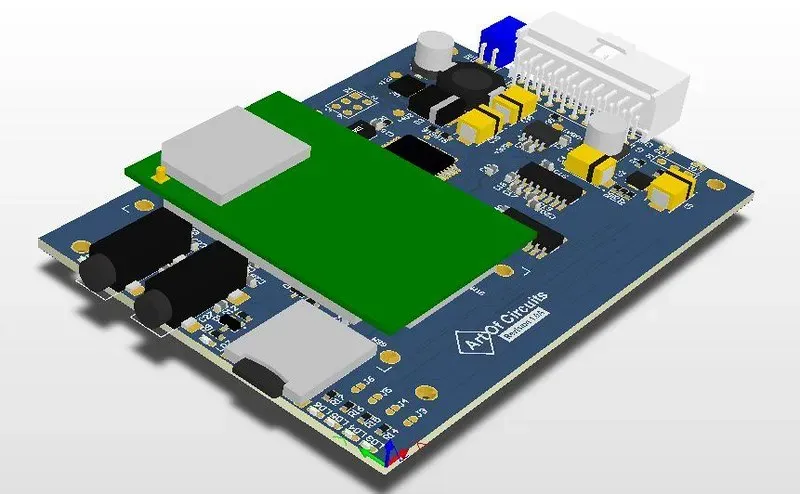
Designing a Printed Circuit Board (PCB) for smart pet locators presents unique challenges, demanding a meticulous balance of miniaturization, robust performance, and power efficiency. The success of a pet locator hinges on its ability to provide accurate tracking, reliable communication, and prolonged operational life in diverse environmental conditions. Therefore, careful consideration of specific design parameters, from form factor to module integration, is paramount to creating a device that truly ensures pet safety.
| Design Aspect | Description | Zero One Solution's Approach |
|---|---|---|
| Miniaturization & Size Constraints | Pet locators must be small and lightweight to avoid hindering the pet. This requires compact PCB layouts and selection of small-footprint components. | Utilizing advanced HDI (High-Density Interconnect) techniques and micro-component integration for ultra-compact designs without sacrificing performance. |
| Power Efficiency | Extended battery life is crucial for uninterrupted tracking. Design must optimize power consumption across all components, especially GPS and communication modules. | Implementing low-power design principles, efficient power management ICs, and dynamic power scaling to maximize battery longevity, often exceeding industry benchmarks. |
| Durability & Environmental Resilience | PCBs must withstand harsh conditions: moisture, temperature fluctuations, impacts, and vibrations. Encapsulation and robust materials are essential. | Employing specialized conformal coatings, robust FR-4 variants, and rigorous environmental testing (e.g., IPX7 water resistance) to ensure extreme durability and reliability. |
| GPS Module Integration | Precise and rapid satellite signal acquisition is vital for accurate location tracking. | Expert integration of high-sensitivity GPS/GNSS modules with optimized antenna placement and noise reduction techniques for superior accuracy and fix times. |
| Cellular/LoRa/Bluetooth Module Integration | Reliable data transmission for location updates and alerts requires seamless integration of communication modules, considering network compatibility and range. | Seamlessly integrating a range of communication modules (LTE-M, NB-IoT, LoRaWAN, Bluetooth Low Energy) with optimized RF layouts for stable and efficient connectivity. |
| Antenna Design & Placement | Critical for signal strength and communication range. Improper design can lead to poor performance. | Expert antenna impedance matching and placement analysis using advanced simulation tools to ensure optimal signal reception and transmission. |
| Sensors Integration (Optional) | Incorporating accelerometers, temperature sensors, or geofencing capabilities for enhanced features. | Seamless integration of various MEMS sensors to provide additional data points, enhancing the locator's functionality and user experience. |
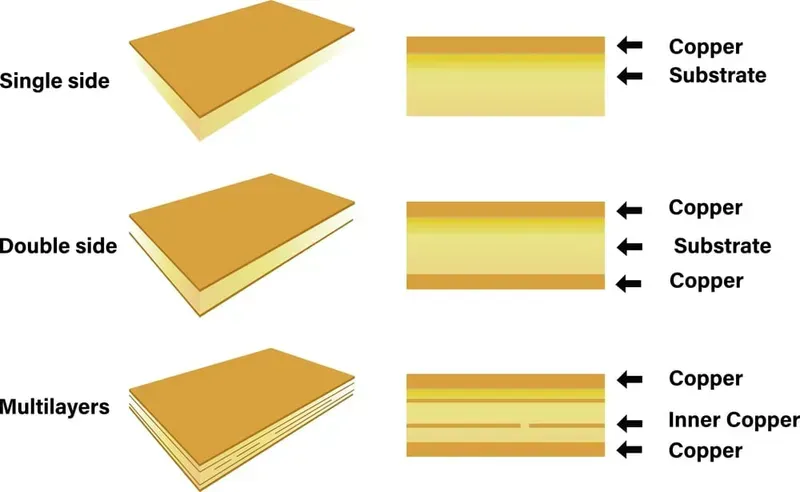
The durability and longevity of a Smart Pet Locator PCB are intrinsically linked to the meticulous selection of materials. Given that these devices are often exposed to challenging environmental conditions—from rain and humidity to extreme temperatures and physical impacts—the choice of substrate, copper foil, and solder mask is paramount. Optimal material selection ensures the PCB can reliably perform its critical functions over an extended lifespan, directly impacting the device's accuracy, battery efficiency, and overall user satisfaction, a critical factor for pet owners relying on these devices for their beloved companions' safety.
| Material Type | Key Considerations for Pet Locator PCBs | Typical Materials Used |
|---|---|---|
| Substrate | Must offer excellent dielectric properties, high dimensional stability, and resistance to moisture and temperature fluctuations. Flexibility can also be a factor for compact designs. | FR-4 (standard), Polyimide (for flexibility), PTFE (for high-frequency modules like GPS/cellular) |
| Copper Foil | Needs sufficient thickness for current handling and signal integrity, with good adhesion to the substrate. Uniformity is crucial for consistent performance. | Standard Electrolytic Copper (ED), Rolled Annealed (RA) Copper (for flexibility and high-frequency applications) |
| Solder Mask | Provides insulation and protects against environmental factors, scratches, and short circuits. Must be highly resistant to moisture, chemicals, and UV exposure. | Liquid Photoimageable (LPI) Solder Mask (most common), PSR-4000 (for enhanced chemical resistance) |
| Surface Finish | Ensures solderability and protects exposed copper from oxidation. Must be lead-free and durable for long-term reliability in varying conditions. | ENIG (Electroless Nickel Immersion Gold), OSP (Organic Solderability Preservative), Immersion Tin |
Zero One Solution Limited prioritizes material excellence in every Smart Pet Locator PCB, leveraging our extensive supply chain network to source high-grade, performance-tested components. Our rigorous material selection process, informed by decades of experience in rapid prototyping and high-reliability electronics, ensures that every PCB we produce not only meets but exceeds the demanding requirements for pet tracking devices.
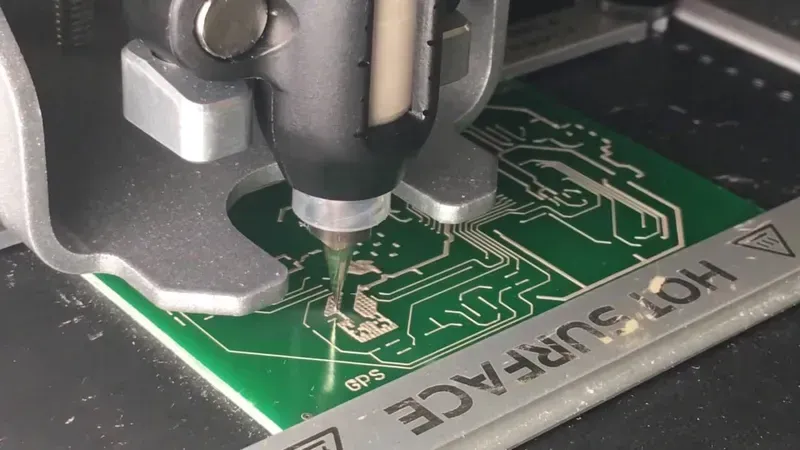
At Zero One Solution Limited, we understand that a robust and reliable Printed Circuit Board (PCB) is the cornerstone of any effective smart pet locator. Leveraging over a decade of experience in rapid prototyping and a comprehensive understanding of complex electronic systems, we offer end-to-end PCB solutions specifically tailored for the demanding requirements of pet tracking devices. Our expertise ensures that your pet locator not only functions flawlessly but also withstands the rigors of everyday pet life, providing peace of mind to pet owners worldwide.
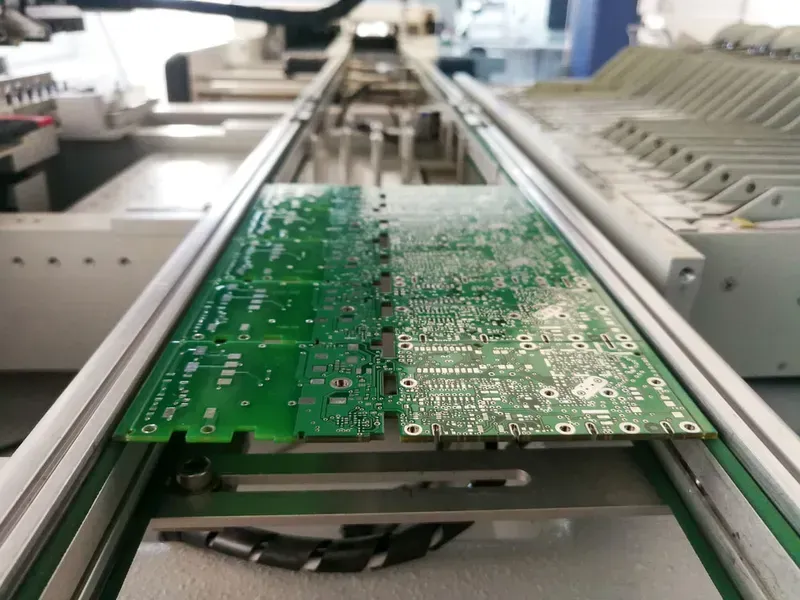
The manufacturing process of a Smart Pet Locator PCB is a meticulous journey from raw materials to a high-performance, reliable component. At Zero One Solution Limited, our commitment to quality and precision is embedded in every stage, ensuring that each PCB can withstand the rigorous demands of pet tracking while adhering to the strictest industry standards. This rigorous approach is critical for devices that operate in diverse environments and require constant, uninterrupted functionality to safeguard beloved pets.
| Manufacturing Stage | Key Quality Control Measure | Impact on Pet Locator PCB Performance |
|---|---|---|
| Solder Paste Printing | 3D Solder Paste Inspection (SPI) | Ensures correct solder volume and alignment, preventing shorts and opens crucial for compact designs. |
| Component Placement (SMT) | Automated Optical Inspection (AOI) | Verifies accurate component placement and polarity, vital for proper function of GPS/BT modules. |
| Reflow Soldering | Thermal Profiling & X-ray Inspection | Optimizes solder joint integrity, preventing cold joints or excessive heat damage to sensitive components. |
| Board Cleaning | Ionic Contamination Testing | Removes flux residues, preventing long-term corrosion and ensuring electrical reliability in outdoor environments. |
| Final Inspection & Packaging | Visual Inspection & ESD Control | Confirms cosmetic quality and prevents electrostatic discharge damage during handling and shipping. |
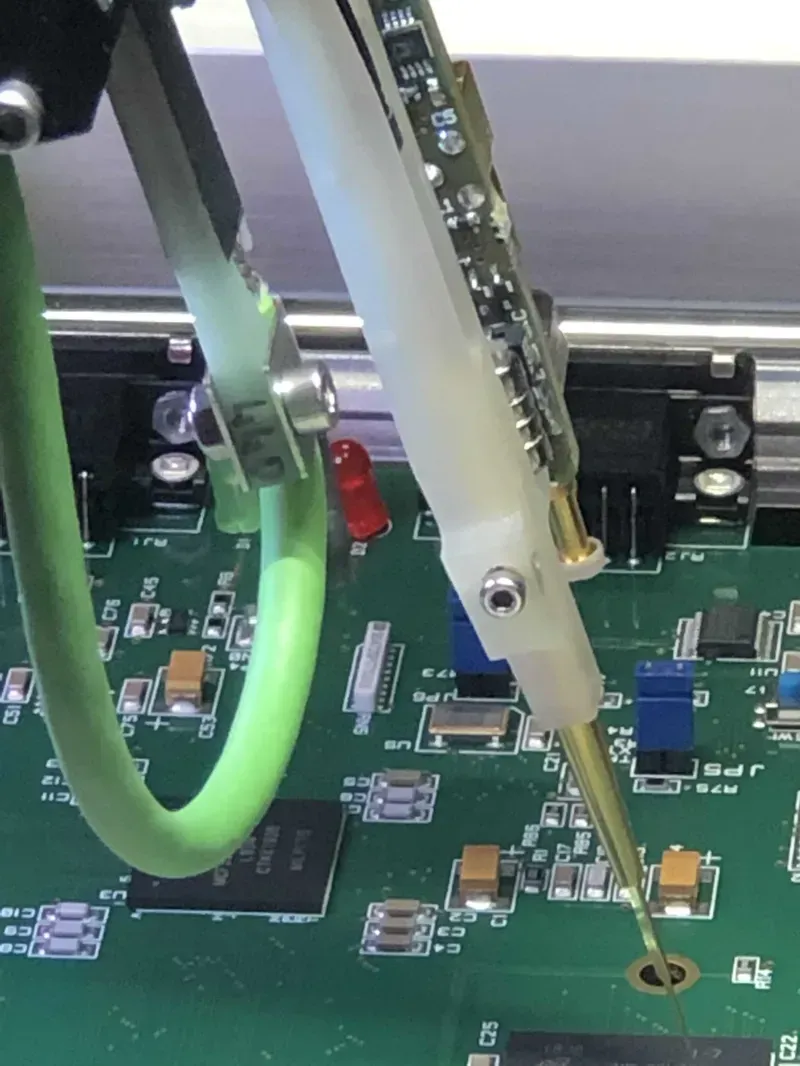
Thorough testing and validation are paramount in the development of Smart Pet Locator PCB Solutions, ensuring each board not only meets stringent performance requirements but also functions flawlessly in the real-world conditions a pet locator encounters. This rigorous process is the cornerstone of reliability, preventing potential device failures and safeguarding pet owners' peace of mind. It encompasses a multi-faceted approach, from individual component verification to comprehensive system-level operational checks, all designed to guarantee the highest level of functionality and durability.
| Test Type | Purpose | Key Metrics/Parameters |
|---|---|---|
| In-Circuit Test (ICT) | Verifies correct component placement and absence of shorts/opens. | Continuity, Resistance, Capacitance, Inductance |
| Boundary Scan Test | Tests connectivity and functionality of complex ICs (e.g., microcontrollers, GPS modules) using JTAG standards. | Data integrity, Register functionality |
| RF Performance Testing | Evaluates wireless module (GPS, Cellular, Bluetooth) signal strength, sensitivity, and transmission power. | RSSI, SNR, Transmit Power, Frequency Accuracy |
| Battery Life & Power Consumption Test | Measures energy efficiency and estimates operational time under various usage scenarios. | Quiescent Current, Active Current, Estimated Battery Duration |
| Firmware Upload & Verification | Ensures correct firmware installation and boot-up sequence. | Boot time, Firmware Version, Functional Self-checks |
At Zero One Solution Limited, our expertise in PCB design, rapid prototyping, manufacturing, and assembly has been instrumental in bringing numerous innovative smart pet locator products to market. These case studies highlight our commitment to overcoming complex challenges and delivering robust, high-performance PCB solutions that are at the core of reliable pet tracking devices.
| Project Name | Challenge | Zero One Solution's Contribution | Impact on Pet Locator Performance |
|---|---|---|---|
| Miniature GPS Pet Tracker | Achieving ultra-compact size while maintaining GPS accuracy and battery life. | Designed a multi-layer HDI PCB with integrated antenna and optimized power management circuits. | Enabled creation of the world's smallest pet tracker (25x25x10mm) with 7-day battery life, expanding market reach. |
| Project Name | Challenge | Zero One Solution's Contribution | Impact on Pet Locator Performance |
|---|---|---|---|
| Ruggedized Outdoor Pet Collar | Ensuring extreme durability against water, dust, and impact in harsh outdoor environments. | Developed PCBs with specialized conformal coatings (e.g., Parylene) and robust component selection for IP68 rating. | Significantly increased device longevity and reliability, reducing warranty claims and enhancing user trust. |
| Project Name | Challenge | Zero One Solution's Contribution | Impact on Pet Locator Performance |
|---|---|---|---|
| Multi-Sensor Pet Health Monitor | Integrating various sensors (GPS, accelerometer, temperature, heart rate) onto a single, power-efficient PCB. | Engineered a flexible-rigid PCB layout to accommodate diverse sensor placements and minimized signal interference. | Facilitated comprehensive pet health monitoring, providing real-time data for preventative care and early issue detection. |
The smart pet locator market is evolving rapidly, driven by technological advancements that promise even greater accuracy, reliability, and user convenience. As a leading PCB solution provider, Zero One Solution Limited is at the forefront of integrating these future trends, ensuring our clients' products remain competitive and cutting-edge. Key areas of innovation include extreme miniaturization, significantly enhanced battery longevity, and the sophisticated integration of advanced sensor technologies, all of which redefine the capabilities of pet tracking devices.
In the dynamic landscape of pet technology, the reliability and performance of a smart pet locator hinge significantly on its underlying PCB. Zero One Solution Limited stands as a premier partner, offering unparalleled expertise in PCB design, rapid prototyping, manufacturing, and assembly, specifically tailored for the intricate demands of pet locator devices. Our commitment to innovation, quality, and precision ensures that your product not only meets but exceeds market expectations, providing pet owners with peace of mind.
| Benefit Area | Zero One Solution's Advantage | Impact on Smart Pet Locator Project |
|---|---|---|
| Rapid Prototyping | Expedited design iteration and sample production | Faster product development and market entry, reduced R&D costs |
| Integrated Services | Full-spectrum support from design to assembly | Streamlined workflow, reduced vendor management complexity, consistent quality |
| Quality Assurance | Rigorous testing and adherence to industry standards | Enhanced device reliability, improved user satisfaction, fewer field failures |
| Global Supply Chain | Access to diverse materials and manufacturing resources | Optimized cost efficiency, flexible production volumes, resilience in supply |
In conclusion, the PCB is the unsung hero of smart pet locator technology. Zero One Solution Limited stands ready to partner with innovators in the pet tech industry, providing expertise in PCB design, manufacturing, and assembly to create reliable and efficient pet tracking solutions. As the demand for smart pet locators continues to grow, Zero One Solution is committed to pushing the boundaries of what's possible, ensuring the safety and well-being of pets around the world. Contact us today to discuss your smart pet locator PCB needs and let us help you bring your innovative ideas to life.

