In an era where healthcare is becoming increasingly personalized and proactive, the demand for innovative medical devices is surging. At the forefront of this revolution are smart blood glucose monitoring patches, offering a painless and convenient alternative to traditional methods. These sophisticated devices rely on intricate PCB (Printed Circuit Board) designs to function accurately and reliably. Zero One Solution Limited is at the heart of providing cutting-edge PCB solutions that empower the next generation of wearable medical technology. In this article, we will delve into the intricacies of Smart Blood Glucose Monitoring Patch PCB solutions, highlighting the design considerations, manufacturing processes, and the critical role Zero One Solution plays in bringing these life-changing devices to market.
Introduction: The Rise of Smart Blood Glucose Monitoring Patches
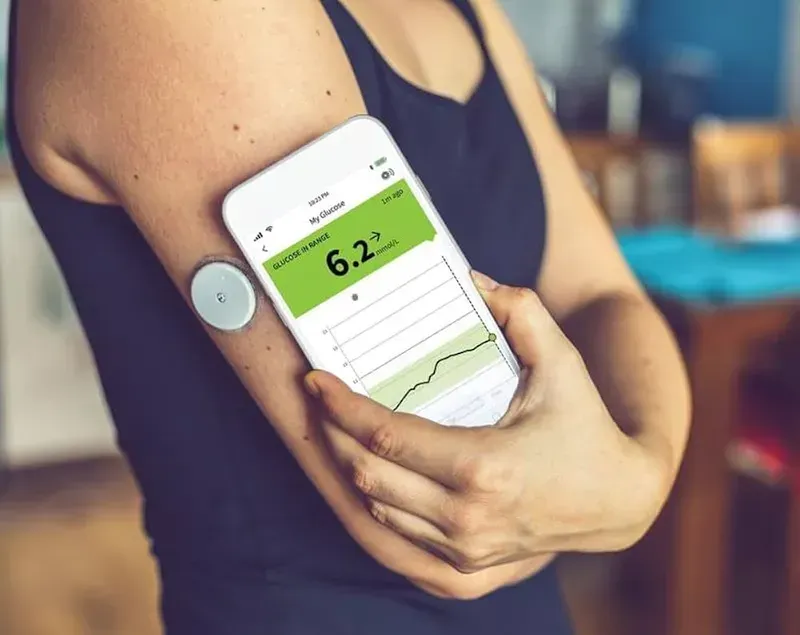
Smart Glucose Monitoring Patch
The advent of smart blood glucose monitoring patches marks a significant leap in diabetes management, offering a continuous, non-invasive alternative to traditional finger-prick methods. These innovative wearable devices, integrating advanced sensor technology with miniaturized electronics, are revolutionizing patient care by providing real-time glucose data, thereby enabling proactive health management and improving quality of life for millions living with diabetes worldwide. The increasing global prevalence of diabetes, projected to affect 783 million adults by 2045 by the IDF, underscores the critical demand for accessible, comfortable, and highly accurate monitoring solutions, positioning these patches at the forefront of medical device innovation.
Why are smart blood glucose monitoring patches gaining traction? Smart blood glucose monitoring patches offer continuous, real-time glucose data without the need for painful finger pricks, significantly enhancing patient comfort and adherence to monitoring regimens. This continuous data allows for more precise diabetes management, helps in identifying trends, and prevents hypoglycemic or hyperglycemic events, leading to better health outcomes and a more integrated approach to personal health.
Feature
Smart Blood Glucose Patch
Traditional Glucose Meter (Finger-Prick)
Monitoring Method
Continuous, non-invasive
Intermittent, invasive
Data Frequency
Real-time updates
Snapshot at measurement time
Comfort Level
High (wearable)
Lower (requires blood sample)
Trend Analysis
Excellent (due to continuous data)
Limited
Patient Compliance
Higher
Variable
Risk of Infection
Very Low
Low (if proper hygiene followed)
Key Components and Functionality of a Smart Blood Glucose Monitoring Patch
Internal Components of Glucose Monitoring Patch
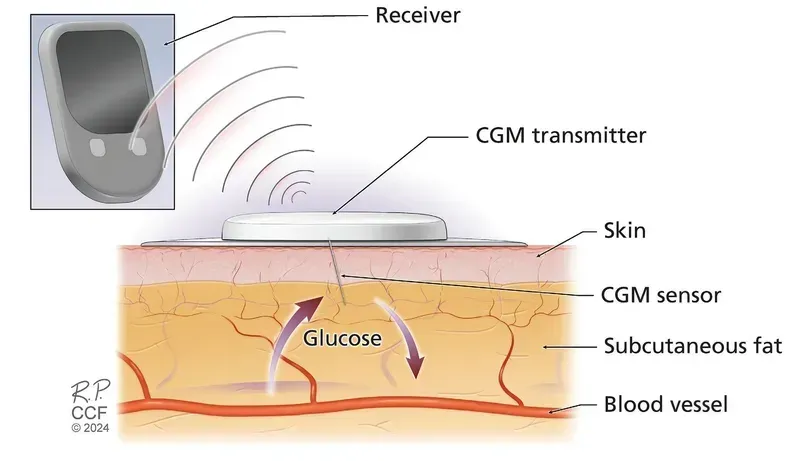
At the heart of every smart blood glucose monitoring patch lies a sophisticated interplay of miniaturized electronic components, each playing a crucial role in the accurate, continuous, and user-friendly measurement of blood glucose levels. These devices leverage advanced PCB solutions to integrate biosensors, processing units, communication modules, and power management into a compact, wearable form factor, fundamentally transforming diabetes management.
Biosensors: The Analytical Core The primary component is the glucose biosensor, typically employing electrochemical principles. This sensor interacts with interstitial fluid (ISF) to measure glucose concentration. Modern patches often use enzymatic sensors (e.g., glucose oxidase) embedded in a hydrogel matrix, generating an electrical signal proportional to glucose levels. The precision and stability of this sensor are paramount for clinical accuracy, directly impacting patient safety and treatment efficacy. Zero One Solution's expertise in handling sensitive analog front-end designs on PCBs ensures minimal signal noise and robust sensor performance for these critical components.
Microcontrollers: The Data Processor A low-power microcontroller unit (MCU) is responsible for processing the raw electrical signals from the biosensor. It performs signal amplification, analog-to-digital conversion (ADC), calibration, and initial data analysis. The MCU also manages the overall device operation, including power states, data storage, and communication protocols. Selection of an ultra-low-power MCU is vital to extend battery life, a key user requirement for wearable patches. Our PCB designs prioritize efficient power distribution to maximize MCU operational longevity within strict size constraints.
Communication Modules: Bridging to the Digital World These patches integrate wireless communication modules, most commonly Bluetooth Low Energy (BLE), to transmit processed glucose data to a connected smartphone, tablet, or dedicated receiver. This enables real-time monitoring, data logging, and sharing with healthcare providers. The PCB design must ensure robust antenna performance in a compact space while minimizing electromagnetic interference (EMI) with other sensitive components. Zero One Solution excels in optimizing RF layout and antenna integration for reliable wireless connectivity in medical-grade wearables.
Power Sources: Sustaining Continuous Monitoring Given their wearable nature, smart glucose monitoring patches rely on compact, energy-dense power sources, typically coin-cell batteries or thin-film batteries. Efficient power management circuitry is essential to maximize the operational lifespan of the patch, often ranging from 7 to 14 days. This includes power regulators, voltage converters, and intelligent power-saving modes. The PCB's power delivery network (PDN) design is optimized to minimize power loss and ensure stable voltage supply to all components, a core competency of Zero One Solution for medical device applications.
Component Type
Primary Function
Key PCB Design Consideration
Biosensor
Measure glucose concentration
Signal integrity, biocompatible interfacing, low noise amplification
Microcontroller Unit (MCU)
Process sensor data, manage device operations
Low power consumption, compact footprint, efficient data processing
Communication Module (BLE)
Transmit data wirelessly
RF antenna design, EMI shielding, reliable data transmission
Power Management Unit
Supply and regulate power
Battery life optimization, stable voltage regulation, thermal management
PCB Design Considerations for Smart Glucose Monitoring Patches
Flexible PCB Circuit Board
Designing Printed Circuit Boards (PCBs) for smart blood glucose monitoring patches demands meticulous attention to a unique set of engineering considerations. These devices are intimate with the user's body, requiring exceptional reliability, precision, and adherence to stringent medical standards. The foundational goal is to create a PCB that is not only highly functional but also safe, comfortable, and minimally intrusive, all while operating within a compact, often flexible, form factor. This necessitates a deep understanding of miniaturization, power efficiency, and signal integrity within a bio-integrated context.
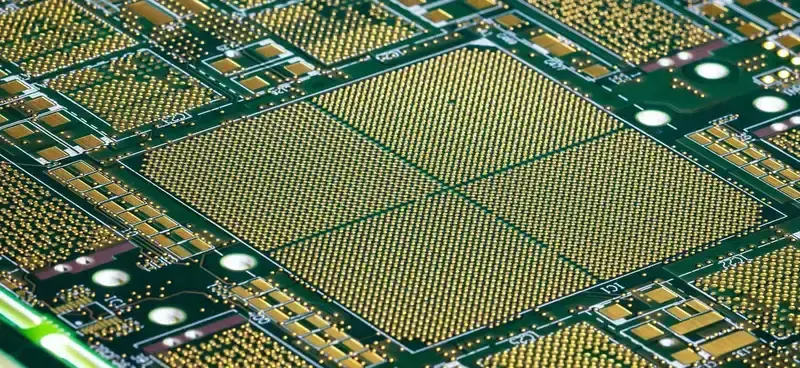
Size Constraints and Miniaturization Smart glucose patches are inherently small, dictating a need for ultra-compact PCB layouts. This often means leveraging High-Density Interconnect (HDI) technology, microvias, and fine-pitch component placement. Every millimeter matters, pushing the boundaries of traditional PCB manufacturing to achieve the desired form factor without compromising performance. Efficient routing and component selection are paramount to fit complex functionality into a minuscule footprint.
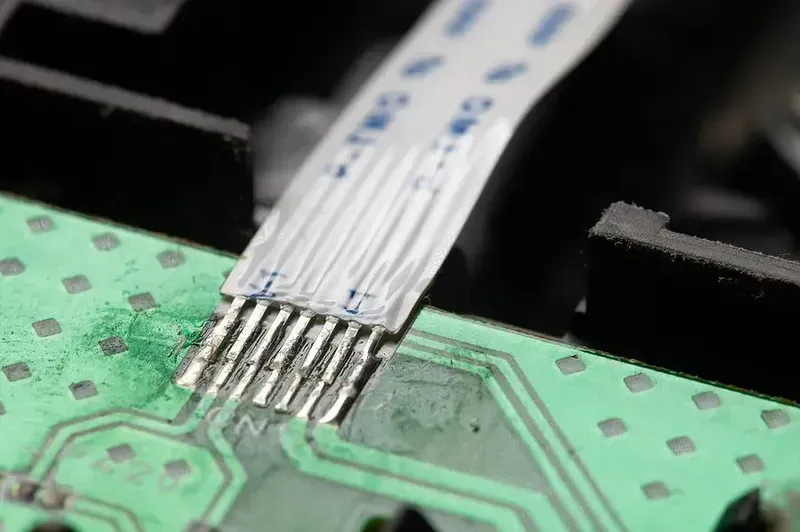
Flexible PCB Requirements For comfort and continuous wear, many glucose monitoring patches utilize flexible or rigid-flex PCBs. This allows the device to conform to body contours, ensuring consistent skin contact and sensor accuracy. The choice of flexible substrate materials (e.g., polyimide) is critical, along with design rules that accommodate bending and repeated flexing without compromising trace integrity or solder joint reliability. Stress points must be carefully managed to prevent cracking or delamination over the device's lifespan.
Signal Integrity in Low-Noise Environments Accurate glucose measurement relies on precise analog and digital signals. The PCB design must ensure excellent signal integrity, minimizing noise, interference, and electromagnetic compatibility (EMC) issues. This involves careful impedance control, effective grounding strategies, shielding for sensitive components, and optimized trace routing to prevent crosstalk. Given the low-power nature of these devices, maintaining signal-to-noise ratio is a significant challenge, requiring advanced layout techniques to isolate sensitive sensor signals from digital noise.
Consideration
Impact on Design
Zero One Solution Expertise
Power Management
Efficient power distribution and low-power component selection are crucial for extended battery life in wearable devices, often requiring optimized power delivery networks and energy harvesting considerations.
Specialization in low-power design, battery management integration, and power efficiency optimization for extended device operation periods, ensuring minimal power consumption without compromising performance.
Material Selection for Optimal Performance and Reliability
Biocompatible PCB Materials
Selecting the right materials for a Smart Blood Glucose Monitoring Patch PCB is paramount to ensure optimal performance, long-term reliability, and patient safety. Beyond basic electrical conductivity, these materials must exhibit specific thermal, mechanical, and critically, biocompatible properties to function effectively as a wearable medical device in direct contact with skin. This strategic material selection directly impacts signal integrity, power efficiency, durability, and most importantly, minimizes the risk of adverse reactions for the user.
Material Type
Key Properties for Glucose Patch PCBs
Advantages
Considerations
Flexible Substrates (e.g., Polyimide)
Excellent flexibility, high temperature resistance, good electrical insulation, chemical resistance
Enables ultra-thin, conformable designs; ideal for wearable applications; durable under bending
Higher cost than rigid PCBs; precise handling during manufacturing
Biocompatible, moisture barrier, chemical resistance, good adhesion
Protects sensitive electronics from body fluids and external contaminants; enhances mechanical robustness
Must not leach harmful substances; cure time and temperature considerations
Sensor-Specific Membranes
Permeable to glucose, selective, stable
Enables accurate and consistent glucose measurement; protects enzymatic layers
Critical for sensor accuracy; typically proprietary and requires specialized integration
Manufacturing and Assembly Challenges in Miniaturized Medical Devices
High-Density Interconnect PCB Manufacturing
Manufacturing and assembling PCBs for smart blood glucose monitoring patches presents unique challenges due to their miniaturized size, flexible nature, and stringent reliability requirements. Achieving high-density interconnect (HDI) technology with precise microvia formation and accurate component placement is paramount to ensuring the device's functionality and patient safety, demanding advanced processes and meticulous quality control throughout the production cycle.
What are the primary manufacturing challenges for miniature medical device PCBs? The primary manufacturing challenges include achieving ultra-fine line widths and spacing, precise microvia drilling for HDI, managing material stress in flexible PCBs, ensuring solder joint integrity on microscopic components, and maintaining sterile environments for assembly. These factors are critical for performance and biocompatibility.
Challenge Area
Description
Impact on Smart Glucose Patches
Miniaturization & HDI
Requiring extremely small components and high-density interconnects (HDI) to fit into compact form factors.
Enables discreet, comfortable wear; demands precision in PCB fabrication and assembly.
Accurate component placement, especially for tiny surface-mount devices (SMDs) and sensitive sensors, requires automated precision equipment and rigorous calibration. The challenges extend to managing thermal profiles during reflow soldering to prevent damage to delicate components and ensuring the long-term reliability of connections under various environmental conditions and user movements.
At Zero One Solution Limited, we bring over a decade of specialized experience in providing robust PCB solutions tailored for the demanding medical device industry, particularly for innovative applications like smart blood glucose monitoring patches. Our core strength lies in transforming complex medical device concepts into high-performance, reliable, and compliant physical products, leveraging our rapid-response R&D prototype manufacturing capabilities. Our strategic presence in Shenzhen and Dubai ensures a globally integrated supply chain, offering unparalleled efficiency and access to cutting-edge technologies. We are not just a manufacturer; we are a strategic partner committed to accelerating your product development lifecycle with precision and quality.
Rapid Prototyping for Accelerated Development We excel in rapid prototyping, a critical capability for medical device innovation. Our agile processes allow for quick iteration and testing of PCB designs, significantly reducing time-to-market for smart blood glucose monitoring patches and other critical medical devices. This enables our clients to swiftly validate concepts and secure regulatory approvals.
Uncompromising Design Optimization for Performance Our team of veteran engineers provides comprehensive PCB design optimization services, focusing on miniaturization, signal integrity, power efficiency, and biocompatibility—all paramount for wearable medical devices. We ensure that every design is optimized for both performance and manufacturability, addressing the unique challenges of flexible and high-density interconnect (HDI) PCBs.
Adherence to Stringent Medical Manufacturing Quality Quality is non-negotiable in medical device manufacturing. Zero One Solution adheres to the highest industry standards, including ISO 13485, ensuring that every PCB meets rigorous quality control and traceability requirements. Our advanced manufacturing facilities are equipped for precise component placement, microvia formation, and comprehensive testing, guaranteeing the reliability and safety of your medical devices.
Global Supply Chain and Technical Support Leveraging our global network with operations in Shenzhen and Dubai, we offer seamless access to a vast array of high-quality components and materials. This strategic positioning allows us to manage complex supply chains efficiently, mitigate risks, and provide responsive technical support throughout the entire product lifecycle, from initial design to mass production.
Specialized in Biocompatible and Flexible PCB Solutions Recognizing the unique requirements of wearable medical devices, we specialize in PCBs that demand biocompatible materials and flexible substrates. Our expertise ensures that the PCB solutions for smart blood glucose monitoring patches are not only highly functional but also safe and comfortable for prolonged skin contact, minimizing irritation and maximizing patient compliance.
Quality Control and Regulatory Compliance for Medical PCBs
Ensuring the highest levels of quality control and strict adherence to regulatory compliance are paramount for Printed Circuit Boards (PCBs) used in medical devices like smart blood glucose monitoring patches. These devices directly impact patient health, necessitating rigorous validation processes to guarantee safety, reliability, and performance. Compliance with international standards and national guidelines is not merely a legal obligation but a fundamental commitment to patient well-being and product efficacy.
What are the primary regulatory standards for medical device PCBs? The primary regulatory standards include ISO 13485 (Medical devices - Quality management systems - Requirements for regulatory purposes), which is a comprehensive quality management system standard for medical device manufacturing, and FDA (U.S. Food and Drug Administration) regulations, particularly 21 CFR Part 820 (Quality System Regulation), for devices marketed in the United States. These standards dictate everything from design controls and risk management to production and post-market surveillance. Additionally, the Medical Device Regulation (MDR) in the European Union sets stringent requirements for medical devices sold within its member states, often requiring CE marking based on conformity assessments.
How does ISO 13485 impact PCB manufacturing for smart glucose monitoring patches? ISO 13485 sets out the requirements for a quality management system where an organization needs to demonstrate its ability to provide medical devices and related services that consistently meet customer and applicable regulatory requirements. For PCB manufacturing of smart glucose monitoring patches, this means implementing documented procedures for design control, risk management (e.g., FMEA), supplier control, process validation, traceability, and rigorous inspection throughout the entire lifecycle. This ensures that every PCB produced is consistent in quality and meets the stringent performance and safety criteria demanded by medical applications.
What specific quality control measures are crucial during the PCB fabrication of medical devices? Critical quality control measures include automated optical inspection (AOI) for defect detection, X-ray inspection for internal layer alignment and solder joint integrity, electrical testing (e.g., flying probe, bed of nails) to verify circuit continuity and insulation resistance, and impedance control testing for high-speed signal integrity. Material traceability is also essential, along with adherence to IPC standards (e.g., IPC-6012 Class 2 or 3 for rigid PCBs, IPC-6013 Class 2 or 3 for flexible PCBs), which define performance and reliability criteria for printed boards. Environmental controls within manufacturing facilities are also critical to prevent contamination.
The trajectory of smart blood glucose monitoring patch technology is poised for transformative advancements, moving beyond passive data collection to integrated, intelligent, and proactive health management. The core innovation will revolve around enhanced sensor fusion, leveraging artificial intelligence for predictive analytics, and seamless integration into broader remote patient monitoring ecosystems, ultimately empowering individuals with more comprehensive and actionable health insights.
How will sensor integration evolve in future glucose monitoring patches? Future smart glucose monitoring patches will integrate a wider array of biosensors, moving beyond just glucose. This multi-sensor fusion will allow for simultaneous monitoring of blood glucose alongside other vital parameters like heart rate, body temperature, sweat electrolytes, and even localized inflammation markers. This holistic data collection will provide a more complete physiological picture, enabling more accurate health assessments and early detection of complications.
What role will Artificial Intelligence play in the next generation of glucose monitoring patches? Artificial Intelligence (AI) will be central to the next generation of glucose monitoring patches, transforming raw data into actionable insights. AI algorithms will enable predictive analytics, forecasting blood glucose trends hours or even days in advance based on individual metabolic responses, dietary patterns, and activity levels. This predictive capability will facilitate proactive intervention, helping users manage their condition more effectively and prevent hypoglycemic or hyperglycemic events. Furthermore, AI will personalize dietary and exercise recommendations based on real-time physiological feedback.
How will remote patient monitoring benefit from advancements in these patches? Advancements in smart glucose monitoring patches will significantly enhance remote patient monitoring by providing continuous, high-fidelity physiological data directly to healthcare providers. This real-time access to patient data will enable more timely interventions, reduce the need for frequent in-person visits, and allow for proactive management of chronic conditions. The integration with secure cloud platforms will facilitate telemedicine consultations and personalized care plans, particularly beneficial for elderly patients or those in remote areas. This shift empowers healthcare systems to move towards a more preventive and personalized care model.
What are the anticipated improvements in patch comfort and wearability? Future smart glucose monitoring patches will prioritize enhanced comfort and wearability through innovations in material science and miniaturization. Expect thinner, more flexible, and breathable designs utilizing advanced biocompatible polymers that minimize skin irritation and improve adhesion for extended wear. The integration of components will become even more seamless, leading to less obtrusive and virtually unnoticeable devices. This focus on user experience will drive higher compliance rates and broader adoption, making continuous glucose monitoring a more integral part of daily life.
How will data security and privacy be addressed in future glucose monitoring systems? As smart glucose monitoring patches collect sensitive health data, robust data security and privacy measures will be paramount. Future systems will leverage advanced encryption protocols (e.g., end-to-end encryption) for data transmission and storage, ensuring compliance with global healthcare data regulations like HIPAA and GDPR. Blockchain technology may be explored for immutable data trails and enhanced user control over their health information. Secure authentication methods and stringent access controls will prevent unauthorized access, building user trust and ensuring the integrity of personal health records.
Conclusion: Empowering Innovation in Wearable Medical Technology
The paradigm shift towards smart blood glucose monitoring patches marks a significant leap in diabetes management, offering unparalleled convenience, continuous data, and improved patient outcomes. The foundational element enabling these revolutionary devices is the meticulously engineered Printed Circuit Board (PCB). Reliable and advanced PCB solutions are not just components; they are the critical enablers that transform innovative concepts into functional, life-changing medical technologies. Zero One Solution Limited stands at the forefront of this transformation, providing the essential PCB expertise that empowers medical device manufacturers to push the boundaries of wearable health technology.
What role do PCBs play in the reliability of smart glucose monitoring patches? PCBs are the central nervous system of smart glucose monitoring patches, integrating sensors, microcontrollers, and communication modules. Their design and manufacturing quality directly impact signal integrity, power efficiency, and overall device accuracy and longevity. A well-designed PCB minimizes noise, ensures stable power delivery, and facilitates robust data transmission, all critical for reliable and consistent glucose readings in a medical device that operates continuously on the human body.
How does Zero One Solution Limited contribute to accelerating the development of wearable medical devices? Zero One Solution Limited accelerates wearable medical device development through rapid prototyping, advanced manufacturing capabilities, and a deep understanding of medical device PCB requirements. Our expertise in miniaturization, high-density interconnect (HDI) technology, and flexible PCB solutions enables quick iteration and production of complex, compact designs. This swift turnaround time is crucial for clients aiming to rapidly bring innovative health monitoring solutions to market.
What are the key challenges in PCB manufacturing for miniaturized medical devices like glucose patches? Key challenges in PCB manufacturing for miniaturized medical devices include achieving extreme component density, ensuring precise microvia formation for HDI, managing thermal dissipation within confined spaces, and maintaining exceptional signal integrity despite tight clearances. Biocompatibility of materials and stringent quality control to meet medical device standards like ISO 13485 are also paramount, requiring specialized processes and expertise.
How does Zero One Solution ensure quality and compliance for medical device PCBs? Zero One Solution adheres to rigorous quality control protocols throughout the PCB lifecycle, from design validation to manufacturing and assembly. We implement comprehensive testing procedures, including in-circuit testing (ICT) and functional testing (FCT), to ensure every board meets specified performance criteria. Furthermore, our processes are aligned with international medical device quality management systems, such as ISO 13485, ensuring regulatory compliance and traceability for critical medical applications.
What future advancements in PCB technology will further impact smart glucose monitoring patches? Future advancements in PCB technology for smart glucose monitoring patches will likely focus on even greater miniaturization, enhanced flexibility, and improved integration capabilities. This includes developments in stretchable electronics for more comfortable and conforming patches, ultra-low power consumption designs for extended battery life, and advanced embedded components for direct sensor integration and on-board data processing, paving the way for more sophisticated and multi-functional wearable health platforms.
In conclusion, the Smart Blood Glucose Monitoring Patch PCB solution represents a significant leap forward in diabetes management and personalized healthcare. Zero One Solution Limited is committed to providing the expertise and manufacturing capabilities necessary to bring these innovative devices to life. By focusing on precision, reliability, and miniaturization, we empower our clients to develop cutting-edge medical technologies that improve patient outcomes and enhance the quality of life. Contact Zero One Solution today to explore how our PCB solutions can transform your medical device concepts into reality.