In an era where technology intricately weaves into healthcare, the demand for sophisticated monitoring systems has surged, particularly for maternal and infant care. These systems, powered by meticulously designed PCBs, offer real-time data, enabling timely interventions and improved health outcomes. Zero One Solution Limited, a leader in PCB solutions with over a decade of experience, stands at the forefront, providing rapid prototyping and comprehensive services from PCB design to manufacturing and assembly. But what makes a PCB solution 'smart' in the context of maternal and infant monitoring, and how can it revolutionize healthcare?
Introduction to Smart Maternal and Infant Monitoring Systems
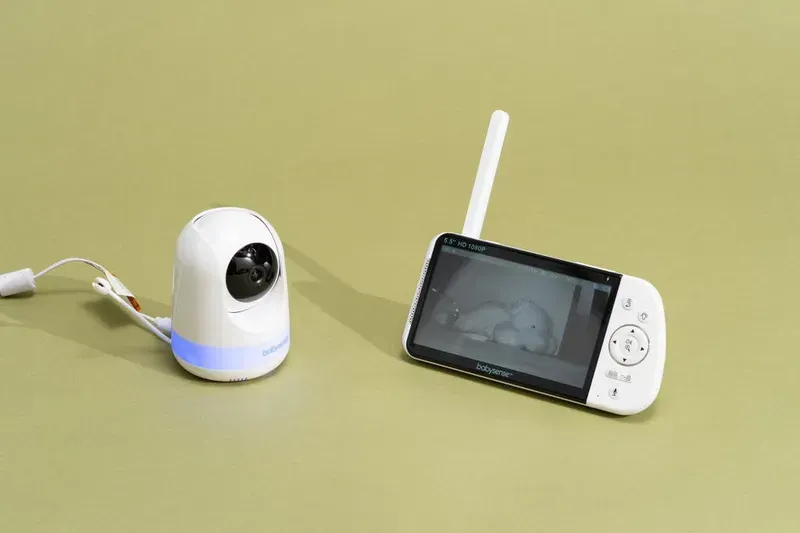
Smart Baby Monitor Device
Smart maternal and infant monitoring systems represent a pivotal advancement in modern healthcare, leveraging cutting-edge technology to ensure the well-being of mothers and newborns. These systems integrate various sensors and communication modules to provide real-time, continuous data on vital signs, fetal activity, and environmental conditions. At the heart of these sophisticated devices lies the Printed Circuit Board (PCB), serving as the foundational electronic platform that enables their intricate functionalities and reliable performance. Without robust and precisely engineered PCBs, the seamless operation and data accuracy crucial for smart monitoring systems would be unattainable.
What defines a Smart Maternal and Infant Monitoring System? A smart maternal and infant monitoring system is an integrated technological solution designed to continuously track and analyze physiological parameters and environmental factors related to the health of pregnant individuals and infants. This includes, but is not limited to, monitoring fetal heart rate, uterine contractions, infant sleep patterns, body temperature, oxygen saturation, and ambient room conditions. These systems often incorporate wireless connectivity for remote data transmission and real-time alerts, facilitating proactive care and intervention.
Why are these systems increasingly important in modern healthcare? The increasing importance of smart maternal and infant monitoring systems stems from their ability to enhance patient safety, provide continuous oversight, and enable early detection of potential complications. They empower healthcare providers with real-time data, reduce the need for frequent hospital visits for routine checks, and offer peace of mind to families. In an era of remote care and personalized medicine, these systems are crucial for improving accessibility to high-quality maternal and pediatric care, especially in under-served areas or during health crises.
What critical role do PCBs play in these monitoring systems? PCBs are the foundational backbone of all electronic components within smart maternal and infant monitoring systems. They provide the physical structure for mounting electronic components like microcontrollers, sensors, communication modules (e.g., Bluetooth, Wi-Fi), and power management units, while also providing the electrical connections between them. For medical devices, PCBs must meet stringent requirements for reliability, signal integrity, miniaturization, power efficiency, and biocompatibility. The quality and design of the PCB directly impact the system's accuracy, durability, and overall performance, making it the most critical hardware component.
Key Features of a Smart Maternal and Infant Monitoring PCB Solution
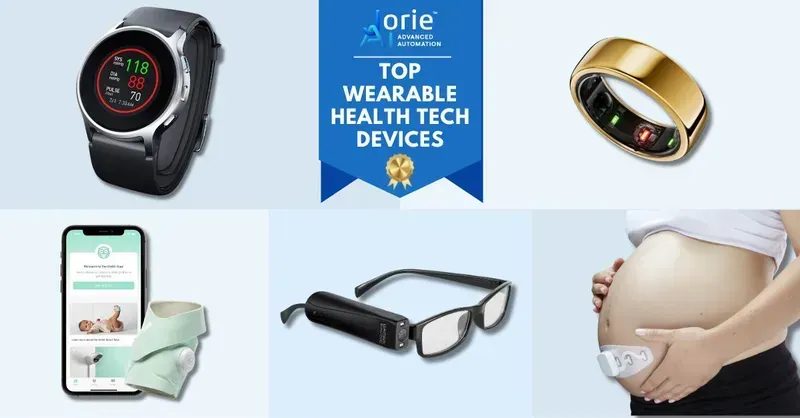
Compact Smart Wearable Medical Device
A robust Printed Circuit Board (PCB) forms the technological heart of any Smart Maternal and Infant Monitoring system, enabling the precise capture, processing, and transmission of vital health data. The effectiveness and reliability of these life-saving devices critically depend on PCBs engineered with specific features tailored for sensitive medical applications. These features ensure optimal performance, user comfort, and data integrity, directly contributing to superior patient outcomes.
Real-Time Data Transmission Enables instantaneous relay of critical physiological data (e.g., heart rate, oxygen saturation, temperature) to caregivers and medical professionals, allowing for immediate intervention in emergencies. This is facilitated by high-speed data traces and robust wireless communication modules integrated onto the PCB, minimizing latency and ensuring data synchronization with monitoring platforms via protocols like Bluetooth LE or Wi-Fi. Zero One Solution's designs prioritize signal integrity to prevent data corruption during high-speed transmission, crucial for accurate diagnostics.
Advanced Sensor Integration Accommodates a diverse array of medical-grade sensors, including vital sign monitors, motion sensors, and environmental sensors (temperature, humidity). The PCB must provide precise analog and digital interfaces, stable power rails, and noise isolation to ensure accurate sensor readings, even in complex, multi-sensor environments. Our PCBs feature optimized layouts and shielding to protect sensitive sensor signals from electromagnetic interference, guaranteeing reliable data acquisition from miniature and high-precision sensors.
Ultra-Low Power Consumption Crucial for portable and wearable monitoring devices, extending battery life significantly to ensure continuous operation without frequent recharging. This is achieved through careful selection of low-power components, efficient power management ICs, and optimized circuit designs that minimize quiescent current. Zero One Solution leverages expertise in low-power design techniques, including intelligent power cycling and efficient voltage regulation, to maximize device uptime and enhance user convenience for prolonged monitoring periods.
Compact and Miniaturized Design Essential for creating discreet, comfortable, and wearable monitoring devices for infants and mothers. This requires high-density interconnect (HDI) PCBs, advanced stacking technologies, and precise component placement to reduce overall device footprint while maintaining functionality and signal integrity. Our engineering teams specialize in miniaturization, employing multi-layer PCBs and micro-via technology to integrate complex functionalities into the smallest possible form factors, without compromising performance or reliability.
Design Considerations for Maternal and Infant Monitoring PCBs
Medical PCB Board Detail
Designing Printed Circuit Boards (PCBs) for smart maternal and infant monitoring systems demands a meticulous approach, prioritizing not only functionality but also paramount safety, reliability, and precision in critical healthcare applications. These PCBs must consistently deliver accurate data while operating flawlessly under diverse conditions, making material selection, signal integrity, and thermal management foundational pillars of the design process. A poorly designed PCB can lead to inaccurate readings, device malfunctions, or even pose risks to the user, underscoring the critical importance of adhering to stringent medical device design standards from concept to fabrication.
Material Selection for Biocompatibility and Durability The choice of PCB substrate is critical for medical devices. Beyond standard FR-4, specialized materials like high-Tg laminates, polyimide, or ceramic substrates may be preferred for their enhanced thermal stability, moisture resistance, and even biocompatibility if the device has direct skin contact. These materials ensure long-term reliability and minimize the risk of adverse reactions or degradation in demanding healthcare environments, often requiring ISO 10993 compliance for materials in contact with the human body.
Achieving Impeccable Signal Integrity In maternal and infant monitoring, even minor signal distortions can lead to erroneous readings. Maintaining signal integrity involves careful impedance control, minimizing crosstalk, and strategic component placement to reduce noise and electromagnetic interference (EMI). High-speed data transmission lines, especially for real-time monitoring, require precise trace routing, differential pair usage, and robust grounding schemes to ensure the fidelity of sensitive biological signals.
Effective Thermal Management Strategies Compact, wearable monitoring devices often generate heat, which can affect sensor accuracy and device longevity. Effective thermal management involves selecting components with low power dissipation, utilizing thermal vias, and incorporating heat sinks or specialized thermal pads. Simulation tools are crucial for predicting thermal hotspots during the design phase, ensuring the device remains within safe operating temperatures and provides consistent performance without thermal-induced drift.
Manufacturing and Assembly Excellence by Zero One Solution
PCB Production Line
At Zero One Solution, our commitment to manufacturing and assembly excellence is the cornerstone of delivering superior Smart Maternal and Infant Monitoring PCB Solutions. Leveraging our deep expertise and cutting-edge facilities in Shenzhen, we ensure every medical-grade PCB not only meets but exceeds the rigorous demands of healthcare applications, prioritizing precision, reliability, and rapid market entry for our clients.
Rapid Prototyping for Accelerated Innovation We specialize in rapid-response R&D prototype manufacturing. This capability allows our clients to quickly iterate on their designs, test functionalities, and validate concepts for maternal and infant monitoring devices, significantly reducing time-to-market. Our agile process ensures that innovative ideas are transformed into tangible prototypes with unmatched speed and accuracy.
Precision Assembly for Critical Performance The assembly of medical-grade PCBs demands meticulous attention to detail. Our state-of-the-art assembly lines utilize advanced pick-and-place machinery and skilled technicians to ensure precise component placement and soldering. This precision is critical for the reliable operation of sensitive monitoring equipment, guaranteeing accurate data capture and transmission.
Uncompromising Quality Control Standards Quality is non-negotiable for medical devices. Zero One Solution adheres to stringent quality control protocols throughout the entire manufacturing and assembly process. This includes rigorous inspections, functional testing, and adherence to international medical device standards (e.g., ISO 13485 compliance). Our comprehensive testing ensures every PCB performs flawlessly in critical monitoring scenarios.
Optimized Supply Chain for Global Reach Headquartered in Shenzhen with a branch in Dubai, Zero One Solution strategically operates within a global PCBA supply chain network. This allows us to source high-quality, medical-grade components efficiently and cost-effectively, mitigating supply chain risks and ensuring consistent production for our Smart Maternal and Infant Monitoring PCB Solutions, irrespective of volume.
Aspect of Excellence
Zero One Solution Capability
Benefit for Maternal/Infant Monitoring PCBs
Prototyping Speed
3-Day Rapid Turnaround
Accelerates R&D cycles, faster product validation
Assembly Accuracy
Automated Precision (01005 component capability)
Ensures flawless circuit integrity for critical medical signals
Quality Assurance
IPC Class 2/3 Standards Adherence
Guarantees reliability and compliance for patient safety
Manufacturing Scale
Low to High Volume Production
Scalability from initial prototypes to full market deployment
Traceability
Component & Process Tracking
Full accountability and compliance for medical device regulations
The Crucial Role of Wireless Communication in Smart Maternal and Infant Monitoring Systems
Wireless Smart Device Connection
Wireless communication is the cornerstone of modern smart maternal and infant monitoring systems, enabling real-time, untethered data transmission critical for timely medical intervention and comprehensive care. By seamlessly connecting monitoring devices to caregivers and cloud platforms, wireless technologies like Bluetooth and Wi-Fi transform passive data collection into active, actionable insights, significantly enhancing patient safety and convenience. This integration facilitates continuous monitoring without restricting movement, a vital aspect for both mothers and infants, and forms the backbone of a truly intelligent and responsive healthcare ecosystem.
Bluetooth Low Energy (BLE) Ideal for short-range, low-power data transmission, BLE is widely used in wearable maternal and infant devices. It offers efficient battery usage, making it suitable for continuous monitoring of vital signs like heart rate, temperature, and movement. Its robust connection ensures reliable data transfer to nearby smartphones or central hubs, facilitating immediate alerts and historical data logging. For instance, a smart infant sock transmitting oxygen saturation and heart rate data directly to a parent's mobile device relies heavily on BLE's stable and energy-efficient profile, extending device battery life to several days or weeks on a single charge (e.g., typical power consumption is around 0.6 to 2.5 mA during active transmission).
Wi-Fi (IEEE 802.11 standards) Wi-Fi provides higher bandwidth and longer range compared to BLE, making it suitable for transmitting larger datasets, such as high-resolution video streams from infant cameras or comprehensive multi-parameter physiological data to central hospital systems or secure cloud servers. Its ubiquitous nature allows for easy integration into existing home or clinical networks. Wi-Fi-enabled monitoring solutions facilitate remote access for healthcare professionals, enabling virtual consultations and continuous oversight. For example, a smart bassinet with integrated cameras and multiple sensors might use Wi-Fi to send live video feeds and detailed environmental data, ensuring comprehensive monitoring from anywhere with internet access, typically consuming 100-300 mA during active transmission.
Feature
Bluetooth Low Energy (BLE)
Wi-Fi (802.11b/g/n)
Typical Range
Up to 10-100 meters (Class 1)
Up to 100 meters indoors, 300+ meters outdoors
Power Consumption
Very Low (milliwatts)
Moderate to High (hundreds of milliwatts)
Data Rate
1-2 Mbps
11-600+ Mbps (depending on standard)
Primary Use Cases
Wearables, short-range sensor data, personal health devices
Video streaming, large data transfer, network integration
Advantages
Energy efficiency, compact size, low cost
High bandwidth, wide adoption, network connectivity
Disadvantages
Lower data rate, shorter range (compared to Wi-Fi)
Higher power consumption, more complex setup
Ensuring Safety and Reliability in Medical PCB Solutions
In the critical domain of maternal and infant monitoring, the safety and reliability of Printed Circuit Boards (PCBs) are paramount, serving as the foundational pillars for device functionality and patient well-being. Devices in this sector are not merely electronic gadgets; they are life-supporting instruments that demand adherence to the most stringent medical device regulations and quality control protocols. Achieving this requires meticulous design, material selection, manufacturing precision, and rigorous testing, all aimed at preventing device failure, ensuring data integrity, and safeguarding the vulnerable lives they monitor.
Aspect
Safety Requirement
Reliability Requirement
Material Selection
Biocompatibility, non-toxicity, flame retardancy
High thermal stability, chemical resistance, long-term integrity
Design Principles
Isolation of power/signal, EMI/EMC compliance, fault tolerance
Redundancy for critical functions, robust component selection, derating
Documentation for audits, risk management (ISO 14971), post-market surveillance
What are the primary safety standards for medical PCBs? The primary safety standards for medical PCBs, especially those in maternal and infant monitoring, are governed by IEC 60601-1 for electrical medical equipment and ISO 13485 for Medical Devices Quality Management Systems. These standards dictate requirements for electrical isolation, leakage current, mechanical safety, electromagnetic compatibility (EMC), and risk management, ensuring that the PCB-integrated device operates safely in a patient environment without causing harm or interference.
Zero One Solution Limited employs a multi-faceted approach to guarantee the utmost safety and reliability of medical-grade PCBs. From initial design reviews to final product verification, our processes are aligned with global medical device regulations, ensuring that every PCB contributes to a safe and dependable monitoring system. Our commitment extends beyond compliance, aiming for unparalleled performance and peace of mind for both healthcare providers and families.
Customization and Scalability with Zero One Solution
Zero One Solution excels in delivering highly customized and scalable PCB solutions, specifically tailored to the unique and evolving demands of smart maternal and infant monitoring systems. Our agile approach ensures that from initial concept to full-scale production, every PCB aligns perfectly with specific functional requirements, regulatory standards, and market dynamics, providing a competitive edge for our clients.
Tailored Design for Specific Monitoring Needs We offer extensive customization options, including specialized sensor integration for parameters like fetal heart rate, oxygen saturation, and temperature, along with adaptable form factors for wearable or portable devices. Our design team works closely with clients to optimize layouts for signal integrity in sensitive medical applications and to accommodate unique power management strategies essential for continuous monitoring.
Scalability from Rapid Prototyping to Mass Production Our robust manufacturing infrastructure supports seamless transitions from rapid R&D prototypes to high-volume mass production. Leveraging advanced automation and streamlined processes, we ensure consistent quality and efficiency at every scale, minimizing time-to-market and maximizing cost-effectiveness for innovative medical devices. Our global supply chain network further enhances our capacity to meet diverse production demands.
Customization Aspect
Benefits for Maternal/Infant Monitoring
Zero One Solution's Approach
Sensor Integration
Accurate and specific physiological data capture
Flexible integration of various biosensors (e.g., PPG, ECG, SpO2)
Form Factor Adaptation
Comfortable, non-invasive, and versatile device design
Compact, lightweight, and ergonomic PCB designs for wearables and portables
Connectivity Options
Reliable and secure data transmission to caregivers
Custom integration of Wi-Fi, Bluetooth Low Energy (BLE), LoRa, and cellular modules
Power Optimization
Extended battery life for continuous, uninterrupted monitoring
Ultra-low power design principles and specialized component selection
Regulatory Compliance
Ensuring device safety and market accessibility
Adherence to ISO 13485, IEC 60601, and other medical device standards
Our commitment to customization and scalability ensures that our clients can innovate with confidence, knowing their PCB solutions are precisely engineered to meet the highest standards of performance, reliability, and market readiness in the critical field of maternal and infant care.
Zero One Solution Limited’s advanced PCB solutions are instrumental in transforming maternal and infant care by enabling precise, reliable, and innovative monitoring devices. Our commitment to rapid prototyping, quality, and customization has empowered numerous clients to bring life-changing products to market. Below are compelling case studies showcasing the tangible impact of our Smart Maternal and Infant Monitoring PCB Solutions in real-world scenarios.
Case Study Title
Challenge Faced
Zero One Solution's PCB Impact
Outcome & Benefits
Real-Time Fetal Heart Rate Monitor
Developing a highly accurate and compact device for continuous fetal heart rate monitoring with low power consumption and robust signal integrity.
Provided a multi-layer PCB design optimizing impedance control and signal routing for sensitive analog and digital signals, integrating Bluetooth LE for efficient data transmission, and ensuring miniaturization for wearable form factors.
Enabled a portable device with clinical-grade accuracy, significantly improving early detection of fetal distress signals and offering peace of mind for expectant parents and healthcare providers through continuous, non-invasive monitoring.
Smart Infant Respiration and Temperature Tracker
Creating a wearable sensor for infants that accurately tracks breathing patterns and body temperature, requiring exceptional reliability, biocompatibility, and ultra-low power usage for extended battery life.
Engineered a flexible PCB (FPCB) solution with integrated sensor interfaces and a power management unit, utilizing medical-grade substrates to ensure safety and comfort against infant skin. Our rapid prototyping accelerated design iterations, reducing time-to-market.
Resulted in a highly reliable, non-intrusive infant monitoring device that alerts parents and caregivers to potential issues like apnea or fever, reducing risks of SIDS and providing crucial data for pediatric care. The extended battery life ensured continuous monitoring without frequent recharging.
Remote Postpartum Recovery System
Designing a comprehensive system to monitor maternal vital signs and activity post-delivery, requiring secure wireless data transmission, ease of use, and integration with cloud-based platforms.
Developed a robust rigid-flex PCB incorporating secure Wi-Fi modules and high-precision sensor interfaces for blood pressure, heart rate, and activity tracking. Our expertise in DFM (Design for Manufacturability) ensured efficient production and assembly for complex designs.
Facilitated a seamless remote monitoring system that allows healthcare professionals to oversee postpartum recovery from a distance, reducing hospital readmissions and empowering mothers with greater autonomy and support during a critical period. Data privacy and security were ensured through robust PCB design and integrated encryption.
Frequently Asked Questions (FAQs) about Smart Maternal and Infant Monitoring PCB Solutions
Navigating the complexities of smart maternal and infant monitoring PCB solutions often leads to a myriad of questions regarding their design, manufacturing, safety, and implementation. This FAQ section aims to provide clear, concise, and authoritative answers to common inquiries, ensuring a deeper understanding of these critical components in healthcare technology. By addressing key concerns, we empower innovators and healthcare providers with the knowledge needed to leverage the full potential of these advanced monitoring systems.
What specific design considerations are crucial for Smart Maternal and Infant Monitoring PCBs? Crucial design considerations include ultra-low power consumption for extended battery life, compact form factors for wearability, high signal integrity for accurate data acquisition from sensitive sensors (e.g., heart rate, temperature, SpO2), and robust electromagnetic compatibility (EMC) to prevent interference with medical equipment. Biocompatible materials, where applicable for direct skin contact, are also paramount, along with designs that facilitate easy sterilization and cleaning.
How does Zero One Solution ensure the reliability and safety of medical-grade PCBs for maternal and infant monitoring? Zero One Solution ensures reliability and safety through a multi-faceted approach. This includes strict adherence to ISO 13485 medical device quality management standards, utilization of high-grade, certified materials, rigorous DFM (Design for Manufacturability) and DFT (Design for Testability) processes, and comprehensive testing protocols (e.g., functional testing, environmental stress testing, burn-in testing). Our manufacturing facilities are equipped with advanced inspection systems, and we maintain full traceability of all components and processes to guarantee medical-grade quality and compliance with regulatory bodies like FDA and CE directives.
What wireless communication technologies are typically integrated into Smart Maternal and Infant Monitoring PCBs? Typical wireless communication technologies integrated include Bluetooth Low Energy (BLE) for short-range, power-efficient data transfer to smartphones or hubs, Wi-Fi for broader network connectivity and cloud data synchronization, and occasionally proprietary RF solutions for ultra-low power or specific range requirements. For highly critical or remote applications, cellular (e.g., LTE-M, NB-IoT) or even LoRaWAN might be considered for wide-area coverage and long-term data logging, enabling continuous monitoring without constant user intervention.
Can Zero One Solution provide customized PCB solutions for unique maternal and infant monitoring device requirements? Absolutely. Zero One Solution specializes in custom PCB solutions. We work closely with our clients from the conceptual design phase through to mass production. This includes tailoring layouts for specific sensor integrations, optimizing power management for desired battery life, implementing unique communication protocols, and meeting specific form factor or environmental resilience requirements. Our rapid prototyping capabilities enable quick iteration and validation of custom designs, significantly accelerating product development cycles for innovative maternal and infant care devices.
In conclusion, Zero One Solution Limited provides more than just PCB manufacturing and assembly; we deliver smart, reliable, and innovative solutions that are vital in the maternal and infant care sector. By choosing us, you're not just getting a product; you're gaining a partner dedicated to advancing healthcare technology. Contact us today to discuss your project and discover how our Smart Maternal and Infant Monitoring PCB Solution can make a difference.
As technology continues to advance, so does our commitment to providing cutting-edge PCB solutions that enhance the well-being of mothers and infants worldwide. Share this article to spread awareness about the potential of smart PCB technology in healthcare.