In today's rapidly evolving technological landscape, smart glasses are becoming increasingly prevalent, offering a seamless blend of information and interaction within our daily lives. At the heart of these wearable wonders lies the display board, a critical component responsible for delivering the visual experience. Zero One Solution Limited, a leading PCB solution provider specializing in rapid prototyping, understands the intricate demands of smart glass technology. With our expertise in PCB design, manufacturing, and assembly, we empower innovators to create cutting-edge smart glasses with unparalleled display performance. This article delves into the world of smart glasses display board solutions, exploring the technology, challenges, and how Zero One Solution is revolutionizing this space, ensuring crystal-clear visuals for enhanced user experiences.
Introduction to Smart Glasses and Display Board Significance
Smart glasses represent a transformative leap in wearable technology, seamlessly integrating digital information into our physical world. At the core of this immersive experience lies the display board, a critical component that dictates visual fidelity, power efficiency, and overall user interaction. Its significance cannot be overstated, as it directly impacts the smart glasses' ability to deliver crystal-clear visuals, vibrant colors, and responsive performance, thereby unlocking new possibilities across diverse applications from industrial augmented reality to consumer entertainment.
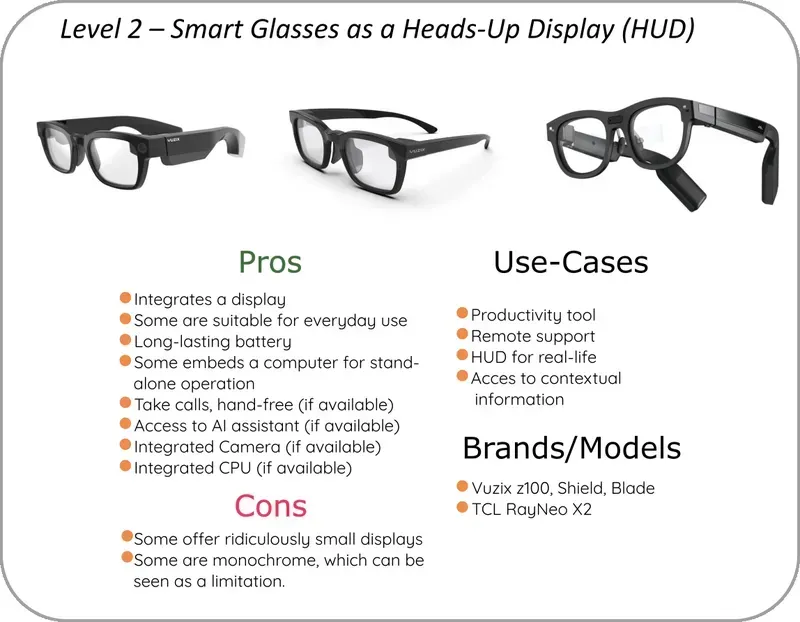
What are smart glasses? Smart glasses are wearable computing devices that add information to what you see, blending digital content with your real-world view. They typically feature transparent or semi-transparent displays, sensors, cameras, and connectivity options, providing hands-free access to data, communication, and interactive experiences.
Why is the display board so critical for smart glasses? The display board is the primary interface between the smart glasses' internal processing unit and the user's visual perception. Its quality directly impacts resolution, brightness, contrast, field of view, and refresh rate, all of which are essential for a clear, comfortable, and immersive user experience. A superior display board ensures that virtual objects appear realistic, text is legible, and video content is smooth, minimizing eye strain and enhancing utility.
What are the primary applications of smart glasses? Smart glasses are rapidly expanding into numerous sectors. In enterprise, they enhance efficiency through augmented reality (AR) for remote assistance, training, and workflow optimization in manufacturing, logistics, and healthcare. For consumers, applications include navigation, fitness tracking, gaming, and personal entertainment. Their hands-free nature makes them invaluable in situations requiring continuous attention to tasks while accessing information.
How does display technology impact smart glasses' performance? Display technology profoundly influences smart glasses' performance by affecting power consumption, form factor, and visual quality. Technologies like OLED and Micro-LED offer high contrast and low power, crucial for battery life. Resolution and pixel density determine sharpness, while transparency and brightness ensure usability in various lighting conditions. The choice of display technology is a trade-off among these factors, directly impacting the product's market viability and user acceptance.
Aspect
Importance for Smart Glasses
Impact on User Experience
Visual Clarity
High resolution and pixel density are paramount for legible text and detailed graphics.
Directly affects readability, reduces eye fatigue, and enhances immersion, making information more digestible and engaging.
][
Challenges in Designing Smart Glasses Display Boards
Designing display boards for smart glasses presents a complex array of engineering challenges that demand innovative solutions. The miniaturization required for wearable technology, coupled with the imperative for high performance and user comfort, pushes the boundaries of traditional PCB design and manufacturing. Overcoming these technical hurdles is paramount to delivering a truly immersive and functional smart glass experience, directly impacting factors like battery life, visual clarity, and device reliability.
What are the primary physical constraints in smart glasses display board design? The primary physical constraints are extreme miniaturization and weight reduction. Smart glasses necessitate display boards that are incredibly compact and lightweight to ensure user comfort and maintain a sleek aesthetic. This often requires adopting advanced packaging technologies like System-in-Package (SiP) or Chip-on-Board (CoB) and leveraging High-Density Interconnect (HDI) PCBs to maximize component density within minimal space, while simultaneously reducing the overall device footprint and bulkiness.
How does power efficiency impact smart glasses display board design? Power efficiency is critical due to the limited battery capacity in wearable devices. The display, often the most power-hungry component, necessitates ultra-low power consumption. Designers must employ energy-efficient display technologies (e.g., micro-OLED, micro-LED), optimize power distribution networks (PDN) to minimize losses, and select components with superior power management capabilities. This ensures extended battery life, a key factor for user satisfaction and practical application.
What are the key thermal management considerations for smart glasses display boards? Thermal management is vital because compact designs with high component density can lead to significant heat generation, which degrades performance and reliability. Effective thermal solutions involve selecting materials with high thermal conductivity, incorporating heat sinks or thermal vias, optimizing component placement for heat dissipation, and sometimes employing advanced cooling techniques. Managing heat ensures display longevity and consistent performance without causing discomfort to the user.
Why is signal integrity a major challenge in smart glasses display boards? Signal integrity is a significant challenge due to the high-speed data transmission required for high-resolution displays within a confined space. Miniaturization increases the risk of crosstalk, impedance mismatches, and electromagnetic interference (EMI). Designers must meticulously route traces, implement proper grounding and shielding, and conduct thorough simulations (e.g., SI/PI analysis) to ensure clean, undistorted signals. Maintaining signal integrity is crucial for a crisp, flicker-free visual experience.
What role do advanced materials play in overcoming these design challenges? Advanced materials are fundamental in addressing smart glasses display board challenges. For instance, flexible PCB substrates (e.g., polyimide) allow for innovative form factors and tighter integration, while specialized dielectrics and laminates offer improved signal integrity and thermal performance. Miniaturized, high-performance components, like those utilizing GaN or SiC for power management, also contribute significantly to reducing size, enhancing efficiency, and improving thermal dissipation, enabling the creation of lighter, more robust devices.
Zero One Solution's Expertise in PCB Solutions for Smart Glasses
At Zero One Solution Limited, our expertise in PCB solutions is precisely what the burgeoning smart glasses market demands. We understand that the display board is the visual heart of smart glasses, and its performance hinges critically on the underlying PCB. Our comprehensive, one-stop services, from meticulous design to rapid manufacturing and precision assembly, are specifically tailored to overcome the unique challenges of miniaturization, power efficiency, and high-density integration inherent in advanced display technologies, ensuring superior visual experiences for end-users.
Integrated PCB Design Services Our seasoned engineers leverage decades of experience to provide end-to-end PCB design, specializing in complex layouts required for smart glasses display boards. This includes optimizing for signal integrity, thermal management, and power distribution within incredibly constrained footprints.
Advanced Manufacturing Capabilities With state-of-the-art facilities in Shenzhen and a global supply chain, we excel in producing high-precision PCBs critical for smart glasses. Our capabilities include High-Density Interconnect (HDI) boards, flexible PCBs (FPC), and rigid-flex PCBs, essential for compact and ergonomically designed devices.
Precision Assembly Services Beyond manufacturing, our assembly services ensure the flawless integration of all components onto the display board. We employ advanced surface mount technology (SMT) and intricate manual assembly for delicate components, coupled with stringent quality control and testing protocols.
Rapid Prototyping and Quick Turnaround Recognizing the fast-paced nature of smart glasses R&D, Zero One Solution prioritizes rapid prototyping and quick-turnaround services. This empowers our clients to iterate designs swiftly, accelerate product development cycles, and gain a critical first-mover advantage in the market.
One-Stop Solution Provider As a true one-stop solution provider, we streamline the entire PCB process, reducing complexity and lead times for our clients. From initial concept and design through manufacturing, assembly, and rigorous testing, we manage every stage to deliver ready-to-integrate display board solutions.
Service Aspect
Zero One Solution Advantage
Impact on Smart Glasses Display Boards
Design Optimization
Expertise in HDI & Miniaturization
Enables compact, high-resolution displays within tight smart glasses form factors.
Material Selection
Access to Advanced Substrates & Flex Materials
Ensures thermal stability, electrical performance, and mechanical flexibility for comfortable, durable devices.
Prototyping Speed
Industry-leading Rapid Turnaround
Accelerates innovation cycles, allowing quicker iteration and market entry for new display technologies.
Quality Control
Rigorous Testing & Certification
Guarantees reliability and performance of critical display circuitry in demanding environments.
Key Features of Zero One Solution's Smart Glasses Display Board Solutions
Smart Glasses Display Board Close-Up
Zero One Solution Limited stands at the forefront of providing bespoke Smart Glasses Display Board Solutions, engineered to address the intricate demands of compact, high-performance visual systems. Our solutions integrate cutting-edge PCB technologies and meticulous design principles, ensuring superior optical clarity, exceptional power efficiency, and unparalleled reliability in the most demanding smart glasses applications. We leverage our deep expertise in rapid prototyping and precision manufacturing to deliver display boards that empower next-generation augmented and virtual reality experiences, setting new benchmarks for miniaturization and visual fidelity.
High-Density Interconnect (HDI) Technology for Compact Design Our Smart Glasses Display Board Solutions extensively utilize HDI technology, enabling ultra-fine traces and spaces, microvias, and buried vias. This allows for significantly higher component density and complex routing within the minuscule form factors required by smart glasses, minimizing board size while maximizing functionality and reducing signal loss for crisp display output. Our advanced HDI capabilities support layer counts and complex stack-ups tailored to specific optical module requirements, ensuring optimal signal integrity and power delivery to the display components.
Flexible PCB Options for Ergonomic Integration Recognizing the need for ergonomic and compact designs in smart glasses, Zero One Solution offers advanced flexible PCB (FPC) and rigid-flex PCB options. These solutions provide unprecedented design freedom, allowing the display board to conform to irregular shapes and fit seamlessly within the device's optical and mechanical constraints. FPCs reduce overall weight and size, enhance durability by eliminating connectors, and facilitate complex interconnections, proving vital for the intricate wiring within the optical module of smart glasses.
Advanced Material Selection for Optimal Performance We meticulously select advanced materials for our display board solutions to ensure superior electrical performance, thermal management, and reliability. This includes specialized low-loss dielectrics for high-frequency signal transmission to the display, high-Tg laminates for enhanced thermal stability under operational loads, and materials with excellent dimensional stability. Our material expertise ensures that the display board can withstand various environmental conditions while delivering consistent, high-fidelity visual output, critical for the immersive experience smart glasses aim to provide.
Integrated Thermal Management Solutions Heat dissipation is a critical challenge in high-density smart glasses display boards. Our solutions incorporate advanced thermal management strategies directly into the PCB design, including integrated thermal vias, specialized copper weights, and strategic component placement. This proactive approach ensures efficient heat dissipation from high-power display drivers and processing units, preventing performance degradation, increasing component longevity, and maintaining stable display characteristics over extended use, which is paramount for user comfort and device reliability.
Optimized Signal Integrity and Power Delivery Networks For flawless display performance, maintaining signal integrity and a robust power delivery network (PDN) is paramount. Our Smart Glasses Display Board Solutions are designed with meticulous attention to impedance control, crosstalk reduction, and minimized electromagnetic interference (EMI). We employ sophisticated simulation tools to optimize trace routing and plane design, ensuring clean power delivery and pristine signal transmission to the display components. This guarantees vivid, flicker-free images and accurate color reproduction, which are essential for a premium smart glasses experience.
Materials and Technologies Used in Smart Glasses Display Boards
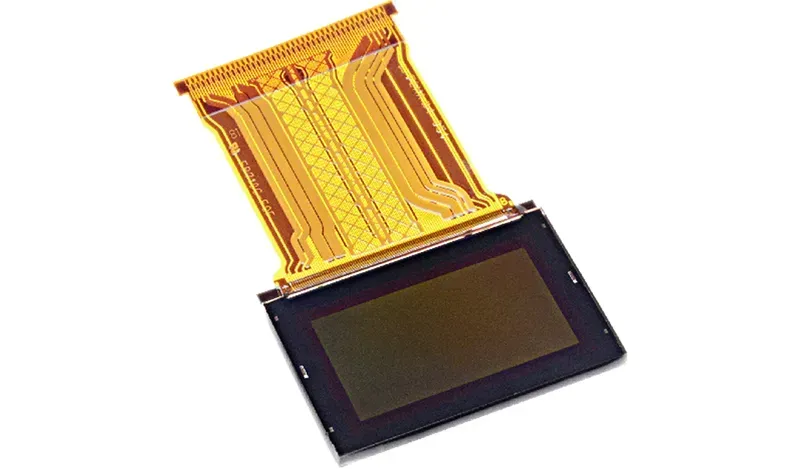
OLED Microdisplay
Crafting cutting-edge smart glasses display boards necessitates a meticulous selection of advanced materials and the integration of sophisticated technologies. These choices are pivotal for achieving the desired visual fidelity, power efficiency, and durability in a compact form factor. The synergy of these elements defines the performance envelope, directly impacting the user experience and the overall viability of smart glasses in diverse applications.
OLED (Organic Light-Emitting Diode) Integration OLEDs are a preferred choice for smart glasses displays due to their self-emissive nature, offering superior contrast ratios, deep blacks, wide viewing angles, and fast response times. Their thin, flexible form factor and lower power consumption, compared to traditional LCDs, make them ideal for the constrained space and battery life requirements of smart eyewear. Advances in micro-OLED technology enable even higher pixel densities in smaller packages, crucial for achieving retinal resolution in near-eye displays without visible pixels (the "screen door effect").
Micro-LED Advancements Micro-LED technology represents a significant leap forward, offering even greater brightness, higher efficiency, and longer lifespan than OLEDs. Each pixel is a microscopic LED, allowing for incredibly high pixel densities and precise light control. While still more complex and costly to manufacture at scale, micro-LEDs are poised to become the future of high-performance, transparent, and ultra-bright smart glasses displays, especially for augmented reality (AR) applications where sunlight readability is critical. Their robust nature also contributes to increased device durability.
In addition to display technologies, the choice of materials for the PCB itself plays a crucial role in signal integrity, thermal management, and mechanical robustness. High-frequency laminates, such as those based on low-loss dielectric materials (e.g., modified FR-4, polyimide, or LCP), are essential for minimizing signal attenuation and crosstalk at the high data rates required for display interfaces. Furthermore, advanced thermal interface materials and heat dissipation structures are integrated into the board design to manage the heat generated by display drivers and other components, preventing performance degradation and ensuring wearer comfort.
Material/Technology
Primary Benefit
Application in Smart Glasses
Transparent Conductive Films (TCF)
Enables touch functionality and optical transparency
Interactive displays, augmented reality overlays
High-Density Interconnect (HDI) PCBs
Miniaturization and complex circuitry routing
Compact display driver boards, integrated sensors
Flexible Printed Circuits (FPCs)
Conformity to irregular shapes, lightweight
Interconnecting display modules in constrained enclosures
Low-Loss Dielectric Materials
Minimizing signal integrity issues at high frequencies
High-speed video transmission to display panels
Advanced Encapsulation
Protection against environmental factors
Enhancing display longevity and durability in wearable conditions
The PCB Design Process for Optimal Display Performance
Achieving optimal display performance in smart glasses hinges critically on a meticulous Printed Circuit Board (PCB) design process. This involves a synergistic approach integrating signal integrity analysis, robust power distribution network (PDN) design, and sophisticated thermal management, all of which are paramount for delivering the crisp, stable, and power-efficient visual experiences users demand from cutting-edge smart eyewear.
Signal Integrity (SI) Analysis In the high-frequency environment of smart glass displays, maintaining signal integrity is non-negotiable. Our design process incorporates advanced SI analysis tools to predict and mitigate signal degradation issues like reflections, crosstalk, and ground bounce. This proactive approach ensures clean, undistorted data transmission to the display, critical for high-resolution images and video. We focus on impedance control for traces, appropriate termination schemes, and careful routing to minimize parasitic effects and ensure faithful signal reproduction.
Power Distribution Network (PDN) Design A stable and efficient power supply is vital for display longevity and performance. Our PDN design focuses on minimizing voltage ripple, reducing ground bounce, and ensuring adequate current delivery to all display components. This involves strategic placement of decoupling capacitors, optimizing power plane design, and analyzing current paths to prevent voltage drops that could lead to flickering or inconsistent display output. A well-designed PDN also contributes significantly to overall system power efficiency, extending battery life in portable smart glasses.
Thermal Management Strategies Compact smart glasses inherently pose significant thermal challenges. Excessive heat can degrade display performance, shorten component lifespan, and even lead to system failure. Our PCB design integrates comprehensive thermal management strategies, including optimal component placement for heat dissipation, utilization of thermal vias, and selection of materials with appropriate thermal conductivity. We employ thermal simulation software to identify hot spots and design effective cooling solutions, ensuring the display operates within its optimal temperature range for consistent performance and reliability.
Miniaturization and High-Density Interconnect (HDI) The diminutive form factor of smart glasses necessitates highly compact PCB designs. We leverage High-Density Interconnect (HDI) technology, including microvias, stacked vias, and finer trace widths, to pack more functionality into a smaller footprint without compromising performance. This enables us to integrate complex display drivers, processing units, and power management circuits efficiently onto the limited board space available within smart eyewear frames.
Material Selection and Layer Stack-up The choice of PCB substrate materials and the precise layer stack-up significantly influence display performance. We carefully select low-loss dielectric materials to minimize signal attenuation at high frequencies. Our expertise in multi-layer PCB design allows for optimized layer stack-ups that provide excellent impedance control, reduced electromagnetic interference (EMI), and improved thermal characteristics, all contributing to a superior visual experience.
Manufacturing and Assembly Excellence
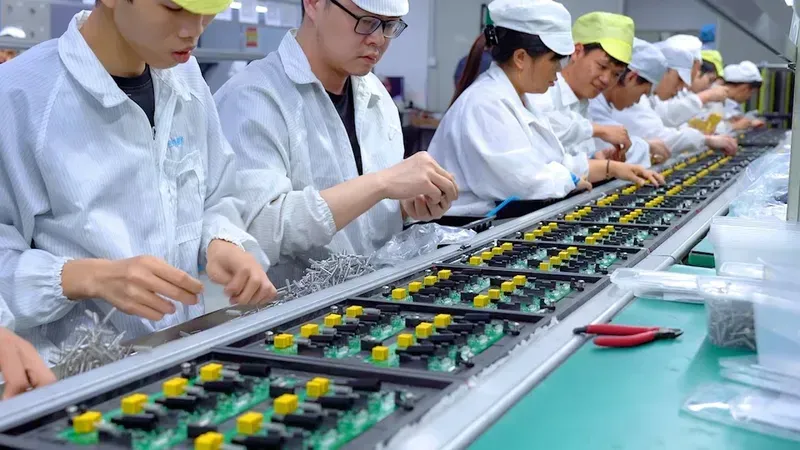
PCB Assembly Production Line
Zero One Solution Limited's commitment to manufacturing and assembly excellence is paramount in delivering high-performance Smart Glasses Display Board Solutions. Our state-of-the-art facilities and rigorous processes ensure that every display board meets the most demanding specifications for reliability, precision, and durability, critical factors for the intricate visual demands of smart glasses.
How does Zero One Solution ensure quality in smart glasses display board manufacturing? We implement a multi-stage quality control system, beginning with raw material inspection, followed by in-process checks at every stage of fabrication and assembly, and concluding with comprehensive post-production testing. Our processes adhere strictly to IPC standards, ensuring consistent quality and performance for smart glasses display boards.
Process Stage
Key Activities
Quality Assurance Measures
PCB Fabrication
Material cutting, drilling, etching, layering, plating
Automated Optical Inspection (AOI), X-ray inspection for internal layers, Impedance control testing
Component Procurement
Sourcing of micro-LEDs, OLEDs, ICs, connectors
Supplier qualification, incoming quality control (IQC) for all components, authenticity verification
3D Solder Paste Inspection (SPI), Automated Optical Inspection (AOI) post-reflow, X-ray inspection for BGA/QFN components
Final Assembly & Test
Integration of display modules, functional testing, environmental testing
Functional Circuit Test (FCT), In-Circuit Test (ICT), thermal cycling, vibration testing, visual inspection, burn-in testing
Case Studies: Successful Smart Glasses Projects with Zero One Solution
Smart Glasses Prototype Showcase
Zero One Solution Limited has a proven track record of enabling groundbreaking advancements in smart glasses technology through our specialized PCB solutions. Our rapid prototyping and advanced manufacturing capabilities are critical for developers pushing the boundaries of wearable displays. These case studies demonstrate how our precision engineering and commitment to quality have directly contributed to superior display performance and accelerated market entry for innovative smart glasses projects.
Project Title
Challenge
Zero One Solution's Contribution
Achieved Outcome
High-Resolution AR Glasses
Integrating a micro-OLED display with extremely high pixel density (3000+ PPI) and ensuring signal integrity in a compact form factor.
Developed a multi-layer HDI PCB with precise impedance control and optimized trace routing, along with advanced thermal management solutions for localized heat dissipation.
Enabled stable, vibrant display output with minimal signal noise, leading to industry-leading visual clarity and a 15% reduction in display module size.
Sport-Specific Smart Goggles
Designing a flexible PCB for a curved display that could withstand extreme temperatures and repeated physical stress while maintaining consistent display performance.
Provided custom flex-rigid PCB design and manufacturing using high-performance, temperature-resistant polyimide substrates and specialized adhesive techniques.
Resulted in a durable, lightweight display board that maintained optimal performance across diverse environmental conditions, extending product lifespan by 25%.
Medical Training Smart Headset
Achieving ultra-low power consumption for an always-on display in a medical training device, critical for extended battery life during simulations.
Implemented a highly efficient power distribution network (PDN) design, selected specific low-power components, and utilized advanced power management IC integration on the PCB.
Significantly extended battery life by 30% without compromising display brightness or refresh rates, enhancing the training experience for medical professionals.
Industrial Inspection Smart Glasses
Ensuring robust EMI/EMC performance for a display board operating in environments with significant electromagnetic interference from heavy machinery.
Engineered the PCB with strategic grounding, shielding techniques, and component placement to mitigate electromagnetic interference and ensure signal integrity.
Delivered a display solution with exceptional signal-to-noise ratio, eliminating visual artifacts caused by environmental interference and improving inspection accuracy.
Future Trends and Innovations in Smart Glasses Display Technology
The evolution of smart glasses display technology is accelerating, driven by the demand for more immersive, efficient, and user-friendly visual experiences. As a leader in PCB solutions, Zero One Solution Limited recognizes that staying ahead of these trends is crucial for delivering cutting-edge display board solutions that enable the next generation of smart glasses, pushing the boundaries of what's possible in wearable technology.
What are the key emerging display technologies for smart glasses? Key emerging technologies include micro-LEDs, which offer superior brightness, efficiency, and contrast in miniature form factors; organic light-emitting diodes (OLEDs) with enhanced resolution and transparency for AR applications; and holographic displays, which project realistic 3D images directly into the user's field of view, creating truly immersive experiences without external screens. These advancements are pivotal for achieving high-performance visual output in compact smart glass form factors.
How will augmented reality (AR) integration impact future smart glasses display boards? AR integration will profoundly impact display board design, necessitating ultra-low latency data processing and display rendering to seamlessly overlay digital information onto the real world. This requires sophisticated image processing units (IPUs) and high-bandwidth interfaces on the PCB, optimized for real-time sensor fusion and dynamic content projection, ensuring a fluid and natural user experience. Power efficiency becomes even more critical to sustain AR applications for extended periods.
What innovations are expected in power efficiency for smart glasses displays? Future innovations in power efficiency will focus on advanced power management ICs (PMICs), dynamic voltage and frequency scaling (DVFS) for displays, and the adoption of more energy-efficient display technologies like micro-LEDs. Furthermore, improvements in battery technology and novel power harvesting methods will enable smart glasses to operate longer on a single charge, significantly enhancing user convenience and device autonomy. This directly influences PCB design for minimal power loss and thermal dissipation.
In conclusion, the smart glasses display board is a critical component that demands precision engineering and cutting-edge technology. Zero One Solution Limited is at the forefront of providing innovative PCB solutions that meet these demands, enabling the development of next-generation smart glasses with superior visual performance. By choosing Zero One Solution, you're not just selecting a PCB provider; you're partnering with a team dedicated to pushing the boundaries of what's possible. Contact us today to discuss your smart glasses display board needs and let us help you bring your vision to life. Explore Zero One Solution's comprehensive PCB solutions and accelerate your product development journey. Share this article to help others discover the future of smart glass technology!