In the relentless pursuit of agricultural efficiency and animal welfare, the integration of technology has become paramount. Traditional livestock farming methods often struggle to maintain optimal environmental conditions, leading to reduced productivity and increased health risks for animals. Recognizing this challenge, Zero One Solution Limited has developed a cutting-edge solution: the Smart Livestock House Environment Board. This innovative technology leverages advanced PCB design and manufacturing to create a comprehensive environmental control system for livestock houses, marking a significant step forward in precision agriculture. But how exactly does this solution work, and what are the key benefits it offers to modern livestock farming? Let's delve into the core components and capabilities of this solution, exploring how it can revolutionize livestock management.
Introduction: The Need for Smart Livestock Environment Control
In the evolving landscape of agriculture, maintaining optimal environmental conditions within livestock houses is paramount for animal well-being, disease prevention, and maximizing productivity. Traditional farming methods often struggle with inconsistent environmental parameters, leading to stress on animals, increased susceptibility to illness, reduced yield, and significant resource wastage. The advent of smart technology, particularly advanced PCB-based solutions, offers a transformative approach to these challenges, enabling precise, real-time control over critical environmental factors within livestock facilities.
Traditional Farming Challenges
Impact on Livestock & Farm
Smart Technology Solution
Manual monitoring
Inconsistent data, delayed responses to environmental shifts, human error.
Automated, continuous data collection and analysis via sensors (temperature, humidity, CO2).
Precise temperature regulation using automated ventilation and heating systems controlled by environment boards.
Poor air quality (ammonia, dust)
Respiratory issues, disease spread, reduced animal comfort and productivity.
Automated ventilation and air purification systems triggered by real-time air quality monitoring.
Why is environmental control crucial for livestock? Optimal environmental conditions directly influence livestock health, growth rates, feed conversion efficiency, and overall productivity. For instance, studies show that maintaining a stable temperature range can significantly reduce metabolic stress in poultry, leading to better weight gain and egg production. Proper ventilation also prevents the buildup of harmful gases like ammonia, which can cause respiratory diseases and reduce air quality for animals and workers.
Zero One Solution's Smart Livestock House Environment Board: An Overview
Smart Livestock House Environment Board
At the forefront of agricultural innovation, Zero One Solution Limited, a renowned PCB solutions provider with a decade of expertise, introduces its revolutionary Smart Livestock House Environment Board. This advanced solution is meticulously engineered to provide precise, real-time environmental control within livestock facilities, fundamentally transforming traditional farming into a data-driven, optimized operation. Leveraging our deep proficiency in rapid prototyping and one-stop PCB services, we have developed a board that embodies reliability, efficiency, and scalability, addressing the critical need for a stable and healthy environment for animal welfare and agricultural productivity.
Zero One Solution Limited: A Decade of Excellence in PCB Solutions Established in 2011, Zero One Solution Limited has become a vanguard in the PCB assembly solutions industry. Our core strength lies in rapid-response R&D prototype manufacturing, enabling clients to accelerate product development and market entry. Headquartered in Shenzhen, China, with a strategic branch in Dubai, we operate within a robust global PCBA supply chain, guaranteeing superior quality and timely delivery for diverse industrial applications, including cutting-edge agricultural technology.
The Smart Livestock House Environment Board: Core Functionality The Smart Livestock House Environment Board is a sophisticated, integrated PCB designed to automate and optimize climate conditions within livestock enclosures. Its primary function involves continuous monitoring and intelligent regulation of key environmental parameters such as temperature, humidity, air quality (ammonia, CO2 levels), and lighting. By integrating advanced sensors and a powerful microcontroller, the board processes data in real-time, triggering automated responses like ventilation adjustments, heating/cooling activation, and precise lighting control, thereby creating an ideal microclimate conducive to animal health, growth, and productivity. This proactive approach significantly reduces stress on animals, minimizes disease risk, and ultimately boosts farm output and profitability.
Key Components and Functionality of the Environment Board
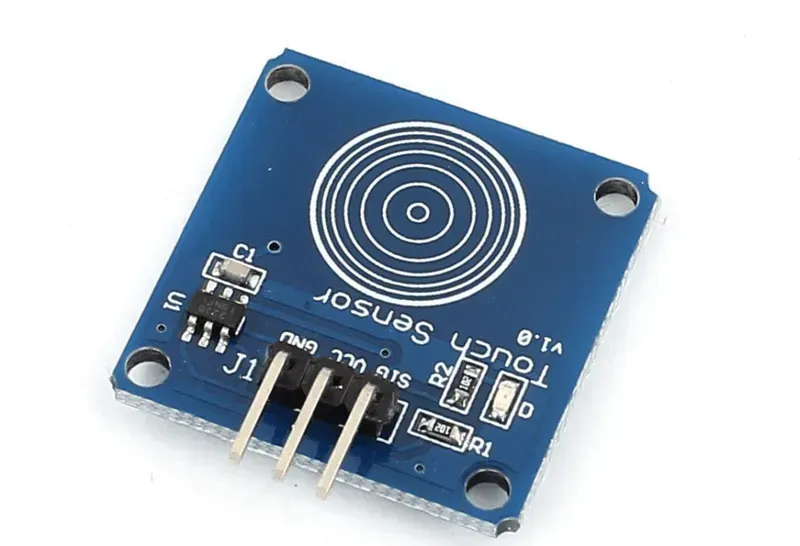
Sensors on PCB
At the core of an effective Smart Livestock House Environment Board lies a sophisticated integration of sensors, microcontrollers, and communication modules, meticulously engineered onto a robust Printed Circuit Board (PCB). This synergy enables precise, real-time monitoring and dynamic control of critical environmental parameters, ensuring optimal conditions for livestock health, growth, and productivity. Understanding the interplay of these components is crucial to appreciating the board's comprehensive capabilities in modern agricultural automation.
Component Category
Specific Components
Core Functionality
Environmental Sensors
Temperature Sensors (e.g., DHT22, DS18B20)
Accurate measurement of ambient temperature, crucial for thermoregulation of livestock.
Environmental Sensors
Humidity Sensors (e.g., SHT3x, AM2302)
Monitoring relative humidity levels to prevent respiratory issues and promote comfort.
Environmental Sensors
Air Quality Sensors (e.g., MQ-135, BME680)
Detection of harmful gases like ammonia (NH3) and carbon dioxide (CO2), vital for ventilation control.
Environmental Sensors
Light Sensors (e.g., Photoresistor, BH1750)
Measurement of light intensity to manage lighting cycles for animal welfare and production (e.g., egg laying).
Core Processing Unit
Microcontroller (MCU) (e.g., ESP32, STM32)
Acts as the brain, processing sensor data, executing control algorithms, and managing communication protocols.
Communication Modules
Wi-Fi/Ethernet Module
Enables seamless data transmission to cloud platforms or local servers for remote monitoring and control.
Communication Modules
LoRa/Zigbee Module
Provides long-range, low-power connectivity for larger farm layouts, enhancing network reliability and energy efficiency.
Power Management
Voltage Regulators, Power Converters
Ensures stable and efficient power distribution to all components, critical for continuous operation in demanding environments.
Actuator Control
Relay Drivers, PWM Controllers
Interface with external systems like fans, heaters, misters, and lighting systems to automate environmental adjustments based on sensor inputs.
How does the Environment Board ensure continuous monitoring? The board utilizes low-power consumption components and robust power management circuitry, often supplemented by battery backup or solar integration, to maintain continuous operation and data acquisition even during power fluctuations, ensuring uninterrupted environmental oversight.
What role does the microcontroller play in environmental control? The microcontroller is central to the board's functionality. It gathers data from various sensors, runs sophisticated algorithms to interpret this data, and then sends commands to actuators (like fans or heaters) to maintain predefined environmental setpoints, acting as the decision-making hub.
Can the board integrate with existing farm infrastructure? Yes, Zero One Solution's Environment Board is designed with flexible communication interfaces (e.g., Modbus, MQTT, REST APIs) that allow it to seamlessly integrate with a wide range of existing farm management systems, IoT platforms, and legacy equipment, facilitating a smooth transition to smart farming.
How is data from the board accessed and analyzed? Data collected by the board's sensors is transmitted via communication modules to a centralized cloud platform or local server. This data can then be accessed through a user-friendly dashboard, providing real-time insights, historical trends, and customizable alerts for informed decision-making and operational optimization.
What measures are in place to ensure data accuracy and reliability? The board incorporates high-precision, industrial-grade sensors calibrated for agricultural environments. Redundancy mechanisms, error-checking protocols in communication, and robust PCB design minimize signal interference and ensure the integrity and reliability of all collected data, crucial for accurate environmental control.
Benefits of Implementing a Smart Livestock House Environment Board
Implementing Zero One Solution's Smart Livestock House Environment Board revolutionizes traditional farming by providing a precisely controlled environment that directly translates to significant operational advantages and improved animal welfare. This advanced PCB solution moves beyond basic monitoring, offering a comprehensive system that optimizes conditions for animal health, enhances productivity, and drives sustainable resource management, ultimately boosting farm profitability and efficiency in the competitive agricultural landscape.
Improved Animal Health and Welfare Maintaining optimal temperature, humidity, and air quality significantly reduces stress and the incidence of respiratory diseases, heat stress, and other ailments. Consistent environmental control leads to healthier animals with stronger immune systems, fewer veterinary interventions, and lower mortality rates. For instance, studies show that precise temperature control in poultry houses can reduce mortality by up to 15%.
Increased Productivity and Output A stable and ideal environment directly correlates with higher productivity. For dairy cows, optimal conditions can increase milk yield; for poultry, improved egg production and faster growth rates are observed; and for swine, healthier conditions lead to better feed conversion ratios and increased weight gain. This translates into more marketable products and greater revenue generation for farmers.
Optimized Resource Utilization The Smart Livestock House Environment Board enables precise control over heating, ventilation, and cooling systems, preventing energy waste from over-ventilation or excessive heating/cooling. By monitoring and adjusting water and feed distribution based on real-time needs, the system minimizes resource wastage, leading to substantial savings on energy bills and feed costs. For example, intelligent ventilation can reduce energy consumption by up to 30% compared to traditional manual systems.
Reduced Disease Outbreaks and Bio-Security By maintaining hygienic and stable environmental parameters, the board helps mitigate the spread of pathogens. Automated systems can identify and alert to anomalies that might indicate a potential disease outbreak, allowing for rapid intervention and isolation, thereby enhancing overall farm bio-security and preventing widespread losses.
Enhanced Operational Efficiency and Data-Driven Decisions Automation provided by the environment board frees up valuable farm labor from constant manual adjustments and checks. Real-time data collection on environmental parameters provides valuable insights into farm performance, enabling farmers to make data-driven decisions regarding breeding cycles, feeding schedules, and overall management strategies. This leads to more efficient operations and strategic long-term planning.
Customization and Integration Capabilities of Smart Livestock House Environment Boards
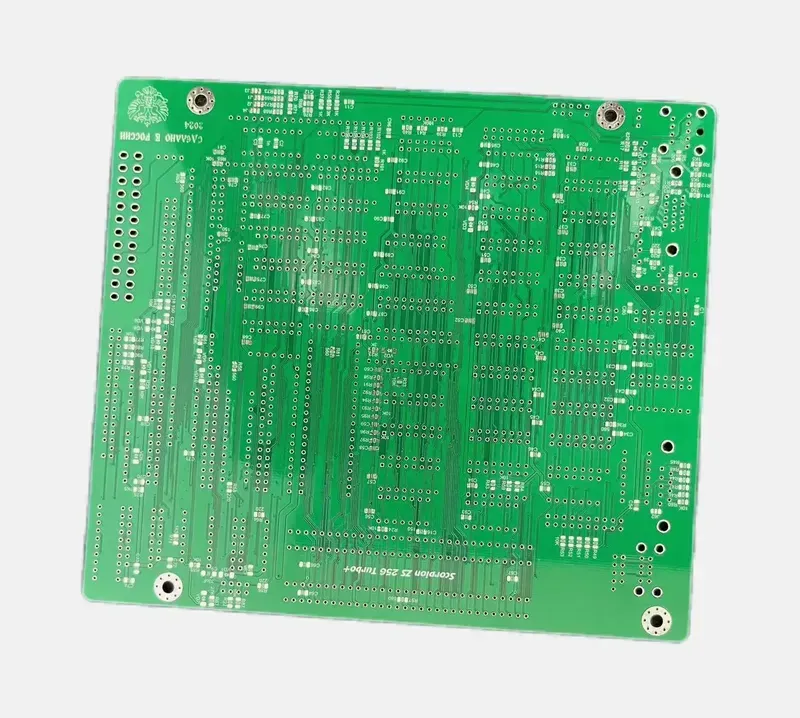
Customized PCB
The true power of Zero One Solution's Smart Livestock House Environment Board lies in its unparalleled customization and integration capabilities, enabling precise environmental control tailored to the unique demands of diverse farming operations. This adaptability ensures that our advanced PCB solutions seamlessly integrate into existing infrastructures while meeting specific operational parameters, maximizing return on investment and operational efficiency for every client.
How can Zero One Solution's Smart Livestock Environment Board be customized for different farm types? Our Smart Livestock Environment Board is designed with a modular architecture, allowing for extensive customization. This includes selecting specific sensor arrays (e.g., specialized gas sensors for poultry, advanced humidity sensors for mushroom farms), configuring output controls for various ventilation systems or feeding mechanisms, and adjusting software parameters to align with the unique environmental needs of different livestock species (e.g., swine, cattle, poultry) or even specific growth stages within a single species. We work closely with clients to define requirements and deliver a bespoke solution.
What integration options are available for the Smart Livestock Environment Board with existing farm management systems? The Smart Livestock Environment Board supports multiple communication protocols, including Modbus, MQTT, and standardized API interfaces, enabling seamless integration with a wide range of existing farm management software and enterprise resource planning (ERP) systems. This allows for centralized data aggregation, remote monitoring, and automated control, eliminating data silos and enhancing overall operational visibility and control without requiring a complete system overhaul.
Can the solution integrate with other IoT devices on the farm? Absolutely. Our board is built on open standards and communication protocols, facilitating robust integration with a diverse ecosystem of IoT devices commonly found in modern agricultural settings. This includes smart feeders, automated watering systems, robotic cleaners, and biometric sensors. Such integration creates a truly interconnected smart farm, where all systems can communicate and respond dynamically to environmental conditions and animal needs, leading to optimized resource allocation and improved animal welfare.
What is the process for tailoring the environment board to specific farm needs? The customization process begins with a comprehensive consultation to understand the farm's specific livestock, existing infrastructure, environmental challenges, and desired outcomes. Our engineering team then designs a tailored PCB layout, selects appropriate components, and develops custom firmware. This iterative process involves client feedback and rigorous testing to ensure the final solution precisely meets the farm’s operational and environmental control requirements, delivering optimal performance and reliability.
Real-World Applications and Case Studies
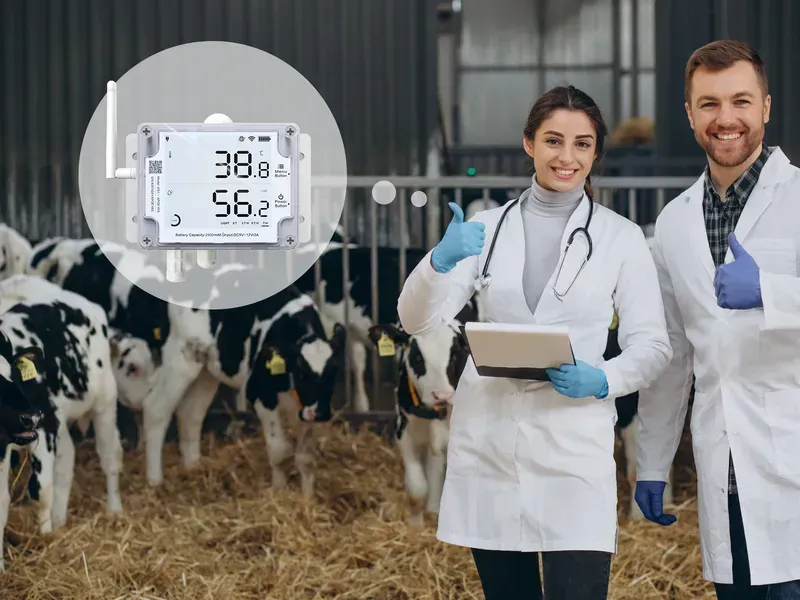
Environmental monitoring in livestock farm
The true measure of a technology's impact lies in its real-world application. Zero One Solution's Smart Livestock House Environment Board has consistently delivered tangible improvements across diverse livestock farming operations, demonstrating its profound positive impact on animal welfare, resource efficiency, and ultimately, farm profitability. These case studies underscore our commitment to practical, effective solutions that address the core challenges of modern agriculture.
Optimizing Poultry Farm Productivity in Southeast Asia A large-scale poultry farm in Southeast Asia faced significant challenges with heat stress and disease outbreaks, impacting broiler growth rates and mortality. Implementing Zero One Solution's Environment Board, equipped with precise temperature and humidity sensors and automated ventilation controls, resulted in a sustained 15% reduction in mortality rates and a 10% improvement in feed conversion ratios within six months. The system's real-time data analytics enabled proactive adjustments, ensuring optimal environmental conditions even during peak summer months, leading to a substantial increase in overall farm profitability and healthier flocks. This case highlights how precise environmental control directly translates into economic gains and improved animal welfare.
Enhancing Dairy Cow Comfort and Milk Yield in Europe A European dairy farm sought to improve cow comfort and milk production by maintaining ideal barn conditions. Integrating the Smart Livestock House Environment Board allowed for continuous monitoring of temperature, humidity, and ammonia levels. The system triggered automated misting and fan systems when thresholds were exceeded, significantly reducing heat stress. This led to a measurable 5% increase in average milk yield per cow and a noticeable reduction in mastitis cases, showcasing how a comfortable environment directly boosts productivity and animal health. The farm reported improved operational efficiency due to reduced manual adjustments and more stable production cycles.
Reducing Energy Consumption in Swine Farming in North America A prominent swine operation in North America aimed to reduce energy costs associated with climate control. By deploying Zero One Solution's Environment Board, which features intelligent control algorithms and precise sensor data, the farm achieved a remarkable 20% reduction in heating and cooling energy consumption. The system optimized ventilation and temperature regulation based on the pigs' developmental stages and external weather conditions, preventing over-conditioning and unnecessary energy expenditure. This case demonstrates the economic benefits of smart resource management without compromising animal welfare or growth rates, proving the solution's efficacy in sustainable farming practices.
The Role of PCB Design and Manufacturing in Environmental Control
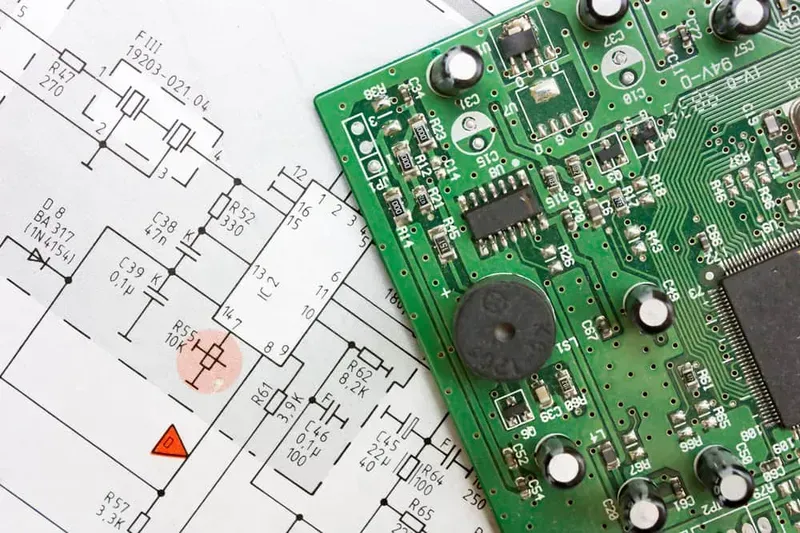
PCB design
The foundation of a reliable Smart Livestock House Environment Board lies unequivocally in superior Printed Circuit Board (PCB) design and manufacturing. Without meticulous attention to these critical stages, the accuracy, longevity, and overall performance of environmental control systems in sensitive livestock environments would be severely compromised, leading to potential operational failures and significant economic losses. Zero One Solution Limited's two decades of expertise in PCB solutions ensure that every environmental control board is engineered for unwavering reliability and precision.
Aspect of PCB Quality
Impact on Environmental Control Board
Zero One Solution's Approach
Component Placement & Routing
Optimized signal integrity, reduced electromagnetic interference (EMI), accurate sensor readings.
Advanced CAD tools for precise component placement, minimizing noise and crosstalk for data integrity in high-density layouts and complex sensor networks
Material Selection
Ensures thermal stability, resistance to harsh livestock environments (humidity, dust, ammonia), and consistent performance over time.
Utilizing high-grade, durable substrates and finishes (e.g., FR-4, specialized laminates for thermal management) to withstand corrosive farm conditions and temperature fluctuations, extending board lifespan
Thermal Management
Prevents overheating of sensitive components, ensuring consistent and accurate operation of microcontrollers and sensors.
Implementing effective thermal dissipation techniques (e.g., copper pours, thermal vias, heat sinks) in design to maintain optimal operating temperatures for all integrated circuits, ensuring long-term reliability and sensor accuracy
Manufacturing Precision
Guarantees reliable solder joints, correct component orientation, and adherence to design specifications for consistent functionality.
Employing automated optical inspection (AOI), X-ray inspection, and rigorous in-process quality control (IPC standards) to detect and correct manufacturing defects early, ensuring robust physical and electrical connections for all embedded systems
Testing & Validation
Verifies board functionality, accuracy of sensor readings, and communication protocols before deployment.
Comprehensive functional testing, environmental stress testing, and calibration procedures ensure each board meets stringent performance criteria for environmental monitoring accuracy and control in real-world scenarios, guaranteeing reliable data transmission and command execution
Future Trends in Smart Livestock Farming
The trajectory of livestock farming is fundamentally shifting, moving beyond traditional methods toward an era of hyper-connected, data-driven operations. This evolution is spearheaded by advancements in smart technology, promising unprecedented levels of efficiency, animal welfare, and sustainability. For industry leaders and innovative farmers, understanding and embracing these future trends is not merely an advantage, but a necessity for long-term viability and competitive edge.
How is AI transforming livestock management? Artificial Intelligence is increasingly being deployed for advanced analytics in livestock farming. This includes AI-powered image recognition for individual animal identification and health monitoring, behavioral analysis to detect early signs of stress or illness, and optimized feeding algorithms. By processing vast datasets from sensors and cameras, AI can predict disease outbreaks, optimize resource allocation, and even forecast market trends, moving from reactive management to proactive intervention. This leads to reduced mortality rates, optimized growth, and improved overall farm profitability.
One of the most impactful trends is the integration of predictive maintenance within smart livestock systems. This moves beyond scheduled upkeep to an analytics-driven approach that anticipates equipment failures or environmental deviations before they occur. Utilizing data from sensors monitoring HVAC systems, feeding machinery, and waste management, algorithms can detect anomalies and alert farmers to potential issues, minimizing costly downtime and ensuring consistent optimal conditions for livestock. This proactive stance significantly enhances operational reliability and reduces unexpected losses.
What role do advanced sensor technologies play in the future of smart livestock farming? Next-generation sensor technologies are becoming smaller, more accurate, and more versatile, enabling a more granular understanding of the livestock environment and individual animal well-being. Beyond standard temperature and humidity sensors, we are seeing the rise of wearable biometric sensors for direct health monitoring, gas sensors for precise air quality assessment (e.g., ammonia, hydrogen sulfide), and acoustic sensors for early detection of animal distress or respiratory issues. These advanced sensors provide real-time, comprehensive data feeds crucial for AI analytics and informed decision-making, offering unprecedented insights into individual animal health and environmental conditions.
Zero One Solution Limited is strategically positioned at the forefront of these advancements. Our expertise in rapid prototyping and high-quality PCB design and manufacturing is crucial for enabling the sophisticated hardware required for future smart livestock systems. We are actively developing next-generation environment board solutions that integrate cutting-edge sensor arrays, robust processing capabilities for on-edge AI analytics, and advanced communication protocols (like 5G and LPWAN) to support pervasive IoT networks within agricultural settings. Our commitment to innovation ensures that our clients are equipped with the foundational technology to harness the full potential of AI, predictive maintenance, and advanced sensing, paving the way for truly intelligent and sustainable livestock operations.
Conclusion: Embracing Smart Technology for a Sustainable Future in Livestock Farming
Embracing smart technology, particularly advanced PCB-based solutions like Zero One Solution's Smart Livestock House Environment Board, is not merely an upgrade but a fundamental shift towards a more sustainable, efficient, and ethical future in livestock farming. This innovation addresses critical pain points in traditional farming by providing unparalleled precision in environmental control, leading to healthier animals, optimized resource consumption, and significantly improved operational profitability for farmers globally. It's a proactive step towards meeting the growing demand for food while minimizing environmental impact and maximizing animal welfare.
What are the primary benefits of adopting the Smart Livestock House Environment Board? The primary benefits include enhanced animal health and welfare through optimized environmental conditions, which directly translates to reduced disease incidence, improved growth rates, and increased productivity (e.g., higher milk yields, better meat quality). Additionally, it leads to substantial operational efficiencies by optimizing resource consumption like energy and water, minimizing waste, and automating critical environmental controls, freeing up valuable human capital for other essential tasks. This comprehensive approach ensures both ecological sustainability and economic viability for modern livestock operations.
Zero One Solution Limited, with its deep roots in rapid prototyping and advanced PCB manufacturing, is committed to driving this technological revolution in agriculture. Our expertise ensures that each Smart Livestock House Environment Board is built with the highest standards of reliability and precision, providing a robust foundation for intelligent farm management. We are dedicated to continuous innovation, aligning our solutions with the evolving needs of the agricultural sector and future trends in IoT, AI, and data analytics to ensure our clients remain at the forefront of sustainable and profitable farming.
We encourage all livestock farmers, agricultural enterprises, and technology integrators to explore the transformative potential of smart technology. By integrating advanced environmental control solutions, farms can move beyond reactive management to a proactive, data-driven approach that benefits animals, the environment, and the bottom line. Zero One Solution is poised to be your trusted partner in navigating this exciting new era of intelligent agriculture, providing the foundational technology to build smarter, more sustainable, and highly productive livestock operations.
In conclusion, Zero One Solution Limited's Smart Livestock House Environment Board represents a pivotal advancement in agricultural technology. By offering precise control over critical environmental factors, this solution not only enhances the health and well-being of livestock but also drives significant improvements in productivity and operational efficiency. As the agricultural industry continues to embrace smart farming practices, the adoption of such innovative solutions will be crucial for meeting the growing global demand for food while minimizing environmental impact. Contact Zero One Solution today to discover how our PCB solutions can revolutionize your livestock management practices and pave the way for a more sustainable and profitable future. Explore the possibilities and empower your farm with the future of livestock technology.